
Sarah had read enough wellness content to know that bone broth was supposed to be miraculous. Three articles told her it “heals leaky gut.” Two influencers with hundreds of thousands of followers claimed it cured their autoimmune disease. A podcast host called it “the most healing food you can eat.” She bought the powder version from a health food store, made the liquid version at home for two months, and consumed approximately 14 liters of the stuff waiting for her gut symptoms to resolve. They didn’t.
Then she found a different article — one that admitted the evidence for bone broth was largely mechanistic rather than clinical. That the specific claims being made were extrapolations from nutrient research rather than bone broth research itself. That the honest verdict was “probably helpful, not proven, and here’s what the actual evidence looks like.”
She felt, as she described it afterward, “both relieved and annoyed” — relieved because she wasn’t missing something obvious, annoyed because the wellness industry had sold her a miracle cure that turned out to be a reasonable food with modest, unproven benefits.
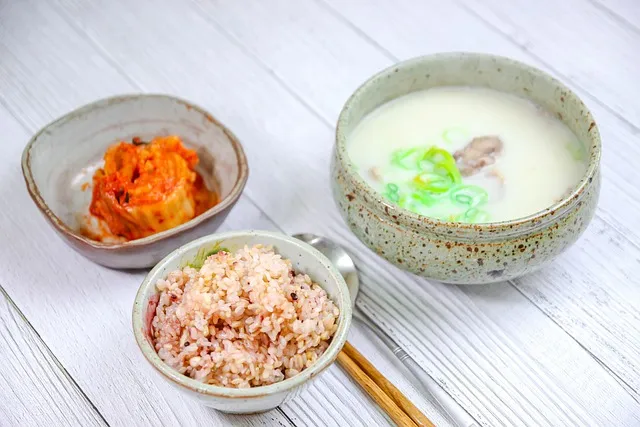
What Bone Broth Actually Contains
Bone broth is made by simmering animal bones — typically with connective tissue and sometimes with vinegar to enhance mineral extraction — for an extended period, typically 12-24 hours. The extended cooking extracts compounds from the bones, cartilage, tendons, and connective tissue that wouldn’t be available in ordinary cooking of meat.
The primary nutritional components of bone broth are:
Collagen and gelatin: When collagen-rich connective tissue simmers for extended periods, the collagen protein hydrolyzes — its triple-helix structure unwinds — into gelatin. Gelatin is partially hydrolyzed collagen that, upon further digestion, yields individual amino acids and short peptide chains. The characteristic gel that forms when bone broth cools is evidence of gelatin content. Collagen content per cup of bone broth varies enormously based on cooking time, temperature, the bones used, and the ratio of bone to water — estimates range from 1 to 10 grams per cup.
Glycine: The most abundant amino acid in collagen and therefore in bone broth. Glycine is a conditionally essential amino acid — the body synthesizes some but often not enough to meet demand, particularly under conditions of stress, illness, or gut repair. Glycine serves as a precursor to glutathione (the body’s primary intracellular antioxidant), creatine, and certain bile acids. It has anti-inflammatory properties and plays a role in gut mucosal integrity. A cup of bone broth provides approximately 1-3 grams of glycine depending on preparation.
Proline: The second-most abundant amino acid in collagen, proline is essential for collagen synthesis throughout the body. The body can synthesize proline from glutamate, but dietary proline supplementation may support connective tissue repair when demands are high. The gut lining contains significant collagen, and proline availability is one factor in its repair capacity.
Hydroxyproline: A modified amino acid found almost exclusively in collagen, hydroxyproline is produced by post-translational modification of proline in a reaction requiring vitamin C. It’s a structural component of the triple-helix collagen structure and a useful marker for collagen content in broth.
Glutamine: Bone broth contains some glutamine — the primary fuel for enterocytes (intestinal lining cells). The amount is variable and generally modest compared to dedicated glutamine supplementation. Claims that bone broth is a significant source of gut-healing glutamine are somewhat exaggerated — a typical cup of broth might provide 0.5-1.5 grams of glutamine, below the therapeutic range used in clinical studies (5-20 grams per day).
Glucosamine and chondroitin: Extracted from cartilage during extended cooking, these compounds have clinical evidence for joint health (particularly osteoarthritis, where they may slow cartilage degradation). Their direct gut-health benefits are less studied, though both compounds have anti-inflammatory properties relevant to gut mucosal maintenance.
Minerals: Calcium, phosphorus, magnesium, potassium, and various trace minerals leach from bones during cooking. Adding vinegar to the cooking water enhances mineral extraction. Bone broth is a reasonable, bioavailable source of these minerals, though not the richest source available from whole foods. The actual mineral content varies considerably based on the mineral content of the bones used and cooking methodology.
The Mechanistic Case for Gut Healing
Here’s where things get interesting — and where intellectual honesty distinguishes quality health writing from wellness marketing.
The mechanistic case for bone broth supporting gut health is real and plausible. It goes like this:
The gut lining is structurally composed of a single layer of epithelial cells sitting on a collagen-rich extracellular matrix (the lamina propria). This matrix is continuously being degraded and rebuilt — matrix metalloproteinases break down old collagen, while fibroblasts synthesize new collagen from amino acid precursors including glycine, proline, and hydroxyproline. Regenerating this matrix requires a continuous supply of these amino acids.
In conditions of gut inflammation, leaky gut, or infectious damage, the collagen matrix undergoes accelerated degradation. The body’s demand for the amino acids required to rebuild it increases. If dietary supply is insufficient, repair is limited. Providing additional glycine, proline, and hydroxyproline through collagen-rich foods like bone broth could, in theory, support faster and more complete gut lining repair by ensuring the building materials are available.
Glycine specifically has been studied for anti-inflammatory effects. Animal research demonstrates that glycine reduces inflammatory cytokine production and can protect against gut mucosal injury in experimental models. A 2017 review in Current Opinion in Clinical Nutrition and Metabolic Care concluded that glycine’s anti-inflammatory and cytoprotective properties make it a candidate for clinical application in gut injury, though most of the available evidence remains preclinical.
The glutamine argument is mechanistically stronger. Glutamine is genuinely the primary fuel for enterocytes — intestinal lining cells rapidly dividing and maintaining barrier function. During critical illness, intestinal permeability increases, and glutamine supplementation consistently reduces this permeability in clinical trials (see the van der Hulst 1993 study discussed in detail in the L-glutamine article). Bone broth contains some glutamine. If glutamine supports gut repair and bone broth contains glutamine, then bone broth plausibly supports gut repair through this mechanism. The limitation is dose — bone broth provides far less glutamine than the therapeutic doses used in clinical trials.
Gelatin itself has one interesting clinical data point: a small double-blind placebo-controlled trial published in the journal Complementary Medicine Research (König 2014) demonstrated that hydrolyzed collagen supplementation over 12 weeks improved gut symptoms, reduced intestinal permeability (measured by lactulose/mannitol ratio), and improved mucosal protein synthesis in subjects with functional gut complaints. This is the closest thing to a clinical trial specifically on collagen/gelatin for gut health — small, limited in scope, but at least proof-of-concept clinical evidence.
The Honest Verdict: Where the Evidence Stops
- Animal studies on gut inflammation, typically using isolated compounds (glycine, glutamine) rather than bone broth itself
- Clinical trials on isolated compounds found in bone broth (glutamine, hydrolyzed collagen) at doses considerably higher than typical bone broth provides
- Observational associations between collagen-rich traditional diets and gut health outcomes in certain populations
- Mechanistic reasoning from known amino acid functions to theoretical bone broth effects
Now for the part the wellness industry skips: what the evidence does not show.
There are no randomized controlled trials specifically testing bone broth for gut health outcomes in humans. Not one. Every clinical claim made about bone broth for gut health is extrapolation from one of the following:
None of these constitute clinical evidence for bone broth specifically. The leap from “glycine has anti-inflammatory properties in cell studies” to “bone broth heals leaky gut” is a significant extrapolation passing through several unvalidated steps.
This doesn’t mean bone broth doesn’t help. It means nobody actually knows whether it helps, how much it helps, whether the help it provides is clinically meaningful, or whether it beats alternative ways of getting the same nutrients. The mechanism is plausible. The clinical validation is absent. The honest position: probably helpful, definitively not proven.
This distinction matters because it changes the appropriate role of bone broth in a gut health strategy. If bone broth were clinically proven to reduce intestinal permeability and heal dysbiosis, it would be a central therapeutic intervention. Since it’s merely plausible but unproven, it belongs in the category of supportive, low-risk additions to a broader evidence-based gut health protocol — valuable for its nutrients, flavorful, traditional, consistent with ancestral eating patterns — but not a substitute for the interventions that do have clinical evidence.
How to Make Bone Broth Right
If you’re going to drink bone broth, make it properly. The commercial bone broth market is full of products that shortcut the process in ways that significantly reduce nutritional value while maintaining the price premium associated with the “healing” marketing.
The key variables that determine bone broth quality are:
Bone quality: Pasture-raised, grass-fed animals produce bones with higher mineral density and better omega-6:omega-3 ratios in the marrow fat. Conventionally raised animal bones are still nutritionally useful but may contain higher residues of the antibiotics and hormones used in industrial animal production. For bone broth specifically — where whatever is in the bones gets concentrated through extended cooking — source quality matters more than for ordinary meat consumption.
Bone types: Knuckles, feet, and joints provide the highest collagen content because they contain the most cartilage. Marrow bones add fat and fat-soluble nutrients. A combination of joint/knuckle bones plus a few marrow bones produces the best balance of collagen content and flavor. For chicken broth, feet are the highest-collagen component — chicken feet make a broth that gels firmly at room temperature, indicating high gelatin content.
Vinegar: Adding 2 tablespoons of apple cider vinegar (or any acidic vinegar) per gallon of water and letting the bones soak for 30-60 minutes before heating enhances mineral extraction from the bones. The acidity chelates minerals from the bone matrix, increasing the calcium, phosphorus, and magnesium content of the final broth. This is chemistry, not folk medicine — the mineral extraction effect is real and measurable.
Cooking time: The most underappreciated variable. A 2-hour chicken broth is not the same nutritional product as a 24-hour chicken broth. Collagen extraction into gelatin requires extended heat exposure. The minimum recommended cooking time for genuinely high-collagen bone broth is 12 hours for poultry and 18-24 hours for beef or pork. At 24 hours, the bones turn chalky and brittle as the collagen and minerals have been largely extracted. Longer isn’t infinitely better — after 36-48 hours, some studies suggest certain amino acids begin to degrade — but the common 2-4 hour shortcut significantly underdelivers on collagen content.
Low heat: Simmering rather than boiling matters for both flavor and nutrient preservation. A hard boil creates a cloudy, harsh-flavored broth and can denature some protein content. A gentle simmer at 185-200°F (85-93°C) extracts collagen effectively while producing a cleaner flavor and preserving more of the volatile aromatic compounds.
Skimming: During the first hour of cooking, a grey foam composed of denatured proteins and impurities rises to the surface. Skimming this off produces a cleaner, better-flavored broth. Blanching the bones in boiling water for 10-15 minutes before beginning the actual broth reduces the amount of foam produced and improves clarity.
The Gut Repair Nutrient Stack
- L-Glutamine — The enterocyte’s primary fuel, and the nutrient with the clearest permeability data behind it. The amounts used in those trials sit far above anything a cup of broth contributes, which is why the research is done with isolated powder rather than food. See the dedicated L-glutamine article for full protocol details.
- Glycine — Available from bone broth, collagen peptide supplements, or glycine powder. Anti-inflammatory, precursor to glutathione, structural component of the collagen matrix. A daily broth habit contributes real glycine; the isolated-powder studies work with several times more.
- Zinc carnosine — A chelated form of zinc with specific mucosal protective properties beyond those of zinc alone. Clinical trial evidence for reducing gut permeability and protecting intestinal lining from NSAID damage. Not available from food in meaningful amounts — requires supplementation.
- Deglycyrrhizinated licorice (DGL), taken before meals — Reduces gastric mucosal damage, stimulates mucus secretion, and has anti-inflammatory properties in the GI tract. The deglycyrrhizinated form has the glycyrrhizin removed to prevent blood pressure elevation at higher doses.
- Collagen peptides — Hydrolyzed collagen, the form König’s 2014 trial used when it measured reduced intestinal permeability. Can come from bone broth or from collagen peptide powder; the powder is simply more consistent from scoop to scoop than broth is from batch to batch.
- Saccharomyces boulardii — A beneficial yeast with evidence for gut barrier protection through multiple mechanisms: stimulating secretory IgA production, inhibiting pathogen adhesion, protecting tight junction proteins. Particularly important during and after antibiotic use.
- Butyrate (or its precursors) — Either direct butyrate supplementation or a high-fiber diet supporting butyrate production by gut bacteria. Butyrate is the primary energy source for colonocytes (large intestine cells) and is essential for gut barrier maintenance. Found in butter and ghee in modest amounts; produced in larger amounts by fermentation of fiber by gut bacteria.
Understanding bone broth’s proper role means understanding what it contributes to a comprehensive gut repair nutritional strategy — and what needs to come from other sources to complete the picture.
The Gut Repair Nutrient Stack is the complete set of nutritional interventions with mechanistic plausibility and some degree of clinical evidence for supporting intestinal barrier function and gut lining repair. Bone broth contributes to several components but needs supplementing with others to provide therapeutic doses.
Bone broth contributes meaningfully to the glycine and collagen peptide components of the Gut Repair Nutrient Stack. It doesn’t replace dedicated glutamine supplementation, zinc carnosine, or butyrate support. Understanding its specific contribution allows it to be used appropriately — as part of a comprehensive approach rather than a standalone intervention.
Commercial Bone Broth Products: What to Look For
If making broth at home isn’t practical, commercial bone broth products are legitimate — with significant quality variation.
Red flags in commercial bone broth:
- Products that don’t gel when refrigerated — real high-collagen broth gels. If it stays liquid like water when cold, it has inadequate gelatin content.
- Short cooking times on the label (3-4 hours) — insufficient for meaningful collagen extraction from beef or pork bones.
- Conventional rather than pasture-raised sourcing, particularly if price point suggests cost-cutting.
- Added “collagen” in small amounts to make up for insufficient actual broth collagen — look for “hydrolyzed collagen” or “collagen peptides” in the ingredient list on what’s labeled as bone broth. This indicates the broth itself is low-collagen and has been supplemented.
- Very low protein per serving — a cup of quality bone broth should provide 6-12 grams of protein. Products listing 2-3 grams are watered-down or low-collagen products.
What to look for: Pasture-raised or grass-fed source labeling, protein content above 8g per cup, gelatin content mentioned, 18-24+ hour cooking time stated, minimal ingredients (bones, water, vegetables, vinegar, salt).
Bone broth powder products — dehydrated and spray-dried bone broth concentrate — are convenient and have a reasonable collagen profile if sourced from quality broth, but they lose some of the mineral content and certain volatile compounds in the dehydration process. Reasonable travel and convenience option, but not equivalent to properly made liquid broth for full nutritional value.
The Lead Concern: An Important Caveat
A 2013 study published in Food and Chemical Toxicology (Monro et al.) raised a concern the bone broth community has largely tried to ignore: lead content. Bones sequester heavy metals including lead, and extended boiling leaches those metals along with the minerals and collagen. The study found that commercially prepared chicken bone broth contained significantly higher lead levels than water — up to 7-fold higher.
Subsequent analysis has been mixed. Some researchers have pointed out that the absolute lead content in the Monro study was still well below the FDA’s provisional total tolerable intake level and that the organic mineral forms in broth may have reduced bioavailability compared to inorganic lead. Others have noted that sourcing matters enormously — chickens and other animals raised in contaminated environments or fed contaminated feed will sequester higher lead and cadmium in their bones.
The honest position: the lead concern is real but likely manageable with proper sourcing (pasture-raised animals from clean environments) and moderation. Drinking multiple cups of bone broth per day is a different risk proposition than using it as a component of cooking or consuming a cup daily. People with elevated lead levels or high heavy metal exposure from other sources should be more cautious. For the general population consuming quality broth in reasonable amounts, the concern is worth knowing about but not cause for avoidance.
This is another reason to understand bone broth as a supportive food in a gut health protocol rather than a therapeutic intervention consumed in large therapeutic doses. The dose makes the poison, in both directions.
Bone Broth Gut Q&A
How much bone broth should I drink daily for gut health benefits?
The common recommendation of 1-2 cups (240-480ml) daily is reasonable and provides modest amounts of glycine, collagen peptides, and minerals without concerning amounts of concentrated heavy metals. This amount is unlikely to provide therapeutic doses of any individual compound — it’s below the glutamine and glycine levels used in clinical studies. Consider it a nutrient-dense food addition to a broader gut health protocol rather than a therapeutic dose.
Is bone broth as good as collagen peptide supplements for gut health?
Not necessarily, in terms of collagen content consistency. Collagen peptide supplements provide a known, consistent dose of hydrolyzed collagen — typically 10-20 grams per serving — compared to the variable 1-10 grams per cup in bone broth. The collagen in supplements is also more fully hydrolyzed, potentially improving absorption. However, bone broth provides additional compounds — glucosamine, chondroitin, minerals, glycosaminoglycans — not found in pure collagen peptide supplements. The two are complementary rather than interchangeable.
Is vegetable broth a reasonable substitute for gut health purposes?
No. Vegetable broth doesn’t contain gelatin, glycine, proline, glucosamine, chondroitin, or any of the collagen-derived compounds that form the mechanistic basis for bone broth’s potential gut health benefits. It has other nutritional value — minerals, polyphenols from vegetables — but it isn’t a substitute for the collagen-based nutrients in bone broth. For vegetarians and vegans, specific amino acid supplementation (glycine powder, glutamine) plus plant-based collagen support supplements (vitamin C, which supports collagen synthesis; zinc; silica) can provide some of the same nutritional support.
Should I make bone broth from chicken, beef, or fish bones?
Different sources have different nutrient profiles. Chicken bone broth — especially using chicken feet and carcasses — produces high-gelatin broth with good glycine and proline content. Beef bone broth from knuckles and joints provides higher collagen content per cup and more glucosamine/chondroitin from the larger cartilaginous joints, but requires longer cooking times. Fish bone broth cooks more quickly (2-4 hours, versus 18-24 for beef) and provides different trace minerals including iodine and selenium. Rotating sources or combining them provides the broadest nutritional profile.
Can bone broth make gut symptoms worse for some people?
Yes, and this is worth acknowledging. Bone broth is high in histamine — produced during the extended cooking process through bacterial histidine decarboxylation. People with histamine intolerance (impaired DAO enzyme activity) can experience worsening symptoms including headaches, flushing, GI irritation, and anxiety after consuming high-histamine foods. If bone broth consistently makes you feel worse rather than better, histamine intolerance may be the explanation. Fresh meat broth cooked briefly (1-2 hours) and consumed immediately has lower histamine than long-cooked, stored bone broth.
Do I need to add vinegar when making bone broth?
For mineral extraction, yes — vinegar measurably increases calcium, magnesium, and phosphorus content in the final broth. For collagen extraction (gelatin content), vinegar isn’t necessary — collagen dissolves in hot water regardless of pH. If the primary goal is maximizing collagen/gelatin content, vinegar is optional. If the primary goal is maximizing mineral content, vinegar is beneficial. No real reason not to add it — a tablespoon or two per gallon doesn’t noticeably affect flavor after 18-24 hours of cooking.
What’s the difference between bone broth and stock?
Traditionally, stock is made from bones and vegetables simmered for 4-8 hours — primarily for flavor, with moderate collagen content. Bone broth is typically cooked longer (12-24+ hours) specifically to maximize collagen and mineral extraction. The distinction has become somewhat blurred in commercial labeling, which is why the practical quality test — whether the product gels when refrigerated — is more reliable than product naming. If it gels, it has meaningful gelatin content regardless of what it’s called.
For more on the comprehensive gut repair nutritional strategy that bone broth supports, see the complete gut health guide and the detailed breakdown of the gut lining’s specific repair needs in the leaky gut symptoms and treatment guide.
Bone Broth in the Broader Context of Ancestral Eating
One of the more compelling arguments for bone broth — not the most scientific, but not dismissible either — is its universality in traditional food cultures. From the pot-au-feu of French cuisine to the pho of Vietnamese cooking, from the Jewish penicillin of chicken soup to the bone-based stews of nearly every traditional African, Asian, and South American cuisine, the practice of extending cooking to extract nutrients from connective tissue and bone is essentially universal across cultures that didn’t have access to modern supplementation.
This universality doesn’t prove efficacy — many traditional practices that were universal turned out to be neutral or harmful. But it does suggest that populations eating this way across many generations didn’t find it harmful, and that there may be nutritional logic embedded in these food traditions that formal research hasn’t yet fully captured.
The broader principle is important: traditional food cultures that consumed the whole animal — connective tissue, organs, marrow, bone — were consuming a complete amino acid profile that the modern practice of eating primarily muscle meat misses. Glycine, proline, and hydroxyproline are abundant in connective tissue and bone but sparse in lean muscle meat. The modern Western diet is effectively a high-methionine, low-glycine diet relative to ancestral patterns, and there’s research suggesting this amino acid imbalance has metabolic consequences including, potentially, reduced collagen synthesis and gut lining maintenance capacity.
Bone broth is one way to correct this imbalance. Collagen peptide supplements are another. Eating a wider variety of animal-derived foods — including organ meats, slow-cooked tough cuts with connective tissue, and skin-on preparations — is a third. The goal isn’t specifically bone broth for its own sake but adequate glycine and proline from the diet, and bone broth is a traditional, palatable, culturally rich way to achieve that.
“The wisdom in traditional food practices isn’t always visible in single-compound clinical trials. Sometimes it emerges in the pattern of whole foods, whole animals, and whole preparations that sustained human health for thousands of years before we had the tools to measure why.”
Practical Protocol: Incorporating Bone Broth Into a Gut Healing Strategy
Given everything above — the genuine nutritional content, the plausible mechanisms, the absent clinical trials, the Gut Repair Nutrient Stack — here’s a practical protocol for incorporating bone broth intelligently into a gut health strategy.
Morning: 1 cup of bone broth on an empty stomach. Consuming broth before eating maximizes the contact time between its compounds and the gut lining before food dilutes and moves things through. Standard practice in gut healing protocols, with a sensible mechanistic rationale even absent clinical trial validation.
Cooking application: Replace water with bone broth. Cooking rice, quinoa, lentils, and vegetables in bone broth rather than plain water increases the mineral and amino acid content of those foods without requiring additional liquid intake. A practical way to increase bone broth consumption without making it a separate meal or supplement.
Supplement the gaps: Use the Gut Repair Nutrient Stack to provide what bone broth can’t supply in adequate doses. Specifically, dedicated L-glutamine and zinc carnosine supplementation cover gut-repair ground that bone broth alone never reaches — the trial amounts are simply an order of magnitude beyond what broth contains.
Duration: A gut healing protocol incorporating bone broth typically runs 8-12 weeks of consistent use — long enough for measurable changes in intestinal barrier function and sufficient glycine/proline accumulation to support structural repair.
Quality over quantity: A single cup of properly made, high-quality bone broth that gels when cold provides more nutritional value than two cups of thin, watered-down commercial broth. The gelatin content visible in cold broth is the practical quality metric.
Sarah — from the opening of this article — eventually did find value in bone broth, but not in the way the wellness content had sold it to her. She incorporated a cup of homemade chicken foot broth into her morning routine as part of a broader gut health protocol that included L-glutamine supplementation, zinc carnosine, probiotic therapy, and dietary changes. Three months later her gut symptoms had significantly improved. She couldn’t attribute the improvement specifically to the bone broth — the protocol had changed multiple variables simultaneously — but she found it useful, satisfying, and consistent with a broader dietary pattern focused on whole, traditional foods.
That’s the honest, appropriate role for bone broth: not a miracle cure, not useless hype, but a genuinely nutritious traditional food that contributes meaningfully to a comprehensive gut repair strategy when its role is understood accurately.
Comparing the Evidence: Bone Broth vs. Collagen Peptides vs. Gelatin
Consumers regularly face the question of whether to use bone broth, buy collagen peptide powder, use plain gelatin, or some combination. The decision should be based on what each product provides and what the specific goals are.
Bone broth provides collagen/gelatin in food form along with minerals, glucosamine, chondroitin, and the flavor compounds that come from extended cooking of bones and vegetables. The collagen content is variable and lower per serving than supplemental forms. The benefit is that it’s a complete food with multiple compounds working synergistically, and it’s culturally, culinarily, and practically integrated into meals easily.
Collagen peptides (hydrolyzed collagen) provide a consistent, high dose of collagen in its most bioavailable form — already hydrolyzed into short peptide chains and individual amino acids before consumption. A 20-gram serving provides approximately 18 grams of protein, 7-8 grams of glycine, and 3-4 grams of proline. This is the highest-dose, most consistent, and best-studied form for gut repair purposes. The König 2014 trial used hydrolyzed collagen. It dissolves easily in hot or cold liquids and is essentially tasteless. For people needing consistent therapeutic doses of collagen-derived amino acids, peptide supplements are more reliable than broth.
| Form | Collagen / Bioavailability | Best For |
|---|---|---|
| Bone Broth | Variable, lower per serving; whole-food matrix with minerals | Daily nutrition, culinary integration |
| Collagen Peptides | 20g serving ≈ 18g protein, 7-8g glycine, 3-4g proline — most bioavailable | Consistent therapeutic dosing for gut repair |
| Gelatin | Similar amino acids, higher molecular weight, needs full digestion — least bioavailable | Cheapest; coating the gut lining, slowing gastric emptying |
Plain gelatin — the powder sold for cooking — is partially hydrolyzed collagen with similar amino acid content to collagen peptides but with a higher molecular weight that requires full digestion before absorption. It gels liquids when warm and solidifies when cold. Least bioavailable of the three forms but cheapest, and it has some specific clinical applications (coating the gut lining, slowing gastric emptying, supporting small intestinal transit). Some practitioners use gelatin in warm water as a simple, inexpensive gut-supportive practice. It dissolves only in warm liquids, which is its main practical limitation compared to collagen peptides.
The practical recommendation: use all three if you can. Homemade bone broth for daily nutritional support and culinary pleasure. Collagen peptides for consistent therapeutic doses of gut-repair amino acids. Gelatin occasionally for specific applications. The combination provides both the whole-food nutritional matrix of broth and the consistent dosing of supplements — the same principle underlying the entire Gut Repair Nutrient Stack approach: food provides context, supplements provide precision.
None of these approaches works optimally without addressing the dietary and lifestyle factors causing gut damage in the first place. Drinking bone broth while continuing to eat refined sugar, seed oils, and emulsifier-laden processed foods daily is like trying to fill a bathtub while the drain is open. The Gut Repair Nutrient Stack repairs. Dietary change stops the ongoing damage. Both are required for lasting improvement.
For the complete picture of gut health — including what causes gut damage, how to test for specific conditions, and the evidence for various interventions — see the comprehensive gut health guide. For the detailed breakdown of how leaky gut develops and the complete treatment approach, see the leaky gut symptoms and treatment guide.
Why Gut Repair Takes Time
Whether the primary repair tool is bone broth, collagen peptides, L-glutamine, or the full Gut Repair Nutrient Stack, one truth is universal: gut repair takes time. Not a therapeutic failure. Biology.
The intestinal epithelium turns over approximately every 3-5 days. The mucosal layer requires weeks to rebuild to optimal thickness. The extracellular matrix — the collagen-rich scaffold the epithelium sits on — remodels over weeks to months. The enteric nervous system, which regulates gut motility and is often disrupted in gut disease, heals over months. The gut microbiome, which plays a central role in mucosal maintenance, shifts measurably in two weeks but requires months of consistent dietary input to reach a new stable state.
Most people starting a gut repair protocol feel meaningfully better within four to six weeks — the rapid turnover of the epithelium and early microbiome shifts produce noticeable symptom changes relatively quickly. But structural gut repair — rebuilding the collagen matrix, normalizing intestinal permeability, restoring full mucosal thickness — is a three-to-six-month process at minimum. This timeline explains why brief interventions, however intensive, consistently produce partial results: the biology simply takes longer than a “30-day gut reset” allows.
Patience and consistency, applied in the right direction, are the unglamorous but essential components of actual gut healing. Bone broth, consumed daily for three months as part of a comprehensive protocol, is doing real nutritional work even when you can’t feel it happening. The collagen matrix repairs one day at a time. The glycine accumulates. The enterocytes have the fuel they need. The quiet, invisible work of cellular repair proceeds — as long as the raw materials keep coming and the primary obstacles get removed.
That’s what gut healing actually looks like. Not dramatic overnight transformation. Not miracle cures. Consistent, patient, evidence-guided nutrition that gives the gut what it needs to do what it evolved to do.
References
Editorial StandardsCorrectionsMedical DisclaimerAbout Our ContentAffiliate DisclosureSite Map