

What Marcus didn’t know — and what his doctor never tested — was that his body was quietly dismantling its own hormonal supply chain to deal with something far more urgent. He had pregnenolone steal. Until someone named it, it was invisible.
Pregnenolone steal is one of the most underappreciated mechanisms in functional endocrinology. It operates beneath the threshold of standard blood panels, mimics a dozen other conditions, and gets misdiagnosed — or simply missed — constantly. Understanding it requires a bit of basic biochemistry. The payoff is enormous: once you see how the adrenal stress response hijacks the entire hormonal cascade, a lot about modern health crises suddenly makes sense.
The Hormonal Factory: What Pregnenolone Actually Is
Every steroid hormone in the body — testosterone, estrogen, progesterone, cortisol, DHEA, aldosterone — begins life as cholesterol. Not a metaphor, not an oversimplification. The body takes LDL cholesterol, shuttles it into the mitochondria of adrenal and gonadal cells, and uses an enzyme called CYP11A1 (cholesterol side-chain cleavage enzyme) to convert it into pregnenolone. Pregnenolone is the mother hormone. The original. The raw material everything downstream gets built from.
Think of pregnenolone as a manufacturing hub. Two major pathways diverge from that hub. One leads toward sex hormones: pregnenolone to progesterone to androgens (DHEA, androstenedione, testosterone) to estrogens. The other leads toward stress hormones: pregnenolone to progesterone to mineralocorticoids (aldosterone) and glucocorticoids (cortisol). Under normal conditions, the body allocates pregnenolone across both pathways in a reasonably balanced way.
The gonads get their share, the adrenals get theirs, the brain gets some (pregnenolone is also a neurosteroid), and everything hums along.
The steal happens when one pathway starts hoarding resources. Specifically: when chronic stress demands more cortisol, the adrenal glands ramp up production of the enzymes that shunt pregnenolone toward the cortisol pathway. This is a survival adaptation — cortisol is critical for managing inflammation, blood sugar, immune response, and acute stress. But it comes at a cost. Resources diverted toward cortisol production are resources unavailable for sex hormone synthesis. Testosterone, estrogen, progesterone — they all take a hit.
Dr. Mark Hyman popularized the term “pregnenolone steal” in functional medicine circles, though the underlying biochemistry had been documented in research for decades. The formal mechanism involves upregulation of steroidogenic acute regulatory protein (StAR) in response to ACTH (adrenocorticotropic hormone) signaling, combined with increased expression of CYP17A1 — the enzyme sitting at a important branch point in steroid synthesis, directable toward either cortisol precursors or sex hormone precursors depending on what ACTH is demanding.
The body doesn’t care about your libido or your muscle mass when it thinks a tiger is chasing you. Survival hormones always get priority. The tragedy is that modern humans spend years in a low-grade tiger-chase state — enough to drain the hormone factory, but not enough to ever turn it off.
The Biochemical Cascade: Where the Steal Actually Happens
To understand the steal precisely, you need to know about 17-hydroxyprogesterone and the enzyme CYP17A1. This enzyme performs two distinct reactions: it can convert pregnenolone to 17-hydroxypregnenolone (moving toward sex hormones) or convert progesterone to 17-hydroxyprogesterone (also moving toward sex hormones). But the same enzyme, in its lyase activity, is responsible for producing DHEA and androstenedione — direct testosterone precursors.
Here’s where the steal gets mechanistically interesting. ACTH — the pituitary signal telling adrenals to make cortisol — stimulates StAR protein expression, accelerating cholesterol transport into mitochondria. It also upregulates CYP11B1 and CYP11B2, the enzymes that finish cortisol and aldosterone synthesis. The combined effect is a massive pull on the steroid synthesis pipeline in the direction of cortisol. The 3-beta-hydroxysteroid dehydrogenase (3-HSD) enzyme gets redirected toward progesterone (cortisol pathway) rather than DHEA synthesis.
Net result: less DHEA, less androstenedione, less testosterone.
Research published in the Journal of Clinical Endocrinology and Metabolism has documented suppressed DHEAS (the sulfate form of DHEA) in chronically stressed populations — firefighters, military personnel, caregivers for dementia patients — despite normal or even elevated cortisol levels. This pattern — high cortisol, low DHEA, low testosterone — is the biochemical fingerprint of pregnenolone steal.
A 2018 study by Lennartsson and colleagues tracked salivary cortisol and DHEAS in healthcare workers over a year and found individuals with the most demanding workloads showing progressively diverging cortisol-to-DHEAS ratios over time — cortisol trending up or holding steady, DHEAS declining. This ratio is increasingly used as a biomarker of allostatic load — the cumulative biological cost of chronic stress.
Worth noting too: the steal isn’t purely adrenal. The gonads have some capacity for steroid synthesis, but they’re largely dependent on adrenal-generated DHEA as a substrate. When adrenal DHEA tanks, testosterone production in peripheral tissues suffers even if the Leydig cells in the testes are functioning perfectly.
Which is why testing total testosterone without testing DHEA, DHEAS, and cortisol gives an incomplete picture — like checking the fuel gauge but ignoring the oil and coolant.
Chronic Stress: The Master Trigger
Pregnenolone steal doesn’t happen from one hard week at work. It develops over months and years of sustained ACTH signaling — the kind of chronic low-grade stress that characterizes modern professional life. Sleep deprivation, caloric restriction, relationship conflict, financial anxiety, excessive exercise without recovery, inflammatory diets — all of these activate the HPA (hypothalamic-pituitary-adrenal) axis to varying degrees, and sustained HPA activation is the upstream driver of the steal.
Robert Sapolsky’s foundational research at Stanford on stress physiology — particularly the work summarized in Why Zebras Don’t Get Ulcers — established that humans are uniquely vulnerable to chronic stress pathology because we can generate sustained cortisol responses from psychological threats that have no endpoint. A zebra being chased by a lion experiences an acute stress response that ends within minutes.
A human worrying about a mortgage, a career, and a difficult relationship can maintain low-grade HPA activation for years without a clear off-switch.
The HPA axis has a negative feedback system — cortisol is supposed to signal back to the hypothalamus and pituitary to reduce CRH (corticotropin-releasing hormone) and ACTH release, creating a natural brake. Under chronic stress, though, glucocorticoid receptor sensitivity in the hypothalamus can go blunted, weakening the feedback loop. The result: chronically elevated cortisol even without an acute stressor, meaning the steroidogenic pathway stays biased toward cortisol production indefinitely.
This explains a clinical phenomenon many practitioners observe: patients who appear to have burned-out adrenals with low cortisol in late-stage adrenal fatigue. HPA dysregulation may eventually produce blunted cortisol output, but in the earlier and more common phases, hypercortisolism is the dominant pattern — and during those phases, pregnenolone steal is actively draining sex hormone synthesis.
Inflammation is another major driver, often underappreciated. Cytokines — particularly IL-6, TNF-alpha, and IL-1 beta — directly stimulate the HPA axis. Which is why chronic gut inflammation, periodontal disease, untreated infections, and metabolic syndrome all show up in research as correlates of low testosterone and hormonal disruption. The inflammatory signal activates cortisol production just as reliably as psychological stress does, often without the patient ever recognizing their immune system is chronically activated.
Symptoms Nobody Connects to Hormones

In men, the symptom cluster overlaps substantially with primary hypogonadism: low libido, erectile dysfunction, reduced morning erections, decreased testicular volume over time, reduced body hair, increased visceral fat, difficulty maintaining muscle mass, cognitive fog. The distinguishing factor is context — a man with primary hypogonadism typically shows elevated LH and FSH (the pituitary is shouting to the gonads, which aren’t responding).
A man with pregnenolone steal may show low-normal LH and FSH, because the problem is upstream: less hormonal substrate, not broken gonads.
In women, the symptom overlap is with PMS, PMDD, perimenopause, and thyroid disorders. Low progesterone — a natural consequence of the pregnenolone steal pulling precursors away from progesterone synthesis — presents as short luteal phases, mid-cycle spotting, heavy periods, severe PMS, sleep disruption in the second half of the cycle, and anxiety that cycles with menstrual rhythm.
Many of these women get told they have a hormone imbalance and get handed birth control — which suppresses the entire axis rather than addressing the upstream steal.
The neurological symptoms are particularly underappreciated. Pregnenolone itself has neurosteroid function — it modulates GABA-A receptors and NMDA receptors, influencing anxiety, memory, and sleep architecture. Low pregnenolone has been associated with impaired working memory, increased anxiety sensitivity, and disrupted sleep. A 2016 study in Psychoneuroendocrinology by Marx and colleagues found significantly lower cerebrospinal fluid pregnenolone in patients with PTSD compared to controls — suggesting trauma-driven HPA hyperactivation can deplete neurosteroid pregnenolone with direct cognitive and psychological consequences.
The cardiovascular picture adds another layer. DHEA has vasodilatory, anti-inflammatory, and anti-platelet effects that protect against atherosclerosis. Low DHEAS is an independent risk factor for cardiovascular disease in multiple epidemiological studies. A 2015 meta-analysis in the Journal of the American College of Cardiology found men in the lowest quartile of DHEAS had significantly higher rates of cardiovascular events over 10 years compared to those in the upper quartiles.
If pregnenolone steal is suppressing DHEA synthesis for years, the cardiovascular cost may eventually rival the reproductive and psychological costs.
When you’re chronically stressed, your body isn’t just making you feel anxious — it’s literally taking the building blocks away from the hormones that make you feel calm, motivated, and sexually alive, and redirecting them toward the hormones that keep you on edge. The cortisol wins every time. Your sex hormones pay the price.
Testing: What to Order and When
Standard hormone panels are inadequate for diagnosing pregnenolone steal. A single morning testosterone draw tells you almost nothing about the upstream pathway. What’s needed is a panel mapping the entire steroidogenic cascade — from pregnenolone itself down through DHEA, DHEAS, progesterone, testosterone (total and free), estradiol, and the stress side: morning cortisol, ACTH, and ideally a 4-point salivary cortisol curve.
Pregnenolone itself is now commercially available as a blood test through most specialty labs. Reference ranges vary, but functional medicine practitioners generally consider anything below 50 ng/dL suboptimal in adults, with optimal levels typically in the 100-180 ng/dL range. Worth noting: serum pregnenolone doesn’t perfectly reflect intracellular pregnenolone levels — the hormone is largely lipid-soluble, and much of the action happens inside the mitochondria of steroidogenic cells — but it gives a directional signal.
The DHEAS-to-cortisol ratio is the most clinically useful single ratio for identifying the steal. DHEAS has a long half-life (8-10 hours) and reflects adrenal androgenic output over days rather than the minute-to-minute fluctuations of cortisol. A falling DHEAS alongside maintained or elevated morning cortisol is strong evidence of adrenal prioritization of glucocorticoid synthesis. Dr. Sara Gottfried has written extensively about this ratio, noting that a cortisol-to-DHEA ratio above 5-6 (using salivary measurements) warrants investigation.
The 4-point salivary cortisol test — taken at waking, 30 minutes after waking (to capture the cortisol awakening response), noon, and bedtime — gives the diurnal rhythm of cortisol that a single morning blood test cannot. A flat or inverted curve (low morning, higher afternoon or evening) suggests HPA dysregulation.
The cortisol awakening response in particular — that sharp 50-100% spike in cortisol in the 30 minutes after waking — is blunted in people with HPA exhaustion and exaggerated in those with hyperactive HPA signaling.
For a complete picture, add: free testosterone (not just total — SHBG can bind testosterone, rendering it inactive), LH and FSH (to distinguish primary from secondary hypogonadism), thyroid panel (TSH, free T3, free T4 — thyroid dysfunction compounds HPA dysregulation), fasting insulin and glucose (metabolic syndrome drives inflammation and cortisol), and a high-sensitivity CRP (inflammatory load). A comprehensive metabolic-hormonal matrix, not a single-issue test.
The Cortisol-Progesterone Connection Women Need to Know
While the testosterone narrative dominates discussions of pregnenolone steal in men, the progesterone narrative is arguably more clinically urgent in women — and poorly understood even among many gynecologists. Progesterone isn’t just a pregnancy hormone. It’s a critical neuroactive steroid, a natural anti-anxiety agent, a sleep promoter, and a counterbalance to estrogen’s proliferative effects. When pregnenolone gets stolen for cortisol production, progesterone synthesis is often the first casualty.
The reason is mechanistic. Progesterone is both a downstream product of pregnenolone AND a direct precursor to cortisol via the 21-hydroxylase pathway. Meaning, in high-cortisol states, progesterone is being consumed as raw material to build more cortisol. It’s not just that less pregnenolone is available for progesterone synthesis — existing progesterone is being actively metabolized toward glucocorticoids. The steal operates at multiple points in the cascade simultaneously.
A 2012 paper by Monteleone and colleagues in the European Journal of Endocrinology documented significantly suppressed luteal-phase progesterone in women with high perceived stress scores compared to low-stress controls, with no significant difference in ovarian function or cycle length — suggesting the progesterone deficit was adrenal-metabolic in origin rather than ovarian. These women weren’t experiencing anovulatory cycles; they were ovulating but not producing normal progesterone levels in the luteal phase because the substrate was being rerouted.
The clinical consequence is a syndrome practitioners call estrogen dominance — not necessarily elevated estrogen, but a relative dominance due to low progesterone. Symptoms include heavy periods, fibrocystic breasts, uterine fibroids, endometriosis, severe PMS, and increased breast cancer risk over time. Many of these women cycle through gynecologists who treat each symptom in isolation — hormonal IUDs for heavy periods, NSAIDs for cramps, SSRIs for PMS — without ever identifying the upstream cortisol-progesterone steal as the root mechanism.
Chasteberry (Vitex agnus-castus) is the most studied herbal intervention for luteal phase progesterone support. Its mechanism involves dopaminergic activity that reduces prolactin — high prolactin suppresses progesterone synthesis — and potentially direct modulation of progesterone receptors. A 2001 randomized trial in the British Medical Journal found Vitex significantly superior to placebo for PMS symptoms. It doesn’t directly address the steal, but it can support progesterone synthesis in the downstream environment where the steal is happening.
Lifestyle Interventions: The Non-Negotiable Foundation

Sleep is the highest-use intervention in this entire protocol. The majority of testosterone synthesis occurs during slow-wave sleep. DHEA secretion is strongly tied to sleep architecture.
Cortisol has its lowest levels during the early morning sleep period and begins rising around 3-4 AM in preparation for waking. Disrupting this pattern — going to bed late, sleeping fewer than 7 hours, fragmented sleep from alcohol, blue light, sleep apnea, or stimulant use — consistently elevates cortisol and suppresses the pregnenolone pathway.
A 2011 study in JAMA by Leproult and Van Cauter found that one week of sleep restriction to 5 hours reduced afternoon testosterone levels by 10-15% in healthy young men — a magnitude comparable to aging 10-15 years.
Exercise intensity calibration matters enormously. High-volume, high-intensity training without adequate recovery is one of the most reliable ways to induce or worsen pregnenolone steal. Overtraining syndrome is essentially chronic HPA activation — characterized by elevated resting cortisol, suppressed LH and FSH pulsatility, reduced testosterone, mood disturbances, and impaired immune function.
The training stimulus needs to be matched by recovery capacity, and in someone already experiencing hormonal dysregulation, the prescription is typically to reduce total training volume by 30-40% while maintaining or slightly increasing sleep and nutritional support.
Caloric restriction is another underappreciated driver. The hypothalamus interprets caloric deficit as a survival threat — famines kill you faster than predators on evolutionary timescales. Chronic undereating activates the HPA axis and suppresses HPG (hypothalamic-pituitary-gonadal) axis activity. Research by Bergendahl and colleagues showed that even moderate caloric restriction (30% below maintenance) over two weeks significantly reduced pulsatile LH secretion and testosterone in men — a direct HPG suppression in response to perceived caloric threat.
Men on aggressive cutting phases reliably crash their testosterone, and the pregnenolone pathway is a major mechanism.
Mindfulness-based stress reduction (MBSR) has documented effects on cortisol and hormonal balance. A landmark 2013 study by Creswell and colleagues at Carnegie Mellon found that MBSR training reduced cortisol reactivity and inflammatory markers in unemployed adults — a population under significant chronic stress. The effects weren’t trivial: cortisol reactivity to acute stressors was reduced by approximately 40% in the MBSR group compared to controls.
Whether this translates to improved DHEAS and sex hormone levels over time has been less rigorously studied, but the mechanistic logic holds.
Nutritional Strategies for Hormonal Synthesis
The steroidogenic pathway requires specific nutritional cofactors, and deficiencies in any of them create bottlenecks that compound the steal. Cholesterol is the most basic substrate — remember, pregnenolone is made from cholesterol. Very low-fat diets and statin medications can suppress steroidogenesis by reducing available cholesterol substrate. That doesn’t mean eating recklessly; it means ensuring dietary fat intake is adequate (at minimum 20-25% of calories, with saturated and monounsaturated fats from quality sources).
Vitamin D — technically a steroid hormone itself — shares biosynthetic machinery with sex steroids and cortisol. Vitamin D deficiency has been associated with lower testosterone levels in multiple population studies. A 2011 randomized controlled trial by Pilz and colleagues found men taking 3,332 IU of vitamin D3 daily for one year showed a 25% increase in total testosterone compared to placebo.
The mechanism appears to involve VDR (vitamin D receptor) expression on Leydig cells and direct effects on StAR protein expression — the same protein controlling cholesterol transport into steroidogenic mitochondria.
Zinc is an essential cofactor for multiple enzymes in the steroidogenic pathway, including 5-alpha reductase and aromatase. Zinc deficiency reliably reduces testosterone and disrupts hormonal balance. Dietary sources with the highest bioavailability include oysters (by far the richest source), red meat, pumpkin seeds, and legumes. Supplementation with 25-45 mg elemental zinc daily has been shown to support testosterone levels in deficient individuals, though excess zinc (above 100 mg/day) paradoxically suppresses copper absorption and may worsen hormonal outcomes.
Magnesium is perhaps the most broadly impactful nutritional intervention for the pregnenolone steal because of its role in both stress modulation and direct androgenic activity. Magnesium reduces cortisol release in response to acute stressors (via NMDA receptor modulation in the HPA axis), and it binds to SHBG — potentially increasing free testosterone by competing with testosterone for SHBG binding sites.
A 2010 study in Biological Trace Element Research found that athletes supplementing with magnesium had significantly higher free and total testosterone compared to controls after four weeks of resistance training.
Ashwagandha (Withania somnifera) has the strongest evidence base of any adaptogen for directly addressing HPA axis hyperactivation. A 2019 double-blind RCT by Lopresti and colleagues in Medicine found that 240 mg daily of ashwagandha root extract significantly reduced morning cortisol and shifted hormonal markers in a favorable direction over 60 days. Mechanistically, withanolides — the bioactive constituents — appear to modulate GABA-A receptors and inhibit HSP90, a chaperone protein involved in glucocorticoid receptor signaling.
This dual action reduces both cortisol production signaling and glucocorticoid receptor activity.
Adaptogens work because they help your body stop overreacting to stress signals — they turn down the volume on the alarm system that’s been blaring for years. They don’t replace the work of actually reducing your stress load, but they buy you time and space to do that work.
Pregnenolone Supplementation: Evidence and Protocols
Direct pregnenolone supplementation is a logical intervention for pregnenolone steal — replenishing the depleted substrate at the top of the cascade, allowing all downstream pathways to be restored simultaneously. Theoretically more elegant than supplementing testosterone directly, which only replaces one downstream hormone and can suppress endogenous production through feedback inhibition.
Pregnenolone is available over the counter in the United States as a dietary supplement in doses ranging from 5 mg to 100 mg. A naturally occurring compound, not a synthetic hormone, and it doesn’t appear to carry the same risks as exogenous testosterone or synthetic progestins.
Because it sits at the head of the steroidogenic pathway, though, supplementation has the potential to shift toward any downstream hormone — including estrogen and cortisol — depending on individual enzyme expression patterns and demand.
Clinical protocols from functional medicine practitioners start well down at the bottom of that commercial range, in the morning, with levels retested after six to eight weeks. The spread in response is wide: some patients do well at amounts that leave others anxious or unable to sleep, most likely through conversion to the neurosteroid allopregnanolone or to cortisol depending on individual enzyme patterns. That variability is the whole argument for starting low and moving slowly under supervision rather than picking a number off a bottle.
The neurosteroid effects of pregnenolone — particularly improved working memory and reduced anxiety — are often noticed within 2-4 weeks and can be a useful signal of response even before blood levels are rechecked.
The research on pregnenolone supplementation in humans is less comprehensive than the research on the underlying biochemistry. Notable exceptions include studies in schizophrenia and PTSD populations. A 2010 trial by Marx and colleagues found that pregnenolone supplementation (500 mg/day, a high dose) significantly improved cognitive symptoms in schizophrenia patients with abnormally low baseline pregnenolone levels. A separate pilot study in PTSD found that 100-500 mg/day improved hyperarousal symptoms and sleep quality.
Both findings suggest the neurosteroid effects of pregnenolone supplementation are real and clinically meaningful at adequate doses.
Topical pregnenolone (cream or sublingual formulations) is often preferred by practitioners because it bypasses first-pass hepatic metabolism, potentially providing better bioavailability at lower doses. The evidence comparing oral to topical administration in humans is limited, but the theoretical advantage of bypassing liver metabolism — which converts pregnenolone to various metabolites before it reaches peripheral tissues — makes topical delivery worth considering in patients who don’t respond to oral supplementation.
DHEA Supplementation: The Alternative Entry Point
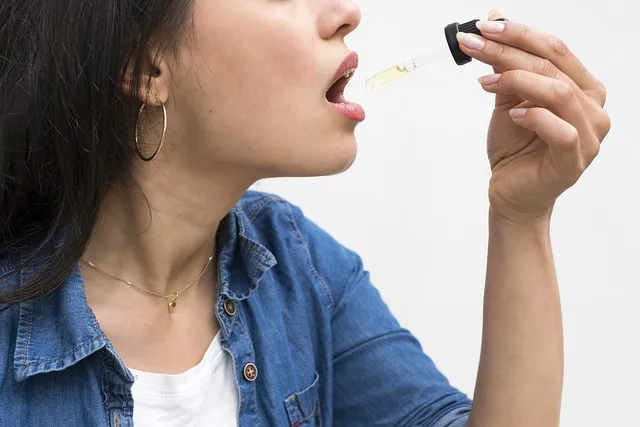
The evidence base for DHEA supplementation is considerably larger than for pregnenolone. A 2015 meta-analysis in the Journal of Clinical Endocrinology and Metabolism by Peixoto and colleagues reviewed 20 RCTs and found DHEA supplementation consistently raised free testosterone in women, had modest effects on total testosterone in men, and significantly improved sexual function in both sexes when baseline DHEA was low.
The trials in that meta-analysis clustered at modest amounts — enough to bring DHEAS back toward youthful levels rather than to overshoot into pharmacological territory, which is where the side effects live.
The DHEA-testosterone-estrogen conversion is highly individual. In women, DHEA tends to convert preferentially toward estrogens in adipose tissue via aromatase. In lean men, DHEA tends to convert toward testosterone more readily. Individual aromatase activity (which varies with body fat, age, and genetic polymorphisms) determines which end product predominates. Which is why some men on DHEA supplementation experience elevated estradiol rather than elevated testosterone — and why monitoring matters.
Functional medicine practitioners often use the combination of phosphatidylserine and DHEA to address pregnenolone steal simultaneously from two angles: phosphatidylserine blunts excessive cortisol response (multiple research demonstrates 400-800 mg reduces exercise-induced cortisol by 20-30%), while DHEA restores the depleted androgenic substrate. This combination doesn’t require a prescription, is well-tolerated, and has a reasonable evidence base for the intended application.
The Thyroid Connection: A Compounding Factor
Pregnenolone steal rarely operates in isolation. In clinical practice, it almost always coexists with thyroid dysfunction, and the two conditions compound each other in ways conventional medicine consistently misses. Thyroid hormones — particularly T3 — are required for adequate mitochondrial function in steroidogenic tissues. Hypothyroidism (even subclinical) reduces StAR protein expression, blunts CYP11A1 activity, and directly impairs the conversion of cholesterol to pregnenolone. The cascade fails at step one when the thyroid is underperforming.
Simultaneously, chronically elevated cortisol (the output of the steal) impairs thyroid function by reducing TSH sensitivity, impairing T4-to-T3 conversion, and upregulating thyroid-binding globulin (TBG), which reduces free thyroid hormone availability. This creates a vicious cycle: stress drives the steal, which depletes sex hormones, which impairs the cellular energy metabolism the thyroid maintains, which further impairs steroidogenesis.
Patients caught in this cycle often have overlapping symptoms of hypothyroidism and sex hormone deficiency — fatigue, weight gain, brain fog, cold intolerance, dry skin, low libido — and respond inadequately to treatment of either system in isolation.
A functional approach addresses both simultaneously: support thyroid function (selenium for deiodinase activity, iodine if deficient, address gut inflammation that drives autoimmune thyroid disease) while reducing HPA activation and restoring pregnenolone and DHEA levels. The systems interact bidirectionally, and both need work to make meaningful progress.
The selenium-thyroid connection deserves specific mention. The deiodinase enzymes (DIO1, DIO2, DIO3) that convert inactive T4 to active T3 are selenoproteins — they require selenium as a cofactor. Selenium deficiency impairs this conversion, resulting in low T3 despite adequate T4 production. Low T3 then impairs mitochondrial steroidogenesis. A simple blood test (plasma selenium or selenoprotein P) can identify deficiency, and supplementation with 100-200 mcg/day of selenomethionine (the organic form) is both safe and effective for restoring optimal deiodinase function.
The Gut-HPA Axis: Inflammation as Hidden Steal Driver
One of the most clinically actionable insights in recent functional endocrinology research is the bidirectional relationship between gut health and HPA axis activity. The gut-brain axis — via the vagus nerve, enteric nervous system, and systemic cytokine signaling — is a major modulator of HPA tone. Gut dysbiosis, intestinal permeability (“leaky gut”), and gut-derived inflammation are potent activators of the cortisol response even in the absence of psychological stress.
Lipopolysaccharide (LPS) — an endotoxin released when gram-negative gut bacteria die — is a particularly powerful HPA activator. LPS translocating from the gut into systemic circulation stimulates TLR4 receptors on immune cells, triggering a cascade of pro-inflammatory cytokines (IL-1 beta, IL-6, TNF-alpha) that directly stimulate CRH release from the hypothalamus. This activates the HPA axis exactly as psychological stress does — with the same downstream consequences for pregnenolone steal.
Multiple studies in both animal models and humans have documented the gut-HPA connection. A 2017 review by Mikulak and colleagues in Frontiers in Microbiology summarized evidence that germ-free rodents (raised without gut bacteria) have hyperactive HPA responses to stress, which normalize when normal gut microbiota is restored. In humans, probiotic supplementation (particularly with Lactobacillus and Bifidobacterium strains) has been shown in several RCTs to reduce cortisol output and improve subjective stress markers.
The practical implication: patients with pregnenolone steal should be assessed for gut-related inflammation drivers — undiagnosed food sensitivities (particularly gluten and dairy in genetically susceptible individuals), SIBO (small intestinal bacterial overgrowth), dysbiosis, and intestinal permeability. Addressing these gut pathologies can reduce systemic inflammatory signaling, lower HPA activation, and reduce cortisol demand — allowing the pregnenolone pathway to rebalance without the constant adrenal demand.
Case Patterns: What Recovery Actually Looks Like
Recovery from pregnenolone steal is not a dramatic overnight transformation. It follows a pattern worth understanding so patients don’t give up prematurely. The first phase — typically weeks 1-4 — often involves sleep improvements before any hormonal changes are detectable. Cortisol normalization tends to improve sleep architecture first, with patients noticing they’re falling asleep faster, waking less at 3 AM, and feeling more rested. Energy levels in the morning often improve during this phase.
The second phase — typically weeks 4-12 — involves the gradual recovery of DHEA synthesis as HPA demand decreases. DHEAS levels, because of their long half-life, are slow to change but provide a reliable marker of progress. Mood stabilization usually precedes testosterone recovery — the neurosteroid effects of restoring pregnenolone and progesterone are often felt before the androgenic benefits of restored testosterone.
The third phase — typically months 3-6 — is where testosterone recovery becomes measurable for most men, and where women typically notice improved luteal-phase symptoms. Libido, muscle-building capacity, and cognitive clarity tend to improve here. Importantly, this phase requires sustained lifestyle modifications — any return to the high-stress, sleep-deprived, over-trained pattern will restart the steal fairly quickly.
A critical clinical note: some patients with long-standing pregnenolone steal will have developed genuinely impaired gonadal function (atrophied Leydig cells, reduced ovarian reserve from chronic anovulation) that doesn’t fully reverse even when the HPA axis normalizes. These patients may require ongoing hormonal support.
But distinguishing primary gonadal failure from HPA-driven steal is essential before committing to testosterone replacement therapy — because TRT in a patient who still has the steal running will suppress endogenous production without addressing the root cause, leading to dependence without recovery.
The patients who recover fastest are typically those who address the steal comprehensively and simultaneously — reducing HPA stressors, optimizing sleep, calibrating exercise, addressing nutritional deficiencies, and using targeted supplementation in concert. The patients who struggle are those who add supplements on top of an unchanged high-stress lifestyle, or who fixate on a single intervention (testosterone replacement, for example) without addressing the upstream machinery driving the problem.
What People Ask About Hormonal Factory Pregnenolone
Is pregnenolone steal the same as adrenal fatigue?
Not exactly, but they’re related. Adrenal fatigue is a colloquial term (not a recognized medical diagnosis) describing the later stages of HPA dysregulation, where cortisol output becomes blunted. Pregnenolone steal typically precedes adrenal fatigue — it’s active during the hypercortisolism phase before the system exhausts itself. You can have pregnenolone steal with normal or elevated cortisol (early-stage), and you can also have it with low cortisol (late-stage, though at that point the entire steroidogenic system is depressed).
Testing the full cascade distinguishes the two.
Can women have pregnenolone steal, or is this mainly a men’s issue?
Women are equally affected — arguably more visibly so, because the progesterone consequences are immediately apparent in menstrual cycle disruption. The low-progesterone luteal phase, severe PMS, heavy periods, and anxiety that cycles with the menstrual calendar are extremely common presentations of pregnenolone steal in women. The framing tends to be more testosterone-centric in popular media because testosterone deficiency is more dramatically measurable in men, but the female hormonal consequences of the steal are just as significant.
Will taking pregnenolone supplements make me produce more cortisol and worsen the steal?
A legitimate concern. Supplemented pregnenolone can theoretically be converted toward cortisol if the HPA axis is still highly activated and enzyme expression is biased in that direction. One reason practitioners start at the low end of the range and watch closely — anxiety, insomnia, or increased stress reactivity could all suggest cortisol conversion.
Most practitioners recommend addressing HPA hyperactivation first (with adaptogens, sleep, stress reduction) before adding pregnenolone, so the enzyme environment is more conducive to sex hormone synthesis rather than cortisol synthesis.
How long does it take to recover from pregnenolone steal?
For most people who address the root causes comprehensively, meaningful hormonal recovery takes 3-6 months. DHEAS levels typically show improvement in 2-3 months with consistent stress management, sleep optimization, and targeted supplementation. Testosterone recovery is somewhat slower. Progesterone-cycle normalization in women typically requires 2-4 menstrual cycles. If chronic stressors are still operating, though — unresolved job stress, ongoing sleep deprivation, untreated gut inflammation — recovery will be incomplete regardless of supplementation.
My doctor says my testosterone is “normal” — should I still investigate pregnenolone steal?
If symptoms consistent with hormonal dysregulation persist despite “normal” lab values, the conventional lab panel is giving an incomplete picture. “Normal” testosterone ranges are based on population averages that include many hormonally suboptimal people. The real question isn’t whether you fall within a statistical range — it’s whether the upstream pathway (pregnenolone, DHEA, cortisol rhythm) is functioning optimally and whether the symptoms are being explained.
Testing the full steroidogenic cascade, including DHEAS, free testosterone, 4-point cortisol curve, and pregnenolone itself, gives diagnostic information that standard care consistently misses.
Does intermittent fasting worsen pregnenolone steal?
It depends on context and the individual. Short-term fasting (16-18 hours) in a metabolically healthy person without pre-existing HPA dysregulation is unlikely to worsen the steal significantly. In someone who already has high cortisol, low DHEAS, and hormonal symptoms, though, fasting adds another caloric stress signal that can activate the HPA axis further. Extended fasting protocols (24-72 hours) reliably elevate cortisol and suppress testosterone.
If working on healing pregnenolone steal, moderate caloric consistency with adequate protein and fat is generally more supportive than aggressive fasting protocols.
References
Editorial StandardsCorrectionsMedical DisclaimerAbout Our ContentAffiliate DisclosureSite Map