
The Blender Lie
Take a guy we’ll call Kevin Park. He spent $340 on protein powder last year. Three different brands — a whey isolate for post-workout, a casein blend for before bed, and a plant-based option for whatever reason he couldn’t fully articulate when pressed on it. He mixed them into everything: water, milk, oatmeal, yogurt, coffee. He logged his daily protein intake with diligence.
His body composition didn’t change meaningfully. His muscle gains over the year were essentially what his training alone would have produced. He didn’t feel better. He didn’t perform better. He just spent $340 and generated a lot of containers with pictures of muscular men on them.
Kevin’s story isn’t unique. It’s the median story of protein shake consumption in Western countries. The supplement industry generates over $20 billion annually in protein powder sales on the back of a fairly simple premise that’s half true: protein builds muscle. The other half — that most people probably don’t need more of it than they’re already getting, and the form matters far less than the total amount — gets lost in the marketing.
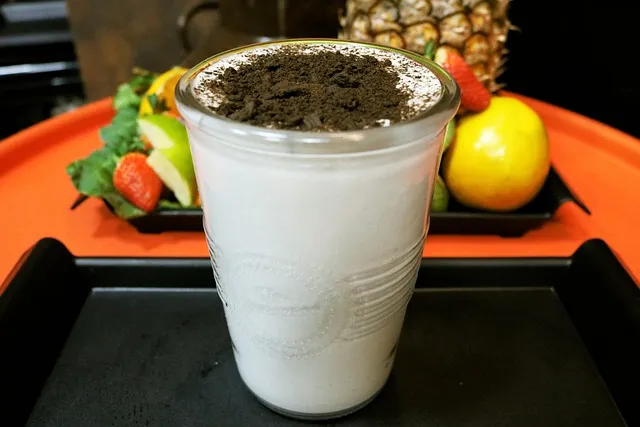
The Basics: What Protein Shakes Are and Why People Use Them
A protein shake is a concentrated protein source in drinkable form — typically 20-50 grams of protein per serving from dairy (whey or casein), egg, soy, or various plant-based sources (pea, rice, hemp). The protein is extracted or concentrated, processed into powder form, and sold with varying amounts of flavorings, sweeteners, and additional ingredients.
The fundamental appeal is convenience. Getting 30 grams of protein from a chicken breast requires cooking a chicken breast. Getting 30 grams of protein from a shake requires scooping powder into water and shaking it. For people with demanding schedules, limited cooking skills, or eating patterns that make hitting protein targets difficult through food alone, shakes offer a genuine convenience solution.
The secondary appeal is the anabolic window myth — the idea that consuming protein within 30-60 minutes of training is critically important for muscle protein synthesis. This belief drove the classic “shake immediately after your workout” protocol. Research has substantially revised this framing: the anabolic window is much wider than once believed (2-4 hours, not 30 minutes), and total daily protein intake matters far more than timing. But the timing habit persists.
The tertiary appeal is the belief that protein shakes provide something qualitatively superior to food protein — faster absorption, different amino acid profiles, special formulations. For most people in most contexts, this is marketing fiction. The protein in a steak and the protein in a shake are both digested and utilized by the same machinery. The processing speed varies; the fundamental utility does not.
The Research on Protein Requirements: What You Actually Need
Before asking whether protein shakes are needed, there’s a prior question: how much protein is actually required?
The official RDA for protein is 0.8 grams per kilogram of bodyweight per day. Widely cited, widely misunderstood. The RDA represents the minimum required to prevent deficiency in sedentary adults — not the optimal amount for health, performance, or body composition. Using the RDA as a protein target is like using poverty-level income as a financial planning goal.
The evidence for higher protein targets in active adults is strong. A 2017 meta-analysis by Morton et al. in the British Journal of Sports Medicine analyzed 49 studies with 1,800 participants and found protein supplementation significantly increased muscle mass and strength gains in response to resistance training — but with a saturation point at approximately 1.62 g/kg/day. Above this threshold, additional protein produced no further muscle gain. The upper bound for most practical purposes: about 0.73 grams per pound of bodyweight per day.
For context: a 180-pound person needs roughly 130 grams of protein per day to maximize muscle protein synthesis from training. A 130-pound person needs roughly 95 grams. Achievable through food for most people who make protein intentional at meals. Protein supplementation becomes necessary only when food intake falls short due to dietary restrictions, very low appetite, or genuinely impractical eating circumstances.
For older adults (60+), the requirements run meaningfully higher — protein synthesis efficiency declines with age, and 1.2-1.6 g/kg/day is recommended by most sports nutrition researchers to prevent sarcopenia (age-related muscle loss). Here, protein shakes can be particularly valuable as a high-convenience way to hit higher protein targets in people who may have reduced appetite or difficulty chewing certain protein-rich foods.
Whey vs. Casein vs. Plant-Based: Does the Form Matter?
The protein supplement market has fragmented into dozens of distinct protein sources, each with its own marketing narrative. Time to assess the actual differences.
- Whey protein: The gold standard of protein supplementation, derived from the liquid byproduct of cheese making. Whey is rapidly digested (blood amino acids peak within 60-90 minutes of consumption) and has the highest leucine content of common protein sources. Leucine is the amino acid most directly responsible for triggering muscle protein synthesis — it acts as a “leucine trigger” that switches on mTOR signaling in muscle cells. Whey concentrate (~80% protein by weight) is the most common and affordable form. Whey isolate (~90%+ protein by weight) has most of the lactose removed, making it better tolerated by the lactose-sensitive. Hydrolyzed whey is pre-digested (partially broken down) and absorbed slightly faster — theoretically useful for post-workout, practically negligible for most people.
- Casein protein: The slow-digesting complement to whey, also dairy-derived. Casein forms a gel in the stomach that releases amino acids over 5-7 hours rather than 1-2 hours. This is the basis of the “nighttime protein” marketing — the idea that casein before bed sustains muscle protein synthesis overnight. The evidence for this is real but modest: a 2012 study by Res et al. in Medicine and Science in Sports and Exercise found that 40g of casein before sleep improved overnight muscle protein synthesis. But the effect size is small compared to simply ensuring adequate total daily protein intake.
- Plant-based proteins: Pea, rice, hemp, soy, and various blends. The primary historical concern with plant proteins was lower leucine content and incomplete amino acid profiles (plant proteins lacking one or more essential amino acids). Modern plant-based protein research has largely addressed this. Pea protein, for example, has strong evidence for muscle-building equivalence to whey when quantities are matched. A 2019 study in the Journal of the International Society of Sports Nutrition found no significant difference in muscle thickness between whey and pea protein groups over 12 weeks of resistance training. Soy protein, which is complete (all essential amino acids present), has consistent research support comparable to whey.
- The honest verdict on form: For healthy adults eating adequate total protein, the difference between protein sources is small. Total daily protein intake and consistent training are the dominant variables. Form matters somewhat at the margins — whey’s fast absorption and high leucine content give it a modest edge in the immediate post-workout window, casein has slight advantages for extended fasting periods. But anyone insisting “I have to have whey or my gains will suffer” is overvaluing the marginal differences in source and undervaluing the primary driver, which is total protein and progressive overload training.
Why Whole Food Protein Wins
Here’s the argument supplement companies don’t want made clearly: for most people, getting protein from whole food beats getting it from shakes, for reasons that go beyond the protein itself.
- Satiety: Whole food protein meals are more satiating per gram of protein than liquid protein shakes. The chewing, gastric distension, and fiber content of a chicken breast or Greek yogurt produce stronger and more sustained satiety signals than a 30g whey shake. Research on satiety consistently shows solid food produces stronger and longer-lasting fullness than calorically equivalent liquid meals. For weight management, this matters significantly — liquid calories are more “invisible” to the appetite regulatory system.
- Co-nutrients: Protein foods come with micronutrients, minerals, and bioactive compounds that powder doesn’t. Beef provides zinc, iron, B12, and creatine. Salmon provides DHA, EPA, vitamin D, and selenium. Eggs provide choline, lutein, vitamin K2, and fat-soluble vitamins. Greek yogurt provides calcium, probiotics, and bioactive peptides. A protein shake provides protein and whatever vitamins were added to the formula. The nutritional matrix of food isn’t replicated by supplementation.
- Gut health: Whole protein foods often contain fiber, probiotics (in fermented dairy), or prebiotic compounds that support gut microbiome health. Protein powders — particularly heavily processed isolates — are stripped of these components. The long-term gut health implications of relying heavily on processed protein powders versus whole foods aren’t well studied but are a legitimate consideration.
- Palatability and behavioral patterns: Real food is more deeply satisfying in ways that go beyond macronutrient tracking. People who eat real meals tend to have healthier relationships with food, better dietary variety, and more sustainable eating patterns than those who rely heavily on liquid supplements. Not a trivial point — sustainable behavior matters more than optimal behavior that can’t be maintained.
- Cost: Per gram of protein, whole food sources are often competitive with or cheaper than premium protein powders. Canned tuna (~24g protein per serving) costs less than $1.50. Cottage cheese (14g per serving) costs roughly $0.50 per serving. Chicken breast (40g protein per 6oz serving) costs $1.50-2.00 when purchased whole. A premium whey protein scoop (25g protein) costs $1.50-3.00. The convenience premium for shakes is real; the nutritional premium is not.
The Protein Shake Guide

Step 1: Establish your protein target
For sedentary or lightly active adults: 1.0-1.2 g/kg/day (0.45-0.55 g/lb/day).
For regularly active adults doing resistance training: 1.4-1.8 g/kg/day (0.64-0.82 g/lb/day).
For athletes in intense training: 1.6-2.2 g/kg/day (0.73-1.0 g/lb/day).
For older adults (60+) preserving muscle: 1.2-1.6 g/kg/day regardless of activity level.
Calculate the personal target. A 170-pound person doing regular resistance training needs approximately 110-140 grams of protein per day. Write the number down.
Step 2: Track current intake for 3-5 days
Before buying any supplements, track actual protein intake for three to five representative days using Cronometer or a similar detailed tracking app. Most people have either no idea what they’re eating or significantly overestimate their protein intake. Be shocked by the gap — or pleasantly surprised if it doesn’t exist. Then decide whether supplementation is actually needed.
Step 3: Identify the actual gaps
Tracking showing a consistent 20-40 gram shortfall means identifying the circumstances: Skipping breakfast? Protein-poor lunch? Frequent travel with limited food options? Identifying the specific gap allows for a specific solution. A breakfast that consistently lacks protein is solved by adding eggs or Greek yogurt — not necessarily by buying protein powder.
Step 4: Determine whether a shake solves the gap better than food
For some specific gaps — a breakfast with zero appetite and no interest in cooking, a post-workout window during travel, or a gap-filling option before bed — a protein shake is a genuinely elegant solution. For gaps solvable by keeping a container of Greek yogurt at the office or adding eggs to lunch, default to food.
Step 5: Choose the right product if buying
Criteria for evaluating protein powders:
– Protein per serving relative to total serving weight (aim for 80%+ protein by weight for powders)
– Minimal artificial sweeteners — particularly avoid sucralose and acesulfame potassium; stevia is preferable
– Short ingredient list — protein source, flavoring, emulsifier, sweetener. Nothing else needed
– Third-party testing for heavy metals and banned substances (NSF Certified for Sport or Informed Sport certification)
– Price per gram of protein (calculate this; brand premium doesn’t equal quality premium)
Step 6: Use shakes as tools, not meals
Protein shakes work best as bridges — they fill gaps in whole-food protein intake when circumstances make whole foods impractical. They work poorly as meal replacements over the long term. Replacing most protein intake with shakes optimizes the supplement while deprioritizing food — a backwards hierarchy that produces nutritional gaps and reduces dietary satisfaction.
The Post-Workout Protein Myth (Mostly)
The image of the gym-goer running to their shaker bottle before the bar hits the floor in their last set is so embedded in fitness culture that questioning it feels radical. But the evidence has been quietly revising this picture for over a decade.
The “anabolic window” — the idea that there’s a brief 30-60 minute window post-workout to consume protein before muscle protein synthesis opportunities are lost — was based primarily on studies of fasted training in the morning, where the last protein consumption was 8-12 hours before training. Under those conditions, getting protein in quickly after training does matter somewhat.
But for people who eat a protein-containing meal 1-2 hours before training (the actual situation for most gym-goers who train after work), the pre-workout meal has already elevated blood amino acids. The “window” for post-workout protein intake extends to 3-5 hours rather than 30 minutes. The urgency evaporates.
A 2013 meta-analysis by Aragon and Schoenfeld in the Journal of the International Society of Sports Nutrition concluded that “the postexercise anabolic window of opportunity is likely much wider than initially thought” and that total daily protein intake is the primary determinant of muscle protein synthesis outcomes. Their recommendation: distribute protein across 3-4 daily meals of 0.4-0.55 g/kg each, timed around training but not urgently.
What this means practically: a protein-containing meal within 2-3 hours of training means the post-workout shake can wait until dinner gets cooked at home. Fasted morning training makes a post-workout shake more sensible. Two-a-day training with less than 6 hours between sessions makes rapid protein delivery relevant again.
Adapt urgency to actual circumstances. Don’t let supplement marketing turn muscle gains into a 30-second shake-and-chug ritual.
The Heavy Metals Problem in Protein Powders
- 75% of tested products contained detectable lead levels; 55% tested positive for BPA
- One product contained 25 times the limit of BPA per serving that California’s Prop 65 considers acceptable
- Plant-based protein powders showed significantly higher heavy metal contamination than whey-based products — often because plants bioaccumulate heavy metals more readily from soil
- Organic plant-based products showed higher contamination than conventional — counterintuitively, organic growing methods that use organic fertilizers may introduce more heavy metal contamination than synthetic fertilizers
This is the section the protein powder industry wishes more people would skip.
A 2018 study by the nonprofit Clean Label Project tested 134 protein powder products from 52 brands for heavy metals (lead, cadmium, arsenic, mercury), BPA (a plastic chemical), pesticides, and other contaminants. The results were concerning:
The implications are serious for anyone consuming multiple scoops of protein powder per day over months and years. Heavy metals accumulate in the body. Chronic low-level lead exposure affects neurological function and cardiovascular health. Cadmium is nephrotoxic (kidney-damaging) at chronic exposure levels.
Third-party testing is the solution. Look for products certified by NSF International, Informed Sport, or USP. These certifications verify both label accuracy (the product contains what it says) and contaminant testing (it doesn’t contain what it shouldn’t). The Clean Label Project’s own Purity Award designates products that score well on their contaminant testing.
Not a reason to panic about protein powder. A reason to buy products that have been independently tested, to skip 3+ scoops per day when food would serve the same purpose, and to be particularly careful with plant-based protein products.
Special Cases: When Protein Shakes Are Genuinely Valuable
Having made the argument for whole food primacy, it’s worth being clear about the scenarios where protein shakes are genuinely valuable rather than merely convenient.
Medical weight loss with high protein targets: In very-low-calorie diets (VLCDs) used under medical supervision for significant weight loss, hitting 100-150g of protein per day within a 600-800 calorie budget requires protein supplementation. There’s no caloric room for the fat, fiber, and other macronutrients that come with whole protein foods. Protein powder in this context is a legitimate medical nutrition tool.
Post-surgery and illness recovery: After surgery or during illness recovery, appetite is often severely suppressed while protein requirements are elevated for tissue repair. Liquid protein is often more tolerable than solid food in these circumstances. Medical-grade protein supplements (unflavored, easily dissolved, low volume) serve a genuine role here.
Elderly adults with sarcopenia risk: Older adults with reduced appetite, difficulty chewing certain protein-rich foods, or trouble meeting elevated protein requirements (1.2-1.6 g/kg/day) benefit meaningfully from protein shakes as a convenient high-protein supplement. The evidence for protein supplementation reducing sarcopenia and improving functional capacity in older adults is strong.
Athletes in ultra-high-volume training: Elite athletes doing 20+ hours of training per week may genuinely struggle to meet protein requirements through food alone, given the sheer volume of calories required and the practical constraints of eating that much food. For sub-elite athletes training 6-10 hours per week, this scenario essentially never applies.
Vegan and vegetarian athletes: Hitting optimal protein targets on plant-based diets requires either extremely careful meal planning or protein supplementation. Plant foods tend to have lower protein density per calorie, incomplete amino acid profiles in isolation, and higher fiber content that limits how much can be eaten. A vegan athlete has a much stronger case for protein supplementation than an omnivore athlete with access to meat, eggs, and dairy.
Building a Protein-Dense Diet Without Shakes
- Canned tuna or cod: 24-26g protein per 100 calories
- Chicken breast: 21-23g protein per 100 calories
- Shrimp: 20-23g protein per 100 calories
- Non-fat Greek yogurt: 11g protein per 100 calories
- Egg whites: 11g protein per 100 calories
- Cottage cheese (low-fat): 14g protein per 100 calories
- Tempeh: 10g protein per 100 calories
- Bison or venison: 20-22g protein per 100 calories
For most people reading this, the optimal approach isn’t buying more protein powder. It’s building meals around protein-dense whole foods and using shakes only as gap-fillers. Here’s how.
The protein anchor approach: Every meal starts with identifying the protein source first, then building the rest of the meal around it. Not “what do I feel like eating, and does it have protein in it?” but “what protein am I eating at this meal, and what sides complement it?” This cognitive reframe dramatically increases daily protein intake without counting every gram.
Highest-protein foods per calorie (the list worth knowing):
These foods are the building blocks of a protein-sufficient diet without shakes. A day that includes Greek yogurt at breakfast, canned tuna at lunch, and chicken or fish at dinner can easily reach 120-150g of protein without a single scoop of powder.
Strategic gaps where shakes still help: Even with the best whole-food approach, some daily gaps remain. Post-workout when traveling with no kitchen access. A late-evening protein top-up when the day’s food fell short. A high-protein breakfast when there’s zero appetite for actual food. In these specific circumstances, a protein shake is a fine tool. Keep one in the pantry for these moments. Don’t make it the foundation of the protein strategy.
Protein Shakes When: Your Questions Answered About Protein Shakes
A: The “30 grams per meal absorption limit” is a persistent myth. The body absorbs all the protein eaten — the question is how much drives muscle protein synthesis versus other uses (oxidation for energy, synthesis of other proteins). Research suggests 40g of protein per meal maximally stimulates muscle protein synthesis in most adults — more than 40g doesn’t provide additional MPS benefit from that meal, but it’s not wasted. It’s used for energy or other protein synthesis needs. For practical purposes, 30-50g of protein per meal is a useful range to target.
Q: Are protein shakes safe for teenagers?
A: Teenagers have genuine protein needs for growth and, if active, for muscle development. However, teenagers eating normally are rarely protein deficient. Protein shakes for teenagers are primarily a marketing phenomenon — the teenage athlete with a protein shake is following an adult cultural pattern that doesn’t meaningfully serve their physiology. Whole food protein is particularly important for adolescents who need the complete nutritional matrix of real foods during a critical developmental period. A teenager genuinely struggling to meet protein needs through food should see a registered dietitian before defaulting to supplements.
Q: Does protein quality (amino acid score) matter?
A: Yes, but primarily in the context of plant proteins in isolation. The PDCAAS (Protein Digestibility Corrected Amino Acid Score) and newer DIAAS (Digestible Indispensable Amino Acid Score) measure amino acid completeness and digestibility. Whey and casein score near 1.0 (the maximum). Soy scores high. Pea protein scores well but is relatively low in methionine. Rice protein is low in lysine. The solution for plant-based eaters is combining protein sources rather than chasing a single high-scoring supplement — rice and pea protein together cover each other’s amino acid gaps, for example.
Q: Should I use protein powder or creatine first?
A: Creatine, almost certainly. Creatine monohydrate is the most extensively researched performance supplement in sports science, with consistent evidence across hundreds of studies for improvements in strength, power output, muscle mass, and exercise capacity. The effect size is meaningfully larger than protein supplementation for most people eating adequate dietary protein. $50 per month for supplements, choosing between creatine and protein powder — the evidence favors creatine unless genuine protein deficiency is the issue.
Q: Are protein bars a good alternative to protein shakes?
A: Protein bars are highly variable. The best ones (RX Bars, Epic bars, Rx Kids, ALOHA) contain real food ingredients, meaningful protein, and minimal artificial ingredients. The worst ones are essentially candy bars with some protein added — high in sugar, artificial sweeteners, and industrial seed oils. Read ingredient lists. As with shakes, bars are useful as gap-fillers when whole food is unavailable, not as dietary staples.
Q: Does protein timing still matter at all?
A: For most people, total daily protein intake matters far more than timing. Within that context, three practical timing principles have modest evidence support: (1) including 30-50g of protein at breakfast is associated with reduced overall caloric intake for the day through improved satiety; (2) consuming 30-40g of protein within 3-4 hours of a training session supports muscle protein synthesis; (3) having a protein-containing snack before bed (20-40g) may modestly improve overnight muscle protein synthesis, particularly in older adults. Useful guidelines for optimization, not requirements for basic results.
Q: What’s the verdict on collagen protein powders?
A: Collagen protein scores poorly on amino acid completeness — essentially absent in tryptophan and limited in other essential amino acids. It shouldn’t be counted toward protein targets for muscle-building purposes. It may have specific applications for joint health and skin (some evidence from small trials) because it provides proline and glycine — amino acids that are substrates for connective tissue synthesis. Use collagen for a specific joint or skin rationale; don’t use it as a primary protein source.
The clinical takeaway on Protein Shakes
Kevin Park eventually figured it out. Not all at once, but over time. He stopped buying three different protein powders and started buying one simple whey isolate — third-party tested, short ingredient list, reasonable price per gram. He uses it maybe four times a week: twice post-training when there’s no time to cook, and twice during busy mornings when he’s grabbed coffee but has no appetite for food.
His protein intake is the same as before. His body composition outcomes are the same. His annual supplement spend is approximately $80 instead of $340. The difference went toward better-quality whole food protein, which he now prioritizes at every meal.
This is the right relationship with protein shakes. Useful, convenient, legitimate tools for specific circumstances. Not magical, not superior to food, not necessary for people who eat adequate protein from whole food sources.
Build a diet around protein-dense whole foods. Track intake for a week. Identify the actual gaps. Fill them with shakes when food is genuinely impractical. Don’t fill them with shakes because the marketing convinced you that a kitchen not smelling like whey isn’t serious about gains. The gains come from training, recovery, consistency, and adequate nutrition — not from the brand of powder chosen or the speed at which it’s consumed.
The Financial Argument for Whole Food Protein
Here are the numbers supplement companies hope nobody calculates.
A standard 2-pound container of premium whey protein (25g protein per serving, 30 servings) costs approximately $40-60. That’s 750g of protein at roughly $0.05-0.08 per gram of protein. A typical 10-scoop-per-week user spends $80-120 per month — $960-1,440 per year.
Compare to whole food alternatives: chicken breast at $3.50/lb provides approximately 100g of protein per pound, at $0.035 per gram. Canned tuna at $1.20 per can provides 25g protein, at $0.048 per gram. Cottage cheese at $3.50 for a 24oz container provides approximately 90g of protein across the container, at $0.039 per gram. Non-fat Greek yogurt at $1.50 per 7oz cup provides 20g protein, at $0.075 per gram — slightly more per gram than cheap whey, but with probiotics, calcium, and satiety advantages.
The protein powder cost advantage over whole food is modest to nonexistent once quality, completeness, and satiety value are accounted for. But spending $100/month on protein powder to save 15 minutes of meal prep per day works out to $6.67 per hour of convenience. Most people would find that’s not actually the best use of their supplement budget.
The convenience premium is real — scooping powder beats cooking chicken on speed.
None of this means protein powder is never worth buying. It means the purchasing decision should be driven by a clear-eyed assessment of actual protein gaps and the genuine convenience value in a specific life — not by the assumption that more sophisticated supplementation produces better results than more intentional food choices.
The Identity Problem with Protein Shakes
There’s a psychological dimension to protein powder consumption worth a brief mention.
Protein shakes have become a signifier of “taking fitness seriously.” The gym bag with the shaker bottle. The branded supplement containers lined up in the pantry. The detailed discussions about whey vs. plant protein at the office. These are identity signals — ways of demonstrating membership in a community of people who care about their bodies.
Entirely human, and not inherently problematic. But the identity association can lead to over-reliance on supplements as a way of feeling like the right things are being done, when more progress would actually come from fixing sleep, eating more vegetables, or adding a second weekly lifting session.
Replicated findings demonstrate: the largest variable in body composition and athletic performance is training stimulus, followed by total caloric balance, followed by total protein intake. The form of that protein — powder versus food — is a distant fourth. Optimizing the fourth variable at the expense of the first three is the most common mistake in the fitness supplement space.
The person who trains hard four days per week, sleeps eight hours, hits their protein target through mostly whole food, and manages stress appropriately will outperform the person who trains two days per week but has six different protein products in their pantry, every time, over any meaningful time horizon. Supplements supplement. They don’t substitute for the fundamentals.
Protein Distribution Throughout the Day: The Practical Architecture
- Breakfast: 35-40g protein. Eggs (3 whole eggs = 18g) plus Greek yogurt (17-20g) or smoked salmon (20g). This is where many people fall shortest.
- Lunch: 35-40g protein. A main-course salad with 5-6oz of chicken, tuna, or salmon hits this range easily.
- Dinner: 35-40g protein. A standard serving of beef, fish, or poultry (6-8oz) plus any protein in side dishes.
- Post-training or evening: 15-20g protein gap-filling if needed. This is where a shake, Greek yogurt, cottage cheese, or casein protein makes most sense — a light protein addition without a full meal.
Daily protein target established, committed primarily to whole food — the remaining question is how to distribute that intake across the day for maximum effectiveness.
Research consistently shows that evenly distributing protein across 3-5 meals produces better muscle protein synthesis outcomes than getting the same total protein in one or two meals. This is because muscle protein synthesis (MPS) has a ceiling per “dose” — around 30-40g in most people — and is stimulated once per meal period rather than continuously. Three meals each providing 35-40g of protein produces approximately three “pulses” of elevated MPS. The same 105-120g of protein consumed in one sitting produces one pulse, with the remainder oxidized for energy.
A practical architecture for a 170-pound active adult targeting 130g of protein per day:
Notice that this 130g daily target gets met almost entirely through real food, with a potential evening protein addition of modest size. The protein shake, in this architecture, is a small convenience addition — not the foundation of the protein strategy. This is the correct relationship between supplements and diet: supplements fill the edges of a diet built on real food, not the other way around.
The Practical Framework: Applying Protein Shakes When Helpful In Real Life
References
Editorial StandardsCorrectionsMedical DisclaimerAbout Our ContentAffiliate DisclosureSite Map