
Take a guy we’ll call Greg. Eight hundred dollars to spend and a conviction that heat therapy was worth investigating seriously. He’d read enough about cardiovascular benefits, growth hormone, and stress response to move past skepticism into genuine curiosity. The problem wasn’t whether to buy a sauna — it was which kind. The wellness industry had sold him three contradictory stories at once. The Finnish sauna traditionalists who treated anything below 180°F as recreational tourism. The infrared evangelists who claimed lower temperatures were actually more effective because of “penetration depth.” And the steam advocates talking respiratory benefits and Mediterranean longevity traditions. He wanted to know which one the evidence actually supported.
Most of what he found online was marketing dressed up as information. Infrared sauna companies citing “studies” that were actually testimonial collections. Finnish sauna advocates citing cardiovascular data without acknowledging confounding — maybe healthy Finns use saunas because they’re already healthy. Steam room proponents making respiratory claims without RCTs. Impossible to evaluate any of it, because nobody was presenting a fair comparison. Everyone was selling something.
This guide is the fair comparison. It covers each major sauna type — Finnish dry sauna, infrared (near, mid, and far), and steam room — with the same methodological standard applied across all three. The evidence base varies considerably, and that variation matters for making a rational choice. It closes with a structured decision framework, so the choice at the end is evidence-informed rather than marketing-driven.
Finnish Sauna: The Evidence Standard
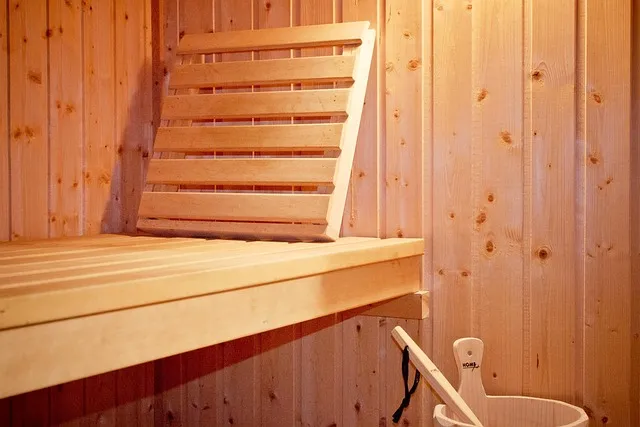
The definitive population-level evidence comes from Jari Laukkanen and colleagues at the University of Eastern Finland, who analyzed health outcomes in the KIHD (Kuopio Ischemic Heart Disease Risk Factor) cohort — a prospective study following 2,315 Finnish men aged 42-61 for up to 20 years. The sauna-specific findings, published in a series of papers beginning in 2015 in JAMA Internal Medicine and extending through multiple follow-up analyses, are striking.
Men who used sauna 4-7 times per week had a 63% lower risk of sudden cardiac death, 50% lower risk of fatal cardiovascular disease, and 40% lower risk of all-cause mortality compared to men using sauna once a week. Dose-response relationships were clear and consistent — more frequent use predicted better outcomes in a graded fashion. These associations held after adjustment for multiple cardiovascular risk factors including blood pressure, cholesterol, body weight, physical activity, and smoking status.
Subsequent Laukkanen et al. analyses found associations with reduced risk of hypertension (a 2018 paper showed frequent sauna users had 27% lower risk of developing hypertension over 20 years), reduced risk of Alzheimer’s disease and dementia (2017, 66% lower risk in 4-7x/week users), reduced risk of respiratory diseases, and reduced markers of systemic inflammation. The breadth across disparate health outcomes suggests mechanisms operating at a systemic level rather than through organ-specific pathways.
The physiological mechanisms: Finnish sauna produces a strong cardiovascular response. Core temperature rises to 38-40°C, heart rate increases to 120-150 bpm (comparable to moderate aerobic exercise), cardiac output doubles, and peripheral blood vessels dilate dramatically — decreasing peripheral vascular resistance and improving endothelial function. Plasma volume expands with regular use, similar to exercise training effects. Nitric oxide production increases, contributing to long-term blood pressure reduction and endothelial health. Heat shock proteins (HSPs) — cellular stress response proteins that repair damaged proteins and protect against cellular stress — are strongly upregulated.
Growth hormone secretion: a single Finnish sauna session can acutely elevate growth hormone by 200-500%. Regular sauna use has been associated with blunted GH decline with aging in some studies. The mechanism involves thermal stress triggering pituitary GH release as part of the heat adaptation response.
The critical limitation of the KIHD data: it’s observational. Men who use sauna 4-7 times weekly differ from men who use it once weekly in unmeasured ways. Confounding is possible despite statistical adjustments. Still, the dose-response relationship, the plausible mechanisms, the consistency across multiple outcomes, and the supportive mechanistic RCTs together make a compelling, if imperfect, evidentiary case.
Infrared Sauna: A Different Mechanism, Smaller Evidence Base
Infrared saunas heat the body using infrared light rather than heated air. The infrared spectrum divides into near-infrared (NIR, 0.7-1.4μm wavelength), mid-infrared (MIR, 1.4-3μm), and far-infrared (FIR, 3-1000μm). Commercial infrared sauna units primarily emit far-infrared wavelengths, though some multi-spectrum units include near and mid-infrared emitters.
The key physical distinction: infrared radiation penetrates body tissue directly (FIR to approximately 2cm depth; NIR deeper, 5-10cm in some tissues), heating from the inside out without heating the surrounding air as much as a traditional sauna does. This produces lower ambient air temperatures — typically 45-60°C (113-140°F) — at which similar core body temperature elevations can be achieved compared to Finnish sauna. The lower ambient temperature is more tolerable for many people, allows longer sessions, and may be safer for some cardiovascular conditions.
Does infrared sauna produce the same physiological responses as Finnish sauna? Some, but not all, and not with equivalent evidence. The core temperature elevation and its associated cardiovascular responses — heart rate increase, vasodilation, improved endothelial function — do occur with infrared sauna and have been documented in small studies. But the magnitude of the cardiovascular stimulus at typical infrared temperatures runs lower than at Finnish temperatures. If 80-100°C is what it takes to reach the core temperature elevation behind the strong JAMA Internal Medicine associations, a 50°C infrared session may produce smaller benefits.
The infrared-specific clinical evidence: small but methodologically reasonable randomized controlled trials show cardiovascular benefits of infrared sauna. Kihara et al. (2002, 2009) ran trials using infrared sauna in patients with chronic heart failure and documented improvements in cardiorespiratory fitness, endothelial function, and quality of life. Several small RCTs in chronic pain conditions (fibromyalgia, rheumatoid arthritis) show symptomatic improvement. Studies in healthy adults are fewer — much of the clinical infrared research has been conducted in disease populations.
The near-infrared specific benefits: NIR wavelengths interact with cytochrome c oxidase in mitochondria (photobiomodulation), potentially increasing mitochondrial ATP production and cellular energy availability. This is the mechanism underlying red light therapy (which uses NIR and red wavelengths). The evidence for photobiomodulation benefits on muscle recovery, skin aging, and neurological conditions is a separate but adjacent literature. Multi-spectrum infrared saunas that include NIR emitters may offer these additional photobiomodulation benefits that pure FIR units don’t.
The honest assessment: infrared sauna has plausible benefits and some supporting evidence, but the evidence quality and quantity sit substantially below Finnish sauna. The 20-plus-year KIHD cohort data from Laukkanen’s group has no equivalent in the infrared literature. Men who can’t tolerate high temperatures (cardiovascular conditions, heat sensitivity), who want a home unit with shorter sessions, or who care about NIR’s photobiomodulation effects have reasonable grounds to choose infrared. But claims that infrared is “more effective” than traditional sauna because of “penetration depth” aren’t supported by comparative evidence.
Steam Room: The Respiratory Specialist
The steam room runs at lower temperatures (40-50°C / 104-122°F) with essentially 100% relative humidity. Unlike Finnish or infrared sauna, heat transmission happens primarily via water vapor condensing on the skin surface, which transfers heat efficiently despite the lower temperature. The high humidity is the defining characteristic, and the source of both its distinctive benefits and its limitations.
Respiratory benefits are the strongest case for steam. The warm, humid air directly conditions the airways — loosening mucus, hydrating mucous membranes, improving mucociliary clearance, the process by which the respiratory tract clears particles and pathogens. This has real applications for upper respiratory tract infections, sinusitis, asthma, and chronic obstructive pulmonary disease. Several studies have documented symptomatic improvement in respiratory conditions with regular steam inhalation, and the mechanism is straightforward and well-understood.
For men with chronic sinusitis, post-nasal drip, or exercise-induced respiratory congestion, steam room use provides benefits Finnish and infrared sauna can’t match. The direct mucosal humidification and airway conditioning aren’t achievable with dry heat, regardless of temperature.
Cardiovascular response in steam rooms runs milder than Finnish sauna — the lower temperature produces a more modest thermal stimulus with less pronounced cardiovascular change. The same Laukkanen-type mortality associations haven’t been demonstrated for steam room use. That doesn’t mean steam offers no cardiovascular benefit — any heat exposure that raises heart rate and promotes vasodilation has some benefit — but the effect size is likely smaller.
Limitations specific to steam rooms: the high humidity creates ideal conditions for mold, bacteria, and fungi. Public steam rooms are high-infection-risk environments if not scrupulously cleaned. Foot fungal infections (athlete’s foot), skin infections, and respiratory infections are all more transmissible in shared steam room environments than in dry saunas, where high temperatures kill most pathogens outright. A genuine practical concern for regular public steam room users. Private home steam units sidestep the problem but are less common than home infrared units.
The 100% humidity also means evaporative cooling — normally a primary mechanism of heat dissipation — is off the table. Sweating happens but doesn’t cool effectively, so the body heats up faster per minute of exposure. For people with poor heat tolerance, this can make steam rooms more uncomfortable than the lower temperature would suggest. For respiratory-focused benefits, shorter sessions (10-15 minutes) are generally sufficient without the extended exposure that maximizes cardiovascular benefit.
Comparing the Three: A Mechanisms-First Analysis
A fair comparison requires understanding that the three sauna types don’t merely differ in temperature — they differ in mechanism, and therefore in the specific biological responses each elicits most strongly.
Finnish sauna produces the most potent cardiovascular stimulus of the three: the highest core temperature elevation, the strongest heart rate increase, the greatest heat shock protein upregulation, the most significant growth hormone secretion. It also produces the most pronounced autonomic nervous system response — the alternation between sauna heat and cold exposure (plunge pool or snow) traditional in Finnish and Nordic culture produces acute sympathetic activation followed by parasympathetic rebound, which over time appears to improve heart rate variability and autonomic flexibility.
Infrared sauna produces a moderate cardiovascular stimulus at lower ambient temperatures, plus photobiomodulation effects from infrared radiation (particularly NIR) that Finnish and steam saunas don’t provide. It’s more accessible for people who can’t tolerate high heat, more practical for home installation (lower electrical requirements than traditional saunas, no need for specialized rocks and heater), and allows longer sessions. For the subset of benefits where photobiomodulation is the mechanism — muscle recovery, skin health, mitochondrial function — infrared has a distinct edge.
Steam room produces the mildest cardiovascular stimulus but the strongest respiratory benefit. It’s the specialist option for people with resp
| Finnish Sauna | Infrared Sauna | Steam Room | |
|---|---|---|---|
| Cardiovascular stimulus | Most potent — highest core temp, HR increase, growth hormone secretion | Moderate, at lower ambient temperature | Mildest |
| Distinct mechanism | Heat + cold-plunge autonomic swing (Nordic tradition) | Photobiomodulation (NIR) — muscle recovery, skin, mitochondria | Strongest respiratory benefit |
| Accessibility | Requires higher heat tolerance | More accessible, easier home installation | Specialist for respiratory conditions |
iratory conditions or anyone wanting to combine thermal therapy with airway conditioning. It also produces excellent skin hydration effects — the humid environment prevents the transepidermal water loss that can occur with dry sauna, leaving skin noticeably smoother after a session.
Temperature equivalence question: can Finnish sauna benefits be achieved at infrared temperatures by staying longer? Reasonable hypothesis — if the beneficial mechanisms require reaching a certain core temperature threshold, and infrared reaches that at lower ambient temperatures, longer sessions should produce equivalent outcomes. The answer is: possibly, but not demonstrably. The KIHD associations are with Finnish sauna use specifically, and whether achieving the same core temperature via infrared would produce the same outcomes remains unknown. The mechanistic logic holds. The clinical data isn’t there yet.
Safety: Who Should Be Cautious
Heat therapy has a good safety record in healthy adults but requires genuine precautions for specific populations. The Laukkanen research analyzed adverse events carefully — the overall conclusion was that sauna use is safe for healthy adults, with appropriate precautions.
Cardiovascular disease: mild-to-moderate stable cardiovascular disease is generally compatible with sauna use — Finnish research actually includes people with controlled coronary heart disease showing benefit. Unstable coronary disease, recent myocardial infarction (within 4-6 weeks), decompensated heart failure, and uncontrolled hypertension are contraindications or require medical clearance. Infrared sauna at lower temperatures may be a more appropriate entry point for cardiac patients — the Kihara RCTs specifically included heart failure patients.
Dehydration risk: sauna use produces significant sweat losses, approximately 500-1,000mL per 30-minute Finnish session. Entering dehydrated, or using alcohol before or during sauna use, significantly raises cardiovascular risk. About one-third of sauna-related deaths in Finland involve alcohol. Drink 1-2 glasses of water before entry and rehydrate afterward. Alcohol before sauna is categorically inadvisable.
Medications affecting thermoregulation: several impair the body’s ability to regulate temperature — anticholinergics (impair sweating), beta-blockers (impair heart rate response to heat), diuretics (increase dehydration risk), and stimulants. Anyone on these should consult a physician before regular sauna use.
Duration guidelines by type: Finnish sauna, 15-20 minutes per session is standard; 30 minutes is fine for adapted users; beyond that, dehydration risk climbs without proportionally greater benefit. Infrared sauna, 30-45 minutes at 45-55°C is typical and safe for most adults; some protocols extend to 60 minutes. Steam room, 10-20 minutes is typical — the high humidity makes longer sessions more taxing despite the lower temperature.
Home vs. Commercial: The Practical Consideration
Whether home or commercial sauna use makes more sense depends on frequency goals, budget, and space. The Laukkanen data points to 4-7 sessions per week for maximum benefit — a frequency realistic only with home access for most people. Commercial gym or spa saunas typically run $15-40 per session (or come included in gym membership), which makes 4x/week use financially significant over years.
 Home infrared units are the most accessible entry point: pre-built two-person far-infrared units run $800-2,500, require only a standard 110-240V outlet (no special electrical work for most models), fit in a spare room or garage, and heat up in 15-20 minutes. Traditional Finnish sauna installation is more involved — a dedicated 240V circuit, proper ventilation, and either a custom build or a pre-built kit starting around $2,000-5,000 for a modest two-person unit — but produces the heat profile with the strongest evidence base.
Home steam units (steam generators connected to a shower enclosure or dedicated steam room) start around $1,500-3,000 for installation. Maintaining hygiene in a home steam environment requires diligent cleaning to prevent mold.
For an $800 budget: a pre-built single-person far-infrared unit (several reputable brands make these at this price point — look for third-party safety certifications, low EMF emitters, and appropriate wood quality without VOC-emitting finishes) is the most accessible home thermal therapy option. Stretching to $2,000-3,000 with appropriate electrical infrastructure opens up a compact Finnish sauna kit with an electric heater, producing the evidence-backed heat profile. The commercial gym option, if a Finnish sauna is available there, is the cheapest path to the evidence-based protocol before committing to home installation.
The Sauna Selection Guide
The following framework makes the selection decision systematic, based on primary goals, constraints, and tolerances.
If the primary goal is cardiovascular health and longevity:
- Finnish traditional sauna is the evidence-supported choice. The KIHD data is the evidence base. Target 4-7 sessions per week, 15-20 minutes per session at 80-100°C. Access via gym membership or home installation.
- Can’t tolerate Finnish temperatures? Infrared is a reasonable alternative with some supporting cardiovascular evidence. Set the goal of gradually acclimating to higher temperatures rather than indefinitely staying at lower ones.
If the primary goal is muscle recovery and photobiomodulation:
- Multi-spectrum infrared with near-infrared emitters. The photobiomodulation mechanism (cytochrome c oxidase activation, ATP production) is specific to infrared wavelengths, particularly NIR. Finnish sauna doesn’t provide this; steam rooms don’t either.
- Use post-exercise, 30-45 minutes at 45-55°C. Budget allowing, pair with a dedicated red light therapy panel for targeted photobiomodulation to specific body areas.
If the primary goal is respiratory health:
- Steam room. The humidification and airway conditioning effects are sauna-type specific — Finnish or infrared won’t replicate them. Target 10-20 minutes, 3-5x/week.
- Consider a steam room with salt (halotherapy/salt room combination) for enhanced antimicrobial and anti-inflammatory respiratory benefits — emerging evidence, limited RCT data, but mechanistically coherent.
If heat intolerance or cardiovascular caution is a factor:
- Infrared sauna at lower temperatures (45-50°C) as an entry point, with medical clearance. Acclimate gradually over 4-6 weeks before raising temperature or duration. Never use sauna immediately after alcohol, during active illness, or while severely dehydrated.
- Contrast therapy (alternating warm and cold exposure) with cold showers instead of hot sauna also produces cardiovascular and autonomic training effects at a lower core temperature load.
If budget is the primary constraint:
- Commercial gym Finnish sauna or steam room access is the cheapest entry point. Use the evidence-based Finnish protocol if available. Move to home installation once the cost-per-session of commercial use exceeds the amortized cost of home equipment at your usage frequency.
“The sauna type with the best health outcome evidence is the one Finns have been using for centuries: high temperature, dry heat, regular use. The evidence gap between traditional and infrared is not a problem you can solve by reading marketing materials — it’s a problem that requires more research. Until that research exists, the sensible default is the approach with the most evidence behind it.”
Cold Contrast Therapy: The Complement
The Finnish tradition of alternating sauna with cold plunge (ice lake, cold shower, snow rolling) isn’t merely cultural masochism — it’s a distinct physiological stimulus that amplifies many of the benefits of heat therapy when practiced in combination.
The hot-cold cycle produces a “vascular pump”: heat dilates peripheral blood vessels, cold constricts them rapidly. This alternating vasodilation/vasoconstriction works like a circulatory exercise — improving vascular endothelial function, reducing arterial stiffness, and training the autonomic nervous system to respond more quickly and efficiently to thermal challenges. The autonomic training effect improves heart rate variability (HRV), an established marker of cardiovascular resilience and stress adaptability.
Cold exposure specifically increases norepinephrine levels 200-300% (documented by Wilkerson et al. and extensively by Rhonda Patrick’s team), which improves mood, attention, and metabolic rate. The combination of sauna-elevated growth hormone and cold-elevated norepinephrine creates an anabolic and neurochemically activating state that users consistently report as mood-enhancing and clarity-inducing.
Practical contrast protocol: 15-20 minutes Finnish sauna at 80-100°C → 2-3 minute cold shower/plunge (as cold as available, ideally below 15°C/59°F) → rest 5 minutes → repeat 2-3 cycles. End on cold for a persistent alertness effect; end on heat for relaxation and better sleep. Ending on cold before bed works against sleep — the alertness-inducing norepinephrine spike conflicts with the sleep-onset process.
What People Ask About Sauna Types Compared
Does sauna use help with weight loss?
Acutely, expect to lose 0.5-1.5kg of water weight per session, which returns with rehydration and has nothing to do with fat loss. Chronic sauna use may contribute modestly to body composition through several mechanisms: growth hormone elevation (GH promotes lipolysis — fat breakdown), improved insulin sensitivity (Finnish sauna improves glucose metabolism in some studies), and the cardiovascular conditioning effects that improve metabolic efficiency. But sauna is not a meaningful standalone weight loss intervention. The caloric expenditure of a 30-minute session is roughly equivalent to a moderate walk — real but not transformative. Market claims that sauna burns 600 calories in 30 minutes are not credible.
How hot is too hot in a Finnish sauna?
Traditional Finnish temperatures of 80-100°C are standard and safe for healthy adults with appropriate duration (15-20 minutes per session). Above 100°C, the risk of airway irritation and discomfort climbs without proportional benefit. The temperature where it feels necessary to exit — where continued exposure feels genuinely uncomfortable rather than challengingly warm — is the personal ceiling for that session. Respecting that signal is appropriate; ignoring it in pursuit of “more benefit” isn’t evidence-based and may be genuinely risky.
Are there any benefits of infrared sauna that Finnish sauna doesn’t provide?
Yes. Near-infrared photobiomodulation — the activation of cytochrome c oxidase in mitochondria by NIR wavelengths — is specific to infrared sauna. Finnish sauna heat doesn’t produce photobiomodulation. The clinical applications (wound healing, skin aging, muscle recovery, potential neurological effects) are legitimate and would represent additional benefits from multi-spectrum infrared units not available from traditional sauna. Whether the magnitude of these benefits from an infrared sauna matches a dedicated red light therapy panel is debatable — NIR saunas distribute light over a large body surface area but at lower irradiance than targeted red light panels.
Should you exercise before or after sauna?
Both have legitimate rationales. Post-exercise sauna extends the cardiovascular and growth hormone response following exercise and has been shown in some studies to amplify exercise’s cardiovascular conditioning effect. The BDNF elevation from exercise combined with heat shock protein upregulation from sauna may produce additive neuroplastic and tissue repair benefits. Pre-exercise sauna is sometimes used as a warm-up to raise core temperature and muscle blood flow, potentially improving performance. The research runs stronger for post-exercise sauna. The practical answer: whatever fits the schedule. Both beat neither. Either way, hydration matters — exercise-induced fluid losses stacked with sauna-induced fluid losses can create significant dehydration if not actively managed.
What’s the optimal session frequency?
The Laukkanen KIHD data shows dose-response benefits up to 4-7 sessions per week. That doesn’t mean once weekly has no benefit — even once weekly showed significant cardiovascular improvement versus never. The practical target for most people with home access: 4-5 sessions per week, 15-20 minutes per session. For people using commercial facilities, 3-4 sessions per week balances logistics with meaningful benefit. Daily use appears safe in the Finnish epidemiology (many Finns use sauna daily) and arguably sits at the high-benefit end of the dose-response curve.
Is sauna safe during pregnancy?
Finnish guidelines historically permitted sauna use in healthy pregnant women following Finnish cultural practice, with some restrictions (avoiding very high temperatures, limiting duration, not using during illness). However, the teratogenic risk of core temperature elevation above 38.9°C in the first trimester is real — neural tube defects and other developmental abnormalities have been associated with hyperthermia in early pregnancy in animal studies and some human epidemiology. Most international obstetric societies recommend avoiding sauna and hot tub use in pregnancy, particularly the first trimester, while Finnish obstetric guidelines are somewhat more permissive. The precautionary default is to avoid sauna during pregnancy and consult an obstetrician.
Does sauna use affect testosterone?
Acutely, intense heat exposure briefly elevates luteinizing hormone (LH) and follicle-stimulating hormone (FSH), the gonadotropins that signal testosterone production. Some research demonstrates a modest acute testosterone spike after sauna. However, the testes are temperature-sensitive — they sit outside the body cavity for a reason, maintaining a temperature 2-4°C below core. Repeated significant heat exposure to the scrotal region (as sauna would produce) could theoretically impair spermatogenesis, and some studies in fertile men show temporary reductions in sperm quality with frequent sauna use. Men concerned about fertility should be aware of this, though the effect on testosterone itself (versus sperm parameters) is less clearly documented.
Sauna and Mental Health: The Neurological Dimension
The cardiovascular evidence for sauna is well-established, but the mental health and neurological benefits represent an emerging and increasingly compelling body of research that’s frequently absent from sauna marketing — perhaps because it’s harder to sell than “your heart will be healthier.”
The Laukkanen cohort analysis published in 2017 found Finnish men who used sauna 4-7 times weekly had a 66% lower risk of developing dementia and a 65% lower risk of Alzheimer’s disease over 20-year follow-up, compared to men using sauna only once weekly. These associations held after adjusting for cardiovascular risk factors, physical activity, alcohol use, and socioeconomic status. The mechanism isn’t definitively established, but multiple pathways are plausible: improved cerebrovascular circulation (sauna-driven endothelial nitric oxide production benefits the brain’s blood supply), heat shock protein induction (HSPs are neuroprotective against protein aggregation pathologies like Alzheimer’s), cortisol reduction with regular use (reduced cortisol load reduces hippocampal glucocorticoid-mediated damage), and improved sleep quality (which supports glymphatic clearance of amyloid-beta and tau).
BDNF elevation has been documented after sauna sessions. Like exercise, heat stress activates molecular mechanisms that upregulate BDNF production, though the magnitude is smaller than exercise-induced BDNF and the research is less extensive. The combined BDNF stimulus from regular exercise followed by sauna is additive — a cumulative neuroplasticity signal neither produces alone at the same level.
Mood effects are reliably reported by sauna users and have a plausible neurochemical basis. Activation of temperature-sensitive TRPV1 receptors in the sauna environment triggers endorphin and dynorphin release — the same endogenous opioids activated by intensive exercise. The post-sauna period is characterized by subjective mood elevation that users reliably describe as one of the most accessible non-pharmacological mood interventions they know. Consistent with the activation of the body’s endogenous pain/pleasure modulation system via thermal rather than mechanical stress.
Beta-endorphin release during sauna also partially explains its analgesic effects — the well-documented reduction in pain perception during and after sessions. For men with chronic musculoskeletal pain or post-exercise soreness, the analgesic component of sauna benefit is independent of the cardiovascular and neuroplasticity benefits and has its own clinical relevance.
The practical integration of mental health benefits into a sauna protocol: end sessions without cold plunge (or with cold plunge, then return to warm for 5-10 minutes) to maximize the relaxed, endorphin-elevated post-sauna state, conducive to both sleep quality and psychological decompression. The Finnish tradition of extended evening sauna sessions — followed by cooling and social time — is, neurochemically, a sophisticated stress-regulation practice. The social dimension (sauna is traditionally communal in Finnish culture) adds cortisol-reducing social bonding effects on top of the direct thermal neurochemistry.
Recovery and Athletic Performance Applications
Beyond longevity and health maintenance, sauna’s application in athletic training and recovery is a distinct body of evidence with specific protocols for performance optimization. Finnish athletes have used sauna as a training tool for generations; the research formalizing its performance applications has accumulated significantly over the past two decades.
Heat acclimation and plasma volume expansion: regular sauna use produces adaptations that parallel some of the physiological adaptations to aerobic training. Most importantly, heat exposure increases plasma volume — the fluid component of blood. Greater plasma volume means greater cardiac stroke volume (more blood per beat), better oxygen delivery to working muscles, and improved thermoregulation capacity. Scoon et al. (2007) found three weeks of post-exercise sauna sessions (30 minutes at 73°C, four times weekly) produced a 7.1% increase in plasma volume, a 3.5% increase in red cell volume, a 6.0% increase in VO2max, and a significant improvement in running time to exhaustion. A meaningful performance enhancement from a passive intervention layered on top of normal training.
Growth hormone surges for recovery: the 2-5x growth hormone elevation after a Finnish sauna session has implications for tissue repair between training sessions. Growth hormone promotes protein synthesis, stimulates collagen production (joint and tendon repair), activates lipolysis, and facilitates the anabolic response to resistance training. Using sauna in the post-exercise window (60-90 minutes after training, allowing acute inflammation and satellite cell activation to proceed before adding the thermal stress) may amplify the recovery and adaptation response to strength and endurance training.
For endurance athletes specifically, the plasma volume expansion from regular sauna use is the most practically significant performance application. An athlete using sauna four times weekly for three to four weeks before a key competition is essentially gaining a portion of altitude training’s plasma volume benefits without the altitude. The protocol: 30-minute post-exercise Finnish sauna sessions at 80-100°C, four times weekly, with aggressive rehydration before and after. Allow 4-6 weeks for the full plasma volume adaptation.
Greg bought a commercial gym membership that included Finnish sauna access. He used it four times a week for six months before making any home purchase decision. The cardiovascular conditioning effect was real and subjectively dramatic — his resting heart rate dropped six beats per minute, his recovery from exercise improved, and he reported consistently improved sleep on sauna days. At six months, he invested in a two-person infrared unit for home use as a complement to occasional gym sauna sessions.
Integrating Sauna Into a Complete Health Protocol
Sauna doesn’t exist in isolation as a health intervention — its benefits amplify when integrated intelligently with exercise, sleep, cold exposure, and nutrition. Understanding these interactions prevents the common mistake of treating sauna as a standalone practice while missing the synergistic effects that make it most valuable.
The exercise-sauna sequence is the most studied combination in the performance literature. Post-exercise sauna use (15-30 minutes at appropriate temperature, 30-60 minutes after exercise) extends the cardiovascular conditioning stimulus, amplifies growth hormone secretion, and adds the plasma volume expansion effects Scoon et al. documented on top of exercise-induced adaptations. The practical protocol for athletes: complete the training session, rehydrate and consume protein within 30-60 minutes, then sauna for 15-20 minutes.
The combination drives more comprehensive adaptation than either alone in the same time budget.
Sauna and sleep quality are directly linked. Core body temperature has to fall to initiate sleep — the sauna session, counterintuitively, facilitates this by first raising core temperature dramatically and then driving a strong cooling response on exit. The post-sauna temperature drop is more precipitous than normal resting temperature decline, and that sharp drop is a potent sleep-onset signal. Men who use sauna in the late evening (ending 1-2 hours before intended sleep) consistently report faster sleep onset and deeper first-cycle sleep. The anti-cortisol effect of regular sauna use also reduces chronic stress-mediated sleep disruption over time. Regular sauna users in the Laukkanen cohort had significantly lower rates of sleep disorders — likely both a mechanism of the mortality benefit and a direct quality-of-life advantage.
Sauna and cold exposure as a combined protocol amplifies the autonomic nervous system training effects of either alone. The Finnish tradition — sauna, followed by cold lake or snow, followed by rest, repeated in cycles — is essentially a structured autonomic training session. Each thermal transition challenges the vasomotor control system: heat → maximal vasodilation → cold → rapid vasoconstriction → rest → partial equilibration → repeat. Over weeks and months, this trains the vascular endothelium to respond more efficiently to thermal and autonomic challenges, improving HRV and cardiovascular adaptability. For men without access to cold water immersion, cold shower contrast therapy (ending each sauna session with 2-3 minutes of the coldest shower available) approximates the same stimulus at a fraction of the infrastructure cost.
Electrolyte management during and after sauna deserves more attention than it typically gets. The 500-1,000mL of sweat lost in a 20-30 minute Finnish session contains not just water but sodium (roughly 1-2g per liter of sweat), chloride, potassium, and magnesium. Replacing water alone without electrolytes dilutes the remaining extracellular fluid — hyponatremia — which can cause muscle cramps, cognitive impairment, and in extreme cases, dangerous cardiac rhythm disturbances. Simple rehydration protocol: drink 500mL of water with a pinch of high-quality sea salt (sodium plus trace minerals) before a sauna session, take electrolyte water in or have it available immediately after, and eat a meal with adequate sodium and potassium within 1-2 hours of finishing. This replaces what’s lost and ensures the cardiovascular benefits of the session aren’t offset by the downstream effects of electrolyte dysregulation.
The evidence led Greg to Finnish sauna first. His budget and practical constraints led him to infrared for home use. Both decisions were rational given the information available. That’s the outcome this framework is designed to produce — not a predetermined conclusion, but a decision process matching goals and constraints to the evidence accurately enough to make a choice that won’t be regretted later.
References
Editorial StandardsCorrectionsMedical DisclaimerAbout Our ContentAffiliate DisclosureSite Map