
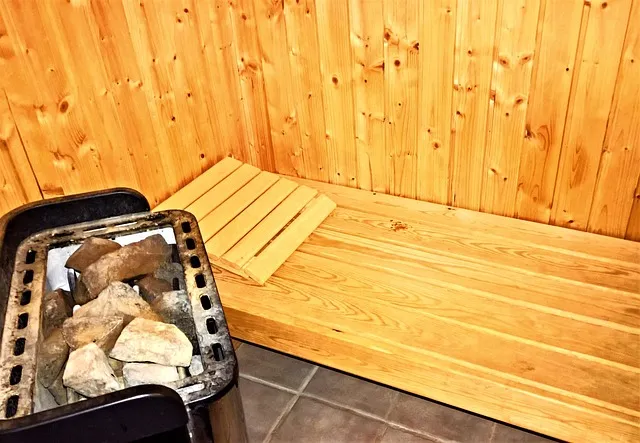
Janne Laukkanen has been studying Finnish hearts for decades. His office in Kuopio — a mid-sized city in eastern Finland where the sauna is not a spa luxury but a structural feature of nearly every home — sits close to a culture that has been doing something accidentally right for thousands of years.
In 2015, Laukkanen and his colleagues published findings that should have made international headlines but mostly filtered through health journalism as “huh, interesting” rather than the paradigm-shifting data it actually was. The study followed 2,315 middle-aged Finnish men for an average of 20 years and found that those who used the sauna four to seven times per week had a 40 percent lower risk of all-cause mortality compared to those who went once a week.
Forty percent. Not six percent, not twelve percent — forty percent lower risk of dying from any cause.
This isn’t magic. It’s biology. And the biology of sauna exposure is remarkably well understood, mechanistically rich, and supported by a growing body of evidence that extends well beyond the Finnish cardiac studies.
The Laukkanen Study: Understanding the Finnish Cardiovascular Evidence
The 2015 Laukkanen study published in JAMA Internal Medicine — “Association Between Sauna Bathing and Fatal Cardiovascular and All-Cause Mortality Events” — deserves careful examination, because understanding what it actually shows (and doesn’t show) is important for applying the data correctly.
The study tracked 2,315 Finnish men, aged 42-60 at baseline, living in Eastern Finland. All underwent baseline assessments including cardiovascular risk factors, existing disease, lifestyle habits, and sauna use frequency and duration. They were then followed for a median of 20.7 years.
The results, dosed by frequency:
Compared to men who used the sauna once per week, men who used it two to three times per week had a 22% lower risk of sudden cardiac death. Men who used it four to seven times per week had a 63% lower risk of sudden cardiac death. For fatal coronary heart disease, the four-to-seven times group had a 48% reduction. For cardiovascular disease overall, the four-to-seven times group showed a 50% reduction. For all-cause mortality: 40% reduction.
The relationship was dose-dependent — more frequent sauna use produced progressively better outcomes. And the associations held after adjustment for established cardiovascular risk factors including age, smoking, alcohol, body mass index, blood pressure, LDL cholesterol, and physical activity.
This last point is critical. The sauna benefit appears independent of conventional cardiovascular risk factors. It’s not simply that people who sauna are also more likely to exercise or avoid smoking. The sauna itself appears to be doing something protective.
Limitations, because intellectual honesty requires acknowledging them: this is observational data, not a randomized trial. Unmeasured confounders can’t be definitively ruled out — perhaps people who sauna four to seven times weekly have unmeasured positive health behaviors or characteristics. The study population was entirely Finnish men, and while there’s no strong reason to think the biological mechanisms would differ substantially across populations, the data doesn’t directly address other groups.
But mechanistic data — which we’ll examine shortly — provides strong biological plausibility for the epidemiological findings. When the population-level associations and the underlying biology point in the same direction, confidence in the causal relationship increases substantially.
Heat Shock Proteins: The Molecular Defense System
When core body temperature rises during sauna exposure, cells respond by producing heat shock proteins (HSPs). These are ancient, evolutionarily conserved stress proteins that function as molecular chaperones — they help damaged proteins refold correctly, prevent misfolded proteins from aggregating, and assist in the degradation of irreparably damaged proteins.
The significance of HSPs to aging biology is profound. Protein misfolding and aggregation are central features of the most devastating age-related diseases: amyloid plaques in Alzheimer’s, tau tangles in frontotemporal dementia, Lewy bodies in Parkinson’s. The cellular machinery that prevents and clears these aggregates — heavily involving HSPs — becomes less efficient with age.
Regular heat stress — from sauna or other sources — appears to maintain and strengthen this protective machinery. Repeated thermal stress trains cells to produce HSPs more efficiently, creating a kind of heat tolerance that translates into better general protein quality control.
The cardiovascular relevance: HSP70 in particular has been shown to protect cardiac cells from ischemia-reperfusion injury (the damage that occurs when blood flow is restored after a heart attack), reduce inflammation in vascular tissue, and maintain the structural integrity of heart muscle proteins. People with higher circulating HSP70 levels show lower cardiovascular risk in population studies.
HSPs also have anti-inflammatory effects through inhibition of NF-κB, a master regulator of inflammatory gene expression. Chronically elevated HSP levels appear to reduce baseline systemic inflammation — and as discussed elsewhere in this series, chronic low-grade inflammation is a driver of virtually every age-related disease.
The sauna-HSP connection gives a mechanistic pathway from “sitting in a hot room” to “lower cardiovascular mortality” that doesn’t require assuming any unmeasured confounders. The heat creates the stimulus. The HSP response is the mechanism. The reduction in cardiovascular events is the outcome.
Cardiovascular Conditioning: The Exercise Mimetic Effect
One of the most practical aspects of sauna physiology is that it produces cardiovascular responses remarkably similar to moderate aerobic exercise — without the musculoskeletal demands of actual movement.
During a typical sauna session at 80-100°C, heart rate increases to 100-150 beats per minute. Cardiac output increases substantially as the body works to shunt blood to the skin for cooling. Blood vessels dilate. Blood pressure follows a characteristic pattern: a brief initial rise followed by a sustained decrease during and after the session.
The metabolic demands of a 20-minute sauna session have been estimated at roughly equivalent to moderate-intensity walking — not a replacement for exercise, but a non-trivial physiological load.
More importantly, the vascular adaptations to regular sauna use parallel the adaptations to regular aerobic exercise: improved endothelial function (the inner lining of blood vessels becomes more responsive and produces more nitric oxide), reduced arterial stiffness (arteries that are stiffer are harder for the heart to pump against and more likely to contribute to hypertension), and lower resting blood pressure.
Laukkanen’s group published a study specifically on sauna and arterial stiffness, finding that regular sauna users had measurably more elastic arteries than infrequent users. This matters because arterial stiffness is an independent predictor of cardiovascular events and all-cause mortality.
For populations with limited exercise capacity — due to age, injury, or chronic disease — this exercise-mimetic cardiovascular benefit of sauna is particularly valuable. It provides a cardiovascular stimulus through a passive mechanism when active exercise is constrained. For healthy people, sauna adds to the cardiovascular benefit of exercise rather than substituting for it.
BDNF and Brain Health: The Cognitive Connection
Brain-derived neurotrophic factor (BDNF) is sometimes called “fertilizer for the brain.” It promotes neuronal growth, survival, and plasticity, and it plays a central role in the formation of new memories and the maintenance of cognitive function with aging.
BDNF declines with age. Low BDNF levels are associated with depression, cognitive decline, and elevated Alzheimer’s risk. The most potent stimulator of BDNF production is exercise — this is one of the primary mechanisms through which aerobic exercise protects the aging brain.
Heat exposure also stimulates BDNF production. Studies in rodent models have shown substantial BDNF increases following whole-body heat stress comparable to sauna exposure. Human studies, while more limited, show measurable BDNF elevations following sauna sessions.
The mechanism involves both direct effects of elevated temperature on BDNF gene expression and indirect effects through the norepinephrine release that accompanies the heat stress response. Norepinephrine is a potent BDNF stimulator — it’s also one of the reasons sauna users often report a mood-elevating effect that persists for hours after a session.
Combined sauna and exercise — two of the most potent BDNF stimulators available — may produce additive neuroprotective effects. The Finnish cultural tradition of exercise followed by sauna may be more physiologically sophisticated than it looks.
A study by Laukkanen’s group specifically examining sauna use and dementia found that men who used the sauna two to three times per week had a 22% lower risk of Alzheimer’s disease and a 20% lower risk of any dementia compared to once-weekly users. Four to seven times weekly sauna use was associated with a 65% lower risk of Alzheimer’s. Striking numbers. They warrant serious attention even with the observational design caveat.
Growth Hormone, Endorphins, and the Post-Sauna Biochemistry
- Growth hormone: A single sauna session has been shown to produce a 2-5x elevation in growth hormone, with longer sessions producing larger responses. This is among the most reliable non-pharmacological growth hormone stimuli identified in research. Growth hormone supports muscle maintenance, fat metabolism, tissue repair, and bone density — all relevant to aging biology. The growth hormone response diminishes with age, making non-pharmacological stimulation through sauna potentially more valuable for older adults.
- Dynorphins and kappa opioid receptors: The uncomfortable sensation of intense heat activates the dynorphin system — endogenous kappa opioid peptides that produce a temporary discomfort but subsequently upregulate sensitivity to endorphins (which bind to mu opioid receptors). This is the mechanism behind the mood elevation that follows challenging heat exposure. It may also explain some of the addictive quality of sauna practice — the temporary discomfort creates a chemical reward that reinforces the behavior.
- Beta-endorphin: Sauna exposure increases circulating beta-endorphin, contributing to the relaxation and mild euphoria that follows a good session. This is a real, measurable neurochemical effect. Not placebo.
- Norepinephrine: Moderate heat stress produces 2-3x increases in norepinephrine, a neurotransmitter associated with focus, attention, and mood. The norepinephrine surge during sauna may contribute to the clarity and alertness many users report post-session.
- Prolactin: The hormone associated with neurological repair processes increases substantially with sauna exposure. Prolactin is involved in myelination — the production and maintenance of the myelin sheath around nerve fibers — and may contribute to the neurological recovery benefits some users report.
Sauna and Respiratory Health
The respiratory benefits of sauna are less prominently discussed than cardiovascular effects but are well-documented. Regular sauna use is associated with reduced incidence of the common cold, improved lung function, and reduced severity of respiratory infections.
The heat and humidity of a sauna session promote airway clearance — the hot, moist air loosens mucus and facilitates its removal. This is the traditional rationale for using sauna during respiratory illness, and there is real physiology behind it.
A study by Laukkanen et al. found that regular sauna users had significantly lower rates of pneumonia than infrequent users. Pneumonia is a leading cause of hospitalization and death in older adults — a 40-47% reduction in pneumonia risk from regular sauna use, as reported in this study, represents a meaningful public health finding.
Asthma symptoms appear to improve with regular sauna use in many patients, likely through a combination of airway conditioning, reduced inflammation, and the bronchodilatory effect of heat on airway smooth muscle. Sauna is not a replacement for asthma management, but the data on its adjunctive respiratory benefits is worth knowing.
The immune stimulation component — regular mild heat stress training the immune system to respond more efficiently — likely contributes to resistance to respiratory infections. This is mechanistically similar to the benefit of regular cold exposure, which also produces immune modulation, and helps explain why the Scandinavian tradition of alternating heat and cold has biological merit beyond cultural tradition.
The Cold Contrast: Amplifying Sauna Benefits
Traditional Finnish sauna practice includes immersion in cold water — a plunge pool, a nearby lake, or rolling in snow — between or after sauna rounds. This isn’t masochism. The physiological rationale for heat-cold contrast is well-supported.
Cold water immersion produces vasoconstriction — blood vessels constrict rapidly in response to cold, driving blood toward the core. The alternation between sauna-induced vasodilation and cold-induced vasoconstriction is essentially a cardiovascular training circuit, repeatedly challenging and strengthening vascular tone regulation.
Cold exposure also produces its own set of beneficial adaptations: increased norepinephrine (2-3x with mild cold, up to 300% with more intense cold exposure), improved cold shock protein response, enhanced insulin sensitivity, and activation of brown adipose tissue — the metabolically active fat that burns energy to generate heat.
The combination produces what some researchers call “thermal conditioning” — a generalized adaptation of the cardiovascular and thermoregulatory systems that improves their responsiveness and resilience. The stress-response benefits of both heat and cold appear to be partly additive.
The cold-water element can be as simple as a cold shower following the final sauna round. No lake in Finland required. The key is a significant temperature contrast — enough to activate the cold shock response — followed by the physiological recovery that follows.
Safety and Contraindications
- Dehydration: Significant fluid volume is lost in a typical sauna session — typically 0.5-1.0 liters over 20-30 minutes. Rehydrate before and after. Avoid prolonged sauna when already dehydrated (after strenuous exercise or in hot weather without adequate fluid intake).
- Alcohol: The combination of alcohol and sauna is genuinely dangerous. Alcohol impairs heat dissipation, clouds judgment about when to exit, and dramatically increases the risk of dangerous overheating. The Finnish tradition of sauna and beer is culturally embedded but physiologically hazardous. If you drink, do it after, not during.
- Cardiovascular conditions: People with unstable angina, recent myocardial infarction (within 2 weeks), or certain arrhythmias should consult their physician before sauna use. Ironically, stable cardiovascular disease is not a contraindication — the Laukkanen data specifically shows that even people with cardiovascular disease who use the sauna regularly have better outcomes. But unstable conditions require medical clearance.
- Medications: Some medications affect heat tolerance or blood pressure in ways that make sauna more risky. Anyone on antihypertensives or drugs that affect thermoregulation should check with their physician.
- Pregnancy: High core body temperature during early pregnancy is associated with neural tube defects. Pregnant women, particularly in the first trimester, should avoid prolonged sauna sessions that raise core temperature significantly. Shorter, lower-temperature sessions later in pregnancy may be acceptable but require obstetric guidance.
Sauna is extremely safe for the vast majority of healthy adults. Deaths from sauna are very rare and typically involve alcohol intoxication (which impairs thermoregulation and judgment), pre-existing cardiac arrhythmias, or extreme temperatures beyond the normal sauna range.
A few important practical considerations:
The Sauna Longevity Protocol: Implementation Framework

Temperature: Finnish sauna temperatures typically run 80-100°C (176-212°F). Most of the research was conducted at 80-100°C. Higher is not necessarily better — 80-90°C appears to be the sweet spot for most users, providing strong heat stress without excessive discomfort that shortens sessions.
Duration: The Laukkanen studies involved typical Finnish sauna sessions of 15-30 minutes. A minimum of 15 minutes appears necessary to generate meaningful heat stress. Twenty minutes is a reasonable target for most users. Experienced sauna users may extend to 30-45 minutes with multiple rounds.
Frequency: The dose-response data clearly shows that four to seven sessions per week produces the largest benefits. This is a more aggressive target than most Westerners consider realistic, but daily home sauna is achievable with the right equipment.
Timing: Evening sauna use is consistent with Finnish tradition and may enhance sleep quality through the core body temperature drop that follows (similar to the sleep-facilitating effect of warm baths). The post-sauna temperature drop signals the body that it’s time for sleep. Morning sauna is also effective for the physiological adaptations — the timing of benefits like HSP induction and cardiovascular conditioning is not acutely time-dependent.
Cold contrast: Add cold water immersion (plunge pool, cold shower, or whatever is accessible) for 30-90 seconds between sauna rounds or at the end. Start with brief cold exposure and build tolerance gradually.
Hydration: 500-750ml of water before a session; 500ml+ after. For extended sessions or in hot ambient conditions, add electrolytes.
At-home options: Traditional barrel saunas, infrared saunas, and steam rooms all provide heat stress. Traditional Finnish saunas at high temperature are the modality with the most research behind them. Infrared saunas operate at lower temperatures (45-60°C) but heat the body directly rather than through air conduction — they appear to produce similar physiological responses and may be more tolerable for beginners or people sensitive to high air temperatures.
Sauna and Muscle Recovery
The athletic recovery applications of sauna are well-established in exercise science and widely used in Scandinavian sports culture. Post-exercise sauna use reduces delayed onset muscle soreness (DOMS), accelerates removal of metabolic waste products from muscle tissue, and may enhance the hormonal recovery response through growth hormone release.
A study by Leppäluoto et al. found that post-exercise sauna use enhanced the growth hormone response beyond exercise alone — the combination of exercise-induced and heat-induced growth hormone release was additive rather than redundant. For athletes and those serious about muscle maintenance, this provides a practical rationale for the traditional workout-then-sauna sequence.
Heat shock proteins generated during post-exercise sauna may help protect muscle proteins from exercise-induced damage and accelerate repair of microtrauma. This is speculative in terms of the specific magnitude of benefit in trained humans, but the mechanistic direction is clear.
There is also evidence that post-exercise heat exposure may enhance endurance adaptations — specifically, plasma volume expansion, which increases the blood volume available for oxygen delivery. Studies in endurance athletes have shown measurable improvements in VO2 max and performance from regular heat training. For athletes seeking aerobic improvements, sauna after endurance sessions may provide an additional adaptation stimulus.
What People Ask About Sauna Longevity Finnish
- How often should I use the sauna for longevity benefits? Based on the Laukkanen data, four to seven sessions per week produced the most significant mortality reductions. Two to three sessions per week still showed meaningful benefits (22% lower sudden cardiac death risk). Even if daily sauna isn’t realistic, two to three times per week is a meaningful starting point with documented benefits.
- Does infrared sauna provide the same benefits as traditional sauna? Infrared saunas heat the body directly at lower air temperatures (45-60°C vs 80-100°C for traditional). They appear to produce similar cardiovascular and physiological responses, though most of the large epidemiological studies used traditional Finnish saunas. Early research on infrared sauna shows comparable cardiovascular benefits. For people who find traditional sauna temperatures uncomfortable, infrared is a reasonable alternative.
- How long should each sauna session be? The research basis is primarily 15-30 minute sessions. Fifteen minutes appears to be a minimum for meaningful heat stress and HSP response. Twenty minutes is a practical standard. Experienced users may do multiple rounds of 20-30 minutes with brief cooling breaks between.
- Is sauna safe for people with heart disease? Stable cardiovascular disease is not a contraindication — in fact, the Finnish data shows better outcomes in sauna users even accounting for cardiovascular health at baseline. However, unstable angina, recent acute cardiac events, or certain arrhythmias require physician clearance before sauna use. When in doubt, ask a cardiologist.
- Can sauna replace exercise? No — and this is important. Sauna provides some exercise-mimetic cardiovascular benefits, particularly for people with limited exercise capacity, but it does not produce the musculoskeletal adaptations, skeletal muscle benefits, or the full cardiovascular conditioning of regular aerobic and resistance exercise. Sauna is an adjunct to, not a substitute for, comprehensive exercise.
- What temperature and humidity are optimal? The Finnish sauna tradition uses 80-100°C with periodic water poured on rocks to create bursts of steam (löyly). Research has been conducted primarily in this range. Lower temperatures (as in infrared) appear to provide benefits but with less research documentation. Higher temperatures increase risk without commensurate evidence of greater benefit.
- Should I sauna before or after exercise? Both have evidence and different mechanisms. Pre-exercise sauna can serve as a warmup and increases blood flow to working muscles. Post-exercise sauna may enhance recovery, amplify growth hormone response, and add to the cumulative cardiovascular training load. Most research and traditional practice involves post-exercise sauna. Choose based on practicality and preference — either works.
- What about sauna and blood pressure? Regular sauna use is associated with lower blood pressure and improved arterial elasticity. Acutely during sauna, blood pressure initially rises slightly then falls. After the session, blood pressure remains below pre-sauna baseline for several hours. For people with hypertension, sauna is generally safe and may have a modest antihypertensive effect over time, though it should not replace pharmaceutical hypertension treatment when indicated.
Sauna, Inflammation, and the Metabolic Disease Connection
The anti-inflammatory effects of regular sauna use represent one of the more compelling cross-disease mechanisms in the research literature. Chronic low-grade systemic inflammation — the “inflammaging” discussed throughout this series — underlies cardiovascular disease, neurodegenerative disease, metabolic syndrome, and cancer risk simultaneously.
Regular sauna use reduces several key inflammatory biomarkers. C-reactive protein (CRP), interleukin-6 (IL-6), and tumor necrosis factor-alpha (TNF-α) — all central inflammatory signaling molecules — are measurably lower in habitual sauna users compared to non-users, independent of other lifestyle factors in several studies.
The mechanism involves multiple pathways: HSP-mediated inhibition of NF-κB (the master inflammatory transcription factor), improved endothelial function (dysfunctional endothelium is both a consequence and driver of systemic inflammation), and the direct anti-inflammatory effects of heat on immune cell behavior. Regulatory T cells — immune cells that dampen excessive inflammatory responses — appear to be activated by heat stress.
The metabolic implications are direct. Chronic inflammation is one of the primary mechanisms through which excess adiposity drives insulin resistance and metabolic syndrome. Reducing inflammatory burden through regular sauna — even for individuals who already exercise and eat well — addresses this pathway from a different angle. Some studies in patients with type 2 diabetes show improvements in insulin sensitivity and blood glucose control with regular sauna use, likely through this anti-inflammatory mechanism combined with the improved peripheral blood flow and vascular function that sauna produces.
For individuals with metabolic syndrome or early type 2 diabetes who have limited exercise capacity, this is particularly relevant: sauna provides a meaningful physiological stimulus that addresses both the cardiovascular and metabolic risk burden without the joint stress of high-volume exercise.
Building the Sauna Habit: Overcoming Practical Barriers
The evidence for sauna is compelling. The practical barriers are real. But before getting into hardware and habit architecture, it’s worth understanding what “regular” truly requires — and why frequency matters so much more than any single session’s perfection.
The dose-response curve from Laukkanen’s data is not linear — there’s a steep improvement moving from once to two-three times weekly, and another jump moving to four or more. What this means practically is that the marginal value of going from zero to two sessions per week is enormous. Going from two to four is also substantial.
Going from four to daily provides meaningful additional benefit but is where most people hit diminishing returns relative to effort.
Start with two sessions per week. Use whatever access is available. Make it easy. Build to three or four as it becomes habitual. The compound interest on regular heat stress accumulates the same way the harms of chronic sedentariness accumulate — gradually, invisibly, until the effect is unmistakable in the data.
One final point on the cultural context: Finland has some of the highest sauna density in the world (roughly 3 million saunas for 5.5 million people — more saunas than cars). The Finnish relationship with sauna is not about luxury or wellness trends. It is a functional cultural practice embedded in daily life. The mortality data may reflect not just the direct biological benefits of sauna but the broader lifestyle that sauna-going connotes: taking intentional time for recovery, thermal stress, and the removal of daily stress loads.
The biology doesn’t care about nationality. Heat shock proteins work the same in every genome. Cardiovascular conditioning through heat works the same regardless of cultural background. What changes is just access and habit — both of which are engineering problems.
Most people in North America do not have convenient daily access to a sauna the way Finns do. Closing this gap requires either changing access or changing habits around the access already available.
Gym sauna: The most accessible starting point. Many commercial gyms have saunas that are underused — the membership already being paid for may include access. Even two to three sessions per week using a gym sauna provides meaningful benefit. The limitation is that gym sauna use is tied to gym visits, so it works best when integrated with workout sessions.
Home infrared sauna: The most compelling home option for most people. Infrared sauna units now range from single-person units under $1,500 to full-room installations. They don’t require special electrical work in most cases (standard 20-amp circuit), operate at lower temperatures than traditional saunas (making them easier to stay in), and take 15-20 minutes to heat up. The lower entry barrier means higher use frequency, which may offset the slightly lower temperature stimulus.
Traditional barrel sauna: The closest to the Finnish research conditions. Outdoor barrel saunas can be installed in most yards for $3,000-8,000. They use wood or electric heating, reach 80-100°C temperatures, and provide the full traditional sauna experience including the option for löyly (steam from pouring water on hot rocks). For people with outdoor space and the budget, this is the gold-standard home option.
Community sauna: In Scandinavian countries, public saunas are common social infrastructure. In North America, they’re rare but not nonexistent. Some YMCAs, athletic clubs, and wellness centers have proper Finnish-style saunas. Worth seeking out for anyone serious about frequency without a home installation.
Sauna blankets: Far-infrared sauna blankets are the lowest-cost entry point — some under $200. They produce meaningful heat stress and are used lying down. Research on this specific modality is limited, but the physiological mechanism (sustained elevated core temperature) should produce some of the same adaptations. For people with genuine space or budget constraints, this is a starting point.
The habit architecture matters as much as the equipment. Tying sauna use to an existing routine — after workouts, before bed — makes consistency much more likely than treating it as a separate stand-alone activity. A convenient post-workout gym sauna gets used. One requiring a separate trip usually doesn’t.
Janne Laukkanen didn’t set out to prove that sauna saves lives. He set out to follow a population and see what happened. What happened turned out to be one of the most compelling natural experiments in preventive medicine — a culture that had, through tradition and climate, stumbled onto a longevity practice that no pharmaceutical company could patent and no wellness industry could meaningfully commodify.
A barrel sauna can be built in a backyard for a few thousand dollars. An infrared sauna unit can be bought for under two thousand. A gym with a sauna can be found for twenty dollars a month. The dose-response relationship between regular heat exposure and mortality reduction is among the most striking in the research literature.
The Finnish figured this out by accident over centuries. The biology explains why it works. The protocol gives the practical parameters to reproduce the benefit without moving to Eastern Finland.
The point is not that sauna is magic. It is that the human body responds predictably to thermal stress with adaptations that are measurably protective over decades. The Finnish tradition turned out to be doing exactly what the biology would predict — which is not often something that can be said about cultural health practices. Most traditions fail scrutiny. This one passed it comprehensively.
The investment required is modest. The evidence base is extraordinary. The only real cost is inertia and the ten minutes it takes to find a sauna available starting this week. Unlike most longevity interventions — which require sustained dietary discipline, expensive supplements, or pharmaceutical prescriptions — regular sauna use is accessible, low-risk, and deeply compatible with the rest of a well-structured health practice. It works on the same mechanisms as exercise and fasting but through a different physiological door, making it a genuine addition to the stack rather than a redundant one. The Finns have been sitting on this evidence for generations. Now the research has caught up with the tradition.
For more on the complete longevity framework that sauna fits within, see the Anti-Aging Longevity Protocol. And for the cardiovascular angle specifically, the companion article on heart health and prevention covers the risk factors and interventions that work together with sauna use.
The Practical Framework: Applying Sauna Longevity Finnish Cardiovascular In Real Life
FROM THE LIBRARY ›
References
Editorial StandardsCorrectionsMedical DisclaimerAbout Our ContentAffiliate DisclosureSite Map