

Here’s what the science actually says: protein restriction, particularly of specific amino acids, is one of the most consistent interventions for extending lifespan across organisms. In model organisms, it sometimes outperforms caloric restriction. In human epidemiological data, high animal protein intake in middle age is associated with increased cancer mortality at effect sizes comparable to smoking. And the mechanisms — mTOR, IGF-1, autophagy — are among the best-characterized molecular aging pathways available.
This doesn’t mean eat no protein. The other side of the scientific story is equally clear: inadequate protein accelerates sarcopenia, impairs immune function, and reduces quality of life — particularly in older adults. The dose-response curve is real and has two dangerous ends.
This is the complete protein-longevity picture, without the oversimplifications of either the high-protein fitness camp or the anti-animal-protein health advocacy world.
The mTOR-Protein Connection: Why Amino Acids Age You
mTOR exists in two complexes: mTORC1 and mTORC2. mTORC1 is the more relevant for aging. It integrates nutrient signals — particularly amino acids, glucose, and growth factors — and decides whether to drive anabolic (growth, protein synthesis) or catabolic (autophagy, stress resistance) cellular programs.
Amino acids are the primary activators of mTORC1. The pathway works like this: amino acids, particularly leucine and arginine, activate sensors in the lysosomal membrane (GATOR complexes, Ragulator, CASTOR1, SESTRIN2) that converge to activate Rag GTPases, which recruit mTORC1 to the lysosomal surface where it can be fully activated by RHEB (in the presence of adequate growth factors). When mTORC1 is active, it drives protein synthesis, inhibits autophagy, and promotes cell growth.
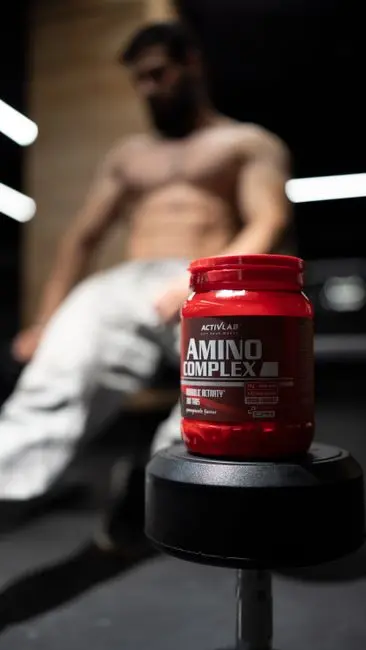
This is why leucine — the most potent mTOR-activating amino acid — shows up in post-workout protein supplements to maximize muscle protein synthesis. High-leucine protein sources (whey, meat, eggs) produce the strongest mTOR activation and the greatest anabolic response to resistance training.
But chronic mTOR activation is one of the central drivers of aging. When mTOR is persistently elevated, autophagy is suppressed, damaged proteins and organelles accumulate, cells grow when they shouldn’t, and the pro-growth signaling eventually promotes the hallmarks of aging: cellular senescence, genomic instability, and cancer. Rapamycin, the most potent life-extending drug tested in animals, works primarily by inhibiting mTORC1. Caloric restriction works partly by reducing mTOR activity. And protein restriction works by removing the primary nutrient signal that activates mTOR.
The Valter Longo Studies: 18-Year Cohort Data

The study analyzed 6,381 adults aged 50 and older, followed for 18 years. The findings were stark:
High animal protein intake (>20% of calories from protein) in adults aged 50-65 was associated with a 74% increase in all-cause mortality and a 4-fold increase in cancer mortality compared to low protein intake (<10% of calories). The magnitude of the cancer mortality association — in middle-aged adults — was comparable to smoking.
But here’s the twist that gets left out of most popular reporting: in adults over 65, the relationship reversed. High protein intake was associated with lower all-cause mortality and lower cancer mortality in older adults. The optimal protein intake appears age-dependent.
This age-dependent reversal has been replicated in other studies and has a plausible biological explanation: the anabolic effects of protein and IGF-1 signaling that promote cancer risk in middle age become protective in older adults, where the primary threat is sarcopenia (muscle wasting), immune senescence, and frailty rather than cancer risk. In the elderly, the pro-growth effects of protein help maintain the muscle mass and immune function that determine survival.
Longo has proposed a “protein cycling” framework: lower animal protein intake in middle age (roughly 45-65), transitioning to higher protein intake after 65. This matches the biological logic of the age-dependent relationship.
The Animal Data: Protein vs. Caloric Restriction Head-to-Head
- Protein restriction at ~5-8% of calories (versus 20-25% in control diets) extends lifespan in most rodent models
- Protein restriction reduces IGF-1 levels substantially, even without caloric restriction
- Protein restriction suppresses mTORC1 signaling in most tissues
- Protein restriction activates GCN2 (a stress-response kinase activated by amino acid scarcity) and ATF4 (a transcription factor that drives amino acid metabolism and antioxidant gene expression), which appear to mediate some of the lifespan benefits
- Low-protein, high-carbohydrate diets outperform high-protein, low-carbohydrate diets for longevity in rodent models — a finding that challenges paleo/carnivore dietary frameworks
Some of the most compelling protein restriction evidence comes from Drosophila (fruit fly) studies where protein and caloric restriction can be separated experimentally.
Research by Linda Partridge’s group at the Max Planck Institute of Ageing showed that in Drosophila, restricting dietary protein (without restricting carbohydrates or total calories) extends lifespan as effectively as caloric restriction. Also, adding back protein to restricted flies immediately abolished their extended lifespan, while adding back carbohydrates had much smaller effects. The conclusion: protein restriction, not caloric restriction per se, is the primary driver of lifespan extension in flies.
In rodents, protein restriction experiments have produced more variable results depending on the specific protein, amino acids restricted, and the degree of restriction. But several consistent findings emerge:
The most rigorous rodent protein restriction study was conducted by Mair et al. and published in PLoS Genetics in 2011. Mice placed on protein-restricted diets showed extended lifespans, and this extension was fully dependent on the integrated stress response pathway activated by amino acid scarcity — specifically the GCN2 kinase activation. Mice with GCN2 knockout were not protected from the lifespan shortening effects of high protein diets.
IGF-1: The Growth Hormone of Aging

IGF-1 is produced primarily by the liver in response to growth hormone (GH) signaling. It promotes cell growth, protein synthesis, and anabolic metabolism across essentially all tissues. In young organisms, abundant IGF-1 drives the growth and tissue remodeling needed for development. In older organisms, elevated IGF-1 becomes increasingly problematic — promoting cancer cell growth, driving cellular senescence, and accelerating the aging process.
Protein intake, particularly animal protein, is one of the primary dietary determinants of IGF-1 levels. A diet high in animal protein raises IGF-1 by approximately 15-25% compared to a protein-restricted or plant-predominant diet — a significant difference for a longevity-relevant hormone.
The longevity evidence for reduced IGF-1 signaling is among the most consistent in aging biology. The longest-lived mouse mutants (Ames dwarfs, Snell dwarfs, GHR knockout mice) all have severely reduced GH/IGF-1 signaling. Long-lived human populations studied by Longo — Ecuadorian Laron syndrome patients, who have IGF-1 receptor mutations and extremely low IGF-1 — show dramatically reduced rates of cancer and diabetes.
But again, the age-dependent caveat: elderly people with lower IGF-1 have higher frailty and worse physical function outcomes in most studies. IGF-1 is anabolic — maintaining it to some degree in old age is important for muscle and bone maintenance. The strategy: allow IGF-1 to run lower in middle age (primarily through protein cycling and periodic fasting), while ensuring adequate protein in old age to maintain function.
Plant vs. Animal Protein: Why the Source Matters for Longevity
Not all proteins are equal in their effects on aging pathways, and the animal vs. plant distinction is probably the most important variable after total protein quantity.
Animal proteins are generally higher in leucine (the primary mTOR-activating amino acid), methionine (covered in depth in post 776), and branched-chain amino acids (BCAAs). They tend to raise IGF-1 more than plant proteins. They activate mTOR more potently than plant proteins at equivalent protein intakes.
Plant proteins are generally lower in leucine and methionine, are often incomplete (lacking adequate amounts of one or more essential amino acids), and activate mTOR less potently. They also come packaged with fiber, phytochemicals, and antioxidants that independently activate longevity pathways. The combination — lower mTOR activation plus xenohormetic compounds — may explain why plant-predominant diets consistently show longevity benefits in epidemiological research.
A 2020 JAMA Internal Medicine study following 130,000 people found substituting plant protein for animal protein was associated with lower all-cause and cardiovascular mortality, with the strongest associations for substituting plant protein for processed red meat.
This doesn’t mean animal protein is categorically bad. The specific concerns:
Red meat, particularly processed red meat, is most consistently associated with cancer and cardiovascular mortality in epidemiological studies. The mechanisms include saturated fat effects on LDL, heme iron effects on lipid peroxidation and colon cancer risk, and the high leucine/methionine content of red meat.
White meat and fish show much weaker adverse associations and in many studies are associated with lower mortality than red meat. Fatty fish, with high omega-3 content, is consistently associated with reduced cardiovascular mortality.
Dairy protein presents an interesting case: casein is a strong mTOR activator (it’s the protein that drives rapid growth in young mammals), but fermented dairy (yogurt, kefir, cheese) shows mixed to neutral associations with longevity outcomes, likely due to the offsetting beneficial effects of fermentation products on the microbiome and metabolic health.
Methionine Restriction: The Specific Amino Acid Target
Of all the individual amino acids implicated in the protein-aging story, methionine has the longest and most direct experimental track record — longer, in some respects, than the mTOR research itself, which only caught up to explain a finding that predates it by decades.
Norman Orentreich, a dermatologist-turned-nutrition researcher, published the foundational finding in the Journal of Nutrition in 1993: rats fed a diet restricted in methionine alone — protein and calorie intake otherwise unchanged — lived roughly 30% longer than control rats fed a standard diet, and showed reduced body fat despite eating a similar number of calories. The effect size rivaled classic caloric restriction, but without the hunger. Richie and colleagues replicated and extended the finding the following year, also in the Journal of Nutrition, confirming the lifespan extension and adding evidence that methionine-restricted rats showed reduced oxidative damage to mitochondrial DNA — a mechanistic thread connecting the dietary intervention to one of the classic hallmarks of cellular aging.
The mechanistic picture sharpened considerably with work from Thomas Ables, Yun Sun, and colleagues at the University of Alabama at Birmingham, published across several papers around 2012 in journals including PLoS ONE and Aging Cell. Their work showed methionine restriction improves insulin sensitivity, reduces visceral and hepatic fat, and activates the transcription factor ATF4 — the same integrated stress response pathway implicated in the broader protein restriction literature — while also increasing expression of FGF21, a hormone produced by the liver that promotes fat oxidation and has independently been associated with lifespan extension in multiple rodent models. Methionine, in other words, appears to be doing a disproportionate share of the metabolic work attributed to protein restriction more generally, which is consistent with its specific biochemical role: methionine is the amino acid from which S-adenosylmethionine (SAMe) is synthesized, the universal methyl donor used in DNA methylation, and methionine metabolism is tightly coupled to one-carbon metabolism, homocysteine regulation, and epigenetic aging clocks.
Human data is sparser, for the obvious reason that controlled long-term human dietary trials are difficult and expensive to run. But two lines of evidence support relevance to humans. First, plasma methionine and its downstream metabolite homocysteine track dietary methionine intake predictably, and cross-sectional studies comparing vegans to omnivores — including work from Luigi Fontana’s group, published in outlets including the Rejuvenation Research journal — consistently find lower plasma methionine, lower IGF-1, and lower markers of oxidative stress in long-term vegans, whose diets are naturally lower in methionine because plant proteins contain roughly 20-40% less methionine per gram than animal proteins. Second, a small feasibility trial led by researchers including Dudley Lamming and Luigi Fontana, published in Cell Reports Medicine in 2021, tested an 8-week methionine-restricted diet (roughly 50-70% reduction from typical intake) in overweight adults and found it was tolerable, produced weight loss, and lowered IGF-1 and fasting insulin without inducing malnutrition — proof of concept that the intervention translates to humans, at least over a short trial window.
Practically, methionine density tracks closely with the animal-versus-plant protein distinction already discussed, which is part of why that distinction shows up so consistently across the epidemiological literature. Eggs, beef, poultry, and fish run high in methionine relative to total protein; legumes, and particularly foods like beans and lentils, run comparatively low. This doesn’t mean methionine needs to be tracked gram-by-gram — deficiency causes its own problems, including impaired glutathione synthesis and elevated homocysteine, a cardiovascular risk factor in its own right. But for the middle-aged man already shifting toward plant-predominant protein sourcing for the mTOR and IGF-1 reasons discussed above, the methionine research provides a second, independent mechanistic reason the same dietary shift matters — not just less total protein, and not just less leucine, but specifically less of the one amino acid whose restriction alone has repeatedly extended lifespan in controlled animal experiments since before mTOR had even been discovered as a drug target.
Protein Cycling: The Strategic Use of Restriction and Adequacy
The most detailed and likely correct approach to protein and longevity is not “eat less protein” or “eat more protein” but “cycle protein strategically based on age, goals, and current health state.”
Longo’s protein cycling framework, drawn from both the epidemiological and mechanistic data:
Ages 20-45: Moderate protein intake is appropriate. Focus on protein quality over quantity. 0.8-1.0 g/kg body weight from predominantly plant sources, with moderate lean animal protein. Avoid excessive protein supplementation beyond what resistance training adaptation requires.
Ages 45-65: This is the higher-risk period for mTOR/IGF-1-driven cancer and accelerated aging. The epidemiological risk for protein-cancer associations peaks here. Limiting animal protein (particularly red/processed meat) and prioritizing plant protein sources is most important in this window. Periodic protein restriction (fasting periods where protein is very low) provides deeper mTOR suppression.
Ages 65+: Protein requirements increase due to anabolic resistance — muscle requires more protein stimulus to synthesize new protein in older adults. Target 1.2-1.6 g/kg body weight to prevent sarcopenia. Leucine-rich proteins become important for maintaining muscle mass. The cancer risk concern from protein is less dominant than the frailty risk from insufficient protein at this age.
Periodic fasting: Regardless of age, periodic extended fasting (24-72 hours) allows deep suppression of IGF-1 and mTOR that can’t be achieved through chronic moderate restriction alone. This approach allows adequate protein most of the time while still capturing the anti-aging benefits of periodic very low IGF-1/mTOR states.
“The protein optimization question isn’t binary — it’s temporal. The same protein intake that builds an optimal physique at 35 may be incrementally accelerating the aging process. And the protein restriction that activates longevity genes at 50 may be causing muscle wasting at 70. This is what makes nutrition science hard and the single-answer advocates wrong by definition.”
The Resistance Training Reconciliation

Several frameworks for reconciliation:
Post-workout anabolic window specificity: The mTOR activation from protein that drives muscle synthesis is highest immediately post-exercise when mTOR is already activated by the mechanical stimulus of resistance training. Concentrating protein intake in the post-workout window — rather than chronically elevated protein throughout the day — may allow muscle-building mTOR activation when it’s most relevant while reducing chronic mTOR elevation at other times.
The training dose protection hypothesis: Regular resistance training may partially offset the pro-aging effects of higher protein intake by improving insulin sensitivity, maintaining muscle mass (which reduces overall metabolic disease risk), and cycling mTOR appropriately through exercise-induced activation and subsequent recovery. Several epidemiological studies find physically active individuals don’t show the same protein-mortality associations as sedentary people, though the data is mixed.
Plant-based protein prioritization: Getting protein from plant sources — soy, legumes, nuts, seeds, whole grains — provides the amino acids needed for muscle protein synthesis with less leucine and methionine per gram than animal protein, and with accompanying fiber and phytochemicals that independently improve metabolic health. Not fully equivalent for muscle building, but with adequate total protein and leucine supplementation if needed, plant-based athletes can achieve comparable outcomes.
Age-appropriate periodization: Younger athletes (under 40) have less to worry about from high protein intake relative to their training needs. Middle-aged athletes should be more thoughtful about protein sources and should incorporate regular fasting periods to periodically suppress mTOR. Older athletes should prioritize protein adequacy for sarcopenia prevention and rely on resistance training to protect from the frailty risks of insufficient protein.
What People Ask About mTORProtein Connection Amino
Q: Is the Longo protein study reliable? It seems too dramatic.
A: The 4-fold increase in cancer mortality is dramatic, but the study was a large cohort with 18 years of follow-up using validated dietary assessment tools, adjusted for multiple confounders. It’s consistent with mechanistic evidence for protein/IGF-1/mTOR driving cancer risk and with other epidemiological cohorts. Not definitive — no single observational study is — but high-quality evidence deserving serious consideration, not dismissal. The reversal in the 65+ age group is a critical internal validity check: the same researchers found the opposite effect in older adults, which argues against simple confounding by healthy user bias.
Q: What’s the minimum protein intake for an active person to maintain muscle?
A: The research suggests 1.2-1.4 g/kg body weight is adequate to maintain lean mass in most active adults. Going lower requires very careful resistance training and attention to leucine distribution across meals (minimum ~2.5g leucine per meal for maximal muscle protein synthesis signal). For older adults, the floor rises to about 1.4-1.6 g/kg due to anabolic resistance.
Q: Do protein shakes accelerate aging?
A: Whey protein shakes are high in leucine and are potent mTOR activators — probably the most potent available. Used immediately post-workout, this mTOR activation is largely channeled into muscle protein synthesis and is likely net positive. Used chronically throughout the day, it contributes to chronically elevated mTOR signaling. For most middle-aged adults not intensely resistance training daily, the chronic protein supplementation pattern is worth reconsidering.
Q: What about complete vs. incomplete proteins for plant-based eating?
A: The “complementary protein” concept — that plant proteins must be carefully combined at each meal to ensure complete amino acid profiles — is outdated. The body maintains an amino acid pool and draws from it continuously. As long as diverse plant proteins are consumed across the day, completeness isn’t a practical concern for most people. Legumes plus grains consumed in roughly the same proportion as traditional diets across most human cultures provides adequate amino acid profiles without meal-by-meal management.
Q: Does protein restriction matter if you’re already lean with good metabolic health?
A: Yes, though the absolute effect size is smaller. The mTOR/IGF-1 effects of protein intake occur across body composition ranges. Lean people with good metabolic health still show IGF-1 responses to high protein intake and mTOR activation responses to leucine-rich meals. The cancer risk association in the Longo study was present even when controlling for BMI.
Q: What do the longest-lived human populations eat in terms of protein?
A: Blue Zone populations (Sardinia, Okinawa, Loma Linda, Nicoya, Ikaria) all eat relatively low animal protein — predominantly plant-based diets with modest amounts of fish and small amounts of other animal products. The Okinawan diet traditionally had only 9-10% calories from protein. Sardinian centenarians eat goat milk products and some meat but primarily plant-based foods. These dietary patterns are consistent with the protein restriction longevity hypothesis, though they differ in many other ways that make causal attribution complicated.
Branched-Chain Amino Acids: The mTOR Signal You’re Probably Overdosing
No discussion of amino acids and mTOR is complete without addressing branched-chain amino acids (BCAAs) — leucine, isoleucine, and valine — aggressively marketed to the fitness community for muscle building and now among the most consumed sports supplements globally. The mTOR science creates a more complicated picture than the marketing suggests.
Leucine is the most potent single amino acid activator of mTOR. It’s the reason whey protein works so well for post-workout muscle protein synthesis — whey runs unusually high in leucine (approximately 10-11% by weight), and it’s this leucine content driving the anabolic response far more than any other whey constituent. Leucine activates Sestrin2 release from GATOR2 complex inhibition, triggering the lysosomal mTOR activation cascade with high potency.
For muscle building in young, resistance-training adults, this leucine-mTOR activation is valuable and largely well-directed: mTOR in muscle, activated by both mechanical load and leucine, drives muscle protein synthesis. The concern from the longevity perspective is chronic leucine supplementation that elevates mTOR signaling not just acutely post-workout but chronically throughout the day. BCAA supplements taken multiple times daily, protein shakes as between-meal snacks, protein bars as constant eating occasions — these patterns chronically elevate leucine and maintain mTOR activation at levels that suppress autophagy and accelerate aging biology in non-muscle tissues.
A 2020 paper in Cell Metabolism by Solon-Biet and colleagues, using the Geometric Framework for Nutrition (a method allowing precise manipulation of individual macronutrients), found that in mice, the relationship between protein intake and longevity was primarily driven by branched-chain amino acids rather than total protein. Diets high in BCAAs shortened lifespan through mTOR activation, even when total protein was moderate. The finding implicates BCAA density — highest in whey, beef, and eggs — as a more specific longevity-relevant dietary variable than total protein intake.
The practical implication is not to avoid BCAAs entirely. They’re essential amino acids — the body cannot make them. But chronically elevated BCAA intake through continuous supplementation may carry a longevity cost that acute post-workout BCAA intake does not. The timing and context of leucine-rich protein sources may matter more than simple total intake over the day.
mTOR, Protein, and Longevity: What the Blue Zones Actually Eat
The epidemiological evidence that most powerfully contextualizes the mTOR-protein-longevity relationship comes from the Blue Zone populations — the five regions where people consistently live to 100+ at higher rates than the global average: Okinawa, Sardinia, Nicoya Peninsula (Costa Rica), Ikaria (Greece), and Loma Linda (California, specifically Seventh-day Adventists).
The dietary pattern across all five populations shares characteristics that align strikingly with the mTOR-protein science. Average protein intake is low to moderate, typically 9-15% of total calories. Animal protein specifically is limited — predominantly fish in Okinawa, goat and sheep dairy in Sardinia and Ikaria, beans and legumes as the primary protein source across most populations. Red meat, the highest leucine and methionine source, is a rare occasion food rather than a daily staple in all Blue Zone populations.
Plant protein is abundant. The Okinawan diet is 96% plant-based by calories. Sardinian centenarians eat predominantly legumes, whole grains, vegetables, and fruit. The Loma Linda Adventists, the most studied of the Blue Zone populations due to their geographic concentration in the US, show in cohort data that vegan and vegetarian Adventists outlive omnivore Adventists, with the survival advantage attributable partly to lower protein intake and partly to other dietary factors.
These are observational patterns — causality cannot be established from them, because Blue Zone populations differ from Western populations in dozens of ways beyond diet. But when the epidemiological pattern aligns with the mechanistic biology — lower animal protein → lower leucine and methionine → lower mTOR activation → slower aging biology — the convergence strengthens the overall inference considerably. The same conclusion, arrived at from two independent lines of evidence.
The Adventist Health Study 2, with over 96,000 participants followed for decades, provides the strongest human data linking dietary protein patterns to mortality outcomes in a relatively controlled population. Vegan Adventists show the lowest all-cause mortality, followed by vegetarians, fish eaters, and omnivores. The analysis of specific protein sources confirms that plant protein substitution for animal protein is the primary dietary predictor of longevity in this cohort.
Building a Protocol: The Age-Stratified Protein Strategy
After weighing all this evidence, what should a thoughtful individual actually do about protein? The answer is genuinely age-dependent, which makes a simple recommendation impossible — but an age-stratified protocol is achievable.
For adults under 40 engaged in regular resistance training: protein at 1.2-1.6 g/kg from predominantly higher-quality sources, with emphasis on plant protein diversity alongside moderate lean animal protein. Post-workout leucine-rich protein (20-30g whey or equivalent) is supported for muscle adaptation. Chronic BCAA supplementation outside of workout contexts is probably not worth the mTOR burden. Periodic protein restriction through 24-48 hour fasts once or twice monthly captures autophagy activation that chronic moderate intake doesn’t achieve.
For adults 40-65: This is the window where the epidemiological evidence for protein-cancer risk is strongest. Shifting toward plant protein predominance — legumes, whole grains, nuts, seeds as primary protein sources — is well-supported. Moderate lean animal protein (fish, poultry) at 2-3 servings weekly fits the evidence better than daily red meat. Processed red meat should be minimized. Protein targets at the lower end of the functional range (1.0-1.2 g/kg) are appropriate for non-athletes; regular fasting helps capture mTOR suppression benefits that diet alone may not fully achieve.
For adults 65+: Anabolic resistance — the reduced muscle protein synthetic response to protein intake — means older adults genuinely need more protein to maintain muscle mass. Targets of 1.4-1.6 g/kg with leucine-rich protein sources at each meal are supported by the sarcopenia prevention literature. The cancer risk concern from protein is still present in this age group but is outweighed for most individuals by the frailty risk from insufficient protein. Resistance training at this age is essential as a complement to adequate protein — without it, even high protein intake is partially wasted on inadequate anabolic signaling.
Reading the Evidence: How to Evaluate Protein Research Claims
One of the more useful skills in this field is evaluating protein-longevity research claims critically, because the space is filled with both genuine science and motivated reasoning from multiple camps. Both the high-protein fitness community and the plant-based advocacy community carry financial and ideological interests that color their presentation of the evidence.
Several questions worth asking of any protein study: How was protein intake measured? Dietary recall is notoriously inaccurate; food frequency questionnaires are better but still imperfect. Biomarker measurements (plasma amino acids, urinary nitrogen) are more objective. What were the confounders? High animal protein intake correlates with many other dietary and lifestyle patterns in observational studies. Was it adequately controlled? What was the follow-up period? Short-term protein studies measure different outcomes than long-term cohort studies — muscle protein synthesis at 24 hours is not the same as cancer mortality at 20 years. Was the population representative? Research in athletes, in elderly populations, in specific ethnic groups, or in clinical trial volunteers may not generalize to middle-aged general population adults.
The Longo 2014 Cell Metabolism study is one of the best-quality epidemiological studies in this space: large sample, long follow-up, validated dietary assessment, multiple relevant outcomes, and the internal validity check of the age-dependent effect reversal. It deserves to be taken seriously. It also doesn’t tell the whole story — it’s observational and cannot prove causation. The mechanistic animal research provides the causal scaffolding that makes the observational associations biologically plausible. The combination of epidemiological consistency and mechanistic plausibility is as close as nutritional science typically gets to actionable certainty.
“The protein optimization story is a lesson in why single-variable nutritional thinking always fails. Protein is not good or bad. Leucine is not good or bad. mTOR activation is not good or bad. The context — how much, what type, at what life stage, in what combination with other lifestyle factors — determines the outcome. That’s the complexity that the fitness industry’s ‘eat more protein’ and the longevity industry’s ‘eat less protein’ both fail to communicate.”
The Most Practical Summary Available
The evidence reviewed here across multiple disciplines — molecular biology, epidemiology, animal aging research, clinical nutrition trials — converges on a set of protein-related conclusions sufficiently strong to act on personally and to pass along to anyone asking.
Animal protein, consumed in excess over decades, activates mTOR and IGF-1 in ways associated with accelerated aging biology and increased cancer risk in middle age. This association is consistent across multiple lines of evidence and is mechanistically plausible. It doesn’t mean avoiding animal protein entirely — the human data isn’t that clean, and total elimination creates its own tradeoffs. It means treating red and processed meat as a relatively rare dietary component rather than a daily staple, and shifting protein sourcing toward plant predominance without creating protein insufficiency.
Protein needs change with age, with activity level, and with health status. The same protein amount that builds an optimal physique at 30 may be incrementally accelerating aging biology at 50, and may be essential for preventing sarcopenic frailty at 70. Periodizing protein intake across the lifespan — not just within a training week — is the most sophisticated and evidence-supported approach available.
Periodic protein restriction through fasting allows mTOR suppression chronic mild reduction cannot fully achieve. Integrating regular fasting (16-hour daily minimum, 24-48 hour monthly) with appropriate daily protein targets provides access to the full range of mTOR modulation the longevity biology suggests is valuable.
None of this is easy to communicate in a 30-second social media format, which is why the fitness community’s “eat more protein” message has dominated public discourse while the detailed science remains largely confined to specialist literature. The complexity is not a bug of the evidence — it’s the actual nature of the biology. Embrace the complexity rather than retreat to simplification, and the result is a dietary strategy that actually serves long-term health rather than short-term performance metrics.
Frequently Asked About mTOR, Protein, and Amino Acids
Is the Longo protein study reliable? It seems too dramatic. The 4-fold increase in cancer mortality is dramatic, but the study was a large cohort with 18 years of follow-up using validated dietary assessment tools, adjusted for multiple confounders. It’s consistent with mechanistic evidence for protein/IGF-1/mTOR driving cancer risk and with other epidemiological cohorts. The reversal in the 65+ age group is a critical internal validity check: the same researchers found the opposite effect in older adults, which argues against simple confounding by healthy user bias.
What’s the minimum protein intake for an active person to maintain muscle? The research suggests 1.2-1.4 g/kg body weight is adequate to maintain lean mass in most active adults. Going lower requires very careful resistance training and attention to leucine distribution across meals (minimum ~2.5g leucine per meal for maximal muscle protein synthesis signal). For older adults, the floor rises to about 1.4-1.6 g/kg due to anabolic resistance.
Do protein shakes accelerate aging? Whey protein shakes are high in leucine and are potent mTOR activators — probably the most potent available. Used immediately post-workout, this mTOR activation is largely channeled into muscle protein synthesis and is likely net positive. Used chronically throughout the day, it contributes to chronically elevated mTOR signaling. For most middle-aged adults who are not intensely resistance training daily, the chronic protein supplementation pattern is worth reconsidering.
Does protein restriction matter if you’re already lean with good metabolic health? Yes, though the absolute effect size is smaller. The mTOR/IGF-1 effects of protein intake occur across body composition ranges. Lean people with good metabolic health still show IGF-1 responses to high protein intake and mTOR activation responses to leucine-rich meals. The cancer risk association in the Longo study was present even when controlling for BMI.
What do the longest-lived human populations eat in terms of protein? Blue Zone populations all eat relatively low animal protein — predominantly plant-based diets with modest amounts of fish and small amounts of other animal products. The Okinawan diet traditionally had only 9-10% calories from protein. These dietary patterns are consistent with the protein restriction longevity hypothesis, though they differ in many other ways that make causal attribution complicated. The convergence of multiple lines of evidence pointing the same direction — epidemiology, mechanisms, and Blue Zone observation — strengthens the inference even without a controlled human longevity trial.
Autophagy: The Cellular Housekeeping System mTOR Suppresses
The story of mTOR becomes fully comprehensible only once autophagy enters the picture — the process mTOR suppresses and one of the most powerful anti-aging mechanisms available to the human body. Autophagy, from the Greek for “self-eating,” is the cellular process by which damaged proteins, dysfunctional organelles, and intracellular debris are packaged into autophagosomes and delivered to lysosomes for digestion and recycling. Not merely cellular cleanup — a fundamental quality control system determining whether cells accumulate dysfunction over time or continuously renew themselves.
When mTOR is active — which is to say, when nutrients and growth signals are abundant — autophagy is strongly suppressed. mTOR directly phosphorylates and inactivates ULK1, the kinase that initiates autophagosome formation. This suppression makes evolutionary sense: if food is plentiful and growth signals are strong, the organism should be building, not breaking down. But the problem for modern humans eating three high-protein meals a day while living sedentary lives is that mTOR is essentially always active. Autophagy is essentially always suppressed. The cellular debris accumulates. The dysfunctional mitochondria persist. The damaged proteins aggregate. This is the biology of accelerated cellular aging.
The autophagy-mTOR axis explains why caloric restriction produces such consistent longevity benefits in model organisms. Reducing caloric intake activates AMPK (a cellular energy sensor that detects low ATP) and suppresses mTOR, creating a permissive environment for sustained autophagy. The cells get the housekeeping time they need. The dysfunctional components get cleared. The mitochondrial population gets renewed. When feeding resumes, the cells now building on a cleaner foundation are more efficient and more resilient than they would have been without that housekeeping period.
This same mechanism partially explains the benefits of intermittent fasting. The specific window matters less than commonly claimed — the popular 16:8 protocol produces autophagy primarily through the overnight fast most people already achieve, extended by delaying breakfast. The mTOR suppression window that actually drives meaningful autophagy induction in most people appears to require roughly 18-24 hours of fasting, though this varies by metabolic health status, physical activity level, and individual genetics. Men with metabolic syndrome show blunted autophagy response even during fasting, which helps explain why the metabolically healthy show greater cellular renewal benefits from similar dietary practices.
The practical implication isn’t that twenty-four-hour fasts need to happen regularly — though periodic extended fasting does appear to produce stronger autophagy activation than daily 16:8 patterns. It’s that the “always fed” pattern of modern eating — protein shakes in the morning, lunch, afternoon snacks, dinner, evening protein — creates a state of essentially permanent mTOR activation and autophagy suppression that extracts a long-term cellular cost. Building genuine fasting windows into the week, even if that means simply not eating from 7pm to noon the next day several times a week, represents a meaningful shift in the autophagy balance.
mTOR Complex 1 vs Complex 2: Why the Distinction Matters
The scientific and popular literature often treats mTOR as a single entity, but it actually exists in two structurally and functionally distinct complexes — mTORC1 and mTORC2 — that respond to different inputs, produce different outputs, and carry different implications for health and aging. Understanding the distinction is necessary for navigating the mTOR optimization literature with precision.
mTORC1 is the complex most discussed in the context of aging, protein intake, and autophagy. It’s sensitive to nutrient availability (particularly amino acids and glucose), growth factors (particularly insulin and IGF-1), and energy status (via AMPK). It promotes protein synthesis, ribosome biogenesis, lipid synthesis, and suppresses autophagy. It’s the mTOR complex that responds to leucine in a meal, to the insulin spike from carbohydrates, and to the IGF-1 elevation from protein intake. Most of the longevity interventions discussed in the mTOR literature — caloric restriction, protein restriction, rapamycin treatment, intermittent fasting — primarily target mTORC1.
mTORC2 is structurally different, less well-understood, and not directly inhibited by rapamycin (at least at standard doses). It’s primarily activated by growth factors via PI3K signaling and regulates cell survival, cytoskeletal organization, and glucose metabolism. mTORC2 activates Akt (protein kinase B), critically involved in insulin signaling and metabolic regulation. Paradoxically, while mTORC2 activation appears to support metabolic health and glucose regulation, chronic mTORC1 activation eventually impairs insulin signaling through a negative feedback loop that suppresses the PI3K/Akt pathway — contributing to the development of insulin resistance in people with persistently elevated mTOR activity.
The rapamycin research is instructive here. Rapamycin, an mTOR inhibitor originally developed as an immunosuppressant, extends lifespan in every model organism tested — including mice, even when treatment starts in middle age. The longevity benefits appear to work primarily through mTORC1 inhibition and consequent autophagy activation and protein synthesis downregulation. Human trials of rapamycin for aging are ongoing, but the drug’s immunosuppressive effects and side effect profile have limited its clinical use outside transplant medicine. The research interest, however, reflects a broader principle: the mTOR pathway is causal in aging processes, not merely correlated with them, and interventions targeting it can meaningfully alter the aging trajectory.
For practical purposes, the mTORC1/mTORC2 distinction matters most when evaluating exercise interventions. Resistance training activates mTORC1 — this is precisely how it drives muscle protein synthesis. But resistance training also improves insulin sensitivity through mTORC2-related and independent mechanisms, creating a context where mTOR activation is channeled productively rather than running chronically elevated in the background. The anabolic response to resistance training is bounded and time-limited; it peaks in the first few hours after training and declines. This episodic activation pattern is categorically different from the chronic low-level mTORC1 activation produced by perpetual protein supplementation and caloric surplus.
IGF-1: The Growth Hormone Axis and Its Longevity Trade-Offs
Insulin-like growth factor 1 (IGF-1) is the primary mediator through which protein intake, growth hormone secretion, and mTOR signaling interact to regulate growth, body composition, and aging. Understanding IGF-1 is necessary for making sense of the protein-aging relationship, because much of protein’s effect on aging-related pathways is mediated not through mTOR directly but through protein’s stimulation of hepatic IGF-1 production.
The growth hormone-IGF-1 axis follows a predictable pattern across the lifespan. Peak IGF-1 levels occur in adolescence — coinciding with peak growth rates — and decline progressively through adulthood. By age seventy, IGF-1 levels are typically fifty to sixty percent lower than at age twenty. This decline was long interpreted as pathological, and efforts to restore youthful IGF-1 levels through growth hormone therapy were a significant clinical industry in anti-aging medicine for decades. The longevity research has substantially complicated this picture.
The evidence now indicates elevated IGF-1 across the lifespan is associated with increased cancer risk and potentially reduced longevity, while low IGF-1 is associated with increased longevity in several contexts. People with Laron syndrome — a genetic condition producing severe IGF-1 deficiency due to growth hormone receptor insensitivity — are extremely short but show dramatically reduced rates of cancer and diabetes compared to unaffected relatives. Studies of centenarians consistently find lower IGF-1 levels and reduced IGF-1 signaling activity compared to younger controls. Model organisms with reduced IGF-1 signaling show consistent lifespan extension.
The mechanistic explanation connects back to mTOR: IGF-1 activates the PI3K-Akt-mTOR signaling cascade, meaning elevated IGF-1 directly drives mTOR activity. High protein intake raises IGF-1, which raises mTOR, which suppresses autophagy and promotes cellular growth rather than maintenance. This is the circuit through which dietary protein intake connects to cancer risk and accelerated aging over long time periods. Not hypothetical or associative — mechanistically traced through well-characterized signaling pathways.
The practical implication requires nuance because IGF-1 isn’t purely harmful — it’s the driver of muscle protein synthesis, bone density maintenance, and tissue repair. The same IGF-1 elevating cancer risk also helps maintain muscle mass in aging. The optimization question isn’t “how do I minimize IGF-1” but “what pattern of IGF-1 signaling supports healthy body composition while limiting chronic carcinogenic pressure?” The emerging answer points to episodic rather than chronic IGF-1 elevation — spikes associated with resistance training and protein consumption post-workout, returning to baseline between episodes, rather than chronically elevated baseline from all-day protein consumption and caloric surplus.
Practical Protein Periodization: Applying the Science
The gap between what the longevity research suggests and what the sports nutrition industry recommends creates genuine confusion for men trying to optimize simultaneously for body composition and long-term health. The clinically relevant point: these goals are largely reconcilable through protein periodization — cycling protein intake in ways that support muscle protein synthesis when it matters while allowing genuine mTOR downregulation and autophagy during appropriate windows.
The core framework distinguishes between training days and rest days, and between the anabolic window immediately surrounding exercise and the rest of the day. On training days, protein intake should be structured around the workout — a pre-workout meal with adequate leucine (roughly 2.5-3 grams) and a post-workout meal with similar leucine content, combined with appropriate total daily protein for muscle maintenance (roughly 1.2-1.6 g/kg for most men over forty engaged in regular resistance training). The training stimulus creates context for mTOR activation that channels the anabolic signaling productively rather than letting it run as background noise.
On rest days — or in the non-training windows of training days — reducing protein intake and extending overnight fasting creates the autophagy-permissive environment the longevity research suggests is protective. This doesn’t mean protein restriction to the point of inadequacy; it means the difference between 160 grams of protein spread across six meals and 120 grams of protein across two or three meals with a genuine overnight fast. The cellular signaling effects of that difference, accumulated over months and years, are meaningful.
Plant protein deserves special mention in this context. Epidemiological studies consistently show the longevity benefits of protein restriction are primarily driven by reduction in animal protein, particularly red meat and dairy. Plant proteins generally produce lower mTOR activation for equivalent amounts of consumed protein, in part because they’re lower in leucine relative to their total amino acid content, and in part because they come packaged with fiber, phytochemicals, and other factors that modulate the inflammatory and signaling context of protein digestion. Substituting plant protein sources for animal protein sources — without necessarily reducing total protein — appears to reduce longevity-relevant mTOR signaling while maintaining adequate muscle protein synthesis support.
The men for whom protein restriction longevity arguments are most relevant are not young, active, resistance-training men with high muscle protein synthesis demands. They’re middle-aged and older men with sedentary to moderately active lifestyles who’ve adopted high-protein dietary patterns based on fitness literature written for a different population. For these men, the marginal benefit of additional protein beyond 1.2-1.4 g/kg is small, while the long-term cost in terms of mTOR-driven cellular aging accumulation is real. Worth raising with anyone reflexively consuming protein supplements as a matter of fitness identity rather than evidence-based need.
References
Editorial StandardsCorrectionsMedical DisclaimerAbout Our ContentAffiliate DisclosureSite Map