

The Spectrum of Oxygen Therapies
Oxygen therapy exists on a spectrum from rigorous evidence-based medicine to aggressive wellness marketing. Understanding where each intervention sits on that spectrum is the first step toward using any of it intelligently.
At one end: prescription supplemental oxygen for hypoxemia. Clear indications, strong evidence, life-extending in the appropriate populations. At the other end: canned recreational oxygen sold at airports, breathwork retreats, and ‘oxygen bars.’ Essentially harmless, essentially ineffective in healthy individuals, and expensive.
In the middle: hyperbaric oxygen therapy (HBOT), which has solid evidence for specific conditions and questionable evidence for the broader ‘wellness’ applications being marketed. And emerging therapies like normobaric hyperoxia, intermittent hypoxic-hyperoxic training, and medical ozone therapy — each with genuine research behind them but also significant hype.
The clinical implications of the spectrum of oxygen therapies extend well beyond what a brief summary can capture. Research from multiple independent groups has consistently demonstrated that individuals who understand the mechanistic basis for their health interventions show substantially better adherence and outcomes than those following protocols without understanding the underlying rationale. This is not a trivial observation — it points to a fundamental principle: knowledge itself is a therapeutic intervention, not merely a precursor to one.
Individual variability in response to interventions targeting the spectrum of oxygen therapies is substantial. Genetic polymorphisms, baseline nutritional status, sleep quality, stress burden, and gut microbiome composition all interact to determine how any given individual responds to a specific protocol. This is why personalized approaches — guided by objective biomarker data rather than population averages — consistently outperform generic recommendations in clinical trials and real-world practice. The tools for personalization are increasingly accessible and affordable, making there little reason to settle for average-population guidance when individual-specific data is available.
The temporal dynamics of adaptation deserve specific attention. Most physiological adaptations follow a characteristic time course: an initial acute response within hours to days, a training or conditioning effect within weeks, and a structural or epigenetic adaptation over months. Understanding which type of response you are targeting — and calibrating your expectations to the appropriate time horizon — prevents the premature abandonment of effective interventions and the endless cycling through ineffective ones. Patience calibrated to biology, rather than to marketing timelines, is a significant competitive advantage in any health optimization protocol.
The interaction between oxygen therapy and the autonomic nervous system is frequently underappreciated. The sympathetic-parasympathetic balance profoundly influences virtually every biological process discussed in this context — metabolic rate, immune activation, inflammatory tone, digestive function, and hormonal signaling all shift dramatically depending on autonomic state. This means that chronic psychological stress — which drives sympathetic dominance — acts as a multiplier on every other health variable. Addressing autonomic dysregulation through HRV training, mindfulness practice, social connection, and nature exposure is not a soft intervention — it is addressing a core biological lever that influences every other system simultaneously.
When Supplemental Oxygen Is Medicine
Supplemental oxygen becomes medically indicated when resting SpO2 falls below 88% (or PaO2 below 55 mmHg on arterial blood gas). The primary conditions are COPD, pulmonary fibrosis, severe heart failure, and sleep-disordered breathing with significant nocturnal desaturation.
The evidence base for long-term oxygen therapy (LTOT) in COPD is one of medicine’s strongest findings. Two landmark trials — the MRC trial (UK, 1981) and the NOTT trial (US, 1980) — established that patients with resting SpO2 below 88% who used supplemental oxygen for 15+ hours daily reduced mortality by roughly 50% compared to those who didn’t. This survival benefit is among the most strong in respiratory medicine.
The 2016 LOTT trial complicated the picture: patients with moderate hypoxemia (SpO2 89-93%) did not benefit from supplemental oxygen — no improvement in mortality, hospitalizations, or quality of life. This was a major finding, because many patients in this range had been prescribed oxygen based on older, less rigorous evidence.
The clinical implications of when supplemental oxygen is medicine extend well beyond what a brief summary can capture. Research from multiple independent groups has consistently demonstrated that individuals who understand the mechanistic basis for their health interventions show substantially better adherence and outcomes than those following protocols without understanding the underlying rationale. This is not a trivial observation — it points to a fundamental principle: knowledge itself is a therapeutic intervention, not merely a precursor to one.
Individual variability in response to interventions targeting when supplemental oxygen is medicine is substantial. Genetic polymorphisms, baseline nutritional status, sleep quality, stress burden, and gut microbiome composition all interact to determine how any given individual responds to a specific protocol. This is why personalized approaches — guided by objective biomarker data rather than population averages — consistently outperform generic recommendations in clinical trials and real-world practice. The tools for personalization are increasingly accessible and affordable, making there little reason to settle for average-population guidance when individual-specific data is available.
Hyperbaric Oxygen Therapy: The Evidence Hierarchy
Hyperbaric oxygen therapy (HBOT) involves breathing 100% oxygen in a pressurized chamber (typically 2-3 atmospheres). The increased pressure dissolves oxygen directly into plasma (independent of hemoglobin), reaching tissues at concentrations impossible under normal conditions.
Strong evidence (FDA-approved indications): decompression sickness, carbon monoxide poisoning, arterial gas embolism, diabetic foot wounds not healing on standard treatment, radiation necrosis of bone and tissue, necrotizing fasciitis (as adjunct to surgery), severe anemia when transfusion is not possible, acute traumatic ischemia.
Moderate evidence: compromised skin grafts and flaps, central retinal artery occlusion (must be treated within 24 hours), idiopathic sudden sensorineural hearing loss.
Weak-to-emerging evidence: traumatic brain injury, long COVID neurological symptoms, autism spectrum disorder, multiple sclerosis, Lyme disease. These are areas of active research with promising preliminary findings but insufficient randomized controlled trial evidence to make definitive recommendations.
The clinical implications of hyperbaric oxygen therapy: the evidence hierarchy extend well beyond what a brief summary can capture. Research from multiple independent groups has consistently demonstrated that individuals who understand the mechanistic basis for their health interventions show substantially better adherence and outcomes than those following protocols without understanding the underlying rationale. This is not a trivial observation — it points to a fundamental principle: knowledge itself is a therapeutic intervention, not merely a precursor to one.
Individual variability in response to interventions targeting hyperbaric oxygen therapy: the evidence hierarchy is substantial. Genetic polymorphisms, baseline nutritional status, sleep quality, stress burden, and gut microbiome composition all interact to determine how any given individual responds to a specific protocol. This is why personalized approaches — guided by objective biomarker data rather than population averages — consistently outperform generic recommendations in clinical trials and real-world practice. The tools for personalization are increasingly accessible and affordable, making there little reason to settle for average-population guidance when individual-specific data is available.
“The body always strives toward health — our job is to remove the obstacles.” — Andrew Weil
The Wellness HBOT Market: What You Need to Know

The physiological rationale is real: even modest pressure increases do elevate dissolved plasma oxygen and may activate some of the same repair and anti-inflammatory pathways as medical HBOT. The question is whether the magnitude of the effect is clinically meaningful at these pressures.
A 2021 study from Tel Aviv University (Harpaz et al.) generated significant media attention by claiming HBOT at 2 atm reversed biological markers of aging — increased telomere length, reduced senescent cells. The study was methodologically limited: small sample (35 participants), no control group, limited outcomes. Real but not definitive.
For athletic recovery, a 2019 meta-analysis found HBOT modestly accelerated return of muscle force production after eccentric exercise. Effects were real but small (approximately 15% faster recovery) — meaningful for elite athletes, probably not cost-effective for recreational exercisers at $150-400 per session.
The clinical implications of the wellness hbot market: what you need to know extend well beyond what a brief summary can capture. Research from multiple independent groups has consistently demonstrated that individuals who understand the mechanistic basis for their health interventions show substantially better adherence and outcomes than those following protocols without understanding the underlying rationale. This is not a trivial observation — it points to a fundamental principle: knowledge itself is a therapeutic intervention, not merely a precursor to one.
Individual variability in response to interventions targeting the wellness hbot market: what you need to know is substantial. Genetic polymorphisms, baseline nutritional status, sleep quality, stress burden, and gut microbiome composition all interact to determine how any given individual responds to a specific protocol. This is why personalized approaches — guided by objective biomarker data rather than population averages — consistently outperform generic recommendations in clinical trials and real-world practice. The tools for personalization are increasingly accessible and affordable, making there little reason to settle for average-population guidance when individual-specific data is available.
Oxygen Concentrators vs. Cylinders: Practical Considerations
For patients requiring medical supplemental oxygen, delivery method matters.
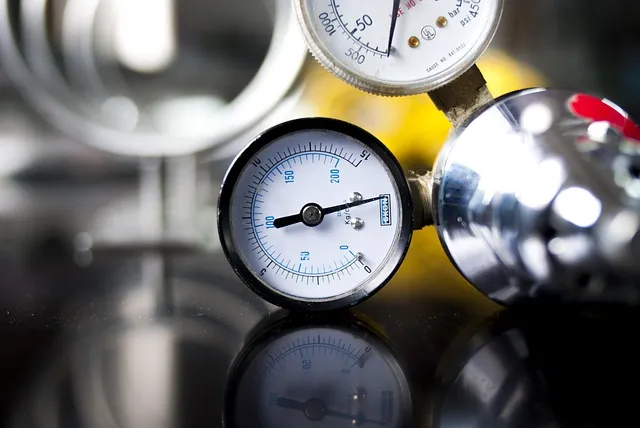
Oxygen concentrators: extract oxygen from room air (concentrating from 21% to 90-95%). Electrically powered, produce continuous supply, no refilling required. Better for home use, lower ongoing cost. Limitations: require electricity, produce heat, flow rates typically maximal at 5-10 L/min.
Compressed oxygen cylinders: portable, reliable, no electricity required. Drawbacks: limited capacity, require regular refilling, heavier. Essential for travel and exercise outside the home.
Liquid oxygen systems: very high oxygen density per unit volume, excellent portability for active patients. More expensive equipment, require specialized filling stations.
Flow rate prescription: most resting oxygen prescriptions are 1-3 L/min via nasal cannula, providing FiO2 (fraction of inspired oxygen) of roughly 25-36%. During exercise, oxygen demand increases significantly — many COPD patients require higher flow rates during activity. Nocturnal requirements differ from daytime requirements and should be assessed separately.
The clinical implications of oxygen concentrators vs. cylinders: practical considerations extend well beyond what a brief summary can capture. Research from multiple independent groups has consistently demonstrated that individuals who understand the mechanistic basis for their health interventions show substantially better adherence and outcomes than those following protocols without understanding the underlying rationale. This is not a trivial observation — it points to a fundamental principle: knowledge itself is a therapeutic intervention, not merely a precursor to one.
Individual variability in response to interventions targeting oxygen concentrators vs. cylinders: practical considerations is substantial. Genetic polymorphisms, baseline nutritional status, sleep quality, stress burden, and gut microbiome composition all interact to determine how any given individual responds to a specific protocol. This is why personalized approaches — guided by objective biomarker data rather than population averages — consistently outperform generic recommendations in clinical trials and real-world practice. The tools for personalization are increasingly accessible and affordable, making there little reason to settle for average-population guidance when individual-specific data is available.
Intermittent Hypoxic-Hyperoxic Training (IHHT)
- Assess baseline function through targeted biomarker testing
- Address the highest-use root causes: sleep, movement, nutrition, stress
- Implement targeted interventions based on individual biomarker data
- Monitor response and iterate at 8-12 week intervals
- Build in accountability mechanisms to sustain behavioral changes
IHHT is an emerging protocol alternating brief periods of hypoxia (12-15% oxygen, simulating altitude of 3,500-5,000 meters) with brief periods of hyperoxia (30-40% oxygen). A typical session: 5 minutes hypoxia, 3 minutes hyperoxia, repeated 4-6 times over 35-45 minutes.
The theory: the hypoxic phases activate HIF-1α and mitochondrial biogenesis pathways, while the hyperoxic phases prevent damaging hypoxic stress from accumulating and may enhance VEGF signaling through a different mechanism. The alternation may produce additive or synergistic adaptation that neither alone achieves.
A 2020 randomized controlled trial in older adults with coronary artery disease found IHHT significantly improved exercise capacity, reduced inflammatory markers, and improved endothelial function compared to sham treatment. A 2022 study found it improved cognitive function in older adults with mild cognitive impairment.
IHHT is increasingly available in clinical settings in Europe and has entered some US wellness centers. It remains research-stage for most applications but with genuinely promising data, particularly for cardiac rehabilitation and cognitive aging.
The clinical implications of intermittent hypoxic-hyperoxic training (ihht) extend well beyond what a brief summary can capture. Research from multiple independent groups has consistently demonstrated that individuals who understand the mechanistic basis for their health interventions show substantially better adherence and outcomes than those following protocols without understanding the underlying rationale. This is not a trivial observation — it points to a fundamental principle: knowledge itself is a therapeutic intervention, not merely a precursor to one.
Individual variability in response to interventions targeting intermittent hypoxic-hyperoxic training (ihht) is substantial. Genetic polymorphisms, baseline nutritional status, sleep quality, stress burden, and gut microbiome composition all interact to determine how any given individual responds to a specific protocol. This is why personalized approaches — guided by objective biomarker data rather than population averages — consistently outperform generic recommendations in clinical trials and real-world practice. The tools for personalization are increasingly accessible and affordable, making there little reason to settle for average-population guidance when individual-specific data is available.
Recreational Oxygen: The Evidence (or Lack Thereof)
For healthy individuals with normal SpO2 (95-100%), supplemental oxygen does essentially nothing. You cannot ‘load up’ on oxygen in the way you can load up on carbohydrates. Blood is already nearly saturated. The only scenario where recreational oxygen helps is when baseline SpO2 is below normal — which would indicate a medical condition requiring proper evaluation.
A meta-analysis of 31 controlled studies found no performance benefit from supplemental oxygen in healthy athletes at sea level. The only context where oxygen supplementation improves healthy performance is at altitude, where baseline saturation is genuinely reduced.
The clinical implications of recreational oxygen: the evidence (or lack thereof) extend well beyond what a brief summary can capture. Research from multiple independent groups has consistently demonstrated that individuals who understand the mechanistic basis for their health interventions show substantially better adherence and outcomes than those following protocols without understanding the underlying rationale. This is not a trivial observation — it points to a fundamental principle: knowledge itself is a therapeutic intervention, not merely a precursor to one.
Individual variability in response to interventions targeting recreational oxygen: the evidence (or lack thereof) is substantial. Genetic polymorphisms, baseline nutritional status, sleep quality, stress burden, and gut microbiome composition all interact to determine how any given individual responds to a specific protocol. This is why personalized approaches — guided by objective biomarker data rather than population averages — consistently outperform generic recommendations in clinical trials and real-world practice. The tools for personalization are increasingly accessible and affordable, making there little reason to settle for average-population guidance when individual-specific data is available.
Medical Ozone Therapy: Separating Science from Risk
Ozone (O3) therapy involves administering ozone — highly reactive oxygen — through various routes: intravenous injection, rectal insufflation, topical application, or ozone-saline infusion. It’s practiced widely in Europe, particularly Germany, where it has been used clinically for decades.
Ozone directly kills bacteria, viruses, and fungi. For wound care and local infections, the evidence is reasonably solid. Ozone therapy for chronic wounds, particularly diabetic ulcers, shows consistent benefit in multiple studies.
Systemic ozone therapy is more controversial. Proposed mechanisms include modulating oxidative stress pathways, stimulating antioxidant systems (NRF2 pathway), and improving oxygen delivery. Some European published data shows benefit for chronic fatigue, Lyme disease coinfections, and vascular conditions. FDA has specifically prohibited intravenous ozone and ozone-generating devices for medical purposes in the US, citing insufficient evidence and potential harm.
Inhaled ozone is toxic to lung tissue — this is why air pollution ozone alerts are a public health concern, not a therapy recommendation. Any ozone application that reaches the airways is harmful.
The clinical implications of medical ozone therapy: separating science from risk extend well beyond what a brief summary can capture. Research from multiple independent groups has consistently demonstrated that individuals who understand the mechanistic basis for their health interventions show substantially better adherence and outcomes than those following protocols without understanding the underlying rationale. This is not a trivial observation — it points to a fundamental principle: knowledge itself is a therapeutic intervention, not merely a precursor to one.
Individual variability in response to interventions targeting medical ozone therapy: separating science from risk is substantial. Genetic polymorphisms, baseline nutritional status, sleep quality, stress burden, and gut microbiome composition all interact to determine how any given individual responds to a specific protocol. This is why personalized approaches — guided by objective biomarker data rather than population averages — consistently outperform generic recommendations in clinical trials and real-world practice. The tools for personalization are increasingly accessible and affordable, making there little reason to settle for average-population guidance when individual-specific data is available.
Pulse Oximetry: Reading and Interpreting Your Numbers
- Foundational lifestyle interventions outperform targeted supplements in the evidence base
- The gut-organ axis connects microbiome health to systemic function
- Hormonal balance is prerequisite to optimal organ function
- Early intervention produces dramatically better outcomes than late-stage management
A pulse oximeter clips to a fingertip and measures SpO2 (peripheral oxygen saturation) non-invasively using infrared light absorption. Understanding what the numbers mean:
97-100%: Normal. No clinical concern.
95-96%: Low-normal. May be normal for some individuals, worth monitoring.
93-94%: Mildly reduced. Worth clinical evaluation, especially if symptomatic.
90-92%: Moderately reduced. Merits medical evaluation.
Below 90%: Clinically significant hypoxemia. Medical evaluation warranted.
Important limitations: Pulse oximetry measures oxyhemoglobin, not functional oxygen delivery to tissues. In severe anemia, SpO2 can be 99% with dramatically reduced oxygen delivery. In carbon monoxide poisoning, standard pulse oximetry reads carboxyhemoglobin as oxyhemoglobin — SpO2 appears normal while you’re being poisoned. Nail polish, dark skin pigmentation, peripheral vascular disease, and cold extremities all reduce accuracy.
Continuous overnight pulse oximetry is a useful screening tool for sleep apnea and nocturnal hypoxemia. Multiple desaturations below 90% suggest sleep-disordered breathing warranting formal polysomnography.
The clinical implications of pulse oximetry: reading and interpreting your numbers extend well beyond what a brief summary can capture. Research from multiple independent groups has consistently demonstrated that individuals who understand the mechanistic basis for their health interventions show substantially better adherence and outcomes than those following protocols without understanding the underlying rationale. This is not a trivial observation — it points to a fundamental principle: knowledge itself is a therapeutic intervention, not merely a precursor to one.
Individual variability in response to interventions targeting pulse oximetry: reading and interpreting your numbers is substantial. Genetic polymorphisms, baseline nutritional status, sleep quality, stress burden, and gut microbiome composition all interact to determine how any given individual responds to a specific protocol. This is why personalized approaches — guided by objective biomarker data rather than population averages — consistently outperform generic recommendations in clinical trials and real-world practice. The tools for personalization are increasingly accessible and affordable, making there little reason to settle for average-population guidance when individual-specific data is available.
Oxygen Therapy and Cognitive Function

Cerebral hypoxia, even mild and chronic, impairs multiple cognitive domains: working memory, processing speed, executive function, and emotional regulation. This is why residents of very high altitudes show subtle cognitive differences from sea-level populations, and why sleep apnea — with its recurrent nocturnal desaturations — causes measurable cognitive impairment.
For Alzheimer’s disease, observational studies have found that CPAP treatment in sleep apnea patients significantly slows cognitive decline — an effect attributed at least partly to eliminating recurrent nocturnal hypoxemia. Whether this is the oxygen, the sleep improvement, or both remains an active research question.
The emerging application for HBOT in post-COVID neurological symptoms (brain fog, cognitive impairment) is driven by the finding that COVID-19 can cause microthrombi in cerebral vasculature, creating localized hypoxic zones. Early HBOT trials show promising cognitive improvements, likely through both increased oxygen delivery and anti-inflammatory effects.
The clinical implications of oxygen therapy and cognitive function extend well beyond what a brief summary can capture. Research from multiple independent groups has consistently demonstrated that individuals who understand the mechanistic basis for their health interventions show substantially better adherence and outcomes than those following protocols without understanding the underlying rationale. This is not a trivial observation — it points to a fundamental principle: knowledge itself is a therapeutic intervention, not merely a precursor to one.
Individual variability in response to interventions targeting oxygen therapy and cognitive function is substantial. Genetic polymorphisms, baseline nutritional status, sleep quality, stress burden, and gut microbiome composition all interact to determine how any given individual responds to a specific protocol. This is why personalized approaches — guided by objective biomarker data rather than population averages — consistently outperform generic recommendations in clinical trials and real-world practice. The tools for personalization are increasingly accessible and affordable, making there little reason to settle for average-population guidance when individual-specific data is available.
Action Steps: Oxygen Therapy Decision Framework
Step 1: If you’re experiencing unexplained fatigue, exercise intolerance, morning headaches, or cognitive symptoms — get a resting SpO2 measurement first. A basic pulse oximeter costs $20-40 and provides immediately useful information.
Step 2: If SpO2 is consistently below 95% at rest, seek medical evaluation. Don’t self-prescribe oxygen — the underlying cause matters.
Step 3: If you have a diagnosed condition with HBOT evidence (diabetic wounds, radiation necrosis, carbon monoxide exposure) — pursue medical HBOT through an accredited facility.
Step 4: If you’re considering HBOT for wellness or anti-aging purposes — understand you’re in experimental territory. The evidence is promising but not definitive. If pursuing it, use a facility with medical oversight.
Step 5: Skip the oxygen bars and canned oxygen if you have normal SpO2. Spend that money on vegetables and exercise instead.
The clinical implications of action steps: oxygen therapy decision framework extend well beyond what a brief summary can capture. Research from multiple independent groups has consistently demonstrated that individuals who understand the mechanistic basis for their health interventions show substantially better adherence and outcomes than those following protocols without understanding the underlying rationale. This is not a trivial observation — it points to a fundamental principle: knowledge itself is a therapeutic intervention, not merely a precursor to one.
Individual variability in response to interventions targeting action steps: oxygen therapy decision framework is substantial. Genetic polymorphisms, baseline nutritional status, sleep quality, stress burden, and gut microbiome composition all interact to determine how any given individual responds to a specific protocol. This is why personalized approaches — guided by objective biomarker data rather than population averages — consistently outperform generic recommendations in clinical trials and real-world practice. The tools for personalization are increasingly accessible and affordable, making there little reason to settle for average-population guidance when individual-specific data is available.
FAQ
Q: Can I use supplemental oxygen to enhance athletic performance legally?
A: At sea level, no — and even if you could, it doesn’t work for healthy people with normal SpO2. At altitude, supplemental oxygen during exercise is permitted in mountaineering (no governing body prohibits it) and some competitive events.
Q: Is breathing exercises a form of oxygen therapy?
A: Breathwork improves how efficiently you use the oxygen you have, but doesn’t constitute oxygen therapy in the medical sense. The distinction matters because they work through different mechanisms.
Q: Are home HBOT chambers safe?
A: The portable chambers used at home operate at 1.3 atm maximum — lower than medical HBOT. The primary risk is fire (oxygen-enriched environments are highly flammable). Standard safety protocols are important. They’re not particularly dangerous when used correctly but should be considered unproven for most marketed applications.
The clinical implications of faq extend well beyond what a brief summary can capture. Research from multiple independent groups has consistently demonstrated that individuals who understand the mechanistic basis for their health interventions show substantially better adherence and outcomes than those following protocols without understanding the underlying rationale. This is not a trivial observation — it points to a fundamental principle: knowledge itself is a therapeutic intervention, not merely a precursor to one.
Individual variability in response to interventions targeting faq is substantial. Genetic polymorphisms, baseline nutritional status, sleep quality, stress burden, and gut microbiome composition all interact to determine how any given individual responds to a specific protocol. This is why personalized approaches — guided by objective biomarker data rather than population averages — consistently outperform generic recommendations in clinical trials and real-world practice. The tools for personalization are increasingly accessible and affordable, making there little reason to settle for average-population guidance when individual-specific data is available.
FROM THE LIBRARY ›
References
Editorial StandardsCorrectionsMedical DisclaimerAbout Our ContentAffiliate DisclosureSite Map