

The scientific question isn’t whether EMF causes any biological effects. It clearly does, at sufficient intensity. Microwave ovens use the same type of electromagnetic radiation as cell phones, just at roughly 1,000 times the power density. The useful question is narrower: does the low-intensity, non-ionizing EMF from everyday devices and infrastructure cause meaningful biological effects at normal exposure levels? Honest answer: probably not, for most people, for most exposures. But there are pockets of legitimate uncertainty worth understanding, and pretending otherwise in either direction does nobody any favors.
This isn’t a guide for becoming an EMF paranoid. It’s a guide for making rational, evidence-based decisions about which exposures are genuinely concerning, which are almost certainly not, and what low-cost, low-effort steps reduce the exposures with the most research support — without converting your life into an electromagnetic monastery.
The EMF Spectrum: Not All Electromagnetic Fields Are Equal
EMF is not a single thing. The electromagnetic spectrum spans an enormous range of frequencies with fundamentally different biological effects at different points along it. The most common mistake in popular EMF discourse — and it is common, it shows up constantly — is treating the whole spectrum as a single threat category, when the physics, biology, and evidence differ substantially across frequency ranges and power densities.
Ionizing radiation — gamma rays, X-rays, ultraviolet — carries high frequency and high energy. It can break chemical bonds and damage DNA directly. This is the physics behind radiation sickness, cancer from X-ray overexposure, and sunburns turning into skin cancer. The cancer risk from ionizing radiation at sufficient doses is well-established. Not controversial.
Non-ionizing radiation — radiofrequency, microwave, infrared, visible light — carries lower frequency and lower energy. It cannot directly break chemical bonds. This is the spectrum that includes cell phones, WiFi, microwave ovens, smart meters, power lines, and the visible light this sentence is being read by. The biological effects at typical environmental levels are significantly less established than ionizing radiation effects, and remain the subject of legitimate, ongoing scientific debate.
Extremely low frequency fields from power lines and electrical wiring operate at 50-60 Hz — a different animal entirely from radiofrequency EMF, which runs from the kilohertz to gigahertz range. The biological research on ELF fields has shown different patterns than research on radiofrequency EMF, and the two deserve separate treatment rather than the bundled panic they usually get in popular media.
Within the non-ionizing spectrum, power density — energy delivered per unit area — matters as much as frequency. A cell phone transmitting at 2 watts delivers far more RF power density to tissue than a cell tower transmitting at much higher power but from much greater distance. Proximity and output power determine actual tissue exposure. Which is why the phone against your ear matters more than the tower a kilometer away.
Radiofrequency EMF and Cancer: What the Evidence Actually Shows
The most consequential question in EMF research is whether cell phone radiofrequency causes cancer — specifically glioma and acoustic neuroma. Studied extensively. Results genuinely mixed, legitimately debated.
The IARC classified radiofrequency EMF as a “possible carcinogen” in Group 2B in 2011, based primarily on the INTERPHONE study and early Swedish research by Hardell and colleagues. Group 2B is a weak classification — some evidence suggesting possible carcinogenicity, insufficient evidence to be confident either way. In 2024, IARC elevated RF EMF to Group 2A, “probably carcinogenic to humans,” reflecting a decade of accumulated research. Meaningful regulatory step. Still short of the definitive classification applied to known carcinogens.
The Ramazzini Institute’s 2018 animal study — the largest rodent study ever conducted on radiofrequency EMF — found statistically significant increases in Schwannoma tumors in male rats exposed to RF EMF at levels comparable to those near cell towers. The National Toxicology Program’s own large animal study found similar cardiac Schwannomas in male rats at cell phone exposure levels. Animal findings don’t translate directly to human exposure patterns, but they contributed to the IARC reclassification for a reason.
Large epidemiological studies on cell phone users have yielded inconsistent results. Some show no elevated glioma risk. Others show elevated risk specifically in the heaviest users, specifically on the side of the head used for calls. The inconsistency is real, and it’s partly explained by different methodologies, self-report bias in recalling historical phone use, and the fact that cell phone technology itself changed substantially over the study periods.
The current scientific position has shifted from “no conclusive evidence of harm” to “classified as probably carcinogenic, with insufficient certainty to establish a dose-response relationship.” That position warrants proportionate precaution rather than panic or dismissal. And the precautionary principle applies more strongly to children, who have longer remaining exposure lifetimes and developing nervous systems.
The SAR System and Why It’s Insufficient
Specific Absorption Rate measures radiofrequency energy absorbed by the body from a device, in watts per kilogram. The FCC’s SAR limit for cell phones is 1.6 W/kg over 1 gram of tissue. Relying on SAR as a comprehensive safety guarantee runs into several real limitations.
First: SAR is tested under specific conditions — typically the phone at a fixed distance from a simulated tissue model — that don’t reflect real usage. People who carry phones in pockets or hold them against an ear for extended periods may receive higher SAR than test conditions simulate. Several investigations have found popular phones exceeding FCC SAR limits when tested at actual body-contact distances, though this remains disputed.
Second: SAR measures thermal effects — tissue heating — but non-thermal mechanisms including calcium channel activation and oxidative stress aren’t addressed by SAR testing at all. Research suggesting non-thermal biological effects from RF EMF challenges the assumption that SAR comprehensively captures relevant biological risk.
Third: SAR limits were set in 1996, based on research from the 1980s and 1990s, and haven’t been substantively updated to reflect modern usage patterns or the broader exposure landscape from WiFi, smart meters, and ubiquitous wireless devices. This doesn’t mean the phone in your pocket is definitely dangerous. It means the regulatory framework offers less comprehensive safety assurance than its confident presentation suggests.
Power Lines and ELF-EMF: The Childhood Leukemia Research
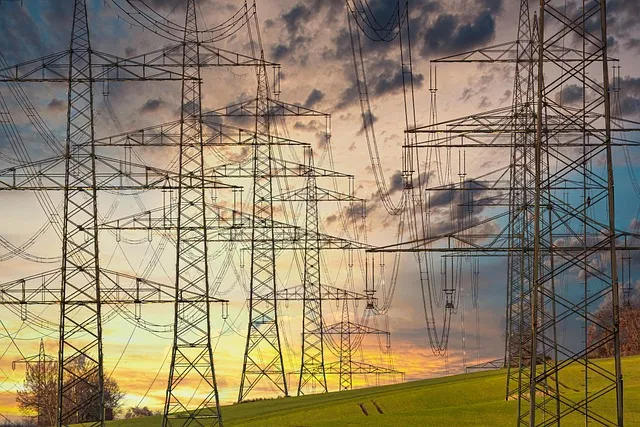
A 2000 meta-analysis by Ahlbom and colleagues, pooling data from 9 studies with over 3,000 childhood leukemia cases, found a relative risk of 2.0 for childhood leukemia in children exposed to residential ELF magnetic fields above 0.3-0.4 microtesla. Doubling the risk of a childhood cancer is significant, full stop — though the absolute risk stays relatively low given childhood leukemia’s baseline incidence of roughly 5 per 100,000 children per year.
The biological mechanism for ELF-EMF carcinogenicity isn’t clearly established, which is part of why the finding remains debated. Hypotheses include disruption of melatonin production — ELF-EMF is documented to suppress nighttime melatonin secretion in some studies — and potential effects on reactive oxygen species production. The dose-response relationship, where higher ELF exposure correlates with higher leukemia risk, supports a causal interpretation. But without a clear mechanism, some researchers hold a correlation-not-causation line.
Practical implication: families with young children living within 50-100 meters of high-voltage power lines or transformer substations should treat this as a modifiable risk factor worth considering. ELF-EMF drops off rapidly with distance — moving 100-plus meters from high-voltage lines reduces exposure to background levels. This is one of the few EMF contexts where the epidemiological evidence is strong enough to justify explicit precautionary action.
Residential wiring generates ELF fields too. Sleeping positions close to electrical panels, poorly wired circuits, or ground current problems can produce elevated ELF magnetic fields in bedrooms. A gaussmeter — an inexpensive device measuring magnetic field strength — can identify whether a sleeping area has elevated ELF fields from wiring sources. Corrections usually require an electrician, but they can dramatically reduce fields in affected rooms.
WiFi, Smart Meters, and 5G: A Calibrated Assessment
WiFi, smart meters, and 5G generate the most anxiety in popular EMF discourse, mostly because they’re relatively new and widely deployed. Here’s a calibrated read based on physics and available research.
WiFi operates at 2.4 GHz and 5 GHz and transmits at power levels far below cell phones. A typical router transmits at 0.1 watts or less. A phone during a call transmits at up to 2 watts. RF exposure from a router at 3 meters is roughly 10,000 times lower than a cell phone held to the ear. If cell phones warrant caution — and the elevated IARC classification suggests proportionate caution is reasonable — WiFi routers at typical distances do not merit comparable concern.
Smart meters transmit in short bursts — typically a few seconds of total transmission per day — rather than continuously, producing average daily RF exposure far below what a single cell phone call produces in 10 minutes. Concerns about smart meters driving significant EMF exposure don’t survive quantitative analysis. The RF exposure from a smart meter is typically lower than from a WiFi router at comparable distance.
5G is where the discourse gets loudest and least coherent. Sub-6 GHz 5G — the majority of actual 5G deployment — uses frequencies similar to existing 4G LTE and produces comparable RF exposure. The concerns have focused mostly on millimeter wave 5G, which uses 24-100 GHz frequencies with much shorter range. mmWave is currently deployed only in dense urban environments, penetrates tissue even less deeply than lower frequencies because it can’t get past skin’s outer layers, and has been studied far less than sub-6 GHz frequencies. Legitimate scientific inquiry into mmWave health effects is warranted. The catastrophist 5G-cancer narratives that spread during the pandemic have zero scientific credibility and no plausible mechanism behind them. Those are two different claims, and conflating them helps no one.
Non-Thermal Effects: The Emerging Research
The most interesting and most controversial corner of contemporary EMF research concerns non-thermal biological effects — responses to RF EMF that occur at exposure levels too low to cause tissue heating, which is the established mechanism of RF harm under current regulatory frameworks.
Martin Pall at Washington State University has proposed that RF EMF activates voltage-gated calcium channels in cell membranes, producing downstream effects including elevated intracellular calcium, increased reactive oxygen species, and activation of inflammatory signaling pathways. The theory has generated significant publications and no shortage of controversy. Critics argue the mechanism hasn’t been validated at physiologically relevant exposure levels. Proponents point to the extensive literature on RF-induced oxidative stress. Both sides have a point, which is exactly what makes this area frustrating to summarize cleanly.
Multiple research groups have documented elevated markers of oxidative stress in heavy cell phone users and in cell systems exposed to RF EMF in vitro. A 2019 systematic review of studies on RF EMF and oxidative stress found that 76% of studies reported significant EMF-induced oxidative stress effects — though clinical relevance at typical exposure levels remains unclear, and study quality varied substantially across the sample.
Sperm quality research is one of the more compelling non-thermal effect areas. Multiple studies have found that carrying a cell phone in a pants pocket — close to the testes — is associated with reduced sperm motility, increased DNA fragmentation, and reduced sperm concentration. A 2014 meta-analysis pooling data from 10 studies found RF EMF exposure associated with decreased sperm motility and viability. Clinical significance for fertility remains uncertain, but the mechanistic research suggests the testes may be particularly sensitive to RF exposure — consistent with the testicular cancer associations noted in some PFOA research, and with the general sensitivity of reproductive tissue to environmental insults broadly.
Blood-brain barrier permeability has also been studied in the context of RF EMF exposure. Some animal research has found that RF EMF at power levels comparable to cell phone use increases blood-brain barrier permeability — letting larger molecules cross a barrier that’s normally tightly regulated. The implications for neurotoxicant exposure, if the effect is real and occurs in humans with chronic phone use, are worth watching as the research develops.
Children and EMF: A Different Risk Profile
Children warrant specific attention in EMF discussions for several biological and exposure reasons distinguishing their risk profile from adults’. This isn’t alarmism — it’s the same precautionary logic that drives different drug dosing, different dietary standards, and different environmental exposure limits for children in every other regulatory context.
Physiologically, children’s skulls are thinner than adults’, allowing deeper relative penetration of RF energy into brain tissue. Their brains contain more fluid, which absorbs RF energy more readily. Their nervous systems are still developing, making them potentially more sensitive to disruptive environmental exposures during critical windows. And critically: children who start using cell phones at ages 8-12 will accumulate decades more lifetime exposure than adults who picked up the technology in their 20s or 30s.
The Hardell Swedish research specifically examined heavy users who began using cell phones before age 20 and found the strongest associations with glioma risk in that young-onset group — consistent with both longer exposure duration and higher sensitivity during developmental periods. That finding, regardless of its current controversy, is a signal worth taking seriously given how irreversible developmental harm can be if the association proves causal.
Most national health agencies and advisory bodies recommend minimizing children’s cell phone use, particularly voice calls, and encouraging text, speakerphone, and phone-free sleeping environments for children and adolescents. These recommendations reflect applied precaution rather than established harm — exactly the kind of low-cost, low-inconvenience action that proportionate precaution suggests when uncertainty is genuine.
The EMF Practical Protocol: Evidence-Based Actions
High-priority, high-evidence actions: families with young children should minimize exposure to high-field ELF-EMF from power lines and minimize kids’ cell phone use, particularly calls. The childhood leukemia evidence for ELF-EMF and children’s longer exposure lifetime warrant these priorities regardless of where the adult EMF debates eventually settle.
Cell phone distancing: use wired headsets or speakerphone for calls instead of holding the phone to the ear. Carry the phone in a bag rather than a pants pocket, particularly given the emerging sperm quality research. Don’t sleep with the phone on the nightstand within arm’s reach — put it across the room or use a traditional alarm clock. Three free changes, minimal adjustment, and they address the highest-intensity exposures in most people’s daily EMF profile.
WiFi router placement: don’t put a router against a bedroom wall or right next to a home office desk. Central home locations away from sleeping areas are better. RF power density falls with the square of distance — a router 5 meters away delivers roughly 25 times less power density than one at 1 meter.
Not worth the effort: EMF-blocking phone cases typically increase SAR by forcing the phone to transmit at higher power to maintain signal through the shielding — counterproductive, by design almost. EMF-blocking clothing offers marginal protection at enormous cost. Grounding mats and EMF-protection supplements have no plausible mechanism behind them. Disabling 5G or WiFi purely for EMF concern buys minimal exposure reduction while killing functionality.
For people with high occupational EMF exposure — electricians, workers near high-power industrial equipment, certain telecommunications roles — occupational hygiene assessment of specific exposure levels is warranted, along with adherence to industry-specific safety protocols. Occupational ELF-EMF exposures can run substantially higher than residential exposures and may warrant additional monitoring.
A practical note on wireless headsets: Bluetooth earbuds are sometimes marketed as the safer alternative to holding a phone against the ear. They transmit at much lower power than cellular radio — typically 0.001-0.01 watts versus up to 2 watts — making Bluetooth ear exposure substantially lower than phone-to-ear exposure during calls. But wearing earbuds continuously throughout the day, for music and podcasts as well as calls, keeps a low-level RF source parked right next to the inner ear and brain for many hours. For calls specifically, Bluetooth or wired earbuds beat phone-to-ear. For all-day use, taking them out when not actively in use is the more conservative choice. Wired earbuds produce no RF exposure at all and are the most conservative option for anyone who wants to minimize RF exposure during calls specifically.
Melatonin, Circadian Biology, and EMF
One of the more biologically plausible mechanisms for EMF health effects involves the pineal gland’s melatonin production and the circadian system. Multiple studies have found that ELF-EMF from power lines and some RF-EMF exposures suppress nighttime melatonin secretion in animals and, in some studies, in humans. Melatonin is both the primary hormonal signal driving the circadian cycle and a potent endogenous antioxidant with anti-cancer properties — which makes its suppression potentially significant well beyond simple sleep disruption.
The melatonin-EMF hypothesis proposes that chronic EMF-induced melatonin suppression could explain both the sleep disruption some people report from nighttime EMF exposure and some of the cancer associations found in epidemiological studies. If EMF reduces melatonin, and melatonin suppression increases cancer risk — as supported by research in shift workers and blind individuals — the pathway from EMF to cancer could run through melatonin rather than requiring direct DNA damage.
Research on this mechanism is inconsistent. Some studies find melatonin suppression from EMF, others don’t, and methodological differences make direct comparison hard. But the mechanism is biologically plausible, the melatonin-cancer literature is independently strong, and the practical implication — maintaining darkness and low EMF during the nighttime sleep period — is beneficial regardless of whether EMF-specific melatonin suppression is ever fully confirmed. Keeping the bedroom dark, cool, and device-free supports melatonin production through several pathways at once.
Blue light from screens is actually a better-established melatonin suppressor than EMF, working through the melanopsin photoreceptors in the eye that respond maximally to blue wavelengths. The single most impactful intervention for nighttime melatonin support is probably reducing screen exposure in the two hours before sleep — which also happens to address the ambient RF exposure from devices used in that same window. The two concerns converge on the same behavioral change.
Measuring Your EMF Exposure
For people who want to move from theoretical concern to actual measurement of their personal EMF environment, several relatively affordable instruments can quantify exposure levels.
Gaussmeters measure ELF magnetic field strength in milligauss or microtesla. Entry-level gaussmeters suitable for home assessment run $50-150 and can identify whether any specific spot in the home has elevated ELF fields from wiring, appliances, or external sources. Background residential ELF magnetic field levels typically run 0.1-1 milligauss; the concern threshold in the childhood leukemia research is generally taken as above 3-4 milligauss average exposure. Gaussmeters reveal that ordinary appliances — hair dryers, electric blankets, refrigerators — produce very high ELF fields within a few inches, fields that drop rapidly with distance.
RF meters measure radiofrequency power density, typically in milliwatts per square meter or microwatts per square centimeter. Consumer RF meters in the $100-300 range can identify where the highest RF exposures actually occur in a living environment — near the router, during a phone call, near a smart meter. This measurement-based approach allows prioritized, evidence-based decisions about which exposures to reduce, rather than blanket concern about all wireless technology. Most people who measure their RF environment find that direct phone use creates far higher instantaneous exposure than any other source in the home.
Body voltage meters measure the electric field coupling between the body and AC wiring in the home. Elevated body voltage is associated with sleeping near unshielded electrical wiring and is reduced by properly grounded bed equipment or sleeping in lower-field areas. The health significance of elevated body voltage is debated — mainstream electrical engineering literature attributes no health risk to it, while some alternative health practitioners claim significant effects. The measurement is straightforward. The interpretation is contested.
The Sleep Environment and EMF
The sleeping environment deserves special attention because it’s the longest continuous period of consistent exposure in the same physical location, day after day. Eight hours a night in close proximity to a device or source compounds into a substantial cumulative exposure that wouldn’t register from intermittent use.
The most common high-exposure sleeping scenario is the smartphone on the nightstand within arm’s reach. In standby mode the phone is transmitting periodically to maintain network connectivity, receive notifications, and sync data. A phone 30 centimeters from the head for 8 hours of sleep delivers more cumulative RF exposure than many other daily exposures combined. Moving the phone across the room — where it can still function as an alarm clock — reduces this exposure to near zero. It’s about the simplest change on this entire list.
Bedroom WiFi routers generate continuous RF exposure through the whole sleep period. For anyone keeping a router in the bedroom or an adjacent home office, repositioning it to a central home location away from sleeping areas is a low-inconvenience, potentially meaningful exposure reduction. A typical household router has plenty of range to serve the whole home from a central spot — it doesn’t need to sit right where it’s used.
ELF-EMF from electrical wiring in sleeping areas is worth measuring in high-exposure situations. A head positioned near an electrical panel, a room above electrical equipment, or older homes with wiring problems can produce elevated 50-60 Hz magnetic field exposure through the night. A basic gaussmeter measurement identifies whether this is an issue. Solutions include repositioning the sleeping area or, in extreme cases, electrical panel shielding.
The honest position on EMF isn’t “it’s definitely dangerous” or “it’s proven safe.” It’s “we have genuine uncertainty in some areas, clear data in others, and proportionate precaution is reasonable without the need for paranoia.”
EMF management is not about eliminating wireless technology from life. It’s about a few simple changes — distance, wired headsets, keeping devices away from sleeping areas — that reduce the highest-intensity exposures at negligible inconvenience. If those actions reassure someone and reduce anxiety, they’ve served their purpose. And if EMF concern is generating more chronic stress than the exposure itself could ever cause, the anxiety has become the larger health problem. Worth sitting with that for a second.
Use the data. Apply calibrated precaution. Don’t let either the fearmongers or the dismissers write the final word. The science on this is genuinely evolving, and intellectual honesty means holding it with appropriate uncertainty while taking the simple steps that reduce the highest-intensity exposures without cost to daily function.
The most productive reframing available here moves the EMF question away from binary safety debates and toward a simpler principle: dose reduction. Almost every potentially harmful exposure in medicine is dose-dependent — the dose makes the poison, as Paracelsus put it. Even water is toxic in sufficient quantity. The question isn’t whether any EMF at any dose causes harm. It’s whether the specific doses from specific exposure patterns create meaningful risk. Measuring actual exposures, understanding each source’s relative contribution, and reducing the highest-intensity exposures first — while keeping the wireless functionality that makes modern life work — is the rational approach.
The five-minute practical takeaway: move the phone away from the bed tonight. Switch to speakerphone or wired earbuds for calls this week. Don’t carry the phone in a pants pocket when there’s an alternative. Three free changes, minimal adjustment, addressing the exposures with the strongest existing research concern. Everything else — 5G anxiety, smart meter avoidance, grounding products — can wait until the basics the evidence actually supports are in place.
One thing rarely gets said plainly in EMF discussions: the anxiety and hypervigilance that EMF fear generates in some people may produce more physiological stress than the exposures themselves ever would. Chronic psychological stress — the kind generated by continuous environmental threat vigilance — activates the same inflammatory, oxidative, and hormonal pathways that EMF research hypothesizes as mechanisms of harm. Someone who’s installed meters throughout the house, is constantly checking readings, and feels real anxiety around every wireless device is likely doing more physiological harm through that stress than the EMF itself causes. The goal is informed, calibrated precaution — not a life organized around electromagnetic avoidance. Know the real risks. Take the proportionate actions. Then stop thinking about it.
Common Questions About EMF and Health
- Should I be worried about living near cell towers? RF exposure from cell towers is typically far lower than exposure from holding a cell phone to your ear — towers transmit at high power, but the energy disperses with distance. At 50+ meters, tower exposure is very low relative to direct phone use. Research on residential proximity to towers and health outcomes is inconsistent and insufficient to justify major life changes. Put precautionary effort into reducing direct device exposure, not distant infrastructure.
- Is Electromagnetic Hypersensitivity a real condition? The symptoms attributed to EHS are real — the people reporting them genuinely suffer. But double-blind provocation studies have consistently failed to show that EHS individuals can detect EMF exposure at above-chance rates. The evidence suggests EHS involves a real physiological response mediated by psychological mechanisms — nocebo effect, anxiety amplification of non-specific symptoms — rather than a direct EMF-tissue interaction. That doesn’t invalidate the experience. It suggests treatment addressing the psychological component, alongside any legitimate exposure reduction, will work better than EMF avoidance alone.
- What’s the safest way to use a cell phone? Speakerphone or wired earbuds for calls — the single most impactful change. Text rather than call when possible. Keep the phone away from the body when not in use, in a bag rather than a pocket. Don’t sleep with it right next to your head. Four practices, substantial reduction in the highest-intensity daily RF exposure, minimal inconvenience.
- Are smart home devices a meaningful EMF source? Most use WiFi or Bluetooth at very low power. Cumulative RF exposure from having several smart devices is measurably higher than none, but stays far below a single cell phone call in intensity. If minimizing exposure matters to you, address cell phone proximity before smart home devices — the hierarchy of impact strongly favors direct phone use patterns over ambient smart device exposure.
- Do children need more protection from EMF than adults? Yes, for several converging reasons: longer remaining exposure lifetime, developing nervous systems with different cellular biology, thinner skulls with deeper relative RF penetration, and immature biological defense systems. Most national health agencies recommend minimizing children’s cell phone use, particularly calls, and no phones in bedrooms overnight. Low-cost, high-precaution measures that reflect how irreversible developmental harm can be if a causal relationship is ever confirmed.
- Does using airplane mode reduce EMF exposure from my phone? Yes, significantly. In airplane mode, cellular, WiFi, and Bluetooth transmitters are all disabled, reducing the phone’s RF output to near zero. Using airplane mode while sleeping with the phone in the bedroom eliminates the continuous periodic transmission that happens during standby. Simplest approach for anyone who wants their phone as an alarm clock without overnight RF exposure.
- Are there legitimate differences between 4G and 5G health risks? Sub-6 GHz 5G uses similar frequencies to 4G LTE, and the RF exposure profiles are comparable. The novel part of 5G — millimeter wave frequencies above 24 GHz — uses fundamentally different physics, penetrating tissue far less deeply (a fraction of a millimeter into skin) but potentially producing surface effects not seen with lower frequencies. mmWave infrastructure is currently limited to dense urban deployments. Research on mmWave biological effects is insufficient to conclude either safety or harm — a legitimate area for ongoing scientific investigation, not a basis for blanket dismissal or catastrophist alarm.
The Practical Framework: Applying the EMF Spectrum in Real Life
References
Editorial StandardsCorrectionsMedical DisclaimerAbout Our ContentAffiliate DisclosureSite Map