

Then the hospital rotated him to an outpatient role that had him running some sessions in a local park. Six weeks in, he asked his own psychiatrist why, after eleven stable years, something had shifted. The psychiatrist turned the question back on him: what else had changed? He sat with that for a second. He was now outside roughly two hours a day instead of zero. That was the whole answer.
The relationship between human beings and natural environments isn’t a metaphor and it isn’t a lifestyle preference. It’s a deeply embedded neurobiological reality, shaped by evolutionary pressure across millions of years, and the mechanisms behind nature’s effect on mental health aren’t mysterious or woo-adjacent — they’re measurable, specific, and increasingly well mapped. Most people now live at extreme remove from the environments that built their neurobiology in the first place. That’s not a neutral fact.
It has consequences, and they’re showing up in the epidemiological data with increasing clarity.
The Evolutionary Context: Why the Brain Responds to Nature
Homo sapiens has existed for roughly 300,000 years. For all but the last sliver of that — and for virtually the entire evolutionary window that shaped human neural architecture — ancestors lived in natural environments. The stress response evolved in savannah and forest. The visual system got calibrated by the fractal complexity of natural scenes.
The autonomic nervous system built its regulatory patterns around seasonal change, circadian light variation, weather, and the sounds of biological communities going about their business.
The urban environment, which now houses most of humanity, is evolutionarily novel in every measurable dimension. Uniform artificial lighting, traffic noise, concrete surfaces, an absence of biological sound, barely any seasonal variation once you’re indoors most of the day — none of it resembles anything the brain’s regulatory systems met across millions of years of evolution. This isn’t an argument for primitivism, and it isn’t a claim that cities are uniformly bad for health.
It’s a statement about the gap between the environment human neurobiology was calibrated for and the environment most people actually live in now — a gap with documented physiological consequences.
Stress physiology in natural versus urban settings differs across multiple biomarkers. Cortisol profiles, heart rate variability, blood pressure, skin conductance, inflammatory markers — all lower in natural settings compared to equivalent urban settings under controlled comparison. The differences show up within minutes of the environmental switch, aren’t primarily driven by subjective aesthetic preference, and hold consistent across cultures and populations with wildly different prior exposure to nature.
The response to natural environments looks at least partly hard-wired — a phylogenetically conserved reaction to an environment the brain recognizes as safe — rather than something picked up culturally.
The Cortisol Response: What Spending Time in Nature Does to Stress Chemistry
The most heavily studied mechanism behind nature’s mental health effects is its consistent ability to lower cortisol — the primary glucocorticoid of the stress response — and normalize the HPA axis dynamics that chronic stress throws out of rhythm.
A 2019 study in Frontiers in Psychology tracked salivary cortisol in 94 city dwellers before and after nature exposures of varying length. Even brief contact — 10 minutes sitting or walking in a natural setting — produced measurable cortisol drops, with the effect saturating around 20-30 minutes.
Longer exposures (60+ minutes) pushed further reductions in secondary stress markers like blood pressure and heart rate variability, but most of the cortisol effect landed inside that first 20-30 minute window. Which matters practically: the biological stress-reduction benefit of nature doesn’t require a weekend retreat. A consistent daily habit of 20-30 minutes in any natural setting produces meaningful HPA axis change.
The mechanism seems to run specifically through the parasympathetic nervous system.
Natural environments reliably carry features that switch on parasympathetic tone and dial down sympathetic activity: the low-frequency soundscape of birdsong and wind (read as safety rather than threat across human evolutionary history), the fractal visual complexity of natural scenes (which activates the lower-frequency EEG states tied to relaxed alertness rather than the high-frequency beta states of directed attention), and the absence of urban threat cues — sudden loud noise, crowded impersonal space, unpredictable human behavior — that keep low-grade sympathetic activation running in city environments.
Research out of Japan on shinrin-yoku, forest bathing, has produced some of the most rigorous cortisol data going. Qing Li’s studies, involving hundreds of participants under forest and urban walking conditions in counterbalanced designs, consistently show 12-15% lower cortisol in forest conditions, alongside significant increases in natural killer cell activity (a marker of immune function), significant drops in adrenaline and noradrenaline, and improved parasympathetic tone by heart rate variability. Not trivial changes.
They represent a real shift in the body’s regulatory state, one that in some measurements sustains for hours after leaving the forest.
Attention Restoration in Natural Environments
Rachel and Stephen Kaplan’s Attention Restoration Theory gives one of the best mechanistic accounts of how natural environments restore the cognitive capacities urban life drains. Developed at the University of Michigan and refined over three decades of testing, the theory identifies the specific properties of natural environments that enable directed-attention recovery, and distinguishes them from urban environments that keep drawing on directed-attention resources even during supposed rest.
The key idea is involuntary attention — the effortless, capture-based attention that natural environments reliably pull, through moving water, cloud shapes, birdsong, shifting light through tree canopies. This kind of attention engages the mind without taxing it, letting the prefrontal systems behind voluntary directed attention actually rest instead of running in that suppressed-but-still-idling state that passes for rest in stimulus-dense urban environments.
The natural environment holds attention without demanding it. Which is precisely the condition for genuine cognitive restoration rather than continued depletion.
The empirical backing for ART has piled up over 30 years across multiple labs. A 2008 University of Michigan study, one of the most cited in the field, found 50-minute walks in a natural arboretum improved performance on the Backwards Digit Span — a sensitive measure of working memory and directed attention — by 20% compared to walks on urban streets. The environments weren’t dramatically different on paper. Same walking duration, same exercise.
But the attentional demands and restorative properties of the two settings diverged completely, and the cognitive performance gap tracked that divergence precisely.
A 2014 meta-analysis pulling together all published research on nature exposure and cognitive performance found consistent positive effects across 29 studies, with medium effect sizes for attention and executive function. Effects ran larger for longer exposures, for more natural (versus semi-natural) environments, and for people who started out more cognitively depleted — which lines up with the restoration framework’s prediction that benefit should peak for those who need it most.
Serotonin, Sunlight, and the Outdoor Mood Mechanism

Sunlight activates serotonin production through a direct photoreceptor pathway only fully characterized in the 2000s. Photosensitive retinal ganglion cells (ipRGCs) in the retina respond specifically to blue-wavelength light around 480nm and send signals to the raphe nucleus — the brain’s primary serotonin-producing region — via the retinohypothalamic tract. Bright light activates this pathway regardless of time of day, producing immediate increases in serotonin synthesis and release.
This is the mechanism behind phototherapy’s effectiveness for seasonal affective disorder and major depression. The clinically effective light intensity for this pathway sits around 10,000 lux — the intensity of typical outdoor light on an overcast day — which is 20-50 times brighter than typical indoor lighting. Indoor lighting doesn’t replicate the serotonin-activating effect of natural daylight without a dedicated light therapy unit.
Sunlight also produces vitamin D through photoconversion of 7-dehydrocholesterol in skin, and vitamin D deficiency has been consistently tied to elevated depression risk across large epidemiological studies. A 2014 meta-analysis of 13 studies found lower vitamin D status associated with significantly higher odds of depression, with a dose-response relationship across the measured range.
The mechanism runs through vitamin D receptor expression in dopaminergic and serotonergic neurons, where vitamin D regulates transcription of genes involved in neurotransmitter synthesis and release. Populations at higher latitudes — less annual sunlight — show consistently higher rates of both seasonal and non-seasonal depression, in patterns that line up with the vitamin D hypothesis.
Green space specifically may carry serotonin effects beyond general light exposure. Soil microorganisms, particularly Mycobacterium vaccae, have been shown in animal studies to stimulate serotonin production through immune-mediated pathways. Mice injected with killed M. vaccae showed increased serotonin turnover in the prefrontal cortex and reduced anxiety-like behavior on standard behavioral tests, the effect mediated by serotonin 2A receptor-dependent pathways.
The ecological hypothesis — that ancestors’ frequent soil exposure during foraging evolved into a serotonin-activating signal tied to food security and safety — is speculative but mechanistically coherent, and the controlled evidence for M. vaccae’s serotonergic effects is solid enough that several research groups are now pursuing inactivated preparations as potential treatments for stress and depression.
The Microbiome Connection: Nature’s Bacterial Community
Beyond the direct neurochemical effects of sunlight and specific soil organisms, natural environments expose people to a dramatically more diverse microbial community than indoor and urban settings do. That diversity has consequences for gut microbiome and immune function, which connects nature exposure to mental health through the gut-brain axis.
The biodiversity hypothesis of immune health, proposed by Tari Haahtela and colleagues and developed further by Graham Rook’s “old friends” hypothesis, holds that the co-evolutionary relationship between humans and the diverse microbial, helminth, and parasitic communities of natural environments shaped the immune system to require regular exposure to that biological diversity for normal regulatory function.
Reduced exposure — through urbanization, antibiotic use, and hygienic practices that eliminate environmental microbial contact — produces immune dysregulation marked by increased inflammatory tone and reduced regulatory T cell function. That dysregulation has been specifically linked to higher rates of allergic disease, autoimmune conditions, and inflammatory psychiatric disorders including depression and anxiety.
Research published in Science in 2020 found children who grew up in homes surrounded by green space showed greater gut microbiome diversity in adolescence and lower rates of allergic and autoimmune conditions. The mechanism appeared to run through soil and plant microorganisms attaching to skin, clothing, and respiratory tracts during outdoor play — direct environmental microbial inoculation from the diverse biological community of natural settings.
The microbial community of a natural outdoor environment is dramatically more diverse than that of an indoor urban one, and regular exposure to that outdoor diversity appears to support the gut microbiome’s own diversity in ways with downstream consequences for immune regulation and mental health.
Clinical Evidence: What the Randomized Trials Show
The mechanistic hypotheses about nature and mental health are backed by a growing body of randomized and quasi-experimental research that has moved past correlation into demonstrated causal effects in clinical populations.
A 2015 randomized controlled trial out of Stanford compared brain activity in adults who walked 90 minutes in either a natural environment (grasslands with oak trees) or an urban one (high-traffic road). The nature-condition group showed significantly reduced activity in the subgenual prefrontal cortex — a region tied to rumination and self-referential negative thought — compared to the urban group. Self-reported rumination was also significantly lower after the nature walk.
That’s a direct neural mechanism linking nature exposure to a core cognitive feature of depression and anxiety. Not just a subjective sense of feeling better.
A 2019 Nature study analyzed data from more than 20,000 adults and found that spending at least 120 minutes a week in natural environments was associated with significantly better self-rated health and psychological well-being than spending none. That 120-minute mark looked like a real cutoff: people below it showed no clear benefit, people at or above it showed strong, consistent effects across age, gender, socioeconomic status, and proximity to natural areas.
People who hit the threshold through many short contacts (several 20-minute episodes) showed benefits equivalent to those hitting it through fewer, longer contacts — suggesting accumulated exposure matters more than any single session.
Randomized trials in clinical populations have produced promising results. A 2021 RCT in adults with major depression compared standard care plus weekly supervised forest bathing (1.5-2 hours in forested parkland) against standard care plus weekly supervised urban walking, over 12 weeks. The forest-bathing group showed significantly greater reductions in Hamilton Depression Rating Scale scores, significantly greater gains in self-reported well-being, and significantly greater drops in salivary cortisol than the urban-walking group.
Exercise quantity was equal between the two conditions. Environmental quality was the variable, and it produced measurable clinical differences in a diagnosed psychiatric population.
Urban Green Space: What Counts and How to Use It
- City parks with mature trees and grass — sufficient for cortisol reduction and attentional restoration effects
- Riverside or lakeside paths — blue space adds acoustic benefits via 1/f water noise and light reflection
- Community gardens — add soil microbiome exposure alongside the green space benefits
- Forested areas within commuting distance — maximize phytoncide exposure and biodiversity contact
- Coastal environments — consistently show the strongest effects in blue space research, prioritize when accessible
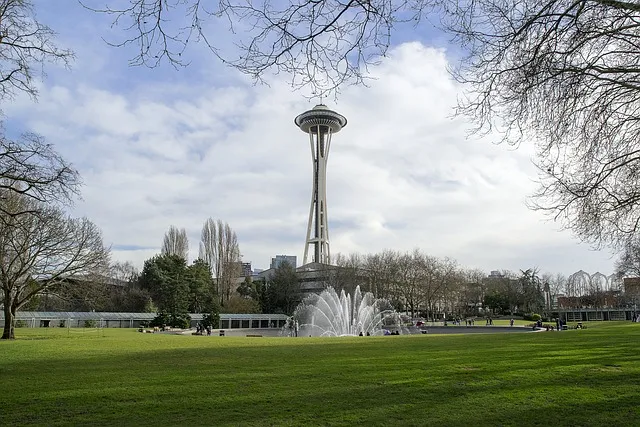
The neurobiological evidence points to biological complexity, natural sound, and the absence of urban threat cues as the things that matter most — not wilderness, not spectacular scenery. A well-maintained city park with mature trees, grass, and birdsong appears to deliver most of the same neurobiological benefit as more remote natural settings, at least for the cortisol and attentional restoration effects.
The 2019 Nature study found comparable effects between people accessing urban parks and people accessing countryside settings — suggesting accessibility, not environmental quality, is the binding constraint for most people.
Water access amplifies nature’s benefits through mechanisms that seem distinct from the general green space effect. Research on “blue space” — rivers, lakes, coastlines — consistently shows stronger benefits than equivalent green space alone: lower cortisol, greater HPA axis normalization, stronger attentional restoration. The sound of moving water specifically seems to carry a parasympathetic-activating effect, and water’s surface reflections and shifting light may provide a particularly potent form of involuntary attentional capture.
If urban green space access is limited, proximity to any natural water feature is a high-value target for restoration time.
Exercise and nature exposure combine additively. Walking in natural settings restores attention more than sitting in natural settings (per ART research), and produces greater cortisol reductions than equivalent walking in urban settings (per stress biomarker research). Light physical activity, natural visual complexity, natural soundscape, and natural microbial community together may be the most neurobiologically rich affordable activity most people have access to — no equipment, no appointment, no skill required.
Nature Deficit Disorder and the Urban Mental Health Crisis
Richard Louv’s 2005 book “Last Child in the Woods” coined “nature deficit disorder” to describe what happens as children grow increasingly disconnected from natural environments. Not meant as a clinical diagnosis — a cultural observation about the gap between the environment children evolved for and the one they increasingly inhabit.
The neuroscience since 2005 has largely backed the underlying claim, and the concept has stretched beyond children to cover adult urban populations whose own nature exposure has also dropped sharply.
Urban residence is a significant independent risk factor for several psychiatric disorders. A 2011 meta-analysis in Nature found current urban residence associated with a 21% higher risk of anxiety disorders and a 39% higher risk of mood disorders compared to rural residence. The effects weren’t explained by socioeconomic factors, social stressors, or access to care.
Lifetime urban upbringing carried an additional 77% increase in psychosis risk — a remarkably large effect for an environmental variable with no pharmacological mechanism attached. The urbanization-mental health gradient is one of the strongest findings in psychiatric epidemiology, and it isn’t adequately explained by the social and economic stressors of city life alone.
Nature exposure is a plausible mediating factor. Urban environments deliver dramatically less nature contact, less sunlight (indoor work patterns, urban shading), less biodiversity-associated microbial exposure, more chronic noise stress, and higher population density that keeps low-grade threat vigilance running. No single one of these factors fully explains the urban mental health gradient on its own.
Together, as a bundle of deprivations from the environmental conditions human neurobiology was shaped for, they add up to a plausible explanation for why cities are harder on minds than smaller, greener places.
Nature is not a luxury or a preference. It is a biological requirement that evolved over millions of years of consistent environmental exposure. Treating it as optional in the management of mental health is like treating sleep or nutrition as optional — technically possible to dismiss, practically costly.
Evolutionary Context Brain: Your Questions Answered
Q: How much time in nature is needed for meaningful mental health benefits?
The 2019 Nature study put the threshold at 120 minutes a week — below it, no significant health benefit detectable; above it, strong and consistent benefits. That can come from any combination of natural-environment time. Several 20-30 minute sessions appear just as effective as one or two longer ones, which makes daily brief nature contact a workable strategy for most people.
For attentional restoration specifically, even 20-minute breaks in natural settings produce measurable cognitive performance gains. For cortisol normalization, 20-30 minutes captures most of the available effect. For more substantial mood or depression effects, the clinical trials point to 90-minute sessions, one to several times weekly, as more consistently effective than shorter contacts.
Q: Do indoor plants or nature images provide the same benefits as actual outdoor nature?
Partially — with substantially smaller effect sizes than real outdoor exposure. Indoor plants show modest reductions in cortisol and blood pressure compared to plant-free indoor environments. Nature imagery — photographs, videos, screen savers — shows small attentional restoration effects compared to urban imagery under lab conditions, but much smaller than actual outdoor exposure.
The gap is likely explained by the sensory richness, microbial content, fresh air, and varied natural light real outdoor environments provide, none of which indoor nature proxies can replicate. Indoor plants and nature imagery beat nothing. They’re not substitutes for genuine outdoor time when the goal is meaningful neurobiological restoration.
Q: Does nature exposure help specifically with anxiety disorders, or primarily with general well-being?
The evidence reaches beyond general well-being into specific clinical populations. Studies in generalized anxiety disorder, social anxiety, and PTSD all show benefits from structured nature exposure, with effect sizes comparable to relaxation training interventions. The parasympathetic activation mechanism is directly relevant to anxiety disorders, whose core physiological feature is chronic sympathetic nervous system overactivation. Nature’s consistent ability to tilt autonomic balance toward parasympathetic dominance is a direct intervention on the physiological substrate of anxiety.
The 2015 Stanford study showed specific reductions in subgenual prefrontal cortex activity — the neural correlate of rumination — which runs prominently elevated in generalized anxiety disorder and OCD, as well as in depression.
Q: Is there a “dose-response” relationship between nature exposure and mental health outcomes?
Yes, with some nuance. The dose-response curve is relatively steep from zero to moderate exposure: moving from no nature contact to 30-60 minutes weekly produces substantial improvement. It flattens out at higher doses — there appears to be an effective ceiling beyond which more nature time produces diminishing marginal returns for most people.
Environment quality matters too: wilder, more biodiverse settings produce somewhat larger effects than manicured parks for equal time, though the gap is modest next to the benefit of nature over no nature at all. Regular brief daily contact seems to produce more consistent benefits than infrequent intensive exposure — consistent with evidence from other behavioral health interventions that frequency beats intensity for sustainable neurobiological effects.
Q: Can nature exposure substitute for antidepressant medication?
No, and framing it that way isn’t clinically useful for people with moderate-to-severe depression. Nature exposure isn’t a substitute for evidence-based treatment. It’s a complementary intervention addressing specific neurobiological mechanisms medications don’t directly target — cortisol regulation, attentional restoration, serotonin production via sunlight, microbial immune modulation — and it appears to boost the effectiveness of other treatments when combined with them.
For people with mild depressive symptoms, or as maintenance during recovery, nature exposure alongside lifestyle measures may be enough on its own. For people with clinically significant depression, it’s most useful as part of a broader treatment plan rather than a standalone fix.
Phytoncides and the Chemical Language of Forests
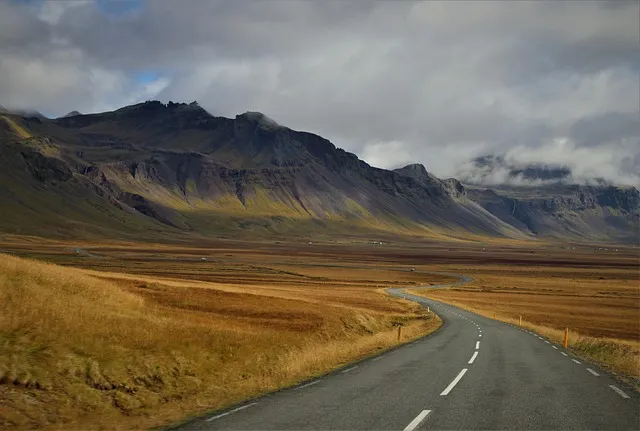
Qing Li’s research, conducted at Tokyo’s Nippon Medical School over more than a decade, has established several mechanisms through which phytoncides affect human immune and psychological function. In controlled studies, breathing air enriched with wood-derived phytoncides (alpha-pinene and beta-pinene specifically) produced significant increases in natural killer cell activity — the immune cells mainly responsible for destroying virus-infected and cancer cells — along with reductions in adrenaline and noradrenaline and improvements in sleep quality and self-reported stress.
The NK cell effect is the interesting one — it persists 7-30 days after forest exposure, suggesting phytoncide exposure produces a sustained immunological shift rather than just an acute one.
The psychological mechanisms are less fully mapped out but consistent with the broader stress-reduction and autonomic regulation effects of forest environments. Alpha-pinene has been shown in animal studies to produce mild anxiolytic effects at the concentrations present in forest air, through GABA receptor modulation — a pharmacological mechanism pointed in the same direction as anxiolytic medications, though at profoundly smaller magnitude.
Human studies have found forest air inhalation produces greater reductions in self-reported anxiety, tension, and fatigue compared to urban air inhalation, in double-blind challenge designs where participants couldn’t tell which air they were breathing. The chemical composition of the air in natural environments isn’t neutral. It’s a medium carrying biologically active compounds that evolved alongside the organisms breathing them.
The practical implication: nature’s mental health benefits aren’t primarily visual or cognitive. They’re also chemical — transmitted through the respiratory system from the botanical community around a person. Which means walking through a forest with noise-canceling headphones on, staring at a phone, gets partial benefit at best. It misses the olfactory and chemical inputs that meaningfully contribute to the physiological response.
Full nature immersion — sensory presence without technological mediation — appears to maximize the available biological benefit.
Cold Water and Moving Water: Blue Space Effects
Research on “blue space” — natural environments featuring water — has produced some of the most striking findings in the nature and mental health literature, with effect sizes that consistently exceed equivalent green space exposures. Understanding why water environments behave differently adds real nuance to using nature as a mental health tool.
The sound of moving water — rivers, streams, waves, rain — has a specific effect on the autonomic nervous system, apparently involving the auditory cortex’s pattern recognition of non-threatening, non-alert-relevant acoustic signals. Natural water sounds carry what physicists call 1/f noise (“pink noise” or “flicker noise”) — a spectral pattern where sound power decreases proportionally with frequency, mimicking many natural phenomena including heartbeats, rainfall, and wind.
Research on the neural effects of 1/f noise shows it promotes relaxed alertness and parasympathetic tone without inducing drowsiness — neurobiologically distinct from both silence (which can increase attention to internal anxiety signals) and random noise (which activates the orienting response).
A 2020 systematic review of blue space and mental health, examining 35 studies, found blue space exposure associated with positive effects on mental well-being, stress reduction, physical activity levels, and social interaction across adult populations. Effects ran strongest for coastal environments versus inland water, and for more immersive experiences (swimming, water-based activities) versus passive viewing.
The mechanisms appear to combine water sounds (autonomic regulation), light reflection off water surfaces (unique visual stimulation patterns), air ionization near moving water (negative ion effects on serotonin), and, for wild swimming or cold water immersion, a separate suite of physiological effects from the cold itself — norepinephrine release and vagal activation.
Cold water immersion specifically — cold natural water or cold water swimming in urban facilities — has documented psychological effects that appear partly distinct from the general blue space benefit. A 2022 randomized pilot trial from researchers at the University of Portsmouth found outdoor swimming in cold water (12-16°C) across 10 weekly sessions produced significantly greater reductions in anxiety and depression scores than matched exercise controls swimming in a heated indoor pool.
The differences were attributed to cold water’s specific activation of the cold-water shock response (sympathetic spike followed by rapid normalization), vagal activation through the diving reflex, and possible habituation of the threat response system — which may carry specific relevance for anxiety disorders. This connects to a separate literature on cold exposure and mental health, covered in a companion article.
Prescribing Nature: The Emerging Clinical Practice
The evidence base for nature and mental health has grown substantial enough that formal “green prescribing” programs are now emerging in several countries, integrating structured nature exposure into clinical care pathways alongside conventional treatment. A pragmatic translation of the research into practice, and the early outcome data is encouraging.
The UK’s NHS England formally launched green social prescribing pilot programs in 2020, linking patients with depression, anxiety, and loneliness to structured nature-based activities including horticultural therapy, walking groups in natural settings, and conservation volunteering.
An independent evaluation published in 2022 found statistically significant improvements in mental well-being, physical health measures, and social connectedness compared to standard care, with effects most pronounced in patients with mild-to-moderate depression and anxiety — the population most likely to benefit from non-pharmacological interventions and most likely to actually receive them.
Finland’s national health strategy explicitly builds in nature as a mental health resource. Finnish researchers have developed quantified nature exposure guidelines that resemble physical activity guidelines: specific time minimums in specific environment types, with evidence-based thresholds for health outcomes. The research infrastructure behind these guidelines includes national cohort studies tracking nature exposure and mental health over decades — longitudinal causal evidence that’s difficult to get from shorter trials.
In Japan, the Forest Therapy Society of Japan has certified over 62 forest therapy base camps nationwide and trains practitioners in evidence-based shinrin-yoku protocols. The Japanese Ministry of Agriculture, Forestry, and Fisheries has invested substantially in the research and implementation infrastructure, recognizing the public health value of forests as a mental health resource.
The per-unit cost of a forest walk runs close to zero — the real cost sits in the infrastructure for access and the clinical integration that lets physicians recommend it credibly. That infrastructure is being built.
Thomas, the psychiatric nurse from the top of this piece, eventually walked his park-based improvement through with his psychiatrist in enough depth to see that nothing miraculous had happened. He was getting roughly 2 hours of natural light, natural soundscape, and natural air daily instead of zero. His cortisol patterns had shifted. His sleep had improved. His vitamin D had normalized — a blood test confirmed it.
His rumination, his most persistent symptom, had eased off in a way he struggled to explain to colleagues until he read the Stanford fMRI paper on subgenual prefrontal cortex activity in natural environments. Then it clicked. The brain he’d spent a career using to treat other people’s disorders needed something simple and biological that none of his own treatments were providing. Nature provided it. That’s not a rejection of psychiatric medicine.
It’s a reminder that medicine doesn’t exist in a biological vacuum.
The research on nature and mental health has reached a point where the question isn’t whether nature exposure benefits the brain — it does, through multiple measurable mechanisms — but how to fold that knowledge into clinical practice and the design of human environments. Cities that prioritize green space, health systems that prescribe nature, individuals who protect their nature time: all making decisions the neuroscience backs up.
The evolutionary relationship between human brains and natural environments isn’t sentiment. It’s biology, and concrete and smartphones haven’t cancelled it.
The Practical Framework: Applying Evolutionary Context Brain Responds In Real Life
References
Editorial StandardsCorrectionsMedical DisclaimerAbout Our ContentAffiliate DisclosureSite Map