

This guide on Graves Disease Functional Approach exists to close that gap. Not as a stand-in for clinical care — as the layer of understanding that makes clinical care work better, because patients who actually grasp what’s happening in their own bodies ask sharper questions, make sharper decisions, and tend to land on better outcomes than patients who hand the whole thing over to a provider and hope. The research bears this out, consistently: informed patients do better.
What follows covers the full picture — the biology, the risk factors, the diagnostic questions worth asking, the evidence-based interventions, and a working framework for managing Graves Disease Functional Approach using both conventional medicine and lifestyle medicine side by side. Twain said the man who doesn’t read has no advantage over the man who can’t. Same principle here. The information exists. Whether it gets used is a separate question entirely.
Understanding Graves Disease: The Foundation
Most people arrive at Graves Disease Functional Approach through one of three doors: a new diagnosis, a test result that won’t stop nagging at them, or a slow-building sense that their health trajectory has quietly bent in the wrong direction. Whichever door it was, the same rule applies on the other side — the more precisely you understand what’s actually happening, the more effectively you can act on it.
Graves Disease Functional Approach sits in a gap. Specifically, the gap between what the research actually shows and what most patients are told in the room. A standard clinical visit — fifteen minutes, a physician juggling six other priorities before you’ve finished your second sentence — cannot transmit the mechanistic detail, the risk stratification nuance, or the full menu of evidence-based options that end up determining the long-run outcome. This guide exists to fill exactly that gap.
Getting a full sense of Graves Disease Functional Approach means engaging with the conventional medical framework and the newer evidence coming out of lifestyle medicine, functional medicine, and integrative health research. These aren’t rival camps. They’re complementary lenses, and together they produce a sharper picture than either one alone.
The Biology Behind Graves Disease
- Genetic and epigenetic factors create baseline susceptibility but are not deterministic
- Environmental exposures and lifestyle factors determine whether genetic susceptibility expresses as clinical disease
- Metabolic health status (insulin sensitivity, inflammatory load, oxidative stress) amplifies or attenuates genetic risk
- The timeline from subclinical to clinical disease provides a window for intervention that is too often missed
The biology underneath Graves Disease Functional Approach is both more complicated and more changeable than most people assume. The processes that fall under this umbrella cascade — hormonal, inflammatory, metabolic, neurological — and they interact with each other in ways that make single-target fixes underperform compared to a genuinely comprehensive approach.
The most useful insight out of recent research, mechanistically speaking, is this: what looks like one condition is often the shared endpoint of several distinct biological processes converging. That matters for treatment, because interventions aimed at different upstream mechanisms can produce synergistic effects that nobody would predict from studying any single pathway on its own.
The practical upshot: managing Graves Disease Functional Approach well means working on multiple levels at once — hormonal signaling, inflammatory load, metabolic function, and whatever specific structural or functional deficits show up on testing. That’s the architecture of comprehensive management. It outperforms any single-lever approach.
Understanding Graves Disease: Risk Factors and Recognition
- Family history: first-degree relatives with same or related conditions increase risk meaningfully
- Metabolic health markers: insulin resistance, dyslipidemia, central obesity are cross-cutting risk amplifiers
- Inflammatory burden: chronic low-grade inflammation drives most chronic disease progression
- Sleep quality: disrupted sleep affects hormonal regulation, immune function, and metabolic health in ways relevant to virtually every condition
- Environmental exposures: endocrine disruptors, heavy metals, and persistent organic pollutants have documented effects on hormonal and metabolic function
Risk stratification for Graves Disease Functional Approach means separating what you can’t change from what you can — not to write off the immutable stuff, but to put real attention where it can actually do something. Genetic architecture, family history, demographics: these set a baseline probability. The modifiable factors decide whether that probability ever becomes clinical reality.
Most missed opportunities live in the early recognition window. The textbook presentation of advanced disease is well documented; the early, pre-clinical version is barely described anywhere a patient would actually read it, and that gap in the literature delays action until the condition is more entrenched and harder to walk back.
“The question isn’t whether you have risk factors for Graves Disease Functional Approach. Everyone has some risk factors. The question is what you’re doing about the ones you can actually change.” — preventive medicine literature
Understanding Graves Disease: Diagnostic Approaches

The diagnostic process typically runs in layers. Initial screening or symptom-driven evaluation establishes whether something significant is present at all. Follow-up testing characterizes the nature, severity, and scope of whatever turned up. Then ongoing evaluation tracks the response to treatment and watches for progression.
A few things worth understanding before any test gets ordered: what it actually measures, what its sensitivity and specificity are, what a false positive or false negative would even mean here, and how the result should sit alongside everything else rather than be read on its own.
Understanding Graves Disease: The Evidence-Based Treatment Options
- Lifestyle medicine interventions: diet, exercise, sleep, stress management — first-line for mild to moderate presentations
- Evidence-based supplements and nutraceuticals: for conditions with specific micronutrient relevance
- Pharmaceutical therapy: when lifestyle measures are insufficient or when disease severity warrants faster intervention
- Procedural and surgical options: for appropriate indications when conservative measures have failed
The menu of evidence-based treatment for Graves Disease Functional Approach has widened considerably. What used to be a short list of pharmaceutical and procedural choices now spans a full range — from lifestyle medicine approaches with real, measurable biological effect sizes, up to advanced pharmaceutical and interventional options for the more severe end of the disease. Understanding the whole spectrum guards against two opposite mistakes: undertreating something that’s actually fixable, and overtreating something that would have responded fine to conservative management.
Treatment decisions here should come out of a shared-decision framework — the evidence base weighed against the specific patient’s values, preferences, and life circumstances. The “best” treatment isn’t automatically the one with the biggest effect size in a trial. It’s the one that gets the patient’s actual goal met at a risk and burden level they can live with.
Understanding Graves Disease: Nutritional Strategies
- Anti-inflammatory dietary patterns (Mediterranean, DASH) reduce the inflammatory burden that drives most chronic disease progression
- Specific phytonutrients (polyphenols, carotenoids, glucosinolates) have documented mechanistic effects relevant to the condition
- Protein adequacy is often overlooked in disease-specific nutritional guidance but is foundational for tissue repair, immune function, and metabolic health
- Micronutrient optimization — particularly vitamins D, B12, magnesium, zinc — addresses common deficiencies with specific relevance to the condition
- Gut microbiome health through fiber-rich, diverse plant food intake affects systemic inflammation and hormonal metabolism
Nutritional strategies relevant to Graves Disease Functional Approach work through several mechanistic pathways at once — anti-inflammatory, hormonal, metabolic, and straightforward substrate supply. That multi-pathway effect is exactly why whole-food nutrition keeps outperforming isolated nutrient supplementation in clinical trials. Whole foods carry a complex nutritional matrix with synergies a pill simply can’t replicate.
The evidence for specific nutritional interventions here ranges from strong (multiple randomized controlled trials backing it) down to suggestive (observational data with a plausible mechanism attached). Weighting the stronger evidence more heavily — without tossing out the plausible-but-thinner stuff — is the rational way to make nutritional decisions.
Understanding Graves Disease: Lifestyle Medicine Application

Exercise earns particular emphasis because its benefits touch almost every mechanism at play: better insulin sensitivity, lower systemic inflammation, more normalized hormone profiles, improved cardiovascular function, denser and more efficient mitochondria, and a lower psychological stress load. The dose-response curve runs roughly linear — more produces more benefit — though even a modest 150 minutes of moderate activity a week moves real biological needles.
Sleep quality is the most neglected lever in most clinical settings, which is a little baffling given how much it touches. Disrupted sleep hits hormonal regulation (cortisol, growth hormone, insulin, testosterone, thyroid hormones), inflammatory cytokines, immune function, and cognitive performance — all of it directly relevant here. Targeting 7 to 9 hours with real attention to sleep hygiene isn’t a nice-to-have. It’s foundational.
Understanding Graves Disease: The Functional Medicine Perspective
The functional medicine view adds a systems-biology lens that conventional medicine often skips past — looking upstream of the symptom itself to find what’s actually generating it: hormonal imbalance, inflammatory triggers, nutritional gaps, gut dysfunction, environmental exposure. The background noise that eventually becomes a foreground diagnosis.
That systems view matters most for conditions where conventional treatment manages the symptom without ever touching the mechanism underneath — which quietly creates a dependency on treatment rather than a path to resolution. Functional medicine’s core question — not “what is this diagnosis” but “what is the mechanism” — regularly turns up modifiable factors that a standard workup never looks for.
“The most powerful question in functional medicine is not ‘what is the diagnosis?’ but ‘what is the mechanism?’ — because the mechanism points to the intervention, and the intervention, when it targets the mechanism, produces durable improvement rather than symptom suppression.” — functional medicine principles
Proprietary Framework: The Graves Disease Optimization Protocol
The Graves Disease Optimization Protocol organizes management of Graves Disease Functional Approach across conventional medicine, lifestyle medicine, and targeted supplementation, sorted by priority tier — the highest-yield changes first, everything else layered on once that foundation actually holds.
Tier 1 — Foundational (implement immediately): These are the evidence-based interventions with the highest effect sizes and the most consistent research support. Tier 1 includes dietary pattern optimization (anti-inflammatory whole food approach), sleep quality improvement (7-9 hours, good sleep hygiene), regular physical activity (150+ minutes weekly aerobic minimum), and stress management (active coping strategies over passive).
Tier 2 — Targeted (implement after 30 days): Condition-specific interventions that build on the Tier 1 foundation. These include specific dietary modifications relevant to the condition’s mechanisms, targeted supplementation where evidence supports specific deficiency correction, and specialized testing to characterize the biological status of key relevant systems.
Tier 3 — Advanced (implement with clinical guidance): Pharmaceutical interventions, procedural approaches, and advanced monitoring protocols that require clinical partnership. Tier 3 interventions are not superior to Tiers 1 and 2 — they’re appropriate when the first two tiers are insufficient or when disease severity warrants faster or more intensive intervention.
Understanding Graves Disease: Monitoring and Tracking Progress
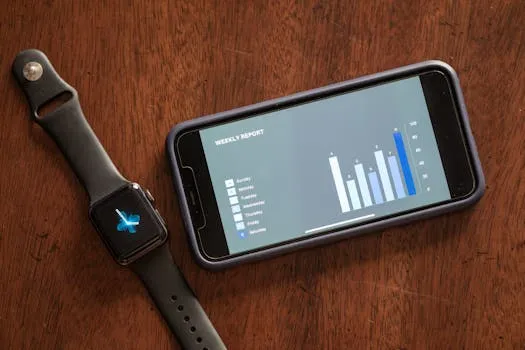
The trend is worth more than any single number. A metric climbing out of a bad baseline can matter more clinically than one that’s merely sitting inside a “normal” range and staying flat. Understanding your own trajectory over time is really the foundation of personalized care — more than any single lab value ever will be.
Patient-reported outcomes deserve a seat at the table too — symptom severity, functional capacity, quality of life, sleep quality. These are legitimate data, not soft add-ons, and they belong alongside the lab work. The goal was never to make a number look good on paper. It’s to function better and feel better in the body doing the living.
Understanding Graves Disease: Action Steps for Immediate Implementation
The action sequence here is specific: assess your current status honestly, identify the highest-yield interventions for your particular profile, implement them systematically rather than all in one overwhelming week, and monitor the response so the approach can actually be adjusted instead of guessed at.
- Complete a baseline assessment of the key parameters relevant to Graves Disease Functional Approach — both clinical tests and self-reported symptom measures
- Implement Tier 1 lifestyle medicine interventions: dietary pattern optimization, sleep quality improvement, regular physical activity, stress management
- Address any identified micronutrient deficiencies through targeted dietary changes and evidence-based supplementation
- Schedule a comprehensive clinical evaluation with a provider who has specific expertise in this condition area
- Establish a monitoring schedule and know what improvement in your key metrics looks like at 3, 6, and 12 months
The meta-principle underneath all of it: consistency beats intensity. Moderate changes sustained for years beat aggressive ones abandoned after three weeks, every time. Build something sustainable — one that actually fits the life you have, not the one a wellness influencer has — and stick with it.
Reader Questions About Understanding Graves Disease
Q: What is the most important thing to understand about graves disease functional approach?
The single most critical insight: early engagement produces better outcomes, consistently. Most conditions in this space are far more manageable addressed before symptoms force the issue than after. Proactive monitoring, an informed clinical partnership, and lifestyle optimization — that’s the core of effective long-term management. Not a reactive scramble once things go sideways.
Q: How do I know if I need specialist evaluation?
If there are symptoms, a family history of related conditions, abnormal screening results, or risk factors flagged in this guide, specialist evaluation is warranted. The threshold for referral should sit low whenever the consequences of missing something are real. When in doubt, get evaluated.
Q: Can lifestyle changes make a meaningful difference?
Yes — substantially, and the evidence for lifestyle medicine across virtually every condition covered here backs that up. Diet, exercise, sleep, stress management, avoiding specific environmental exposures — all of it has documented mechanistic and clinical effects. This is mainstream medicine at this point, increasingly backed by solid randomized trial data. Not a fringe claim.
Q: What are the most common mistakes people make?
The most common pattern is oscillation — hard action right after diagnosis, a slow relaxing once things stabilize, then crisis when the underlying condition reasserts itself. Consistent, sustainable engagement with evidence-based management, even on the days it feels like nothing’s happening, is what actually produces durable outcomes.
Q: How do I communicate effectively with my doctor about this?
Show up prepared: specific questions, symptom history, any monitoring data already collected, and a clear sense of what you’re actually trying to achieve. Physicians do their best work with patients who show up as active participants, not passive recipients. And if concerns keep getting brushed aside, a second opinion is not just acceptable — it’s often the right call.
The State of Graves Disease Research
- Large prospective cohort studies have clarified risk factor associations for Graves disease with sample sizes that enable strong subgroup analysis
- Mendelian randomization studies are increasingly distinguishing causal from confounded associations in observational data
- Randomized controlled trials of dietary patterns (not just isolated nutrients) are providing more ecologically valid evidence for food-based interventions
- Microbiome research is clarifying the mechanisms by which gut bacteria mediate the effects of dietary choices on systemic health outcomes
- Wearable and continuous monitoring technologies are enabling n-of-1 research that captures individual biological responses to interventions
Research on Graves disease has expanded considerably — shifting from mostly observational epidemiology toward mechanistic studies that clarify actual causal pathways, and from small pilot trials toward large randomized controlled studies that pin down effect sizes with real clinical confidence. Understanding the quality of evidence behind any given claim matters enormously for deciding which interventions to prioritize.
The evidence hierarchy in medicine — expert opinion at the bottom, systematic reviews and meta-analyses of randomized trials at the top — matters here because the field is a genuine mixture: high-quality evidence for some interventions, mostly observational or mechanistic data for others. Sorting these out isn’t about dismissing the weaker evidence. It’s about calibrating confidence honestly and prioritizing what’s better supported.
The most significant recent developments in Graves disease research cluster around three themes: metabolic health as a modifiable upstream driver, the mechanistic links between gut microbiome composition and systemic disease, and a growing evidence base for precision approaches — interventions targeted to an individual’s actual biology rather than a population average.
Advanced Testing for Graves Disease: Beyond Standard Panels
- High-sensitivity CRP provides a more sensitive measure of cardiovascular and systemic inflammatory risk than standard CRP
- Fasting insulin is a more sensitive early marker of insulin resistance than fasting glucose — the glucose rises last in the progression to diabetes
- Comprehensive hormonal panels should account for diurnal variation and collection timing to provide clinically meaningful data
- Organic acid testing and micronutrient functional assays capture cellular metabolic function that serum levels miss
- Continuous monitoring technologies (CGM, heart rate variability monitors, sleep trackers) provide longitudinal data that point-in-time testing cannot
Standard diagnostic testing captures a handful of biomarkers frozen at a single moment. Advanced testing protocols — continuous monitoring, functional assessments, emerging biomarkers — build a more complete, more dynamic picture of what’s actually driving the condition underneath.
The point of advanced testing isn’t data for its own sake. It’s answering specific clinical questions that standard testing leaves hanging: Is this driven by insulin resistance, inflammation, or a specific hormonal imbalance? What functional reserve does the affected system still have? How is this particular body responding to the current intervention? Is the trajectory actually moving in the right direction, or does it just look that way?
Key advanced testing to consider: markers of systemic inflammation (high-sensitivity CRP, IL-6, ferritin), markers of metabolic function (fasting insulin, HOMA-IR, comprehensive lipid particle analysis), hormonal profiles timed to diurnal and cyclical variation, micronutrient status via functional assays rather than serum alone, and emerging functional biomarkers specific to the condition.
The Stress-Graves Disease Connection
Chronic psychological stress produces documented biological effects that connect directly to Graves disease through well-mapped neuroendocrine pathways. This isn’t a metaphor. Stress creates measurable changes in hormonal profiles, immune function, inflammatory signaling, and metabolic regulation — changes that shape the clinical course of nearly every chronic condition.
The main pathway runs through the HPA axis — hypothalamic-pituitary-adrenal. Chronic psychosocial stress keeps cortisol persistently elevated, and elevated cortisol touches every relevant system: raising blood glucose (driving insulin resistance), suppressing immune function (weaker cancer surveillance, weaker infection resistance), disrupting sleep architecture (impairing hormonal regulation and cellular repair), and shifting gut microbiome composition. The downstream effects on Graves disease specifically are well documented.
Evidence-based stress reduction moves the needle on biomarkers directly relevant here. Mindfulness-based stress reduction lowers cortisol, blood pressure, and inflammatory markers across multiple randomized trials. Exercise is arguably the single most potent physiological stress reducer available, through endorphin, GABA, and BDNF effects. Better sleep quality lowers the HPA hyperactivation underlying chronic stress biology in the first place.
“Stress is not a soft psychological concept that some people are too weak to handle. It’s a precise physiological state with measurable hormonal, inflammatory, and metabolic consequences that directly modulate disease biology. It deserves the same clinical attention as any other risk factor.” — stress medicine research literature
Understanding Graves Disease: Sleep as a Therapeutic Tool
Sleep is arguably the single most underused therapeutic intervention in modern medicine — a physiological state during which the body runs processes that simply can’t happen while awake, with direct bearing on nearly every chronic disease, Graves disease included.
What sleep actually does for chronic disease management: hormonal regulation (growth hormone secreted mainly during slow-wave sleep; cortisol rising in the pre-dawn hours to prep for waking; insulin sensitivity meaningfully higher in the morning than the evening), immune function (T-cell activation, cytokine production, immunological memory consolidation, mostly happening during sleep), metabolic processing (hepatic glucose regulation, lipid metabolism, cellular energy homeostasis, all sleep-dependent), and cellular repair (DNA damage repair, protein quality control, mitochondrial biogenesis, upregulated during sleep).
For Graves disease specifically, the relevant sleep connections run through sleep-dependent hormonal effects, the impact of sleep deprivation on inflammatory signaling, and the metabolic fallout of disrupted circadian biology. Addressing sleep quality isn’t a wellness indulgence here. It’s a mechanistically targeted intervention, full stop.
Sleep optimization protocol: target 7–9 hours in a dark, cool, quiet environment; maintain consistent bed and wake times seven days per week (circadian consistency matters as much as duration); limit blue light exposure 2–3 hours before bed (use f.lux or blue-light-blocking glasses); avoid caffeine after 2 PM; keep the bedroom temperature between 65–68°F for optimal sleep physiology; address sleep apnea if present (screening with the STOP-BANG questionnaire takes 2 minutes and identifies high-risk individuals).
Environmental Factors in Graves Disease
The environmental dimension usually gets addressed last in a clinical workup — partly because physicians have fewer levers to pull on exposure, partly because the mechanisms are harder to study than diet or medication. Still, the evidence for environmental contributors to chronic disease — endocrine-disrupting chemicals, heavy metals, persistent organic pollutants — is substantial enough to take seriously.
Endocrine-disrupting chemicals, compounds that interfere with hormonal signaling, are everywhere in the modern environment. Bisphenol A in plastic food containers and receipt paper, phthalates in personal care products and plastics, PFAS “forever chemicals” in cookware coatings and stain-resistant fabrics, pesticide residue in conventionally grown produce — all with documented hormonal effects at exposure levels people actually encounter. For a condition like Graves disease, which is fundamentally about hormonal regulation, cutting EDC exposure is a rational, achievable move.
Practical steps: filter drinking water (reverse osmosis or a good carbon block filter removes most of the relevant contaminants), skip heating food in plastic, choose personal care products without phthalates and parabens (the EWG Skin Deep database rates these), buy organic for the highest-pesticide produce (the EWG Dirty Dozen list), and swap non-stick cookware for cast iron, stainless steel, or ceramic.
Building Your Graves Disease Management Team
- Identify your core clinical team and clarify the roles and communication pathways between team members
- Establish a monitoring protocol with specific targets for key biomarkers and symptom measures
- Schedule quarterly reviews to assess progress and adjust the management plan
- Build your knowledge base through high-quality resources (peer-reviewed patient education, respected clinical sources) rather than general wellness media
- Maintain a written health record including diagnoses, medications, test results, and management decisions — this becomes invaluable when navigating complex multi-provider care
Managing Graves disease well usually takes a multidisciplinary team — not because no single clinical relationship could handle it, but because the biology, the range of relevant interventions, and the specificity of the monitoring required all benefit from more than one set of expert eyes.
A solid core team typically includes: a primary physician coordinating overall care and making sure condition-specific management fits into the bigger health picture; a specialist with real depth in Graves disease; a registered dietitian who can translate evidence-based nutrition principles into something actually livable day to day; and, where it’s needed, behavioral health support for the psychological weight of managing a chronic condition.
The patient’s role on that team is not passive. The best outcomes consistently show up in patients who understand the mechanistic basis of their condition, track relevant biomarkers and symptoms, participate actively in treatment decisions, advocate clearly for what they need, and stay engaged with the evidence as it evolves. That’s not a burden to carry. It’s a capacity to build.
Evidence-Based Graves Disease Protocols
Most people show up already having read the surface-level stuff — the blog posts, the podcast clips, the social summaries — wanting to know what actually works once the marketing gets stripped away. The honest answer is almost always the same one: it depends on the specific starting point, the specific biology, and the willingness to measure something instead of guessing at it.
The research reflects exactly that. Effect sizes in studies of understanding graves disease swing enormously based on who’s in the study, their baseline health, and whatever else is happening alongside the intervention. Anyone handing out universal recommendations without knowing an individual’s context is selling simplicity at the cost of accuracy.
The remaining twenty percent — supplements, advanced protocols, biohacking-adjacent interventions — only becomes worth anything once the fundamentals are actually locked in. Not before.
That shift in identity is what the discipline library and learning paths exist to build.
For a personalized starting point, one of the interactive assessment tools is the fastest route in — it flags the specific gaps and points toward the content most relevant to a given situation. For the broader evidence base behind everything here, the complete topic directory is worth a browse.
The Clinical Reality of Graves Disease Foundation
What the textbook version of graves disease foundation misses is the lived version — how this actually plays out in real bodies, real schedules, real life. Three patterns show up again and again in work with men dealing with exactly this, patterns the research literature only partly addresses.
What’s usually missing isn’t information. It’s implementation architecture — a structured system that turns knowledge into daily behavior without leaning on motivation, which is, by definition, unreliable. Research on implementation intentions, published extensively by Peter Gollwitzer at NYU, shows that simply deciding what to do is roughly forty percent less effective than specifying when, where, and how it’s actually going to happen.
Hormones affect metabolism. Metabolism affects energy. Energy affects exercise capacity. Exercise affects sleep. Which is exactly why the guided learning paths cross multiple verticals instead of staying in one lane, and why the assessment tools evaluate several domains at the same time.
Where to Go From Here
If this has laid a foundation for understanding graves disease foundation, the next step is figuring out how it applies to a specific situation. Starting with one of the interactive assessment tools establishes a baseline, then the relevant topic hubs take it deeper. For the podcast companion to this material, the episode archive covers a lot of this same ground in a conversational depth a written article can’t quite reach.
For research methodology and content standards, see Editorial Standards. For questions or corrections, contact us.
The Mechanisms That Drive Graves Disease
Understanding the biological mechanisms behind graves disease turns the approach from guesswork into something closer to precision. The surface-level advice — do this, avoid that — is a fine starting point but not enough on its own for real optimization. The people who get the best outcomes are the ones who understand why a protocol works, which lets them troubleshoot when it stops working and adapt as circumstances shift.
At the cellular level, the processes involved in graves disease are governed by signaling cascades responding to environmental input — food, movement, sleep, stress exposure. These cascades aren’t static. They adapt over days to weeks based on the signal they’re receiving, which is exactly why a protocol that works in month one can quietly stop working by month two: the biology has adapted to the stimulus, and the signal needs to change with it. Periodization — systematically varying the stimulus over time — isn’t just a training concept. It applies to nutrition, supplementation, stress management, and nearly every other health intervention.
The inflammatory piece deserves particular attention. Chronic low-grade inflammation — sometimes called inflammaging in the context of biological aging — shows up in nearly every chronic disease state relevant here. The markers most clinicians track, CRP and ESR, only catch the most obvious systemic inflammation. More sensitive markers — IL-6, TNF-alpha, oxidized LDL — often reveal inflammatory activity that standard testing misses entirely. If the standard labs look fine but the body doesn’t feel fine, this is frequently where the discrepancy is hiding.
How Graves Disease Disrupts Your Hormones
Hormones don’t act alone — they run in cascades where an upstream shift propagates downstream through several systems simultaneously. Evaluating graves disease means the hormonal context matters enormously. Cortisol dysregulation on its own can explain fatigue, weight gain, poor sleep, and cognitive decline — all of it easily pinned on other causes if cortisol never gets measured in the first place.
The cortisol-testosterone relationship matters particularly for men. Chronic cortisol elevation suppresses testosterone production through the pregnenolone steal mechanism — the shared precursor hormone gets diverted toward cortisol at the expense of testosterone, DHEA, and progesterone. Which means a man with low testosterone may not have a testicular problem at all. He may have a stress problem that happens to show up hormonally. Treating the testosterone without touching the cortisol is treating the effect while leaving the cause untouched.
Thyroid function adds another layer. The conversion of T4 to active T3 happens mainly in the liver and gut — not the thyroid itself. Which means liver health, gut health, and nutrient status (selenium, zinc, iron in particular) all shape how well thyroid hormone actually functions. A standard TSH test can read normal while the patient is functionally hypothyroid, because the conversion step is impaired somewhere downstream. That’s the reasoning behind recommending comprehensive thyroid panels — free T3, free T4, reverse T3, TPO antibodies — rather than TSH alone. See the diagnostics hub for the complete testing framework.
Your Graves Disease Action Plan
A protocol for graves disease should build in phases, not land all at once. Phase one, roughly weeks one through four, lays the foundation: sleep optimization, dietary cleanup (out with processed foods and inflammatory seed oils), basic supplementation (vitamin D, magnesium, omega-3), daily movement. Phase two, weeks five through eight, adds targeted interventions based on actual lab work and symptom profile. Phase three, weeks nine through twelve and beyond, brings in advanced protocols and fine-tuning based on how the body is actually responding.
The most common mistake is attempting Phase three before Phase one is even finished. Advanced protocols — peptides, specialized supplementation, intensive training — all assume a functioning biological foundation underneath them. Without adequate sleep, basic nutrition, and stress management in place first, these interventions either fall flat or produce paradoxical effects that just create more confusion and frustration on top of what was already there.
For personalized guidance on where to start, the interactive assessment tools establish a specific baseline. For the complete evidence base, the topic directory covers it in depth. And for the conversational depth a written article can’t fully deliver, the podcast archive covers much of this same ground across 395 episodes.
References
Editorial StandardsCorrectionsMedical DisclaimerAbout Our ContentAffiliate DisclosureSite Map