

He had a father who’d died of a heart attack at sixty-one and a brother who was on statins at forty-eight. Robert’s logic was a variant of the reasoning men use to justify ignoring their health: no symptoms meant no problem.
He was found by his wife on the bathroom floor one morning with left-sided weakness and slurred speech. The CT scan showed a right middle cerebral artery territory infarct. The blood pressure in the emergency department was 192/118. He’d had a stroke.
The neurologist who saw him in the ICU was direct. “If you’d had a blood pressure check six months ago and started treatment,” she said, “we might not be having this conversation.” Robert’s blood pressure had been silently catastrophic for years, driven by a type 2 diabetes he hadn’t been diagnosed with, causing retinal changes and early nephropathy that had been present for at least five years. All of it was invisible until the stroke made it unmistakable.
The men’s health screening problem is not a medical problem. It’s a cultural problem. The biology of preventable disease is well understood. The screening tools are cheap, fast, and reliable. The failure is in the systematic disengagement of men from their own healthcare — a disengagement that the healthcare system does relatively little to overcome, and that costs an extraordinary amount of human life.
This guide is a comprehensive, evidence-based framework for what men should be screening for, when, why, and what to do with the results.
WHY MEN DON’T SCREEN: UNDERSTANDING THE PSYCHOLOGY OF AVOIDANCE
Men in the United States visit physicians at significantly lower rates than women across nearly every age group. A 2019 Cleveland Clinic survey found that 72% of men said they would rather do household chores than see a doctor. 37% said they avoided discussing health concerns with their physician because they didn’t want to receive bad news.
A separate analysis found that men are 1.5 times more likely than women to have not seen a physician in the previous year, across all age groups and socioeconomic categories.
The behavioral drivers are multiple and overlapping. Masculine identity norms that equate health maintenance with weakness or anxiety. The “I feel fine” heuristic — the assumption that the absence of symptoms means the absence of disease. Time constraints from work and family responsibilities, with healthcare deprioritized relative to acute obligations. The practical awkwardness of genital and rectal exams.
And a healthcare system that, until recently, was largely structured around women’s lifecycle events (reproductive care, obstetrics) with no comparable engagement infrastructure for men.
The “I feel fine” logic is particularly dangerous because most of the conditions that kill men at elevated rates — hypertension, type 2 diabetes, hyperlipidemia, colorectal polyps, early prostate cancer, aortic aneurysm — are entirely asymptomatic until they cause catastrophic events. Hypertension is called “the silent killer” precisely because blood pressure of 180/110 feels identical to blood pressure of 120/75 until the day it doesn’t.
The architecture of these diseases is specifically designed to punish the wait-and-see approach: by the time they announce themselves through symptoms, they’ve already caused years of invisible damage.
Understanding this architecture should reframe the purpose of screening. Screening doesn’t happen because a man feels sick. It happens because the diseases most likely to kill or disable him don’t feel like anything until they reach crisis point.
BLOOD PRESSURE: THE MOST IMPORTANT NUMBER IN MEN’S HEALTH
Hypertension affects approximately 47% of American adults (per the AHA 2017 guidelines defining hypertension as ≥130/80 mmHg) and is the single largest modifiable risk factor for cardiovascular disease, stroke, and kidney disease. Among men specifically, hypertension develops earlier and at higher rates than in women before age 65, with approximately 60% of men in their fifties and seventies classified as hypertensive.
Blood pressure categories per current AHA guidelines: Normal: below 120/80 mmHg. Elevated: 120-129 systolic, below 80 diastolic. Stage 1 hypertension: 130-139 systolic or 80-89 diastolic. Stage 2 hypertension: 140+ systolic or 90+ diastolic. Hypertensive crisis: 180+ systolic and/or 120+ diastolic.
Screening frequency recommendations: adults with normal blood pressure, every 1-2 years. Adults with elevated blood pressure, annually. Adults with stage 1 hypertension, every 3-6 months with lifestyle intervention. Stage 2 hypertension requires prompt initiation of pharmacological treatment alongside lifestyle modification.
Blood pressure measurement is accurate only when done correctly. Common errors that produce falsely elevated readings: talking during measurement, full bladder, feet not flat on floor, arm unsupported or above heart level, incorrect cuff size (too small is the most common error in overweight men, producing readings 10-20 mmHg too high), caffeine or nicotine within 30 minutes, insufficient rest before measurement (minimum 5 minutes seated quietly).
Home monitoring with a validated device provides more reliable average readings than single-office measurements and is recommended for diagnosis confirmation and treatment monitoring.
White coat hypertension — blood pressure elevated in clinical settings due to anxiety but normal at home — affects approximately 15-20% of patients and should be excluded before starting treatment. Masked hypertension — normal in-office readings but elevated at home — is less discussed but more dangerous, affecting approximately 10-15% of adults and carrying the same cardiovascular risk as sustained hypertension.
CHOLESTEROL AND CARDIOVASCULAR RISK: BEYOND THE BASIC PANEL
The standard lipid panel (total cholesterol, LDL, HDL, triglycerides) captures important information but provides an incomplete picture of cardiovascular risk. Understanding what the numbers mean — and what additional testing reveals — is essential for informed risk management.
Current ACC/AHA guidelines recommend fasting lipid panels for all adults beginning at age 20, repeated every 4-6 years if risk is low, and annually or more frequently if risk factors are present. For men with family history of premature cardiovascular disease (first-degree male relative with MI or cardiovascular event before age 55), initial testing at age 20 and more frequent follow-up is appropriate.
The LDL number a doctor reports is almost always calculated (Friedewald equation) rather than directly measured. This calculation becomes unreliable when triglycerides are high (above 200 mg/dL) or very low LDL values are present. Direct LDL measurement or non-HDL cholesterol (total cholesterol minus HDL) is more reliable in these situations.
What goes beyond the basic panel? ApoB (apolipoprotein B) measures the number of atherogenic particles rather than their cholesterol content. Each LDL, VLDL, and IDL particle carries exactly one ApoB molecule, so ApoB directly counts the particles that enter arterial walls and contribute to plaque. Two men can have identical LDL cholesterol with dramatically different ApoB levels — the man with small, dense LDL particles carries more particles per unit of cholesterol and has substantially higher atherosclerotic risk.
ApoB is now recommended as a superior predictor of cardiovascular risk by leading lipid experts and is included in updated Canadian and European cardiovascular guidelines.
Lipoprotein(a) [Lp(a)] is a genetically determined risk factor measured once in a lifetime. Elevated Lp(a) (above 50 mg/dL or 125 nmol/L) is present in approximately 20% of the population and confers 2-4 times increased cardiovascular risk independent of LDL. It is almost entirely genetically determined and responds poorly to lifestyle modification or standard lipid-lowering drugs.
Knowing an elevated Lp(a) changes clinical management: it means more aggressive treatment of modifiable risk factors (blood pressure, smoking, LDL) is required to offset the genetic risk that can’t be directly modified. Novel therapies targeting Lp(a) are in advanced clinical trials.
GLUCOSE AND DIABETES SCREENING: THE DECADE BEFORE THE DIAGNOSIS
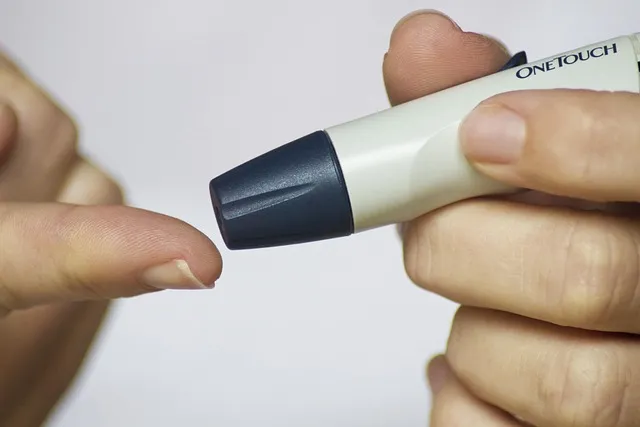
The American Diabetes Association recommends screening all adults beginning at age 35, and earlier (any age) for those with overweight or obesity plus one additional risk factor: physical inactivity, family history of type 2 diabetes, history of gestational diabetes, hypertension, HDL below 35 mg/dL, triglycerides above 250 mg/dL, polycystic ovary syndrome, or history of cardiovascular disease.
Primary screening tests: Fasting plasma glucose (normal below 100 mg/dL; prediabetes 100-125 mg/dL; diabetes 126+ mg/dL). Hemoglobin A1c (normal below 5.7%; prediabetes 5.7-6.4%; diabetes 6.5%+). Two-hour 75g oral glucose tolerance test (most sensitive for early impairment; prediabetes: 140-199 mg/dL; diabetes: 200+ mg/dL). Fasting insulin (not routinely used for diagnosis but invaluable for identifying insulin resistance before glucose is elevated — fasting insulin above 10 uIU/mL suggests insulin resistance even with normal glucose and A1c).
The most important insight about diabetes screening is that prediabetes is not a benign waystation on the road to diabetes — it is associated with 50% increased cardiovascular risk compared to normal glucose metabolism. The 96 million American adults with prediabetes are not at trivial risk while they wait to cross the diagnostic line. They are experiencing active, measurable cardiovascular damage.
This reframes the goal from “catching diabetes early” to “intervening during prediabetes” — a period when the trajectory is almost entirely reversible with lifestyle intervention.
COLORECTAL CANCER SCREENING: THE TEST NOBODY WANTS BUT EVERYBODY NEEDS
Colorectal cancer is the second leading cause of cancer death in the United States (recently surpassed only by lung cancer for men in some age groups). It’s also one of the most preventable cancers: nearly 90% of colorectal cancers arise from adenomatous polyps that take 10-15 years to progress to malignancy, providing a long window for detection and removal before cancer develops. When caught at the localized stage, 5-year survival exceeds 90%.
When caught after metastasis, 5-year survival falls below 15%.
Current USPSTF and ACS guidelines recommend starting colorectal cancer screening at age 45 for average-risk adults. Men with first-degree relatives diagnosed with colorectal cancer or advanced adenomas before age 60 should begin screening at age 40, or 10 years before the youngest affected relative’s diagnosis, whichever comes first. Men with hereditary colorectal cancer syndromes (Lynch syndrome, familial adenomatous polyposis) require earlier and more intensive surveillance.
Screening options: Colonoscopy (every 10 years if normal; the most sensitive and only test that can both detect and remove polyps in a single procedure). FIT (fecal immunochemical test, annually; a stool test for blood, more sensitive than older guaiac tests). Cologuard (stool DNA test, every 1-3 years; combines FIT with DNA mutation testing; higher sensitivity for cancer but also higher false positive rate).
CT colonography (every 5 years; highly accurate but requires bowel prep and doesn’t allow polyp removal; positive results require follow-up colonoscopy).
The choice of screening method is less important than actually doing it. Colonoscopy is preferred for men at elevated risk (family history, prior polyps, symptoms). For average-risk men who refuse colonoscopy, annual FIT is the most evidence-based non-invasive alternative. A positive result on any non-invasive test requires follow-up colonoscopy to evaluate and potentially remove the lesion.
PROSTATE CANCER SCREENING: A detailed DECISION
Prostate cancer screening is the most contested area of men’s preventive health, and the controversy is legitimate. PSA (prostate-specific antigen) testing detects prostate cancer at high rates but also detects many cancers that would never cause symptoms or death (“overdiagnosis”), and the subsequent treatment (surgery, radiation) carries risks of incontinence and erectile dysfunction that can substantially impair quality of life.
The evidence for net benefit of population-wide PSA screening is genuinely debated.
Current guidelines reflect this uncertainty. The USPSTF recommends shared decision-making about PSA-based screening for men ages 55-69, with no recommendation for men 70 or older. The ACS recommends discussing PSA testing at age 50 for average-risk men, 45 for men at high risk (African American men and men with first-degree relatives diagnosed before 65), and 40 for men with multiple first-degree relatives with prostate cancer at a young age.
The key determinants of individual benefit: age, overall health and life expectancy (men with less than 10-year life expectancy from other conditions don’t benefit from prostate cancer detection), risk factors (African American men have 1.8x higher incidence and 2.3x higher mortality from prostate cancer than white men, making the benefit-risk calculation more favorable for them), and personal values regarding the tradeoff between treatment side effects and risk of undetected disease.
For men who choose PSA testing, a baseline PSA in the early forties provides important context — a low PSA at 40 (below 1 ng/mL) predicts a very low lifetime risk of aggressive prostate cancer; a PSA above 1.5 ng/mL at 40 is associated with substantially elevated lifetime risk. PSA velocity (rate of change over time) and PSA density (PSA divided by prostate volume on ultrasound) provide additional risk stratification.
Multi-parametric MRI of the prostate before biopsy has substantially improved the ability to distinguish clinically significant from insignificant cancers, reducing overdiagnosis and overtreatment when used in an informed diagnostic pathway.
TESTICULAR SELF-EXAMINATION AND TESTICULAR CANCER

Monthly self-examination is the primary detection method. Technique: examine each testicle separately, rolling gently between thumb and fingers, feeling for lumps, hardness, or changes in size. Normal findings include the epididymis — a soft, slightly tender, rope-like structure at the back of each testis. Any hard lump on the testicle itself, painless or painful, warrants immediate evaluation. The majority of testicular cancers are painless — absence of pain does not provide false reassurance.
Risk factors: history of cryptorchidism (undescended testicle), family history of testicular cancer, prior testicular cancer in the contralateral testis, Klinefelter syndrome, testicular atrophy. Men with any of these risk factors should have a baseline scrotal ultrasound and discuss surveillance with a urologist.
ABDOMINAL AORTIC ANEURYSM SCREENING
Abdominal aortic aneurysm (AAA) — a dangerous dilation of the aorta in the abdominal cavity — is largely a disease of men. The male-to-female ratio for AAA is approximately 4:1. Risk factors include smoking (by far the strongest modifiable risk factor), age (prevalence peaks at 65-75), family history (first-degree relative with AAA), and hypertension. Most AAAs are asymptomatic until they rupture, at which point mortality exceeds 80%.
The USPSTF recommends a one-time abdominal ultrasound screening for AAA in all men aged 65-75 who have ever smoked (defined as 100+ cigarettes lifetime). Sensitivity of ultrasound for AAA is greater than 95%; specificity is greater than 99%. The test takes approximately 10 minutes and requires no preparation. Men with a family history of AAA should discuss earlier screening with their physician.
Small aneurysms (3.0-5.4 cm) are managed with surveillance ultrasound every 6-12 months and risk factor modification (smoking cessation, blood pressure control). Large aneurysms (5.5 cm or greater, or rapidly expanding) require surgical repair or endovascular aneurysm repair (EVAR) before rupture.
SKIN CANCER SCREENING AND DERMATOLOGICAL HEALTH
Men are substantially more likely to die from melanoma than women — not because their biology is different but because they present later, when the disease is more advanced. The average thickness of melanoma at diagnosis in men is approximately 50% greater than in women, reflecting later detection. Men are less likely to perform self-skin examination and less likely to visit a dermatologist.
Annual full-body skin examination by a dermatologist is appropriate for men with risk factors: fair skin, history of blistering sunburns, personal or family history of melanoma, high mole count (above 50 total moles), history of organ transplantation or immunosuppression, or significant cumulative UV exposure (outdoor workers, athletes, men who grew up before sunscreen was culturally normalized). Average-risk men should discuss skin cancer screening with their primary care physician.
Monthly self-examination using the ABCDE rule: Asymmetry, Border irregularity, Color variation, Diameter above 6mm, and Evolution (changing lesion). Any new or changing pigmented lesion warrants dermatological evaluation.
TESTOSTERONE AND HORMONAL SCREENING

Screening for hypogonadism involves measurement of total testosterone (morning measurement, as testosterone is highest in the early morning due to sleep-dependent secretion) along with LH and FSH to distinguish primary (testicular) from secondary (hypothalamic-pituitary) causes. Sex hormone-binding globulin (SHBG) allows calculation of free testosterone, which is biologically active — some men have normal total testosterone but low free testosterone due to elevated SHBG (which increases with age, liver disease, and hyperthyroidism).
Men with symptoms of hypogonadism, particularly those with obesity, type 2 diabetes, or sleep apnea, should be screened with morning total testosterone. Diagnosis requires two low morning measurements on separate occasions. Before initiating testosterone therapy, reversible causes of low testosterone — hypogonadism secondary to sleep apnea, obesity, hyperprolactinemia, opioid use, or other medications — should be identified and addressed.
MENTAL HEALTH SCREENING: THE GREATEST GAP IN MEN’S HEALTHCARE
Men account for approximately 80% of suicides in the United States. Men are substantially less likely to seek mental health care and more likely to present with depression through externalizing symptoms (irritability, aggression, risk-taking behavior, substance use) rather than the classic internalizing presentation (sadness, crying, hopelessness) that clinicians are trained to recognize. Depression in men is frequently undiagnosed not because the patient doesn’t have it, but because neither the patient nor the clinician recognized the presentation.
The PHQ-9 (Patient Health Questionnaire-9) is a validated nine-item depression screening tool that takes less than three minutes to complete and has sensitivity and specificity above 85% for major depressive disorder. The GAD-7 (Generalized Anxiety Disorder-7) performs similarly for anxiety disorders.
The externalizing presentation is worth taking seriously on its own terms: irritability, aggression, risk-taking, substance use. These aren’t unrelated bad habits — in a lot of men they’re the actual shape depression takes, distinct from the sadness-and-crying template most screening tools were built around. Recognizing the pattern matters more than any specific downstream intervention. Untreated depression is associated with cardiovascular disease, immune dysfunction, substance use disorders, and shortened lifespan. Whatever else is true, ignoring it while it quietly compounds is a poor decision.
BUILDING A SCREENING CALENDAR: AGES AND INTERVALS
A practical screening calendar integrates all of the above into a manageable schedule organized by age and risk profile:
- Starting at age 20: Blood pressure (every 1-2 years), fasting lipid panel (every 4-6 years if normal), blood glucose (if overweight or risk factors), testicular self-examination (monthly), PHQ-9/GAD-7 (annually), STI screening (sexually active), BMI and waist circumference (annually at primary care visit).
- Starting at age 35-40: Add: fasting insulin or oral glucose tolerance test if BMI above 25 or family history, coronary artery calcium score if intermediate cardiovascular risk (10-year ASCVD risk 7.5-20%), ApoB and Lp(a) if not previously tested, testosterone if symptomatic, thyroid-stimulating hormone if symptomatic.
- Starting at age 45-50: Add: colorectal cancer screening (colonoscopy or annual FIT), PSA testing discussion, comprehensive metabolic panel (kidney and liver function), sleep evaluation (STOP-BANG questionnaire for obstructive sleep apnea).
- Starting at age 65-75: Add: one-time abdominal aortic aneurysm ultrasound (if ever smoked), bone density (DEXA scan, especially if testosterone deficiency, long-term steroid use, or other osteoporosis risk factors), lung cancer screening CT (if heavy smoker, 50-80 years old with 20+ pack-year history).
Men DonT Screen Q&A
Q: I feel completely healthy. Do I really need all these screenings?
A: The feeling of health is the most dangerous basis for skipping screening, because every major preventable killer in men — hypertension, hyperlipidemia, type 2 diabetes, colorectal cancer, aortic aneurysm — is completely asymptomatic until it causes a catastrophic event. Robert “felt fine” too. The purpose of screening is specifically to detect these diseases before they cause symptoms, when treatment is most effective and outcomes are best.
A man who waits until he feels sick before getting screened has already missed the window where screening provides its greatest benefit.
Q: What’s the single most important screening test for men in their forties?
A: Blood pressure measurement, without question. Hypertension is the single largest modifiable cardiovascular risk factor, affects approximately 50% of middle-aged men, is completely asymptomatic, causes irreversible target organ damage (heart, kidneys, blood vessels, brain) over years, and is effectively treatable. A blood pressure reading takes less than five minutes and costs nothing. The information it provides can add decades to a life. No other test combines that level of impact with that level of accessibility.
Q: My father had a heart attack at 55. How aggressively should I be screening?
A: Family history of premature cardiovascular disease (first-degree male relative with MI or stroke before age 55) substantially elevates personal risk and changes the screening calculus. A first fasting lipid panel before age 25 is appropriate. Lp(a) measurement is particularly important given this history (elevated Lp(a) is heritable and a major driver of premature cardiovascular disease). A coronary artery calcium (CAC) score at age 40-45 provides objective evidence of subclinical atherosclerosis and helps calibrate treatment intensity.
Aggressive management of all modifiable risk factors — blood pressure, LDL/ApoB, blood glucose, smoking, exercise, diet — is indicated from a young age rather than a middle-age starting point.
Q: Is PSA screening worth doing given the controversy?
A: It depends on personal risk profile and values. For average-risk men in their fifties, the shared decision-making framework is appropriate — the potential benefit of detecting a life-threatening cancer early needs to be weighed against the real risk of overdiagnosis and overtreatment.
For African American men (2.3x higher prostate cancer mortality), men with first-degree relatives diagnosed with prostate cancer, and men with BRCA2 mutations (substantially elevated risk of aggressive prostate cancer), the balance tips more clearly toward testing, starting at age 40-45. Modern diagnostic pathways using mpMRI before biopsy and genomic tests on biopsy specimens have substantially reduced overtreatment — screening, if chosen, should happen in the context of informed risk-stratification, not reflexive biopsy on any PSA elevation.
Q: My doctor said my cholesterol is “fine” but didn’t mention ApoB or Lp(a). Should I ask about these?
A: Yes, if there are any cardiovascular risk factors (family history, hypertension, smoking, diabetes, obesity) or if the standard lipid panel shows borderline findings. ApoB is a superior measure of cardiovascular risk in men with metabolic syndrome or hypertriglyceridemia (conditions where LDL is routinely underestimated by the Friedewald calculation). Lp(a) should be measured once in every adult — it’s genetically fixed, so one test provides lifetime information.
An elevated Lp(a) changes how aggressively other risk factors should be managed and whether emerging Lp(a)-lowering therapies are worth discussing with a cardiologist. These are $30-50 tests that provide information many doctors haven’t thought to order because they weren’t part of standard algorithms until recently. Worth asking for.
THE ECONOMICS OF PREVENTION: WHY SCREENING IS THE RATIONAL INVESTMENT
Men are often framed as reluctant healthcare consumers due to time constraints and competing priorities. The economic argument for preventive screening is worth making explicitly, because it reframes the calculation from “spending time on healthcare” to “investing time to protect productive capacity.”
A colonoscopy that detects and removes a precancerous polyp costs approximately $1,500-3,000. Treatment of stage IV colorectal cancer costs approximately $300,000-500,000, with outcomes that are substantially inferior to stage I disease. The lifetime economic difference in the quality-adjusted life years gained from screening — across a population — is one of the most favorable cost-benefit ratios in all of medicine.
The same calculation applies to blood pressure treatment (preventing a stroke averts $140,000+ in acute and rehabilitation costs, plus the downstream costs of permanent disability), diabetes screening (preventing progression averts tens of thousands in annual medication and complication management costs), and cardiac screening (preventing an MI through statin therapy and lifestyle intervention averts hospital costs of $60,000+ and potential years of cardiac disability).
The individual economic argument is even more straightforward. A man in his fifties who earns a comfortable income and has dependents faces a catastrophic loss scenario if he develops a preventable debilitating condition. The time investment in annual primary care visits, a colonoscopy every ten years, annual blood pressure checks, and periodic lab work totals perhaps 5-10 hours per year.
The return on that investment — in terms of prevented catastrophic events, maintained productive capacity, and quality of life — is incalculable.
Men who would never operate a business without reviewing quarterly financials somehow manage to run their bodies for decades without any data review whatsoever. The screening calendar is the quarterly financial review for the most critical asset a man has. It doesn’t take long. The data is available.
The only barrier is the cultural story that says real men don’t need check-ups — a story that is killing approximately 100,000 American men per year through preventable cardiovascular events, preventable cancers, and preventable metabolic complications that went undetected and unmanaged until they became unsurvivable.
Robert spent six months in intensive rehabilitation. He recovered most of his function, but his left hand never returned to full strength. He now sees three specialists regularly. He takes five medications. His neurologist tells him that if his blood pressure had been identified and treated five years earlier, the probability of the stroke would have been reduced by approximately 80%. Not a small number.
That is the magnitude of what preventive screening can deliver when it is actually used.
The calendar is simple. The tests are available. The rest is deciding that a life is worth the time it takes to check in on it.
FINDING A PRIMARY CARE PHYSICIAN: THE STRUCTURAL PREREQUISITE
All of the screening recommendations above presuppose a relationship with a primary care physician who can order tests, interpret results, refer appropriately, and provide longitudinal continuity of care. Approximately 27% of American men do not have a primary care physician. Finding one — and actually going to see them annually — is the structural prerequisite for everything else on this list.
What to look for in a primary care physician for a man who wants comprehensive preventive care: someone who is willing to order beyond the standard panel (ApoB, Lp(a), fasting insulin, testosterone) when clinically indicated; who takes a collaborative approach to shared decision-making rather than a paternalistic or dismissive one; who is accessible between annual visits for acute questions; and who maintains adequate time for annual preventive visits rather than rushing through a 10-minute slot.
Concierge medicine and direct primary care models (which charge a monthly fee outside insurance for enhanced access and longer visit times) address many of the structural limitations of standard insurance-based primary care for men who can afford the additional cost. For men who cannot, community health centers provide comprehensive primary care on a sliding-scale basis, and telemedicine platforms have substantially improved access for men in rural areas or with schedule constraints.
The modality matters less than the consistency — an annual relationship with a clinician who knows baseline values, risk factors, and history is the most powerful preventive health investment available.
Screening isn’t the end of the story. The screening result is a data point. What happens with that data point — the follow-up, the lifestyle adjustment, the treatment when indicated — is where prevention actually happens. A cholesterol panel that shows an ApoB of 120 mg/dL means nothing if the man receiving the result doesn’t understand what it means, doesn’t make any dietary changes, and doesn’t return for a follow-up in six months.
The information only prevents disease if it connects to action. That connection requires both a patient who shows up and a healthcare system that communicates clearly. Getting men to show up is step one. The conversation that happens afterward is where lives are saved.
Bone density testing (DEXA scan) is underutilized in men despite approximately one-third of all hip fractures occurring in men, and hip fracture mortality in men being substantially higher than in women (approximately 37% die within one year of hip fracture). Risk factors that warrant earlier DEXA testing include: chronic corticosteroid use (months of continuous prednisone above replacement level), testosterone deficiency, chronic alcohol use disorder, underweight (BMI below 20), inflammatory bowel disease, celiac disease, and smoking.
The FRAX calculator (WHO fracture risk assessment tool) uses clinical risk factors to estimate 10-year fracture probability and guide decision-making about bone density testing and treatment. Vitamin D and calcium adequacy, weight-bearing exercise, and resistance training are the cornerstones of bone health maintenance in men; bisphosphonate therapy is indicated when fracture risk crosses specific thresholds determined by DEXA results and FRAX score. Most men never think about bone health until they fracture something.
Like most of men’s health, the optimal time to think about it is before the fracture, not after. The annual screen takes twenty minutes and generates data that changes clinical decisions in a meaningful proportion of men who undergo it. The men who skip it are gambling with odds they haven’t been told about.
The Practical Framework: Applying Men DonT Screen Understanding In Real Life
FROM THE LIBRARY ›
References
Editorial StandardsCorrectionsMedical DisclaimerAbout Our ContentAffiliate DisclosureSite Map