
The supplement aisle is a monument to human hope and poor quality control. Anti-inflammatory supplements represent an estimated $6 billion annual market — a shelf that runs from genuinely evidence-supported compounds with solid pharmacokinetics all the way down to expensive powder cocktails of vaguely anti-inflammatory herbs with zero human trial data behind them. The person standing in that aisle is usually in genuine pain and genuinely motivated to do something about it. They deserve better than marketing copy dressed up as health guidance.
Thomas had been supplementing for three years. His shelf held half a pharmacy: fish oil, turmeric, a “joint support” formula, vitamin C, resveratrol, NAC, some adaptogen blend, a “super greens” powder. $180 a month. His joint pain had improved modestly. His CRP, tested at his annual physical, came back at 2.4 mg/L — still elevated.
The problem wasn’t that supplements don’t work. Some of them absolutely work — when the right compound, in the right form, at the right dose, is combined with (not substituted for) a solid dietary foundation. Thomas’s actual problem was using a pile of low-quality, low-bioavailability products, duplicating effects across several of them, and expecting supplementation to compensate for dietary inputs he’d never actually addressed. He was still cooking in canola oil every day.
The Foundation Rule: Supplements Supplement a Good Diet
Before the rankings, the non-negotiable principle: no supplement protocol produces meaningful, sustained results on top of a chronically inflammatory diet. This isn’t a figure of speech.
Consume 15-20g of omega-6 daily from seed oils, and 3g of fish oil taken in response is pharmacologically close to pointless — the enzyme competition for FADS1/FADS2 and COX-2 means omega-6 dominates the outcome regardless. Eat 60g of added sugar daily, and curcumin aimed at suppressing NF-kB is therapeutic triage at best — the diet is continuously reactivating the exact pathway the supplement is trying to suppress. Run significant gut dysbiosis off a low-fiber, high-sugar diet, and probiotic supplementation produces a transient benefit that vanishes within weeks of stopping, because the dietary environment never supported colonization to begin with.
The stack outlined here assumes the foundational dietary protocol is already in place, or being built: seed oil elimination, added sugar reduction, regular fatty fish, abundant vegetables, adequate protein. If those foundations aren’t there yet, start there. Supplementation is amplification on top of a functional base, not a substitute for one.
With that established, here’s the ranked evidence for anti-inflammatory supplements in humans.
Tier 1: Strong Human Evidence, High Clinical Utility
- Triglyceride form (re-esterified): Better absorbed than ethyl ester. Look for “triglyceride” or “re-esterified triglyceride” on the label. Nordic Naturals, Carlson, and Thorne use this form.
- Ethyl ester (EE) form: Standard fish oil capsules, cheaper, lower absorption. Prescription omega-3 (Lovaza, Vascepa) are ethyl ester — adequate at high doses but not optimal over-the-counter.
- Algae-derived EPA/DHA: Equivalent to fish-derived for bioavailability and effect. The only marine omega-3 option for vegans and vegetarians. Brands: Nordic Naturals Algae Omega, Testa Omega-3.
- Krill oil: Contains omega-3 as phospholipids (higher bioavailability than EE, comparable to re-esterified TG form) plus astaxanthin. Dose per capsule tends to run lower; cost per gram EPA+DHA runs higher. A good option for anyone with GI issues on standard fish oil.
Rank 1: Omega-3 Fatty Acids (EPA + DHA)
Evidence strength: Exceptional
Primary mechanisms: EPA competes with arachidonic acid for COX-2 binding (producing less inflammatory prostaglandins); DHA produces specialized pro-resolving mediators (resolvins D-series, protectins, maresins) that actively terminate inflammation; EPA and DHA suppress NF-kB and TNF-alpha production in macrophages; EPA and DHA incorporate into cell membranes, shifting the cellular inflammatory response profile.
No supplement has more high-quality clinical trial evidence behind its anti-inflammatory effects in humans than omega-3. Multiple meta-analyses confirm significant reductions in CRP, IL-6, and TNF-alpha with supplementation. The CRITICAL trial (25,871 participants, randomized, placebo-controlled, 5-year follow-up) found omega-3 at 1g/day (as Omacor/Lovaza — roughly 460mg EPA + 380mg DHA) significantly reduced myocardial infarction risk by 28% overall, and by 40% among people with low dietary fish intake. The REDUCE-IT trial found 4g/day of pure EPA significantly reduced major cardiovascular events in high-risk patients.
What to look for: the EPA+DHA line on the back of the bottle, not the “fish oil” number on the front — a 1000mg capsule often carries less than a third of that as actual EPA and DHA. Triglyceride form, IFOS certification, a supplier who refrigerates. Worth knowing that the cardiovascular trials ran considerably heavier than the general inflammation trials, which is why the two literatures don’t map onto each other cleanly.
Form matters critically:
Quality verification: Fish oil oxidizes readily. Buy from brands carrying IFOS (International Fish Oil Standards) certification. Refrigerate after opening. If the capsules smell strongly fishy when opened, they’re oxidized — toss them and buy fresh.
Rank 2: Curcumin (Enhanced Bioavailability Forms)
Evidence strength: Strong (for enhanced delivery forms)
Primary mechanisms: NF-kB inhibition (blocks IKK); COX-2 downregulation at gene expression level; TNF-alpha suppression; Nrf2 activation (upregulates endogenous antioxidant systems); STAT3 inhibition.
Curcumin’s clinical efficacy is entirely form-dependent — standard turmeric extract is close to pharmacologically inert at typical doses because of poor bioavailability. The enhanced delivery systems (Meriva, BCM-95, Longvida, Theracurmin) aren’t marketing fluff. They’re pharmacokinetically validated platforms with published human absorption data behind them.
Strongest clinical trial evidence for:
- Osteoarthritis: Meriva 1000mg/day (8-month trial) vs. control: significant reduction in WOMAC pain and function scores, CRP reduction 16x greater than control (Belcaro et al., 2010)
- Post-exercise muscle damage: BCM-95 500mg twice daily reduces CK, IL-6, and subjective muscle soreness across multiple RCTs
- Metabolic syndrome markers: Multiple BCM-95 and Meriva trials show significant reductions in fasting glucose, triglycerides, and inflammatory markers
- Mild-moderate depression: BCM-95 1000mg/day showed antidepressant effects comparable to fluoxetine in one RCT
What to look for: a named, bioavailability-enhanced preparation — Meriva, BCM-95, Longvida, or curcumin paired with piperine. Plain curcumin extract absorbs so poorly it behaves like a different compound, and every trial cited above was run on an enhanced version. Longvida is the one selected for brain penetration; the others were studied for joints and systemic markers. Take it with fat.
Tier 2: Moderate-Strong Evidence, Worth Including
- A 2003 RCT in Phytomedicine found Boswellia extract (1000mg/day) significantly reduced knee pain, swelling, and walking distance limitation compared to placebo in osteoarthritis
- Aflapin (a patented boswellia extract concentrated for AKBA content and bioavailability) shows clinical effects at 100mg/day — much lower than standard boswellia extract requires
- Multiple asthma trials show significant reductions in attack frequency and improvement in FEV1 (forced expiratory volume)
- Crohn’s disease pilot trials show efficacy comparable to mesalazine
Rank 3: Boswellia Serrata (Standardized to AKBA)
Evidence strength: Moderate-Strong
Boswellia serrata (Indian frankincense) contains boswellic acids — AKBA (acetyl-11-keto-β-boswellic acid) in particular — that are potent 5-lipoxygenase (5-LOX) inhibitors. That’s mechanistically distinct from, and complementary to, curcumin’s COX-2 focus. 5-LOX produces leukotrienes, major drivers of airway inflammation, joint inflammation, and inflammatory bowel disease.
Boswellia has built up considerable clinical trial evidence, particularly in osteoarthritis and asthma:
What to look for: standardization to boswellic acid content, or one of the AKBA-concentrated patented extracts such as Aflapin, which reach clinical effect on a fraction of the material unconcentrated extract needs. Always with food — AKBA absorption runs on dietary fat.
Rank 4: Quercetin
Evidence strength: Moderate-Strong
Quercetin is a flavonoid found in onions, apples, berries, and green tea. It inhibits NF-kB, 5-LOX, and histamine release from mast cells, giving it broad-spectrum anti-inflammatory activity that’s particularly relevant for allergic and respiratory inflammation. It also carries antiviral properties that have drawn considerable research interest.
Bioavailability from standard quercetin dihydrate is modest — 20-50%. Quercetin phytosome (quercetin complexed with sunflower phosphatidylcholine, the same approach Meriva uses for curcumin) shows significantly higher bioavailability and tissue distribution.
Clinical evidence:
- Meta-analysis of 17 RCTs: quercetin supplementation significantly reduces CRP and IL-6
- Exercise-induced inflammation: quercetin 500-1000mg/day reduces post-exercise inflammatory markers and may modestly reduce upper respiratory tract infection incidence in athletes
- Cardiovascular markers: multiple trials show improvements in blood pressure, LDL oxidation, and endothelial function
- Anti-viral activity: emerging evidence for inhibition of viral entry and replication through several mechanisms
What to look for: phytosome form where you can get it. Standard quercetin dihydrate absorbs badly enough that it takes substantially more material to reach the same plasma level. Vitamin C alongside helps, since the two share absorption machinery. With a meal.
Rank 5: Magnesium (Glycinate or Malate Form)
Evidence strength: Moderate-Strong (for deficiency correction)
Magnesium isn’t technically an anti-inflammatory supplement — it’s an essential mineral. But roughly 50-60% of adults in developed countries fail to hit the RDA, and magnesium deficiency directly upregulates NF-kB inflammatory signaling. Which makes magnesium repletion one of the most impactful anti-inflammatory interventions available for a large chunk of the population, despite never being marketed that way.
Mechanisms: magnesium is a cofactor for over 300 enzymatic reactions, including ATP synthesis, DNA repair, and multiple anti-inflammatory pathways. It stabilizes immune cell membranes, reduces histamine release from mast cells, and suppresses NLRP3 inflammasome activation — the same inflammasome activated by uric acid from excess sugar intake. Deficiency specifically activates NF-kB through reactive oxygen species production in endothelial cells.
Clinical data: multiple randomized trials show supplementation reduces CRP and IL-6 in people with metabolic syndrome — a population with high rates of magnesium deficiency to begin with. A meta-analysis of 14 trials found a significant CRP reduction with supplementation.
What to look for: the elemental magnesium figure rather than the compound weight, and glycinate or malate rather than oxide — oxide absorbs so poorly that most of it just works as a laxative. Evening is the useful window, because magnesium also improves sleep quality through GABA receptor modulation, stacking an indirect anti-inflammatory benefit on top of the direct one.
Tier 3: Promising Evidence, Useful for Specific Applications
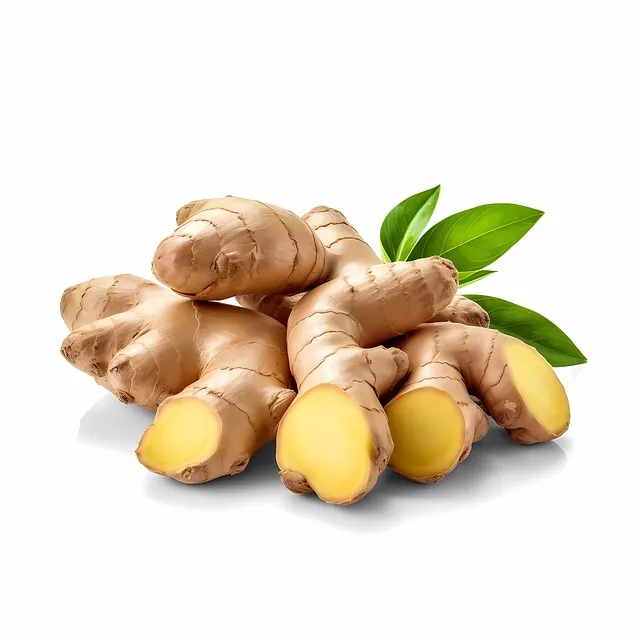
Rank 6: Ginger Extract
Evidence strength: Moderate
Ginger (Zingiber officinale) contains gingerols and shogaols that inhibit both COX-2 and 5-LOX simultaneously — dual inhibition that makes it broader-acting than curcumin (COX-2 focused) or boswellia (5-LOX focused) alone. A 2015 meta-analysis of 5 RCTs found ginger supplementation significantly reduced CRP and TNF-alpha in subjects with metabolic syndrome. It also shows consistent effects on osteoarthritis pain across several small trials.
Whole ginger root in cooking gives a modest benefit; standardized extract in supplement form delivers more consistent, higher doses of the active compounds (6-shogaol forms from 6-gingerol during drying and extraction, and may be more bioactive).
What to look for: standardization to gingerol content, which is what the trials measured and what ground kitchen ginger does not reliably deliver. The evidence covers joint pain, post-exercise soreness, and inflammation-linked nausea.
Rank 7: Vitamin D3 (With K2)
Evidence strength: Moderate (for correction of deficiency)
Vitamin D is a fat-soluble hormone precursor with nuclear receptor activity throughout the immune system. Receptors show up on virtually every immune cell; 1,25-dihydroxyvitamin D3 (the active form) suppresses Th1 and Th17 cell activity, promotes regulatory T cell function, and reduces NF-kB activation. Deficiency (serum 25-OH-D below 30 ng/mL) tracks with elevated CRP, higher autoimmune disease risk, and increased susceptibility to infection.
Roughly 42% of Americans are vitamin D insufficient (below 20 ng/mL), and a substantial additional chunk sit in a suboptimal range (20-30 ng/mL). Correcting deficiency reduces CRP and inflammatory markers across multiple trials — but supplementing when already sufficient adds minimal further benefit, and mega-dosing without medical supervision carries a real toxicity risk through hypercalcemia.
What to look for: a baseline 25-OH-D result before anything else. Vitamin D is the one compound on this list where the sensible amount is entirely a function of where you are starting from, which is exactly why a generic figure is worse than useless. Retesting after three months is what tells you whether the correction actually worked, and most practitioners are aiming for the upper half of the reference range rather than the floor of it. K2 in the MK-7 form is worth pairing with it, since it directs calcium into bone rather than arterial walls.
Rank 8: Specialized Pro-Resolving Mediators (SPMs)
Evidence strength: Moderate (emerging area)
SPMs — resolvins, protectins, and maresins derived from EPA and DHA — are the actual molecules responsible for actively resolving inflammatory processes, as distinct from merely suppressing their initiation. The idea that “resolution of inflammation” is an active process, not passive dissipation, has reshaped how researchers think about chronic inflammation: it may persist not primarily from excess inflammatory stimulation, but from deficient pro-resolution signaling.
SPM supplements (concentrated resolvin and protectin precursors) are an emerging category with early clinical trial data for osteoarthritis and periodontitis. Promising, but less mature than standard omega-3. The logic holds up — if omega-3 insufficiency impairs SPM production, supplementing SPMs or their precursors directly may be more efficient than relying on conversion from EPA/DHA alone. Cost runs high right now; the evidence justifies inclusion in advanced protocols for people with persistent inflammation despite adequate omega-3 status.
Rank 9: Astaxanthin
Evidence strength: Moderate
Astaxanthin is a carotenoid produced by microalgae (Haematococcus pluvialis) — it’s what gives salmon, shrimp, and flamingos their pink-red color. It’s one of the most potent antioxidants identified by ORAC measurement (6000x stronger than vitamin C in test-tube assays, though that doesn’t translate directly to in vivo potency). Its anti-inflammatory evidence in humans includes significant reductions in CRP, oxidized LDL, and inflammatory markers across multiple RCTs, with particularly strong data for exercise-induced muscle damage and DNA oxidation reduction.
It crosses the blood-brain barrier and the retinal blood barrier, making it relevant for neurological and visual health beyond its systemic anti-inflammatory effects. The clinical work has all used natural astaxanthin from Haematococcus pluvialis rather than the synthetic petrochemical-derived version, and that distinction tells you more about a product than the number on its label does.
Rank 10: Resveratrol
Evidence strength: Weak-Moderate (disappointing human data relative to lab hype)
Resveratrol drew extraordinary scientific interest after early research showed SIRT1 activation (a longevity-associated deacetylase) in yeast and rodent models. The human data has been considerably less impressive. Multiple well-designed human trials have failed to replicate the metabolic and longevity effects seen in animals, largely because resveratrol gets rapidly metabolized to inactive glucuronide and sulfate conjugates in humans, producing negligible tissue levels from oral supplementation.
Some anti-inflammatory effects show up in human trials at high doses (500-2000mg/day), but the magnitude is modest relative to what the mechanisms predicted. Enhanced-bioavailability forms (micronized, liposomal, or phospholipid-complex versions like Longevinex) perform better in pharmacokinetic studies. At this stage resveratrol sits low on the priority list for an anti-inflammatory stack — not useless, but the cost-benefit compared to Tier 1 and Tier 2 compounds just isn’t as favorable.
The Anti-Inflammatory Supplement Stack: The Practical Protocol
Foundation Stack (Most People):
- Omega-3 — triglyceride form, IFOS certified, refrigerated, and judged on its EPA+DHA line rather than total oil
- Magnesium glycinate, at bedtime
- Vitamin D3 with K2 as MK-7 — driven entirely by the baseline 25-OH-D result, not by a default
Active Inflammation Stack (Add if hs-CRP above 1.5 or significant joint/inflammatory symptoms):
- Curcumin as Meriva or BCM-95, with meals — never plain extract
- Boswellia, ideally the AKBA-concentrated Aflapin extract, with meals
- Quercetin in phytosome form, with meals
Performance/Recovery Stack (Add if training regularly):
- Tart cherry, as concentrated extract or as the juice itself, through training blocks
- Astaxanthin — natural, not synthetic — with a fat-containing meal, since it is fat-soluble
- Ginger extract, standardized to gingerols, post-training
Cognitive/Neurological Inflammation Stack (Add if brain fog, mood issues, or cognitive performance is a priority):
- Longvida curcumin, the preparation selected for brain penetration
- DHA emphasis: read the DHA line specifically rather than the combined figure, and consider algae-derived DHA if the fish oil runs EPA-heavy
- Astaxanthin, which crosses the blood-brain barrier
“A supplement is only as useful as the context it operates in. The best omega-3 capsule in the world cannot overcome 20 grams of daily linoleic acid from cooking oils. Fix the foundation. Then amplify.” — Adapted from Calder, 2013
What Doesn’t Work (Or Is Overhyped)
Antioxidant mega-dosing (isolated vitamin E, high-dose vitamin C, beta-carotene): Multiple large RCTs have failed to show cardiovascular or anti-inflammatory benefit from mega-dosing antioxidant supplements. Some high-dose vitamin E trials actually showed increased mortality. The “antioxidant hypothesis” — that isolated antioxidant supplements replicate the benefits of antioxidant-rich whole foods — has been largely refuted by human trial data. The synergistic polyphenol networks in whole foods simply cannot be replicated by isolated supplements.
Collagen supplements for joint inflammation: Type II collagen peptide supplements (UC-II or standard hydrolyzed collagen) have modest evidence for joint comfort in osteoarthritis, mostly through oral tolerance mechanisms — tolerizing the immune system to joint collagen. They’re not addressing systemic inflammation; they’re addressing the specific autoimmune component of joint disease. Not harmful. Just not a high-priority intervention for most people.
Most “anti-inflammatory” herbal blends: Combination products with 15 different “anti-inflammatory” herbs at sub-therapeutic doses are basically the supplement industry’s version of multi-vitamins — comprehensive-sounding, therapeutically empty. Each compound gets a fraction of its effective dose. The curcumin in a typical “joint support” formula is usually 50-150mg of standard extract — not enhanced — a pharmacologically irrelevant amount. Individual compounds at therapeutic doses beat blends at sub-therapeutic doses every single time.
Probiotics for systemic inflammation (without dietary foundation): Probiotic supplements provide transient microbiome modulation, but colonization is hard to sustain without a dietary environment supporting the introduced strains. Published data shows probiotic benefits vanish within weeks of discontinuation in people who don’t also eat the prebiotic fiber that feeds beneficial gut bacteria. Probiotics stacked on top of a high-sugar, low-fiber diet deliver minimal lasting benefit. Fix the dietary environment first; add targeted probiotics second.
Supplement Interactions and Safety Considerations
Before implementing any multi-supplement protocol, these interactions are worth knowing about:
- Anticoagulant interactions: Omega-3 fatty acids at the heavier supplemental intakes, concentrated curcumin, boswellia, and vitamin E all carry some antiplatelet or anticoagulant activity. If you’re on warfarin, aspirin therapy, or other anticoagulant medications, consult your physician before combining multiple compounds from this stack.
- CYP3A4 inhibition from piperine: If using piperine-enhanced curcumin, be aware of medication interactions through this metabolic pathway (covered in more detail in the Turmeric guide).
- Fat-soluble vitamin accumulation: Vitamins D, E, K, and A are fat-soluble and accumulate in body fat. Unlike water-soluble vitamins, excess isn’t freely excreted. Vitamin D toxicity is rare but real, and when it happens it is almost always sustained high intake with nobody checking a blood level. Test before supplementing and retest after three months so the decision is being made on data rather than on a guess.
- Magnesium laxative effect: Push the intake high enough and you get loose stools, particularly with oxide or citrate forms. Glycinate and malate are better tolerated. If GI effects show up, that is the signal to back off and build up slowly.
- Iron absorption impairment: Curcumin, quercetin, and green tea tannins can impair iron absorption. Space these supplements 2+ hours away from iron-rich meals or iron supplements if iron deficiency is a concern.
AntiInflammatory Supplements Works Q&A
Q: Should I take all these supplements at once or spread them out?
For fat-soluble compounds (curcumin, boswellia, astaxanthin, vitamins D and K), take with a fat-containing meal for optimal absorption. Omega-3 absorbs better with fat too. Magnesium is best at bedtime. If the protocol involves multiple fat-soluble supplements, taking them together with the largest meal of the day (which usually has some fat in it) is convenient and works fine — their absorption mechanisms don’t compete with each other.
Q: How do I know if my supplements are working?
Objective measurement: retest hs-CRP after 8-12 weeks of consistent use. For joint pain or specific inflammatory symptoms, use a standardized pain/function scale (WOMAC for osteoarthritis, for instance) before starting and again at 8 weeks. Subjective tracking is useful but unreliable — a lot of people get a placebo bump from new supplements, then either credit the supplements for real dietary improvements or fail to credit real supplement benefits because dietary changes muddy the picture. Biomarker tracking cuts through that ambiguity.
Q: Is it worth spending extra money on premium supplement brands?
For the quality-critical categories, yes. Omega-3: the gap between an oxidized ethyl-ester fish oil and a fresh, triglyceride-form, IFOS-certified product is pharmacologically significant. Curcumin: standard extract versus Meriva/BCM-95 is a 6-29x bioavailability difference — the premium is fully justified there. For simpler supplements like magnesium glycinate, quality variance between reputable brands is smaller — third-party testing certification matters more than brand premium.
Q: Can kids take anti-inflammatory supplements?
Omega-3 supplementation for children is well-studied and safe — DHA is actually critical for pediatric brain and visual development, and plenty of kids in developed countries run low omega-3 status. Pediatric dosing is weight-based rather than fixed, which is precisely why it belongs with a pediatrician and not with a label. For other anti-inflammatory supplements (curcumin, boswellia, quercetin), the adult clinical trial data doesn’t translate directly to kids. For pediatric inflammatory conditions, consult a pediatrician or pediatric nutritionist.
Q: What’s the minimum effective supplement protocol for someone who doesn’t want to take many pills?
If the goal is minimalism with a solid dietary foundation already in place: omega-3 and magnesium glycinate in the evening. These two supplements address the two most common, most clinically significant deficiencies in the anti-inflammatory context — omega-3 insufficiency and magnesium insufficiency — with the strongest evidence base per dollar spent. Add vitamin D3 if the 25-OH-D test shows deficiency. Everything else is amplification on top of that base.
Q: Is it better to get these compounds from food or supplements?
For omega-3: food first (fatty fish 3-4x/week), supplement to fill the gap. For curcumin: supplements for therapeutic dosing, dietary turmeric for consistent background intake. For quercetin: food (onions, apples, berries daily) delivers meaningful intake; supplement for an enhanced effect. For magnesium: food sources are usually inadequate given soil depletion and modern eating patterns — supplementation is generally necessary to hit optimal levels. For vitamin D: sunlight is the most efficient source (20 minutes of mid-day sun on a large skin area = 10,000+ IU); supplementation is needed for most people in northern latitudes, winter months, or with limited outdoor time.
Timing and Cycling Your Supplement Protocol

Omega-3 timing: Best absorbed with fat-containing meals. Total daily dose can split across 1-2 meals or ride along with the largest meal of the day. There’s no strong evidence for timing omega-3 relative to specific activities. For athletes, some evidence suggests taking it 2-4 hours before training may prime resolution signaling more effectively than post-training dosing — a fine-tuning consideration for people already hitting their basic targets.
Curcumin timing: Always with a fat-containing meal. For twice-daily dosing (most Meriva and BCM-95 trials), take with the two largest meals of the day. For acute post-exercise use, one dose 2 hours before training and one within 4 hours after captures the most relevant therapeutic window for muscle damage and recovery.
Magnesium timing: Evening works best for most forms, since magnesium supports sleep through GABA receptor modulation. Magnesium glycinate taken 30-60 minutes before bed gets the anti-inflammatory benefit plus a sleep-quality bonus that compounds the effect through improved sleep architecture.
Quercetin and boswellia timing: Both fat-soluble, best with meals. No strong evidence for time-of-day preference.
Do any of these require cycling? Unlike adaptogenic herbs (where cycling sometimes prevents tolerance) or stimulant compounds (where receptor downregulation is a real concern), the anti-inflammatory supplements here don’t have established tolerance mechanisms requiring cycling. Enzyme inhibition, transcription factor modulation, membrane composition change — these mechanisms don’t produce the receptor desensitization patterns seen with stimulants or some hormonal compounds. Continuous use for chronic inflammatory conditions is the standard clinical approach. Acute-application supplements (tart cherry for specific training blocks, ginger for post-workout recovery) can run as-needed rather than continuous.
Building the Supplement Protocol Across Life Stages
Anti-inflammatory supplement needs aren’t uniform across life stages. Here are the relevant adjustments by life context.
Young adults (20s-30s) with low inflammatory burden: The foundation stack alone (omega-3, magnesium, vitamin D if deficient) is typically sufficient for most people in this category without significant inflammatory conditions. The focus here is building the dietary foundation and ensuring adequate omega-3 status — prevention, not treatment of established inflammation. Starting the habit early compounds over decades.
Midlife (40s-50s) with accumulating inflammatory burden: This is typically when the active inflammation stack becomes relevant — curcumin, boswellia, quercetin added to the foundation. Joint changes start appearing, metabolic syndrome risk rises, and hs-CRP tends to drift upward if dietary habits haven’t held. Biomarker testing gets more valuable here for catching that drift before it becomes established disease.
Older adults (60s+): Higher omega-3 demands, since SPM production efficiency may decline with age. Vitamin D needs rise as skin synthesis efficiency drops. Curcumin becomes more relevant for joint health, cognitive protection (Longvida in particular), and cardiovascular protection. The focus shifts from prevention toward actively managing multiple simultaneously present inflammatory processes. Physician partnership matters more here as multiple supplements start interacting with the multiple medications more common at this age.
Athletes and high-training-load individuals: Higher omega-3 requirements through heavy training blocks, tart cherry during high-intensity periods, astaxanthin for oxidative stress management during competition prep. The stack supports training adaptation by managing the necessary acute inflammatory stimulus of training itself while keeping it from cascading into systemic chronic inflammation.
Pregnant and nursing women: DHA supplementation matters specifically here, whether from algae-derived supplements or low-mercury fatty fish; the amount is one of the few things obstetric guidance is genuinely explicit about, so take it from there rather than from an article. Other anti-inflammatory supplements (high-dose curcumin, boswellia) aren’t recommended during pregnancy due to insufficient safety data. The dietary anti-inflammatory foundation is safe and important; most supplemental anti-inflammatory agents should be discussed with an obstetrician before use.
The Supplement Industry Credibility Problem
- Third-party testing certification: USP Verified, NSF Certified, IFOS certification (for fish oil), or Informed Sport/Informed Protein certification. These programs independently verify labeled ingredient content and test for contaminants. A certified supplement has a third party confirming what’s on the label is actually in the bottle.
- Certificate of Analysis availability: Quality manufacturers can provide a Certificate of Analysis for each batch — a document showing lab test results for active ingredient content and contaminants. If a company can’t or won’t provide a COA on request, that’s a significant red flag.
- Patented bioactive forms with published clinical data: Use of patented ingredient forms (Meriva, BCM-95, Longvida, BioPerine, Aflapin) signals a manufacturer working with suppliers who’ve invested in clinical validation and quality standardization — companies with reputational and financial incentives to maintain quality that generic ingredient suppliers simply don’t have.
- Manufacturer transparency about sourcing: Where are the raw materials sourced? What quality certification does the manufacturing facility hold (GMP — Good Manufacturing Practices)? Legitimate manufacturers answer these readily. Fly-by-night operations deflect or go vague.
Before closing, the credibility problem surrounding anti-inflammatory supplements deserves a direct look, because it affects the ability to make good decisions about which products to actually trust.
The dietary supplement industry in the United States operates under the Dietary Supplement Health and Education Act (DSHEA) of 1994, which placed supplements in a regulatory category substantially less rigorous than pharmaceutical drugs. Under DSHEA, manufacturers don’t need to demonstrate safety or efficacy before selling a supplement — they just need to avoid making specific disease claims and avoid selling something demonstrably dangerous. The FDA can act after the fact if a supplement causes harm, but pre-market approval isn’t required.
The consequences are significant: multiple independent testing organizations (ConsumerLab, NSF International, USP) have found that 20-30 percent of tested supplements don’t contain the labeled ingredient at the stated dose. Some contain none of the stated active compound. Others carry contaminants — heavy metals, undeclared pharmaceutical compounds, undeclared allergens. The categories with the highest adulteration rates include weight loss supplements and some herbal products, including the turmeric and fish oil categories relevant here.
None of this is an argument against supplementation — it’s an argument for specific quality verification before buying. The markers that matter:
Spending three minutes checking these quality indicators before buying saves money (fewer ineffective products purchased), protects health (fewer contaminated products consumed), and produces better outcomes (the therapeutic compound actually shows up at the labeled dose). The best supplement protocol in the world underperforms if the products themselves are substandard.
“The supplement stack that works is not the most expensive one or the most comprehensive one. It is the one built on a solid dietary foundation, using quality-verified products at evidence-based doses, tracked with biomarkers to confirm that it is actually producing the intended results. Everything else is expensive urine.” — Adapted from anti-inflammatory research literature
The overlap between inflammation research, supplement quality science, and behavioral compliance is where outcomes actually get decided. The person who consistently takes high-quality omega-3 and magnesium and has eliminated seed oils will outperform the person running a 15-supplement protocol built on low-quality products, taken inconsistently, with no dietary foundation underneath any of it. Simplicity, quality, and consistency beat complexity every time in this domain.
For the specific case of curcumin supplementation with full bioavailability detail, see the Turmeric and Curcumin Dose Guide. For the complete dietary framework that makes these supplements most effective, see the Anti-Inflammatory Diet Plan.
References: Calder PC. Omega-3 polyunsaturated fatty acids and inflammatory processes. Am J Clin Nutr. 2013. | Belcaro G et al. Meriva+SF curcumin-phosphatidylcholine complex in OA. Panminerva Med. 2010. | Nidhi B et al. Boswellia serrata in osteoarthritis. Phytomedicine. 2014. | Manach C et al. Quercetin: bioavailability and anti-inflammatory effects. Am J Clin Nutr. 2004. | CRITICAL Research Group. Bhatt DL (REDUCE-IT). NEJM. 2019. | Siani A et al. Dietary omega-3 and cardiovascular disease prevention. J Clin Med. 2021.
The Practical Framework: Applying AntiInflammatory Supplements Works Doesnt In Real Life
FROM THE LIBRARY ›
What Doesn't Kill Us Summary: Key Takeaways and What to Do Next
References
Editorial StandardsCorrectionsMedical DisclaimerAbout Our ContentAffiliate DisclosureSite Map