
Daniel had tried everything — melatonin for sleep, fish oil for inflammation, vitamin D because everyone said so. None of it moved the needle. Then his integrative medicine doctor recommended a mushroom supplement blend. His immediate reaction was the universal one: “You want me to take mushrooms?” Not those mushrooms, his doctor clarified — medicinal fungi, a category of organisms used therapeutically in Asian medicine for over two thousand years and, in the last two decades, the subject of serious scientific attention for its pharmacological properties. Lion’s mane for his cognitive fog. Reishi for his sleep. Cordyceps for his energy during training. “Start there,” she said. “Report back in sixty days.” Sixty days later, Daniel came back with a list of improvements his doctor said she sees regularly but that still surprised him every time he experienced one firsthand.
Medicinal mushrooms are not supplements in the conventional sense — not isolated vitamins or single compounds. They’re complex biological entities containing hundreds of bioactive molecules interacting with human physiology through multiple mechanisms simultaneously. Understanding which species does what, and why, means moving past the supplement aisle marketing and into the actual science.
Why Mushrooms Are Biologically Unique
Fungi occupy a fascinating evolutionary position. Genetically closer to animals than to plants, sharing common ancestry with human cells that diverged roughly a billion years ago. This evolutionary proximity means certain fungal compounds interact with human biochemistry in ways plant compounds simply cannot. Fungal beta-glucans, for instance, are recognized by specific immune receptors (Dectin-1) in humans because the immune system evolved to identify and respond to fungi as potential pathogens — a recognition mechanism that turns out to be therapeutically useful.
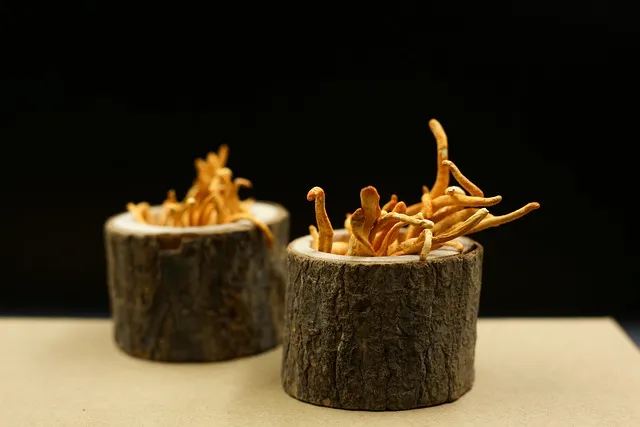
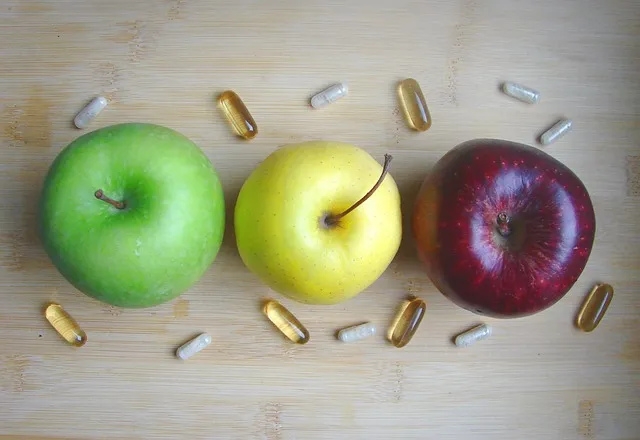
A critical quality distinction upfront: mushroom supplements vary enormously in bioactive content depending on whether they’re made from mycelium (the vegetative root-like structure) or fruiting bodies (the above-ground “mushroom” most people recognize). Most US-market supplements are made from mycelium grown on grain substrate, which carries significant starch from the grain and relatively low levels of the bioactive compounds found in fruiting bodies. Fruiting body extracts standardized for beta-glucan content represent the higher-quality standard. Not a minor distinction — some mycelium-based products contain negligible amounts of the compounds responsible for the attributed benefits.
Lion’s Mane: The Cognitive Fungus
Hericium erinaceus — lion’s mane — has attracted more scientific interest for cognitive applications than perhaps any other medicinal mushroom, and for good reason. It contains two classes of compounds found nowhere else in nature: hericenones (found in the fruiting body) and erinacines (found in the mycelium), both stimulating Nerve Growth Factor (NGF) synthesis in the brain.
NGF is a neurotrophin — a protein supporting the growth, maintenance, and survival of neurons. Critical for the health of cholinergic neurons in the basal forebrain, among the first neurons to degenerate in Alzheimer’s disease. The NGF-stimulating properties of lion’s mane are not a marginal effect — strong, replicated across multiple laboratory and animal studies, and now backed by meaningful human clinical data.
The most cited human trial: a 2009 double-blind, placebo-controlled study published in Phytotherapy Research (Mori et al.) found that 250mg of Yamabushitake (H. erinaceus) powder three times daily for 16 weeks produced significant improvements in cognitive function scores in Japanese adults with mild cognitive impairment. Importantly, the improvements reversed when supplementation stopped — suggesting the effect genuinely depended on continued NGF support rather than being a one-time intervention.
More recent research has explored lion’s mane’s role in neurogenesis (the birth of new neurons) and myelin synthesis. Erinacines in particular appear to promote remyelination in animal models — a finding with potential implications for conditions involving demyelination, though human evidence here remains preliminary.
Who benefits most: People experiencing cognitive decline, brain fog, early memory impairment, depression linked to low BDNF/NGF, and those seeking cognitive longevity support. Athletes and professionals seeking acute cognitive enhancement should note that lion’s mane works through neural tissue building — it’s not a stimulant and doesn’t produce immediately noticeable effects. Benefits accrue over 4-8 weeks of consistent use.
Dose and quality: Most clinical research uses 500mg-3000mg of fruiting body extract per day. For nootropic use, 1000-1500mg daily of a standardized fruiting body extract (look for >20% beta-glucans) is a reasonable starting point. Mycelium-based lion’s mane products are not equivalent — erinacines are mycelium-derived, but commercial mycelium-on-grain products often have insufficient erinacine content to produce clinical effects.
Reishi: The Immortality Mushroom’s Modern Science
Ganoderma lucidum has been called the “mushroom of immortality” in traditional Chinese medicine for over 2,000 years. Modern science has done something interesting: rather than debunking the traditional claims, it’s begun explaining the mechanisms behind them.
Reishi’s primary bioactives are its triterpene compounds (ganoderic acids) and its beta-glucan polysaccharides, working through distinct mechanisms. The beta-glucans modulate immune function — specifically, they exhibit immunomodulatory (bidirectional) rather than simply immunostimulatory effects, meaning they can upregulate immune response when it’s suppressed and normalize it when it’s overactive. That makes reishi pharmacologically distinct from immune “boosters” — more accurately described as an immune regulator.
The triterpenes are where reishi’s anti-inflammatory, anti-cancer, and sleep-promoting effects originate. Ganoderic acids inhibit histamine release, reduce inflammatory cytokines, and modulate the hypothalamic-pituitary-adrenal (HPA) axis — the system regulating the stress response. This HPA modulation is likely behind reishi’s consistently documented effects on stress perception and sleep quality.
A 2012 randomized controlled trial found that 1.44g/day of reishi polysaccharide extract for four weeks significantly reduced fatigue and improved quality of life in breast cancer patients. Multiple studies have documented improved sleep in adults taking reishi — not through sedative mechanisms (as a drug would work) but through what appears to be modulation of adenosine signaling and promotion of non-REM sleep architecture.
Who benefits most: People with high stress loads, impaired sleep quality, overactive immune responses (autoimmune tendencies, allergies), and those with cancer history seeking complementary immune support (always disclose to an oncologist). Reishi is also considered an adaptogen — a compound helping the body resist physical and psychological stressors — and fits well in protocols addressing chronic stress physiology.
Dose and quality: Clinical doses range from 1.5-9g of dried mushroom equivalent per day. For concentrated extracts, 1-2g of a dual-extract product (water and alcohol extraction captures both water-soluble beta-glucans and alcohol-soluble triterpenes) standardized for beta-glucan and triterpene content is optimal. Reishi is quite bitter — most people prefer capsules over powders here.
Chaga: The Antioxidant Powerhouse
- Caution: Chaga contains high levels of oxalates, which can contribute to kidney stone formation in susceptible individuals. Anyone with a history of kidney stones, kidney disease, or an already high-oxalate diet should approach chaga cautiously and discuss it with a physician. Not a trivial concern — case reports of kidney injury from excessive chaga consumption exist.
- Who benefits most: People seeking antioxidant and anti-inflammatory support, those with inflammatory conditions, and as a general longevity-oriented addition to a supplement stack. Chaga is commonly consumed as a tea (boiling the raw fungus extracts the water-soluble compounds effectively) or in extract form.
- Dose and quality: 500mg-2g per day of standardized extract is a common supplemental range. Foraging wild chaga from birch trees is popular but requires accurate identification — misidentification of mushrooms carries real risks, and chaga’s distinctive appearance is fortunately quite recognizable.
Inonotus obliquus — chaga — is technically a parasitic fungus growing on birch trees across Northern Europe, Russia, and North America. It looks like burnt charcoal (the black exterior is melanin, a potent antioxidant), and it holds the highest recorded ORAC (oxygen radical absorbance capacity) value of any natural substance — roughly 25,000-50,000 ORAC per 100g, compared to 3,000-4,000 for blueberries.
Chaga’s primary bioactives include melanins, betulinic acid (derived from the birch host tree), beta-glucans, polyphenols, and ergosterol. The melanin complex in chaga has unusually potent antioxidant, DNA-protective, and anti-radiation properties. Betulinic acid has demonstrated anti-cancer, anti-viral, and anti-inflammatory effects in laboratory studies.
The human clinical evidence for chaga runs thinner than for lion’s mane or reishi — most research is in vitro or animal-based. That said, the ethnobotanical record is long (particularly in Russia, where chaga tea has been a folk remedy for centuries), and the mechanistic basis for its anti-inflammatory and antioxidant effects is well established at the cellular level.
Cordyceps: Energy, Oxygen, and Athletic Performance
The primary active compound in cordyceps is cordycepin (3′-deoxyadenosine), an adenosine analogue influencing ATP synthesis, oxygen utilization, and potentially mitochondrial function. Additional bioactives include polysaccharides, sterols, and nucleosides. The traditional use of cordyceps for energy, stamina, and altitude performance has driven substantial research interest in athletic and metabolic contexts.
A 2010 randomized controlled trial found that 1000mg of Cs-4 cordyceps for 12 weeks improved VO2 max and ventilatory threshold in elderly subjects. A 2017 study using C. militaris found 1000mg twice daily improved VO2 max by 11% compared to placebo in healthy young adults after three weeks. The mechanism appears to involve enhanced oxygen utilization at the cellular level — possibly through effects on mitochondrial biogenesis and ATP production efficiency.
Cordyceps also has documented effects on testosterone levels in animal models and some human case studies, and gets marketed frequently for male hormone support. The human evidence for direct testosterone effects is thin, but the energy and performance data is reasonably solid for an herbal supplement category.
Who benefits most: Athletes seeking performance and recovery support, older adults with declining energy and VO2 max, and anyone with exercise-related fatigue or reduced capacity. Cordyceps is not a stimulant — effects develop over 2-4 weeks of consistent use.
Dose and quality: 1000-3000mg per day of C. militaris extract. Wild C. sinensis products are extraordinarily expensive and frequently adulterated — cultivated C. militaris is the practical and often better-studied alternative for supplemental use. Look for products standardized for cordycepin content.
Turkey Tail: The Immune Ally
Trametes versicolor — turkey tail, named for its concentric colorful banding resembling a wild turkey’s tail — is one of the most extensively researched medicinal mushrooms in the world, largely because it’s the source of two polysaccharide compounds developed into pharmaceutical drugs in Japan and China: PSK (polysaccharide krestin) and PSP (polysaccharide peptide).
PSK in particular has been studied extensively as an adjuvant in cancer treatment. Meta-analyses of randomized controlled trials involving thousands of patients have shown that PSK supplementation alongside conventional cancer treatment significantly improves survival outcomes in gastric and colorectal cancer. Not alternative medicine — PSK is a prescription pharmaceutical in Japan with decades of clinical use and a solid evidence base.
Beyond cancer adjuvancy, turkey tail’s beta-glucans and PSK/PSP have demonstrated potent immunomodulatory effects: enhanced NK cell activity, improved T-cell ratios, reduced inflammatory cytokines, and, interestingly, a well-documented prebiotic effect on the gut microbiome. A 2014 study by Pallav et al. showed that four weeks of turkey tail supplementation significantly increased populations of beneficial Lactobacillus and Bifidobacterium species while reducing potentially harmful bacteria — making turkey tail one of the few supplements with demonstrated effects at both the immune and microbiome level simultaneously.
Who benefits most: Anyone seeking immune system support, people recovering from illness, individuals undergoing cancer treatment (with physician coordination), and those with gut dysbiosis or wanting microbiome-supportive supplementation.
Dose and quality: 1-3g per day of standardized extract in clinical studies. Turkey tail grows widely across North America and Europe and is one of the easier medicinal mushrooms to forage safely (its distinctive fan-shaped, colorfully banded appearance is recognizable, though look-alike species exist — proper identification matters). Quality supplements should specify PSK/PSP content or beta-glucan percentage.
The Mushroom Selection Protocol
- Cognitive function and neuroprotection → Lion’s Mane
- Stress adaptation and sleep quality → Reishi
- Athletic performance and energy → Cordyceps
- Antioxidant and anti-inflammatory support → Chaga
- Immune system support and microbiome health → Turkey Tail
Given five distinct species with different mechanisms and applications, the question becomes: which one, in what combination, for what goal? This protocol provides a structured decision framework.
Step 1 — Define your primary objective.
Medicinal mushrooms work best selected for a specific functional objective rather than taken as an undifferentiated “mushroom blend.” Identify the top one or two goals from this list:
Step 2 — Select quality products.
For each chosen species, verify: (a) fruiting body extract, not mycelium-on-grain; (b) third-party tested for heavy metals (mushrooms bioaccumulate heavy metals from substrate, so source quality matters significantly); (c) beta-glucan content specified on the label (minimum 25-30% for quality products); (d) no fillers or proprietary blends obscuring actual mushroom content.
Brands that consistently meet these criteria include Real Mushrooms, Nammex, and Paul Stamets’ Host Defense (though Host Defense uses mycelium — he argues for mycelium bioactivity, but the beta-glucan content difference is real). The cost gap between high-quality fruiting body products and cheap mycelium-on-grain products is significant — budget $40-80/month for a quality single species supplement.
Step 3 — Implementation timeline.
Start with one species for 60-90 days before adding another. Mushroom compounds aren’t immediately noticeable in most cases — they work through tissue-building and immune-modulating mechanisms that take weeks to accumulate. Starting with one species allows the response to be isolated and changes attributed appropriately. A common second layer: most people who start with lion’s mane (for cognitive function) add reishi (for sleep and stress) at 60 days, since the two address different systems and work synergistically.
Step 4 — Stack construction for specific goals.
A performance stack: Cordyceps + Lion’s Mane. Cordyceps improves oxygen utilization and energy production; lion’s mane supports the cognitive aspects of performance and recovery-related neural adaptation. An immune/longevity stack: Turkey Tail + Reishi + Chaga. Turkey tail addresses active immune modulation and microbiome health; reishi provides stress adaptation and anti-inflammatory support; chaga contributes antioxidant depth. A cognitive longevity stack: Lion’s Mane + Reishi. This addresses both NGF/neurogenesis stimulation and the sleep quality that memory consolidation requires.
Quality, Safety, and What to Watch For
The medicinal mushroom supplement market has quality control problems worth understanding before spending money.
- Heavy metal contamination. Mushrooms bioaccumulate heavy metals from their substrate with unusual efficiency. Growing on clean substrate with certified heavy metal testing is essential. Consumer Labs and independent testing organizations have found elevated lead, arsenic, and cadmium in some mushroom products. Buy from brands that publish certificate of analysis (COA) documents from independent labs.
- Mislabeled species. Genetic testing of commercial mushroom supplements has found occasional species substitution — particularly common in chaga products, where look-alike species or substandard preparations get passed off as genuine I. obliquus. Working with established brands that specify fruiting body source origin mitigates this risk.
- Drug interactions. Reishi has mild anticoagulant properties and may enhance blood-thinning medications. Turkey tail can affect immune function and should be used cautiously alongside immunosuppressant drugs. Lion’s mane is considered very safe with minimal known interactions. Cordyceps may interact with anticoagulants (theoretical concern). Disclose all supplements to prescribing physicians.
- Timing for different species. Lion’s mane and cordyceps are generally better taken in the morning (mildly activating effects). Reishi is better taken in the evening (its sleep-promoting and parasympathetic effects are more useful before bed). Turkey tail and chaga can be taken any time.
FAQ: Medicinal Mushrooms
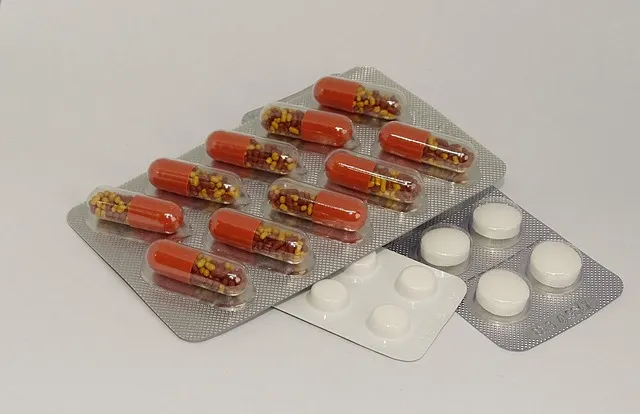
For the five species covered here, yes — the long history of traditional use combined with modern safety studies supports daily long-term use. Reishi has been used daily for centuries in traditional Chinese medicine practice. Lion’s mane, cordyceps, and turkey tail have good safety profiles in human trials up to 12 months. The primary caveats are heavy metal contamination risk (quality matters) and specific interactions for people on anticoagulants or immunosuppressants.
Can I get these benefits from eating culinary mushrooms?
Some, yes. Shiitake, maitake, and oyster mushrooms have immunomodulatory beta-glucans and are genuinely health-supportive foods. But the specific bioactives responsible for the therapeutic effects described here — hericenones and erinacines in lion’s mane, ganoderic acids in reishi, cordycepin in cordyceps — are either absent or present at much lower concentrations in culinary mushroom varieties. Food form is supportive but insufficient for clinical applications.
How long until I notice effects?
Lion’s mane cognitive effects typically appear at 4-8 weeks of consistent use. Reishi sleep effects often appear within 1-2 weeks. Cordyceps energy effects develop over 2-4 weeks. Turkey tail immune effects are less subjectively noticeable but objectively measurable in immune markers over 4-6 weeks. Chaga antioxidant effects are the least perceptible directly. Patience is required — these work through tissue-building mechanisms, not acute pharmacological action.
What about the “mushroom coffee” products?
Products like Four Sigmatic, which blend lion’s mane or chaga with instant coffee, contain real mushroom extracts — but doses typically run 200-500mg per serving, at or below the lower threshold of clinical evidence for most applications. Reasonable additions to coffee for general wellness, but not expected to produce the clinical effects seen in studies using 1000-3000mg doses. Gateway products that introduce people to medicinal mushrooms, which has value, but not a substitute for therapeutic dosing.
Is there research on combining multiple mushroom species?
Limited but growing. Most combination products use proprietary blends with undisclosed individual species content, making it impossible to evaluate whether each species is present at a dose with evidence behind it. Well-formulated stacks with disclosed individual species dosing are preferable. The theoretical synergies between species (lion’s mane + reishi for cognitive-sleep optimization, turkey tail + cordyceps for performance-immune support) have reasonable mechanistic rationale, though human trial data for specific combinations remains sparse.
Sixty days after starting his mushroom protocol, Daniel’s list included: meaningfully better sleep quality, sharper morning focus without caffeine dependence, faster recovery from training sessions, and a general sense that his immune system had stopped betraying him every time the office had a cold. He couldn’t attribute any single change to any single mushroom with certainty — the stack included lion’s mane and reishi simultaneously, and he’d also improved his sleep habits that month. That’s the nature of lifestyle medicine: isolating variables is nearly impossible. But the direction of change was unmistakable. And when he read the research behind what he’d been taking — the Mori 2009 trial on lion’s mane cognition, the PSK cancer adjuvancy data on turkey tail, the VO2 max studies on cordyceps — he stopped thinking of it as alternative medicine and started thinking of it as biology he’d been ignoring. The ancient practitioners who called reishi the immortality mushroom didn’t have mechanistic biology. They had observations across generations. The modern research is just catching up to what they noticed.
The Science Behind Beta-Glucans: Why They Work
Understanding why mushrooms modulate immunity so effectively requires understanding beta-glucans — the class of polysaccharide molecules that’s the primary immunologically active component across most medicinal species. Beta-glucans aren’t unique to mushrooms; they also appear in oats, barley, and yeast. But fungal beta-glucans — specifically the 1,3/1,6-linked structure — are particularly potent immunomodulators because of how they interact with specific human receptors.
The primary receptor is Dectin-1, a pattern recognition receptor expressed on macrophages, dendritic cells, neutrophils, and natural killer cells. Dectin-1 evolved to recognize fungal cell walls as a pathogen alert system — binding beta-glucans activates a cascade of innate immune responses including phagocytosis, cytokine secretion, and oxidative burst. This is the immune system treating the mushroom polysaccharide as a training stimulus — getting activated in preparation for a pathogen that, in this case, isn’t actually coming.
The result is what immunologists call “trained immunity” — a state of enhanced immune readiness where the innate immune system maintains a lower activation threshold and produces faster, more strong responses when actual pathogens are encountered. Different from vaccination (which produces antigen-specific adaptive memory) — a broader, non-specific enhancement of innate immune competence.
Beta-glucans also activate complement proteins and stimulate macrophage secretion of tumor necrosis factor (TNF), interleukins, and interferon gamma — all components of both antimicrobial and anti-tumor immune responses. The dual role of beta-glucans in supporting both infectious disease defense and cancer surveillance is likely why turkey tail and other beta-glucan-rich mushrooms show efficacy in both contexts.
Understanding this mechanism changes how mushroom supplementation should be thought about. It’s not vague “immune boosting” — it’s a specific molecular interaction with a well-characterized receptor producing measurable downstream immune effects. The science is real, the mechanism established, and the clinical outcomes in cancer adjuvancy trials are not placebo effects. Beta-glucans are among the more pharmacologically interesting natural compounds in the supplement landscape.
Adaptogens and the Stress Axis Connection
Several medicinal mushrooms — reishi and cordyceps in particular — qualify as adaptogens: natural compounds that help the body resist physical and psychological stressors by modulating the hypothalamic-pituitary-adrenal (HPA) axis and sympathetic nervous system response.
The adaptogen concept was formalized by Soviet pharmacologist Nikolai Lazarev in the 1940s, and the word has since been diluted by marketing abuse. But the core concept remains scientifically valid: certain natural compounds demonstrably reduce cortisol response to stressors, normalize HPA axis reactivity, and improve biological resilience across multiple stress modalities without the side effects of pharmaceutical interventions.
Reishi triterpenes have been shown to reduce corticosterone (the rodent equivalent of cortisol) levels in stressed animals, reduce hippocampal damage from chronic stress, and normalize sleep disrupted by psychological stress. Cordyceps has been shown to improve stress tolerance in athletes — not just by improving cardiovascular capacity, but by modulating adrenal stress hormone responses to maximal exertion.
For the chronically stressed modern professional — running on adrenaline, sleeping inadequately, with HPA axis dysregulation manifesting as exhausted-but-wired insomnia — reishi in particular addresses the underlying neuroendocrine dysfunction rather than just treating symptoms. This is why it pairs so well with lion’s mane: while lion’s mane builds the structural substrate of cognitive function (NGF, neurogenesis), reishi addresses the stress physiology actively degrading it.
The adaptogenic framing is also why medicinal mushrooms fit well into a broader health protocol that includes sleep optimization, exercise, and stress management rather than replacing those fundamentals. An adaptogen amplifies resilience; it doesn’t create resilience from nothing.
Practical Preparation and Bioavailability Considerations
One question that comes up often in mushroom supplementation discussions: is powder or extract better? And does how it’s taken matter?
Whole mushroom powders (dried and ground fruiting bodies) retain the full spectrum of bioactive compounds but have lower bioavailability than extracts, because many of the compounds are locked within chitin — the structural polysaccharide of fungal cell walls that human digestive enzymes can’t break down efficiently. Hot water extraction and alcohol extraction both break chitin bonds and release bioactives for absorption.
Dual-extraction products — made with both hot water and alcohol — capture both water-soluble polysaccharides (beta-glucans) and alcohol-soluble compounds (triterpenes in reishi, ergosterol, etc.). For reishi specifically, dual extraction matters because ganoderic acids aren’t water-soluble and will be absent from water-extract-only products. For lion’s mane, hot water extraction is sufficient for most bioactives, though alcohol extraction captures additional compounds.
Taking mushroom supplements with food is generally recommended — not for absorption reasons but because mushroom polysaccharides can cause mild gastric discomfort on an empty stomach in some people. Reishi specifically has a bitter taste many find unpleasant; capsule form sidesteps this issue. Cordyceps and lion’s mane mix reasonably well in smoothies or coffee for those who prefer powder form.
Storage matters too: mushroom extracts are relatively stable but should be kept dry and away from direct light. Some compounds — particularly those in lion’s mane — are heat-sensitive at cooking temperatures, which is why using them as a food additive in hot dishes is less effective than supplemental form for therapeutic intent.
The history of medicinal mushrooms is essentially the history of empirical medicine — centuries of clinical observation by practitioners who noted what worked before anyone understood why. The modern science is satisfying not because it vindicates tradition (though it does, in several cases) but because it reveals mechanisms elegant enough to demand respect. An organism that evolved to survive harsh environments, build complex mycelial networks, and interact with soil ecosystems developed biochemistry that happens to interface powerfully with human immune, nervous, and metabolic systems. The fungal kingdom is the largest, least-studied pharmacological library on earth. Barely the first volume has been opened.
Sourcing, Sustainability, and Environmental Considerations
For anyone inclined toward the environmental context of their supplement choices, medicinal mushrooms present an interesting picture. Commercially cultivated medicinal mushrooms — the source of most quality supplements — are among the more sustainably produced functional food ingredients available. Fungal cultivation requires minimal land, can use agricultural byproducts as substrate, consumes far less water than livestock production, and produces minimal waste. Spent mushroom substrate is an effective compost amendment.
Wild harvesting presents different considerations. Chaga, which grows slowly on birch trees and requires 15-20 years to develop significant bioactive concentration, has been overharvested in some regions due to rising demand. Responsible wild-harvest chaga certification programs exist, but verification is difficult. Wild Cordyceps sinensis from Tibet remains genuinely endangered due to overharvesting pressure — the cultivated C. militaris alternative is environmentally preferable for most applications.
Supporting brands that transparently source from certified organic farms with clean substrate protocols is both a quality decision and an environmental one. The same quality audit that protects against heavy metal contamination also tends to select for more responsible production practices. Follow the verification, and the environmental piece follows naturally.
For anyone interested in deeper engagement with the fungal kingdom beyond supplementation: growing medicinal mushrooms at home is increasingly accessible. Lion’s mane, turkey tail, and reishi can be grown on supplemented hardwood sawdust substrate at home with kits available from multiple suppliers. The experience of cultivating your own medicine — watching the fruiting bodies emerge from substrate — changes the relationship to what’s being taken in a way that buying capsules doesn’t. Paul Stamets’ work popularizing home cultivation has made this more accessible than ever.
Whether grown at home, foraged carefully, or purchased as high-quality extracts, engaging with this category of supplement through knowledge rather than marketing-driven guesswork is the foundation of getting real benefit from it. The mushroom selection protocol provides that framework. Apply it deliberately, track results, let the biology do the rest.
The five species covered here — lion’s mane, reishi, chaga, cordyceps, turkey tail — represent the best-studied and most clinically supported members of a much larger pharmacological family. As the research base expands, species like shiitake (lentinan), maitake (D-fraction), and Agarikon (antiviral properties) are accumulating evidence for therapeutic applications. The field is growing quickly. Staying informed means paying attention to fruiting-body, extraction-method quality standards and watching for new human clinical trial data — not mushroom influencer marketing. The underlying biology rewards that discernment consistently.
Start with one. Define the goal clearly. Choose a fruiting-body extract with third-party testing. Give it ninety days. Then evaluate whether what showed up matches the mechanistic expectation. Not a complicated protocol. Just science applied to supplementation — which is rarer than it should be in this category, and exactly what separates people who get real results from medicinal mushrooms from those who buy expensive mycelium grain powder and wonder why nothing happened.
Daniel’s protocol worked not because mushrooms are magic, but because he chose the right species for his specific problems, sourced quality products with verified bioactive content, gave them adequate time to work, and implemented them alongside — not instead of — the sleep, training, and stress management habits that create the physiological soil where supplementation actually takes root. That’s the formula. Less exciting than a miracle cure. Also the only thing that actually works.
Two thousand years of empirical observation by some of the most sophisticated medical traditions in human history. One hundred and sixty published human clinical trials in the last two decades. A molecular biology that explains what practitioners noticed before they had the tools to look at cells. This isn’t alternative medicine anymore. It’s just medicine that the mainstream pharmaceutical industry has no economic interest in funding because nobody can patent a mushroom. Not a conspiracy — just how research incentives work. It means the evidence base is thinner than it should be, not that the evidence doesn’t exist.
Know the difference, apply the protocol, and make the fungal kingdom work.
The Mushroom Selection Protocol is not complicated. It requires doing three things well: define the problem clearly, match the species to the mechanism, and source quality without compromise. Do those three things and the result is ahead of ninety percent of mushroom supplement buyers who pick a product based on a podcast mention without reading a single study. The fungi will do the rest. They’ve been doing it for millennia — very good at their job, all things considered.
The Practical Framework: Applying Mushroom Supplements Which Species In Real Life
References
Editorial StandardsCorrectionsMedical DisclaimerAbout Our ContentAffiliate DisclosureSite Map