
Carlos had his first panic attack in a grocery store at 33. Standing in the cereal aisle when it hit — the racing heart, the tunnel vision, the absolute conviction he was dying. He wasn’t. It was an anxiety episode, driven by the same autonomic dysregulation affecting roughly 18% of the adult population. He saw his doctor, got an SSRI prescription. It helped, somewhat. He stopped after 8 months — the side effects outweighed the benefit. The panic attacks came back, milder but persistent. He read everything he could get his hands on about anxiety management. Tried therapy — helped with the cognitive patterns, not the physiological ones. Tried exercise — helped a lot, actually, but didn’t solve it. Then he found breathing.
Not as a vague concept. Not “breathing is good for you.” A specific set of protocols with specific physiological mechanisms, aimed at the specific systems that produce anxiety in the first place. Within three months of consistent practice, Carlos’s panic attacks had essentially stopped. His SSRI was discontinued, under medical supervision. His own words: “I finally found the right tool for the right problem.”
Anxiety is a physiological event before it’s ever a psychological one. Heart accelerates. Breathing goes rapid and shallow. Cortisol floods the bloodstream. The amygdala fires. The prefrontal cortex goes offline. Only after all that does the catastrophic thinking show up — the “what if I’m dying,” the “something’s wrong with me” narrative a cognitive therapist would work on. Treating anxiety purely at the cognitive level is a bit like fighting a house fire with ceiling fans. Might help a little. Doesn’t touch the source of the heat.
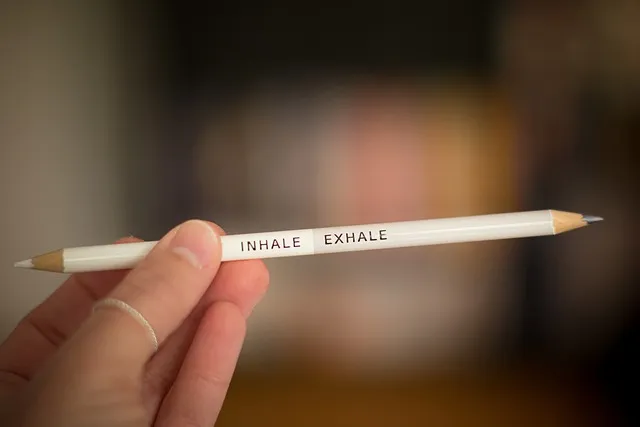
The Physiology of Anxiety: What’s Actually Happening
Before treating anxiety with breathing, it helps to know precisely what anxiety is at the physiological level — not a psychological state, but a chain of bodily events that the psychological experience grows out of.
Anxiety starts with amygdala activation. The amygdala, the brain’s threat-detection system, processes incoming sensory and cognitive information and flags perceived threats before conscious awareness gets a chance to weigh in. Once flagged, it fires two parallel systems: the sympathoadrenal system (direct activation of the adrenal medulla, releasing adrenaline within seconds) and the HPA axis (hypothalamus, pituitary, adrenal cortex — releasing cortisol over minutes to hours). Together, these produce the physiological signature of anxiety.
The sympathoadrenal surge produces: elevated heart rate (50-70% jumps aren’t unusual in acute anxiety), faster respiration (breathing often speeds up before someone’s even consciously aware they’re anxious — the breathing change frequently comes first), peripheral vasoconstriction (blood pulled from extremities toward the big muscles), higher blood pressure, dilated pupils, and suppressed digestion. Cortisol adds on top: elevated blood glucose, immune suppression if activation runs long, stronger consolidation of fear memories (cortisol enhances emotional memory encoding), and the lingering “background hum” of anxiety that outlasts the acute event itself.
The breathing shift in anxiety matters especially because it creates a self-reinforcing loop. Anxiety causes faster, shallower breathing. Faster, shallower breathing drops CO2 — and low CO2 produces symptoms (tingling, dizziness, chest tightness) that get read as threatening, which triggers more anxiety, which causes more hyperventilation. That’s the panic spiral: anxiety, hyperventilation, physical symptoms, more anxiety, more hyperventilation. The spiral can take someone from mild worry to full panic attack in under two minutes with zero external provocation.
Breathing interventions interrupt this spiral right at its physiological core. The extended exhale activates the vagus nerve, which directly inhibits amygdala activity and slows the sympathetic response. Slowed breathing normalizes CO2, removing the physical symptom that was feeding the spiral in the first place. And the structured attention to breath gives the mind a cognitive anchor that displaces catastrophic thinking. Three mechanisms, firing at once, through a single intervention. This is why breathing works for anxiety when nothing else moves fast enough.
The Vagus Nerve: The Hardware of Anxiety Reversal
The vagus nerve is the main neural pathway through which breathing pulls off its anxiety-reducing effects. Understanding this pathway explains not just why extended exhalation works, but why it works faster than any other voluntary intervention available.
The vagus nerve (cranial nerve X) is the longest and most complicated of the cranial nerves — running from the brainstem, through the neck, into the thorax and abdomen, touching the heart, lungs, stomach, intestines, liver. About 80% of its fibers are afferent, carrying sensory information back up to the brain, which makes it less a command cable and more a reporting system with some feedback control built in.
The pulmonary branch of the vagus carries the Hering-Breuer reflex afferents — stretch receptors in the lungs that fire during inflation and send signals to the brainstem via the vagus. Those signals inhibit further inhalation (stopping over-inflation) and kick off the parasympathetic response that slows heart rate. The bigger the lung inflation and the longer the exhale, the more sustained the vagal activation.
In anxiety, heart rate climbs and breathing goes shallow — which reduces vagal stretch receptor activation. Less vagal input to the brainstem means a weaker parasympathetic brake on heart rate, letting the sympathetic surge dominate unchecked. Deep breathing, particularly an extended exhale, restores that stretch receptor activation, reapplies the brake, and drops heart rate within the span of a single breath. Not theoretical — you can watch it happen in real time on a heart rate monitor. Heart rate visibly drops during a controlled extended exhale, bottoms out right at the end of the exhale, and climbs again on the inhale. That’s respiratory sinus arrhythmia, plain as day in the data.
Vagal tone — the vagus nerve’s baseline modulatory strength — isn’t fixed. It’s trainable, the same way cardiovascular fitness is trainable. Consistent daily breathing practice builds vagal tone over weeks and months, producing progressively stronger parasympathetic capacity and progressively better resistance to anxiety. The daily practice isn’t just managing anxiety in the moment. It’s building the physiological capacity to resist anxiety forming at all.
The Research Foundation: What the Evidence Shows
The evidence base for breathing-based anxiety management is substantial and growing, though it suffers from the same heterogeneity that plagues most behavioral intervention research. Different studies, different techniques, different durations, different populations, different outcome measures — meta-analyses get messy fast. But within specific technique categories, the evidence holds up consistently and matters clinically.
A 2017 study by Ma and colleagues in Frontiers in Psychology looked at diaphragmatic breathing training’s effect on cortisol and attention in adults with generalized anxiety. Participants who ran 20 sessions of diaphragmatic breathing over 8 weeks showed significantly lower salivary cortisol and significantly better performance on sustained attention tasks versus controls. The cortisol drop was substantial — roughly 30% lower in the trained group — suggesting real HPA axis downregulation, not just a momentary autonomic blip.
For coherent breathing specifically (5-6 breaths per minute, the technique with the strongest HRV evidence behind it), a 2013 study by Lehrer and colleagues examined HRV biofeedback training — which operates through the same 5-6 breath/minute mechanism — in anxiety disorder patients. Twelve weeks of training produced significant improvements in anxiety severity, depression, and quality of life, and the size of the HRV increase correlated directly with the size of the anxiety reduction — pretty direct evidence that HRV is the active ingredient here.
For 4-7-8 and other extended-exhale techniques broadly, the evidence leans mechanistic (the extended exhale activates vagal parasympathetic response — well established) and observational (widespread, consistent clinical reports of anxiety reduction) rather than rigorously controlled trial data. The mechanism is solid. The specific clinical trial evidence for 4-7-8 by name is thinner than what exists for coherent breathing.
“Slow diaphragmatic breathing reduced plasma cortisol and attentional disturbances. These results are consistent with the hypothesis that breathing training can modulate the HPA axis and attentional systems involved in anxiety.” — Ma X et al., Frontiers in Psychology, 2017
The Anti-Anxiety Breathing Stack: The Four-Layer Protocol
The Anti-Anxiety Breathing Stack is organized by time scale, running from acute panic (seconds to minutes) through chronic baseline dysregulation (weeks to months). Each layer targets a different temporal dimension of anxiety with the tool best suited to that time scale.
Layer 1: Acute Panic (0-60 seconds) — Physiological Sigh
The moment panic starts escalating, run one to three physiological sighs: double inhale through the nose, extended exhale through the mouth. Fastest intervention available, and it needs essentially no cognitive overhead — works even after anxiety has already knocked out prefrontal function. As the physiological sigh article covers, the Stanford research found this technique beat every alternative for acute stress reduction, with effects showing up in one to two cycles.
Implementation: memorize the pattern — two quick nasal inhales, one long mouth exhale — until it’s automatic. Practice it daily in low-stress settings so it’s already there when high-stress ones arrive. Deploy it at the first physical signal of escalating anxiety — the tightening chest, the quickening heart — not after the full panic response has already taken over.
Layer 2: Acute to Sub-Acute Anxiety (1-10 minutes) — 4-7-8 Breathing
Once the physiological sigh has interrupted the acute spike, 4-7-8 breathing sustains and deepens the parasympathetic activation. The long exhale (8 counts) drives maximal vagal activation, and the extended inhale hold (7 counts) creates mild CO2 normalization through the breath-hold mechanism itself. Particularly useful for anxiety showing up with physical symptoms — racing heart, trembling — that the body needs time to actually resolve.
Technique: inhale through the nose for 4 counts, hold for 7, exhale through the mouth for 8. Tempo should feel comfortable, roughly a second per count. 4-6 cycles. Can run longer if it’s helping — each cycle adds more anxiety reduction through cumulative vagal activation.
Layer 3: Sustained Anxiety Management (10-20 minutes) — Box Breathing
For anxiety that’s persistent rather than acute — the ongoing hum of work stress, social anxiety, generalized worry — box breathing offers a structured 10-20 minute session that systematically restores autonomic balance. The 4-4-4-4 pattern gives equal-ratio breathing with breath holds that normalize CO2, calm the erratic breathing that comes with anxiety, and provide a cognitive anchor through the counting that interrupts rumination.
The 10-20 minute session should be done seated or lying down, ideally at a consistent time — morning or after work — for whichever part of the day its anxiety-reducing effects would matter most.
Layer 4: Baseline Rebuilding (Daily, Long-term) — Coherent Breathing
Coherent breathing at 5.5 breaths per minute, practiced 10-20 minutes daily, is the foundational long-term intervention here. It’s the only layer that addresses not just the current anxiety episode but the underlying autonomic dysregulation that makes those episodes likely in the first place. Building HRV and vagal tone over weeks and months raises the threshold for the anxiety response to fire — the same stressors that used to reliably trigger anxiety become sub-threshold. Anxiety doesn’t vanish. The system just stops being so hair-trigger.
The HRV response to coherent breathing practice is the measurable marker of this longer change. A rising morning HRV score, tracked on a wearable, is objective confirmation that the daily practice is building anxiety resistance from the ground up. Most people see meaningful HRV improvement within 4-6 weeks of consistent daily practice.
Extended Exhale: The Core Principle Across All Techniques

Not a coincidence. It reflects the basic asymmetry of respiratory sinus arrhythmia — heart rate rises on inhalation (sympathetic) and falls on exhalation (parasympathetic). Any breathing pattern that emphasizes or extends the exhale relative to the inhale nets parasympathetic activation. Any pattern that emphasizes the inhale, or that keeps breathing rate high enough to prevent a full exhale, nets sympathetic activation instead.
Practically, this means anyone can self-regulate anxiety without memorizing a single named technique, just by making the exhale slower, longer, and more controlled than the inhale, in whatever breathing pattern feels natural. The specific techniques give you optimized ratios and structure. But the underlying principle — extend the exhale — is available to anyone, anywhere, with no training beyond understanding why it works.
Breathing and Panic Attacks: Breaking the Cycle Permanently
For people who experience panic attacks specifically, as distinct from generalized anxiety, the breathing approach has a few additional wrinkles worth knowing.
Panic attacks involve a specific catastrophic amplification of ordinary anxiety symptoms: the racing heart reads as a heart attack, chest tightness as suffocation, dizziness as a stroke or brain dysfunction. This interpretive catastrophizing turns plain physiological symptoms of sympathetic activation into existential terror, which then drives the physiological symptoms even higher. Psychological and physiological levels of panic are deeply tangled together.
Breathing works at the physiological level without requiring any cognitive intervention — its specific edge over purely cognitive approaches to panic. But the most powerful combination for panic attack management pairs breathing techniques with interoceptive exposure: deliberately inducing panic’s physical sensations (breath holding, spinning, exercise to spike heart rate temporarily) in a controlled, safe setting, then using the physiological sigh and 4-7-8 breathing to manage them. This trains physiological regulation (breathing calms the symptoms) and cognitive appraisal (the symptoms are manageable, not catastrophic) at the same time.
Daily coherent breathing practice, sustained for 3-6 months, addresses the baseline autonomic dysregulation that makes panic attacks likely in the first place. Most people who stick with a consistent daily coherent breathing practice report a dramatic drop in panic attack frequency — not because they’ve argued themselves out of fear, but because the nervous system’s baseline has shifted enough that it now takes a bigger provocation to reach the panic threshold. The same physiological event (a racing heart in a meeting) that used to trigger a full panic attack now stays below threshold. The body calms down. The mind follows.
The Role of CO2 in Anxiety: Why Less Breathing Means Less Anxiety
The CO2 tolerance article in this series covers the physiological details of CO2’s role in respiratory regulation. For anxiety specifically, the key point is this: low CO2, from chronic overbreathing, directly raises neuronal excitability in the brain and sensitizes both the brainstem chemoreceptors and the CO2-sensing cells in the amygdala that run hypersensitive in panic disorder patients.
Building CO2 tolerance through the training methods already described — BOLT test, breath hold walks, slow breathing — is the most direct physiological intervention for the anxiety-specific CO2 hypersensitivity mechanism. The physiological sigh and extended exhale techniques give immediate relief. CO2 tolerance training gives long-term recalibration. Both are needed for the full approach — acute tools manage day-to-day anxiety while CO2 tolerance training recalibrates the system generating the anxiety to begin with.
A lot of people who complete 8-12 weeks of CO2 tolerance training report their acute breathing techniques becoming less necessary — not because they stopped using them, but because the situations that used to require them are now manageable without any intervention at all. The anxiety response has been downregulated at the root. The tools are still there. They’re just needed less often.
FAQ: Breathing for Anxiety
Can breathing exercises replace anxiety medication?
For mild to moderate anxiety, consistent breathing practice — particularly daily coherent breathing plus acute technique training — can produce anxiety reductions comparable to low-dose anxiolytic or antidepressant medication, minus the side effects, with lasting physiological adaptation to show for it. Any transition off medication should always be supervised medically, never undertaken unilaterally. For severe anxiety disorders, panic disorder, or anxiety with significant comorbidities, breathing practice is a valuable adjunct to appropriate treatment, not a replacement for it. Carlos’s medication discontinuation happened under physician oversight, over several months of practice — not overnight, and not on his own.
Why does taking a “deep breath” not always help anxiety?
Because “take a deep breath” in practice usually means “take a large, rapid breath through the mouth” — which is basically a brief hyperventilation that drops CO2 and offers temporary relief right before the CO2 crash makes anxiety worse. The correct instruction is “take a slow, controlled breath through the nose with a long exhale,” which is the physiologically correct move. The popular advice isn’t wrong in principle. It’s wrong in execution. Depth without slowness and without an extended exhale just doesn’t produce the physiological effect people are after.
How long should I breathe during a panic attack?
Start with 1-3 physiological sighs, 30-90 seconds. If acute symptoms are still intense, move to 4-6 cycles of 4-7-8 breathing, roughly 3-4 minutes. Still present after that, keep going with box breathing as long as it takes. Total time from onset to significant symptom reduction runs typically 5-10 minutes with the full stack — compared to the 20-40 minutes a lot of untreated panic attacks otherwise run.
Is it possible to breathe “too slowly” and hurt yourself?
At the rates used in these techniques — 4-6 breaths per minute, minimum — no. The body’s own respiratory regulation overrides any voluntary attempt to breathe too slowly; CO2 buildup triggers an involuntary breath before real harm can happen. Breath holds pushed to maximum in Wim Hof-style or extreme sports training carry more risk, but the anxiety management techniques here don’t come close to those thresholds. Normal anxiety management breathing is entirely safe.
My anxiety is worse in the morning. Should I do my breathing practice when I wake up?
Yes. Morning anxiety is often driven by the cortisol awakening response — the natural cortisol surge in the first 30-45 minutes after waking. People with anxiety disorders and dysregulated HPA axes frequently have exaggerated cortisol awakening responses, which means worse morning anxiety. Ten minutes of coherent breathing right on waking directly counters that cortisol surge by activating the parasympathetic system at the exact peak of the response. Plenty of people with morning anxiety find this one intervention — ten minutes of slow nasal breathing before getting out of bed — makes a substantial difference in how the morning goes.
Does breathing for anxiety work if I don’t believe in it?
Yes. The mechanisms — vagal activation from extended exhale, CO2 normalization from slow breathing, HRV improvement from coherent breathing — operate regardless of belief. The autonomic nervous system doesn’t need your conviction to respond to exhale-dominant breathing. It responds because of physical laws, not psychological ones. Skepticism about breathwork isn’t an obstacle to the physiology working. It’s an obstacle to actually doing the practice consistently. The practice itself doesn’t care what you think about it. Do it consistently and the physiology responds consistently.
I’ve tried breathing exercises before and they didn’t work. Why would this be different?
The most common reason breathing exercises fail is technique error: breathing too fast (which negates the slow-breathing mechanism entirely), breathing through the mouth (which blocks nasal NO production and the resistance benefits), not extending the exhale enough (the key mechanism lives in the exhale), and inconsistent practice (the long-term HRV benefits need daily practice over weeks, not occasional sessions). Second most common reason: deploying techniques at peak panic instead of catching the escalation early. The Anti-Anxiety Breathing Stack addresses all of it — specific techniques, specific ratios, specific timing, a daily practice layer. If a previous breathing exercise didn’t work, the likeliest explanation is the technique, the timing, or the consistency was off. Not that breathing doesn’t work for anxiety.
Nasal Breathing and Anxiety: The Overlooked Foundation

Nasal breathing produces nitric oxide (NO) in the nasal passages and sinuses. NO is a vasodilator — it relaxes smooth muscle in blood vessel walls, widening them and improving oxygen delivery all over the body, brain included. That same NO also carries antiviral and antimicrobial properties. But for anxiety specifically, what matters most is the improved oxygen delivery to prefrontal cortical areas and the mild hypercapnic effect of nasal airway resistance (the nose creates more resistance than the mouth, which slows breath rate and nudges CO2 up slightly).
Mouth breathing — especially the habitual, default kind a lot of people slide into after years of chronic congestion or poor posture — bypasses every one of those benefits. It allows faster breathing, kills NO production, and typically produces the rapid, shallow, chest-dominant pattern that’s both a symptom and a driver of anxiety at once. Research by James Nestor, gathered in his investigation of breathing science, documented that switching habitual mouth breathers to nasal-only breathing produced measurable gains in sleep quality, blood pressure, and reported anxiety — without touching technique at all.
The practical takeaway: before worrying about coherent breathing ratios or 4-7-8 timing, make sure your baseline resting breathing runs through the nose. That means addressing chronic nasal congestion — allergies, a deviated septum, inflammation — if it’s blocking nasal breathing, and consciously practicing nose-only breathing through the day. Breath quality during relaxed daily activity sets the neurological baseline anxiety builds up from. A mouth-breathing baseline creates a chronically hyperventilated starting point. A nose-breathing baseline creates a calmer one — and anxiety’s amplitude ends up smaller from there.
For anyone who breathes through the mouth during sleep — dry mouth on waking, disrupted sleep, chronic morning fatigue are the tells — mouth taping (a small strip of medical-grade tape across the lips during sleep) has shown promise in research contexts for improving nasal breathing and sleep architecture. This is a meaningful intervention that should be approached carefully. But for people with established mouth-breathing sleep patterns, it addresses a source of nighttime HPA activation that no amount of daytime breathwork can compensate for.
Breathing Across the Lifespan: Anxiety at Different Ages
The physiological mechanisms behind breathing-based anxiety regulation stay consistent across age groups, but the specific presentations and applications shift enough across the lifespan to deserve explicit attention. The HPA axis and autonomic nervous system respond to breathing from birth through old age, but baseline states and vulnerability points move a lot along the way.
Adolescents and young adults (15-30): This group carries the highest rate of anxiety disorder onset — most lifetime anxiety disorders begin before age 25. The adolescent brain is still building out prefrontal cortex development, meaning the very circuits responsible for top-down regulation of the amygdala are still maturing. That combination gives adolescents both high anxiety vulnerability (immature regulatory circuits) and high neuroplasticity (those same circuits are actively forming and responsive to training). Breathing practices that build vagal tone and prefrontal-amygdala connectivity, started in adolescence, carry the greatest long-term potential for anxiety resilience — because they’re shaping systems that are still being structurally built.
Adults with work and family stress (30-55): Anxiety here is most often driven by chronic allostatic load — accumulated stress burden without enough recovery to match it. The HPA axis stays chronically activated, missing the acute stress-recovery cycles that keep it adaptive. Daily coherent breathing practice matters most for this group, not as a crisis tool but as structural counter-load to the daily demand. The finding that 10-20 minutes of daily resonance frequency breathing produces meaningful HPA downregulation is especially relevant here — these are the people who most need systematic daily recovery.
Older adults (55+): HRV naturally declines with age, reflecting the drop in vagal tone that comes with an aging autonomic nervous system. Declining vagal tone correlates with rising anxiety vulnerability, weaker immune function, and higher cardiovascular risk. The useful part: breathing training in older adults produces measurable HRV improvement, and the improvement stays proportionally meaningful even when absolute values stay lower than a younger person’s. A 2019 study found resonance frequency breathing training in adults over 60 produced significant HRV improvements and reduced reported anxiety comparable to gains seen in younger adults. The autonomic system stays trainable across the whole lifespan.
Integrating Breathwork Into a Life That Doesn’t Stop
The main obstacle to consistent breathwork isn’t motivation or belief. It’s the structural absence of time and integration in daily life. Most people who try breathing practices do it reactively, in response to an anxiety episode, rather than as a proactive daily discipline. Reactive application works, as covered throughout this piece. But the long-term HRV building that prevents the anxiety episode from happening in the first place needs proactive daily practice — and that needs structural integration, not willpower.
Habit formation research is pretty clear on the mechanics. Effective habit integration needs: a consistent anchor trigger (same time, same place, tied to an existing behavior), a minimum dose small enough to never get skipped (five minutes of coherent breathing works on any day; twenty minutes works most days), and a simple execution protocol requiring no decision-making (same technique, same posture, same duration every time). Vary those parameters and decision fatigue creeps in, consistency drops.
Anchoring approaches that actually work: morning breathing before getting out of bed (anchor: waking up). Post-commute breathing before walking into the house (anchor: arriving home, before stepping back into the family environment). Pre-meeting or pre-presentation breathing in a restroom or quiet corner (anchor: scheduled demands). Pre-sleep breathing lying down (anchor: lights out). Same technique every time — slow nasal breathing with extended exhale, 5-10 minutes. The anchor is what determines whether it actually happens consistently, which is the only variable that matters for building long-term HRV infrastructure.
The five-minute minimum deserves emphasis. Multiple studies have found even five minutes of slow coherent breathing produces measurable HRV improvement within that single session, and consistent five-minute sessions build cumulative HRV gains over weeks. The perfect twenty-minute session is the enemy of the consistent five-minute one. Five minutes every day for 90 days builds more physiological infrastructure than twenty minutes three times a week with a string of skipped sessions. Minimum effective dose, maximum consistency — that’s the principle the behavioral research keeps pointing to, over and over.
Breathwork and Sleep: Addressing Nocturnal Anxiety
Anxiety at night — the 3am wakeup with racing thoughts, the inability to fall asleep as worries cascade, the pre-dawn cortisol surge that makes ordinary problems feel unreasonably dire — ranks among the most common and most disruptive forms anxiety takes. The physiology of nighttime anxiety is distinct from daytime anxiety and calls for a correspondingly specific approach.
During sleep, the prefrontal cortex’s regulatory grip on the amygdala loosens considerably. The emotional brain gets less oversight, and the threat-detection circuits anxiety hijacks run correspondingly less inhibited. Partly why dreams carry more emotional intensity than waking thoughts, and why the middle-of-the-night version of a problem always feels worse than the morning version. The amygdala is running with less prefrontal supervision, and it reads the physiological state of sleep — reduced respiration, reduced movement, reduced sensory input — as a low-grade threat environment.
The nighttime breathing protocol differs from daytime ones in a few respects. First, nasal breathing during sleep is critical — mouth breathing at night disrupts CO2 regulation and can produce mild nocturnal hypoxia, both of which activate the sympathetic system and contribute to wakefulness and anxiety. Waking with a dry mouth means mouth breathing, and it needs addressing. Second, the intervention for nighttime wakefulness should be immediate and passive: lie still, no lights, no reaching for the phone (all of which further activate the sympathetic system), and start slow nasal breathing with an extended exhale. The 4-8 pattern — 4-count nasal inhale, 8-count exhale through slightly parted lips — lying completely still is the primary protocol here.
Third, diaphragmatic rather than chest breathing works better for nighttime anxiety and comes more naturally lying down anyway. Lying on the back or side, belly rising and falling with each breath rather than the chest lifting, engages the diaphragm and maximizes vagal activation from the respiratory cycle. A lot of people who think they “can’t slow down their breathing” at night are actually chest-breathing, which is both less efficient and less anxiety-reducing than diaphragmatic breathing. One hand on the belly, consciously directing the breath to move that hand rather than the hand on the chest — that’s the biofeedback method for learning diaphragmatic breathing in any position.
Pre-sleep breathing practice — 10 minutes of slow nasal breathing, 5 counts in, 5 counts out, as part of a wind-down routine — lowers the sympathetic baseline before sleep onset and preps the nervous system for sleep’s reduced arousal threshold. People who do this consistently report both faster sleep onset and fewer nighttime wakeups over 2-4 weeks, which tracks with the HRV-improving effect of regular slow breathing and the lower sympathetic baseline a calmer evening produces.
The Practical Framework: Applying Breathing Anxiety Fastest DrugFree In Real Life
FROM THE LIBRARY ›
References
Editorial StandardsCorrectionsMedical DisclaimerAbout Our ContentAffiliate DisclosureSite Map