
Jason did everything right. Phone down at 9:30. Lights dimmed. Bedroom at 67 degrees. He’d read the articles, followed the protocols, done the whole ritual. By 10:15 he was in bed. By midnight he was staring at the ceiling, counting shadows, running tomorrow’s meeting agenda for the third time. By 1:30 he was genuinely angry — at his brain, at his bedtime routine, at the articles that promised this would work. By 3 AM he was Googling “why can’t I fall asleep even when I’m tired,” which is either the most relatable or the most counterproductive activity in existence. Possibly both.
Here’s the thing about sleep onset failure: it’s almost never one problem. It’s a diagnostic puzzle with 15 potential root causes, and most people troubleshoot it by throwing random solutions at the wall — melatonin, chamomile tea, a white noise machine — instead of identifying which specific mechanism is actually breaking down. That’s like having a car that won’t start and responding by adding air freshener to the cabin.
This guide is a diagnostic tool, not a solution list. For each of the 15 root causes of can’t-fall-asleep, the mechanism gets explained — why this specific thing prevents sleep — along with how to identify whether it’s your problem, and the targeted fix. Work through them systematically. Most people find their primary culprit within the first five. The rest are real, just less common.

Understanding What “Can’t Fall Asleep” Actually Means
Sleep onset insomnia — the specific problem of taking too long to fall asleep — has a precise clinical threshold: sleep onset latency (SOL) greater than 30 minutes on three or more nights per week for at least three months constitutes chronic insomnia by the American Academy of Sleep Medicine’s criteria. Most sleep-onset troubleshooters don’t actually have clinical insomnia. They have variable sleep onset latency — occasionally fine, occasionally maddening — driven by identifiable, correctable causes.
The 15 causes in this guide are organized by frequency and effect size: most common and most impactful first. Each cause comes with a simple self-diagnostic criterion. If it matches your experience, address that cause first before moving to the next. In many cases, addressing one cause resolves 80% of the problem, because multiple symptoms trace back to a single root driver — most commonly cortisol dysregulation or circadian misalignment.
One critical meta-point before the list: the act of trying to fall asleep is, paradoxically, one of the most reliable ways to stay awake. Sleep onset requires a reduction in cortisol and sympathetic nervous system activity. Effort, vigilance, and performance anxiety produce the exact opposite state. Every cause on this list should be addressed proactively — before bed, in the hours leading up to it — not while lying there trying to fix it in real time.
Cause 1: Cortisol Dysregulation (Evening Cortisol Elevation)
The Mechanism: Cortisol is the primary alerting hormone. It follows a diurnal pattern: high in the morning (cortisol awakening response), gradually declining through the day, reaching its lowest point around midnight. Sleep onset requires this decline to reach a sufficient nadir. Evening activities that re-spike cortisol — work stress, news consumption, social media conflict, high-intensity exercise, caffeine — hold cortisol at levels neurologically incompatible with sleep onset.
How to Identify: Feeling “wired” despite physical fatigue. A mind that races with tasks, worries, planning thoughts. More alert at 11 PM than at 8 PM. Sleep onset dramatically better on vacation, on weekends without work email, or on nights that happened to be unusually relaxed.
The Fix: Create a mandatory cortisol wind-down period of 60-90 minutes before bed. No email, no news, no social media, no work conversations, no intense exercise, no conflict. The content of the evening activity matters — passive entertainment that doesn’t activate threat-detection or planning systems is fine. Stimulating content that does (thrillers, news, work problems) is not. Physical practices that reduce cortisol directly: yoga nidra, progressive muscle relaxation, a warm bath (induces a parasympathetic state via thermal mechanism), or Huberman’s non-sleep deep rest (NSDR) / yoga nidra protocols.
Cause 2: Blue Light Exposure Before Bed
The Mechanism: Melanopsin-containing retinal ganglion cells detect blue-spectrum light (450-490 nm) and signal the suprachiasmatic nucleus directly to suppress melatonin secretion from the pineal gland. The pineal gland needs to detect a drop in light — particularly blue-spectrum light — to begin releasing melatonin. Phones, tablets, laptops, and most LED lighting are rich in blue spectrum. Gooley et al. (2011, Journal of Clinical Endocrinology & Metabolism) showed that bright light exposure in the 2 hours before bed suppressed melatonin by 71.4% and delayed melatonin onset by 90 minutes compared to dim light conditions.
How to Identify: Sleep onset consistently faster when camping, during power outages, or on nights spent away from screens. Feeling more awake after an hour of phone use at night than before it. “Can’t get tired” until 12-1 AM but could comfortably sleep earlier on screen-free occasions.
The Fix: Eliminate or drastically reduce blue light exposure 90-120 minutes before bed. Ranked by effectiveness: (1) No screens at all — best, achievable with a physical book, paper journaling, or conversation. (2) Blue-blocking glasses (orange-tinted, not lightly-tinted “clear” lenses) — reduces blue light transmission by 99%+ with proper lenses, allows screen use without melatonin suppression. (3) Night mode / f.lux / screen dimming — reduces but does not eliminate blue light; screen brightness matters almost as much as spectrum. (4) Dim the phone brightness to minimum with night mode enabled — least effective, but better than nothing. Overhead lighting is often more suppressive than screens due to position relative to the eyes — switch to low, warm lamps in the evening.
Cause 3: Caffeine Half-Life Miscalculation
The Mechanism: Caffeine works by binding to adenosine receptors, blocking the sleep pressure signal that accumulates throughout the day. Caffeine’s half-life — the time for blood concentration to halve — is 5-6 hours in average metabolizers, and 7-9 hours in individuals with slow CYP1A2 enzyme activity (roughly 50% of the population). A 200 mg coffee consumed at 2 PM leaves 100 mg active at 7-8 PM and 50 mg active at midnight in a slow metabolizer. That 50 mg is enough to meaningfully block adenosine receptors and delay sleep onset.
How to Identify: Caffeine consumed after 12-2 PM, followed by difficulty falling asleep. Caffeine-free days with notably easier sleep onset. “Modest” amounts of caffeine that still leave you alert past your intended bedtime. Note also that “caffeine” includes tea (50-70 mg per cup), matcha (70-80 mg), pre-workout supplements (150-300 mg), and many sodas.
The Fix: Move the caffeine cutoff earlier. Standard recommendation: no caffeine after 1-2 PM. For known slow metabolizers or highly sensitive individuals, noon or earlier. Also consider total daily dose — chronic high-caffeine users (600 mg+/day) develop adenosine receptor upregulation, requiring more caffeine to achieve alertness while simultaneously experiencing more disrupted sleep once the caffeine finally clears. Reducing total daily intake over 1-2 weeks (expect withdrawal headaches days 2-4) typically improves both daytime function — paradoxically, with less caffeine — and nighttime sleep onset.
Cause 4: Blood Sugar Crash in the Night
The Mechanism: A high-glycemic meal before bed produces a glucose spike followed by reactive hypoglycemia (blood sugar drop) typically 2-4 hours after eating. When blood glucose drops below threshold, the body mobilizes counter-regulatory hormones — primarily cortisol and adrenaline — to stimulate gluconeogenesis (glucose production from stored glycogen and protein). This cortisol/adrenaline surge at 2-4 AM wakes the sleeper, often with anxious arousal, a pounding heart, or a feeling of being “too awake to sleep.”
How to Identify: Reliable 2-4 AM waking with anxious or oddly alert feelings, sometimes mild hunger. Evening meals heavy on high-carbohydrate items. Sleep much better following lower-carb dinners or earlier evening meals. Cold sweats or significant hunger on waking at odd hours are also worth noting.
The Fix: Shift evening meals toward lower-glycemic composition: protein, fat, and fiber-rich vegetables over refined carbohydrates and sugar. The 3-hour pre-sleep eating window rule addresses this partially. A small protein-and-fat snack 60-90 minutes before bed (cheese, nuts, a hard-boiled egg) can stabilize blood glucose through the night by providing slow-release energy without a significant insulin spike. Reducing or eliminating evening alcohol also reduces reactive hypoglycemia risk, since alcohol metabolism competes with gluconeogenesis and can worsen nocturnal blood sugar instability.
Cause 5: Room Temperature Too High
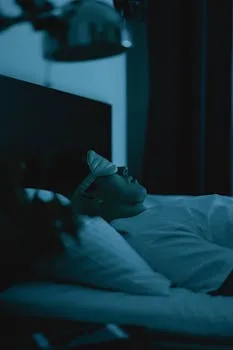
How to Identify: Lying in bed feeling warm, kicking off covers, or waking in the night sweating. Sleep onset faster in cooler conditions — winter travel, air-conditioned hotels. Noticeably better sleep with a fan running. Night sweats in women may overlap with perimenopausal symptoms that amplify this cause.
The Fix: Target a bedroom temperature of 65-68°F (18-20°C). Use breathable, natural-fiber bedding (cotton, linen, bamboo) rather than heat-trapping synthetics. Run a fan for both cooling and white noise benefits. Consider the warm bath 90-minute trick: a warm bath before bed accelerates peripheral vasodilation, dumps core heat faster, and paradoxically speeds sleep onset by using the body’s own thermoregulation mechanism. Temperature-regulating mattress toppers (ChiliPad, Eight Sleep) address the problem with active thermal control for those willing to invest.
Cause 6: The Anxiety Loop (Racing Mind)
The Mechanism: The brain’s default mode network (DMN) — active during mind-wandering and self-referential thought — doesn’t automatically shut down at bedtime. In individuals with anxiety, or simply high cognitive load, the DMN keeps generating planning, worrying, and problem-solving activity in the absence of external demands. Lying in a dark room with nothing to do is, paradoxically, the ideal environment for the DMN to dominate. The resulting cortisol elevation prevents sleep onset, which creates meta-anxiety about not sleeping, which produces more cortisol. A classic positive feedback loop.
How to Identify: Can’t “turn off” the mind. Thoughts repetitive, often planning- or worry-focused. Feeling like something has to be “solved” before sleep is possible. Better sleep when physically exhausted enough to override the cognitive activity. Lying in bed feels like being trapped with your own thoughts.
The Fix: Pre-bed cognitive offloading is the most effective intervention here. A 2018 study by Scullin et al. showed that writing a specific tomorrow-focused to-do list for 5 minutes before bed reduced sleep onset latency significantly — more than journaling about completed tasks. Externalizing plans onto paper signals the brain that the information has been “saved” and doesn’t need rehearsing. Other effective approaches: scheduled worry time (a designated 15-20 minute period earlier in the evening to intentionally rehearse worries, after which you commit to deferring them); 4-7-8 breathing (4 counts inhale, 7 counts hold, 8 counts exhale — the extended exhale activates the parasympathetic nervous system); progressive muscle relaxation, systematically tensing and releasing muscle groups from feet upward. If the anxiety is generalized and not sleep-specific, addressing it during the day with structured stress management practices beats any pre-sleep intervention.
Cause 7: Late Exercise
The Mechanism: High-intensity exercise acutely elevates core body temperature, circulating cortisol, adrenaline, noradrenaline, and dopamine. These changes serve the physiological demands of exercise — exactly what the body needs to perform. They’re also exactly the opposite of what the body needs to sleep. Core body temperature normalization after vigorous exercise takes roughly 4-6 hours. Cortisol and catecholamine normalization takes 2-4 hours depending on exercise intensity and duration. Training at 8 PM and attempting sleep at 11 PM creates a physiological overlap that impairs sleep onset and reduces deep sleep duration.
How to Identify: Evening exercise followed by longer sleep onset times or lighter sleep compared to rest days or morning-exercise days. Elevated heart rate or general physiological activation when attempting to sleep after evening training.
The Fix: Aim for at least 3-4 hours between the end of vigorous exercise and intended sleep time. If evening training is unavoidable due to schedule, implement post-exercise cooling strategies: cold shower (rapid core temperature normalization), avoiding post-workout high-carb meals (which can cause subsequent blood glucose disruption), magnesium glycinate and L-theanine in the post-workout evening window to accelerate parasympathetic recovery. Lower-intensity activities — walking, yoga, light stretching — within 2 hours of bed don’t typically impair sleep and can be sleep-promoting for some.
Cause 8: Alcohol (Sedation ≠ Sleep)
The Mechanism: Alcohol’s sedative effect comes from GABA-A receptor agonism — the same receptor system benzodiazepines work through. This produces initial sedation that feels like falling asleep more easily. But alcohol simultaneously suppresses REM sleep (through acetaldehyde effects on REM-regulatory systems), fragments the second half of sleep as the liver metabolizes it and blood alcohol falls, increases snoring and sleep apnea events, impairs thermoregulation, and activates the sympathetic nervous system during metabolic rebound. The result is a night that looks like sleep from the outside and is architecturally devastated on the inside.
How to Identify: Alcohol producing an easier feeling of falling asleep, followed by early-morning waking (2-4 AM) and difficulty returning to sleep. Feeling unrested despite adequate time in bed on drinking nights. Sleep tracker data showing reduced REM and increased resting heart rate. Morning grogginess more pronounced after drinking nights regardless of total time asleep.
The Fix: The biological answer is direct: no alcohol within 3-4 hours of sleep, ideally minimizing consumption before sleep windows entirely. For regular drinkers who believe they sleep better with alcohol, the challenge is separating the learned association between drinking and relaxation — which is real — from the false belief that alcohol improves sleep, which it doesn’t. L-theanine and magnesium glycinate in the evening provide the anxiety-reduction and relaxation effects of alcohol on the nervous system without the sleep architecture destruction. Herbal alternatives — passionflower tea, lemon balm — have modest evidence for anxiolytic effects and may support the social ritual of a pre-bed drink without the costs.
Cause 9: Napping Too Late or Too Long
The Mechanism: Adenosine pressure — the accumulated “sleep debt” that builds throughout waking hours — is the primary driver of sleep onset speed. A nap consumes adenosine, reducing the pressure available at bedtime. A long, late nap (60+ minutes after 3 PM) can consume enough adenosine to make sleep onset at bedtime feel impossible despite genuine tiredness. Timing matters as much as duration — adenosine isn’t fully restored after a nap, meaning the drive to sleep in the evening is genuinely attenuated.
How to Identify: Afternoon naps (often after 2-3 PM) followed by significantly harder sleep onset at intended bedtime. Feeling “not tired enough” at 11 PM after an afternoon nap despite a normal schedule. Nap-free days with noticeably easier sleep onset.
The Fix: If napping is necessary, cap duration at 20-30 minutes and complete it before 2 PM. Setting an alarm is essential — falling into a deeper sleep cycle (N3) produces sleep inertia and disproportionately depletes adenosine. For people struggling with sleep onset chronically, eliminate napping entirely for 2-4 weeks during behavioral reconditioning. The increased sleepiness in the short term is the mechanism working — building strong adenosine pressure by bedtime improves sleep onset and depth, which then reduces the daytime fatigue that was driving the napping cycle in the first place.
Cause 10: Irregular Sleep Schedule (Circadian Drift)
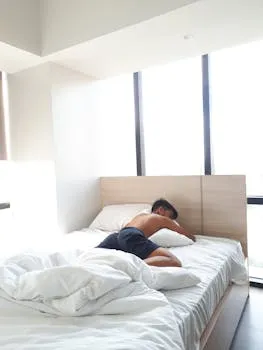
How to Identify: Sleep schedule varying by more than 45-60 minutes across different days of the week. “Can’t sleep” on Sunday nights. Significantly more alert at the usual bedtime on nights following schedule disruption. A sleep diary, if kept, shows no consistent timing pattern.
The Fix: Fix the wake time first — it’s the primary circadian anchor. Same wake time every day, weekends included (maximum variation of 30-45 minutes). Combine with morning sunlight exposure within 60 minutes of waking to actively signal the SCN. Within 1-2 weeks of consistent timing, sleep onset becomes more reliable at the corresponding bedtime because melatonin release gets precisely timed to the sleep window. This isn’t comfortable immediately — the first few days of an early fixed wake time after a variable schedule may mean going to bed before feeling fully sleepy. That’s correct. Sleep pressure builds, onset improves, and the circadian anchor strengthens over time.
Cause 11: Stimulating Screen Content
The Mechanism: Beyond blue light’s melatonin suppression (Cause 2), the content of what gets watched or read before bed activates cognitive and emotional arousal systems independently of light. Action films, political content, social media arguments, true crime, horror, news, and work email all engage the brain’s threat-detection and planning systems, triggering cortisol and sympathetic nervous system activation regardless of light spectrum. Blue-blocking glasses can be on and the brain can still be neurologically revved up from watching news coverage at 11 PM.
How to Identify: Blue-blocking glasses or night mode in use, still difficulty falling asleep after screen time. Evening content leaning toward stimulating categories. Noticeable difference in sleep onset quality between evenings spent watching TV versus evenings spent reading or in conversation.
The Fix: Audit content, not just light. The 90-minute pre-sleep window should be free of emotionally activating content regardless of how the light is managed. Neutral or mildly positive content — light comedy, nature documentaries, low-stakes fiction — is substantially less activating than news, conflict, or high-tension narratives. Reading, particularly physical books or e-ink readers at low brightness, is among the most effective pre-sleep activities because it’s engaging enough to displace worry rumination without activating the threat-detection systems that produce cortisol.
Cause 12: Medications That Disrupt Sleep
The Mechanism: Numerous commonly prescribed medications have sleep disruption as a side effect. This is one of the most frequently overlooked causes because patients don’t connect sleep problems to medications they’ve been taking for months or years, and prescribers don’t always discuss sleep effects during medication reviews. Major offenders include: beta-blockers (reduce melatonin synthesis by up to 80% in some studies — particularly relevant for the subset of cardiologists who recommend these for otherwise healthy people managing stress-related palpitations); corticosteroids (prednisone, dexamethasone — dramatically elevate cortisol); stimulant medications (ADHD treatments — obvious mechanism); antidepressants (SSRIs can suppress REM and alter sleep architecture significantly; bupropion is particularly activating); decongestants containing pseudoephedrine (powerful sympathomimetics); some thyroid medications (if dose is excessive, T3/T4 excess causes sympathetic activation); diuretics taken in the evening (causing nocturia — covered as Cause 15).
How to Identify: Sleep problems beginning or worsening after starting a new medication. Sleep disruption correlating with medication dosing time. Taking beta-blockers, corticosteroids, stimulants, or antidepressants.
The Fix: Review medication timing with the prescribing physician. Many medications can shift to morning dosing to reduce evening sleep interference without changing efficacy. Beta-blockers in particular are often converted to morning dosing to address melatonin suppression. Do not stop or adjust medications without medical consultation — this is not a DIY optimization problem.
Cause 13: Undiagnosed Sleep Apnea
The Mechanism: Obstructive sleep apnea (OSA) involves repetitive partial or complete upper airway collapse during sleep, causing breathing to stop (apneas) or become restricted (hypopneas) dozens to hundreds of times per night. Each event triggers a micro-arousal — the brain activates briefly to restore breathing — preventing sustained deep sleep and REM. OSA can also cause difficulty falling asleep (particularly in complex/central apnea) through mechanisms including hypoxia-triggered cortisol release and arousal. It’s dramatically underdiagnosed — estimates suggest 80-85% of people with clinically significant sleep apnea have never been diagnosed.
How to Identify: Snoring (reported by partners), waking with dry mouth or headaches, morning fatigue despite adequate time in bed, witnessed apneas (partner reports you stop breathing), BMI over 30, neck circumference over 17 inches (men) or 16 inches (women). Sleep apnea occurs in normal-weight individuals too, particularly with certain craniofacial structures (small jaw, narrow airway). If all the behavioral sleep optimizations are in place and sleep still isn’t restorative, OSA should be assessed.
The Fix: A sleep study (polysomnography or home sleep apnea test) is the diagnostic standard. Treatment options include CPAP (most effective), oral appliances (mandibular repositioning devices), positional therapy (for positional OSA occurring primarily on the back), surgical options, and — in clear obesity-driven cases — weight loss. CPAP compliance dramatically improves sleep quality and has documented benefits for cardiovascular health, cognitive function, and metabolic outcomes. The barrier is typically the device’s initial discomfort — almost always solvable with pressure adjustment, mask fitting, and humidification settings rather than a fundamental incompatibility.
Cause 14: Pain and Discomfort
The Mechanism: Pain activates the same arousal systems that cortisol and anxiety do — nociceptive signals from the spinal cord synapse in the reticular formation and thalamus, producing arousal and preventing sleep stage progression. Chronic pain (back pain, arthritis, fibromyalgia, headaches) is one of the most common causes of both sleep onset difficulty and sleep maintenance insomnia. The relationship runs both ways: poor sleep amplifies pain sensitivity (through endocannabinoid system dysregulation and increased inflammatory cytokines), and increased pain further disrupts sleep. Another vicious cycle.
How to Identify: Physical discomfort consciously present when trying to sleep. Frequent position shifts due to discomfort. Better sleep on nights when pain is managed. Mattress quality, sleeping position, or pillow support contributing to or alleviating the problem.
The Fix: Address the underlying pain source through appropriate medical or physical therapy channels. In the meantime: optimize sleep position for the specific pain type (side-sleeping with a pillow between knees for lower back pain; elevated head position for cervical issues; specific shoulder positioning modifications for rotator cuff issues). Mattress assessment matters for persistent pain — a mattress that doesn’t match the body’s pressure requirements amplifies every night’s pain. Magnesium supplementation has documented anti-inflammatory effects and may modestly reduce musculoskeletal pain as an adjunct. Progressive muscle relaxation, by producing systematic muscle relaxation, can reduce pain-driven muscle tension that amplifies discomfort at rest.
Cause 15: Restless Legs Syndrome
The Mechanism: Restless Legs Syndrome (RLS) is a neurological disorder characterized by an irresistible urge to move the legs (and sometimes arms) at rest, typically in the evening and at night, accompanied by uncomfortable sensations often described as crawling, tingling, or aching. The primary neurochemical mechanism involves dopamine pathway dysfunction in the striatum, often compounded by iron deficiency (iron is a cofactor for dopamine synthesis). RLS affects roughly 5-10% of adults and is a dramatically underdiagnosed cause of sleep onset difficulty because patients often describe it vaguely as “can’t get comfortable” without connecting it to a recognized medical syndrome.
How to Identify: Unpleasant sensations in legs (or arms) at rest that are temporarily relieved by movement. Symptoms worse in the evening and at night. An urge to move that becomes irresistible. Frequent leg movement during sleep (reported by partners). Family history of similar symptoms.
The Fix: Assessment of serum ferritin (iron stores) is the first step — ferritin below 75 ng/mL is associated with RLS, and iron supplementation often produces dramatic symptom relief even when serum ferritin sits in the “normal” range by outdated clinical standards. Magnesium deficiency can amplify RLS symptoms and is worth addressing. Moderate exercise (not vigorous, which can temporarily worsen RLS) helps mild cases. Avoiding caffeine, alcohol, and antihistamines (which worsen dopamine pathway function) reduces severity. For moderate-to-severe RLS that doesn’t respond to these measures, neurological evaluation and possible dopamine agonist therapy is appropriate — one of the sleep conditions where targeted medical treatment produces the clearest benefits.
The Insomnia Root Cause Elimination Checklist: How to Use It
- Read each cause description. Apply the self-diagnostic criterion honestly.
- Identify your top 2-3 most likely causes based on the diagnostic criteria matching your experience.
- Address the highest-ranked identified cause first, for a minimum of 7 consecutive days.
- If sleep onset improves significantly: you’ve found a primary cause. Continue the fix and reassess remaining causes.
- If sleep onset does not improve after 7 days of consistent implementation: move to the next identified cause. Do not layer multiple causes simultaneously until you have clarity on which individual interventions work.
- If 3-4 high-confidence cause eliminations produce no improvement: consider assessment for sleep apnea (Cause 13) and RLS (Cause 15) before proceeding further. These are physiological problems that behavioral interventions cannot solve.
- If all 15 causes have been addressed and sleep onset difficulty persists: formal CBT-I assessment is appropriate.
The 15 causes above are ranked roughly by prevalence and interaction with other causes. Most people reading this guide will find that causes 1-4 (cortisol dysregulation, blue light, caffeine half-life, blood sugar instability) account for 70-80% of their sleep onset difficulty. The remaining causes are real and important, just less universal.
The protocol for systematic elimination:
“Insomnia is rarely one thing. It is usually a stack of contributing factors — some behavioral, some biochemical, some structural — that combine to cross the threshold of clinical significance. The diagnostic work of identifying which specific factors are active is almost always more productive than adding another intervention to an already-noisy stack.” — sleep medicine clinical review principle
When One Cause Is Actually Several: The Most Common Combinations
Certain causes cluster together with high frequency because they share common drivers or create each other. Knowing the common combinations helps address the full cluster rather than just one component:
The High Performer’s Cluster: Causes 1 (cortisol), 2 (blue light), 6 (anxiety loop), 11 (stimulating content). High-achieving professionals with demanding schedules routinely violate all four simultaneously: work email until 10 PM (cortisol + blue light + stimulating content) about tomorrow’s meeting (anxiety loop). The fix is structural, not marginal behavioral optimization — it requires a hard stop to work activity at a specific time.
The Social Drinker’s Cluster: Causes 5 (temperature — alcohol raises core temperature), 8 (alcohol architecture disruption), 4 (blood sugar crash — alcohol interferes with gluconeogenesis). These interact: wine with dinner, feeling like sleep is fine, then waking at 2-4 AM hot, anxious, and unrested with no obvious explanation.
The Stressed Worker’s Cluster: Causes 3 (caffeine — propping up a cortisol deficit with stimulants), 1 (cortisol dysregulation from chronic stress), 10 (irregular schedule from variable demands), 9 (late or long naps to compensate for poor sleep). Four causes, one destructive cycle: stressed → bad sleep → more coffee → worse sleep → napping → can’t sleep at night → worse stress.
The Sedentary Middle-Aged Cluster: Causes 13 (sleep apnea — common with aging and reduced muscle tone), 14 (pain — chronic musculoskeletal issues), 4 (blood sugar — insulin resistance more common with age/inactivity), 12 (medications — more medications with age). This cluster requires the most external assessment, since two of the four causes — sleep apnea and medications — can’t be addressed through behavioral optimization alone.
FAQ: Can’t Fall Asleep
Is it normal to take 20-30 minutes to fall asleep?
Yes. The clinical threshold for abnormal sleep onset latency is consistently greater than 30 minutes, multiple nights per week, for multiple months. Sleep onset of 10-20 minutes is healthy and normal. Very fast sleep onset (under 5 minutes) can actually indicate significant sleep deprivation, since the brain is under such adenosine pressure it falls asleep the moment opportunity arises. The goal isn’t instant sleep onset — it’s falling asleep comfortably within 20-30 minutes, with relaxed wakefulness rather than anxious effort filling the transition.
I’ve tried everything and still can’t fall asleep. Should I take a sleep medication?
Prescription sleep medications (benzodiazepines, Z-drugs like zolpidem) are appropriate for short-term, acute situational insomnia — bereavement, acute stress, travel disruption. They are not appropriate as first-line treatment for chronic insomnia. The American College of Physicians, the American Academy of Sleep Medicine, and multiple clinical guidelines all recommend Cognitive Behavioral Therapy for Insomnia (CBT-I) as first-line treatment for chronic insomnia. CBT-I outperforms medications in head-to-head trials and maintains efficacy after treatment ends; medications tend to produce tolerance and rebound insomnia. If a structured CBT-I program hasn’t happened yet, that’s the next step — not a prescription.
Why do I feel exhausted all day but then can’t sleep when I go to bed?
This “tired but wired” state is almost always cortisol dysregulation — specifically, elevated evening cortisol in the context of chronic fatigue. The fatigue is real, usually from sleep debt, poor sleep quality, or both. The wired state is also real — cortisol elevation from chronic stress, caffeine overuse, or HPA axis dysregulation. They coexist because cortisol produces alertness regardless of underlying fatigue. Addressing the cortisol elevation (wind-down protocol, caffeine reduction, evening stress management) typically resolves the paradox within 1-2 weeks. If it persists, cortisol rhythm testing (4-point salivary cortisol) can identify whether the pattern is morning-dominant, evening-dominant, or inverted (high at night, low in the morning — the “night owl” with chronic fatigue pattern).
How do I break the cycle of lying awake worrying about not sleeping?
The 20-minute rule from CBT-I is the most evidence-based intervention here: if 20 minutes pass without falling asleep, get up and go to a different room. Sit in dim light and do something calm and non-stimulating (reading, light stretching, journaling) until genuinely sleepy, then return to bed. Counterintuitive, since it reduces time in bed, but it breaks the conditioning link between the bed and wakefulness/anxiety. Over 2-4 weeks of consistent application, the bed becomes strongly associated with sleep again. The goal isn’t falling asleep faster through effort — it’s removing the effort entirely and letting adenosine pressure and circadian readiness do the work.
Does melatonin help with falling asleep?
Melatonin is most effective for sleep timing problems (jet lag, shift work, delayed sleep phase syndrome) and much less effective for sleep onset difficulty rooted in the other 14 causes on this list. If the problem is a shifted sleep window — wanting sleep at 10 PM but the body wanting midnight — melatonin at physiological levels, taken five or six hours before desired sleep, can advance the circadian phase. If the problem is cortisol elevation, anxiety, caffeine, or any of the other causes here, melatonin won’t touch the root cause. The pervasive belief that melatonin is a sleep aid (rather than a timing signal) leads most people to take doses 10-30 times too high, which causes tolerance, next-morning grogginess, and no improvement in the actual problem.
Is sleep onset difficulty a sign of depression or anxiety that I should see a doctor about?
Sleep onset difficulty can be a symptom of depression (which typically also presents with persistent low mood, anhedonia, and fatigue) or anxiety disorders (which typically also present with daytime worry, physical anxiety symptoms, and functional impairment). If sleep difficulty is accompanied by significant mood changes, persistent low mood, inability to experience pleasure, or anxiety severe enough to impair daily function, clinical assessment is warranted. That said, the majority of sleep onset difficulty in otherwise healthy, functional adults isn’t a mental health condition — it’s a combination of the behavioral and biochemical causes on this list, correctable through the systematic approach described here.
FROM THE LIBRARY ›
References
Editorial StandardsCorrectionsMedical DisclaimerAbout Our ContentAffiliate DisclosureSite Map