
Kevin woke up every morning with jaw pain. His wife had mentioned the grinding sounds years ago — a rhythmic clenching she could hear across the bed, bad enough that she’d started wearing earplugs. The dentist gave Kevin a night guard, which helped protect his teeth and stopped his wife from losing sleep, but did absolutely nothing for the cause. The jaw pain persisted. Then the headaches started — not severe, but a persistent morning tension that wouldn’t fully resolve until noon. His dentist said the guard was working fine. Nobody mentioned sleep apnea. Nobody mentioned magnesium. Nobody mentioned stress physiology. Nobody mentioned that the night guard was solving the symptom while the disease kept running underneath it.
Bruxism — involuntary teeth grinding and jaw clenching — affects an estimated 8-31% of adults during sleep and 22-31% during waking hours. It destroys teeth, fractures dental restorations, causes jaw joint dysfunction, produces chronic facial and head pain, and dramatically reduces sleep quality. And yet the standard of care remains the night guard: a custom-fitted piece of plastic that intercepts tooth contact, protecting the teeth while doing nothing about what’s causing the grinding in the first place.
This article is about the root causes. There are more of them than most people are told.
What Bruxism Actually Is: Central vs. Peripheral Drivers
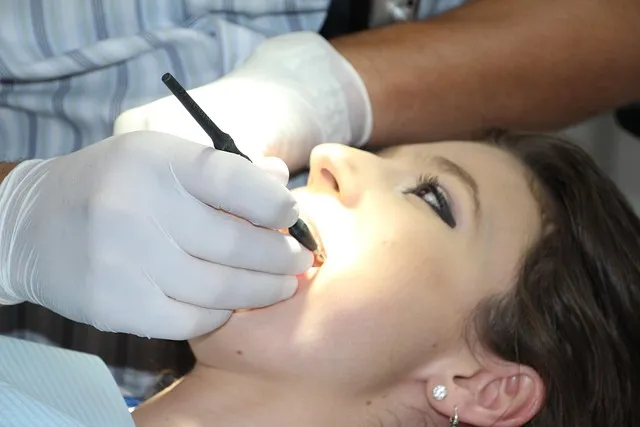
The central nervous system control of sleep bruxism involves the dopaminergic system (which regulates movement during sleep), the serotonergic system, and the autonomic nervous system — specifically, transient cardiac and respiratory arousal events that precede grinding episodes. This neuroscientific framing matters, because it explains why approaches that target only the jaw — occlusal splints, occlusal adjustments — are treating the output of the system rather than its driver.
The dopamine connection is particularly relevant: several medications that affect dopamine signaling are documented bruxism triggers or causes. Selective serotonin reuptake inhibitors (SSRIs) — the most commonly prescribed antidepressants — cause or worsen bruxism in a clinically significant subset of patients through dopamine-serotonin interaction effects. Stimulant medications (amphetamine-based ADHD medications) are among the most potent bruxism triggers through direct dopaminergic stimulation. Recreational cocaine and MDMA are also documented triggers. Anyone on these medications who has developed or worsened bruxism is likely looking at a significant contributor right there.
Sleep Apnea and Bruxism: The Overlooked 50% Connection
The connection between sleep apnea and bruxism is one of the most clinically important — and most consistently ignored — findings in sleep medicine and dentistry. Multiple studies have found that approximately 50% of people with obstructive sleep apnea (OSA) have concurrent sleep bruxism. Far above the prevalence in the general population.
The mechanism is elegant, and a little disturbing once it clicks: during an apnea event (a complete or partial airway collapse during sleep), blood oxygen saturation drops and CO2 rises, triggering an arousal response in the brain to restore normal breathing. That arousal response often involves jaw activation — contracting the jaw muscles and moving the mandible forward, which physically opens the airway by bringing the tongue and soft palate forward. Bruxism, from this angle, is sometimes a physiological airway-opening mechanism rather than purely a stress response.
Several observations support this: sleep bruxism events frequently occur in temporal association with apnea events (just before or during the arousal from apnea); CPAP therapy — the primary treatment for OSA — significantly reduces sleep bruxism in many patients; and children with sleep-disordered breathing have dramatically higher rates of bruxism than children without.
The clinical implication is significant: anyone who grinds their teeth needs a sleep apnea evaluation. A night guard without a sleep study is incomplete management of sleep bruxism, because if the grinding is partially or primarily driven by apnea-related arousal events, the night guard is doing nothing for the apnea and nothing for the cardiovascular, metabolic, and cognitive consequences of untreated sleep-disordered breathing.
The diagnostic standard is polysomnography (PSG) — an overnight sleep study in a clinic measuring brain waves, eye movements, muscle activity, oxygen saturation, heart rate, and breathing patterns. A home sleep apnea test (HSAT) is a simpler alternative that measures breathing and oxygen saturation and is appropriate for patients with moderate-to-high clinical suspicion for OSA without complicating factors. If OSA is confirmed, CPAP therapy is the first-line treatment — and monitoring bruxism improvement after CPAP initiation is a useful clinical endpoint.
Stress, the HPA Axis, and Bruxism: The Psychophysiological Connection
Psychological stress is the most commonly perceived trigger for bruxism, and the physiological mechanisms connecting stress to jaw muscle activity are well-established. Understanding these mechanisms moves the conversation past “you’re stressed, use your night guard” toward something more actionable about the stress-bruxism link.
Chronic psychological stress dysregulates the HPA axis — elevating baseline cortisol, disrupting cortisol’s normal diurnal pattern, and sensitizing the sympathetic nervous system. Elevated sympathetic tone increases muscle tension systemically, including in the masticatory (chewing) muscles — the masseter, temporalis, and medial pterygoid. This shows up as both awake clenching (often subconscious, occurring during periods of concentration or emotional stress) and heightened sleep bruxism, as the nervous system stays activated even during sleep.
The relationship between bruxism and anxiety disorders is bidirectional and well-documented. People with generalized anxiety disorder (GAD), post-traumatic stress disorder (PTSD), and major depression have significantly higher rates of bruxism. Bruxism itself worsens anxiety through pain, sleep disruption, and the secondary effects of jaw dysfunction — a reinforcing cycle, closing in on itself.
Life event stress — divorce, job loss, bereavement — is consistently cited as a bruxism precipitant in retrospective patient histories. Kevin’s grinding, which his wife had noted escalating over the past two years during a particularly stressful career transition, is representative of this pattern. The stress was real and physiologically active; the jaw was expressing it because the masticatory system is one of the primary targets of sympathetic-mediated tension in the human body.
Addressing stress physiology directly — not “stress management” as an abstract concept, but specific interventions with documented effects on HPA axis regulation and sympathetic tone — is a central component of functional bruxism management.
Magnesium Deficiency and Jaw Muscle Hyperactivity
Magnesium is the fourth most abundant mineral in the human body and is involved in over 300 enzymatic reactions. Its relevance to bruxism runs through its role in neuromuscular function: magnesium is the physiological antagonist to calcium at the neuromuscular junction. Calcium drives muscle contraction; magnesium drives relaxation. When magnesium is deficient, the calcium-magnesium balance shifts toward contraction — increasing muscle excitability and susceptibility to involuntary muscle activation.
Magnesium deficiency is common — estimated to affect approximately 45-50% of Americans when assessed against optimal levels rather than just the clinical deficiency threshold. The causes include low dietary intake (inadequate consumption of magnesium-rich foods: dark leafy greens, nuts, seeds, legumes, whole grains), stress-induced magnesium depletion (cortisol increases urinary magnesium excretion — chronic stress literally drains magnesium from the body), excessive alcohol consumption, and poor gut absorption in individuals with gastrointestinal conditions.
Serum magnesium is a poor indicator of total body magnesium status — the body maintains serum levels within a narrow range by pulling from bone and intracellular stores, so deficiency can be significant before serum magnesium falls below the normal range. Red blood cell (RBC) magnesium is a better marker of tissue magnesium status but is less commonly ordered. Functionally, anyone with multiple symptoms associated with magnesium deficiency — muscle cramps, restless legs, poor sleep quality, anxiety, constipation, headaches, bruxism — gets more useful information from a therapeutic trial of supplementation than from lab testing alone.
The therapeutic approach: magnesium glycinate — the form with the best bioavailability and the lowest laxative effect — taken an hour or two before bedtime. The timing is the deliberate part: the effect on neuromuscular excitability matters most during the sleep period, which is when bruxism actually happens. Four weeks is long enough to see whether it does anything. Improvement in bruxism, sleep quality, and muscle tension is the expected response if deficiency is a significant driver.
Malocclusion and Occlusal Interference: The Structural Component
Occlusal factors — the way teeth fit together when biting and chewing — were historically considered the primary cause of bruxism, leading to widespread occlusal adjustment procedures (grinding down teeth to achieve “ideal” occlusion) as bruxism treatment. Decades of research have substantially discredited this model. Occlusal adjustments don’t reliably reduce bruxism, and the causal evidence for occlusion as a primary bruxism driver is weak.
That doesn’t mean malocclusion is irrelevant. In some patients, significant occlusal interferences — points of premature or uneven tooth contact that create unstable jaw positioning — contribute to daytime jaw tension and awake bruxism as the jaw repeatedly seeks a comfortable resting position and keeps encountering obstacles. This is a structural component that may warrant orthodontic or restorative dental treatment — but it’s a secondary consideration, addressed after the primary drivers (stress, sleep apnea, medications, magnesium deficiency) have been assessed.
Temporomandibular joint (TMJ) dysfunction — also called temporomandibular disorders (TMD) — frequently accompanies bruxism and can be both cause and consequence. Chronic grinding loads the TMJ through abnormal forces, causing joint inflammation, disc displacement, and degenerative changes over time. Conversely, existing TMJ dysfunction can drive protective jaw muscle hyperactivity that manifests as bruxism-like behavior. A full TMD assessment is part of comprehensive bruxism evaluation, particularly when jaw clicking, locking, or severe pain is present.
The Night Guard: What It Does and Doesn’t Do
A night guard — also called an occlusal splint, bite guard, or bruxism appliance — is a custom-fitted acrylic device worn over the upper or lower teeth during sleep that provides a protective surface to absorb and distribute grinding forces, preventing direct tooth-on-tooth contact.
What it does well: prevents tooth wear and fracture, protects dental restorations from grinding forces, may reduce some muscle fatigue by placing the jaw in a more balanced position, and reduces noise (relevant for sleeping partners). For these purposes, it’s an effective and reasonable intervention.
What it doesn’t do: reduce bruxism frequency or intensity. Multiple studies have found that while night guards protect teeth, they do not reduce EMG-measured masseter muscle activity during sleep — the grinding continues, just against a plastic surface rather than teeth. The night guard is a consequence management device. It doesn’t address root cause.
This distinction matters enormously for the patient who receives a night guard and believes their bruxism is being “treated.” The teeth are protected. The grinding continues. The sleep disruption from arousal events associated with grinding continues. The TMJ loading continues. The headaches continue. The sleep apnea, if present, continues. The magnesium deficiency, if present, continues. The night guard is a necessary protective measure — but stopping there is stopping about 30% of the way through the intervention a bruxism patient actually needs.
Different types of night guards: soft guards are more comfortable but provide less force distribution and may stimulate some patients to grind more (the softer material seems to invite engagement). Hard acrylic guards distribute forces better and are the clinical standard for severe bruxism. Some clinicians use posterior-only guards (covering only the back teeth) that prevent anterior contact, changing jaw proprioception. Mandibular advancement devices (MADs) — primarily used for sleep apnea — address both the OSA component and may reduce bruxism through the airway-opening mechanism.
The Bruxism Root Cause Assessment: A Systematic Framework
The Bruxism Root Cause Assessment addresses the condition as a multifactorial syndrome requiring systematic investigation rather than a dental problem requiring a dental solution.
Step 1: Sleep apnea evaluation. Given the 50% OSA co-prevalence, this is the highest-priority investigation for sleep bruxism. Complete an Epworth Sleepiness Scale (available free online) — a score of 11 or above warrants formal sleep study. Alternatively, two or more of the STOP-BANG criteria (Snoring, Tired, Observed apnea, blood Pressure, BMI>35, Age>50, Neck>40cm, Gender male) is enough to clinically indicate home sleep testing. This conversation belongs with a primary care physician, not just a dentist.
Step 2: Medication review. Identify any current medications associated with bruxism. SSRIs, SNRIs, dopaminergic medications, stimulant medications, and recreational substances. If a medication is suspected, discuss alternatives or dose adjustments with the prescribing physician. Do not stop psychiatric medications without physician guidance. Buspirone (an anxiolytic) has evidence for reducing SSRI-induced bruxism specifically.
Step 3: Magnesium status and supplementation trial. Given the prevalence of magnesium deficiency and its mechanistic relevance, a four to eight week trial of magnesium glycinate before bed is worth running for virtually every bruxism patient before pursuing more complex interventions. Document subjective and objective changes.
Step 4: Stress physiology assessment and intervention. Rate current stress level (1-10), identify primary stressors, and implement at least one evidence-based stress reduction practice. Recommendations: daily aerobic exercise (reduces cortisol, improves sleep quality, reduces muscle tension — the single most comprehensively beneficial intervention); diaphragmatic breathing training (10-15 minutes daily reduces sympathetic tone and improves heart rate variability); and CBTI (cognitive behavioral therapy for insomnia) if sleep quality is poor regardless of apnea.
Step 5: Awake bruxism behavioral intervention. If daytime clenching is prominent, habit reversal training — becoming aware of the behavior, placing teeth in a resting position (lips together, teeth slightly apart, tongue on the palate), and actively releasing jaw tension during the day — has documented efficacy. Most sustainable when practiced with regular cues (a phone alarm every 60-90 minutes to check jaw position) until the habit of monitoring becomes internalized.
Botulinum Toxin (Botox) for Bruxism: Evidence and Appropriate Use
Botulinum toxin type A (Botox) injected into the masseter muscles reduces the force of jaw muscle contraction by partially blocking neuromuscular transmission — reducing but not eliminating muscle function. It’s been studied for bruxism and TMD with generally positive results for reducing pain and muscle hypertrophy (the enlarged masseter that develops in chronic bruxers).
The evidence: a 2017 systematic review found that masseter Botox injections significantly reduced bruxism-related pain and sleep bruxism severity across multiple well-controlled trials. The duration of effect is approximately 3-6 months per injection cycle.
The appropriate framing: Botox for bruxism is a symptomatic intervention — it reduces the output of the masticatory muscles, but it doesn’t address the neural drivers of the grinding behavior. When root causes (OSA, medications, magnesium deficiency, stress) are addressed, Botox may be unnecessary. When root causes can’t be fully addressed, or symptoms are severe and significantly impairing quality of life, Botox is a reasonable adjunct to root cause management. Not a replacement for it.
The cosmetic benefit — masseter hypertrophy reduction (jaw slimming) — is a secondary effect that shouldn’t drive the primary therapeutic decision. Treat the bruxism for the right reasons; cosmetic effects are incidental.
FAQ
How do I know if I have sleep bruxism?
Primary indicators: awareness from a sleeping partner who hears grinding; jaw pain, stiffness, or fatigue upon waking; morning headaches (particularly temporal headaches — at the sides of the head, in the temporalis muscle distribution); dentist observation of tooth wear patterns inconsistent with normal aging; teeth sensitivity from enamel loss. Not all bruxers are aware of their bruxism — many are only diagnosed during dental examination. Morning jaw pain and headaches without a clear cause are worth raising with both a dentist and a physician.
Is a night guard enough treatment?
For protecting the teeth: yes. For treating bruxism as a condition with health consequences (sleep disruption, jaw joint damage, headaches, possible underlying sleep apnea): no. The night guard manages the dental consequence of bruxism; it doesn’t treat the neurological, respiratory, or psychological drivers. Necessary component of management. Not the only one.
Can children have bruxism?
Yes — childhood bruxism is common and often self-limiting as primary teeth are replaced by permanent teeth. However, childhood bruxism is strongly associated with sleep-disordered breathing (enlarged adenoids/tonsils causing partial airway obstruction during sleep) and ADHD. In children, bruxism should prompt evaluation for airway issues. Adenotonsillectomy for sleep-disordered breathing in children dramatically reduces bruxism in many cases. Night guards are not recommended for children in primary dentition, since they interfere with normal dental development.
Does stress reduction alone fix bruxism?
For stress-driven awake bruxism in people without underlying OSA or medication effects, yes — stress management interventions (exercise, CBT, mindfulness, sleep optimization) can substantially reduce or eliminate bruxism. For sleep bruxism driven by OSA, stress reduction alone is insufficient — the airway needs to be addressed. For most people, bruxism is multifactorial, and stress reduction is one of several interventions needed, not the whole plan.
How much does magnesium supplementation help?
Highly variable. For people with significant magnesium deficiency, improvement in sleep quality, muscle tension, and bruxism severity can be dramatic within 4-6 weeks. For people with adequate magnesium status, the effect may be minimal. Given the low cost and favorable safety profile, a 6-8 week trial is warranted before concluding it’s not beneficial. The form matters: magnesium glycinate is better absorbed and less likely to cause digestive effects than magnesium oxide (which is poorly absorbed but cheap and widely sold).
What’s the connection between ADHD and bruxism?
ADHD and bruxism co-occur at rates significantly above chance. The likely mechanisms: dopaminergic dysregulation (bruxism is modulated through dopamine pathways, and ADHD involves dopaminergic dysfunction); ADHD stimulant medications (which directly increase bruxism risk through catecholamine activation); higher anxiety and stress dysregulation in ADHD; and the sleep disturbances common in ADHD. For ADHD patients on stimulant medications with bruxism: discuss the stimulant’s timing with the prescribing physician (taking stimulants earlier in the day reduces sleep and nighttime bruxism effects), and explore magnesium supplementation and sleep optimization as adjunct interventions.
How long does it take to see improvement from addressing root causes?
CPAP therapy for OSA: bruxism reduction is often noticeable within 2-4 weeks of consistent use. Magnesium supplementation: 4-6 weeks for the muscle relaxation benefits to stabilize. Stress management interventions: cortisol and sympathetic tone changes are measurable within 6-8 weeks of consistent practice. Medication changes: depends on the medication and the change; discuss timing expectations with the prescribing physician. Multiple interventions simultaneously should produce faster improvement than sequential single interventions — address all identified root causes in parallel, not one at a time.
Physical Therapy and Manual Therapy for Bruxism-Related Pain
Chronic bruxism produces accumulated physical consequences in the masticatory system — shortened, hypertonic masseter and temporalis muscles, trigger points that produce referred pain to the temples and behind the eyes, and in many cases TMJ dysfunction with disc displacement and joint inflammation. Addressing these physical consequences requires physical intervention, not just behavioral or pharmaceutical management.
Myofascial release and trigger point therapy targeting the masseter and temporalis muscles can dramatically reduce chronic pain and tension that has become self-perpetuating even after the primary bruxism triggers are addressed. Particularly relevant for patients who have had bruxism for years — the muscle has been in a chronically shortened, overactivated state that doesn’t automatically normalize just because the bruxism frequency decreases. Manual therapy, whether from a physical therapist with orofacial specialization or a skilled massage therapist comfortable with jaw work, can release the accumulated myofascial tension that medications and night guards never touch.
Intraoral massage — performed by the therapist or self-administered with a clean finger inserted inside the mouth to directly access the medial pterygoid muscle — targets the deep masticatory muscles that are inaccessible to external massage. The medial pterygoid runs along the inner surface of the jaw angle and is a primary clenching muscle that remains chronically tense in bruxers. It responds well to sustained pressure and stretching when accessed directly. Ask a physical therapist with TMD experience about intraoral technique.
Jaw stretching exercises — gentle, passive stretching of the jaw opening movement — prevent the progressive restriction of mouth opening that accompanies chronic TMD and bruxism. The target: approximately 40-50mm of maximal interincisal opening (about three finger-widths vertically) is normal. Significant restriction (less than 30mm) warrants assessment and treatment. Daily gentle stretching, performed consistently, maintains mobility and reduces pain.
Diet, Caffeine, and Lifestyle Factors
Several lifestyle and dietary factors modulate bruxism severity through mechanisms that complement the primary interventions.
Caffeine: Caffeine is a central nervous system stimulant that increases sympathetic arousal and reduces sleep quality — two effects directly relevant to sleep bruxism. Multiple studies have found that caffeine consumption (particularly in the afternoon and evening) correlates with higher bruxism frequency and intensity during sleep. Caffeine’s half-life is approximately 5-7 hours, meaning an afternoon coffee consumed at 2pm has 25-30% of its concentration still active at midnight. For bruxism patients, caffeine cutoff at noon (or elimination if bruxism is severe) is a rational intervention.
Alcohol: Counterintuitively, alcohol worsens sleep bruxism despite its sedative effects. Alcohol suppresses REM sleep and stage 3-4 deep sleep, increasing the proportion of lighter sleep stages where bruxism events are more frequent. It also worsens OSA severity in susceptible individuals through pharyngeal muscle relaxation. Evening alcohol consumption is a reliable bruxism exacerbator that should be addressed in any serious management protocol.
Diet and nutrient timing: Beyond magnesium, B vitamins (particularly B5 — pantothenic acid — and B6 — pyridoxine) are involved in adrenal function and stress hormone regulation. Deficiency in these nutrients can amplify HPA axis reactivity and worsen the stress-bruxism connection. A whole-food diet rich in B vitamins (legumes, poultry, eggs, dark leafy greens) supports the stress management component of bruxism treatment. Calcium intake deserves attention alongside magnesium — adequate calcium is necessary for normal muscle function, and the magnesium-calcium ratio matters more than either mineral in isolation.
Exercise timing: Aerobic exercise is one of the most effective cortisol-reducing, sleep-quality-improving interventions available. However, vigorous exercise within 3-4 hours of bedtime can increase sympathetic arousal and delay sleep onset in some individuals — worsening the sleep quality problems already present in bruxism patients. Morning or early afternoon exercise is preferable for sleep-bruxism patients. Resistance training, yoga, and stretching are generally appropriate at any time of day without this concern.
Building Your Bruxism Management Plan
The management plan for bruxism should be tiered by evidence and priority, addressing root causes before symptomatic management while maintaining the symptomatic protections (night guard) that prevent irreversible dental damage during the period of root cause resolution.
Immediate actions (start today): Wear the night guard consistently — dental damage is irreversible, and while addressing root causes takes weeks to months, teeth need protection now. Eliminate afternoon and evening caffeine. Assess alcohol consumption and reduce evening drinking. Start the magnesium glycinate trial described above, at bedtime.
First month: Complete a sleep apnea screening (Epworth Sleepiness Scale + STOP-BANG questionnaire; pursue home sleep test or formal sleep study if indicated). Review the medication list with a prescribing physician specifically for bruxism-associated medications. Implement a daily stress reduction practice — aerobic exercise is the first choice; add diaphragmatic breathing or meditation if the stress component is significant.
Months 2-3: Reassess bruxism symptoms after addressing identified root causes. If OSA has been found and CPAP initiated, re-evaluate bruxism frequency at 6-8 weeks of consistent CPAP use. If medication changes have been made, assess at the appropriate timeline for that medication. If stress management is the primary lever, expect gradual improvement over 8-12 weeks of consistent practice.
Ongoing: Annual dental review of tooth wear progression. TMJ assessment if pain or clicking develops. Sleep apnea reassessment if weight changes significantly (OSA severity is weight-dependent). Magnesium maintenance at a dose that supports sleep quality and reduces muscle tension — likely a permanent addition for most people, given the near-universal prevalence of suboptimal magnesium status.
Kevin’s story, six months after a thorough root cause assessment: his sleep study showed moderate OSA (AHI of 18). CPAP therapy started and, within eight weeks, his wife reported the grinding had reduced by approximately 80% — she’d only heard it twice in the past month. He started magnesium at bedtime, switched from afternoon coffee to green tea (lower caffeine content), and began running four mornings a week. His morning headaches disappeared within six weeks. His dentist noted significantly less wear progression at the next check-up. The night guard stayed in — still necessary for the residual grinding — but it was now doing a much smaller job than before, because the system driving it had finally been addressed at its actual source.
The night guard is not treatment. It is protection while treatment is implemented. The distinction matters because it determines whether you stop at the dentist’s office or keep going to understand what’s actually causing your jaw to move involuntarily while you sleep. The answer to that question usually involves your airway, your nervous system, and your minerals — not your bite. Now you know where to look.
Bruxism is a symptom, not a disease. It’s the jaw’s expression of several possible underlying conditions — sleep apnea, stress dysregulation, medication effects, mineral deficiency — each with targeted interventions that can dramatically reduce or eliminate the grinding behavior when properly identified and addressed. The night guard is where clinical management currently stops for most patients. The root cause assessment is where it should start. Begin there, work through the framework systematically, and track results objectively. The jaw that woke you up with pain every morning can, with the right interventions applied consistently, become an afterthought rather than a daily reminder that something upstream is broken.
Advanced Bruxism Management: Biofeedback and Emerging Approaches
For patients whose bruxism persists despite addressing the identified root causes, several advanced approaches are emerging from the research literature.
Biofeedback: Electromyographic (EMG) biofeedback devices worn at night detect masseter muscle activation and deliver a mild auditory or tactile stimulus that wakes the patient slightly — interrupting the bruxism episode without causing full arousal. This operant conditioning approach has shown efficacy in multiple studies for reducing sleep bruxism frequency. Commercial devices (BruxApp with a smartphone-connected sensor, GrindCare) are available but require sustained use to maintain effects — bruxism typically returns when the device is discontinued. Biofeedback is most appropriate as a complement to root cause management, not a long-term dependency solution.
Cognitive Behavioral Therapy for Bruxism (CBT-B): Adapted from CBT-I (cognitive behavioral therapy for insomnia), CBT-B specifically targets the cognitive and behavioral patterns that perpetuate awake bruxism. It includes: awareness training (identifying when clenching is occurring), habit reversal (establishing an incompatible behavior when clenching is detected), cognitive restructuring (addressing the thought patterns and perceived time pressure that drive stress-related clenching), and relaxation training. Evidence from small RCTs is positive, particularly for awake bruxism. Seeking a CBT practitioner with specific experience in somatic symptoms or pain psychology is the appropriate referral.
Oral appliance therapy for OSA-associated bruxism: For patients who cannot tolerate CPAP therapy, mandibular advancement devices (MADs) — custom-fitted oral appliances that hold the jaw forward during sleep, opening the airway — are the primary alternative for mild-to-moderate OSA. Because MADs address the same airway mechanism that drives OSA-related bruxism, they may reduce bruxism through the same pathway as CPAP. The evidence specifically for bruxism reduction with MAD therapy is growing and generally positive.
Low-level laser therapy (LLLT): Photobiomodulation using low-power laser applied to the masseter and TMJ area has emerging evidence for reducing pain and muscle hyperactivity in TMD and bruxism patients. The mechanism involves cellular energy enhancement (mitochondrial cytochrome c oxidase activation) that reduces inflammation and promotes tissue healing. Pilot studies are positive; larger controlled trials are needed. Appropriate as an adjunct in a comprehensive treatment program, particularly when pain management is a priority.
Acupuncture: Dry needling and acupuncture targeting masticatory trigger points have evidence for reducing myofascial pain and muscle tension in TMD patients. The mechanism likely involves local trigger point deactivation and endorphin release. While not addressing the underlying bruxism mechanism, pain reduction through these approaches can improve sleep quality and reduce the stress response to pain — indirectly supporting bruxism management.
The trajectory of bruxism research points toward increasingly personalized management — using sleep study EMG data to characterize individual bruxism patterns, genetic profiling of dopaminergic pathway variants, and oral microbiome assessment. For now, the pragmatic approach works with the root cause framework: sleep apnea, medications, magnesium, stress. Address these systematically, protect the teeth in the meantime, add targeted adjuncts where residual bruxism persists, and track outcomes objectively. This won’t solve every case of bruxism. It will solve most of them, at a fraction of the clinical complexity and cost that years of symptomatic management accumulates.
The cost of untreated bruxism over a lifetime is substantial. Tooth fractures, cracked crowns, worn-down enamel requiring veneers or crowns, TMJ dysfunction requiring specialist care, chronic pain management — these accumulate into tens of thousands of dollars in dental costs and years of quality-of-life impairment. The investment in proper root cause evaluation — a sleep study, a medication review, a magnesium trial, a stress management practice — costs a small fraction of that and, when successful, pays dividends not just in dental health but in sleep quality, morning pain freedom, and the full cascade of health benefits that come from treating sleep apnea when it’s present.
Grinding your teeth at night is your body trying to tell you something. Pay attention to the message, not just the damage it’s causing.
The Practical Framework: Applying Teeth Grinding Bruxism Root In Real Life
References
Editorial StandardsCorrectionsMedical DisclaimerAbout Our ContentAffiliate DisclosureSite Map