
The seed oil debate has become the most chaotic corner of nutritional discourse on the internet. On one side: carnivore influencers, animal fat enthusiasts, and ancestral eating proponents declaring seed oils an existential dietary catastrophe — “the most harmful thing in modern food,” responsible for everything from cancer to autism. On the other: mainstream dietitians and institutional health bodies recommending polyunsaturated vegetable oils for “heart health,” citing decades of epidemiological research showing lower LDL with seed oil consumption.
Both sides are wrong in important ways. And both sides are right in limited ways. The seed oil question sits at the intersection of evolutionary biology, food processing chemistry, macronutrient epidemiology, and institutional inertia — a combination engineered for maximum confusion and minimum signal.
This guide is the honest, evidence-graded version. Not “seed oils are poison.” Not “vegetable oils are heart-healthy.” The actual picture is messier, more interesting, and more actionable than either extreme lets on.
What Seed Oils Are (And Are Not)
- High linoleic acid content: 20-75% of total fatty acids, depending on the specific oil
- Extraction via chemical solvent (hexane) followed by high-heat refining, bleaching, and deodorization — an industrial process that generates oxidation products and strips out whatever modest natural polyphenol content the seeds had
- Extraordinary omega-6:omega-3 ratio: soybean oil runs about 7:1, corn oil about 50:1, sunflower oil about 200:1
- Chemical instability at high temperatures, since the polyunsaturated structure — multiple double bonds — is vulnerable to oxidation
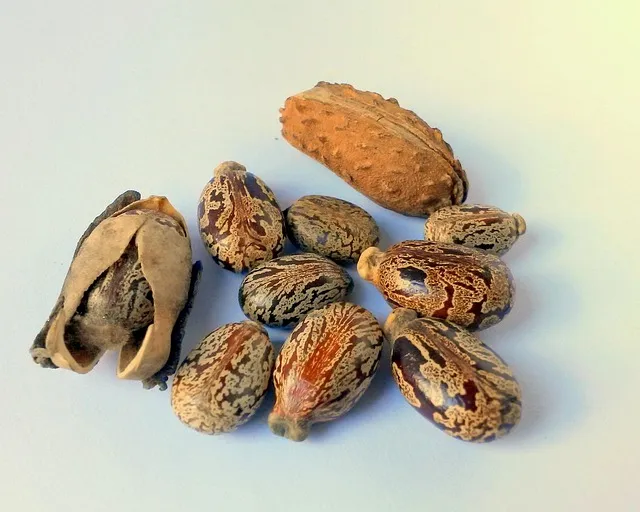
What seed oils are NOT: olive oil, avocado oil, coconut oil, butter, ghee, tallow, lard, palm oil, nut oils like macadamia oil. Plenty of internet arguments conflate “vegetable oil” broadly with the specific concerns tied to high-LA seed oils. Olive oil technically comes from a plant too; its inflammatory profile is entirely different because its fatty acid composition runs primarily oleic acid (monounsaturated), not linoleic acid (polyunsaturated omega-6).
The industrial seed oils above share these traits:
The Linoleic Acid Oxidation Argument: What’s Plausible
- 4-Hydroxynonenal (4-HNE): a highly reactive aldehyde, cytotoxic and genotoxic. Forms protein adducts, damages mitochondrial function, activates NF-kB at the cellular level. Accumulates in commercial fryer oils used repeatedly at high temperatures.
- Malondialdehyde (MDA): another reactive aldehyde from LA oxidation, used as a biomarker of lipid peroxidation in human studies — urinary MDA rises after consuming oxidized oils.
- Acrolein, propanal, and other volatile aldehydes: formed during high-temperature cooking of LA-rich oils, with demonstrated cytotoxicity in cell culture studies.
The primary mechanistic concern from the critical side is linoleic acid (LA) oxidation — both in food during processing and cooking, and in body tissue during normal metabolism.
The chemistry itself checks out: polyunsaturated fatty acids are chemically unstable. Every double bond in the fatty acid chain is a vulnerability to oxidative attack by free radicals. Linoleic acid (18:2, two double bonds) oxidizes more readily than oleic acid (18:1, one double bond) and less readily than DHA (22:6, six double bonds). Heated, particularly with oxygen and metal catalysts present, linoleic acid generates a range of reactive aldehydes and other oxidation products:
Research has confirmed these compounds form in commercially fried food. Csala et al. and others have measured 4-HNE concentrations in repeatedly used commercial fryer oils at levels cytotoxic in cell culture studies. Whether the doses coming from typical dietary fried food consumption are sufficient to cause meaningful in vivo harm in humans is the real question — and that’s where the evidence gets murkier.
Ramsden et al. (2013) provide the strongest human evidence for linoleic acid harm. Their reanalysis of the Sydney Heart Study found patients who replaced saturated fat with linoleic acid-rich safflower oil had significantly higher total mortality and cardiovascular mortality than controls after 5 years. The hazard ratio for cardiovascular death was 1.62 — 62% higher risk — in the linoleic acid group. This directly contradicted the “replace saturated fat with vegetable oil for heart health” guidance the trial was designed to validate in the first place (Ramsden et al., 2013).
The Minnesota Coronary Experiment (1968-1973, unpublished until 2016) produced similar results: despite lowering serum cholesterol, replacing saturated fat with linoleic acid-rich vegetable oil did not reduce cardiovascular mortality, and in subgroup analysis was actually associated with higher mortality in those 65 and above.
These are the strongest pieces of human evidence for seed oil harm, and they’re real and worth taking seriously. Internet claims putting seed oils in the same category as cigarettes dramatically overstate this evidence — these were modest-sized trials with specific populations, conducted decades ago with confounders that weren’t controlled for. But they’re far from exoneration either.
The Epidemiological Evidence for Vegetable Oils: What It Actually Shows
- Replacing saturated fat with polyunsaturated fat lowers LDL cholesterol. Metabolically accurate, reproduced across many studies. Linoleic acid lowers LDL more reliably than most other dietary interventions.
- Some epidemiological cohort studies (particularly older ones, conducted before ultra-processed food was everywhere) show lower CHD event rates in people eating more polyunsaturated fat. Real association in those studies, but subject to substantial confounding — people eating more polyunsaturated fat in these studies often have generally “healthier” dietary patterns, more education, less smoking, more exercise.
- Replacing saturated fat with polyunsaturated fat reduces LDL more effectively than replacing it with refined carbohydrates — the comparison that actually matters in the modern diet, where the realistic alternative to vegetable oil is usually butter, or the alternative to chicken skin is usually refined starch.
The primary argument for seed oils from the mainstream position is that observational research shows populations eating more polyunsaturated fat and less saturated fat tend to have lower LDL cholesterol and lower rates of coronary heart disease. That’s partially accurate and deserves honest treatment.
What the pro-vegetable-oil evidence actually establishes:
What the pro-vegetable-oil evidence does NOT establish:
- That the specific oxidized forms of linoleic acid produced during high-heat commercial cooking are safe at population-scale exposure levels
- That the extreme omega-6:omega-3 ratio imbalance the food supply’s shift to seed oils has created is safe at population scale (a newer concern that wasn’t part of the studies showing LDL-lowering effects)
- That the non-LDL mechanisms of inflammatory harm — NF-kB activation by dietary oxylipins, NLRP3 inflammasome activation, AA:EPA ratio disruption — are adequately covered by studies that used LDL as the primary outcome
The framing problem, put plainly: the health effects of seed oils got assessed primarily through the LDL cholesterol lens because that was the dominant cardiovascular risk paradigm when most of the foundational research was done. Research on NF-kB biology, inflammatory resolution pathways, and OXLAM (oxidized linoleic acid metabolite) toxicity is newer and largely post-dates the dietary guidelines that endorsed vegetable oils in the first place. The institutional position defending seed oils is, in effect, still defending a 1970s-era assessment that hasn’t been adequately updated for 2020s-era mechanistic knowledge.
The Honest Assessment: What the Evidence Actually Supports
Here’s the evidence-graded assessment of seed oils and inflammation.
Well-supported concerns:
- Industrial seed oils dramatically worsen the dietary omega-6:omega-3 ratio. The population-level shift from an estimated ancestral 1:1-4:1 ratio to a modern 15:1-25:1 ratio is largely attributable to seed oil incorporation into the food supply. This ratio imbalance has well-documented consequences for inflammatory balance through the FADS1/FADS2 competition and AA:EPA ratio mechanisms. Strong concern, mechanistically sound.
- High-temperature-oxidized seed oils are genuinely problematic. Repeatedly heated commercial fryer oils, charred seed-oil-fried foods, and rancid seed oil products carry measurable levels of toxic aldehydes. Minimizing deep-fried food cooked in high-turnover commercial fryers is reasonable advice, grounded in direct chemical measurement of what these products actually contain.
- The Sydney Heart Study and Minnesota Coronary Experiment reanalyses provide genuine caution signals for high-dose linoleic acid intake. Not the paranoid fantasy of internet carnivores — published findings in peer-reviewed journals that mainstream dietary guidance has inadequately addressed.
- Seed oil consumption tracks with the historical timing of chronic disease rise. US soybean oil consumption grew from roughly 1 billion pounds in 1960 to over 25 billion pounds in 2000 — tracking closely with the rise of obesity, type 2 diabetes, and inflammatory disease over the same window. Correlation, not causation, but a correlation that merits mechanistic investigation rather than dismissal.
Unsupported or exaggerated claims:
- “Seed oils are as toxic as cigarettes.” False. Tobacco’s health effects run orders of magnitude above anything the seed oil evidence supports. The comparison misrepresents both.
- “Seed oils cause all chronic disease.” Chronic disease is multifactorial. Seed oils are one input among many. Even the most critical researchers in this space don’t claim seed oils alone explain the modern chronic disease burden.
- “There is no safe threshold for seed oil consumption.” Not supported by current evidence. The concerns center on high-dose consumption — seed oils as the primary cooking fat, used at every meal, sourced commercially with high-heat repeatedly oxidized oil — not occasional dietary LA intake from incidental sources like chicken.
- “Seed oils cause autism.” No meaningful human evidence supports this specific claim. Autism’s etiology is complex and genetic; the seed oil connection is speculative mechanistic extrapolation from oxidative stress research, nothing more.
The Oil Quality Decision Matrix
Rather than a blanket “all seed oils are poison” or “seed oils are heart-healthy,” the Oil Quality Decision Matrix gives a decision framework built on actual use context.
Decision 1: Is this oil being used for high-heat cooking?
High-heat applications — sautéing above 350°F, stir-frying, deep frying — create the exact conditions where PUFA oxidation generates the toxic aldehydes that represent the strongest concern here. For high-heat cooking, use fats with high saturated fat content (most heat-stable: butter, ghee, tallow, lard, coconut oil) or high oleic acid content (avocado oil: 70-80% oleic, smoke point roughly 520°F). EVOO works fine for moderate-heat sautéing — its polyphenols provide some antioxidant protection against oxidation. Seed oils should not be a regular high-heat cooking fat.
Decision 2: Is this oil being used cold (dressings, drizzles, dips)?
Cold applications sidestep the oxidation concern. But seed oils still deliver high LA content, worsening the omega-6:omega-3 ratio even unheated. Use EVOO, avocado oil, or walnut oil (which at least contributes some omega-3 alongside its omega-6) for cold applications. The ratio concern doesn’t care about temperature.
Decision 3: Is this oil in a commercial food product?
Commercial seed oils used in manufacturing typically go through high-heat refining, bleaching, and deodorization that generates some oxidation before the oil even reaches the production facility — and are then often used in more high-heat food processing on top of that. Commercial packaged foods and fast food cooked in seed oils represent the highest-concern exposure here, and should be the primary target of reduction efforts — not the single teaspoon of sunflower oil in a home recipe.
Decision 4: What is my current omega-6:omega-3 ratio?
Already eliminated seed oils as a primary cooking fat, eating fatty fish 3x/week or supplementing omega-3, and running an Omega-3 Index above 8%? The remaining dietary LA from occasional nuts, poultry skin, and incidental seed oil exposure isn’t likely to be a meaningful inflammatory burden. Dose-response matters here: going from 20g/day LA to 5g/day is a significant intervention; going from 5g to 2g is minimal additional benefit.
What to Replace Seed Oils With (And Why)
- Butter (grass-fed preferred): ~65% saturated fat, ~30% monounsaturated, ~3% PUFA. Extremely stable at cooking temperatures. Provides CLA and butyrate (grass-fed). Excellent flavor. Main limitation: relatively low smoke point (~300°F) for very high-heat use.
- Ghee (clarified butter): Milk solids removed, raising smoke point to ~485°F. Same fatty acid profile benefits as butter, ideal for high-heat applications where butter would burn.
- Beef tallow (from grass-fed beef): ~50% saturated, ~45% monounsaturated, ~5% PUFA. Extremely heat-stable. The traditional deep-frying fat — McDonald’s originally fried in beef tallow. Rich flavor.
- Avocado oil (refined): ~70% monounsaturated oleic acid, ~12% PUFA. Neutral flavor. Smoke point ~520°F. The best high-heat option for a neutral, plant-based oil.
- Coconut oil: ~90% saturated. Very heat-stable. Distinct coconut flavor (refined coconut oil is more neutral). Good for medium-high heat cooking and baking.
Fat Composition Smoke Point Best For Butter ~65% sat, ~30% MUFA, ~3% PUFA ~300°F Flavor, CLA/butyrate (grass-fed) Ghee Same as butter, milk solids removed ~485°F High-heat cooking Beef Tallow ~50% sat, ~45% MUFA, ~5% PUFA Very stable Deep frying Avocado Oil ~70% MUFA, ~12% PUFA ~520°F Best neutral high-heat plant oil Coconut Oil ~90% saturated Very stable Medium-high heat, baking
The replacement matters. Swapping soybean oil for a different seed oil (like “heart-healthy” sunflower oil) doesn’t improve anything — sunflower oil actually carries higher LA content (65-75% vs. 54% for soybean). Meaningful replacements are fats with fundamentally different fatty acid compositions.
For high-heat cooking:
For cold applications and low-heat cooking:
- Extra-virgin olive oil: ~70-80% oleic acid, ~8-12% LA, significant polyphenol content. The premier anti-inflammatory cold-use oil. Use it liberally on salads, vegetables, and finished dishes.
- Walnut oil: ~15-28% omega-3 ALA, ~58% LA. Higher LA than EVOO, but one of the few plant oils carrying meaningful omega-3 alongside its omega-6. Best used cold (heat-sensitive); a reasonable dressing choice if EVOO isn’t preferred.
- Macadamia nut oil: ~80% oleic acid, ~2% PUFA total. The lowest-LA nut oil available. Mild flavor. Fine for light cooking and cold applications.
“The case against seed oils is not that they are uniquely evil. It is that they are an industrial product engineered for shelf life and cost, not human biology — and we’ve been using them at scale in the food supply for less than 70 years while pretending this represents normal human nutrition.” — Adapted from Ramsden et al., 2013
The Institutional Lag Problem
One reason the seed oil debate remains unresolved in mainstream dietary guidance is plain institutional inertia. The American Heart Association’s dietary recommendations are built substantially on the Keys hypothesis (Ancel Keys, 1950s-1970s) — saturated fat leads to elevated LDL leads to cardiovascular disease — a relationship that justified swapping saturated fat for polyunsaturated vegetable oil. Subsequent research has significantly complicated the Keys hypothesis, but institutional dietary guidelines update slowly, and face enormous resistance from food industry interests invested in the $200+ billion global edible oil market.
This isn’t a conspiracy. It’s the ordinary sociology of institutional inertia in the face of new evidence. Institutions built on a particular scientific framework update more slowly than the evidence warrants, particularly when financial and reputational interests align with the original framework. The right response isn’t dismissing institutional science outright — it’s reading primary research directly, honestly weighing the evidence quality on both sides, and making decisions on a pragmatic cost-benefit basis rather than waiting on institutional consensus.
The pragmatic cost-benefit case for seed oils is fairly clear: replacing them with butter, ghee, tallow, and olive oil carries essentially zero downside risk (foods humans have eaten for millennia with documented safety), clear mechanistic benefit (improved omega-6:omega-3 ratio, reduced exposure to oxidized fatty acid products), and reasonable support from clinical trial evidence (Sydney Heart Study reanalysis, Minnesota Coronary Experiment). The main counterargument — that saturated fat raises LDL — rests on a mechanistic concern (LDL oxidation driving atherosclerosis) that itself depends on downstream assumptions about LDL particle size and quality that are actively contested in cardiology research.
Seed Oils in Specific Contexts: A detailed Assessment
Seed oils in restaurant frying (highest concern): A commercial deep fryer runs at 350-375°F, holds a large volume of oil, and in many establishments turns that oil over infrequently. Repeatedly heating polyunsaturated seed oil at those temperatures over extended periods generates measurable levels of toxic aldehydes in the oil. Studies measuring aldehyde content in used fryer oil have found concentrations cytotoxic in cell culture. This is the highest-concern seed oil exposure and the best argument for limiting deep-fried fast food frequency.
Seed oils in packaged foods (high concern): Commercial crackers, chips, cookies, protein bars, and most packaged snacks use soybean or canola oil. These add large amounts of linoleic acid to the daily diet with zero compensating anti-inflammatory benefit. Replacing them with nuts, seeds, and whole food snacks cuts the LA load while adding anti-inflammatory polyphenols.
Seed oils in salad dressings (moderate concern): Cold seed oil in a commercial dressing isn’t oxidized by heat, so the aldehyde concern drops away. The omega-6 load remains, though. Medium-priority replacement — make dressings at home with EVOO, or choose EVOO-based commercial options.
Seed oils in occasional home cooking at moderate heat (lower concern): A teaspoon of canola oil in a home stir-fry once a week isn’t optimal, but it isn’t the primary inflammatory driver for most people either. Highest priority: eliminate seed oils as daily staple cooking fats, and cut seed-oil-heavy commercial and restaurant food from routine consumption.
What People Ask About Seed Oils Inflammation
Q: Is canola oil actually as bad as soybean oil?
Canola has a better fatty acid profile than soybean: roughly 62% oleic acid (similar to olive oil) and roughly 20% linoleic acid (versus 54% for soybean). The omega-6 load is meaningfully lower. But the industrial extraction process — hexane solvent, high-heat refining — is identical. And at population consumption levels, even 20% LA adds up to something significant. Cold-pressed canola retains some polyphenol content; commercial refined canola doesn’t. The hierarchy: EVOO > avocado oil > canola > sunflower > soybean, for omega-6 load and processing quality. Replace soybean, corn, and sunflower oils first; canola is lower priority.
Q: What about the “high-oleic” sunflower and safflower oils?
High-oleic sunflower and safflower oils are bred so oleic acid (monounsaturated) dominates rather than linoleic acid. High-oleic sunflower runs roughly 80-90% oleic acid, 5-8% linoleic acid — dramatically lower LA than standard sunflower oil (65% LA). High-oleic versions carry meaningfully lower omega-6 concern and higher heat stability than the standard ones. Using sunflower or safflower for cooking? High-oleic is significantly preferable. Still not as good as EVOO or avocado oil overall (fewer polyphenols, more processing), but the specific omega-6 concern is largely handled by the high-oleic variety.
Q: I’ve been eating seed oils my whole life. Is the damage done?
Cell membranes and adipose tissue fatty acid composition are dynamic — they shift with dietary input over months to years. Accumulated linoleic acid in adipose tissue does decrease as dietary LA intake decreases, though slower than membrane changes. The oxidative and AGE damage already done from years of high seed-oil consumption can’t be fully undone, but the inflammatory consequences of ongoing consumption can be substantially reduced by changing current intake. The relevant question isn’t “what did I eat in the past” — it’s “what am I eating now, going forward.”
Q: Are seed oils in mayonnaise a significant concern?
Commercial mayonnaise typically uses soybean oil — high LA content delivered cold, with no heat oxidation at the point of consumption. The LA load is real: 2 tablespoons of soybean-oil mayo delivers roughly 6-8g linoleic acid. Avocado oil mayonnaise (Primal Kitchen, Sir Kensington’s) gives equivalent texture and flavor with dramatically lower LA content. Easy, direct upgrade with a meaningful LA reduction for anyone who uses mayo regularly.
Q: Does cooking in a cast iron or carbon steel pan increase iron transfer and make seed oil toxicity worse?
Cast iron does leach small amounts of iron into food during cooking, particularly with acidic foods (tomato sauce, for example). Iron is a pro-oxidant that catalyzes PUFA oxidation — so theoretically, seed oils cooked in iron cookware at high heat could produce more oxidation products than the same oils in stainless steel or ceramic. Real effect, likely minor for most home cooking situations. Not a reason to avoid cast iron — use it for lower-LA fats (butter, ghee, tallow) and the issue is largely moot.
Q: What’s the clinical takeaway — do I need to completely eliminate all seed oil exposure?
No. Total elimination of all dietary linoleic acid isn’t feasible, and isn’t evidenced to be necessary. What the evidence supports: eliminating seed oils as the primary and daily cooking fats, replacing them with butter, ghee, tallow, and olive oil; eliminating or dramatically cutting commercial deep-fried food; eliminating packaged foods that lean on seed oils as a primary ingredient; and replacing commercial seed-oil-based condiments with alternatives. Residual dietary LA from occasional restaurant meals, occasional processed food, or poultry skin isn’t the primary concern for anyone who’s already addressed the above.
The Production Process Problem: Why “Vegetable Oil” Is Not a Natural Product
- Seed preparation: Seeds are cleaned, dehulled, and heat-conditioned at temperatures typically above 120°C (250°F). This initial heat treatment begins oxidizing the PUFA before extraction even starts.
- Mechanical pressing: Seeds are pressed through expellers to extract most of the oil. Friction generates significant heat here — expeller temperatures can hit 85-120°C depending on conditions. More PUFA oxidation.
- Solvent extraction: Residual oil (15-20 percent remaining after pressing) is pulled out with hexane, a petroleum-derived solvent. Hexane and oil are then separated by evaporation, but trace hexane residues remain in the final oil.
- Degumming: Phospholipids (which would make the oil look cloudy and degrade faster) get removed by washing with water or acid. This strips out one of the few potentially beneficial components — phosphatidylcholine — from the crude oil.
- Refining (alkali treatment): Free fatty acids get removed by treatment with sodium hydroxide (lye). This step also removes many of the natural polyphenols and antioxidants that would otherwise provide some protection against oxidation.
- Bleaching: Residual color compounds — including carotenoids and chlorophylls, natural antioxidants — get removed with activated bleaching earth at 80-110°C. More PUFA oxidation, more antioxidant removal.
- Deodorization: Steam distillation at 230-270°C under vacuum removes volatile compounds that would cause off-odors. The highest-temperature step, and it generates significant trans fat formation and PUFA oxidation. The “neutral” smell and flavor of refined vegetable oil isn’t natural — it’s engineered, by stripping out anything that would taste like what the oil actually is.
One of the most important and least appreciated parts of the seed oil question is that the industrial product poured from a bottle of vegetable oil bears almost no resemblance to the natural seeds it nominally comes from. The industrial extraction process is a multi-step intervention that would be unrecognizable to anyone who’s actually handled a flaxseed or sunflower seed.
The industrial extraction process for major seed oils:
The finished product — clear, odorless, shelf-stable for years — is a highly processed industrial substance stripped of most protective compounds (polyphenols, tocopherols, phospholipids) and partially oxidized through several high-heat processing steps. Then it’s packaged in clear plastic bottles that let in light-induced further oxidation, and sits at room temperature for months before it’s even sold.
Compare that to extra-virgin olive oil: mechanical cold-pressing of olives below 27°C, no solvent extraction, no bleaching, no deodorization, retaining the natural polyphenols — oleocanthal, oleuropein — that give good EVOO its characteristic peppery flavor and anti-inflammatory properties. Different process. Different product. Different health implications.
This production context doesn’t validate every element of the seed oil concern. But it does mean that treating refined industrial seed oil and cold-pressed olive oil as equivalent “vegetable oils” with equivalent biological effects is a category error. Different processes, different compound profiles, different oxidation states. Any analysis of seed oil health effects that ignores the production process is missing a big chunk of the biological story.
The Ancestral Fat Perspective: What Humans Cooked With Before Industrial Oils
Industrial seed oils are an invention of roughly 1900-1940 — soybean oil became commercially available in the 1920s; corn oil followed shortly after. Before that, human cooking fats consisted entirely of animal fats (tallow, lard, butter, ghee, duck fat) and traditional plant-pressed oils (olive oil, coconut oil, palm oil, sesame oil, and small quantities of nut oils like walnut).
These traditional fats share traits industrial seed oils don’t: predominantly saturated and highly heat-stable (tallow, lard, butter, ghee, coconut oil), or predominantly monounsaturated with natural antioxidant protection (olive oil, avocado oil, macadamia oil), or pressed from whole foods without industrial solvent extraction and retaining natural polyphenol protection.
Chronic inflammatory disease — cardiovascular disease, obesity, type 2 diabetes, autoimmune conditions — was dramatically less prevalent in the pre-industrial food era across virtually every culture with documented health history. This doesn’t prove seed oils caused modern chronic disease — correlation isn’t causation, and plenty of other things changed at the same time: antibiotic availability, lower infectious disease burden, more sedentary behavior, more caloric intake, less sunlight exposure. But it does place the seed oil intervention in historical context: these oils were adopted at industrial scale over roughly 70 years, and chronic inflammatory disease statistics rose in rough parallel. Arguably, the burden of proof should sit on demonstrating this novel dietary input is safe, rather than on proving it’s harmful.
Practical Transition: Your First 30 Days Without Seed Oils
Eliminating seed oils from daily eating is one of the highest-impact single changes available for inflammatory status. The practical challenge is that seed oils are everywhere — a kitchen, shopping, and restaurant strategy is needed to make avoidance automatic rather than a constant effort. Here’s the 30-day transition protocol.
Day 1: Kitchen audit and restock. Pull every seed oil-containing cooking fat from the kitchen: soybean, canola, corn, vegetable, sunflower, safflower, cottonseed — out. Replace with: butter (1-2 lbs, grass-fed if budget allows), a jar of ghee for high-heat cooking, and a bottle of quality EVOO for cold applications and moderate-heat sautéing. These three cover 95 percent of home cooking applications. Cost differential from seed oil alternatives: roughly $15-25 more per month for equivalent cooking volume.
Week 1: The condiment and packaged food sweep. Read ingredient labels on every condiment, sauce, dressing, snack, and packaged food in the house. Anything with the seed oils listed above gets replaced or thrown out. Most time-consuming step, but only needs doing once — after this sweep, only new purchases need a label check. Swap commercial mayonnaise for avocado oil mayo (Primal Kitchen is widely available). Swap commercial salad dressings for EVOO plus vinegar plus herbs. Swap crackers and seed-oil-coated snacks for nuts, vegetables, and cheese.
Week 2: The eating-out strategy. At sit-down restaurants, ask what oil dishes are cooked in. At fast food and fast casual, assume everything’s cooked in seed oil and choose accordingly: grilled over fried, side salad with dressing on the side instead of fries, skip deep-fried options as a default. Zero restaurant seed oil exposure isn’t the goal — reducing the casual daily exposure that’s easily avoidable is.
Weeks 3-4: Monitoring and refinement. By week 3, most core habits are established. What’s left is hunting down hidden sources — the restaurant that adds canola oil to their “olive oil” dressing, the protein bar bought without checking the label, the store-bought pesto using sunflower oil instead of olive. Label-reading becomes a default habit rather than active effort within a few weeks; it becomes automatic for the specific terms being watched for.
Results at 30 days are typically subjective: better energy, less digestive discomfort, clearer skin for some, and for those with joint pain, often a noticeable drop in morning stiffness. Objective confirmation comes at 3 months with hs-CRP and Omega-3 Index testing. The combination of subjective experience and objective data is what builds long-term compliance — once CRP has dropped from 2.6 to 1.0 and the difference in joints and energy is felt directly, going back to cooking in soybean oil starts to feel like a genuinely bad trade, not just an abstract dietary rule.
The evidence isn’t yet definitive enough to declare seed oils categorically toxic the way trans fats or lead are toxic. But the preponderance of mechanistic and epidemiological evidence supports a pragmatic conclusion: replacing industrial seed oils with traditional cooking fats (butter, ghee, tallow, olive oil, avocado oil) carries essentially zero downside risk for healthy individuals — these are foods humans have eaten safely for millennia — while addressing the plausible mechanistic concerns about linoleic acid oxidation, omega-6:omega-3 ratio imbalance, and OXLAM formation at meaningful dietary scale. When the downside risk is this asymmetric, choosing the option with no plausible downside is the rational move regardless of whether the harm evidence is fully settled.
The seed oil question is foundational to understanding the omega-6 to omega-3 ratio, which underlies much of the inflammatory biology discussed throughout the Anti-Inflammatory Diet Plan.
References: Ramsden CE et al. Use of dietary linoleic acid for secondary prevention of coronary heart disease and death: evaluation of recovered data from the Sydney Diet Heart Study. BMJ. 2013;346:e8707. | Farvid MS et al. Dietary linoleic acid and risk of coronary heart disease. Circulation. 2014. | Csala M et al. On the role of 4-hydroxynonenal in health and disease. Biochim Biophys Acta. 2015. | Ramsden CE et al. Re-evaluation of the traditional diet-heart hypothesis. BMJ. 2016 (Minnesota Coronary Experiment). | Simopoulos AP. Evolutionary aspects of diet, essential fatty acids. World Rev Nutr Diet. 2011.
Editorial StandardsCorrectionsMedical DisclaimerAbout Our ContentAffiliate DisclosureSite Map