

His joints ached in a way that moved, migrated, defied any single anatomical explanation. He’d gained forty pounds despite eating less. He’d developed asthma at forty-two, which his pulmonologist called “late-onset” and shrugged about. The fatigue ran so deep that some afternoons he couldn’t lift his arms above his head without feeling like he was fighting gravity through wet cement.
The answer, it turned out, was living in his basement. A slow leak behind the drywall, invisible to the naked eye, had been producing Stachybotrys chartarum — black mold — for at least two years. When a certified mold inspector finally opened that wall, the cavity was coated floor-to-ceiling in black. Marcus had been breathing mycotoxins daily, and his immune system had been losing the war quietly, invisibly, in a way no standard panel was designed to catch.
CIRS — Chronic Inflammatory Response Syndrome — is one of medicine’s most contested, most misunderstood, and most consequential diagnoses. Somewhere between 24 and 28 percent of the population carries a specific HLA-DR gene variant that prevents proper clearance of biotoxins, including the mycotoxins produced by water-damaged buildings. For most people, brief mold exposure triggers an immune response, the biotoxins get cleared, end of story. For the quarter of the population carrying these genetic variants, the biotoxins don’t clear. They recirculate.
They trigger a chronic, self-perpetuating inflammatory cascade that can run for years or decades without ever resolving on its own — even after the exposure ends.
What CIRS Actually Is: The Biotoxin Pathway
CIRS was formally characterized by Dr. Ritchie Shoemaker, a Maryland physician who spent decades mapping the biological mechanism underlying biotoxin-driven illness. Shoemaker’s work, published across multiple peer-reviewed journals and culminating in his 2010 book Surviving Mold, outlined what he termed the “biotoxin pathway” — a sequential cascade of physiological disruptions that begins with biotoxin exposure and ends, in severe cases, with multi-system failure that mimics autoimmune disease, Lyme disease, fibromyalgia, and psychiatric conditions simultaneously.
The mechanism begins at the innate immune level. When a genetically susceptible individual inhales mycotoxins — the secondary metabolites produced by molds like Stachybotrys, Aspergillus, Penicillium, and Chaetomium — these molecules bind to toll-like receptors and trigger a nuclear factor kappa B (NF-kB) activation cascade. NF-kB is the master regulator of inflammatory gene expression. Once switched on, it upregulates production of dozens of pro-inflammatory cytokines simultaneously: TNF-alpha, IL-1beta, IL-6, IL-8, IL-17, and VEGF (vascular endothelial growth factor) among others.
In a normal immune response, this inflammatory surge is time-limited. The biotoxin gets cleared through the liver and bile, and negative feedback loops shut down cytokine production. In HLA-DR susceptible individuals, the biotoxins resist normal clearance pathways. They don’t get tagged for excretion. Instead, they’re reabsorbed from the gut via enterohepatic recirculation — the liver excretes them into bile, they enter the intestine, and instead of being eliminated they’re pulled back into circulation.
That creates a perpetual loop: biotoxins continuously stimulate innate immune receptors, NF-kB stays activated, cytokines remain elevated, and the inflammatory cascade never resolves.
Downstream from the cytokine storm, the cascade gets worse. Elevated VEGF causes abnormal vascular permeability — blood vessels become leaky, creating the capillary hypoperfusion that CIRS patients experience as cognitive fog, fatigue, and exercise intolerance. Elevated MMP-9 (matrix metalloproteinase-9) degrades the extracellular matrix in blood vessel walls and contributes further to the vascular leakiness. TGF-beta-1 becomes chronically elevated, driving regulatory T-cell dysfunction and contributing to the autoimmune-adjacent picture many CIRS patients develop.
The hypothalamic-pituitary axis takes a significant hit too. Chronic cytokine elevation suppresses production of melanocyte-stimulating hormone (MSH) from the hypothalamus. MSH is not merely a pigmentation regulator — it’s a master anti-inflammatory peptide with receptors throughout the brain, gut, and immune system. When MSH drops, the gut becomes dysregulated (contributing to leaky gut and dysbiosis), sleep architecture deteriorates (MSH regulates delta sleep wave production), and the hypothalamic regulation of ACTH and cortisol is disrupted.
Downstream from ACTH disruption, ADH (antidiuretic hormone) levels become dysregulated, producing the characteristic symptom cluster of extreme thirst, frequent urination, and electrolyte instability many CIRS patients experience.
The Genetic Vulnerability: HLA-DR Haplotypes
Not everyone who walks into a moldy building gets CIRS. This is the fact that makes the condition so difficult to discuss clinically — the same exposure that devastates one person leaves another completely unaffected. The explanation lies in the HLA-DR system: a cluster of genes on chromosome 6 that encodes proteins responsible for antigen presentation in the adaptive immune system.
HLA-DR proteins sit on the surface of antigen-presenting cells and present foreign peptides to T-helper cells, enabling the adaptive immune response to generate targeted antibodies and clear pathogens. The problem with certain HLA-DR haplotypes is that they create antigen-presenting proteins with specific binding groove geometries that can’t properly bind and present mycotoxin fragments. Without proper presentation, the adaptive immune system never mounts a targeted clearance response.
The biotoxins float in circulation indefinitely, continuously stimulating the innate immune system without ever triggering the adaptive clearance that would end the inflammation.
Shoemaker identified 24 percent of the general population as carrying “susceptible” HLA-DR genotypes — variants that can’t present biotoxin antigens effectively. Within that susceptible group, he identified a smaller subset (roughly 2 percent of the total population) carrying what he called “dreaded” genotypes — the HLA variants most severely impaired in biotoxin handling. These individuals aren’t merely at higher risk; they’re essentially guaranteed to develop severe multi-system illness with sustained exposure.
The HLA-DR haplotypes most associated with CIRS susceptibility include: 4-3-53, 11-3-52B, 12-3-52B, 14-5-52B, 7-2-53, 13-6-52A, and the “dreaded” 11-3-52B paired with specific DQ haplotypes. Shoemaker’s published research, including data from over 10,000 patients, shows that specific haplotypes correlate with specific biotoxin sensitivities — some variants are more susceptible to mold toxins, others to dinoflagellate toxins like those produced by Pfiesteria or ciguatera, others to tick-borne biotoxins from Borrelia or Babesia.
Testing for HLA-DR haplotypes is done via blood draw, with samples processed at specialized HLA typing labs. Results come back as numerical haplotypes rather than simple positive/negative findings, requiring interpretation by a CIRS-literate clinician. Worth noting: a susceptible HLA-DR genotype is necessary but not sufficient for CIRS — sufficient biotoxin exposure is also required. Many susceptible individuals live biotoxin-free lives and stay healthy indefinitely.
Recognizing CIRS: The 37-Symptom Cluster
CIRS is a multi-system illness, and its symptom presentation is deliberately — almost maddeningly — diffuse. Shoemaker documented 37 symptoms organized into 13 clusters that characterize the condition. No single symptom is diagnostic, but the overall pattern, particularly the simultaneous presence of symptoms across multiple systems, is distinctive enough that a trained clinician can recognize it almost immediately.
The 13 symptom clusters: (1) fatigue; (2) weakness, assimilation issues, post-exertional malaise, aches; (3) muscle cramps, unusual pain; (4) headache, light sensitivity; (5) red eyes, blurred vision, tearing; (6) sinus problems, cough, shortness of breath, chronic air hunger; (7) abdominal pain, diarrhea, nausea, appetite changes; (8) metallic taste, difficulty regulating body temperature; (9) night sweats, mood swings, ice-pick pain; (10) memory impairment, difficulty concentrating, disorientation, skin sensitivity; (11) tingling; (12) vertigo; (13) static electrical shocks.
What distinguishes CIRS from other multi-system conditions is the specific neurological signature. CIRS patients consistently show a pattern of cognitive impairment across multiple domains at once — not just memory problems (as in early Alzheimer’s) or attention problems (as in ADHD), but simultaneous impairment across visual tracking, executive function, word recall, short-term memory encoding, and processing speed.
Dr. Andrew Campbell at Cognitive FX has done fMRI studies showing the distinctive cerebral hypoperfusion pattern that correlates with this cognitive profile in CIRS patients.
The visual contrast sensitivity (VCS) test — originally developed by ophthalmologists to assess optic nerve function — has been validated by Shoemaker as a CIRS screening tool. The VCS test presents contrast gradient images to each eye separately and measures the minimum contrast level at which the subject can distinguish shapes. CIRS patients show characteristic deficits at specific spatial frequencies due to biotoxin interference with retinal ganglion cell function.
The online version at survivingmold.com is widely used as an initial screen — a positive result (abnormal VCS) combined with a plausible biotoxin exposure history is sufficient to justify a full diagnostic workup.
The Diagnostic Panel: What to Test and Why
MSH (Melanocyte-Stimulating Hormone) should be 35-81 pg/mL. In active CIRS, MSH is almost universally suppressed, often below 35 pg/mL. One of the most sensitive and specific markers in the Shoemaker panel. Lab samples must be processed quickly to avoid degradation. VEGF (Vascular Endothelial Growth Factor), with a normal range of 31-86 pg/mL, indicates the vascular leakiness driving exercise intolerance and capillary hypoperfusion when elevated above 86.
Some late-stage CIRS patients have paradoxically low VEGF, which correlates with severe fatigue and near-complete exercise intolerance.
MMP-9 (Matrix Metalloproteinase-9) runs normal below 332 ng/mL and is elevated in CIRS due to inflammatory upregulation. MMP-9 directly degrades blood vessel walls and contributes to brain-blood barrier disruption, part of why CIRS patients develop cognitive symptoms. TGF-beta-1 runs normal below 2380 pg/mL, and chronic elevation drives regulatory T-cell dysfunction, contributing to pulmonary fibrosis risk in severe cases and correlating with the autoimmune-adjacent features some CIRS patients develop.
C4a (Complement Component 4a) is normal below 2830 ng/mL. C4a is a complement split product that rises dramatically in response to biotoxin-driven innate immune activation. Critically, C4a is highly labile and must be processed within 2 hours of collection — improper handling produces false-negative results, a frequent source of diagnostic error. ADH/Osmolality pairing is also characteristic: low ADH combined with low osmolality produces the thirst-polyuria-electrolyte instability triad.
VIP (Vasoactive Intestinal Polypeptide), normal 23-63 pg/mL, gets depleted by chronic CIRS, contributing to gut symptoms, shortness of breath, and immune dysregulation.
HLA-DR genotyping establishes genetic susceptibility and should be ordered first. Without a susceptible haplotype, CIRS is unlikely and alternative diagnoses should be prioritized. ACTH/cortisol pairing typically shows low-normal ACTH combined with appropriately low cortisol, reflecting hypothalamic suppression rather than primary adrenal failure.
The ERMI and HERTSMI-2: Testing Your Environment
Diagnosing the patient without identifying and eliminating the source is an exercise in futility. The biotoxin pathway cannot resolve while exposure continues. Environmental testing is therefore not optional — it’s the linchpin of CIRS treatment. Skip it, and treatment is merely symptom management inside a toxic building.
The ERMI (Environmental Relative Moldiness Index) is a DNA-based dust analysis developed by the EPA that quantifies 36 specific mold species in settled household dust. The test uses MSQPCR (mold-specific quantitative PCR) technique that amplifies mold DNA from a dust sample, allowing precise species identification and quantification regardless of whether the mold is alive or dead.
Matters, because dead mold still produces mycotoxins — a remediated wall that’s been dried and sealed is still producing biotoxins from the dead spores embedded in the drywall.
ERMI scores are calculated using the Relative Moldiness Index formula: the sum of Group 1 mold scores (water-damage indicator species) minus the sum of Group 2 mold scores (common outdoor species). Scores above +2 are considered potentially problematic; scores above +5, high-risk for CIRS development in susceptible individuals. Scores above +10 indicate severely water-damaged buildings requiring professional remediation before occupancy.
The HERTSMI-2 (Health Effects Roster of Type-Specific Formers of Mycotoxins and Inflammagens, 2nd version) is a simplified 5-mold version of the ERMI that focuses specifically on the species most associated with CIRS: Stachybotrys chartarum, Aspergillus penicillioides, Aspergillus versicolor, Chaetomium globosum, and Wallemia sebi. HERTSMI-2 scores below 11 are considered safe for CIRS patients; scores above 15 indicate a building too contaminated for CIRS patients to occupy, even temporarily.
Both tests are available through Mycometrics and Environmental Diagnostics Group. Dust samples are collected using a Swiffer cloth or HEPA vacuum attachment from settled dust in high-traffic areas, bedroom floors, and HVAC returns. The tests cost $200-400 depending on which version is ordered. One underappreciated aspect: the problem isn’t always the obvious one.
Many CIRS cases trace to invisible mold in HVAC systems, crawl spaces, behind showers in failed tile grout, or in wall cavities near windows where chronic condensation has occurred. ERMI testing catches hidden mold that air sampling misses, because it samples the accumulation of years of spore settling rather than a single air snapshot.
The Shoemaker Protocol: Treatment Architecture
Shoemaker’s treatment protocol is sequential and non-negotiable in its ordering. The steps cannot be reordered or skipped without undermining the entire therapeutic logic. The core principle: CIRS cannot be treated while biotoxin exposure continues, and downstream hormonal deficiencies can’t be fixed until the upstream biotoxin burden is reduced.
Step 1 is removing the exposure. The patient must leave the water-damaged building. Not reduce time in the building, not remediate while living in it — leave. For many patients this is the most difficult step. It requires acknowledging that home or workplace is making them ill, which carries enormous practical, financial, and psychological weight. But without removing the exposure, no treatment works. The biotoxin pathway cannot be interrupted while the biotoxin input continues.
Step 2 is cholestyramine or Welchol. Once exposure is removed, the next step is interrupting the enterohepatic recirculation of biotoxins. Cholestyramine is a bile acid sequestrant — a positively charged resin that binds to negatively charged biotoxins (and bile acids) in the gut and prevents their reabsorption.
Taken 30 minutes before meals, 4 times daily, cholestyramine acts as a biotoxin trap, capturing the toxins as they’re excreted in bile and escorting them out in the stool before they can be reabsorbed. Shoemaker’s data shows most patients begin experiencing symptom improvement within 30 days of starting cholestyramine combined with building avoidance. Cholestyramine must be taken 4 hours away from all other medications and supplements, since it binds to everything.
Welchol (colesevelam) is an alternative bile acid sequestrant with fewer gastrointestinal side effects. Less potent than cholestyramine but better tolerated. A 2008 paper by Shoemaker and House in Neurotoxicology and Teratology found cholestyramine outperformed Welchol in mycotoxin clearance, though both beat placebo significantly.
Step 3 addresses MARCoNS if present. MARCoNS (Multiple Antibiotic-Resistant Coagulase-Negative Staph) is a biofilm-forming bacterial colonization in the deep nasal sinuses that occurs secondarily in CIRS patients. Chronic cytokine elevation suppresses the antimicrobial peptides in the nasal mucosa that normally keep this area clear. MARCoNS then takes up residence, producing its own inflammatory compounds (including MSH-depleting exotoxins) that deepen and perpetuate the CIRS spiral. Testing is via a deep nasal swab processed at MicrobiologyDX lab.
Treatment is BEG nasal spray (Bactroban/EDTA/gentamicin combination) delivered via nasal nebulizer twice daily for 30 days.
Step 4 corrects hormonal deficiencies. Once biotoxin burden is reduced and MARCoNS cleared, the downstream hormonal deficiencies — MSH, VIP, ADH — get addressed. VIP intranasal spray (available through compounding pharmacies) is the foundation of this phase. Shoemaker’s data shows VIP restoration to normal range in the majority of patients who’ve completed steps 1-3, with dramatic improvement in exercise tolerance, cognitive function, and gut symptoms.
VIP cannot be given before steps 1-3 are complete — in a patient with ongoing biotoxin exposure or active MARCoNS, VIP administration makes inflammation worse, not better.
Neurological Impact: The Brain on Biotoxins
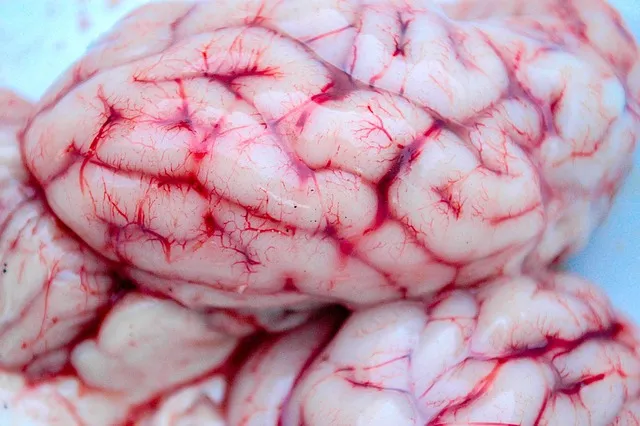
NeuroQuant is an FDA-cleared software that performs automated volumetric analysis of MRI brain scans, comparing regional brain volumes to normative databases stratified by age and sex. In CIRS patients, NeuroQuant consistently shows atrophy in specific brain regions — particularly the caudate nucleus, putamen, and forebrain parenchyma — while other regions, particularly the pallidum and ventricles, show relative enlargement due to compensatory changes. This pattern is distinct from Alzheimer’s disease (which preferentially affects hippocampal and parietal volumes) and from normal aging.
The mechanism driving these structural changes is the MMP-9-mediated degradation of the blood-brain barrier combined with the VEGF-driven vascular leakiness. Biotoxins and their associated inflammatory mediators gain entry to the CNS, where they trigger microglial activation — the brain’s resident immune cells shift into a chronic inflammatory state that, over time, produces neurodegeneration.
The same mechanism has been proposed as a contributor to Alzheimer’s pathology in patients with a history of mold exposure, though causality hasn’t been definitively established in large-scale population studies.
The cognitive symptoms CIRS patients experience — the brain fog, the word-finding difficulties, the processing speed deficits — are not imaginary, not psychosomatic, not anxiety-driven. They’re the direct neurological consequence of brain inflammation and hypoperfusion. And here’s the part that should get clinicians’ attention: in patients properly diagnosed and treated according to the Shoemaker Protocol, NeuroQuant measurements show normalization of previously abnormal brain volumes within months of completing treatment.
Structural brain damage that was measurable and visible on MRI reverses with biotoxin clearance. Nobody placebos their caudate nucleus back to normal volume.
CIRS vs. Mold Allergy: A Critical Distinction
Every allergist tests for mold allergy, and most conflate a negative mold allergy test with “no mold problem.” That conflation causes enormous diagnostic harm in CIRS patients. CIRS is not a mold allergy. Entirely different biological processes, operating through entirely different mechanisms.
Mold allergy is an IgE-mediated hypersensitivity reaction: the adaptive immune system produces IgE antibodies against mold spore proteins, and subsequent exposure triggers mast cell degranulation — the histamine-driven response that produces runny nose, sneezing, watery eyes. Standard allergy testing (skin prick testing or RAST/ImmunoCAP blood testing) measures mold-specific IgE antibodies. A patient with severe CIRS can test completely negative on every mold allergy panel ever developed, because the problem has nothing to do with IgE, mast cells, or histamine.
It’s an innate immune problem, not an adaptive immune problem.
The distinction matters clinically because the treatments are completely different. Antihistamines do nothing for CIRS. Immunotherapy (allergy shots) does nothing for CIRS. The appropriate treatment for mold allergy — continue living in the building while desensitizing to the mold species — is actively harmful in CIRS, because it maintains ongoing biotoxin exposure while making no progress on the biotoxin pathway.
Patients misdiagnosed with “mold allergy” when they actually have CIRS typically get subjected to years of ineffective allergy treatment while their biotoxin load keeps accumulating and their structural brain damage keeps progressing.
There’s also an important distinction between CIRS and mycotoxin poisoning in immunocompetent individuals. Severe acute exposure to Stachybotrys can cause pulmonary hemorrhage in infants and significant neurological symptoms in adults even without CIRS genetic susceptibility — direct toxic pharmacology, not an immune-mediated process. The Stachybotrys trichothecene mycotoxins are directly cytotoxic at sufficient doses regardless of HLA-DR genotype.
But this represents the extreme end of the exposure spectrum; typical residential water damage exposures, even to black mold, don’t produce acute toxic effects in immunocompetent individuals. The insidious chronic illness developing in 24% of the exposed population is the CIRS mechanism, not acute toxicity.
Comorbidities and Differential Diagnosis
CIRS is a master mimic. The combination of fatigue, cognitive impairment, joint pain, sleep disruption, GI symptoms, and mood changes produces a clinical picture that overlaps with fibromyalgia, chronic fatigue syndrome (ME/CFS), multiple sclerosis in early stages, Lyme disease and other tick-borne illness, lupus and other autoimmune conditions, depression and anxiety, hypothyroidism, mast cell activation syndrome, and small intestinal bacterial overgrowth. Many CIRS patients accumulate two or three of these diagnoses before the underlying CIRS gets identified.
The relationship with Lyme disease deserves special attention. Borrelia burgdorferi and its tick-borne co-infections (Bartonella, Babesia, Ehrlichia, Rickettsia) produce their own biotoxins that trigger the same CIRS cascade in HLA-DR susceptible individuals as mold mycotoxins do. Shoemaker coined the term “tick-borne CIRS” to distinguish this variant, and his treatment protocol applies to both — the biotoxin pathway mechanism is identical regardless of whether the trigger is mold, tick-borne pathogens, or other biotoxin sources including ciguatera fish poisoning and Pfiesteria exposure.
This has important implications for Lyme treatment. Many patients who fail standard antibiotic treatment for Lyme disease are failing not because the antibiotics are inadequate but because they have untreated CIRS maintaining the inflammatory cascade even after the infection is eradicated. The antibiotics kill the bacteria; they do nothing about the ongoing biotoxin pathway the bacteria activated.
Without completing the CIRS protocol alongside antibiotic therapy, Lyme patients with susceptible HLA-DR genotypes will stay ill even after their Borrelia is cleared.
CIRS also has a complex relationship with mast cell activation syndrome (MCAS). The chronic innate immune activation in CIRS tends to prime mast cells — making them hyperreactive to stimuli that would be innocuous in a healthy individual. Many CIRS patients also living in high-histamine environments develop a secondary MCAS phenotype: extreme food sensitivities, environmental chemical sensitivities, drug reactions, anaphylactoid responses to ordinarily benign exposures.
Treating the MCAS without addressing the underlying CIRS is, once again, treating the symptom without the cause.
Controversies, Critics, and the Scientific Status of CIRS

The 2004 Institute of Medicine report on damp indoor spaces and health concluded the evidence was insufficient to establish a causal link between damp buildings and systemic non-allergic illness — the review most mainstream physicians cite when dismissing CIRS.
Critics of Shoemaker’s work have raised concerns about: the selectivity of his patient population (all referred patients with pre-existing illness rather than population-based samples), the lack of large randomized controlled trials for cholestyramine treatment, the potential for confirmation bias in an open-label clinical practice, and the difficulty of replicating his specific biomarker findings in independent cohorts.
These are legitimate methodological concerns. The Shoemaker protocol is a clinical construct developed largely by a single practitioner — brilliant and clinically sophisticated, but not validated with the rigor of a cardiovascular drug that’s gone through phase III trials. The HLA-DR association, while biologically plausible and consistent with known immunogenetics, hasn’t been definitively confirmed in a well-powered independent cohort study.
What seems clear is that something real and severe is happening to patients like Marcus, and that something responds to the Shoemaker protocol when nothing else has worked. The absence of a tidy RCT doesn’t mean the treatment doesn’t work. It means it hasn’t been studied well enough yet.
Practical Steps: Finding Competent Care
The biggest practical challenge with CIRS is finding a clinician who actually knows how to diagnose and treat it. The number of physicians trained in Shoemaker’s methodology remains small relative to the scale of the problem. Shoemaker has trained hundreds of practitioners through his CIRS practitioner certification program, and the Surviving Mold website maintains a provider directory.
When evaluating a potential CIRS provider, ask whether they: run the full Shoemaker biomarker panel, perform HLA-DR genotyping, require ERMI or HERTSMI-2 testing of the patient’s home before initiating treatment, test for MARCoNS as part of the initial workup, and follow the sequential steps of the protocol rather than jumping straight to VIP or hormonal replacement.
Integrative medicine physicians, functional medicine practitioners, and Lyme-literate medical doctors (LLMDs) are more likely to be familiar with CIRS than conventional internists or allergists. ILADS (International Lyme and Associated Diseases Society) physicians frequently encounter CIRS in the context of tick-borne illness and are often more diagnostically sophisticated about it than mold-focused practitioners who don’t see the tick-borne overlap. Be cautious of practitioners who offer CIRS treatment without requiring remediation or relocation.
No amount of cholestyramine, VIP, or VCS testing resolves CIRS while the patient continues sleeping in a water-damaged building.
Recovery: What Improvement Actually Looks Like
Recovery from CIRS is real but not instantaneous. Most patients who follow the Shoemaker Protocol correctly — removing exposure, completing cholestyramine, clearing MARCoNS, then restoring VIP — experience meaningful improvement within 3-6 months. Full recovery, defined as normalization of all biomarkers and resolution of cognitive symptoms, typically requires 12-24 months of consistent treatment.
The recovery trajectory is rarely linear. Most patients experience a “die-off” reaction in the first weeks of cholestyramine as biotoxins get mobilized faster than they can be fully cleared — a transient worsening of symptoms lasting 1-2 weeks before improvement begins. Analogous to the Jarisch-Herxheimer reaction seen with antibiotic treatment for Lyme disease, and considered a sign the treatment is working.
Cognitive recovery often lags behind physical recovery. Fatigue typically improves first, within 4-8 weeks of beginning cholestyramine and building avoidance. Joint pain and sleep quality improve next. Brain fog — the executive function deficits, word-finding problems, processing speed impairments — often persists for 6-12 months even as other symptoms resolve. That reflects the structural nature of the brain changes; vascular healing and neuroinflammation resolution are slow processes even after the driving biotoxin load is removed.
Exercise tolerance is frequently the last thing to normalize. The VEGF-driven capillary dysfunction causing post-exertional malaise in CIRS is the final piece of the vascular puzzle to resolve. Patients who push exercise too hard during recovery — before VEGF has normalized — can trigger significant setbacks. The appropriate approach in early recovery is gentle movement (walking, yoga, swimming) with strict attention to post-exertional response rather than aggressive exercise prescription.
Marcus was back to functional within eight months. It took two months to find a physician who knew what CIRS was, another month for testing, a relocation to his sister’s house while remediation was completed, and then the protocol itself. He’ll tell you the first week of cholestyramine was the worst week of his life — the temporary worsening briefly convinced him he’d been wrong, that this was another dead end.
But on day twelve, he woke up and could lift his arms above his head without effort, and he sat in the kitchen and cried for twenty minutes. Three years of being dismissed. Three years of “everything looks normal.” And a bile acid sequestrant, a relocated bed, and a genetic test that cost $250 had unlocked the whole thing.
Common Questions About CIRS Actually Biotoxin About CIRS and Mold Illness
Q: Can I develop CIRS from a single short-term mold exposure, like staying in a moldy vacation rental for a week?
In genetically susceptible individuals with the worst-case HLA-DR haplotypes, CIRS has been triggered by as little as a single night in a severely contaminated building. For most susceptible individuals, CIRS requires sustained exposure — weeks to months — rather than a single brief encounter. The dose-response relationship is modified significantly by the HERTSMI-2 score of the environment (higher mold burden equals faster CIRS development) and by the individual’s specific HLA-DR haplotype.
If someone stayed in a moldy rental for a week and felt fine afterward, they likely either don’t have a susceptible genotype or the exposure was insufficient to trigger the cascade. Felt significantly worse starting within a week of the exposure and been deteriorating since? Testing is warranted.
Q: My doctor says mold makes you sick only if you’re immunocompromised. Is this accurate?
Accurate for invasive mold infections like Aspergillosis — a fungal infection that grows in lung tissue and requires impaired cell-mediated immunity to take hold. Not accurate for CIRS, which is an innate immune over-response, not an immunodeficiency problem. CIRS patients are, if anything, running a hyperactive immune response — their innate immune system is chronically activated, not suppressed. The CIRS mechanism is entirely separate from invasive mold infection and doesn’t require immunocompromise.
The doctor is applying correct clinical reasoning to the wrong disease.
Q: I tested positive on the VCS test online. Does that mean I definitely have CIRS?
No. An abnormal VCS result is a flag that warrants further investigation, not a diagnosis. Roughly 8% of the general population tests VCS-abnormal for reasons unrelated to CIRS, including optic neuritis, retinal disease, diabetic retinopathy, and certain nutritional deficiencies. An abnormal VCS in the context of multi-system symptoms, plausible biotoxin exposure history, and a susceptible HLA-DR genotype is strong evidence for pursuing full biomarker testing.
An abnormal VCS in isolation means seeing a CIRS-literate practitioner for proper evaluation — not that CIRS is confirmed.
Q: Is CIRS diagnosis and treatment covered by insurance?
Partially and inconsistently. The individual biomarker tests (C4a, MMP-9, TGF-beta-1, MSH, VIP, ADH) are billable lab tests most insurers cover when ordered with appropriate diagnosis codes. The ICD-10 code most commonly used is T64.81XA (Toxic effect of other mycotoxins) or T65.89XA (Toxic effects of other specified substances). HLA-DR genotyping is typically covered. Cholestyramine is a generic drug covered by most plans.
Where costs accumulate is out-of-network specialist visits, environmental testing (ERMI is not covered), and compounded VIP nasal spray (not covered, and runs $150-300 per month). Expect out-of-pocket costs in the $1,500-3,000 range for a full diagnostic workup and first-line treatment.
Q: My remediation company says my home is clean now. Can I move back in?
Post-remediation clearance testing is essential before reoccupancy, and it should be performed by an independent inspector, not the remediating company. Clearance testing should include both air sampling AND HERTSMI-2 or ERMI dust testing — air sampling alone is inadequate, since it captures only currently airborne spores, not the reservoir of settled spores and dead mold fragments still producing mycotoxins. Target a post-remediation HERTSMI-2 score below 11 before reoccupying if you’re a CIRS patient.
If the remediating company assures you it’s “clean” based only on visual inspection or air samples, that assurance is insufficient. Get independent dust testing before returning.
“CIRS is not a fringe diagnosis invented by alternative medicine practitioners. It is a biologically coherent, mechanistically documented cascade of immune and hormonal dysfunction triggered by specific genetic variants encountering specific environmental toxins. What is fringe is the medical establishment’s continued dismissal of it.” — Adapted from Shoemaker, Surviving Mold, 2010
References
- Get HLA-DR genotyping first — without a susceptible haplotype, CIRS is unlikely, and other causes can be investigated without following this protocol.
- Test the environment with HERTSMI-2 before spending money on treatment — identifying and removing the source is the only intervention that actually matters.
- The VCS test at survivingmold.com takes 15 minutes and costs nothing. Worth doing today for anyone chronically ill without explanation.
- A full biomarker panel should include at minimum: MSH, VEGF, MMP-9, TGF-beta-1, C4a, ADH/osmolality, ACTH/cortisol, VIP.
- Find a Shoemaker-certified provider through survivingmold.com — not every integrative medicine physician has this training.
- CIRS is not a mold allergy — allergy testing will be negative and allergy treatment will be ineffective
- 25% of the population carries HLA-DR variants that cannot clear biotoxins — the susceptibility is genetic and permanent
- NeuroQuant MRI can demonstrate measurable brain volume changes in CIRS — and document their reversal with treatment
- The treatment sequence is non-negotiable: remove exposure, then clear biotoxins, then clear MARCoNS, then restore hormones
- Post-remediation clearance requires independent dust testing (HERTSMI-2), not just visual inspection or air samples
Editorial StandardsCorrectionsMedical DisclaimerAbout Our ContentAffiliate DisclosureSite Map