
Jordan committed to 30 days of cold showers on a Tuesday because she had a bad Monday. Not a philosophical awakening. Not a health crisis. Just a Monday that made her feel like she was made of wet cardboard and she decided something needed to change.
She had read something about the Dutch study. She had vague memories of someone on a podcast talking about dopamine. She set an alarm labeled “COLD. DON’T SKIP.” and she showed up the next morning.
The first one lasted 45 seconds and she hated every one of them.
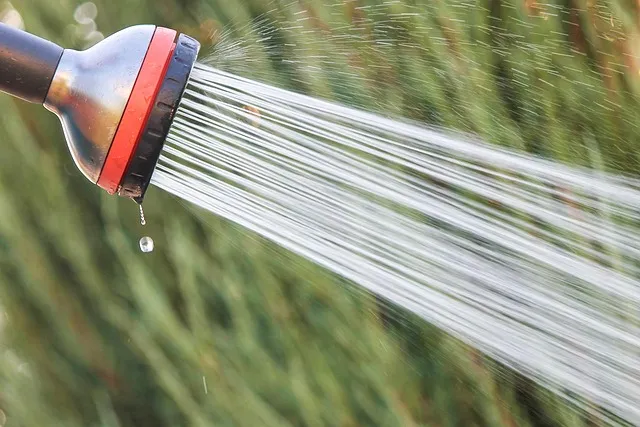
This is the story of what actually happens when you do 30 days of cold showers — not the influencer-approved version where every day brings revelation, but the real version where some days feel transformative and some days feel like you just got yelled at by your own bathroom.
We’re going to go week by week. We’re going to cover the biology of what’s actually changing in your body. We’re going to reference real research, not anecdotes dressed up as evidence. And at the end, we’re going to give you a framework — the 30-Day Cold Protocol — that takes the guesswork out of the progression.
The Research Foundation: What We’re Actually Working From
Before we walk through the 30-day timeline, let’s establish the scientific bedrock, because the cold shower benefits literature is a lot smaller and less conclusive than the internet would have you believe.
The most important study is the 2016 randomized controlled trial by Dr. Geert Buijze and colleagues, published in PLOS ONE. Buijze randomized 3,018 participants at a Netherlands hospital into four groups: hot shower only (control), hot shower ending with 30 seconds cold, hot shower ending with 60 seconds cold, and hot shower ending with 90 seconds cold. The study ran for 90 days with a 30-day follow-up.
The headline result: the cold shower groups showed a 29% reduction in sick day absences from work compared to the control group. Secondary findings included self-reported improvements in energy levels, mood, and quality of life measures. There was no significant difference between the 30-, 60-, and 90-second cold exposure groups — the duration beyond 30 seconds didn’t substantially increase benefit in this particular study’s metrics.
Critical methodological note: the Buijze study measured sick day absence, not incidence of illness. The cold shower groups didn’t get sick significantly less often — they recovered faster and missed fewer workdays when they did get sick. This is a meaningful distinction that most cold shower advocates elide. We won’t.
Additional research from Dr. Nikolai Shevchuk at the Medical University of Ohio proposed that cold showers might function as a treatment for depression through the cold water stimulation of the blue locus coeruleus via cold thermoreceptors in the skin — a pathway that would increase norepinephrine and beta-endorphin release. Shevchuk’s paper was theoretical (not an RCT), but the neurochemical mechanism it describes is consistent with the Huberman laboratory’s subsequent work on cold exposure and catecholamine release.
The Finnish research tradition, including Dr. Tiina Mäkinen’s work on cold adaptation physiology, provides the mechanistic foundation for understanding what changes over weeks and months of consistent cold exposure — specifically, how the thermoregulatory response, cardiovascular response, and neurochemical response all shift as the body adapts.
With that foundation set: here’s what actually happens, day by day.
Week One: The Shock Response (Days 1-7)
Days 1-3: Pure survival mode.
The first cold shower is always worse in anticipation than in execution. This is not consolation — it’s physiology. The brain runs threat simulations based on memory and prediction, and cold water, which your brain categorizes somewhere between “unpleasant” and “threat,” gets a disproportionate threat assessment. The actual experience is uncomfortable but survivable, and this gap between anticipated horror and actual experience is your first data point.
The cold shock response kicks in within the first two seconds: involuntary gasp, rapid increase in breathing rate, heart rate spike of 20-50 beats per minute above resting, peripheral vasoconstriction that shunts blood toward your core. Your skin becomes a network of firing nerve endings. Every thermoreceptor is sending the same message: something has changed and we don’t like it.
Days 4-7: Something changes in your morning.
By the end of the first week, most people report a noticeable change in post-shower alertness that has no analog in their previous hot-shower experience. This is the norepinephrine effect — the catecholamine release that Dr. Huberman’s research has documented, producing a state of calm alertness that typically lasts 2-3 hours after cold exposure. The body also releases a small cortisol spike, which, when experienced in the morning when cortisol is naturally high anyway, functions as an amplifier of the normal cortisol awakening response rather than a disruptor of it.
You may also notice, by day 5-7, that you’re sleeping better. This seems counterintuitive — shouldn’t alerting yourself with cold showers affect sleep? The mechanism works through temperature physiology: cold morning exposure reinforces the circadian temperature cycle, helping your body establish a cleaner warm-phase/cold-phase rhythm that improves sleep initiation at night. Matthew Walker’s sleep research has established the temperature-sleep relationship clearly. Cold morning exposure appears to strengthen the thermal signal that circadian rhythms run on.
Week 1 honest summary: it sucks, the sucking is valuable, and you’ll likely notice post-shower alertness improvements before any other benefit. The alarm labeled “COLD. DON’T SKIP.” is doing real work this week.
Week Two: The Adaptation Begins (Days 8-14)
Days 8-10: Your brain starts lying to you differently.
In Week 1, your brain’s pre-shower protest was genuinely fearful. By Week 2, it shifts. The protest becomes more sophisticated — rational-sounding arguments about why today is different, why you’ve already proven you can do it, why a warm shower would be fine. This is not your body adapting. This is your behavioral avoidance system getting more creative. It’s important to recognize this shift, because it’s actually a sign that the simple fear has been replaced by something more insidious.
The physiological adaptation that IS beginning in Week 2 is the early-stage cold habituation documented in Dr. Mäkinen’s research. Your body has now experienced cold stress repeatedly enough to begin adjusting the thermoregulatory response. The cardiovascular spike is slightly smaller. The breathing hyperventilation resolves slightly faster. The skin thermoreceptors have modestly recalibrated their baseline, which is why the initial shock may feel slightly less shocking by day 10-12.
Days 11-14: The recovery feeling starts becoming distinct.
This is when many people first notice what experienced cold shower practitioners describe as “the afterglow.” It’s distinct from the post-shower norepinephrine alertness — it’s more like the feeling of having done something difficult and survived it, combined with the physiological effects of the catecholamine release. It’s hard to describe accurately, but most people recognize it immediately when they first experience it: a clean, settled aliveness that feels fundamentally different from caffeinated alertness.
Week 2 is also when the 29% sick-day benefit from the Buijze study is beginning to accumulate. Immune adaptation isn’t immediate — the upregulation of natural killer cell activity and the favorable shifts in inflammatory markers develop with consistent practice. By the end of Week 2, you’ve had roughly 10-14 cold exposures, and the immune system is beginning to respond to the pattern.
Week 2 honest summary: you’ll still not want to do it most mornings. You’ll also start noticing that the experience itself has shifted — the shock is less total, the recovery feeling is more distinct, and the resistance in your head has gotten sneakier than it was in Week 1. The sneaky resistance is a sign of progress.
Week Three: The Craving Shift (Days 15-21)
This is the week that surprises people.

This is not masochism. This is dopamine circuit conditioning.
By Week 3, your brain has had 14-21 experiences of the dopamine and norepinephrine release that follows cold exposure. It has begun, at a circuit level, to anticipate that reward when it sees the cold shower cue. The dread and the pull exist simultaneously — and this creates the paradoxical experience that cold shower veterans describe where the very thing they resist doing is also the thing they find themselves wanting to do.
Research on habitual cold water swimmers from the Nordic countries, analyzed in Søberg’s lab, shows that long-term practitioners describe this relationship as characteristic of their practice — they don’t enjoy the cold, but they feel its absence on days they miss. This dopamine-mediated habitual pull is a legitimate and useful thing. It’s your neurology working in your favor for once.
Days 15-21 are also when most people begin to notice something in their stress response outside the shower. Minor daily frustrations — the traffic, the email, the colleague — seem to produce less physiological charge than before. The cortisol response to everyday stressors appears muted, or more accurately, the recovery from that cortisol response feels faster. This is consistent with what the HPA axis adaptation research would predict: repeated, controlled exposure to a defined stressor (cold) appears to recalibrate the stress response system more broadly, producing what researchers sometimes call “cross-stressor adaptation.”
The practical result: things that used to derail you feel slightly less derailing. This is hard to quantify and easy to dismiss as placebo or confirmation bias. It may be both of those things. It is also consistent with the physiological mechanisms and worth noting.
Week 3 honest summary: something shifts. The shift is real, not imagined, and it’s happening at a neurological level. Don’t ruin it by over-explaining it to your family.
Week Four: Measurable Changes (Days 22-30)
By Week 4, the most direct measurable benefit — the one the Buijze study quantified — has had time to accumulate. You’ve had 21-28 cold exposures. The immune upregulation from those repeated exposures is established enough to show in acute illness response. If you had a cold or minor illness in Week 4 that you’d normally expect to knock you out for 4-5 days, you’ll likely notice that the duration is shorter than you’d anticipate. This isn’t guaranteed, but it’s consistent with what the immune activation research predicts.
The cardiovascular adaptation that Dr. Mäkinen’s research documents — improved vascular reactivity, more efficient vasoconstriction/vasodilation response — has had a month to develop. You won’t see this in a mirror, but you may notice it as a lower resting heart rate, improved exercise recovery, or subjectively as a more stable energy level through the day rather than peaks and crashes.
Week 4 is also the moment of the critical decision: does this become permanent, or does it become a completed experiment?
The 30-day frame is a useful container for starting. It gives a defined commitment that isn’t indefinite — which reduces the psychological resistance of starting. But the benefits are fundamentally ongoing rather than accumulated-and-complete. The neurochemical benefits reset with each session. The immune benefits require continued stimulus. The metabolic adaptations need consistent cold exposure to maintain. Stopping at Day 30 means most of the physiological changes reverse within weeks.
The honest framing: 30 days proves you can do it and demonstrates the value of the practice. It is not, by itself, a health transformation. It is a foundation for one.
Week 4 also tends to surface a phenomenon worth naming: the social friction. People in your life will have opinions about your cold shower practice. Some of this will be benign curiosity. Some will be light ridicule (“why are you torturing yourself?”). Some will be the particular defensiveness that people who aren’t doing hard things feel toward people who are. None of this changes the physiology. What it does require is that you’ve sufficiently internalized why you’re doing this to not be talked out of it by someone who hasn’t read the Buijze study.
The 30-Day Cold Protocol
Most 30-day cold shower guides are either too vague (“just turn it cold!”) or too prescriptive in ways that don’t account for individual variation. The 30-Day Cold Protocol is designed around three principles: progressive loading, sustainability over heroics, and honesty about what you’re measuring.
Phase 1: Foundation (Days 1-7)
The method: Take your normal shower. At the end, turn the handle to full cold. Stay for 30-60 seconds. Focus on controlled nasal breathing — not holding your breath, not hyperventilating, but slow deliberate nasal breaths that actively work against the cold shock response. Get out. Don’t immediately towel off in a rush; give your body 60 seconds to begin rewarming on its own before you reach for the towel.
Temperature: Whatever “full cold” is in your home plumbing. Most residential cold water is 55-65°F depending on season and location. You don’t need to measure it. “Full cold” is the right instruction.
The measurement: Nothing. Your only metric in Week 1 is whether you showed up. Did you turn the handle? Yes or no. That’s the whole scorecard.
Phase 2: Extension (Days 8-14)
The method: Same structure, but extend the cold portion to 90 seconds to 2 minutes. Add an intentional focus shift during the cold exposure: instead of enduring it, pay attention to the sensation actively. Where is the cold? How is your breathing? What does the shock response feel like as it evolves over the 90 seconds? This is not meditation pretension — it’s a practical technique for using the cold as a focus training exercise rather than just a survival exercise.
The measurement: Post-shower mood and energy, rated subjectively on a 1-5 scale. Not because the data is scientifically useful, but because tracking post-shower feeling gives you feedback that your brain can use to associate the practice with the benefit. You’re building the reward circuit that Week 3 will use.
Phase 3: Integration (Days 15-21)
The method: Two minutes of cold, but now introduced earlier in the shower — after 2 minutes of warm, not at the end. This is harder psychologically (you haven’t had the full warm shower first) but more physiologically effective (you’re not offsetting the cold thermoreceptor activation with accumulated warmth). It also tests whether the practice has become robust enough to survive harder conditions.
Optional addition: finish the shower with warm water, but end with 30 seconds of cold again. This “warm sandwich” format increases total cold exposure without requiring the courage of full cold-opening.
The measurement: Note changes in morning energy patterns, sleep quality, and stress response to daily frustrations. Write three sentences per day — not a journal, just three observations. You’ll want this record at Day 30 to assess what actually changed.
Phase 4: Ownership (Days 22-30)
The decision question: On Day 30, write one paragraph answering: “What has changed?” Not what you hope changed, not what should have changed according to the research — what you actually observed. This paragraph is the honest assessment that determines whether the practice earns continued investment in your morning.
What the Research Actually Shows vs. What People Claim
Cold shower content has a misinformation problem. The benefits are real, but they’re frequently overstated in ways that set people up for disappointment. Let’s run the correction.
Claim: Cold showers burn fat. Partial truth. Cold exposure does activate brown adipose tissue, which burns calories for heat. The caloric expenditure from a 2-minute cold shower is modest — estimates range from 50-150 additional calories per session, depending on body composition and temperature. This is not a weight loss strategy. It’s a metabolic add-on to a diet and exercise program that is doing the actual heavy lifting.
Claim: Cold showers build discipline. Actually true, but not for the reason usually given. The discipline benefit isn’t magical character-building — it’s psychological conditioning. Repeatedly overriding the avoidance impulse in a low-stakes context (a cold shower) appears to reduce the behavioral threshold for overriding avoidance in other contexts. This is a real mechanism. It’s just not the mystical willpower forge that wellness content portrays it as.
Claim: Cold showers cure depression. False. Shevchuk’s theoretical paper on cold showers and depression is interesting, and the neurochemical mechanism he proposed is plausible. But there is no RCT establishing cold showers as a treatment for clinical depression. There is modest evidence that cold exposure may improve mood in non-clinical populations. These are very different claims.
Claim: Cold showers are better for your hair and skin. Partially true, evidence-limited. Cold water closes hair cuticles and may reduce frizz. Cold water may reduce sebum stripping compared to hot water. Neither of these effects is robustly studied in RCTs. They’re plausible physiological claims, not established benefits.
Claim: Cold showers boost testosterone. Weak evidence. The testosterone-cold shower connection is discussed extensively in men’s wellness content and is supported by almost no direct evidence. We’ve written a separate, more detailed piece on cold exposure and testosterone that gives this claim the honest examination it deserves. Short version: the indirect pathways are real but modest. The direct evidence is minimal.
The Obstacle Nobody Talks About: Psychological Resistance Taxonomy
The most useful map for navigating 30 days of cold showers is a taxonomy of the psychological resistance you’ll encounter. There are essentially five types, and they each require a different response.
Type 1: Acute dread. The morning-of fear, vivid and sensory. You can picture the cold water on your skin. This is normal and doesn’t diminish much in Week 1. The effective response is a commitment threshold: the decision is made the night before, not the morning of. If you decide you’re doing it, you don’t re-decide in the morning. You just execute. Decision fatigue is the enemy of cold showers.
Type 2: Rational exemptions. “I’m already stressed today, and cold would add more stress.” “I have an important meeting and want to feel relaxed.” “I was sick this week, maybe I should take it easy.” These feel like legitimate considerations. They are mostly avoidance wearing logic’s clothes. The counter: the research on cross-stressor adaptation suggests that the cold is one of the better tools for managing the exact conditions the rational exemptions invoke. Stressed? Cold shower reduces cortisol duration. Big meeting? Post-shower norepinephrine focus is exactly what you need.
Type 3: Ratchet creep. Gradually spending less time in the cold, or letting the “cold” phase be less cold than it was, without consciously deciding to change the protocol. This is the sneakiest resistance type because it doesn’t feel like resistance — it feels like the practice continuing. The counter: explicit measurement. Know your duration. Know your temperature. If it’s changing, make that a conscious choice, not a drift.
Type 4: Completion exemption. “I already did it for 21 days, I’ve proven I can do it, I can take a break.” This is the resistance that kills habits that were actually working. The counter: don’t frame it as 30 days of proving something. Frame it as a practice you’re evaluating at 30 days. Evaluation and achievement are different psychological frames, and the achievement frame invites completion exemption.
For a deeper exploration of the mental frameworks that make practices like this sustainable, the Resilient Wisdom Protocol is worth your time — it covers the same psychological infrastructure that makes cold shower adherence a function of how you think, not how disciplined you are.
Cold Shower vs. Cold Plunge: What to Do After Day 30
If 30 days of cold showers has done what this guide describes, you’ll likely find yourself curious about cold plunging — the dedicated cold water immersion that takes cold exposure to its full physiological potential.
The difference matters. Cold showers expose roughly 40-60% of your body surface area to cold at any given moment, depending on your shower position and water pressure. Cold plunges immerse 90%+ of your body, including areas (inner thighs, groin, torso core) that have high densities of cold thermoreceptors and brown adipose tissue. The physiological effects of full immersion are measurably greater — Søberg’s metabolic research and Mäkinen’s cardiovascular research were conducted on full immersion, not shower exposure.
This doesn’t make cold showers inadequate. The Buijze study’s 29% sick-day reduction came from shower exposure, not plunge immersion. For the neurochemical benefits, immune activation, and psychological conditioning effects, cold showers are genuinely effective. For maximum metabolic activation, brown fat stimulation, and cardiovascular adaptation, cold plunging is the more potent tool.
Our comprehensive cold plunge guide covers the full physiology, equipment options (including the chest freezer solution that doesn’t require a $3,000 investment), protocol progression, and safety considerations. It’s the logical next step after completing the 30-Day Cold Protocol.
The cold shower is the on-ramp. The cold plunge is the highway. You don’t have to take the highway. But once you’ve spent 30 days on the on-ramp, you’ll at least know whether you want to.
Jordan at Day 30
Jordan’s Day 30 paragraph, the one she wrote as the protocol instructed, said this: “I sleep better. I’m less irritated by small things. I get out of bed faster because I know the shower is coming and the shower means I’ll feel awake. I haven’t gotten sick since Day 11 — which is probably coincidence but maybe not. I’m taking cold showers now because I want to, not because the alarm says to.”
That’s it. No mystical transformation. No dramatic body composition change. No enlightenment. Just someone who started doing one hard thing each morning and found that the hardness of it was exactly what made it worth doing.
The research supports this. The physiology is real. The 29% reduction in sick days is a real number from a real study. The dopamine and norepinephrine elevations are documented in peer-reviewed neuroscience. The thermoregulatory recalibration from Mäkinen’s research is measurable in Finnish cold swimmers.
None of it requires faith. None of it requires expensive equipment. None of it requires anything other than the willingness to be uncomfortable in a controlled way for two minutes a day.
Thirty days. That’s all this is asking.
The Nervous System Reset Nobody Tells You About
One of the most underreported benefits of consistent cold shower practice is what happens to your autonomic nervous system baseline over weeks and months. This is distinct from the acute norepinephrine hit you get immediately after each cold shower — it’s a more fundamental recalibration of how your nervous system operates day to day.
Heart rate variability (HRV) is the most commonly used proxy measure of autonomic nervous system function, specifically the balance between sympathetic (fight-or-flight) and parasympathetic (rest-and-digest) activity. Higher HRV indicates greater autonomic flexibility — the ability to shift between activation and recovery efficiently. Lower HRV is associated with chronic stress states, poor recovery, and cardiovascular risk.
The research on cold exposure and HRV is limited but directionally consistent with improvement. Finnish winter swimming studies — including research associated with Dr. Mäkinen’s group at the University of Oulu — show that long-term cold water practitioners have HRV profiles consistent with well-trained endurance athletes, even when the cold exposure practitioners are not otherwise athletic. The repeated cycles of acute sympathetic activation followed by parasympathetic recovery appear to function as a form of autonomic nervous system interval training.
What this means practically: by the end of 30 days of cold showers, your HRV may be measurably improved if you track it. The cold shower is doing something to the underlying regulation of your stress response system, not just to the individual sessions. If you use a wearable device that tracks HRV (Oura ring, WHOOP, Garmin), your 30-day cold shower experiment is an opportunity to see this in your own data rather than just in population-level research.
The practical implication extends beyond the data point: a more flexible autonomic nervous system means faster recovery from acute stressors — a difficult meeting, a hard workout, an argument with a partner — and lower baseline activation in ordinary life. You’re spending less physiological resource just existing, which means more available for the things that actually matter.
Caffeine and Cold Showers: The Morning Stack
One of the most practically valuable discoveries many cold shower practitioners make during their 30 days is the possibility of reducing or eliminating the dependence on morning caffeine that most Western adults treat as a biological necessity rather than a choice they made at some point and never revisited.
The mechanism is straightforward. Most people reach for caffeine in the morning because they don’t feel awake — their norepinephrine is low, their dopamine hasn’t ramped up, and the adenosine that accumulated during sleep is still blocking the receptors that should be producing alertness. Caffeine works by blocking adenosine receptors; it doesn’t actually produce alertness, it just removes the biological brake on the alertness that should already be there.
A two-minute cold shower produces a norepinephrine elevation of 200-300% and a dopamine elevation of up to 250% — both of which are sustained for 2-4 hours. This is the neurotransmitter profile of genuine alertness, produced by your own biology rather than a competitive adenosine antagonist. Many practitioners find that the post-cold-shower state is qualitatively different from caffeine-induced alertness: cleaner, less jittery, without the caffeine crash, and without the tolerance development that makes most long-term caffeine users dependent on increasing doses.
The 30-day experiment is an opportunity to test this personally. Dr. Huberman has recommended delaying first caffeine intake 90-120 minutes after waking to allow the natural cortisol awakening response to peak first — during which time a cold shower fills the alertness gap perfectly. If you’re willing to experiment, the mornings of your 30-day cold protocol are an ideal time to try delaying your first coffee by an hour and assessing whether the cold shower covers the alertness need independently.
Not everyone wants to reduce caffeine, and that’s fine — coffee has its own health benefits at moderate doses. But for people who feel trapped by caffeine dependence and want an alternative biological lever for morning energy, the cold shower is one of the most evidence-consistent options available. And the 30-day experiment is the perfect low-stakes context to test whether it works for your specific physiology.
Skin and Hair: The Evidence (and Non-Evidence)
Since a lot of people reading a cold shower guide are also interested in the effects on skin and hair — which are the two most commonly googled questions after the immune and mental health angles — let’s deal with those claims honestly.
For hair: The claim that cold water closes hair cuticles is structurally accurate. Hair cuticles are the overlapping scale-like cells that form the outer layer of the hair shaft, and they do close more tightly in cooler temperatures. Closed cuticles reflect more light (producing shine) and lie flatter against the hair shaft (producing smoothness and reducing frizz). Whether this difference between a cold rinse versus a hot rinse produces a meaningful real-world effect on hair appearance depends on your hair type — people with coarser or more porous hair may notice a larger difference than people with fine or naturally smooth hair.
The evidence base for cold water and hair is observational and anecdotal rather than RCT-based. It’s a plausible and mechanistically coherent claim, but “plausible and mechanistically coherent” is a lower bar than “proven in controlled research.” Don’t choose your shower temperature based primarily on hair effects, but don’t dismiss the claim either — the cuticle physiology is real.
For skin: Cold water causes vasoconstriction in the skin, which can temporarily reduce redness and puffiness — useful for people with rosacea or morning facial puffiness. Cold water also reduces sebum stripping compared to hot water, which may be beneficial for people with dry or sensitive skin who currently find that hot showers leave their skin feeling tight and dry. These effects are real and physiologically explainable.
What cold water won’t do for skin: close pores (pores don’t have muscles and can’t open or close in response to temperature — this is a persistent myth), reverse aging (temperature doesn’t affect collagen degradation or skin cell turnover in meaningful ways), or treat acne (acne is an inflammatory and hormonal condition, not a temperature condition). The cold water skin claims that are true are modest. The ones that are false are persistent and confident-sounding.
FROM THE LIBRARY ›
FAQ
- Do cold showers work if I live in a warm climate where “cold” tap water isn’t very cold? Yes, but with reduced potency. Cold tap water in warm climates may be 65-70°F — warm enough that the cold shock response is mild. The neurochemical effects are still present, but the brown fat activation and full cardiovascular response require temperatures in the 50-60°F range. If you’re serious about maximizing benefits in a warm climate, adding ice to a bathtub or investing in a basic cold plunge setup gives you temperature control regardless of your tap water.
- Can I take cold showers if I have high blood pressure? The cold shock response acutely elevates blood pressure. If your blood pressure is under management with medication or is significantly elevated, consult your physician before starting cold showers. For people with mild, controlled hypertension, the long-term cardiovascular adaptation from regular cold exposure may actually improve blood pressure, but the acute response warrants caution at the start.
- What if I break the streak and miss a day? Start again. The streak is a tool for building the habit, not a moral achievement. Missing one day doesn’t reset the physiological adaptations you’ve built — those persist for days to weeks. What resets is the psychological momentum, which is real but recoverable. The protocol doesn’t require perfect adherence, though perfect adherence is better than imperfect.
- Should I take cold showers every day or rest days? The Buijze study ran daily cold showers. Mäkinen’s Finnish winter swimmers practiced multiple times per week, not daily. Daily cold showers in the 2-minute range are safe and appropriate for most healthy people. There’s no strong evidence that rest days enhance adaptation the way they do in strength training. If you miss a day for practical reasons, it’s fine. Deliberately programming rest days is unnecessary.
- How do I handle it in winter when the bathroom is already cold? Cold bathroom air actually amplifies the cold shower effect slightly by reducing the skin temperature before water contact. This sounds worse than it is — the cold shock response is driven by rate of temperature change, and a cold room means your baseline is lower, so the cold water hit is incrementally less shocking relative to your pre-shower state. Winter cold showers are typically reported as easier by people who’ve been doing them through summer, not harder.
- Will cold showers help with weight loss? Modestly and indirectly. Brown fat activation burns calories (200-300 per session in optimistic estimates for full cold exposure, less for showers). The improved sleep quality from cold morning showers may reduce the cortisol-driven appetite dysregulation that poor sleep produces. The discipline and routine reinforcement may support other health behaviors. None of these is a weight loss mechanism in itself. As part of an overall health practice, cold showers contribute. As a standalone weight loss intervention, they’re not the right tool.
- What’s the difference between ending a shower cold versus starting cold? Starting cold is physiologically more potent — you’re entering cold without the thermal buffer of a warm shower. It’s also psychologically more demanding in the early weeks. Ending cold (the Buijze study protocol) is more accessible and still produces the neurochemical and immune effects. The 30-Day Cold Protocol uses “ending cold” for Weeks 1-2 and introduces earlier cold exposure in Weeks 3-4 as a progressive challenge. Either approach works; the question is what you can sustain consistently.
“The cold shower groups showed a 29% reduction in sick day absence from work — not because they got sick less, but because when they did get sick, they recovered faster. That’s a meaningful distinction that changes how we should think about cold exposure and immune function.”
— Dr. Geert Buijze, PLOS ONE, 2016
Editorial StandardsCorrectionsMedical DisclaimerAbout Our ContentAffiliate DisclosureSite Map