

Then a colleague mentioned NAD+ IV therapy. A clinic two miles from her office offered infusions at $250 a session — a treatment, the brochure claimed, that could “reverse cellular aging,” “restore youthful energy,” “optimize brain function.” Six months and several thousand dollars later, Elena reported feeling significantly better. The fog had lifted. Energy had returned. She was certain the infusions had done it.
The question worth asking — the one Elena’s clinic never quite answered — was whether the infusions were actually responsible, or whether placebo, natural variation, simultaneous lifestyle changes, or plain regression to the mean accounted for the improvement. And more fundamentally: when NAD+ gets injected intravenously, what actually happens in there? Where does it go? What can it actually do? And what has controlled research found, as opposed to what the brochure claims?
What follows is a deep look at NAD+ IV therapy: the genuine biology underneath it, the evidence for and against, the appropriate skepticism about direct intravenous administration, and what the oral alternatives can and can’t deliver. Because this is a space where the science is real, the hype is enormous, and telling them apart takes more than a brochure.
WHAT NAD+ IS AND WHY IT MATTERS FOR AGING
Nicotinamide adenine dinucleotide is a coenzyme found in every cell in the human body. Its role in biology predates complex life itself — it’s involved in some of the most ancient metabolic processes known, appearing across virtually every domain of living organisms. In humans it performs two essential functions sitting right at the center of the aging conversation.
First: it’s an electron carrier in cellular energy metabolism. NAD+ accepts electrons from metabolic reactions (becoming NADH), then donates them to the mitochondrial electron transport chain, where they drive ATP synthesis. Core of cellular energy production, full stop. When NAD+ falls, energy metabolism gets less efficient, mitochondria struggle, cells produce less ATP for the same metabolic cost. Likely part of why the “energy decline” of aging feels metabolic rather than purely motivational.
Second, and more interesting in the longevity context: NAD+ is a substrate — not a coenzyme — for enzymes that regulate aging-related processes. Sirtuins, the protein family at the center of David Sinclair’s longevity framework, require NAD+ as a substrate to catalyze their reactions. Not just activated by NAD+. They consume it. Each sirtuin reaction destroys a molecule of it. When NAD+ is abundant, sirtuins stay active, performing their epigenetic housekeeping duties.
When NAD+ runs scarce, sirtuin activity declines regardless of how many sirtuin molecules are sitting around.
PARP enzymes — poly(ADP-ribose) polymerases, which repair DNA strand breaks — also consume NAD+. They’re essentially competing with sirtuins for the same limited pool. When DNA damage runs high (oxidative stress, radiation, other insults), PARPs activate intensively and rapidly deplete the NAD+ pool, starving sirtuins of the substrate they need. Vicious cycle, built right in: the conditions demanding the most sirtuin activity — high DNA damage — are exactly the conditions that most deplete the substrate sirtuins need to function.
NAD+ levels decline steadily with age in humans — by roughly 50% between young adulthood and middle age, continuing to fall after that. The decline appears to involve both reduced synthesis (lower expression of enzymes in the NAD+ biosynthesis pathway) and increased consumption (higher DNA damage and inflammation driving more PARP activity).
This is the biological rationale for NAD+ restoration: if declining NAD+ drives reduced sirtuin activity, impaired energy metabolism, and increased cellular dysfunction, restoring it might reverse some of that.
THE ANIMAL EVIDENCE: WHAT HAPPENS WHEN YOU RESTORE NAD+ IN AGED ANIMALS
The animal research on NAD+ restoration is extensive and consistently impressive. Studies out of David Sinclair’s lab and others have shown remarkable effects from NAD+ precursor supplementation in aged mice, across multiple organ systems.
A landmark 2013 study in Cell by Gomes et al., from Sinclair’s lab, showed that raising NAD+ levels in two-year-old mice (roughly equivalent to late sixties in human years) reversed several aging markers in muscle tissue within one week. The treated mice showed mitochondrial function comparable to six-month-old mice — a six-fold improvement in tissue age, in a week.
The mechanism involved sirtuin activation, specifically SIRT1’s interaction with a protein called HIF-1α that regulates the mitonuclear communication necessary for coordinated mitochondrial biogenesis.
Since then, NAD+ restoration in mice has been shown to improve cardiovascular function (better endothelial function, arterial compliance), neurological function (improved learning and memory in aged animals), muscle function (strength, endurance, recovery), liver metabolism, immune function, DNA repair capacity. Nearly every aging model studied, and raising NAD+ moves multiple markers toward younger values.
Lifespan studies with NAD+ precursors are more mixed. Some show modest lifespan extension; others show mostly healthspan improvement without much lifespan extension at all. The distinction matters: NAD+ restoration may be more of a healthspan intervention than a true longevity intervention — making the years lived better without necessarily adding many new ones. Not a trivial benefit. Just a different one than the more aggressive longevity marketing tends to imply.
The animal evidence is strong enough that the scientific case for maintaining adequate NAD+ with age is very well established. The real question isn’t “does NAD+ matter for aging biology?” — it clearly does — but “what’s the best way to restore it, and does intravenous delivery offer advantages over oral supplementation that justify its cost and invasiveness?”
THE IV DELIVERY QUESTION: PHARMACOKINETICS OF INTRAVENOUS NAD+
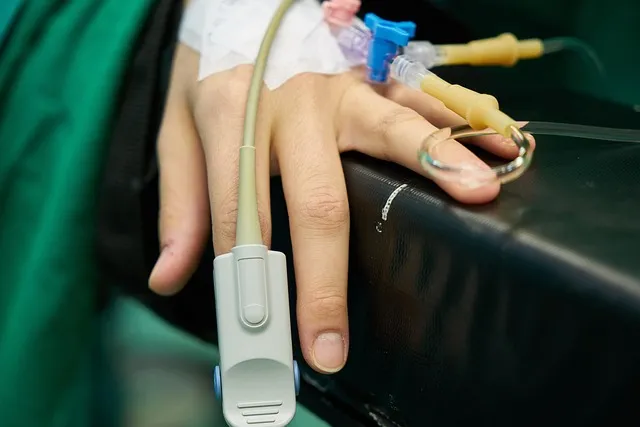
What actually happens during an NAD+ IV infusion? The answer is pharmacologically interesting, and a bit counterintuitive.
NAD+ administered intravenously does raise blood NAD+ levels rapidly and substantially. Confirmed by measurement, not in dispute. But NAD+ itself doesn’t easily cross cell membranes — it’s a large, charged molecule, unable to passively diffuse into cells. The mechanism by which IV NAD+ actually benefits cells, if it does, is complex and not fully understood even now.
Some research suggests extracellular NAD+ can be cleaved into its constituent parts (nicotinamide and ADP-ribose) by extracellular enzymes — specifically CD38 and other NAD+-cleaving enzymes — and those components can then enter cells and get reconstituted into intracellular NAD+. Others propose direct import into some cell types through specific transporters. The relative contribution of each pathway is still being worked out. Nobody’s fully settled this yet.
Practical implication: IV NAD+ isn’t a direct cellular NAD+ replacement in the simple sense the marketing implies. The path from bloodstream to intracellular NAD+ runs through biochemical conversions subject to rate-limiting steps and enzymatic bottlenecks. Cells can only convert and absorb precursor molecules as fast as their recycling enzyme capacity allows. No shortcuts around that.
The half-life of IV NAD+ in blood is roughly 1-2 hours before it’s cleared or converted. After an infusion, blood NAD+ peaks sharply, then returns toward baseline fairly quickly. Whether that brief peak produces meaningful intracellular accumulation translating into sirtuin activation or other benefits is exactly the question clinical evidence needs to answer.
The main theoretical advantage of IV over oral is bypassing the intestinal absorption bottleneck. Oral NMN and NR get absorbed through the intestine and must be transported to various tissues through circulation. IV administration achieves immediate high blood levels without GI transit limitations in the way. For someone with severely impaired gut absorption, or for hitting acutely high peaks, IV might have genuine advantages.
For healthy people with normal gut function, whether those advantages translate to meaningfully different intracellular outcomes isn’t established. Not yet, anyway.
THE HUMAN CLINICAL EVIDENCE: WHAT RCTs ACTUALLY SHOW
For oral NAD+ precursors, the human evidence runs more substantial. The Keio University trial mentioned in the Sinclair article found that 250mg of NMN daily for 12 weeks raised blood NAD+ levels in healthy older men without adverse effects. A Washington University study found NMN improved muscle insulin sensitivity and reduced fat mass in postmenopausal women with prediabetes. An Australian study found NMN improved walking speed in older adults.
For NR (nicotinamide riboside), Charles Brenner’s lab at the University of Iowa has published multiple studies showing oral NR raises blood NAD+ levels in humans, with some evidence of improved mitochondrial function markers in tissues.
The IV-specific literature is mostly case reports, small open-label series, and anecdotal reports from the wellness clinic industry. A 2021 pilot study from Stanford tested IV NAD+ in patients with traumatic brain injury and reported cognitive improvements, but the study was small (n=20) and uncontrolled — impossible to attribute outcomes to the intervention with any confidence.
Honest summary: there’s no randomized controlled trial showing IV NAD+ produces meaningfully better outcomes than oral NAD+ precursors for any longevity-relevant outcome in healthy adults. The theoretical case for IV advantages exists but hasn’t been rigorously tested. Nearly all the existing clinical evidence for NAD+ benefits in humans comes from oral supplementation studies.
THE ACUTE EXPERIENCE: WHY IV NAD+ FEELS DIFFERENT FROM ORAL
Anyone who’s received an NAD+ IV infusion — or talked to people who have — knows the experience is distinctive. Unlike most IV treatments, NAD+ infusions produce immediate, sometimes intense physical sensations: warmth spreading through the chest, a feeling of energy or activation, sometimes mild nausea, muscle fatigue, headache, or a peculiar feeling seasoned users describe as “your cells waking up.”
These acute effects are pharmacologically real, not imagined. Intravenous NAD+ causes a rapid rise in extracellular NAD+ that activates purinergic receptors — receptors responding to extracellular nucleotides and nucleosides. These mediate a range of physiological responses, including smooth muscle contraction, inflammatory signaling, neural activation. The chest tightness and flushing some people experience during slow infusion reflects these immediate receptor-level responses.
This acute activation is part of what makes IV NAD+ feel uniquely potent — and it almost certainly contributes to the placebo and expectancy effects that make outcome assessment genuinely difficult. When a treatment produces an immediate, noticeable physical experience, the mind strongly associates the treatment with efficacy. Known amplifier of placebo responses, this. Treatments that feel like they’re doing something tend to feel like they worked afterward, independent of whether they actually did.
Doesn’t mean IV NAD+ is purely placebo. But it argues strongly for controlled trials that can separate the genuine pharmacological effects from the experience-driven belief effects. No such trials exist yet for the wellness-longevity indication.
CD38: THE ENZYME THAT DESTROYS NAD+ AND WHY IT MATTERS
Among the most important and underappreciated factors in the NAD+ decline story is an enzyme called CD38. A NADase — it cleaves NAD+ — and its expression increases dramatically with age, particularly in tissues with high inflammatory activity. It may account for much of the NAD+ decline that occurs in aging generally.
CD38 expression is driven by inflammation — specifically the chronic low-grade inflammation (inflammaging) that’s a hallmark of aging. As tissues accumulate senescent cells, inflammatory cytokines rise, CD38 gets upregulated, NAD+ gets consumed at a higher rate, and the cells best positioned to restore NAD+ (through sirtuin activation and NAD+ biosynthesis) become resource-starved right when they need resources most.
Self-reinforcing loop, this: inflammation depletes NAD+, which reduces sirtuin activity, which impairs the epigenetic maintenance that keeps cells from becoming senescent and inflammatory, which drives more inflammation. Round and round.
The therapeutic implication: simply supplementing NAD+ precursors without addressing the upstream inflammation driver may be treating a symptom, not the cause. If CD38 is consuming NAD+ faster than supplementation can restore it, that’s a losing race against an accelerating drain.
This is where CD38 inhibitors enter the picture. Several compounds inhibit CD38 activity, including apigenin (a polyphenol found in parsley, celery, chamomile tea) and quercetin (onions, capers). Mouse studies combining NAD+ precursors with CD38 inhibitors show additive effects on tissue NAD+ levels compared to either alone. Several longevity researchers now recommend combining NMN or NR supplementation with apigenin specifically to reduce CD38-mediated NAD+ destruction.
From an IV therapy standpoint, this suggests infusing NAD+ into a body with high inflammatory activity and elevated CD38 may have a limited duration of effect — the extra NAD+ gets destroyed roughly as fast as it arrives. Addressing the upstream inflammatory drivers (senolytic interventions, anti-inflammatory dietary practices, exercise) may be a prerequisite for making NAD+ restoration durably effective at all.
THE ADDICTION TREATMENT ANGLE: WHERE IV NAD+ HAS ACTUAL CLINICAL DATA

The clinical observation: high-dose IV NAD+ (750-1,500mg per day for 10-15 days) dramatically reduced withdrawal symptoms in patients detoxifying from opioids, alcohol, benzodiazepines, stimulants. Patients receiving NAD+ reported reduced cravings, faster emergence from withdrawal, better neurological function during the acute detox period.
The mechanistic hypothesis involves NAD+’s role in dopamine and serotonin synthesis — neurotransmitters depleted by chronic substance use. It also involves NAD+’s role in DNA repair in neural tissue: chronic substance use produces significant oxidative damage to neurons, and providing high-dose NAD+ may accelerate repair of that damage.
A small but genuine body of clinical data supports the addiction medicine application. A 2020 study in the Journal of Alternative and Complementary Medicine found IV NAD+ combined with amino acid therapy significantly reduced withdrawal severity and craving scores compared to historical controls. A 2023 pilot trial at Bogan Care in South Carolina found reduced opiate withdrawal symptoms with IV NAD+ versus placebo, in a small randomized design.
This is the strongest human clinical evidence for IV NAD+ specifically — not in the longevity-wellness context, but in an acute medical context with a clear pathophysiological rationale behind it. The longevity clinic industry has essentially borrowed the IV delivery format from this clinical context and applied it to a wellness population where the evidence runs far thinner.
ORAL ALTERNATIVES: WHAT NMN AND NR ACTUALLY DELIVER
For the vast majority of healthy adults seeking NAD+ optimization for longevity purposes, oral NMN or NR supplementation is the evidence-supported approach. The choice between them involves some genuine nuance worth understanding.
NMN (nicotinamide mononucleotide) enters cells via the Slc12a8 transporter in the small intestine, bypassing the conventional NAD+ biosynthesis pathway at its rate-limiting step. Once absorbed, it converts to NAD+ in tissues. Studies have generally used 250mg-1,000mg daily, with human trials showing dose-dependent increases in blood NAD+ levels.
NR (nicotinamide riboside) converts to NMN before becoming NAD+ — one more enzymatic step involved. Brenner’s position: both NR and NMN are ultimately converted to nicotinamide before being incorporated into NAD+ through the salvage pathway, making the differences between them largely moot in practice. Some studies suggest NMN may have better tissue-specific distribution, particularly in muscle and liver, while NR may have different kinetics elsewhere.
Practical advice: either compound, at the amounts the human trials have used, will raise blood NAD+ levels and likely support sirtuin function and mitochondrial efficiency. The differences between them are probably clinically marginal. Combining with CD38 inhibitors (apigenin or quercetin) may improve retention. Taking them with TMG (trimethylglycine) may prevent the methyl donor depletion that high-dose NAD+ supplementation can theoretically cause.
Total cost for a well-designed oral NAD+ protocol: $50-80 a month. Cost of regular IV NAD+ infusions: $250-500 a session. The question any honest practitioner should be asking: does the IV option produce ten times better outcomes than the oral option? Because that’s roughly the cost differential. Current evidence says no — but the study that would definitively answer this hasn’t been done yet.
SAFETY PROFILE AND PRACTICAL CONSIDERATIONS
NAD+ precursors — NMN and NR — have been tested in multiple human trials at doses up to 2,000mg daily without serious adverse effects. Common minor side effects include nausea (more common at higher doses, often resolved by taking with food), flushing (less common than with nicotinic acid/niacin), and mild fatigue in the first few days of supplementation. No serious adverse events reported in the published literature so far.
IV NAD+ carries a different safety profile. The acute vasomotor effects during infusion — flushing, chest tightness, nausea — can be distressing and occasionally lead to infusion discontinuation. Severity is dose- and rate-dependent; slower infusions at lower concentrations produce fewer symptoms. In addiction medicine settings, high-dose protocols (750mg+) are administered over several hours precisely to manage these effects.
The safety concern most often raised is theoretical: high-dose NAD+ supplementation raises NAMPT (the rate-limiting enzyme in NAD+ biosynthesis), and some cell types — including certain cancer cells — rely on NAMPT for their elevated NAD+ requirements. In animal studies, NAMPT inhibition is actually being explored as a cancer treatment in its own right. Whether high-dose NAD+ supplementation could fuel pre-existing undetected cancer growth is a theoretical concern, not an established clinical finding, but it comes up often enough among researchers to warrant mention.
Sinclair has addressed this by arguing adequate sirtuin activity (which NAD+ supports) is actually cancer-protective — senescent cells, which sirtuins help suppress, are themselves pro-tumorigenic. He believes the net effect of NAD+ restoration is cancer-preventive rather than cancer-promoting. The oncology literature here is genuinely unsettled. For anyone with known active cancer, the conservative approach is discussing NAD+ supplementation with an oncologist before proceeding, not guessing.
NAD+ and Aging: Your Questions Answered
Is there any good reason to choose IV NAD+ over high-dose oral supplementation?
Yes, in specific situations: severely impaired gut absorption (Crohn’s disease, history of bowel resection, gastroparesis) could justify bypassing enteral delivery entirely. Acute NAD+ depletion following intense metabolic stress (serious illness, surgery, chemotherapy) might benefit from the faster repletion IV allows. The addiction medicine application has the strongest evidence base for IV over oral, hands down. For a healthy adult seeking longevity benefits, the evidence doesn’t currently support IV as meaningfully superior to optimized oral supplementation.
Honest position: IV may offer marginal advantages the clinical data hasn’t caught up to confirm or refute. Oral is the evidence-supported choice; IV is a premium option for people who want maximum effect and can tolerate the cost and inconvenience.
How do I know if my NAD+ levels are actually low?
Validated commercial NAD+ testing is available through companies like Jinfiniti Precision Medicine, offering a blood test measuring intracellular NAD+ levels. Normal ranges are established by age group. Results below the 20th percentile for your age group suggest NAD+ deficiency that may meaningfully impact sirtuin function. The test costs around $50-100 and provides a baseline for monitoring whether supplementation is actually raising your levels. Without testing, it’s essentially guesswork about both starting point and response.
Does fasting naturally restore NAD+ levels?
Yes, substantially. Fasting activates SIRT1 and SIRT3, which increase expression of NAMPT — the rate-limiting enzyme in NAD+ biosynthesis. One mechanism by which caloric restriction produces its longevity effects. A 24-36 hour fast can significantly increase cellular NAD+ levels through this pathway alone. Relevant for evaluating the cost-benefit of NAD+ supplementation: anyone already doing significant fasting may already have relatively well-maintained NAD+ levels.
NAD+ supplementation may produce the most benefit for people not fasting regularly, who aren’t getting the fasting-induced NAD+ biosynthesis upregulation others are.
What’s the difference between the nicotinamide riboside in supplements and regular niacin (B3)?
Niacin (nicotinic acid), niacinamide (nicotinamide), NR, and NMN are all forms of vitamin B3 — all feed into NAD+ biosynthesis through related but distinct pathways. Regular niacin causes the “niacin flush” (a sometimes intense flushing reaction) through a prostaglandin-mediated mechanism. Niacinamide doesn’t cause flushing, but high doses can inhibit sirtuins directly. NR and NMN enter the NAD+ pathway at later steps and carry cleaner profiles — no flushing, no sirtuin inhibition concern. They’re also the most expensive of the four, naturally.
For people with budget constraints, niacinamide may raise NAD+ without the flushing that niacin causes, though without the sirtuin-pathway specificity of NMN or NR.
How long does it take to see effects from NAD+ supplementation?
Subjective energy improvements, when they occur, often appear within two to four weeks of consistent oral supplementation. Blood NAD+ level changes can be confirmed by testing at 8-12 weeks. Functional changes — muscle function, exercise tolerance, cognitive performance — take longer to manifest and are more subtle. In the clinical trials, metabolic markers (insulin sensitivity, glucose metabolism) improved over 12-week periods.
Epigenetic age improvements, if they occur, would require months of consistent supplementation and would need confirmation by testing. The time horizon for meaningful cellular benefit is weeks to months here. Not days.
“NAD+ is not a vitamin. It’s more fundamental than that. It’s the currency of energy transfer in every living cell, and its decline with age is probably the most upstream driver of aging that we know how to measure and address.” — Charles Brenner, NAD+ metabolism researcher
Elena’s fog probably did lift. The improvement was probably real. But the most honest thing that can be said about NAD+ IV therapy at its current evidence level is this: the biology is real, the animal evidence is compelling, the human evidence for oral NAD+ precursors is growing and credibly positive, and the specific advantages of IV delivery over oral in healthy adults haven’t been rigorously tested.
That’s not nothing — actually, that’s quite a lot. NAD+ science ranks among the most compelling in longevity biology. It’s just that most of what’s known points toward oral supplementation as the appropriate vehicle, not intravenous delivery at $250 a session from a wellness clinic whose brochure is considerably more confident than the clinical literature warrants.
The biology demands respect. The marketing demands skepticism. And the appropriate response to Elena’s question — “is this worth it?” — runs something like: try the oral version first, measure NAD+ levels to see if they’re actually rising, wait for the IV-specific clinical trials the field genuinely needs, and don’t let something feeling dramatic convince anyone that something dramatic is actually happening.
THE PRECURSOR HIERARCHY: NMN vs NR vs NIACIN vs TRYPTOPHAN
Understanding how NAD+ gets synthesized in the body requires mapping the biosynthesis pathways — because the choice of precursor determines where in the pathway supplementation lands, which tissues are most affected, and which rate-limiting steps get bypassed or introduced.
Three primary pathways exist for NAD+ synthesis. The de novo synthesis pathway converts tryptophan (an amino acid from dietary protein) through a multi-step process involving kynurenine intermediates into quinolinic acid, then NAM mononucleotide (NaMN), eventually yielding NAD+. Long, metabolically expensive pathway, with modest output relative to recycling. The Preiss-Handler pathway converts nicotinic acid (niacin/vitamin B3) through three enzymatic steps into NAD+.
This is the pathway responsible for niacin’s lipid-modifying effects and the “flush” reaction (mediated by prostaglandins, not the NAD+ pathway itself). The salvage pathway takes nicotinamide (NAM, a byproduct of every NAD+-consuming reaction) and recycles it back into NAD+ through a two-step process involving NAMPT and NMNAT enzymes. Quantitatively the most important pathway of the three — it recycles the nicotinamide produced by sirtuins, PARPs, and CD38 back into the cellular NAD+ pool.
NMN and NR enter the field at specific points. NR converts directly to NMN via nicotinamide riboside kinase (NRK1/2), then to NAD+ via NMNAT. NMN converts directly to NAD+ via NMNAT, bypassing the NRK step entirely. This one-step advantage for NMN has been proposed to matter in tissues with low NRK expression — though data specifically quantifying tissue-level NRK activity across aging human tissues remains limited.
The debate between NAD+ researchers (particularly Brenner, who developed much of the NR research) and Sinclair’s camp (advocating NMN) centers on this pathway biology. Brenner argues both NMN and NR are ultimately cleaved to nicotinamide in the gut before absorption, meaning they’re essentially the same compound once absorbed.
Sinclair’s camp points to the Slc12a8 intestinal NMN transporter (identified in a 2019 Cell Metabolism paper) as evidence that NMN gets absorbed intact through a specific pathway, bypassing the nicotinamide conversion. Subsequent research has both supported and questioned the transporter’s significance. The practical verdict from human pharmacokinetic studies: both compounds effectively raise blood NAD+ levels; tissue-level differences exist but their clinical significance at typical supplementation doses hasn’t been established.
What this means for anyone trying to optimize NAD+: start with one precursor, test blood NAD+ levels before and after 8-12 weeks, and let the measurement drive the decision rather than the mechanistic debate. Individual response variation is substantial — some people are strong responders to NR, others to NMN. The variable that actually matters is whether the compound is raising cellular NAD+, and that’s measurable.
NAD+ AND SIRTUINS: THE CENTRAL LONGEVITY CONNECTION EXPLAINED
The reason NAD+ occupies such a central position in the longevity conversation is its indispensable relationship with the sirtuin protein family — seven enzymes (SIRT1-7) that regulate epigenetic maintenance, stress responses, metabolism, and DNA repair. Sirtuins require NAD+ as a substrate, not a cofactor. They destroy it in the process of doing their job.
Which means sirtuin activity is directly constrained by available NAD+, and the age-related decline in NAD+ creates a cellular environment where sirtuin function deteriorates even when sirtuin protein levels stay steady.
SIRT1 is the most studied and arguably most important for longevity purposes. It deacetylates histones to regulate gene expression (maintaining epigenetic fidelity), deacetylates and activates PGC-1α (driving mitochondrial biogenesis), regulates p53 (the tumor suppressor), inhibits NF-κB (the master inflammatory transcription factor), and activates FOXO transcription factors controlling stress resistance. When NAD+ falls, SIRT1 activity falls, and all of these regulatory functions degrade at once.
SIRT3 is the primary mitochondrial sirtuin. It regulates multiple mitochondrial proteins through deacetylation, including components of the electron transport chain and enzymes involved in fatty acid oxidation. SIRT3 deficiency in mice produces the mitochondrial dysfunction and increased cancer risk characteristic of aging; SIRT3 overexpression extends lifespan. SIRT3 activity is directly NAD+-dependent, tying the mitochondrial dysfunction of aging directly to NAD+ decline through this one enzyme.
SIRT6 manages DNA repair and telomere maintenance. It regulates base excision repair and non-homologous end joining — two of the primary mechanisms for repairing DNA strand breaks. SIRT6 deficiency in mice produces a severe premature aging phenotype; overexpression extends lifespan by 15% in males. Again, NAD+-dependent. The genomic instability accumulating with age — one of the nine “hallmarks of aging” catalogued by López-Otín and colleagues — is partly driven by declining SIRT6 activity, downstream of declining NAD+.
This regulatory network explains why NAD+ repletion is expected to produce broadly beneficial effects rather than narrow ones: a single molecular intervention (restoring NAD+) simultaneously supports epigenetic maintenance (SIRT1), mitochondrial function (SIRT3), and genomic stability (SIRT6) — three of the most important aging processes there are. Whether NAD+ supplementation actually delivers these effects at the magnitude the mechanistic reasoning suggests is the empirical question current and coming human trials are designed to answer.
THE TRYPTOPHAN CONNECTION: DIETARY SUPPORT FOR NAD+ BIOSYNTHESIS
Beyond supplements, diet influences NAD+ levels through the de novo biosynthesis pathway converting tryptophan into NAD+. Roughly 60mg of tryptophan is required to produce 1mg of niacin equivalent — an inefficient pathway, but one that still contributes meaningfully to baseline NAD+ levels in people with adequate protein intake.
The key enzyme in the tryptophan-to-NAD+ pathway is IDO1 (indoleamine 2,3-dioxygenase 1), catalyzing the rate-limiting first step of kynurenine synthesis. IDO1 is chronically upregulated by inflammation — specifically by inflammatory cytokines including IFN-gamma and TNF-alpha. In chronically inflamed individuals (which describes most middle-aged adults with poor diet, inadequate sleep, sedentary lifestyles), IDO1 runs at elevated rates, diverting tryptophan through the kynurenine pathway faster than it would in a low-inflammation state.
The paradox: the inflammatory conditions that most deplete NAD+ through elevated CD38 activity simultaneously shunt more tryptophan through NAD+-producing pathways. But the net effect still runs toward NAD+ depletion, because CD38-mediated destruction exceeds whatever gain comes from the tryptophan-pathway increase.
Practically, this means adequate protein intake from tryptophan-rich sources (turkey, chicken, eggs, cheese, nuts, seeds) supports baseline NAD+ biosynthesis. It also means anti-inflammatory lifestyle practices — exercise, adequate sleep, anti-inflammatory dietary patterns — reduce the IDO1 and CD38 activity that depletes NAD+ independent of any supplementation.
The most comprehensive approach to maintaining NAD+ levels is therefore multi-pronged: dietary precursors (tryptophan-rich foods), NAD+ precursor supplements (NMN or NR), CD38 inhibitors (apigenin, quercetin), and the lifestyle factors that reduce the inflammatory drivers of NAD+ destruction in the first place.
Magnesium is another dietary nutrient specifically affecting NAD+ metabolism. NAMPT — the rate-limiting enzyme in the NAD+ salvage pathway — requires magnesium as a cofactor. Magnesium deficiency, estimated to affect 50-60% of the Western adult population based on dietary surveys, directly impairs NAMPT activity and the efficiency of NAD+ recycling.
Ensuring adequate magnesium intake (400-420mg daily for men, 310-320mg for women) is therefore a prerequisite for optimal NAD+ salvage, and supplementing with magnesium glycinate or malate is reasonable for most people not getting adequate dietary magnesium from food alone.
The Practical Framework: Applying NAD+ Science In Real Life
References
Editorial StandardsCorrectionsMedical DisclaimerAbout Our ContentAffiliate DisclosureSite Map