
The Afternoon Your Liver Was Probably Working Fine
Thomas Garrett did a juice cleanse every January for four years. Five days, nothing but pressed juices in precisely sequenced colors — green in the morning, orange at midday, deep purple in the evening. He drank them at his desk and told coworkers about “flushing out the toxins” from holiday excess. He felt virtuous. He felt lighter by day three. He told himself his body was cleaner.
Then a friend who taught biochemistry at a local university asked him a direct question: “What toxins, specifically, are you removing?”
Thomas didn’t have an answer. He’d never needed one. The word “detox” had always been its own justification. It sounded like it made sense. It felt like it should be true. The industry — $5.7 billion annually in the United States alone — had done its job perfectly.
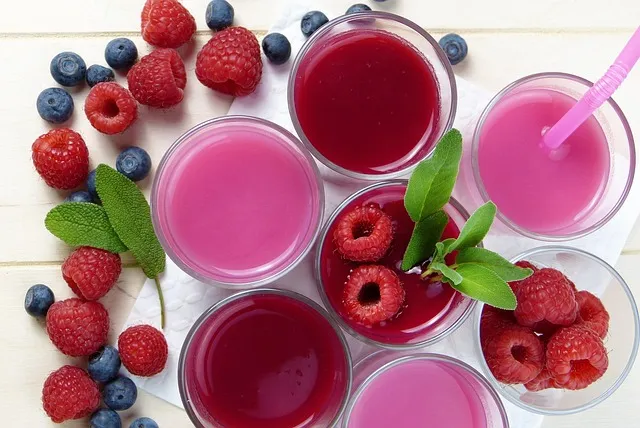
What “Detox” Actually Means in Biology
Detoxification is a real biological process. It’s just not the process the cleanse industry is selling.
The body’s primary detoxification organ is the liver. Every minute of every day, the liver performs two phases of detoxification on substances that enter the bloodstream. Phase I (oxidation, reduction, and hydrolysis reactions, primarily via the cytochrome P450 enzyme system) converts fat-soluble toxins into intermediate compounds. Phase II (conjugation reactions — glucuronidation, sulfation, methylation, and others) converts those intermediates into water-soluble compounds excretable via urine (kidneys) or bile (gut).
This process handles alcohol, medications, environmental toxins (heavy metals, pesticides, industrial chemicals), bacterial endotoxins, and the metabolic byproducts of normal cellular function. The liver doesn’t pause when you eat pizza and resume when you drink green juice. It runs continuously, processing everything in your bloodstream, 24 hours a day, without requiring your conscious intervention.
The kidneys simultaneously filter your blood approximately 50 times per day, excreting waste products (urea, creatinine, uric acid, various conjugated liver metabolites) in urine. The lungs excrete volatile compounds (including acetone during ketosis). The gut eliminates bile-bound toxins in stool. The skin excretes small amounts of water-soluble compounds in sweat.
These systems, when functioning normally, are remarkably effective. The human body evolved in environments with significant pathogenic and toxic loads — and survived. The detoxification infrastructure is not a fragile system waiting to be overwhelmed by a holiday meal. It’s a strong, redundant, continuously operating defense system that processes daily toxin loads orders of magnitude larger than a Christmas dinner.
When detox proponents claim the liver is “overwhelmed” or “backed up” with toxins that need to be flushed, they’re describing a scenario without physiological support in healthy people. If a liver genuinely cannot process the toxins in the bloodstream, that’s acute liver failure, and the fix is a hospital — not a green juice.
The Detox Claims That Are Marketing Fiction
Let’s be specific about which detox claims lack scientific support.
“Toxins accumulate in your body from modern living.”
Some toxins do bioaccumulate — specifically fat-soluble persistent organic pollutants (POPs) like certain pesticide residues, PCBs, and dioxins accumulate in adipose tissue because the body lacks the enzymatic machinery to efficiently convert them for excretion. This is real. But no commercial juice cleanse addresses these compounds. They’re not removable through dietary restriction, and their concentration in the body reflects lifetime exposure to environmental contamination, not last month’s eating habits.
“Your colon is clogged with years of accumulated waste.”
A persistent claim from the colon-cleanse industry with no anatomical basis. The colon doesn’t accumulate layers of “mucoid plaque” (a made-up term) from years of poor eating. Bowel transit time varies, but the colon isn’t a storage vessel for years of waste. Colonoscopy, which visualizes the entire colon in thousands of people of all dietary habits, doesn’t reveal accumulated layers of impacted material in people without specific clinical conditions. The colon plaque narrative is fictional.
| Claim | Reality |
|---|---|
| “Toxins accumulate from modern living” | Some fat-soluble POPs do bioaccumulate, but no juice cleanse removes them — they reflect lifetime exposure, not last month’s diet |
| “Your colon is clogged with years of waste” | No anatomical basis — colonoscopy doesn’t show accumulated “mucoid plaque” in people without specific clinical conditions |
“You need to give your digestive system a rest.”
The digestive organs are designed for continuous operation. That said, there’s a legitimate version of this idea: extended fasting periods allow the gut to engage its migrating motor complex (MMC), the gut’s self-cleaning mechanism that operates between meals and is disrupted by constant eating. This is the basis for fasting-based gut health benefits — but it requires true fasting, not juice consumption. Juice “cleanses” that involve drinking every 2-3 hours don’t meaningfully engage the MMC.
The digestive system doesn’t need rest the way muscles need recovery after exercise.
“The weight loss during a cleanse is fat loss.”
No. The rapid weight loss during juice cleanses is predominantly water and glycogen (stored carbohydrate). Each gram of glycogen is stored with approximately 3-4 grams of water. A 5-day restriction on solid food depletes liver and muscle glycogen, releasing several kilograms of water. This weight returns within days of resuming normal eating. No fat has been lost. The number on the scale changes; body fat percentage stays essentially unchanged.
The Detox Claims That Are Partially Real
Intellectual honesty requires acknowledging the parts of the detox narrative that correspond to real mechanisms.
Reducing toxin intake is genuinely beneficial.
Most commercial cleanses, whatever their marketing claims, involve dramatically reducing intake of alcohol, processed food, refined sugar, artificial additives, and other substances that do impose genuine metabolic burdens. Alcohol metabolism produces acetaldehyde (a known carcinogen and the primary cause of hangover symptoms) that the liver must process. Processed food contains advanced glycation end products (AGEs), oxidized lipids, and other pro-inflammatory compounds. Artificial food dyes and preservatives impose metabolic processing demands. Dramatically reducing these inputs for five days doesn’t “detox” anyone, but it does reduce the ongoing burden on metabolic processing systems. That part is real, and beneficial.
Caloric restriction activates beneficial cellular processes.
As discussed in the fasting mimicking diet article, caloric restriction — even brief caloric restriction during a juice cleanse — activates autophagy, reduces mTOR signaling, and allows cellular repair processes to operate. A five-day juice cleanse producing 1,000-1,500 calories daily sits in caloric restriction territory. The autophagy and cellular repair benefits are real, though they have nothing to do with “toxins” or “cleansing” — they’re the results of caloric restriction activating the nutrient-sensing machinery that all these fasting protocols target.
High vegetable and fruit intake provides genuine nutritional benefits.
A juice cleanse delivering 5-8 servings of vegetables and fruits per day is providing substantial amounts of polyphenols, vitamins, minerals, and phytonutrients that most people don’t get from their regular diet. These compounds support liver function (NAC precursors, glutathione substrates, sulforaphane from cruciferous vegetables), reduce oxidative stress, and feed beneficial gut bacteria. Real effects, from real nutrients — not from magical “detox” properties, but from the genuine nutritional value of consuming large amounts of plant food.
Psychological reset and behavior change.
For some people, a structured “cleanse” functions as a behavioral circuit-breaker — an opportunity to interrupt habitual patterns, demonstrate self-control, and establish a new dietary baseline. The psychological function of a ritualized dietary restart has genuine value for behavior change, even if the physiological mechanism isn’t what the marketing claims. If a January cleanse reliably leads to better dietary choices from February through December, the five-day investment has positive long-term returns regardless of the detox mythology attached to it.
The Detox Reality Assessment
Here’s a systematic framework for evaluating any detox or cleanse product honestly — before spending money or committing to dietary restrictions based on the marketing narrative.
Step 1: Identify the specific “toxins” being addressed
Ask the product or protocol to name the specific compounds being removed. “Toxins” is not an answer. If the answer is “environmental pollutants, heavy metals, or pesticide residues,” ask what published evidence shows this specific protocol removes those compounds. Bile acid sequestrants remove some organic compounds; short-term juice consumption does not.
If no specific toxins can be named, or if the named toxins have no documented mechanism by which the cleanse removes them, that’s marketing language, not biochemistry.
Step 2: Separate the mechanism from the outcome
Some people genuinely feel better after cleanses. That’s an outcome. The mechanism the cleanse claims — “detoxification” — may not be the actual cause of the better feeling. The actual cause may be reduced caloric intake producing weight loss and reduced inflammation, dramatically increased vegetable consumption providing micronutrients that were deficient, elimination of alcohol and processed food removing genuine metabolic burdens, or the psychological effect of focused dietary attention.
Separating outcome from mechanism matters, because if the mechanism is wrong, the outcome is probably achievable more efficiently and less expensively without the cleanse ritual. And if the outcome is genuine improvement in nutrition quality and alcohol reduction, that’s achievable through dietary changes that are sustainable — rather than a five-day episodic restriction.
Step 3: Evaluate the caloric composition
Most juice cleanses provide 1,000-1,600 calories per day — well below maintenance. This creates a caloric deficit responsible for most of the scale weight change and some of the “feeling lighter” participants report. If caloric restriction is the mechanism, a well-designed intermittent fasting protocol (like the 5:2 diet) achieves this more precisely, with better protein preservation, at lower cost, and with better long-term evidence behind it.
Step 4: Calculate the cost
Commercial juice cleanses typically cost $50-100 per day, or $250-500 for a five-day cleanse. That’s $50-100 per day for a product providing less nutrition than a well-designed whole food diet at 25% of the cost. The premium pays for packaging, marketing mythology, and the psychological infrastructure of ritual. If those elements have genuine value — maybe the structure helps with adherence, and the price creates psychological commitment — that’s a valid personal calculus. But the nutritional or detox value per dollar is very poor.
Step 5: Design a better alternative
If the goal is a dietary reset after a period of indulgence, a better approach than a juice cleanse: one week of eating only whole foods (no alcohol, no ultra-processed food, no refined sugar), drinking 2-3 liters of water daily, getting 7-9 hours of sleep, and walking 30 minutes per day. This achieves every evidence-based benefit of a cleanse — reduced toxin intake, caloric restriction if appropriate, increased vegetable consumption, behavioral reset — without the magical detox narrative and at a fraction of the cost.
Supporting Your Liver: What Actually Works
Rather than “cleansing” an imaginary liver backup, what does the evidence actually support for maintaining healthy liver function?
- Minimize alcohol: The most powerful thing most adults can do for liver health is reduce or eliminate alcohol consumption. Ethanol metabolism directly taxes Phase I and Phase II liver detoxification, produces acetaldehyde, generates reactive oxygen species, promotes hepatic lipid accumulation, and in chronic high doses causes cirrhosis. No cleanse addresses this more effectively than simply drinking less.
- Maintain healthy body weight: Non-alcoholic fatty liver disease (NAFLD), now called metabolic dysfunction-associated steatotic liver disease (MASLD), affects 25-30% of adults globally and is closely linked to visceral obesity and insulin resistance. It’s the most common liver disease in Western countries. The most effective intervention is weight loss — 5-10% of body weight produces meaningful histological improvement in liver steatosis — through any combination of diet and exercise. No juice cleanse approaches this benefit.
- Consume cruciferous vegetables: Broccoli, Brussels sprouts, cauliflower, and cabbage contain glucosinolates converted to sulforaphane and other compounds that upregulate Phase II liver detoxification enzymes. Genuinely liver-supportive nutrients with peer-reviewed evidence. Eating cruciferous vegetables 3-5 times per week has measurable effects on hepatic detoxification capacity.
- Drink coffee: Coffee is one of the most well-documented liver-protective foods available. Multiple large cohort studies show regular coffee consumption (2-4 cups/day) associated with reduced liver fibrosis, reduced liver cancer risk, reduced progression of NAFLD to NASH, and improved liver enzyme levels. The mechanism involves polyphenols, cafestol, and other coffee compounds that modulate hepatic inflammation and fibrosis pathways.
- Manage medications carefully: Many common medications — acetaminophen at high doses, certain antibiotics, statins in rare cases — impose genuine metabolic burdens on the liver. Using medications only when necessary, at appropriate doses, and not combining hepatotoxic medications with alcohol is one of the most practical liver health strategies available.
- Exercise: Regular aerobic exercise reduces hepatic fat accumulation through multiple mechanisms, independent of weight loss. A 2022 meta-analysis in JAMA Network Open found that 150-300 minutes per week of moderate-intensity exercise significantly reduced liver fat and improved liver enzyme levels in people with NAFLD. More effective for liver health than any cleanse protocol.
The Psychology of Cleansing: Why We Want It to Work
Thomas’s experience — the January ritual, the feeling of virtue, the belief in restoration — reflects something deeply human about the appeal of detox culture. Understanding that psychology helps explain why the science-fiction framing of “toxin removal” persists despite the biological reality.
Purification rituals are ancient. Every major religion has them: fasting, dietary restrictions, ritual cleansing. The psychological need to feel clean — to mark a fresh start, to compensate for excess, to demonstrate self-mastery — is fundamental. The commercial wellness industry has captured this need perfectly, clothing an ancient ritual in modern pseudoscientific language to make it feel medically legitimate.
The feeling of lightness after a cleanse is real — partly from glycogen depletion and water loss, partly from the absence of bloating that often accompanies high-processed-food diets, and partly from the psychological relief of having done something intentional about one’s health. Genuine experiences, all of them. Their cause is not toxin removal.
The desire for a periodic reset is also worth taking seriously as a behavioral phenomenon. People who do annual dietary cleanses often maintain better average dietary quality throughout the year — not because the cleanse worked metabolically, but because the ritual creates a reference point for what intentional eating feels like. “I could eat like that” is a more powerful behavioral memory than abstract nutritional knowledge.
The problem arises when the ritual is expensive, nutritionally inadequate, based on false mechanisms, or used as a substitute for the ongoing dietary choices that actually determine health. A $400 annual juice cleanse doesn’t counterbalance eleven and a half months of poor dietary choices. A more honest framing: the cleanse doesn’t fix anything, but the intention behind it can be channeled into changes that do.
The Specific Harm of Extreme Cleanses
Most commercial cleanses, while expensive and based on false premises, are unlikely to cause serious physical harm in healthy adults. But extreme cleansing protocols — extended water fasting promoted as “deep detox,” the Master Cleanse (cayenne pepper, lemon juice, maple syrup), high-dose herbal cleansing supplements, and colon irrigation (colonic hydrotherapy) — carry specific risks.
- Electrolyte imbalance: Extended juice-only or water-only fasting can produce dangerous electrolyte disturbances, particularly hyponatremia (low sodium from drinking large amounts of water without adequate electrolyte replacement) and hypokalemia (low potassium from inadequate food intake). Serious conditions that can cause cardiac arrhythmias, muscle weakness, and in severe cases, death. The Master Cleanse is particularly problematic because cayenne and lemon juice provide essentially no electrolytes while encouraging high water intake.
- Hypoglycemia: People with diabetes or pre-diabetes who follow extended fasting cleanse protocols without medical supervision risk dangerous blood glucose drops. Insulin or oral diabetes medication dosing is calibrated to expected food intake; severe restriction without medication adjustment is hazardous.
- Herbal supplement toxicity: Many “detox” and “cleanse” products contain herbal compounds with genuine hepatotoxic potential. Pyrrolizidine alkaloids (found in comfrey, some herbal teas), aristolochic acid (found in some traditional herbal formulas), kava, and high-dose extracts of many herbs have documented liver toxicity. The supreme irony: some “liver cleanse” supplements are among the more hepatotoxic things available in supplement form. The FDA’s database of drug-induced liver injury includes numerous herbal “cleanse” products.
- Colon irrigation risks: Colonic hydrotherapy, where large volumes of water are flushed through the colon, can cause bowel perforation, electrolyte imbalance, and bacterial contamination. The American College of Gastroenterology has no recommended indications for colonic irrigation in healthy adults, and case reports of serious adverse events exist in the medical literature.
Detox Diets Real: Your Questions Answered About Detox Diets
Q: If detox diets are based on pseudoscience, why do I feel so much better after doing one?
A: Several real mechanisms explain improved wellbeing during and after cleanses: reduced caloric intake if you were previously overeating; dramatically increased vegetable and fruit consumption providing micronutrients; elimination of alcohol, processed food, and refined sugar reducing inflammatory load; improved hydration; psychological relief from having taken action; and the physical lightness of depleted glycogen stores (which returns when you eat normally). All of these are real. None require the “detox” narrative to explain them. The same outcomes are achievable through a week of clean eating, adequate sleep, and exercise — without the cleanse mythology or the $400 price tag.
Q: Should I do a liver cleanse supplement to support my liver?
A: There’s no evidence that any “liver cleanse” supplement meaningfully improves liver function in people with normal liver health. Milk thistle (silymarin) has some evidence for protective effects in people with established liver disease, but it’s not beneficial for healthy livers and doesn’t “cleanse” anything. Dandelion root, burdock root, and other common cleanse supplement ingredients have no meaningful clinical evidence for liver support. For anyone concerned about liver health: reduce alcohol, maintain healthy weight, eat cruciferous vegetables, drink coffee, and exercise. Those are the actual levers.
Q: Is there any form of detox that actually works?
A: Medical detoxification is real and effective — for specific purposes. Chelation therapy removes heavy metals (lead, mercury, arsenic) in cases of actual heavy metal poisoning. Activated charcoal in an emergency department setting absorbs certain ingested poisons before they’re absorbed. Kidney dialysis removes waste products in people with kidney failure. These are medical interventions for specific toxic exposures. They have nothing in common with commercial cleanse products, which address no specific toxin through no validated mechanism.
Q: Are there any foods that specifically support detoxification?
A: Yes, with the understanding that “support detoxification” means “support the liver’s existing Phase II enzyme systems” rather than “remove accumulated toxins.” Cruciferous vegetables upregulate glutathione-S-transferase and other Phase II enzymes. Garlic and onions provide sulfur compounds that support sulfation pathways. Green tea polyphenols upregulate UDP-glucuronosyltransferases. Beets contain betaine, which supports methyl group donation for methylation reactions. Genuinely liver-supportive foods — not because they add a magical cleansing function, but because they provide substrates and inducers for the detoxification reactions the liver already performs.
Q: What’s the best “reset” for the body after a period of poor eating?
A: Simply returning to healthy eating immediately. The liver processes the metabolic byproducts of holiday excess within 24-72 hours. The gut microbiome begins recovering from alcohol and processed food exposure within a week of clean eating. Glycogen stores normalize within 24-48 hours. Inflammation markers from processed food consumption normalize within days. No five-day ritual needed — just Tuesday being a better eating day than Monday, and Thursday better than Tuesday. Sustained improvement beats episodic cleansing.
Thomas in February
After the biochemist friend’s question, Thomas looked up what IgG was (having confused it with a different compound in his research). Then he looked up detoxification physiology. Then he read about the liver. Then he felt slightly ridiculous.
He didn’t regret the four years of January cleanses entirely. They’d been a ritual that marked his commitment to health at the start of each year. They’d produced a week of dramatically cleaner eating that he’d genuinely felt good during. They’d been a circuit-breaker for his worst holiday habits.
What he regretted was the $400 per year — $1,600 total — spent on a fiction about toxin removal. And the social capital spent convincing coworkers he was “flushing out toxins,” which is the kind of statement that follows you.
This year, he designed his own January reset: one week of only whole foods, no alcohol, 2.5 liters of water daily, eight hours of sleep, and a 30-minute morning walk. Vegetables at every meal, protein with every meal, fruit and nuts for snacks. He felt exactly as good as during the cleanses — better, actually, from adequate protein. He spent $0 extra on the protocol.
The science of detox diets is not complicated: the liver works constantly and doesn’t need help from a juice box. Reducing toxin input is genuinely beneficial. The mechanism is reduction, not magical removal. The best detox is a continuously good diet — and where that’s impractical, periodic dietary restriction that genuinely reduces toxin intake, provides nutrients, and creates a behavioral reset. No proprietary cleanse product required.
The Glutathione Narrative
One of the more sophisticated arguments for certain detox products involves glutathione — the body’s master antioxidant and a key player in Phase II liver detoxification. The marketing runs like this: modern life depletes glutathione; oral glutathione supplements or “glutathione-boosting” cleanse products restore optimal levels; restored glutathione improves detoxification capacity and reduces oxidative stress. Superficially plausible, because glutathione genuinely matters.
Here’s the reality check. Oral glutathione is poorly absorbed — the tripeptide (glycine-cysteine-glutamate) is digested in the gut before it reaches the bloodstream in intact form. This is why the pharmaceutical approach to glutathione restoration uses N-acetylcysteine (NAC), which provides the rate-limiting precursor (cysteine) and lets the liver synthesize glutathione endogenously. NAC is a legitimate medication used in hospitals to treat acetaminophen overdose (which works by depleting liver glutathione) — but that requires the drug, not the juice.
Glutathione levels are maintained adequately in healthy people through normal protein intake, which provides all three amino acid precursors. Foods that genuinely support glutathione synthesis include whey protein (cysteine-rich), cruciferous vegetables (sulforaphane upregulates glutathione synthesis pathways), garlic and onions (sulfur compounds), and turmeric (curcumin upregulates γ-glutamylcysteine synthetase, the rate-limiting enzyme). Whole food approaches that provide real glutathione support — not because they’re “detoxifying” in the commercial sense, but because they provide or upregulate the actual biochemical machinery.
The commercial products claiming to boost glutathione through proprietary “superfood blends” are mostly providing the same compounds available from ordinary foods at dramatically inflated prices. Eat broccoli. Eat garlic. Eat whey-based protein. Glutathione doesn’t need a cleanse kit.
Intermittent Fasting as a More Evidence-Based Alternative
The legitimate core of the detox diet concept — periodic caloric restriction activating cellular repair processes — is far better served by intermittent fasting protocols than by commercial cleanse products. Worth understanding clearly, because many people who seek cleanses for “cellular rejuvenation” could achieve those goals more effectively, more cheaply, and with better evidence through fasting.
As discussed in the 5:2 diet and fasting mimicking diet articles, periods without food or with severe caloric restriction activate several cellular processes with legitimate evidence behind them: autophagy (cellular self-digestion of damaged components), mTOR inhibition (reducing pro-aging cellular growth signals), IGF-1 reduction (reducing cancer-risk-associated growth factor), ketone production (providing alternative brain fuel and BDNF-supportive signaling), and gut microbiome reset effects (changes in microbial composition associated with benefits).
A three-day water fast (with appropriate medical consideration), a five-day fasting mimicking diet cycle, or a weekly 5:2 protocol over several months produces these cellular effects far more robustly than a juice cleanse, because the caloric restriction is more severe and consistent, the protein restriction is more intentional (juices often contain significant protein from protein powders added for palatability), and the duration of restriction per session is longer, producing deeper ketosis and autophagy induction.
The paradox of the detox industry is that people pay premium prices for a product simultaneously based on false mechanisms AND a watered-down, less effective version of actual caloric restriction protocols that have real evidence behind them. The better “cellular cleanse” is fasting. Proper, evidence-based, physician-appropriate fasting. Not $100/day juice boxes.
Practical Dietary Strategies That Genuinely Reduce Toxic Load
Accepting that the “cleanse” narrative is largely fiction doesn’t mean there’s nothing to be done about reducing the body’s exposure to compounds that require metabolic processing. Here are strategies with real evidence for reducing genuine toxic load.
Reduce dietary advanced glycation end products (AGEs): AGEs form when proteins or fats are cooked at high temperatures with sugar present — the Maillard reaction that browns meat and creates the appealing crust on grilled foods. AGEs are pro-inflammatory, impair kidney function at high chronic intake, and accumulate in tissues. Reducing AGE exposure means cooking at lower temperatures (steaming, poaching, slow cooking rather than high-heat frying and grilling), avoiding charred food, and reducing sugar intake.
Minimize exposure to endocrine-disrupting chemicals: BPA, phthalates, PFAS compounds, and similar synthetic chemicals disrupt hormone signaling at very low doses. Practical reduction: don’t microwave food in plastic containers, use glass or stainless food storage rather than plastic, filter drinking water (NSF-certified filters reduce PFAS and chlorine byproducts), choose glass-jarred or fresh foods over canned when feasible (BPA in can linings is a significant exposure source), and reduce receipts handling (thermal paper receipts are coated in BPA).
Prioritize organic for the Dirty Dozen: Organophosphate pesticide residues — found most prominently on strawberries, spinach, peaches, apples, grapes, and certain other produce — are genuine metabolic burdens the liver must process. Buying organic for the Environmental Working Group’s “Dirty Dozen” highest-pesticide-residue produce items meaningfully reduces organophosphate exposure. Covered in depth in the organic food article in this series.
Reduce ultra-processed food consumption: The NOVA classification of food processing levels identifies ultra-processed foods (UPFs) — containing ingredients like emulsifiers, stabilizers, flavor enhancers, and artificial colors that don’t exist in home cooking — as associated with a remarkable range of adverse health outcomes independent of their macronutrient composition. These industrial food additives impose processing demands on the liver and gut. Reducing UPF consumption from the average American’s 60%+ of calories to below 20% meaningfully reduces the metabolic burden on detoxification systems.
None of these strategies requires a commercial cleanse. All of them produce genuine, measurable reductions in compounds that require metabolic processing. They’re also sustainable — unlike five-day cleanses followed by a return to baseline habits. Sustainable daily reduction beats episodic restriction, every time, by every measure that matters for long-term health.
What “Feeling Toxic” Actually Means
Many people report feeling “toxic” — sluggish, foggy, heavy, tired — particularly after periods of holiday excess, travel, or stress. That real subjective experience deserves a real explanation rather than the fictional one the cleanse industry provides.
Systemic inflammation: Consuming large amounts of refined carbohydrates, saturated fat from low-quality sources, alcohol, and ultra-processed food within a short period triggers measurable increases in pro-inflammatory cytokines (IL-6, TNF-alpha, CRP). These inflammatory signals produce the fatigue, cognitive impairment, joint stiffness, and general malaise people accurately describe as feeling “like crap.” Real inflammation, from real dietary insults.
Sleep disruption and its consequences: Holiday excess typically involves late nights, alcohol (which disrupts sleep architecture even when it induces sleep), irregular schedules, and travel across time zones. Sleep deprivation independently produces fatigue, cognitive fog, increased appetite, insulin resistance, and immune dysregulation. The “toxic” feeling after the holidays is substantially a sleep debt phenomenon.
Gut microbiome disruption: A few days of high-sugar, high-fat, low-fiber eating measurably alters the gut microbiome toward more inflammatory compositions. These microbiome shifts affect gut-brain axis signaling, serotonin production, and overall inflammatory tone in ways that contribute to feeling cognitively dulled and physically heavy.
Dehydration: Alcohol is a diuretic. Holiday celebrations tend to involve more alcohol and less water than normal. Mild dehydration produces headaches, cognitive slowing, fatigue, and — paradoxically — increased hunger. The “toxicity” of the post-holiday period is significantly dehydration.
The “detox” that addresses these mechanisms is: returning to clean eating (reducing processed food, sugar, and alcohol), sleeping seven to nine hours for several consecutive nights, drinking adequate water, moving the body, and being patient. The improvement in how someone feels is real and predictable — but it’s driven by reducing inflammation, restoring sleep, rehydrating, and resetting the gut microbiome, not by any magical cleansing property of green juice.
Thomas understands all of this now. He still does a January reset — one focused week of intentional eating, no alcohol, consistent sleep, daily walks. The ritual has value. The fiction doesn’t. It’s possible to have one without the other. Most of the people selling the other are very clear on which side of that equation is profitable.
References
Editorial StandardsCorrectionsMedical DisclaimerAbout Our ContentAffiliate DisclosureSite Map