
Lisa had been buying wild-caught salmon every week because she’d read it was healthier than farmed. Then a colleague showed her a 2004 study that changed the conversation entirely. The colleague pulled up Hites et al., published in Science — one of the most comprehensive analyses of contaminant levels in farmed versus wild salmon ever conducted. The finding: farmed salmon from European and North American farms contained substantially higher concentrations of polychlorinated biphenyls (PCBs), dioxins, and organochlorine pesticides than wild Pacific salmon. Lisa’s “just buy salmon” approach was missing critical distinctions about where the salmon came from and how it was raised.
The PCB Problem in Farmed Salmon
Polychlorinated biphenyls (PCBs) are industrial chemicals banned in most countries since the 1970s but persistent in the environment — particularly in marine sediments, where they bioaccumulate through the food chain. Farmed salmon are fed fishmeal and fish oil from smaller fish (typically anchovies, herring, menhaden) that have already concentrated PCBs from their environment. The concentrated feed produces salmon with concentrated contaminants.
Hites et al. (2004) analyzed 2 metric tons of salmon from multiple farms across Europe, North America, and Chile and compared contamination levels to wild Pacific salmon. The results were striking: farmed Atlantic salmon from Scotland, Norway, and Eastern Canada showed PCB concentrations 5-10 times higher than wild Pacific Chinook salmon. European farmed salmon showed the highest contamination, followed by North American farmed salmon. Chilean farmed salmon fell in an intermediate range. Wild Pacific salmon (Chinook, Coho, Sockeye, Pink) showed the lowest contamination levels across the board.
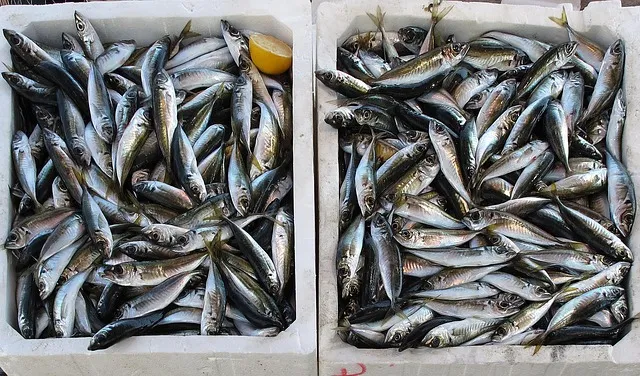
The Hites 2004 Science paper found farmed Atlantic salmon contained PCB concentrations 5-10 times higher than wild Pacific salmon. This finding has not been fundamentally overturned in subsequent research, though contamination levels have declined as the industry has improved feed practices.
The 20 Years After Hites: What Changed
The salmon farming industry did not ignore the Hites findings. Significant reformulation of salmon feed has occurred over the 20 years since the 2004 publication. The primary response was reducing the fishmeal and fish oil fraction of salmon feed and replacing it with plant-based ingredients (soy, canola, wheat gluten) and increasingly with single-cell proteins, algae oils, and insect meals.
This reformulation has produced measurable reductions in contaminant levels. Studies from 2010-2022 show substantially lower PCB and dioxin levels in farmed salmon compared to the 2004 baseline. Some analyses find current farmed salmon from better-managed Norwegian and Chilean farms fall within acceptable exposure limits even at regular consumption frequencies. The trend is positive.
However, the feed reformulation created new concerns: replacing fish oil with plant oils significantly reduces the omega-3 content of farmed salmon. Farmed salmon in 2024 has substantially lower EPA and DHA content than farmed salmon in 2004, which already had lower omega-3 content than wild salmon. Some Norwegian farms now supplement with algae-derived DHA to compensate, but the omega-3 content of farmed salmon has generally declined over the industry’s contamination-reduction efforts — a trade-off where improving one quality metric (contaminants) degraded another (the primary nutritional reason to eat salmon in the first place).
Antibiotics in Aquaculture
The antibiotic use picture in fish farming differs significantly across global production systems and deserves detailed treatment rather than blanket condemnation or blanket approval.
Norwegian salmon farming has dramatically reduced antibiotic use — from roughly 50 metric tons of antibiotics per year in 1987 to less than 1 metric ton in recent years, largely through the development and use of effective vaccines. Norway produces roughly 15% of global salmon supply with essentially no antibiotic use. A genuine success story of veterinary medicine and disease prevention in aquaculture.
Chilean salmon farming has a more problematic antibiotic record. Chile produces roughly 30% of global salmon supply and has historically used very high antibiotic quantities — a 2022 analysis found Chilean salmon farms using roughly 500 times more antibiotics per ton of fish than Norwegian farms. The most concerning antibiotic used is florfenicol, which is critically important in human medicine. Antibiotic residue levels in Chilean farmed salmon destined for export are monitored, but the broader concern about antibiotic resistance entering the food chain is legitimate.
Asian aquaculture — Thailand, Vietnam, Bangladesh (shrimp and tilapia primarily) — has the highest documented antibiotic use rates in fish farming globally, with some studies finding antibiotic residues above acceptable limits in products tested at import. The regulatory oversight and monitoring in source countries is less strong than in European or North American production.
The Fish Selection Protocol
The Fish Selection Protocol is a practical framework for choosing fish and seafood based on contaminant exposure, omega-3 content, antibiotic use, and environmental sustainability simultaneously.
Tier 1 — Best Choices (Eat Freely, 2-3x/week):
- Wild-caught Pacific salmon (Sockeye, Coho, Pink): Alaska Fisheries management is among the most strong globally. PCB levels are low. Omega-3 content is high. Sockeye is the gold standard. Canned wild Pacific salmon provides the same benefits at substantially lower cost than fresh/frozen.
- Wild-caught sardines and anchovies: Small fish with short lifespans don’t accumulate contaminants the way large, long-lived fish do. Extremely high omega-3 content. Essentially no mercury concern. Canned in olive oil or water. The most cost-effective omega-3 source available.
- Wild-caught Atlantic mackerel (not king mackerel): High omega-3, low mercury, widely available, affordable. Don’t confuse with king mackerel (high mercury).
- Wild-caught herring: Similar profile to sardines and mackerel. Traditional in Northern European cuisine. Pickled herring, smoked herring (kippers), and fresh herring all excellent choices.
Tier 2 — Good Choices with Context (Eat 1-2x/week):
- Norwegian farmed salmon (ASC certified preferred): Minimal antibiotic use, declining PCB levels, reasonable omega-3 content. Country of origin labeling helps identify Norwegian production.
- US-farmed rainbow trout: US aquaculture regulations are stricter than most global producers. Rainbow trout is farmed primarily in freshwater (inland tanks) with minimal antibiotic use and low contamination. High omega-3 content.
- Wild-caught Pacific halibut: Lean white fish, well-managed Alaskan fisheries, low contaminants. Lower omega-3 than fatty fish but excellent protein source.
Tier 3 — Moderate Caution (Limit 1x/week):
- Chilean farmed salmon: Improving but historically high antibiotic use. Higher PCB levels than Norwegian production. Limit frequency pending continued industry improvement.
- Farmed shrimp from Asia: Variable antibiotic use depending on origin. Choose domestic farmed (US Gulf shrimp or inland tank-farmed) or certified (ASC) when possible.
- Tilapia from Asian farms: Very low omega-3 content (sometimes higher omega-6 than omega-3 due to corn/soy feed), variable antibiotic use. Not harmful at moderate consumption but provides minimal cardiovascular benefit compared to Tier 1 options.
Tier 4 — Limit Significantly (Mercury Concern): Shark, swordfish, king mackerel, tilefish (Gulf of Mexico), and bigeye tuna accumulate mercury substantially through bioaccumulation in long-lived, large predatory fish. FDA recommends pregnant women avoid these entirely and limit consumption to once a month for most adults. The omega-3 benefits don’t outweigh the mercury exposure at high consumption frequencies for these species.
Mercury in Fish: The Complete Picture
Mercury bioaccumulation in fish is a real and well-documented concern, but context matters enormously for practical decision-making. Not all fish are equally affected, and the mercury concern shouldn’t be generalized to all seafood.
Mercury enters marine environments primarily from industrial emissions (coal burning is the dominant source globally) and natural geological sources. In aquatic systems, inorganic mercury is converted to methylmercury by bacteria — the organic form that bioaccumulates. Small organisms accumulate minimal methylmercury; the fish that eat them accumulate more; the large predators that eat those fish accumulate the most. This is why large, long-lived predatory fish (tuna, swordfish, shark) have dramatically higher mercury concentrations than small, short-lived fish (sardines, anchovies, herring).
Selenium is an important counterpart to mercury in this discussion: selenium binds to methylmercury and sequesters it, reducing its bioavailability and toxicity. Many ocean fish that contain significant mercury also contain high selenium — the selenium-to-mercury ratio (molar ratio) is arguably more relevant than mercury alone. Fish with selenium molar ratios greater than 1 (more selenium molecules than mercury molecules) present lower actual mercury risk than mercury numbers alone suggest. Most ocean fish, including tuna, have selenium-to-mercury ratios above 1. Predatory freshwater fish (pike, walleye) in mercury-contaminated regions sometimes have ratios below 1 — genuinely higher risk.
The FDA/EPA mercury guidance for fish consumption focuses on pregnant women and young children (highest sensitivity to mercury’s neurotoxic effects) and recommends: 2-3 servings per week of low-mercury fish (Tier 1 and 2 species above); 1 serving per week of light canned tuna (lower mercury than albacore); avoid high-mercury species entirely. For healthy non-pregnant adults, mercury concerns from moderate fish consumption are largely manageable through species selection and don’t warrant reducing fish intake below recommended levels.
Omega-3 Content Comparison: Wild vs Farmed
The omega-3 comparison between wild and farmed fish isn’t simply “wild is higher” — it’s more detailed, species-dependent, and has changed over time as fish feed formulations have evolved.
Wild Atlantic salmon has roughly 2.2g of omega-3 per 100g of fish. Farmed Atlantic salmon in the early 2000s had higher omega-3 (3.1g per 100g) because fish-oil-based feeds were highly unsaturated. As fish oil has been replaced with plant oils in farmed salmon feed, the omega-3 content has declined — current farmed salmon from most producers contains roughly 1.5-2.5g per 100g, depending on the specific farm’s feed protocol. Wild Pacific salmon species vary: Chinook (King) salmon has the highest omega-3 content of any Pacific species (2.0-2.8g per 100g), while Pink salmon is leaner (1.0-1.3g per 100g).
Sardines and anchovies, for comparison, contain 1.5-2.5g of omega-3 per 100g — comparable to salmon, at a fraction of the cost and with dramatically lower contaminant load. Rainbow trout contains roughly 1.0-1.5g per 100g. Tilapia from plant-feed farms contains less than 0.3g per 100g — barely functional from an omega-3 perspective.
| Species | Omega-3 per 100g |
|---|---|
| Wild Atlantic Salmon | ~2.2g |
| Farmed Atlantic Salmon | 1.5-2.5g (was 3.1g in early 2000s before feed shifted to plant oils) |
| Wild Chinook (King) Salmon | 2.0-2.8g — highest of any Pacific species |
| Wild Pink Salmon | 1.0-1.3g |
| Farmed Tilapia (plant-feed) | <0.3g |
The practical implication: if omega-3 intake is the primary reason for eating fish, sardines and anchovies are the superior choice on a cost-per-gram-of-omega-3 basis. Eating fish primarily as a lean protein source, species with lower omega-3 (tilapia, cod, catfish) serve that purpose at lower cost, with the understanding that they don’t provide the cardiovascular benefits fatty fish do.
Sustainability: The Third Lens
Seafood sustainability is a legitimate consideration for fish selection beyond personal health — overfishing has depleted roughly one-third of global fish stocks to biologically unsustainable levels, and consumer choices influence which fishing practices receive commercial support.
The Monterey Bay Aquarium Seafood Watch program provides the most accessible and rigorously maintained guide to sustainable seafood in the US market. Its ratings system categorizes species as “Best Choice,” “Good Alternative,” or “Avoid” based on stock health, fishing/farming practices, and bycatch concerns. The program’s recommendations are regularly updated as stock assessments change — a static list is insufficient given how rapidly stock conditions evolve.
The sustainability principle that aligns best with health: small, short-lived fish (sardines, anchovies, mackerel, herring) are both the most nutritionally valuable (high omega-3, low mercury) and the most environmentally sustainable (fast reproduction rates, large population buffers). Wild Alaskan salmon fisheries are among the best-managed in the world. Large predatory fish (tuna, swordfish) that have both mercury concerns and overfishing pressure represent the poorest choice on both health and sustainability grounds simultaneously.
Canned Fish: Practical Nutrition at Scale
Canned fish is one of the most underrated nutrition strategies in mainstream dietary guidance. Wild-caught sardines in olive oil, canned wild Pacific sockeye salmon, anchovies, and canned mackerel provide identical (sardines and salmon) or similar (mackerel) omega-3 content to their fresh equivalents at dramatically lower cost, longer shelf life, and greater accessibility.
Canned salmon deserves specific attention: wild Pacific salmon is canned immediately after catch in Alaska, essentially no time for contaminant accumulation or quality degradation. The omega-3 content of canned wild salmon is comparable to fresh wild salmon. The bones in canned salmon (soft enough to eat) provide substantial calcium — a 3-oz serving of canned salmon with bones provides roughly 200-250mg of calcium. The cost difference: fresh wild salmon fillets may run $15-25 per pound; canned wild salmon runs $3-6 per can (roughly $5-10 per pound of fish). The nutrition is equivalent; the cost differential is substantial.
Wild Farmed Fish: Your Questions Answered
Is farmed salmon safe to eat?
Norwegian farmed salmon with ASC certification is reasonably safe at 1-2 servings per week. PCB levels have declined significantly since the 2004 Hites study as feed formulations improved. Antibiotic use in Norwegian aquaculture is among the lowest of any major fish farming country. Chilean and European farmed salmon carry higher contaminant risk but are still within acceptable limits at moderate consumption frequencies. The general principle: ASC-certified farmed salmon from responsible producers is acceptable; unverified origin farmed salmon warrants more caution.
What’s the best canned fish to buy?
Wild-caught sardines in olive oil (look for brands like Wild Planet, Season, Crown Prince) are the most cost-effective omega-3 source in canned fish. Wild Pacific salmon (Critical Choice, Wild Planet, Kirkland at Costco) provides excellent value for salmon specifically. Canned mackerel in water or olive oil is another excellent option. Avoid canned fish in soybean or canola oil (high omega-6, oxidized from canning temperatures) — choose olive oil or water-packed options.
How much fish should I eat per week?
The American Heart Association recommends at least 2 servings of fatty fish per week (at least 3.5 oz each, 7 oz total) for cardiovascular health. Most adults in the US consume substantially less than this. The evidence suggests increasing fatty fish consumption toward 2-3 servings per week from Tier 1 species provides the most cardiovascular benefit. Going substantially above this doesn’t add proportional benefit and increases contaminant exposure from any species with detectable contaminants.
Is canned tuna safe?
Light canned tuna (skipjack) has lower mercury content than albacore/white tuna and is considered safe at 2-3 servings per week for healthy adults. Albacore tuna has higher mercury and is recommended at no more than 1 serving per week. Neither type sits in the high-omega-3 category of fatty fish — light tuna provides roughly 0.3-0.4g of omega-3 per 3-oz serving, roughly one-fifth the omega-3 of sardines. Tuna is a useful lean protein source but not a substitute for fatty fish for cardiovascular benefit.
What about shrimp and other shellfish?
Shellfish are highly variable in omega-3 content and contaminant profiles. Oysters and mussels are among the most sustainable shellfish (filter feeders that improve water quality), have reasonable omega-3 content, and are high in zinc and B12. Domestic shrimp and Canadian shrimp have lower antibiotic concerns than Asian farmed shrimp. Most shellfish are low in mercury due to their short lifespans and filter-feeding behavior. Shellfish as part of a diverse seafood diet is healthy and environmentally defensible when sourced responsibly.
The DHA and EPA Story: Why It Matters
EPA (eicosapentaenoic acid) and DHA (docosahexaenoic acid) are the two primary long-chain omega-3 fatty acids responsible for the cardiovascular, anti-inflammatory, and neurological benefits associated with fish consumption. They’re distinct from ALA (alpha-linolenic acid), the omega-3 in plant foods, which must be converted to EPA and DHA — a conversion that’s inefficient in humans (roughly 5-15% of ALA converts to EPA, and less than 1% converts to DHA in most people).
DHA is particularly critical for brain function: it comprises roughly 40% of all polyunsaturated fatty acids in the brain and roughly 60% of the fatty acids in the retina. Deficiency during fetal development and early childhood is associated with cognitive impairment. In adults, low DHA status is associated with increased risk of depression, Alzheimer’s disease, and cognitive decline. The brain is a DHA sink — it actively concentrates DHA from circulation regardless of systemic status — which means ensuring adequate dietary DHA is a genuine neurological health priority.
EPA’s primary role is anti-inflammatory: it’s a precursor to prostaglandins, thromboxanes, and leukotrienes with anti-inflammatory profiles. EPA supplementation has been the focus of multiple cardiovascular trials, including the landmark REDUCE-IT trial (Bhatt et al., 2019), which found that 4g per day of purified EPA (icosapent ethyl) reduced major adverse cardiovascular events by 25% compared to placebo in patients with elevated triglycerides. A pharmaceutical-level dose, not achievable through normal dietary fish consumption, but it demonstrates the magnitude of EPA’s cardiovascular effects at sufficient concentrations.
The official intake guidance scales with cardiovascular risk rather than sitting at one number: the American Heart Association sets a modest baseline for healthy adults, raises it for people with established heart disease, and raises it considerably further for elevated triglycerides — that last tier explicitly under physician supervision. Two servings of fatty fish a week lands comfortably inside the healthy-adult band. It does not come close to the therapeutic tier, which is the honest reason cardiology reaches for concentrated preparations in that population rather than telling people to eat more salmon.
Fish Oil Supplements vs Whole Fish
The fish oil supplement industry generates billions in annual revenue, and the evidence for fish oil supplementation has been a subject of significant debate as large randomized trials have produced mixed results compared to the consistently positive findings from whole fish consumption studies.
A 2018 Cochrane review of fish oil supplementation trials found no significant reduction in cardiovascular mortality or major cardiovascular events from omega-3 supplementation in the primary prevention setting. This contrasted sharply with the REDUCE-IT trial published the same year showing significant cardiovascular benefit. The discrepancy is partly explained by the extreme difference in dose (REDUCE-IT used 4g/day vs most supplementation trials using 1g/day), the specific form of omega-3 used (REDUCE-IT used highly purified EPA; other trials used mixed EPA/DHA), and possible differences in baseline omega-3 status between trial populations.
Whole fish consistently shows benefits in observational studies that fish oil supplements have struggled to replicate in trials. Plausible explanations: whole fish provides a complex nutritional package (protein, vitamin D, selenium, minerals, other lipid compounds) that isolated omega-3 extracts don’t replicate. The bioavailability of omega-3 from whole fish may be higher than from oil supplements. Fish consumption may replace less healthy proteins or meals in observational studies, creating a confounded comparison. The food matrix effect is real — nutrients in whole food contexts behave differently than nutrients extracted and concentrated.
The practical hierarchy: prioritize whole fish over fish oil supplements. For people who genuinely cannot or will not eat fish 2-3 times per week, a quality fish oil supplement (triglyceride form or phospholipid form — krill oil — rather than ethyl ester form for better bioavailability) is a reasonable supplementary strategy. For people with specific cardiovascular indications, physician-supervised high-dose EPA supplementation (icosapent ethyl, prescription-grade) has strong evidence. For general health, eat the fish.
Algae-Based Omega-3: The Plant-Based Answer
Fish don’t synthesize EPA and DHA — they accumulate them from the algae they eat (or from smaller fish that ate algae). The original source of marine omega-3 fatty acids is marine algae, which produce EPA and DHA directly. This creates a logical shortcut: instead of consuming fish that accumulated omega-3 from algae, consume algae-derived omega-3 directly.
Algae-based omega-3 supplements, primarily using Schizochytrium or Nannochloropsis microalgae strains, provide DHA and varying amounts of EPA in a form that’s bioequivalent to fish oil. A 2014 randomized crossover trial found DHA from algae oil increased blood DHA concentrations equivalently to salmon consumption. The product is now widely available and used by vegans and vegetarians as a substitute for fish oil.
The contaminant profile of algae-derived omega-3 is essentially zero — the algae are grown in controlled tank environments that exclude environmental contaminants. This is actually a genuine advantage over fish-derived omega-3, which always carries some level of environmental contaminant exposure. Algae-based DHA is used in some infant formula products for DHA supplementation precisely because its purity and safety profile are superior to fish-derived products for sensitive populations.
For vegans, vegetarians, or people with fish allergies, algae-derived EPA+DHA is the appropriate omega-3 supplement — it is where the fish get theirs in the first place. Check that the product declares DHA and EPA separately; many algae oils are DHA-only, which matters if the reason for taking it is inflammatory rather than neurological.
Building a Practical Fish Consumption System
Most people’s fish consumption is inconsistent — eaten when convenient and easy, avoided when it seems complicated, rarely hitting 2 servings per week consistently. Building a system that makes fish consumption automatic rather than deliberate solves this consistency problem.
The canned fish default: keep a dozen cans of sardines, wild salmon, and mackerel in the pantry at all times. When a meal needs protein and nothing is planned, a can of sardines on whole grain crackers with sliced tomato takes 3 minutes and provides 2g of omega-3 with high protein. This “default fish option” replaces the processed food or less optimal protein sources that occupy the “I didn’t plan dinner” space in most households.
The weekly anchor meal: designate one meal per week — Friday dinner is traditional but any night works — as the reliably fish meal. A simple baked salmon, sardines with vegetables, or mackerel stir-fry made every week without deliberation builds the weekly fish habit with minimal decision fatigue. Variation comes within the pattern: different fish species, different preparations, different sides. The anchor is the category (fish), not the specific recipe.
Frozen wild-caught fish is an underused resource. Individually quick-frozen (IQF) wild salmon and halibut from Costco, Trader Joe’s, and other retailers provide high-quality fish at reasonable prices with freezer life of 3-6 months. Having frozen fish on hand makes it as accessible as any other protein for midweek meals. A salmon fillet thawed overnight in the refrigerator is as easy to cook as a chicken breast — the barrier is availability, which the frozen supply eliminates.
The practical goal: establish fish as a regular dietary component that requires no special motivation or planning, because it’s built into the kitchen environment and the weekly meal rhythm. The health benefits accumulate through consistency — 2-3 servings of fatty fish per week, maintained over years, producing the gradual omega-3 balance improvement and cardiovascular protection the epidemiological evidence consistently shows. Achieving this doesn’t require expensive specialty products or elaborate preparation — it requires wild sardines in the pantry, wild salmon in the freezer, and one scheduled fish meal per week. The system is simple; the benefits are real and cumulative.
Reading Fish Labels at the Market
Fish purchasing decisions are complicated by labeling that’s inconsistent, sometimes misleading, and in some cases fraudulent. Understanding what labels mean and how to verify claims improves the ability to actually purchase what was intended.
“Wild-caught” is a meaningful label for salmon, tuna, and halibut but requires verification. The FDA requires country-of-origin labeling (COOL) on fish at retail, which provides important information — “wild-caught, USA” on Pacific salmon is significantly more credible than “wild-caught” with a country of origin that primarily farms salmon. Restaurants aren’t required to provide COOL information, which is why restaurant salmon is almost always farmed regardless of how it’s described on menus.
“Atlantic salmon” almost certainly means farmed salmon. There’s essentially no commercial wild Atlantic salmon available in the US market — the wild Atlantic salmon population collapsed decades ago and commercial fishing is prohibited. Any “Atlantic salmon” at a restaurant or fish counter is farmed, usually from Norway, Scotland, Chile, or Canada. This doesn’t mean it’s bad — Norwegian ASC-certified farmed Atlantic salmon is a reasonable choice — but knowing what’s being bought allows an informed decision rather than being misled by the “Atlantic” descriptor.
“Fresh” does not mean never frozen. Most “fresh” fish was frozen on the boat and thawed before display at the fish counter. Standard industry practice, and “previously frozen” (legally required to be disclosed) fresh fish from quality sources is comparable to truly fresh catch. The important variable is thaw management: fish that’s been thawed and then re-frozen has degraded significantly. Ask the fishmonger when fish was thawed and buy fish thawed no more than 1-2 days prior.
Marine Stewardship Council (MSC) certification on wild fish and Aquaculture Stewardship Council (ASC) certification on farmed fish are the most credible sustainability and responsible practice certifications available. They’re not perfect and have been criticized for certifying some fisheries with questionable practices, but they represent better verification than no certification. Choosing between equivalent options, the certification provides meaningful information about sourcing practices.
Food fraud in the fish industry is documented and significant: a 2019 report by Oceana found roughly one-third of the fish sold in restaurants and grocery stores in the US was mislabeled. Snapper and tuna are the most frequently mislabeled species — “red snapper” is often other, lower-value fish; “white tuna” is often escolar (a fish with purgative effects at large consumption quantities). Buying from reputable fishmongers with traceable supply chains reduces but doesn’t eliminate mislabeling risk. The Seafood Watch app allows scanning QR codes and barcodes on fish products to quickly access sourcing and sustainability information at point of purchase.
Vitamin D from Fish: An Underappreciated Benefit
Beyond omega-3 fatty acids, fatty fish is one of the few significant dietary sources of vitamin D — a nutrient roughly 42% of Americans are deficient in, with documented roles in immune function, calcium absorption, bone health, mood regulation, and cardiovascular health.
Fatty fish vitamin D content: wild sockeye salmon provides roughly 988 IU of vitamin D per 3-oz serving — nearly two-thirds of the recommended daily intake in a single serving. Farmed salmon provides less (roughly 450-600 IU), because vitamin D accumulates in wild salmon through the food chain from vitamin D-rich krill and other wild-caught organisms. Mackerel provides roughly 360 IU per serving. Sardines provide roughly 170 IU. Herring provides roughly 210 IU.
For people with vitamin D deficiency — the majority of northern hemisphere residents who aren’t getting consistent sun exposure — the vitamin D content of wild fatty fish is a meaningful secondary benefit beyond omega-3. Two servings of wild salmon per week provides a significant fraction of vitamin D needs through food rather than supplementation, in a form (cholecalciferol, D3) that’s at least as bioavailable as supplement-form D3.
The selenium content of fish also deserves mention in the context of the mercury discussion and as a standalone nutritional benefit. Selenium supports thyroid function (thyroid peroxidase is a selenium-dependent enzyme), acts as a cofactor for glutathione peroxidase (the body’s primary antioxidant enzyme system), and appears to play roles in cancer prevention. Wild fish are excellent selenium sources — one serving of tuna or salmon provides the full recommended daily intake. For people on plant-based diets where the primary selenium source is Brazil nuts (variable and unpredictable selenium content), fish provides a more consistent and reliable selenium supply.
The practical takeaway on Fish Selection
The fish selection decision tree reduces to a few practical principles that, consistently applied, produce genuinely better fish choices without requiring a laboratory or advanced nutritional knowledge:
Eat small, wild-caught, short-lived fish most often — sardines, anchovies, mackerel, herring. These provide the highest omega-3 content, lowest contaminant load, best sustainability profile, and lowest cost simultaneously. There’s no trade-off in any dimension; they’re the best choice by every relevant metric.
When eating salmon, choose wild Pacific over farmed Atlantic where available and affordable. Canned wild salmon is equivalent in quality to fresh wild salmon at one-third to one-fifth the cost. Norwegian ASC-certified farmed salmon is the best farmed option when wild isn’t available.
Limit large predatory fish with documented mercury accumulation (swordfish, king mackerel, shark, bigeye tuna) regardless of how they’re raised. The mercury concern is biological and inherent to their position in the food chain, not a function of farming versus wild capture.
Use the Monterey Bay Aquarium Seafood Watch app for species-specific guidance when shopping. Free, regularly updated, and the most accessible summary of the complex sustainability and safety information that would otherwise require significant research.
Lisa’s journey from “just buy salmon” to informed fish selection took her from a dietary approach that was occasionally adequate to one that was consistently and meaningfully beneficial. The Hites 2004 paper that started the conversation didn’t tell the whole story — contaminant levels have declined substantially in better-managed farmed systems, and the choice isn’t as stark as 2004 findings implied. But the principle holds: fish selection is a nutritional decision with real consequences, and making it intentionally rather than by default produces substantially better outcomes for both personal health and the marine environments that fish come from.
The Omega-3 Index: Measuring Your Status
The omega-3 index — the percentage of EPA+DHA in red blood cell membranes — is a validated biomarker for long-term omega-3 status that predicts cardiovascular risk independently of standard lipid panels. A 2004 paper by Harris and von Schacky proposed that an omega-3 index above 8% represents low cardiovascular risk, while below 4% represents high risk, and this framework has been supported by subsequent research.
The average American has an omega-3 index of roughly 4-5% — in the moderate-to-high risk range. Japanese populations who consume significant fish regularly have indices of 8-10%. Mediterranean populations with low cardiovascular disease rates tend to show indices of 6-8%. The gap between optimal and average American status is substantial and represents a potentially meaningful modifiable risk factor.
Omega-3 index testing is available through specialty labs and some direct-to-consumer testing services (OmegaQuant is the major provider, with tests available for roughly $60-80). Wondering whether a current fish and supplement strategy is producing adequate tissue-level omega-3 status? This test provides objective verification rather than relying on intake estimates. For people with cardiovascular disease history or elevated risk, establishing a baseline and monitoring response to dietary changes provides actionable data. For healthy adults without specific risk factors, the practical approach — eat fatty fish 2-3 times per week — is likely sufficient without testing, but testing provides confirmation for anyone who wants it.
References
Editorial StandardsCorrectionsMedical DisclaimerAbout Our ContentAffiliate DisclosureSite Map