

The uncomfortable truth for a professional skeptic: dismissing everything labeled “superfood” is just as intellectually dishonest as believing all of it. The marketing is dishonest. The underlying biology sometimes isn’t. Separating the two takes the same rigor Marcus applied to debunking bad nutrition science — turned, now, toward figuring out what actually survives scrutiny.
The ‘Superfood’ Term: Marketing Fiction with a Real Core
The word “superfood” has no legal or scientific definition anywhere. The EU banned its use back in 2007 unless it’s accompanied by specific authorized health claims. In the US and most everywhere else, it’s pure marketing language, carrying zero regulatory weight.
And yet. Some foods genuinely carry extraordinary nutrient density, exceptional concentrations of bioactive compounds, or unusually strong associations with health outcomes across independent research. Calling them superfoods is marketing. The biological effects underneath are real.
The problem isn’t that superfoods exist. The problem is that the term got captured by exotic, expensive, hard-to-source foods — many with thin evidence — while commonplace foods with exceptional evidence get ignored entirely. Blueberries outperform açaí on almost every studied measure, cost a fraction of the price, and sit in every grocery store in the country. Sardines beat almost every plant food for omega-3 bioavailability. The boring foods are often the most “super” ones on the shelf.
This ranking treats evidence like a court case. Multiple independent witnesses. Consistency across populations. Human evidence, not just what happens in a petri dish. By those standards, the verdict on most marketed superfoods is “insufficient evidence.” By those same standards, the verdict on about fifteen foods is “guilty of being genuinely excellent.”
Tier A: The Evidence is Overwhelming
These are the foods where every serious researcher in any major nutrition science department would agree, without hesitation, that they’re genuinely beneficial.
Wild-caught fatty fish tops the list on evidence density alone. Multiple Cochrane reviews, hundreds of RCTs, consistent results across populations and decades. EPA and DHA from marine sources are the most evidence-backed dietary fatty acids for cardiovascular health, brain function, and inflammatory regulation that exist. Not salmon jerky. Not fish oil pills that oxidize in transit. Actual fatty fish, two to three times weekly. The evidence base is comparable in quality to pharmaceutical drugs — something almost no other food on earth can claim.
Cruciferous vegetables get specific promotion from the NCI based on consistently strong epidemiological and mechanistic evidence. Sulforaphane’s Nrf2 activation is one of the best-characterized cancer-protective mechanisms in nutritional science, full stop. The broccoli sprout research from Paul Talalay’s lab at Johns Hopkins has been replicated across dozens of institutions worldwide. This isn’t fringe science. It’s mainstream cancer biology.
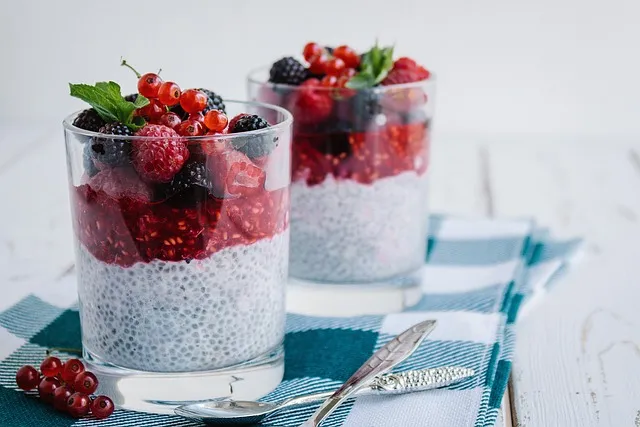
Berries — especially blueberries and blackberries — anchor the cognitive health evidence. Anthocyanin research is among the most extensive in all of phytochemistry. The MIND diet, designed specifically for brain health by Martha Clare Morris at Rush University, places berries among only fifteen specific food recommendations. Two servings of berries weekly was associated with 2.5 years slower cognitive aging in a study of 16,000 women followed over 20 years. That’s a substantial effect measured against a genuinely realistic dietary change.
Extra virgin olive oil changed the conversation permanently with PREDIMED. A 30% reduction in cardiovascular events is a drug-level effect. No other food carries this quality of evidence at this scale. The Mediterranean diet research is the strongest dietary pattern evidence in existence, and EVOO is its foundation. Its oleocanthal content inhibits the same enzymes as ibuprofen — a food compound with pharmaceutical-grade anti-inflammatory activity.
Legumes close out Tier A. The Blue Zones research flagged consistent legume consumption as the most universal longevity predictor across five distinct cultures. They’re also the boring-food principle embodied: cheap, shelf-stable, globally available, backed by decades of rigorous research. No special sourcing. No premium price. Just chickpeas.
The Açaí Problem: Exotic Does Not Equal Evidence
Açaí deserves its own section because it’s become the poster child for evidence-free superfood marketing — and understanding why it fell into that role helps decode the entire category.
Açaí does contain anthocyanins — the same compounds in blueberries that carry genuine evidence. It has high ORAC (oxygen radical absorbance capacity) values. The problem: ORAC values measured in a test tube don’t predict what happens inside a human body. The NIH discontinued its ORAC database back in 2012 specifically because ORAC doesn’t correlate with antioxidant capacity in vivo. Food companies kept using it as a marketing tool for another decade anyway, because it produced impressive-looking numbers and had no legal definition to violate.
Human trials on açaí are thin. Most are small, short, and often industry-funded. A 2023 systematic review found only five human trials meeting basic quality criteria, with mixed results on metabolic markers. Compare that to blueberries, which have over 100 human trials with consistent findings. The evidence gap is enormous.
None of this means açaí is harmful. It’s a nutritious food with genuine phytonutrient content. It’s just not thirty times better than blueberries — which is what the price differential implies. The exotic premium is entirely a product of marketing, not evidence. Buy blueberries. Spend the difference on something useful.
Mushrooms: The Most Underrated Superfood Category

Beta-glucans in shiitake and maitake mushrooms are among the most extensively studied immunomodulatory polysaccharides in food science. AHCC (active hexose correlated compound), derived from shiitake mycelium, has been studied in RCTs for HPV clearance, cancer adjunct therapy, and immune function in the elderly. This is real science published in peer-reviewed journals, not supplement marketing copy.
Ergothioneine, found almost exclusively in mushrooms — particularly porcini and oyster — gets absorbed by every cell in the human body via a dedicated transporter (SLC22A4). The existence of that dedicated transporter matters: the body doesn’t invest in specialized absorption machinery for compounds that don’t matter. Ergothioneine accumulates in mitochondria and may protect against oxidative damage to mitochondrial DNA — a mechanism directly relevant to aging. No other common food carries meaningful ergothioneine concentrations.
Lion’s mane contains hericenones and erinacines that stimulate NGF (nerve growth factor) production. A 2023 Monash University trial in healthy young adults found lion’s mane improved cognitive performance and reduced stress response. The evidence isn’t at EVOO level, but it’s genuine human trial data. For a food with no toxicity and an extensive culinary history, the benefit-to-risk ratio makes it worth including regularly — at a fraction of the $50/bag supplement price, available as dried mushrooms at any decent grocer.
Reishi carries the most extensive traditional use record of any medicinal mushroom. Modern evidence is strongest for immune modulation and quality of life in cancer patients — not the immortality its Chinese name promises. The triterpene content varies dramatically by species and preparation; standardized extracts outperform most dried mushroom products for the studied effects.
Seeds: The Overlooked Champions
If the superfood ranking were based purely on nutrient density per dollar, seeds would dominate the top ten. They’re systematically ignored by superfood marketing precisely because they’re cheap and unsexy.
Hemp seeds carry the most nutritionally complete protein of any plant food — all nine essential amino acids in proportions close to the WHO’s recommended intake. The omega-6 to omega-3 ratio (roughly 3:1) sits within the optimal range, unlike most other vegetable oils and seeds. Three tablespoons provide 10 grams of complete protein and 15 grams of healthy fat. They cost $8 per pound. The marketing budget for hemp seeds is zero; the nutritional profile is exceptional anyway.
Pumpkin seeds are the highest plant source of zinc — critical for immune function, testosterone production, wound healing, and smell and taste perception. A quarter cup provides 20% of daily magnesium needs (a mineral 70% of Americans are deficient in) and 14 grams of protein. Phytosterol content has specific evidence for prostate health across multiple trials.
Sunflower seeds are the richest food source of vitamin E (alpha-tocopherol). One ounce provides 37% of daily vitamin E needs. The vitamin E plus selenium combination makes sunflower seeds uniquely effective antioxidants — selenium is the cofactor for glutathione peroxidase, the body’s primary endogenous antioxidant enzyme system.
Black seeds (Nigella sativa, black cumin) are a genuinely fascinating case — one of the most extensively studied medicinal foods outside the Western research tradition, with clinical trials showing significant effects on blood pressure, blood glucose, asthma, and immune function. Thymoquinone, the primary active compound, has established anti-inflammatory mechanisms. The Western nutrition establishment has largely ignored this research — not because it’s wrong, but because it wasn’t conducted in Western institutions. It deserves the same attention as any other food compound with multiple independent replications behind it.
The Goji Berry Paradox
Goji berries are more interesting than açaí, because they actually have decent evidence — just not for what they’re typically marketed for. Understanding that distinction reveals how superfood marketing works at a structural level.
They’re marketed as anti-aging superfoods. The actual evidence points to specific zeaxanthin content (eye health, relevant for macular degeneration prevention), modest immune modulation in elderly populations, and some sleep quality improvements in small trials. These are legitimate effects for specific populations. The “anti-aging” claim is extrapolation from a mechanism to a marketing promise — common, technically defensible in isolation, misleading in context.
The practical issue with the goji berry market is pesticide contamination. Multiple independent testing organizations have found elevated pesticide residues on imported goji berries. The healthy compounds paid for at a premium come packaged with something nobody ordered. Anyone including goji berries in their diet should prioritize certified organic sourcing more than for most other foods.
The broader lesson: many “superfoods” have real benefits for specific populations in specific health contexts. A zeaxanthin-dense food is genuinely valuable for someone at risk for macular degeneration. The marketing problem is presenting that specific benefit as universal anti-aging magic, then charging accordingly.
The Evidence Pyramid Applied: Tier-by-Tier Assessment

Tier A (multiple independent RCTs, consistent findings, clear mechanism): Fatty fish, blueberries, cruciferous vegetables, EVOO, green tea, walnuts, garlic, dark chocolate 70%+, legumes, fermented dairy. These belong in the diet without qualification. Anyone claiming these aren’t superfoods is playing semantic games.
Tier B (observational evidence plus plausible mechanism, few RCTs): Mushrooms broadly, pomegranate, beets, tart cherries, flaxseed, hemp seeds, turmeric with piperine, goji berries for eye-health populations, spirulina from quality-tested sources. These carry enough evidence to justify regular consumption and a low enough risk profile to recommend without waiting for perfect evidence to arrive.
Tier C (in vitro or animal data only, single weak human trial, or replication failures): Activated charcoal (harmful as food), most exotic berry powders at claimed doses, colloidal silver (genuinely dangerous), most “detox” foods without specific mechanisms, nearly everything sold in a $40 “superfood blend.” Either the evidence doesn’t exist, or it exists for isolated compounds at pharmaceutical doses that can’t be achieved through food consumption anyway.
The honest bottom line: the most powerful superfoods are the most boring ones. Salmon, broccoli, blueberries, olive oil, green tea. These foods earned the designation through decades of rigorous independent science. The exotic powders are either promising-but-unproven or proven equivalent to cheaper alternatives, marketed by people who figured out that exotic equals expensive equals profitable.
Why Whole Foods Beat Extracts Beat Supplements
The single most consistent finding across all superfood and functional food research: isolated compounds underperform the whole food they came from. This finding is reliable enough that it should be treated as something closer to a law of nutritional biology than a provisional finding.
Beta-carotene supplements increase lung cancer risk in smokers. Beta-carotene from food (carrots, sweet potatoes) does not. The isolation removes context — the presence of other carotenoids that modulate beta-carotene activity, the presence of fiber that affects absorption kinetics, the matrix effects that determine which metabolites even get produced.
Resveratrol supplements have never demonstrated the cardiovascular benefits associated with red wine consumption in human trials. The relevant mechanism in red wine appears to be the polyphenol complex — hundreds of compounds — not resveratrol acting alone. Supplementing one compound from a complex mixture and expecting complex-mixture benefits is poor pharmacological reasoning.
The supplement industry’s defense — that nobody can eat enough of any food to hit the studied therapeutic dose — is sometimes true. Curcumin at 500mg with piperine is genuinely hard to achieve from food alone. But for most common superfoods, the bioactive compounds sit at meaningful concentrations at realistic dietary doses. The argument that supplements are necessary to access the benefits of food is almost always marketing, not biology.
Practical Implementation: Building a Real Superfood Diet
Week 1 foundation: Audit the current diet for Tier A superfoods. Most people eating a typical Western diet consume zero to two. The goal by week four is five to seven Tier A foods consumed regularly each week. Achievable without any exotic ingredients, special stores, or a significant budget increase.
The non-negotiable upgrades: Switch cooking oil to extra virgin olive oil. Add fatty fish twice weekly. Add berries to breakfast five days a week. Add one cup of legumes to three meals weekly. These four changes alone will outperform any supplement stack at any price point, and the evidence behind them is stronger than virtually any pharmaceutical intervention for primary prevention.
The practical Tier B additions: Mushrooms added to any stir-fry or soup three times weekly. Turmeric plus black pepper in eggs, smoothies, or soups daily. One tablespoon of ground flaxseed in smoothies or oatmeal daily. Pomegranate seeds as a salad addition two to three times weekly. All grocery store ingredients. Nothing specialty.
What to stop buying: Any superfood powder blend priced over $30 unless the active compound content per serving has been verified, the form confirmed bioavailable, and at least two independent studies found supporting the specific product form at the specific dose it actually delivers. That standard eliminates roughly 90% of what the superfood supplement industry sells.
FAQ: Superfoods
A: It has real nutritional content — protein, B vitamins, iron — and some evidence for modest LDL and triglyceride reduction. The heavy metal contamination risk from poorly sourced spirulina is real and well documented. Benefit-to-risk ratio is acceptable for quality-tested spirulina from reputable sources with third-party testing; it’s not the major advantage the marketing suggests, and the bioavailability of its iron and B12 is lower than claimed.
Q: What about moringa?
A: Exceptional nutrient density — higher vitamin C than oranges, more calcium than milk per gram. The “adaptogen” and “superfood” labels are primarily marketing. The anti-inflammatory evidence is real. But as a daily green vegetable, kale and spinach provide comparable or superior profiles at lower cost with more research behind them. Moringa is a good food. It isn’t magic.
Q: Are superfood claims different for athletes?
A: Yes, specifically. Beets (dietary nitrates for oxygen efficiency) have among the strongest evidence for athletic performance of any food. Tart cherries have solid recovery evidence through anti-inflammatory effects on DOMS. Pomegranate (via urolithin A in people with the right gut bacteria) shows muscle endurance improvement. These are genuinely functional for athletic populations beyond their general health benefits.
Q: Does cooking destroy superfood properties?
A: Depends entirely on the food and the compound. Cooking destroys sulforaphane precursor enzymes in cruciferous vegetables (use the ten-minute chopping trick). Cooking dramatically increases lycopene bioavailability in tomatoes. Cooking reduces vitamin C in many vegetables. The answer is food-specific and can’t be generalized. “Raw is always better” is wrong. “Cooked is always safer” is also wrong.
Q: Is there a single superfood that does the most good?
A: If forced to pick one, extra virgin olive oil carries the strongest combination of evidence quality, effect magnitude, and practical accessibility. The PREDIMED trial evidence is exceptional. Daily utility is high — it replaces other oils without any additional effort. The anti-inflammatory and cardiovascular benefits apply across populations. No other single food comes close on that combination of criteria.
Marcus eventually published a follow-up piece titled “I Was Wrong About Superfoods — Some of Them.” It got three times the traffic of his original debunking piece. He wasn’t surprised. The more detailed story — these specific boring foods are actually extraordinary; these expensive exotic ones mostly aren’t — turned out to be more interesting than either the believers or the debunkers wanted to admit.
The Phytonutrient Revolution: Why Plants Are More Complex Than We Thought
The story of plant nutrition has been rewritten over the past twenty years by the discovery of phytonutrients — biologically active compounds in plants that aren’t vitamins or minerals but carry significant effects on human health anyway. There are estimated to be over 25,000 phytonutrients in the food supply. Detailed knowledge exists for maybe 200 of them.
That gap is important context for all superfood claims. When researchers study a food and find benefits, they often attribute the effect to a single identified compound — the anthocyanin in blueberries, the lycopene in tomatoes, the sulforaphane in broccoli. But food isn’t a single compound. It’s a complex mixture of thousands of compounds, some known, most unknown, interacting in ways that can’t be replicated by isolating one constituent.
The flavonoid family alone includes over 6,000 compounds with overlapping but distinct biological activities. Quercetin inhibits histamine release. Kaempferol modulates estrogen signaling. Luteolin has anti-inflammatory effects. Apigenin crosses the blood-brain barrier and interacts with GABA receptors. All of these sit simultaneously in a single sprig of parsley, interacting with each other and with the fiber matrix they’re embedded in. Any single-compound analysis misses most of what’s actually happening.
The practical implication is color diversity. Different color pigments in plants correspond to different phytonutrient families. Red and pink (lycopene, anthocyanins), orange and yellow (carotenoids, quercetin), green (chlorophyll, sulforaphane, lutein), purple and blue (anthocyanins, resveratrol), and white and allium (allicin, quercetin). A diet covering all color categories is, by implication, covering the major phytonutrient families — without needing to track individual compounds. Which is why “eat the rainbow” is better nutritional advice than it sounds.
The phytonutrient density argument also makes a strong case for whole foods over extracts. Eating blueberries delivers anthocyanins (24 different compounds), quercetin, ellagic acid, pterostilbene, resveratrol, vitamin C, vitamin K, manganese, fiber, and dozens of less-studied compounds. Taking a blueberry extract supplement providing anthocyanins delivers anthocyanins. The biological activity of the extract isn’t identical to the activity of the food, because most of the context the anthocyanins function within has been removed.
The 2019 Stanford fermented food study (cited earlier) offers a useful illustration. The study found that fermented foods increased microbiome diversity and reduced inflammatory proteins. The mechanism wasn’t just probiotics — it was the interaction between live bacteria, organic acids, bioactive peptides produced during fermentation, and the original food matrix. A probiotic capsule, even a high-quality one, can’t replicate that. The process produces compounds no supplement manufacturer is adding to their formula, because nobody knows all of what fermentation creates.
Foods That Don’t Deserve the Superfood Label — And Some That Do
The superfood category produces both genuine discoveries and spectacular frauds. Telling them apart takes the same analytical framework applied to any scientific claim: who conducted the research, what were the study design limitations, what’s the effect size, and has it been independently replicated?
Collagen peptides are the most recent wellness supplement to claim superfood status. The marketing claim: consuming collagen rebuilds joints, skin, connective tissue. The physiological reality: collagen is a protein. Consumed, digestive enzymes break it into amino acids (glycine, proline, hydroxyproline). Those amino acids then get used for whatever protein synthesis the body prioritizes — not necessarily collagen in joints or skin. The body doesn’t direct amino acids from consumed collagen to specific tissues on demand.
There is a nuance: glycine from collagen is a conditionally essential amino acid that many people don’t consume in adequate quantities on a standard Western diet, which emphasizes muscle meat over connective tissue, bones, and organs. Glycine has evidence for improving sleep quality, reducing anxiety, and supporting detoxification. Collagen is a cheap glycine supplement. Framing it as a joint-regenerating, skin-transforming food stretches the evidence considerably. The glycine story is interesting. The “rebuild your joints” story is marketing.
Fermented cod liver oil provides an unusual combination of vitamin A, vitamin D, and omega-3 fatty acids in naturally occurring ratios. The fermentation process produces additional bioactive compounds not present in standard fish oil supplements. Evidence for the combination is limited — this sits in the “interesting mechanism, thin human evidence” category. Traditional cultures used it extensively. Weston Price documented its near-universal presence in the diets of the healthiest traditional populations he studied. Whether that constitutes evidence or an appeal to tradition depends on how the different types of data get weighted.
Bee pollen contains a complex mixture of proteins, enzymes, vitamins, and phytonutrients with variable composition depending on which flowers the bees visited. Some athletes use it. Some case reports document it. The human trial evidence is extremely thin. The theoretical argument (dense micronutrient profile) is real. The specific claim that it enhances athletic performance isn’t supported by adequate human evidence. It’s also a documented allergen causing anaphylaxis in sensitive individuals — a relevant safety consideration for something marketed as a “superfood.”
Organ meats — liver specifically — deserve reconsideration in the superfood conversation, because the evidence for their nutrient density is exceptional and uncontroversial. Beef liver carries the highest concentration of vitamin A, B12, riboflavin, folate, copper, and CoQ10 of any commonly available food. It was a dietary staple in virtually every culture before the twentieth century. The abandonment of organ meats in Western diets correlates with increased micronutrient deficiencies across multiple nutrients. The evidence for eating liver once or twice a week as a micronutrient source is as strong as almost any “superfood” supplement on the market. It just doesn’t have a marketing budget behind it.
Building the Evidence-Informed Superfood Kitchen
Translating evidence into a kitchen practice means making the Tier A and Tier B foods consistently accessible, delicious, and contextually appropriate. The gap between “blueberries are beneficial” and “blueberries get eaten regularly” is a behavioral engineering problem, not an information problem.
The pantry audit: Go through the pantry and count the Tier A superfoods currently stocked. Most Western households have zero to two. Olive oil is often present but is the cheap, adulterated variety rather than quality EVOO. Canned legumes might be sitting there but rarely get used. The audit creates the honest baseline from which meaningful change starts.
Friction reduction: The foods eaten most are the foods that are most accessible, no more complicated than that. Bowls of berries on the counter get eaten. Berries in the produce drawer get forgotten and thrown away. Walnuts in a visible bowl on the counter become daily snacking; walnuts in a bag at the back of a shelf become a monthly cooking ingredient at best. Applying behavioral economics to food accessibility matters as much as knowing which foods are evidence-backed.
The base of every meal: Design meals so that a Tier A functional food is the structural foundation, not an addition tacked on. Legumes as the protein base of lunch rather than processed meat. Olive oil as the cooking fat for everything. Dark leafy greens as the base of salads rather than iceberg lettuce. Berries in breakfast rather than processed cereal. When the functional food is the base rather than the garnish, consistency follows on its own.
The fermentation rotation: Keep at least two fermented foods in the refrigerator at all times, rotating through different types over the weeks. Yogurt and kimchi this week. Kefir and sauerkraut next week. Miso soup with dinner twice a week. Different fermented foods carry different bacterial strains and different fermentation byproducts. Diversity in fermented food types produces diversity in the microbiome — the actual goal underneath all of it.
Cooking method defaults: Default every vegetable to a preparation method that preserves or enhances its functional properties. Broccoli: chop ten minutes before cooking, steam lightly (under four minutes). Tomatoes: cook with olive oil whenever possible. Garlic: crush ten minutes before adding to heat. These defaults, once habitual, require no decision-making and no awareness of the underlying mechanism. They just become how cooking gets done.
The supplement audit: Review every supplement currently being taken and run it through the evidence pyramid framework. Does it have multiple independent RCTs? Is the effect size clinically meaningful? Has it been replicated by researchers with no financial stake in the outcome? Most supplement stacks fail this test. The money redirected from ineffective supplements to Tier A food quality improvements almost always produces better health outcomes. The boring reallocation beats the exciting supplement, every time.
The clinical takeaway: What an Evidence-First Superfood Protocol Looks Like
After applying the evidence pyramid to every food commonly marketed as a superfood, a clear picture emerges. The foods that genuinely merit the “super” designation are the ones with the densest independent evidence base, not the largest marketing budgets or the most exotic origin stories.
A practical evidence-first superfood protocol looks like this: fatty fish twice a week, extra virgin olive oil as the primary cooking fat, berries at least five days a week, cruciferous vegetables three or more times weekly, legumes most days, fermented food daily (rotating through different types), green tea or coffee daily, garlic in most savory cooking, and walnuts or almonds as a regular snack. This covers Tier A comprehensively.
Adding Tier B elements: mushrooms (shiitake, oyster, or cremini) three times weekly, turmeric with black pepper in at least one meal daily, ground flaxseed in breakfast or smoothies, and beets or beet juice before exercise when performance matters. All grocery store items, nothing specialty.
What to stop doing: purchasing exotic berry powders based on ORAC scores, buying collagen supplements marketed as joint or skin rebuilders without checking the glycine evidence, spending premium prices on açaí or goji in the belief they’re meaningfully superior to domestic blueberries, and maintaining any supplement that doesn’t have multiple independent RCTs supporting its specific form and dose.
The resources freed up by eliminating ineffective supplements can go toward food quality instead — better olive oil, wild-caught salmon, organic berries during berry season, quality fermented dairy. These redirections almost always improve health outcomes compared to the supplements they replace, for less total cost.
Marcus eventually updated his debunking framework into a more honest “evidence sorting” framework. Not everything is bunk. Not everything is proven. The useful question is always: what does the best available evidence actually support, at realistic doses, in realistic populations? That question has clear answers for a meaningful number of foods. Those foods deserve consistent attention. The rest deserves skepticism proportional to the quality of evidence behind them.
The Research Methodology Problem in Nutrition Science
Understanding why nutrition research is so often contradictory requires understanding the fundamental methodological constraints of the field. Unlike pharmaceutical research, where a single compound can be given to one group and a placebo to another with everything else controlled, food research can’t blind participants to what they’re eating, can’t control every other dietary variable, and can’t run trials for the decades needed to observe the outcomes that matter most.
The best available dietary evidence therefore comes from a combination of sources that individually have limitations but converge on consistent conclusions when their independent findings align. Randomized controlled trials of dietary interventions are usually short-term (weeks to months) and measure surrogate endpoints like LDL cholesterol, blood pressure, or inflammatory markers rather than actual disease incidence or mortality. These surrogates predict the outcomes people care about, but they aren’t the outcomes themselves.
Large observational cohorts — the Nurses’ Health Study, the Health Professionals Follow-up Study, the EPIC cohort in Europe — provide decades of follow-up data on thousands of participants. They can track actual disease incidence and mortality. Their limitation is that they observe naturally occurring dietary patterns rather than controlling them, which makes causation difficult to establish. Someone eating more vegetables may also sleep more, exercise more, and carry a higher socioeconomic status. Controlling for every confounder in observational data is statistically challenging and never perfectly complete.
Mechanistic studies in cells and animals identify how specific compounds interact with biological systems. This provides the theoretical framework for why a food might be beneficial. But the translation from petri dish to mouse to human is notoriously unreliable — most compounds that show promise in animal models fail in human trials. Mechanistic evidence generates hypotheses. It doesn’t support conclusions on its own.
The most reliable nutritional evidence comes from all three converging: a plausible mechanism (what the compound does in cells), consistent observational data across large diverse populations (real people eating real food showing real outcomes), and confirmation in short-term RCTs measuring relevant surrogates. The foods that pass all three filters genuinely deserve dietary attention. Most of them are the boring, ancient, widely-available foods nutrition science keeps rediscovering. The most compelling finding in fifty years of nutrition research may simply be: the traditional diets of healthy cultures, maintained across generations, turned out to be roughly correct. The challenge is translating that into actionable guidance for people who’ve already departed from those patterns.
The future of nutrition research will involve greater personalization through continuous biomarker monitoring, microbiome sequencing, and genomics. Current population-average recommendations will give way to individualized protocols. But the foundational foods — the ones with decades of consistent multi-method evidence — are unlikely to get displaced by this personalization. They’ll instead form the foundation individual adjustments get made on top of. The evidence for olive oil, fatty fish, and berries isn’t going to be overturned by genetic testing. It’s going to be refined into better guidance about which specific variants of these foods suit which specific individuals. The foundation is solid. The refinements are still being built.
The Practical Framework: Applying Superfood Term Marketing Fiction In Real Life
References
Editorial StandardsCorrectionsMedical DisclaimerAbout Our ContentAffiliate DisclosureSite Map