
Nina spent most of her twenties and early thirties eating what she thought was a healthy diet. Whole grains, lots of bread, pasta a few times a week. She avoided processed food where she could, cooked most of her own meals, exercised regularly. She also had chronic bloating she’d come to think of as just how her body was, persistent fatigue that didn’t line up with how much she slept, headaches several times a week, and brain fog that made afternoons genuinely hard to work through.
She didn’t have celiac disease. Her doctor tested for it when she brought up the gut symptoms, and the antibody tests came back negative. “Not celiac,” the doctor told her, “so gluten isn’t the issue.” Nina accepted that for two years, until she ended up in front of a functional medicine practitioner with a different frame: celiac disease is an extreme autoimmune response to gluten. Non-celiac gluten sensitivity is a different animal entirely, with different diagnostic criteria. The absence of celiac doesn’t mean gluten is off the hook.
Three months after cutting gluten as an experiment, Nina’s bloating had resolved, her headaches were rare, and her afternoon focus was noticeably sharper. This isn’t settled science — non-celiac gluten sensitivity is still contested ground in nutritional research, genuinely so. But the mechanisms by which gluten can damage the gut without full-blown celiac disease are real, documented, and worth understanding in detail.
What Gluten Is and Why It’s Different From Other Food Proteins
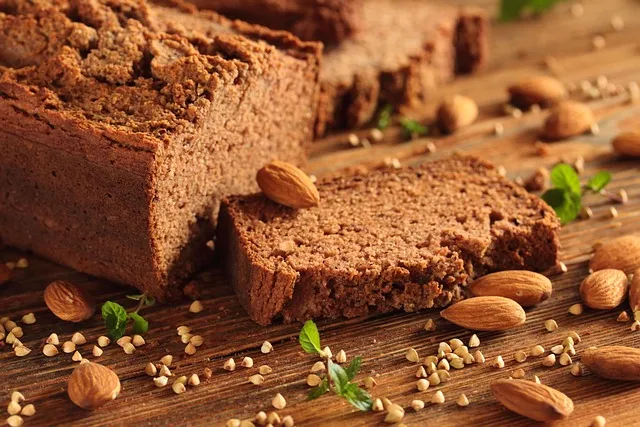
What makes gluten, and gliadin in particular, biologically strange is its amino acid makeup. It’s extraordinarily rich in glutamine and proline — two amino acids that make it resistant to complete digestion by human enzymes. Human proteases simply don’t fully break it down. Incompletely digested gliadin peptides reach the small intestinal lining intact, where they interact with the gut wall in ways most other, more thoroughly digested food proteins typically don’t.
This resistance to digestion isn’t unique to people with celiac disease — it’s a universal property baked into gliadin’s molecular structure. Everyone who eats wheat produces incompletely digested gliadin peptides in the small intestine. What differs is how the intestine responds to them, and that’s where the spectrum runs — from no response at all (most people), to non-celiac sensitivity, to full celiac disease.
Modern wheat also differs meaningfully from ancestral wheat varieties in gliadin content and composition. Semi-dwarf wheat varieties, introduced during the Green Revolution in the 1960s and ’70s, changed the amino acid makeup of wheat’s gluten proteins in ways that may have increased how immunogenic they are. Somewhat speculative, this one — but it offers a plausible mechanism for why wheat-related disorders seem more common now than historical records would predict, given the same underlying genetic predispositions.
The Drago 2006 Study: Gliadin Triggers Zonulin in Everyone
The study that fundamentally shifted understanding of gluten’s effect on gut permeability was Drago et al. (2006), published in Scandinavian Journal of Gastroenterology. Conducted in the lab of Dr. Alessio Fasano — arguably the world’s leading researcher on intestinal permeability — the study examined whether gliadin triggers zonulin release in intestinal cell cultures from both celiac and non-celiac subjects.
The finding was blunt and unambiguous: gliadin triggered zonulin release in intestinal biopsies from every subject tested, celiac or not. The response ran stronger in celiac patients, as expected, but it showed up clearly and measurably in healthy controls with no history of gluten sensitivity whatsoever.
This carries real weight. Zonulin is the protein regulating the tight junctions between intestinal epithelial cells — the molecular “zippers” controlling what gets through the gut wall into the bloodstream. Release zonulin, and tight junctions open. Gut permeability goes up. Not specific to celiac disease. It’s the universal intestinal response to gliadin exposure, varying in size but not in direction.
The real clinical question isn’t whether gliadin increases gut permeability — it does, in everyone. It’s whether that increase, in healthy people without celiac disease, is clinically meaningful. For most, the answer seems to be no — the intestine has repair mechanisms that restore barrier integrity quickly after exposure. But for people with pre-existing gut inflammation, microbiome dysbiosis, already-compromised barrier function, or genetic risk factors, repeated cycles of gliadin-induced permeability may add up to something that actually matters — ongoing gut dysfunction, systemic inflammation.
“When you feed gliadin to human intestinal cells, they open up. Every time. In everyone. The question isn’t whether this happens — it does. The question is what the consequences of that opening are for the individual.”
— Paraphrasing Dr. Alessio Fasano’s interpretation of the research
Transglutaminase 2: The Autoimmune Trigger
In celiac disease, the gut damage is driven by an autoimmune response targeting not just gliadin itself but transglutaminase 2 (TG2, also called tissue transglutaminase or tTG). This pathway explains why celiac disease is a lot more complicated than a simple food sensitivity, and why the absence of anti-tTG antibodies in blood testing is used to rule celiac out.
Transglutaminase 2 is an enzyme in the intestinal epithelium that normally handles tissue repair and protein cross-linking. While trying to process and present gliadin peptides to the immune system, TG2 modifies them through deamidation — converting glutamine residues to glutamate. This modification dramatically increases how immunogenic gliadin peptides are, making them far better at activating T-cells in genetically susceptible people (mainly those carrying HLA-DQ2 or HLA-DQ8 genotypes).
The immune response then generates antibodies not just against the modified gliadin but against TG2 itself — anti-tissue transglutaminase (anti-tTG) antibodies. Since TG2 sits throughout the gut lining, these antibodies attack the intestinal epithelium, producing the villous atrophy (flattened intestinal villi) that defines celiac disease and dramatically shrinks absorptive surface area.
The clinical upshot: testing for anti-tTG IgA antibodies is highly specific for celiac disease, because this autoimmune response needs the full combination — gliadin exposure, TG2 deamidation, HLA genetic susceptibility, and T-cell activation, all at once. No anti-tTG antibodies means that specific autoimmune cascade isn’t running. It does not mean gliadin isn’t touching the gut through other pathways (zonulin, innate immune activation, direct epithelial effects) — which is exactly why ruling out celiac doesn’t automatically clear gluten of every gut symptom.
Non-Celiac Gluten Sensitivity: Real Condition or Marketing?
Non-celiac gluten sensitivity (NCGS) is maybe the most contested topic in nutritional science. The skeptic position: NCGS is largely nocebo — people expect gluten to hurt them, so they feel worse when they eat it. The believer position: NCGS is a distinct clinical entity driven by innate immune activation and gut permeability, absent the adaptive immune response (anti-tTG antibodies, villous atrophy) that defines celiac disease.
The evidence is genuinely mixed. There are solid studies on both sides of this one.
Evidence for NCGS as real: Biesiekierski et al. (2011) ran the first double-blind, randomized, placebo-controlled crossover trial of NCGS, in subjects already on a gluten-free diet who’d reported symptom improvement. Re-challenged with gluten (versus rice protein as control) in a blinded design, gluten intake significantly worsened gut symptoms, fatigue, and depression scores compared to the control protein. Well-designed study. It appeared to validate NCGS as a real, distinct phenomenon separate from IBS and celiac disease.
Evidence complicating the picture: The same lead author, Biesiekierski, published a follow-up in 2013 that introduced a confound — FODMAPs. FODMAPs (Fermentable Oligosaccharides, Disaccharides, Monosaccharides, and Polyols) are fermentable carbohydrates that live in wheat right alongside gluten. Once the follow-up study controlled for FODMAP content, gluten’s specific effect vanished — subjects on the low-FODMAP diet responded the same whether gluten was present or not. The implication: what a lot of people call “gluten sensitivity” might actually be FODMAP intolerance, and since wheat’s gluten and FODMAPs are always eaten together, they’re genuinely hard to pull apart clinically.
The current evidence synthesis: NCGS is probably a mixed bag. Some people have genuine gluten-specific responses driven by innate immune activation (marked by elevated serum anti-gliadin IgA antibodies and sometimes elevated CXCL10), some have FODMAP intolerance mistakenly pinned on gluten, and some are likely experiencing nocebo. Figuring out which category applies to a given person is the real challenge, and the elimination-reintroduction protocol described further down remains the most practical diagnostic tool available outside a research lab.
Who Is Most Likely to Be Affected by Gluten
Not everyone carries the same risk of gluten-related gut issues. Certain factors substantially raise the odds that gluten is contributing to gut dysfunction:
- First-degree relative with celiac disease: HLA-DQ2 and HLA-DQ8 genetic variants, present in nearly all celiac patients, run strongly in families. A celiac parent or sibling raises celiac risk 10-15x and increases the odds of at least some degree of gluten sensitivity.
- History of gut dysbiosis or antibiotic use: A disrupted microbiome has a weaker ability to modulate the intestinal immune response to gliadin. Microbiome-depleted conditions amplify the zonulin response to gliadin and cut down the gut epithelium’s ability to repair itself after gluten-induced permeability spikes.
- Existing leaky gut: If the gut barrier’s already compromised from any cause — alcohol, NSAIDs, dysbiosis, high stress — gliadin’s zonulin-triggering effect on top of that is a bigger deal. Think of it like this: if the security system’s already offline, one more intrusion attempt matters a lot more than it would starting from strong defenses.
- Hashimoto’s and other autoimmune conditions: Molecular mimicry between gliadin peptides and thyroid peroxidase (the autoantigen in Hashimoto’s) has been proposed as a mechanism by which gluten consumption drives autoimmune thyroid attack. Contested, but plausible — and many functional medicine practitioners routinely recommend cutting gluten for Hashimoto’s patients on this basis.
- Unexplained neurological symptoms: “Gluten ataxia” — autoimmune neurological damage triggered by gliadin — is a recognized, if rare, condition. More broadly, anti-gliadin antibodies turn up more often in patients with certain neurological conditions, hinting at a neurological pathway for gluten sensitivity that goes beyond the gut.
The Gluten Assessment Protocol
Step 1: Rule out celiac disease first. Before eliminating gluten, get tested for celiac disease. This requires actively eating gluten — testing after going gluten-free produces false negatives, because antibody levels drop off. Get: anti-tTG IgA, anti-DGP (deamidated gliadin peptide) IgA and IgG, total IgA (to rule out IgA deficiency, which would cause a false-negative anti-tTG IgA). Positive result: pursue a small intestinal biopsy and formal celiac management, which is stricter than general gluten sensitivity management. Negative: proceed safely to the elimination protocol, understanding celiac’s ruled out but NCGS is still on the table.
Step 2: 6-week strict elimination. Remove all gluten-containing foods completely — wheat, barley, rye, and the hidden contamination sources (soy sauce, beer, certain oats unless certified gluten-free). “Mostly gluten-free” doesn’t produce useful data. For the elimination phase to actually tell you anything, it needs to be strict. Track symptoms weekly with a consistent scoring system. Digestive symptoms present, also track bowel pattern, bloating severity, and non-digestive symptoms — headaches, brain fog, skin, energy, mood.
Step 3: Assess at 6 weeks. Symptoms better? No change means gluten’s probably not the primary driver — look at FODMAP elimination or other gut interventions instead. Symptoms improved? Move to Step 4.
Step 4: Reintroduce and confirm. After at least 6 weeks of strict elimination with real improvement, reintroduce a meaningful gluten dose (2-3 slices of bread, say) and watch for 48-72 hours. Symptoms return? That’s about as close to confirmation as anyone gets outside a research lab. No symptoms return? The improvement in Step 3 may have come from other changes that tagged along with the dietary shift — people often eat better overall once they cut gluten, without meaning to — or the response might be to FODMAPs rather than gluten specifically.
Step 5: FODMAP distinction (if applicable). Improved on gluten elimination but no clear reaction on reintroduction? Run a low-FODMAP trial separately — the standard protocol, ideally guided by a registered dietitian who knows the approach. That will clarify whether FODMAPs or gluten is the actual issue.
The Practical Gluten-Free Approach: What Actually Matters
Once gluten’s confirmed as a contributor to gut issues, the next question is how strict to be, and what the healthiest version of gluten-free eating actually looks like.
For celiac disease: absolute strictness, no exceptions. Even trace contamination — a few milligrams of gluten — can trigger the autoimmune cascade and gut damage. That means dedicated gluten-free cookware, careful communication at restaurants, and avoiding even certified “gluten-free oats” if they’re still causing symptoms (about 1% of celiac patients react to avenin in oats the way they react to gliadin).
For NCGS: the threshold varies person to person. Some react to tiny amounts; others tolerate occasional exposure fine. The elimination trial tells you your threshold. Starting with strict elimination and then systematically testing tolerance through reintroductions beats starting from “mostly gluten-free” and never actually learning where the line is.
Here’s the trap: the gluten-free food industry has produced a remarkable pile of highly processed, nutritionally weak products that are technically gluten-free but swap wheat flour for refined starches (rice flour, potato starch, tapioca starch) that spike blood sugar fast, carry almost no fiber, and support none of the microbiome diversity whole grains historically provided. Packaged gluten-free bread, pasta, and baked goods are almost uniformly worse, nutritionally, than their wheat counterparts.
The healthier approach doesn’t try to rebuild the wheat-based diet with inferior stand-ins. It shifts the foundation entirely: whole foods that are naturally gluten-free — rice, quinoa, potatoes, legumes, vegetables, fruits, meat, fish, eggs, nuts, seeds — are nutritionally superior to gluten-free processed substitutes and need no substitution at all. The person who cuts wheat and replaces it with more vegetables, legumes, and naturally gluten-free whole grains is eating a genuinely better diet. The person who cuts wheat and replaces it with gluten-free packaged snacks is mostly just paying more for a different kind of processed food.
FAQ: Gluten and Gut Health
Q: If I don’t have celiac disease, can gluten really harm my gut?
A: The Drago 2006 data shows gliadin triggers zonulin in everyone, suggesting some degree of transient permeability increase happens universally. Whether it causes actual harm depends on baseline gut health, microbiome status, and how well an individual’s intestine repairs itself. For most people with a healthy gut, the effects look transient and clinically insignificant. For people with compromised gut health, repeated cycles of gliadin-induced permeability may add up to something real.
Q: How long does it take for the gut to heal after going gluten-free?
A: For celiac patients with villous atrophy, mucosal healing typically takes 1-2 years on a strict gluten-free diet, with real histological improvement visible at the one-year mark in most adults. For non-celiac gluten sensitivity, recovery is faster — usually 4-8 weeks for symptoms to resolve, though some people take longer. Full microbiome remodeling after a dietary change takes 3-6 months.
Q: Is sourdough bread safe if I’m gluten sensitive?
A: Long-fermented sourdough — genuine sourdough, 24-48 hour ferment with wild yeast and lactic acid bacteria — partially breaks down gliadin through bacterial protease activity during fermentation. Studies have found significantly lower immunoreactive gliadin in properly fermented sourdough versus conventional bread. For some people with mild NCGS, properly fermented sourdough sits better than commercial bread. For celiac disease, sourdough is not safe — the gliadin reduction is partial, not complete, and what’s left is still enough to trigger the autoimmune response.
Q: Can ancient wheat varieties like einkorn or spelt be eaten if I’m gluten sensitive?
A: Ancient wheat varieties carry different gliadin protein compositions — generally lower amounts of the most immunogenic gliadin peptides and less total gluten than modern semi-dwarf wheat. Some people with NCGS tolerate ancient varieties better. For celiac disease, none of it’s safe — all wheat contains the TG2-reactive gliadin peptides, regardless of variety.
Q: Is the gluten-free trend making people healthier overall?
A: Honestly, no — not for people without celiac disease or NCGS, there’s no evidence a gluten-free diet improves health. In fact, whole grains (wheat included) are associated with cardiovascular and metabolic benefits in large population studies, and their fiber supports microbiome health. The people who genuinely benefit from cutting gluten are those with celiac disease, and possibly those with true NCGS — not the general population riding a trend. The real concern with the gluten-free wave is that it pathologizes a food most people digest just fine, and can push people toward nutritionally worse choices.
Q: What’s the link between gluten and autoimmune disease?
A: Gliadin-driven gut permeability may let partially digested gliadin peptides and microbial products into systemic circulation, where they can interact with the immune system and potentially trigger or amplify autoimmune responses in genetically susceptible people. Molecular mimicry — where immune cells developed against gliadin end up cross-reacting with self-tissue antigens — has been proposed as a mechanism in Hashimoto’s thyroiditis, type 1 diabetes (the islet cell antigen structurally resembles gliadin peptides), and other autoimmune conditions. Active research area. The evidence is suggestive, not definitive, outside celiac disease itself.
Gluten and Brain Function: The Gut-Brain Axis Connection
One of the more surprising findings in gluten research is evidence of neurological effects in people without full celiac disease. This traces back to the work of Dr. Marios Hadjivassiliou and colleagues in the UK, who identified “gluten ataxia” — cerebellar ataxia (loss of coordination and balance) driven by anti-gliadin antibodies that cross-react with Purkinje cells in the cerebellum. Rare condition. But it opened a window into neurological gluten effects that’s since expanded considerably.
The gut-brain connection for gluten runs through several pathways. First: when gliadin triggers increased gut permeability, bacterial endotoxins (LPS) and incompletely digested peptides can enter the bloodstream and, through the blood-brain barrier (itself regulated by mechanisms similar to gut tight junctions, and influenced by gut permeability), potentially reach the central nervous system. Research has shown systemic LPS can compromise blood-brain barrier integrity through pathways that parallel gut tight junction regulation.
Second: the systemic inflammation driven by gut permeability — elevated IL-6, TNF-alpha, other pro-inflammatory cytokines — has well-documented neurological effects. These cytokines cross or signal across the blood-brain barrier and activate microglia (the brain’s immune cells), producing neuroinflammation. And neuroinflammation’s symptoms line up almost exactly with what a lot of people with NCGS report: brain fog, word-finding trouble, poor concentration, mood disturbances.
Third: the gut-brain axis runs through the vagus nerve, carrying two-way signaling between the gut’s enteric nervous system and the brain. Gut inflammation alters vagal signaling and can shape mood, anxiety, and cognitive function through pathways that don’t require anything to cross into the bloodstream at all. This is the basis of the emerging field of nutritional psychiatry, and gluten’s effects on gut inflammation put it squarely in that conversation.
For Nina, whose symptoms included afternoon cognitive fog and headaches, the neurological angle mattered a lot. The brain symptoms she’d chalked up to stress or not enough sleep cleared right alongside her gut symptoms when she cut gluten. Whether that was a direct neurological effect of anti-gliadin antibodies, an indirect effect from reduced systemic inflammation, or gut-brain axis modulation through vagal signaling is impossible to pin down from clinical observation alone. But the mechanism exists, it’s coherent, and it explains a symptom pattern a lot of people with gluten sensitivity recognize but that’s historically been dismissed as psychosomatic.
Testing Approaches Beyond Standard Celiac Panels
Standard celiac testing (anti-tTG IgA, anti-DGP IgA/IgG) is highly accurate for diagnosing or ruling out celiac disease, but it says nothing about NCGS. For people who test negative for celiac but stay symptomatic, additional testing options exist in the functional medicine toolkit, though their usefulness varies quite a bit:
Anti-gliadin antibodies (AGA IgA and IgG): These older-generation antibodies (distinct from the more specific anti-deamidated gliadin peptide antibodies used in modern celiac testing) are elevated in some NCGS patients and in people with gluten-related neurological conditions. Not specific enough to confirm NCGS on their own, but in context — alongside symptoms and elimination response — they can support the picture.
HLA-DQ2/DQ8 genetic testing: These variants show up in almost all celiac patients. Testing negative effectively rules out the HLA-mediated autoimmune mechanism (though NCGS may run through different HLA variants entirely). Knowing HLA status doesn’t change management, but it’s useful background for understanding risk.
Intestinal permeability testing: Lactulose-mannitol ratio testing measures gut permeability by comparing urinary excretion of two sugars — small mannitol, which should pass through normally, and large lactulose, which shouldn’t. An elevated lactulose-to-mannitol ratio signals increased gut permeability. Doesn’t diagnose gluten sensitivity specifically, but confirms whether the gut barrier’s actually compromised, which gives useful context for interpreting symptoms.
Array of food sensitivity testing (IgG): IgG testing for food sensitivities is commercially available and scientifically controversial in about equal measure. IgG antibodies to foods are generally markers of exposure, not pathological sensitivity — high IgG to wheat might just mean someone eats a lot of wheat, not that they’re sensitive to it. These tests throw off a lot of false positives and can lead to unnecessary dietary restriction. Not a reliable basis for diagnosing gluten sensitivity, and shouldn’t replace the elimination-reintroduction protocol.
Healing the Gluten-Damaged Gut: The Repair Protocol

Gut barrier repair nutrients:
L-glutamine is the primary fuel source for enterocytes, the cells lining the gut. Supplemental glutamine supports epithelial cell regeneration and tight junction repair, and multiple clinical studies back real benefits for gut permeability restoration. Zinc carnosine: clinical trials have shown it stabilizes the gut lining, reduces epithelial cell death, and improves barrier function. Zinc is also essential for the immune cells in the gut epithelium that guard against ongoing damage. Colostrum: bovine colostrum contains immunoglobulins, growth factors (IGF-1, TGF-beta), and lactoferrin that directly support gut mucosal healing. Studies in athletes have shown colostrum supplementation reduces exercise-induced gut permeability increases.
Microbiome restoration:
The microbiome of celiac patients — and possibly people with NCGS — shows a characteristic dysbiosis: reduced Bifidobacterium and Lactobacillus, increased Bacteroides and Clostridium. The repair protocol includes fermented foods (kefir, sauerkraut, kimchi) for direct bacterial inoculation, diverse prebiotic fiber to feed beneficial species, targeted probiotics (L. plantarum LP299v specifically studied for NCGS; VSL#3 for gut barrier integrity), and resistant starch (green banana, cooked-and-cooled potatoes and rice) to support the butyrate-producing bacteria that drive colonocyte health.
Anti-inflammatory support:
The inflammatory cascade gliadin exposure triggers needs to be actually resolved, not just halted. The marine omega-3s, EPA and DHA, actively resolve inflammation through the lipoxin, resolvin and protectin pathways rather than merely muting it. Quercetin does two jobs at once: it stabilizes the gut barrier by inhibiting zonulin release, and it carries anti-inflammatory properties of its own. Curcumin, in a high-bioavailability form rather than plain extract, reduces NF-kB-driven inflammatory signaling in the intestinal epithelium.
Nina’s full recovery took about four months. Gluten elimination alone resolved most symptoms, but fully clearing her baseline fatigue and getting normal gut function back required the complete repair protocol — glutamine, zinc carnosine, fermented foods, omega-3 support — running alongside the dietary change. The gut is a remarkably resilient organ, worth remembering that. Given the right inputs and the removal of the damaging ones, it repairs itself. The protocol just hands it the materials and conditions it needs to do the job it was already built to do.
Cross-Contamination: Why “Mostly Gluten-Free” Fails the Sensitive Person
One of the most common reasons the gluten-free protocol doesn’t work as expected for genuinely sensitive people is unrecognized cross-contamination. For celiac disease, this is well understood — even trace gluten exposure matters biologically. For NCGS, the threshold’s higher and more individual, but cross-contamination can still muddy the clinical picture.
Common sources of gluten cross-contamination that the unsuspecting “gluten-free” eater misses entirely: soy sauce (contains wheat — always use tamari as a gluten-free swap), many salad dressings and marinades (wheat thickeners), beer (barley malt), malt vinegar (barley-derived, unlike white or apple cider vinegar), conventional oats (contaminated with wheat during growing, harvesting, processing — use only certified gluten-free oats), communion wafers, medications and supplements (some use wheat starch as filler), and restaurant cross-contamination (shared fryers, pasta water, utensils).
The practical bar for a diagnostic elimination has to be strict enough to remove all of this. “I eat mostly gluten-free and avoid bread and pasta” isn’t a diagnostic elimination — it’s reduced gluten intake, which might ease symptoms somewhat but won’t hand you a clean signal. The diagnostic version needs 6 weeks of real strictness. Temporarily inconvenient, sure. But it delivers genuinely useful information about whether gluten is actually driving the symptoms. Run the experiment properly or don’t bother running it at all — a poorly designed experiment that gives no clear result is just wasted time and continued suffering.
The Long-Term View: Living Well With Gluten Sensitivity
For people who confirm that gluten meaningfully affects their gut and overall health, the long-term question isn’t just “avoid gluten.” It’s “how do I build a dietary framework that’s nutritionally complete, socially livable, and free of the foods that hurt me?”
Nutritional completeness matters most, long-term. Wheat provides meaningful amounts of B vitamins (folate included), iron, fiber, and some protein. Cutting wheat means making sure those nutrients get replaced elsewhere. Legumes (lentils, chickpeas, black beans) cover protein and iron. Diverse vegetables cover B vitamins and fiber. Brown rice and quinoa provide complex carbohydrates with better blood sugar profiles than refined gluten-free substitutes.
The social dimension is real, and worth naming honestly without overplaying it. Navigating gluten sensitivity in social situations takes some preparation — checking restaurant menus ahead of time, communicating dietary needs clearly without over-apologizing or over-explaining, keeping simple compliant foods on hand for situations where options are thin. Over time, most people find it becomes habit rather than burden, but the transition period is genuinely inconvenient, and that’s worth saying plainly rather than pretending otherwise.
Here’s the key reframe: gluten sensitivity isn’t a disease requiring management. It’s a personal physiological reality requiring dietary adaptation. That framing matters more than it sounds like it should. People who treat it as a permanent medical restriction tend to find it heavier than people who treat it as a dietary preference backed by clear evidence about what actually makes them feel better. The second framing is both more accurate and easier to sustain across years, decades.
Nina, three years out from running her protocol, barely thinks about gluten anymore. Her diet is built around naturally gluten-free whole foods, she knows her thresholds for occasional exposure, and the chronic symptoms she used to accept as just how things were are simply gone. She still eats a piece of bread at a dinner party now and then and checks in with herself the next day. Sometimes something’s off, sometimes nothing is — she’s somewhere on the NCGS spectrum where moderate exposure matters but occasional exposure doesn’t derail her. Specific knowledge about her own physiology, gained only by running the experiment properly. Worth more than any supplement bottle or blood panel.
The Grain Question: Are All Grains Problematic for the Sensitive Gut?
Once people cut gluten and start feeling better, a natural question comes up: eliminate all grains, or just the gluten-containing ones? This is where the functional medicine community has sometimes overcorrected past its own evidence base, stretching reasonable caution about gluten into blanket grain avoidance that isn’t well supported.
The evidence for harm is specific to gluten-containing grains — wheat, barley, rye — for people with celiac disease or NCGS. Rice, corn, millet, sorghum, teff, buckwheat, and quinoa are gluten-free and don’t contain the gliadin proteins that trigger the zonulin response. The gut-damage research is gliadin-specific, not grain-generic. Eliminating all grains based on gluten research is a logical overcorrection, plain and simple.
The legitimate concern about non-gluten grains centers on lectin content — proteins in grains (and legumes) that bind to intestinal cells and may contribute to permeability at high concentrations. The lectin hypothesis of gut damage, popularized by Dr. Steven Gundry, is genuinely plausible as a mechanism but has thin clinical evidence next to the gliadin/zonulin research. Lectins show up throughout the food supply, get significantly reduced by cooking, and the populations eating the most lectin-heavy foods — legume-heavy Mediterranean and Blue Zone populations — post some of the best health outcomes on the planet. Hold the lectin hypothesis loosely. It may matter for specific people with specific sensitivities, but it doesn’t justify stripping all grains and legumes out of an otherwise gut-supportive diet.
The fuller position: confirmed gluten sensitivity means removing gluten-containing grains, full stop. Monitor other grain and legume consumption individually. Rice, quinoa, and legumes causing no symptoms means they’re probably not a problem, and their nutritional and prebiotic fiber contribution is a net positive. Specific non-gluten grains consistently causing symptoms warrant more investigation. Make evidence-based calls about individual biology rather than following a one-size-fits-all grain-avoidance ideology someone read on the internet.
The Practical Framework: Applying Gluten Damages Gut In Real Life
References
Editorial StandardsCorrectionsMedical DisclaimerAbout Our ContentAffiliate DisclosureSite Map