
James had been buying whatever beef was cheapest for twenty years without thinking much about it. Then he spent three weeks in New Zealand, ate grass-fed beef from a farm he could see from his rental, and noticed something he couldn’t quite explain: the meat tasted completely different — richer, more complex, less greasy. He didn’t know anything about omega-3 ratios or conjugated linoleic acid. He just knew the beef was better. When he got home and priced grass-fed versus grain-fed beef at his local butcher, the premium was 40-60%. His question was simple: is the difference worth paying for, or was New Zealand just different in ways that had nothing to do with the cattle’s diet?
How Cattle Feed Changes the Meat’s Composition
The fat composition of beef is directly and substantially influenced by what the animal ate. Not a marketing claim — basic lipid biochemistry. Grass contains significant amounts of alpha-linolenic acid (ALA), an omega-3 precursor. Grain (primarily corn and soy) contains substantially more linoleic acid, an omega-6 fatty acid. What the animal eats becomes the precursors for the fatty acids synthesized and stored in its tissue.
Daley et al. (2010) published a comprehensive review in Nutrition Journal analyzing the nutritional differences between grass-fed and grain-fed beef. The findings held consistent across multiple parameters: grass-fed beef contains 2-5 times more omega-3 fatty acids than grain-fed, a significantly lower omega-6 to omega-3 ratio (approaching 2:1 versus 4:1 or higher in grain-fed), more conjugated linoleic acid (CLA), and higher levels of antioxidant vitamins (vitamin E, beta-carotene). These are compositional diffe
| Nutrient | Grass-Fed | Grain-Fed |
|---|---|---|
| Omega-3 fatty acids | 2-5x more | Baseline |
| Omega-6:Omega-3 ratio | ~2:1 | 4:1 or higher |
| CLA | 2-5x more | Baseline |
| Antioxidant vitamins (E, beta-carotene) | Higher | Lower |
rences, not marginal variations — the fat profile of the two products is genuinely different.
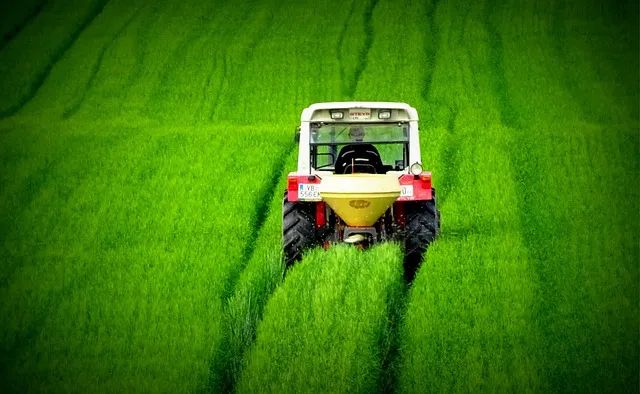
The cow is what it eats. A cow raised on grass produces fundamentally different fat than a cow raised on corn — not marginally different, but compositionally different in ways that matter for the human consuming it. Understanding this reframes the grass-fed premium from marketing to biology.
Conjugated Linoleic Acid: The CLA Story
Conjugated linoleic acid (CLA) is a naturally occurring fatty acid found in beef and dairy fat with an unusual research profile: it appears to have anti-carcinogenic, anti-obesity, and anti-diabetic properties in animal studies, and some human evidence supports its benefits for body composition and cancer prevention.
Grass-fed beef contains substantially more CLA than grain-fed — multiple published datasets show 2-5 times higher CLA content in grass-fed versus grain-fed cattle. CLA is produced in the rumen of ruminant animals through biohydrogenation of linoleic acid, and that process runs more active when the animal eats grass rather than grain-based feed.
The evidence for CLA’s health effects is interesting but not yet conclusive in humans. Animal peer-reviewed data shows impressive anti-tumor effects. Some human intervention research shows modest but significant improvements in body composition — reduced body fat, increased lean mass — with CLA supplementation. The concentrations tested in human studies are often achievable through regular grass-fed beef and dairy consumption rather than requiring supplementation. Whether the CLA in food is metabolically equivalent to purified CLA supplements isn’t established, but the mechanistic plausibility and the observational associations with regular grass-fed consumption are worth noting.
What Grass-Finished vs Grass-Fed Actually Means
The label “grass-fed” isn’t fully regulated in the United States and can be applied to cattle that spent part of their life on pasture but were finished on grain — the “finishing” period of 90-160 days in a feedlot before slaughter that most conventional beef undergoes. The fat composition and nutritional profile of “grass-fed, grain-finished” beef sits closer to fully grain-fed beef than to fully grass-finished beef, because the finishing period is when the most fat gets deposited and the grain-derived fatty acids accumulate.
“100% grass-fed and grass-finished” is the label that actually means something — the animal spent its entire life from weaning on pasture, never receiving grain. More expensive, more reliably distinct from conventional beef. When shopping for grass-fed beef for nutritional reasons, look for “grass-finished” or “100% grass-fed,” not just “grass-fed.”
Regenerative agriculture labels (Certified Regenerative, Savory Institute certified) indicate farming practices specifically designed to improve soil health through managed grazing — relevant for environmental reasons and typically associated with fully pastured animals. American Grassfed Association (AGA) certification is the most rigorous third-party verification for grass-fed status in the US market. If the label matters, these certifications confirm the “grass-fed” claim is substantive rather than technical.
The Beef Quality Decision Guide
The Beef Quality Decision Guide helps make informed purchasing decisions based on nutritional priorities, budget, and how the beef gets used — because the grass-fed premium is worth more for some applications and cuts than others.
Priority 1 — Fatty cuts with high beef consumption frequency: If beef is a dietary staple and fatty cuts get eaten regularly (ribeye, short ribs, chuck, 80% ground beef), the grass-fed premium produces meaningful cumulative exposure differences. Fatty cuts carry more fat with the superior omega-3 and CLA profile — the nutritional differential is largest here. Budget permitting, this is where to prioritize the upgrade.
Priority 2 — Leaner cuts with moderate consumption: Lean cuts (sirloin, flank steak, 93% ground beef) have less total fat and therefore smaller absolute differences in omega-3 and CLA content between grass-fed and grain-fed. The premium is real but reduced. If budget is constrained, leaner cuts are where the grass-fed-to-conventional trade-off is most acceptable.
Priority 3 — Ground beef frequency: Because most people eat ground beef most often, the cumulative impact of upgrading it from conventional to grass-fed adds up substantially over time even though any individual serving’s difference is modest. 85% lean grass-finished ground beef is a practical, relatively affordable way to meaningfully improve the fatty acid profile of the most frequent beef consumption.
Budget strategies: Grass-fed beef from Costco runs substantially cheaper per pound than specialty butchers, comparable quality, 100% grass-fed certified. Farmers markets and direct-from-farm purchasing (often through CSA-style meat shares) offer competitive prices for high-quality product. Buying primal cuts from a butcher and portioning at home significantly reduces cost versus pre-portioned retail cuts. Grass-fed ground beef from budget retailers (Trader Joe’s, Aldi in some regions) shows up at near-conventional prices — the best cost-per-nutritional-improvement ratio available.
The Flavor Difference: Is It Real?
James from our opening noticed a genuine flavor difference in New Zealand grass-fed beef, and this perception is consistent with what taste research and culinary experience corroborate. The flavor difference between grass-fed and grain-fed beef is real, but it’s not universally preferred — a matter of what someone’s accustomed to.
Grain-fed beef, particularly USDA Prime and Choice grades, is specifically bred and fed to maximize marbling — the intramuscular fat deposits producing the buttery, rich flavor profile most American consumers associate with premium beef. The high-corn finishing diet produces fat with a milder, sweeter character. The Maillard reaction on well-marbled, grain-fed steak produces the intensely caramelized, savory-sweet crust that steakhouse beef is known for.
Grass-fed beef has a more pronounced “beefy” flavor — some describe it as earthier, more mineral, more complex — with less of the buttery richness from heavy marbling. The fat has a slightly different flavor from its different fatty acid composition. The beta-carotene (converted from grass chlorophyll) gives grass-fed fat a slightly yellow tint compared to the white fat of grain-fed beef. Lean grass-fed beef can taste gamey to people unaccustomed to it — partly the fuller flavor profile, partly cooking technique, since lean meat benefits from different cooking approaches than well-marbled grain-fed cuts.
Cooking grass-fed beef correctly: because it has less intramuscular fat, grass-fed beef is less forgiving of overcooking. It benefits from lower cooking temperatures (medium-rare to medium, not medium-well or well), resting after cooking to redistribute juice, and marinating leaner cuts to improve moisture retention. Grass-fed ground beef cooks faster than conventional ground beef due to lower fat content — pull it off heat earlier than conventional beef to avoid a dry, tough result.
Environmental Context: The Feed Lot Reality
The nutritional case for grass-fed beef gets bolstered by environmental arguments that, while outside this article’s core focus, inform the purchasing decision for many consumers.
Feedlot cattle require 6-7 pounds of grain to produce 1 pound of beef — an energy inefficiency diverting massive amounts of corn and soy from human food use. The runoff from grain agriculture and the manure concentration at feedlots creates significant environmental pollution. Industrial cattle feed also often includes antibiotics to promote growth and prevent disease in crowded conditions — a practice contributing to antibiotic resistance the WHO identifies as a major global health threat.
Properly managed grass-fed cattle, conversely, can be raised on land unsuitable for crop production, can improve soil health through managed grazing, sequester carbon in grassland soils, and need no antibiotics when given adequate space and natural conditions. The case for regenerative, pasture-raised beef as environmentally superior to feedlot beef is credible, though the details are complex and depend heavily on specific land management practices.
For the consumer making purchasing decisions, supporting grass-fed and pasture-raised production systems is a vote for agricultural practices with better environmental profiles alongside the nutritional benefits. The premium price reflects real cost differences in land use, animal growth rates (slower for grass-fed), and management complexity. Whether those costs are worth paying is an individual decision, but the consumer isn’t paying purely for marketing — genuine differences in the product and the production system justify the price differential.
What People Ask About GrassFed GrainFed Beef
How much more omega-3 does grass-fed beef actually contain?
The Daley 2010 review found grass-fed beef contains roughly 0.05-0.2g of omega-3 per 100g of beef, compared to 0.01-0.05g in grain-fed. That’s 2-5 times more, but the absolute quantities are modest next to fatty fish (which provides 1-3g per 100g). Grass-fed beef contributes meaningfully to omega-3 intake but isn’t a substitute for fatty fish if omega-3 is the primary concern. The value sits more in the improved ratio (less omega-6 in a meal where the omega-6 load matters) than in the absolute omega-3 intake.
Is bison a better choice than grass-fed beef?
Bison (American buffalo) is almost always fully grass-finished, because the large-scale grain feeding used for cattle is rarely applied to bison. Bison runs naturally leaner than most beef, with similar omega-3 content to grass-fed beef and somewhat higher iron content per calorie. For people who tolerate beef well and want the nutritional benefits of full pasture raising without the price premium of certified grass-finished beef, bison is a legitimate alternative — increasingly available at Costco, Whole Foods, and farmers markets.
Does cooking destroy the omega-3 fatty acids in grass-fed beef?
Omega-3 fatty acids are relatively heat-sensitive — high temperatures can oxidize them, which is why polyunsaturated-fat-rich oils (like flaxseed oil) shouldn’t go anywhere near high-heat cooking. But the omega-3s embedded in beef tissue are somewhat protected by the surrounding protein and other fat components. Moderate cooking temperatures (medium-rare to medium) preserve a higher fraction than high-temperature, long-duration cooking (well-done, slow braise). For maximum omega-3 preservation, lower cooking temperatures win out — another reason to cook grass-fed beef to medium-rare rather than well-done.
What about organic beef vs grass-fed beef?
Different certifications that don’t necessarily overlap. Organic beef must be raised without antibiotics or hormones and fed organic feed — but that feed can be grain. Grass-fed beef must be raised on grass but isn’t necessarily organic (non-organic grass-fed may use pesticides on the pasture). The most comprehensive option is “certified organic AND grass-finished,” available from some premium producers. Forced to choose between organic grain-fed and non-organic grass-finished, grass-finished wins on fatty acid profile and absence of feedlot antibiotic use. Many small farms producing grass-fed beef use organic practices without formal certification (certification is expensive) — ask at farmers markets.
Is grass-fed beef worth the price premium?
Honest answer: depends on budget and priorities. The nutritional differences are real but not transformative — grass-fed beef is meaningfully better by several nutritional metrics, but it’s not a superfood producing dramatic health outcomes on its own. Eating beef 5+ times per week as a major dietary protein, upgrading to grass-finished produces cumulative meaningful differences. Beef as a minor component of a diverse diet already rich in fatty fish, the marginal benefit shrinks. Prioritize within budget: fatty cuts consumed frequently first, leaner cuts less frequently second.
Micronutrient Differences Beyond Fat
The omega-3 and CLA story gets most of the attention in grass-fed vs grain-fed comparisons, but several micronutrient differences are worth noting for a complete picture.
Vitamin E: Grass-fed beef contains significantly more alpha-tocopherol (vitamin E) than grain-fed — clinical data indicates 2-4 times higher concentrations. Vitamin E in beef acts partly as a natural antioxidant protecting the meat’s polyunsaturated fatty acids from oxidation during storage and cooking. So grass-fed beef’s superior omega-3 content is also better protected from oxidative degradation than the lower omega-3 in grain-fed beef. The higher vitamin E also provides a small but real dietary source of this fat-soluble antioxidant.
Beta-carotene: Grass contains chlorophyll and carotenoids that get metabolized and stored in the fat of pastured animals. The yellow tint of grass-fed fat is beta-carotene (a vitamin A precursor). Grain-fed beef fat is white because corn-based diets don’t supply these carotenoids. The beta-carotene in grass-fed beef is a meaningful dietary antioxidant contribution.
B vitamins: Grass-fed beef generally shows comparable or slightly higher B12 and B6 content than grain-fed. Modest differences, less clinically significant than the fat composition differences, but they add to the overall nutritional case for fully pastured beef.
Minerals: Iron, zinc, and magnesium content run broadly similar between grass-fed and grain-fed beef — mostly a function of the animal’s tissue composition rather than its diet. The heme iron in any beef, regardless of how it was raised, is the most bioavailable form of dietary iron available from food.
Reading Meat Labels: A Practical Decoding Guide
Beef labels have proliferated to the point of confusion. Here’s a quick decoding guide for the labels most commonly encountered at retail:
“Natural”: Meaningless from a nutritional standpoint. USDA’s definition requires only that the meat be minimally processed and contain no artificial ingredients. Conventional feedlot beef qualifies. Ignore this label entirely when making quality decisions.
“No hormones added”: Required to be accompanied by “Federal regulations prohibit the use of hormones in poultry and pork” (because those animals don’t get hormones anyway). For beef, it’s meaningful — hormones (estrogen, testosterone, progesterone, and synthetic equivalents) are used in conventional beef production to accelerate growth. Hormone-free beef reduces dietary hormone exposure, though the health significance at typical consumption levels is debated.
“No antibiotics administered”: Meaningful. Feedlot beef routinely receives antibiotics for growth promotion and disease prevention. Antibiotic-free beef hasn’t contributed to antibiotic resistance through agricultural use. Verified claims include USDA Process Verified, Global Animal Partnership, and certified organic status.
“Pasture-raised”: Indicates outdoor access to pasture but doesn’t specify duration, stocking density, or whether grain was supplemented. More meaningful than “natural” but less specific than “100% grass-finished.”
USDA grades (Prime, Choice, Select): Grading is based entirely on marbling (intramuscular fat) — higher grades have more fat. This grading system was designed for grain-finished beef and doesn’t accurately reflect grass-fed beef’s quality. Grass-fed beef often grades as Select or doesn’t qualify for USDA grading at all, because its lower marbling (nutritionally superior) scores poorly on the marbling-centric scale. Don’t use USDA grades to assess grass-fed beef quality.
The Long View: What Your Beef Choices Accumulate To
A typical beef consumer in the United States eats roughly 80-100 pounds of beef per year. Over a decade, that’s 800-1,000 pounds. The cumulative difference in omega-3 intake, CLA exposure, and omega-6 load between consistently consuming grass-finished versus grain-fed beef over that period is meaningful — not transformative, but meaningful in the context of a lifetime’s dietary fatty acid balance.
The argument for grass-fed beef isn’t that any single meal produces dramatic effects. It’s that chronic, cumulative exposure to a less inflammatory fatty acid profile across hundreds of meals per year, sustained over decades, nudges the overall nutritional environment in a favorable direction. Combined with fatty fish consumption, plant-based omega-3 sources (flaxseeds, chia seeds, walnuts), and reduced seed oil omega-6 exposure, the grass-fed beef upgrade is one piece of a systematic approach to restoring a more favorable omega-6 to omega-3 ratio.
The practical priority list for omega-3 optimization: first, eat fatty fish 2-3 times per week (the highest-impact move). Second, eliminate or minimize seed oil consumption (soybean, corn, sunflower, safflower oils carry enormous omega-6 loads). Third, upgrade beef to grass-finished where affordable. Fourth, include ALA-rich plant sources (flaxseeds, chia seeds, walnuts) daily. Grass-fed beef sits at item three — important, but not the top lever in the omega-3 optimization strategy.
Ground Beef: The Most Practical Upgrade
Ground beef deserves specific attention because it’s the most accessible and impactful upgrade opportunity for most households. It’s typically the most frequently purchased beef product, the most affordable category, and the one where grass-fed options are increasingly available at competitive price points.
Grass-finished ground beef at 85% lean runs about $4-6 per pound at Costco (prices vary by region), comparable at Trader Joe’s, and increasingly available under conventional supermarket store brands. The premium over conventional 80% lean ground beef is shrinking as demand grows. This is the category where switching to grass-fed produces the greatest bang per dollar — frequent consumption multiplied by a real nutritional difference at a manageable premium.
Grass-fed ground beef works equally well across the most common ground beef applications — tacos, burgers, meat sauce, meatballs, meatloaf, chili, stir-fries, stuffed peppers — with a single cooking adjustment: reduce heat slightly to account for lower fat content. For burgers, where fat content matters for texture, 85% lean grass-fed versus 80% lean provides a reasonable compromise between the nutritional profile of grass-fed and the moisture retention fat provides in a patty.
Red Meat Consumption: Putting the Risk in Context
Discussing beef quality requires acknowledging the broader conversation about red meat and health — because “is grass-fed better than grain-fed” sits inside the larger question of whether eating beef at all is healthy. The evidence deserves a fair reading rather than reflexive dismissal or uncritical acceptance.
The association between red meat and colorectal cancer is the strongest finding in red meat research. Processed red meat (bacon, hot dogs, sausage, deli meats with nitrates) shows a consistent association with increased colorectal cancer risk — the WHO classifies it as a Group 1 carcinogen (sufficient evidence of carcinogenicity in humans). Unprocessed red meat is classified as Group 2A (probable carcinogen), weaker evidence.
The nuances matter here: the absolute risk increase from unprocessed red meat consumption is modest — estimates from major meta-analyses suggest roughly 17% increased risk for each 100g/day of red meat consumed. That relative risk sounds significant, but applied to a baseline colorectal cancer risk of roughly 4-5% lifetime for US adults, a 17% relative increase represents an absolute risk increase of less than 1%. The individual risk from moderate unprocessed red meat consumption is small in absolute terms.
The mechanisms proposed for red meat’s cancer association — heme iron promoting carcinogenic N-nitroso compound formation, heterocyclic amines and polycyclic aromatic hydrocarbons from high-temperature cooking, among others — apply to conventional grain-fed beef as much as grass-fed. The grass-fed premium doesn’t eliminate these concerns. What it does do is improve the fatty acid profile and provide more antioxidants (vitamin E, beta-carotene) that may partially mitigate oxidative stress in the colon. Whether the cancer risk differential between grass-fed and grain-fed beef is itself meaningful isn’t established in current research.
The overall assessment: moderate unprocessed red meat consumption (3-4 servings per week) as part of an otherwise whole-food, high-fiber, vegetable-rich diet is a reasonable dietary pattern for most healthy adults. Prioritizing grass-finished over grain-fed improves the nutritional profile of that consumption. Avoiding processed meats (the category with stronger cancer evidence) matters more than the grass-fed/grain-fed distinction for cancer risk specifically. Maintaining high vegetable and fiber intake alongside beef consumption mitigates the colonic environment effects that appear to drive the cancer association.
The Hormones Question
Conventional beef production in the United States uses hormones — estrogen, progesterone, testosterone, and synthetic equivalents — implanted in cattle to accelerate growth and improve feed efficiency. These aren’t banned in the US (unlike the EU, which banned hormone use in beef production in 1989 and prohibits hormone-treated beef imports). The FDA’s position is that hormone residues in beef at conventionally used doses sit below levels of concern for human health.
The scientifically credible concern: endocrine-disrupting chemicals at very low doses can have biological effects that don’t follow simple dose-response curves — they can be active at lower concentrations than expected. The hormones used in beef production (zearalenol, zeranol, and others) are synthetic estrogen-like compounds. The research on hormonal residues in beef and human health outcomes isn’t reassuring enough to be definitive, but it isn’t alarming enough to warrant categorical avoidance either.
Grass-fed beef, by definition, doesn’t receive hormone implants because the feedlot-specific production system administering them is absent. A modest practical benefit of grass-fed beyond the fatty acid profile — particularly relevant for children and adolescents consuming significant amounts of beef, where endocrine effects of environmental estrogens may carry more weight than in adults. For those concerned about hormonal exposure from beef, “no hormones administered” verification or certified organic status addresses this directly.
Building a Practical Beef Quality Approach
The practical synthesis of this article’s evidence into a purchasing and consumption approach:
Eat beef in the context of a diet with abundant vegetables, fiber, and diversity — the dietary environment determines whether moderate beef consumption is health-promoting or concerning. No amount of quality optimization in beef selection compensates for a diet low in vegetables, fiber, and dietary diversity.
Prioritize the grass-fed upgrade for ground beef and fatty cuts consumed most frequently. Accept conventional leaner cuts where the price premium exceeds the budget for the nutritional return available.
Minimize processed red meat (bacon, sausage, deli meats) across the board — this category has stronger adverse evidence than unprocessed beef regardless of how it was raised.
Use high-heat cooking methods mindfully — lower temperatures, avoiding charring, marinating before grilling — to reduce heterocyclic amine and PAH formation from any beef preparation.
Let fatty fish be the primary omega-3 strategy and grass-fed beef a complementary element, not the sole approach to omega-3 optimization.
James’s New Zealand experience wasn’t just about flavor. The grass-fed beef he ate — from a farm he could see, producing cattle doing what cattle do naturally — had a compositional profile reflecting its production. His preference for it wasn’t marketing-induced nostalgia; it was a reasonable response to a genuinely better product. Whether the premium is worth it in any specific context is a calculation only the person paying for it can make. The evidence says the difference is real, meaningful, and tilts toward grass-fed for anyone who can make it work within budget.
The Broader Animal Welfare Picture
Animal welfare, while primarily an ethical rather than nutritional consideration, intersects with beef quality in ways worth acknowledging. Feedlot conditions — high stocking density, concrete or dirt flooring, limited natural behavior — create chronic stress in cattle. Chronic stress elevates cortisol, which affects muscle fiber type, glycogen depletion rates, and pH at slaughter (stress before slaughter produces “dark cutting beef” with elevated pH and shortened shelf life). Not all feedlot beef shows these quality effects, but the physiological impact of chronic stress on beef quality is a real technical consideration in meat science.
Pasture-raised cattle engage in natural behaviors (walking, grazing, social interaction), run lower chronic cortisol levels, and typically show better slaughter outcomes in muscle pH and meat quality consistency. A practical quality argument, separate from the fatty acid and ethical arguments, for preferring pasture-raised beef.
For many consumers, the ethical dimension of cattle welfare is itself a sufficient reason to pay the grass-fed premium regardless of the nutritional details. That’s a legitimate choice, not merely sentimental thinking. The animals that produce our food have experiences that purchasing decisions can make better or worse. Acknowledging that this matters, and letting it inform purchasing when budget permits, isn’t naive — it’s recognizing that the agricultural system money supports shapes the world people live in.
The complete picture of grass-fed beef: nutritionally superior fatty acid profile, higher CLA and antioxidant vitamins, no hormone implants, better animal welfare outcomes, environmentally lower-impact when managed regeneratively, and genuinely different (many say better) flavor. The premium is real and for many households not trivial. The value delivered at that premium — across all these dimensions simultaneously — is, for most people who can afford it, worth paying.
Storing and Handling Premium Beef
Paying a premium for quality beef and then mishandling it reduces the value of the investment. Proper storage and handling preserves both safety and the fat quality that makes grass-fed beef nutritionally superior.
The polyunsaturated omega-3 fatty acids that make grass-fed beef nutritionally superior are also more prone to oxidation than the saturated and monounsaturated fats dominant in grain-fed beef. Oxidized fatty acids not only taste rancid but produce pro-inflammatory oxidation products. So grass-fed beef is somewhat more perishable and more sensitive to improper storage than grain-fed — a practical downside riding along with the nutritional advantage.
Refrigerate or freeze promptly — don’t leave grass-fed beef at room temperature longer than necessary. Vacuum-sealed packaging significantly extends refrigerator shelf life (7-10 days vs 3-5 days for non-vacuum packages) and prevents freezer burn during frozen storage. Frozen at 0°F (-18°C), properly packaged grass-fed beef maintains quality for 4-6 months; ground beef for 3-4 months, its higher surface area accelerating oxidation. Thaw in the refrigerator overnight rather than at room temperature to minimize oxidative exposure and bacterial growth during thawing. These practical handling details preserve the quality already paid for and make sure grass-fed beef’s nutritional superiority survives all the way to the plate.
The International Perspective
James’s New Zealand experience is representative of a broader pattern: countries where grass-fed beef is the norm rather than the exception — Argentina, Uruguay, New Zealand, Australia, Ireland — have long traditions of beef production on natural grassland that produces the fatty acid profile Americans now pay a premium to access.
Argentinian grass-fed beef is available in some US markets and tends to be leaner and more gamey than American grain-fed, reflecting the fully pastured production system. Australian grass-fed beef has been increasing in US availability and carries established quality certification standards. Importing these traditions of grass-based beef production into American markets, and supporting the American grass-fed producers building similar systems domestically, represents both a nutritional and an agricultural choice with dimensions beyond individual health.
The grass-fed beef discussion ultimately reflects a broader question about the food system: one optimized for maximum caloric output at minimum short-term cost, or one producing food with genuine nutritional density from production systems with sustainable environmental and ethical profiles. Beef is a high-stakes arena for this question because it’s so resource-intensive regardless of production method. Choosing to eat less beef overall and higher-quality grass-fed beef when you do is a coherent response to this complexity — one many nutritionists and food system analysts endorse as both personally and collectively sensible. Less is more, quality matters, and the price premium for better production methods is a signal worth heeding when budget can accommodate it.
Liver and Organ Meats: The Grass-Fed Multiplier
Any discussion of beef nutrition that stops at muscle meat misses the most nutritionally dense component of the animal. Beef liver from grass-fed cattle is, by most objective nutritional metrics, the most nutrient-dense single food available. It contains more vitamin A (retinol form, immediately usable by the body) than any other food; more B12 than virtually any other food; abundant iron, zinc, copper, CoQ10, and choline; and protein with exceptional amino acid completeness.
The grass-fed distinction for liver matters because the fat-soluble vitamins (A, D, E, K) and carotenoids that accumulate in grass-fed animals concentrate in the liver. Grass-fed beef liver has substantially more beta-carotene and vitamin E than conventional beef liver, extending the nutritional advantages seen in muscle meat but amplified by the liver’s role as a vitamin storage organ.
Including even small amounts of liver (50-100g per week) in a beef-based diet provides nutrient concentrations that no muscle meat, however well-sourced, can match. Already paying a premium for grass-fed beef? Including liver periodically maximizes the return on that investment. Liver from grass-fed cattle is available from the same butchers and farmers markets that supply grass-fed muscle cuts, often at lower prices per pound than premium muscle cuts, because liver remains undervalued by most consumers. This is the part of the grass-fed cattle providing the most concentrated nutritional return — the end of a discussion about beef quality that most conversations never reach.
References
Editorial StandardsCorrectionsMedical DisclaimerAbout Our ContentAffiliate DisclosureSite Map