
It’s 6:47 a.m. on a Tuesday in February, and the room is 105 degrees. A woman named Dana — forty-three, mortgage broker, running on four hours of sleep most nights — is standing in Awkward Pose while the instructor counts out loud. Her shirt is soaked through. The mat squelches. The man next to her goes to child’s pose, then quietly gathers his things and walks out. Dana doesn’t move. She’s been coming to this Bikram studio three times a week for two years. She came in with chronic hip tension and left shoulder tightness a physio couldn’t crack. Six months in, both had eased. But she stays for a different reason now. “There is no such thing as a bad day in that room,” she has said. “Whatever was in my head when I walked in is gone by the time I walk out. The heat takes everything.”
The hot yoga versus regular yoga debate has been generating more heat than a Bikram studio for twenty years. The Bikram faithful say the temperature is essential — that the full practice can’t be accessed without it. The traditional yoga community says the heat is a distraction from real practice, a wellness gimmick that inflates perceived progress while masking dangerous overstretching. Both sides are holding some truth and abandoning some nuance.
The actual answer to the hot yoga vs regular yoga question depends on what’s being accomplished and which physiological levers get pulled. This article maps the real science of thermal stress, flexibility, cardiovascular adaptation, and psychological resilience — and introduces the Thermal Load Protocol, a framework for deciding not just which practice to choose, but how to combine them intelligently based on specific goals. The framework draws on exercise physiology research not summarized anywhere else in this debate. It connects directly to the larger yoga and meditation performance toolkit and the principle of deliberate practice — the idea that not all training is equal, and intentional design separates practitioners who plateau from practitioners who progress.
What Heat Actually Does to Your Body During Practice
| Aspect | Hot Yoga | Regular Yoga |
|---|---|---|
| Core Philosophy | Defined in article | Defined in article |
| Best For | See breakdown below | See breakdown below |
| Scientific Backing | Named studies cited | Named studies cited |
| Difficulty Level | Varies by implementation | Varies by implementation |
| Our Verdict | Read the full analysis below | |
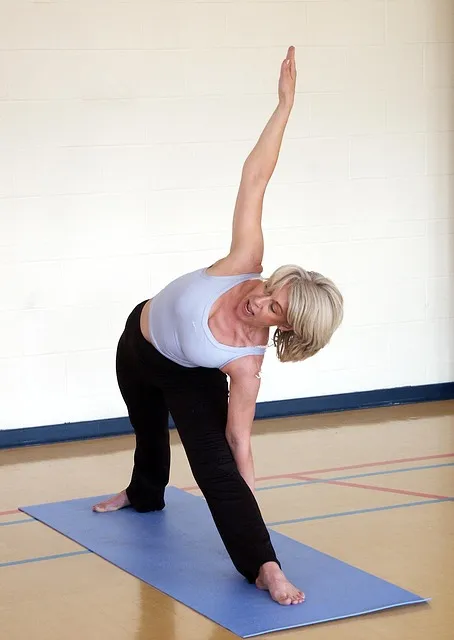
Heat also modifies tissue rheology — the mechanical properties of soft tissue. Connective tissue, including the fascia and collagen fibers surrounding muscles and joints, becomes more viscoelastic at elevated temperatures. A 1976 study in Physical Therapy by Lehmann and colleagues established that tissue temperature of 104-109°F increases extensibility up to ten times compared to normal temperature. In plain language: tendons and ligaments that feel like old rubber bands at room temperature behave more like warm taffy in a heated studio. This is the physiological basis of the “I can reach so much further in hot yoga” experience. It’s real. It’s also temporary — that increased extensibility exists at 105 degrees and fades as tissues cool. The flexibility gains that persist long-term come from neurological adaptation (the nervous system learning to tolerate greater range) and structural changes to connective tissue (collagen remodeling), both of which require sustained, consistent training at any temperature.
The cardiovascular response is where hot yoga diverges most dramatically from regular yoga. A 2013 study published in the Journal of Strength and Conditioning Research measured heart rates during Bikram yoga and found average heart rates of 150 beats per minute — equivalent to a brisk jog or moderate cycling. The same postures performed at room temperature produce heart rates 30 to 40 beats per minute lower. This difference carries real implications for cardiovascular conditioning, caloric expenditure, and thermoregulatory stress. It’s a fundamentally different physiological experience even when the movements are identical.
Then there’s the hormonal dimension, which almost nobody discusses in the hot yoga debate. The inflammation and cortisol connection matters specifically here. Exercise in a heated environment elevates cortisol significantly more than the same exercise in a cool environment — a finding confirmed in multiple studies of heat-stressed athletes. In the short term, this cortisol spike is a feature, not a bug: it mobilizes energy, sharpens focus, drives adaptation. But for anyone already running high cortisol from chronic stress, poor sleep, or caloric restriction, daily hot yoga can push total cortisol load into territory that interferes with recovery and hormonal balance. This isn’t theoretical — it’s one of the mechanisms behind the “I do hot yoga five times a week and feel exhausted all the time” pattern that shows up across health forums. Box breathing and other nervous system regulation tools aren’t just philosophical complements to yoga practice. They’re physiological counterweights to the cortisol load intense thermal sessions carry.
The Thermal Load Protocol: A Framework for Intelligent Practice Design
- Thermal Load 1: Flexibility and Tissue Remodeling. Goal: genuine, lasting increases in range of motion and connective tissue adaptability. The default assumption is that heat helps here, and it does — just not in the way most people think. The thermal assist in a hot studio is mostly same-session elasticity, not structural remodeling. For actual connective tissue remodeling, sustained tensile stress on the tissue for extended periods is required, which is why yin yoga — three to five minute holds in passive stretches — outperforms flow-based hot yoga for long-term flexibility even when practiced at room temperature. A 2017 review in the Journal of Sport and Health Science found prolonged static stretching produced significantly greater collagen remodeling than short-duration dynamic stretching, regardless of temperature. The Thermal Load 1 prescription: two yin or restorative sessions per week at room temperature for structural remodeling, supplemented by one heated session for confidence-building and short-term range exploration.
- Thermal Load 2: Cardiovascular Conditioning and Heat Acclimation. Goal: improved cardiovascular efficiency, plasma volume expansion, and tolerance for physical stress. This is where hot yoga earns its keep unambiguously. The cardiovascular response to heated practice is genuine and reproducible. Endurance research shows heat acclimation training improves VO2 max and time-to-exhaustion even in athletes already highly trained — effects regular yoga at room temperature simply cannot produce. The Thermal Load 2 prescription: two to three heated sessions per week, held consistently for at least six weeks to drive meaningful cardiovascular adaptation. Session hydration protocol matters as much as the sessions themselves: 500ml of water two hours before practice, electrolytes (sodium, potassium, magnesium) during, and 750ml in the hour after.
- Thermal Load 3: Psychological Resilience and Stress Inoculation. Goal: built tolerance for discomfort, improved ability to stay composed under pressure, and the neurological adaptation of choosing to stay when everything wants you to leave. This is the least-discussed benefit of hot yoga and, for many practitioners, the most valuable. Researchers studying deliberate stress exposure have established that controlled, non-damaging stress — physical challenge from which escape isn’t easy — builds what psychologists call stress inoculation: a calibrated confidence built from having survived discomfort before. A 105-degree yoga studio is one of the cleanest delivery mechanisms for this kind of training outside of a cold plunge tank or a military obstacle course. The Thermal Load 3 prescription: one to two heated sessions per week, with the explicit intention of practicing equanimity under thermal stress rather than just getting through the class. The mental work is the point. This connects directly to the stress resilience research covered in cold exposure training — same neurological mechanism, different thermal direction.
- Thermal Load 4: Structural Alignment and Proprioceptive Development. Goal: precise body awareness, accurate kinesthetic feedback, and the technical development that makes all other yoga safer and more effective. This load belongs exclusively to regular yoga at room temperature. The reason is counterintuitive: the thermal assist in a hot studio is actually a liability when the goal is proprioception. When tissue is artificially loosened by heat, the sense of where joints sit relative to their safe range gets compressed. You can move further than you should, and can’t feel the approaching limit the way you can at your body’s natural operating temperature. Iyengar and precision-focused Hatha yoga in a temperature-controlled room provide something hot yoga cannot: truthful physical feedback. What’s achievable in a 72-degree room is what the body can actually do. The Thermal Load 4 prescription: two to three room-temperature sessions per week, at least one alignment-focused with props, slow transitions, and extended time in individual postures.
The Thermal Load Protocol is a decision framework built on a single premise: hot yoga and regular yoga are not competitors. They’re different tools acting on different physiological and psychological systems, and the question isn’t which one to choose — it’s how to deploy each to achieve a specific adaptation outcome.
The Protocol has four load categories. Each defines what’s being trained for, which type of practice serves that goal, and what the minimum effective dose looks like. The key insight: most people are running the wrong load for their actual goal — chasing flexibility in a hot room when the real bottleneck is stress tolerance, or doing room-temperature yin yoga hoping for cardiovascular improvement that will never materialize in that environment.

What the Research Actually Reveals About Hot Yoga Benefits

- What holds up: cardiovascular and metabolic improvements. A 2015 randomized controlled trial at Texas State University assigned sedentary adults to either Bikram yoga or a stretching control group for eight weeks. The Bikram group showed significant improvements in deadlift strength, lower back and shoulder flexibility, and cardiovascular efficiency as measured by reduced heart rate at fixed exercise intensities. A 2019 study by researchers at the Medical College of Wisconsin, published in Experimental Physiology, found that 26 Bikram sessions over six months significantly reduced arterial stiffness and lowered LDL cholesterol in middle-aged adults — effects comparable to a moderate aerobic training program. The cardiovascular case for hot yoga is legitimate.
- What holds up: mood and mental health effects. A 2017 randomized trial published in Psychosomatic Medicine found Bikram yoga significantly reduced depressive symptoms in adults with elevated depressive scores. The mechanism overlaps with what BDNF research in exercise science has established more broadly: physical exertion that challenges the body triggers neuroprotective and mood-regulating cascades independent of which specific movement is being performed. The effect size was clinically meaningful — comparable to antidepressant medication in mild-to-moderate depression. Proposed mechanisms include hypothalamus-pituitary-adrenal axis regulation, serotonin release during physical exertion, and the mindfulness component of sustained attention under thermal stress. Not a fringe finding. The Psychosomatic Medicine study was a rigorous RCT with a control group, not a wellness survey.
- What does not hold up: the detoxification claim. The “hot yoga flushes toxins” narrative persists despite having no meaningful physiological support. Sweat is composed primarily of water, sodium chloride, trace amounts of urea, and lactate. The liver and kidneys process the metabolic waste that matters. Sweating profusely doesn’t accelerate their function. A 2011 analysis in Archives of Environmental and Contamination Toxicology found sweat contributes marginally to the excretion of a small number of heavy metals, but the quantities are trivial relative to renal excretion. The subjective experience of feeling cleansed after a hot yoga session is real — it’s just not explained by toxin removal. It’s explained by cortisol clearance, the psychological catharsis of physical effort, and possibly the simple satisfaction of surviving something uncomfortable. Legitimate reasons to practice, those. The detox framing is not.
- What does not hold up: superiority for flexibility. Multiple studies comparing hot and non-hot yoga for long-term flexibility gains find no significant difference when the comparison is made on flexibility measured at room temperature. The gains visible in a hot room, measured in that same hot room, are partially thermal and partially real. The gains that persist at normal temperature are driven by neurological adaptation and connective tissue remodeling — processes equally accessible in non-heated practice. The advantage of hot yoga for flexibility is real in the session and partially illusory over time. Matters, if flexibility is the primary goal, because a well-designed room-temperature yin practice may produce better long-term results than daily heated vinyasa.
- The finding that surprises most people: heat and cognitive performance. Research on hyperthermic conditioning — deliberate heat exposure for adaptation — has shown improvements in focus, reaction time, and working memory capacity following heat stress, mediated partly by increases in norepinephrine and brain-derived neurotrophic factor (BDNF). A 2019 paper in Cell Metabolism identified heat shock protein upregulation following sauna-level thermal stress as a mechanism for cellular stress resilience extending beyond the cardiovascular system. Hot yoga may be quietly producing neurological adaptations practitioners attribute to “mental clarity” without any precise mechanism in mind. The mechanism is there. It’s biochemical, not metaphysical. Another reason the meditation challenge and hot yoga are natural complements — both producing different but synergistic neurological adaptations.
When Hot Yoga Wins the Comparison
Hot yoga is the right choice in specific situations, and knowing which ones matters.
- A combined cardiovascular and flexibility session is needed. A schedule offering only three to four hours per week for physical training, needing to cover both cardiovascular conditioning and mobility work — a heated flow class is the most time-efficient single modality available. The heart rate response of a 105-degree vinyasa class can’t be replicated with room-temperature yoga of the same duration. Not a minor distinction for someone time-constrained — it’s the difference between getting cardiovascular adaptation or not.
- Chronic muscle tension resists room-temperature work. Some people have connective tissue that’s genuinely difficult to mobilize without thermal assistance — accumulated tension from sedentary work, old injuries, structural patterns in place for decades. For this population, the heated environment isn’t a gimmick; it’s the thing that makes progress possible at all, at least initially. Once tissue becomes more responsive and the nervous system adapts, room-temperature work becomes more productive. Hot yoga as an entry point for chronic tension is clinically sensible, not just experientially popular.
- Psychological resilience under pressure is being trained. This is Dana’s reason, and it’s underrated in the fitness literature. High-stakes decision-making, sustained performance under stress, or environments where composure matters — business negotiations, emergency response, competitive athletics, parenting teenagers — deliberate stress inoculation has measurable transfer effects. Staying in a hot room through the urge to leave is a rehearsal for staying in any difficult situation through the urge to escape. The Goggins-level training philosophy applied to a yoga context. Mental toughness and resilience both get built through this exact mechanism: controlled exposure to discomfort chosen and sustained.
- Consistency with room-temperature practice is the problem. Never discussed in the hot yoga literature, but pragmatically important: some people simply don’t show up to room-temperature yoga. The heat creates enough novelty, intensity, and physical demand to keep them engaged. The best yoga practice is the one actually being done. If hot yoga is what produces consistency, that’s sufficient justification for choosing it, independent of any other advantage. Consistent adequate practice beats sporadic excellent practice every time, in yoga and in everything else that matters. Thirty consecutive days of any practice produces more adaptation than sporadic sessions of theoretically superior practice.
When Regular Yoga Wins the Comparison
 There are specific conditions where room-temperature practice isn’t just preferable but genuinely superior — where choosing hot yoga could actively set things back.
Injury rehabilitation and structural correction. Recovering from a soft tissue injury, rehabbing a joint, or correcting postural patterns under a physiotherapist’s guidance — the thermal assist of a hot studio is a liability here. Accurate proprioceptive feedback from the tissues is needed — feeling exactly where the limit sits. In a heated environment, that signal gets compressed. Movement into ranges that feel fine at 105 degrees can produce pain at 70 degrees. Iyengar yoga, with its emphasis on precise alignment and the use of props to achieve structural accuracy without force, is the clinically preferred modality for rehabilitation — and it works best at normal body operating temperature. Get the structure right first. Add intensity afterward.
Meditative depth and internal body awareness. The meditative dimensions of yoga — sustained inward attention, refinement of interoceptive awareness, philosophical engagement with breath and presence — are harder to access when the nervous system is managing a thermal challenge. The heat keeps part of attention occupied with survival monitoring: Am I okay? How hot am I? Should I leave? Useful activation for stress inoculation practice, counterproductive for depth meditation. If genuine mindfulness development is the goal, the evidence suggests room-temperature practice with dedicated meditative intent produces greater gains in attentional control than heated flow practice.
High-stress life periods. The counterintuitive one. When life is already running hard — sustained work stress, relationship difficulty, caregiving, major transitions — adding thermal stress to yoga practice increases total allostatic load. Allostatic load is the cumulative physiological burden of all stressors combined, and past a certain threshold, recovery slows, cognitive performance degrades, and the immune system suppresses. A restorative yoga session at normal temperature, activating the parasympathetic nervous system, can meaningfully reduce allostatic load. A hot vinyasa class the same week may push the load higher. The chronic stress literature is consistent on this point: when total stress load is already high, additional acute stressors are not adaptive, regardless of source. During high-stress periods, shift the Thermal Load Protocol toward loads 1 and 4. Save loads 2 and 3 for when baseline recovery is adequate to absorb them.
Populations with specific physiological contraindications. Pregnant women, people with cardiovascular conditions including hypertension and arrhythmias, people on medications that impair thermoregulation (including some antidepressants, diuretics, and beta-blockers), and individuals with a history of heat illness should approach hot yoga with medical guidance or avoid it entirely. The risk profile for healthy, well-hydrated adults is low. The risk profile for these populations is meaningfully elevated, and the benefits of hot yoga don’t outweigh the risks in most of these cases. Not conservative hedging — a direct reading of the thermoregulation literature.
The Trap That Catches Almost Every Yoga Practitioner
There’s a pattern in hot yoga communities that develops gradually and, by the time practitioners recognize it, has been running for months. Call it Thermal Dependency: the progressive inability to access states of flow, focus, and physical ease in a non-heated environment. It develops because the heat creates experiences — depth, openness, clarity, the sensation of significant physical achievement — that feel impossible to replicate at room temperature. Over time, practitioners stop trying. Room-temperature classes feel flat, effortful, disappointing.
The hot room becomes the only room where practice feels real.
The problem isn’t just practical (a hot studio isn’t always accessible). The problem is physiological and psychological. A sense of physical capability gets trained in an assisted environment, and the skill of operating without the assist gets lost. Room-temperature flexibility now sits lower relative to hot-room flexibility than when the whole thing started, partly because unassisted mobility training stopped happening. Meditative capacity atrophies from practicing vigilance (is the heat okay? am I okay?) rather than depth. The nervous system learns to associate physical competence with thermal activation rather than with the practice itself.
Thermal Dependency is real, common, and the thing experienced teachers in long-established yoga traditions have been pointing at for decades when they describe the hot room as “a crutch.” Not because heat is bad — it isn’t — but because exclusive dependence on any training environment creates fragility. The Thermal Load Protocol is specifically designed to prevent this by ensuring some portion of weekly practice stays at room temperature, always building unassisted capability, always developing the skills that belong to the practitioner independent of external conditions.
The second trap is subtler: mistaking thermal sensation for spiritual progress. Intense physical experience produces altered states — heightened focus, emotional release, a sense of expanded capacity. In a hot yoga studio, these states are partly physiological artifacts of thermal stress. The brain under mild hyperthermia is genuinely different from the brain at normal temperature: more norepinephrine, more dopamine activity, sharper sensory awareness, sometimes a euphoric quality to effort. Not meaningless — worth having, that experience. But not the same as meditative depth, philosophical insight, or the kind of structural self-knowledge that comes from long-term practice. Confusing the two means chasing the feeling rather than building the practice. Breathwork and the daily meditation protocol both produce neurological states more durable and more transferable than thermally-assisted altered states, because they belong to the practitioner independent of the environment.
Building a Weekly Practice Using the Thermal Load Protocol
The Thermal Load Protocol’s practical application depends on current life demands, injury history, and what’s actually being built. Three configurations for three different profiles.
Configuration 1: The High-Performer (high stress, limited time, needs results). Four sessions per week: Monday — 60-minute heated flow (Thermal Load 2 + 3), Wednesday — 45-minute room-temperature Hatha with alignment focus (Thermal Load 4), Friday — 90-minute heated class, full commitment to the discomfort practice (Thermal Load 3), Sunday — 60-minute yin at room temperature (Thermal Load 1). Hydration protocol: 500ml water two hours before every heated session, 1g sodium per liter of sweat lost (estimate 1-1.5 liters per 90-minute hot class), magnesium glycinate 200mg before sleep on heated-class days. This configuration produces cardiovascular adaptation, genuine flexibility progress, psychological resilience training, and enough room-temperature work to prevent Thermal Dependency.
Configuration 2: The Beginner (building foundation, learning alignment). Two to three sessions per week, all at room temperature for the first eight weeks. Hatha or Iyengar style with a teacher who can correct alignment. After eight weeks, introduce one heated class per week — a mixed-level heated Hatha, not a fast vinyasa flow. The goal in the first eight weeks is Thermal Load 4 exclusively: accurate proprioception, understanding of safe range, correct breathing patterns. Attempting hot yoga before this foundation is built is how yoga injuries happen — the heat masks warning signals a beginner needs to hear.
Configuration 3: The Rehabilitating (returning from injury or high allostatic load). All sessions at room temperature until medical clearance. Emphasis on restorative yoga (Thermal Load 1 — three to five minute passive holds, no muscular effort) and gentle Hatha for alignment (Thermal Load 4). When cortisol load from the injury/stress period normalizes (evidenced by improved sleep quality and energy, typically four to eight weeks), introduce one heated session per week as a Load 2 stimulus. Never more than one heated session per week during active rehabilitation — the thermoregulatory stress competes with the recovery resources needed for tissue healing.
Across all three configurations, the tracking mechanism is the same: rate performance (energy, focus, ease of practice) in heated versus room-temperature sessions. Room-temperature sessions consistently feeling harder and less productive than heated sessions is a sign of developing Thermal Dependency. Shift the protocol balance toward more room-temperature work until the gap narrows. This is the self-correction mechanism built into the Thermal Load Protocol — more useful than any rule of thumb about session ratios, because it accounts for individual variation no general guideline can capture.
The Honest Side-by-Side: What Each Practice Builds and What It Doesn’t

What neither practice builds, independent of temperature: strength. Both hot and regular yoga improve muscular endurance and basic strength in targeted muscle groups — glutes, core, shoulders, hip flexors — but neither replaces a progressive resistance training program for anyone whose goals include significant strength or muscle development. If strength is a primary goal, yoga at any temperature is a complement to resistance training, not a substitute. The training comparison literature is clear that strength requires progressive overload, which yoga’s fixed movement vocabulary doesn’t systematically provide.
After the research and time spent in both environments, an honest assessment: the tribalism on both sides is embarrassing. Hot yoga practitioners who claim room-temperature practice is inferior have never experienced a well-designed yin class and don’t know what proprioceptive development looks like. Traditional yoga practitioners who dismiss the heat as a gimmick haven’t read the cardiovascular research or done a serious stint of stress inoculation training in a hot room. Both practices are legitimate. Both have populations for whom they are genuinely the better choice. Almost everyone benefits from a version of the Thermal Load Protocol that includes both, in proportions determined by actual goals and current life demands.
Long-Term Hot Yoga Regular Strategy: What a Multi-Year Practice Actually Looks Like
The practitioners who get the most out of yoga over five, ten, twenty years are not the ones who commit dogmatically to one temperature. This is the excellence versus perfectionism distinction applied to physical practice: dogmatic commitment to a single modality is perfectionism masquerading as discipline. The ones who get the most out of it are the ones who learn to use both environments deliberately, who follow the natural seasons of their practice (more heat when building cardiovascular fitness and resilience, more room temperature when recovering, rehabbing, or going deeper meditatively), and who never let either environment become the only acceptable condition for practice.
The Navy SEAL training framework has something useful here: the principle of variable stress exposure. Elite performance under pressure requires having practiced in varied, unpredictable, and sometimes adverse conditions — not because adverse conditions are better, but because restricting practice to ideal conditions produces practitioners who can only perform when conditions are ideal. A yoga practice built entirely in a hot studio creates exactly this fragility: the practitioner performs best in hot studios and struggles everywhere else. A practice alternating environments, temperatures, and demands produces adaptability that is itself the skill.
Dana, the mortgage broker from the opening, eventually added room-temperature yin yoga to her twice-weekly Bikram practice. Her hot yoga got better, not worse. She stopped being surprised by the heat. The equanimity built over two years in the hot room became available in the yin room too — in the silence and the stillness and the three-minute holds that feel like small eternities in a completely different way. “The hot room taught me to not run from discomfort,” she has said. “The yin room taught me to sit with it. They’re the same lesson.”
That’s the Thermal Load Protocol in one sentence. Both environments train the same quality — composure under conditions that want to pull you away from your center. The heat makes you want to run. The stillness makes you want to move. Stay in both. The skill transfers everywhere. Related reading: resilience versus grit examines this same principle from a psychological framework, and the process of becoming unbreakable applies identical logic to adversity outside the yoga context.
Common Questions About Hot Yoga Regular: Hot Yoga vs. Regular Yoga

Can hot yoga damage your joints? The risk is real but specific. Hot yoga increases range of motion in heated tissue, which can create a false sense of where the safe limit sits. Pushing into end-range positions that feel fine at 105 degrees can produce ligament overstretching or joint capsule irritation that only becomes apparent once the tissue cools. The joints most commonly affected are the lower back, sacroiliac joint, and hamstring-ischial attachment. The mitigation is simple: move as you would at room temperature for the first 30 minutes of any hot class, before the full thermal effect has loaded the tissue. Don’t chase the heat-assisted range. A 2016 study in the International Journal of Yoga found yoga-related injuries are most commonly caused by overzealous range-of-motion pursuit, independent of style or temperature — hot conditions amplify this risk.
How many times a week should I do hot yoga? Two to three sessions per week is the research-supported sweet spot for most adults. This frequency produces cardiovascular adaptation and psychological resilience benefits while giving the thermoregulatory system adequate recovery time between sessions. Daily hot yoga increases cumulative cortisol load, heightens dehydration risk, and can interfere with recovery — particularly problematic when work stress is also being managed, training happens in other modalities, or sleep runs under seven hours. Practicing hot yoga more than three times per week means sleep quality, resting heart rate, and energy levels deserve close monitoring. Deterioration in any of these metrics is a signal to reduce frequency, not push through.
Is regular yoga better for beginners than hot yoga? Yes, for two specific reasons. First, learning postures, alignment cues, and how the body moves in three-dimensional space is already cognitively demanding. Adding thermoregulatory stress to that learning environment makes the task harder without making the learning faster. Second, beginners can’t yet reliably distinguish productive discomfort (muscle fatigue, connective tissue stretch) from injurious stress. In a hot studio, that distinction is harder to make, and the consequences of getting it wrong are greater. Eight weeks of room-temperature Hatha with a qualified teacher is not a prerequisite that can be skipped in the interest of jumping straight to what sounds more intense. Build the skill first. Add the intensity once there’s enough knowledge to manage it safely.
Does hot yoga actually detox your body? No, in any physiologically meaningful sense. The liver and kidneys handle metabolic waste. Sweat is predominantly water and sodium chloride. The quantities of heavy metals or other waste products excreted through sweat are trivial relative to renal excretion. The feeling of being purged or cleansed after a hot session is real — produced by cortisol clearance, the neurochemistry of sustained physical effort, and possibly the psychological satisfaction of completing something difficult. Worthwhile effects, those. Not detoxification in any clinical sense, and no practice should be chosen on that basis.
What’s the difference between Bikram yoga and other hot yoga styles? Bikram is a fixed sequence: 26 postures and two breathing exercises, always in the same order, always in a room at 105°F and 40% humidity, always 90 minutes. The rigidity is intentional — Choudhury designed it so practitioners could track progress on specific postures over time without the variable of sequence change. Modern hot yoga is more varied: studios offer heated vinyasa, power yoga, yin, fusion classes, and hybrid formats in rooms ranging from 90 to 108 degrees. The physiological effects of the heat are similar across styles when temperatures are comparable. The psychological experience differs — Bikram’s rigid structure creates a specific kind of mental training in tolerance and consistency, while flow-based hot yoga offers variety some practitioners find more sustainable over years. From a Thermal Load Protocol perspective, they fulfill the same loads (2 and 3) with different psychological textures.
Can I combine hot yoga and cold exposure training? Yes, and the combination is physiologically intelligent. Hot yoga and cold exposure training act on overlapping but distinct systems: both drive cardiovascular adaptation, both build psychological resilience through controlled discomfort, and both upregulate heat shock proteins (hot exposure) and norepinephrine (cold exposure). The evidence on alternating hot and cold exposure — sauna followed by cold plunge — shows additive effects on mood, recovery, and cardiovascular markers. Applying the same logic to hot yoga and cold shower or cold plunge practice is supported by the physiology, even if direct studies on the specific combination are limited. Schedule them on different days rather than the same session to avoid interfering with each other’s recovery stimulus.
What should I look for in a hot yoga instructor? Two things matter above everything else. First, the instructor should actively discourage chasing heat-assisted range. A good hot yoga teacher knows the thermal assist makes students feel capable of movements they can’t safely sustain at normal temperature, and coaches with that awareness — cueing back off from joints and ligaments, not just muscles. Second, the instructor should have experience with injury modification and be able to offer alternatives for common limitations (lower back issues, shoulder impingement, hypermobility). Temperature amplifies the consequences of poor alignment cues. The instructor’s competence around safety matters more in a heated environment than in a standard yoga class, not less. Look for teachers trained in both yoga anatomy and heat physiology, or at minimum, teachers with significant experience who’ve clearly developed their cuing around the specific risks of the heated environment.
Editorial StandardsCorrectionsMedical DisclaimerAbout Our ContentAffiliate DisclosureSite Map