
The Japanese Figured Out Something About Trees That Science Is Finally Catching Up To
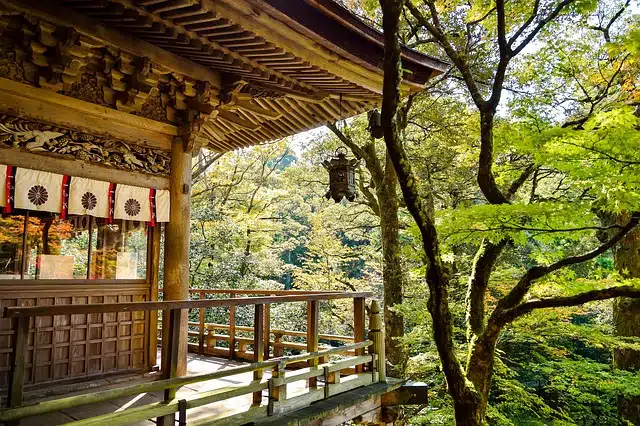
When the Japanese government first promoted the practice in 1982, it wasn’t backed by decades of data. It was an educated hunch — a reasonable guess that the forests an increasingly stressed, overworked, caroshi-threatened urban population had stopped visiting might actually be good for them. What followed over the next four decades was a remarkable convergence of research from immunology, psychophysiology, endocrinology, epidemiology, and neuroscience, all pointing the same direction: the hunch held up. Being in forests does something specific, measurable, and clinically meaningful to human physiology and psychology.
The mechanisms are now understood well enough to say precisely why.
Worth being clear about what separates the shinrin-yoku literature from the general “nature is good for you” research covered in the nature exposure article on this site. The shinrin-yoku research is narrower and more exacting — controlled comparisons of forest environments against matched urban ones, exercise intensity held constant, specific mechanisms isolated including phytoncide chemistry, fractal visual processing, and acoustic environment effects. That earlier article covers the broad landscape of nature-health research. This one goes deep on the forest specifically: the Japanese research tradition that built the most systematic body of evidence anywhere, and the practice details that seem to matter most for getting the benefit.
Defining Shinrin-Yoku: What It Is and Why the Distinction Matters
Shinrin-yoku is not hiking. Worth stating plainly, because the research protocols and the proposed mechanisms diverge meaningfully from those of exercise-based outdoor activity.
Hiking involves sustained exertion, directional navigation, a destination, often conversation. It produces benefits attributable to the exercise, the social contact, and the environment all at once — but pulling those apart is hard, and the exercise component alone accounts for much of what controlled comparisons find.
Shinrin-yoku, as both research protocol and practice, involves slow, deliberate movement through forest — typically 1-2 km/hour against the 3-5 km/hour of a normal hiking pace — with attention deliberately turned toward sensory engagement. It directs attention to what you see, hear, smell, feel, and touch. Fundamentally it’s a sensory and attentional practice conducted in a specific ecological setting. The physical intensity is closer to a slow urban stroll than anything resembling a workout.
The research controls specifically for the exercise variable. Studies comparing forest walks to urban walks at matched speed and duration find the forest environment independently produces greater stress reduction, immune enhancement, and mood improvement than the urban one. Strip out the walking and the forest still does something. That’s what makes this research scientifically compelling — it demonstrates that the specific properties of the forest environment, independent of physical activity, carry real physiological consequences.
Two researchers have built the complementary programs that lead this field. Yoshifumi Miyazaki at Chiba University has focused on physiological stress markers and autonomic nervous system responses, running extensive field studies across Japan and internationally. Qing Li at Nippon Medical School in Tokyo has focused on immunological responses, particularly the effects of forest phytoncide chemicals on natural killer cell function. The Japanese Society of Forest Medicine, established in 2007, has since formalized research standards and clinical guidelines for shinrin-yoku therapy in Japan — the practice now sits inside official Japanese preventive health policy.
The Physiological Evidence: Stress Markers in Forest Environments
Miyazaki’s large-scale field studies produced some of the most methodologically rigorous evidence available for forest-specific physiological effects — physiological stress responses measured in thousands of participants across dozens of forest and urban study sites in Japan, allowing both within-subject comparisons and analysis of forest-specific effects controlling for individual baseline differences.
A landmark 2010 field study examined 280 young Japanese adults who spent either a day in a forest or a day in an urban environment, sites counterbalanced so each participant served as their own control. Salivary cortisol, sympathetic nervous system activity (measured via skin conductance and salivary alpha-amylase, a sympathetic biomarker), blood pressure, and heart rate were all measured in both conditions. Forest environments were consistently associated with significantly lower cortisol, lower sympathetic activation, lower blood pressure, and lower heart rate compared to urban conditions. These differences held up after accounting for individual differences and stayed consistent across 24 different study sites covering a range of Japanese forest types.
A comprehensive meta-analysis by Kobayashi and colleagues pooled 27 field experiments measuring salivary cortisol during forest versus urban exposure and found a consistent, significant reduction — independent of geographic location, forest type, participant age, or participant characteristics. Effect sizes sat in the small-to-moderate range. Not dramatic for any single study. But the consistency across more than two dozen independent studies is what makes the effect robustly established. Forest environments reduce cortisol. Few findings in environmental psychology have been replicated this many times.
Heart rate variability — the metric most widely used to assess autonomic balance, with higher HRV reflecting greater parasympathetic relative to sympathetic tone — consistently rises during forest exposure compared to urban exposure of equivalent duration and physical intensity. The HRV changes are of the magnitude associated with clinically meaningful improvements in autonomic function. A 2011 review of HRV studies in forest versus urban environments confirmed significant parasympathetic increases across multiple research groups, forest types, and geographic locations. Independent research groups, different countries, different participant populations, same finding — that pattern is strong evidence for something real rather than a laboratory artifact.
Blood pressure effects are among the most clinically relevant findings for population health here. A 2017 meta-analysis found forest walking produced average reductions of 6.4 mmHg systolic and 2.7 mmHg diastolic compared to urban walking at matched intensity. A 6 mmHg systolic reduction, sustained through regular forest practice, translates to an estimated 10-15% reduction in cardiovascular event risk based on established cardiovascular risk equations. For the roughly one third of adults in developed countries carrying hypertension, that’s a practically significant, accessible, cost-free intervention sitting in plain sight.
Phytoncides and the Forest’s Chemical Gift to the Immune System

Trees, particularly conifers, continuously release volatile organic compounds called phytoncides as part of their chemical defense against insects, bacteria, and fungi. These compounds include terpenes — alpha-pinene, beta-pinene, limonene, beta-myrcene, d-limonene, camphene — and other volatile molecules that create the characteristic smell of pine forests, cedar groves, and coniferous woodland generally. The concentration of these compounds in forest air is measurable by gas chromatography-mass spectrometry and has been documented across Japanese forest environments at concentrations that produce biological effects in humans.
Qing Li’s landmark 2008 study exposed 12 middle-aged male office workers to a three-day, two-night forest trip in the Agematsu area of Nagano Prefecture. Blood samples taken before the trip, during it, and at follow-up measured natural killer (NK) cell activity, NK cell count, intracellular anti-cancer proteins (perforin, granzyme A, and granzyme B), while urine samples tracked phytoncide exposure via alpha-pinene and beta-pinene levels. The results were unambiguous. NK activity rose approximately 50% during and after the trip. NK cell count rose significantly. The intracellular anti-cancer proteins — perforin, granzyme A, granzyme B, the molecular weapons NK cells use to destroy abnormal cells — all rose significantly too. Urine alpha-pinene levels confirmed participants had actually absorbed phytoncides from the forest air. And most remarkably, NK cell activity stayed significantly elevated at 30-day follow-up. A three-day forest trip, and the immune benefit outlasted it by a month.
To isolate the role of phytoncides specifically, Li ran a follow-up experiment infusing hotel rooms with phytoncide compounds — alpha-pinene and beta-pinene — extracted from hinoki cypress wood. Participants sleeping in those rooms showed NK cell enhancements comparable to actual forest exposure, despite remaining in an urban hotel with no visual, auditory, or physical forest contact at all. This is the mechanistically critical finding: it shows the immune benefit of forest bathing is at least partly attributable to the chemistry of forest air itself, rather than to anything else about the forest experience. A pharmacological mechanism for what looks, on the surface, like an environmental health effect.
The specific mechanisms of phytoncide action on NK cells run through multiple pathways. Alpha-pinene has documented effects on immune signaling — inhibiting pro-apoptotic signals in NK cells (keeping them alive longer), activating NK cell cytotoxicity pathways, reducing cortisol, which is itself directly immunosuppressive. Limonene has documented anti-tumor and immune-modulating effects in animal models, plus epidemiological evidence for cancer protection. Beta-myrcene carries anti-inflammatory and analgesic effects. Put the combination together and forest air becomes a genuinely complex pharmacological environment with several immune-supporting mechanisms running at once.
The clinical implication — that regular forest bathing enhances cancer surveillance through NK cell upregulation — isn’t speculative. NK cells are the immune system’s primary defense against cells that have already begun malignant transformation. A 50% increase in NK cell activity that persists for 30 days represents a potentially meaningful boost to the body’s ability to identify and eliminate early cancer cells before they proliferate into anything clinically significant. Epidemiological data from multiple countries shows associations between green space access and lower cancer mortality — consistent with an immune surveillance mechanism doing real work in the background.
Mental Health: Depression, Anxiety, and Cognitive Restoration
The mental health evidence has expanded substantially over the past decade, moving from observational associations in healthy populations toward randomized controlled trials in clinical populations with diagnosed conditions.
A 2019 systematic review published in Environmental Research analyzed 64 studies of forest therapy across diverse populations and methodologies. It found consistent evidence for significant reductions in depression, anxiety, and self-reported stress across forest therapy interventions, effect sizes ranging small to large. Meta-analytic pooling found forest therapy produced greater improvements in depression and anxiety than comparison conditions in 82% of studies — a remarkable consistency for such a heterogeneous body of literature.
The clinical trial evidence is particularly compelling. A 2016 randomized controlled trial assigned 87 patients with major depressive disorder to either weekly two-hour shinrin-yoku walks in a designated forest therapy area, or control activities of equivalent duration and physical exertion, for 12 weeks. The forest walking group showed significantly greater improvements on the Hamilton Depression Rating Scale than controls, with clinically meaningful effect sizes. Biomarkers including cortisol and pro-inflammatory cytokines (IL-6, TNF-alpha) also normalized more in the forest group — tying the mental health improvements back to the physiological mechanisms rather than leaving them explainable purely by social contact or expectation effects.
For anxiety specifically, the cortisol and autonomic mechanisms of forest exposure are directly relevant. Anxiety is maintained by chronic HPA axis activation and sympathetic overactivation — precisely the systems forest exposure most consistently turns down. Multiple studies find forest bathing produces significant reductions in anxiety scores exceeding those from matched urban walks, and the effects appear particularly large in people with pre-existing anxiety — consistent with a genuine therapeutic mechanism rather than a floor effect showing up only in healthy populations.
Cognitive restoration through Attention Restoration Theory (ART) sits at the center of the forest-mental health relationship. The Kaplans’ framework holds that natural environments provide “soft fascination” — through visual complexity, biological motion, acoustic richness — letting directed attentional systems rest and restore. That has specific relevance to depression and anxiety, both of which involve exhausted attentional resources and chronic cognitive depletion. Forest environments provide restoration urban environments can’t, because forest stimulation engages involuntary attention without demanding directed attention, letting the depleted resources that drive rumination and worry actually recover.
The relationship between forest bathing and rumination — the repetitive, self-referential, self-critical thought pattern central to both depression and anxiety — has been specifically examined. The Bratman et al. PNAS study described in the nature exposure article found that 90-minute forest walks reduced both subgenual prefrontal cortex activity and self-reported rumination compared to urban walks. A measurable drop in the brain activity most closely tied to depressive rumination, from a single 90-minute forest walk. That’s direct mechanistic evidence connecting the forest environment to one of the more important neurological processes in mental health.
The Acoustic Environment: Why Forest Sounds Are Specifically Restorative
One dimension of forest bathing gets less attention than phytoncides or visual aesthetics: the acoustic environment. Forest soundscapes — bird song, wind in leaves, water over stones, insect calls — aren’t merely pleasant background. They’re complex acoustic environments with specific characteristics carrying documented psychological and physiological effects distinct from urban acoustic environments.
Research on acoustic environment effects consistently finds natural soundscapes reduce physiological stress markers more effectively than urban sound. A 2021 study in PNAS examined the psychological and physiological effects of exposure to natural versus urban soundscapes in a large sample, finding natural soundscapes produced significant improvements in affect, reduced anxiety, and enhanced cognitive performance. What seems to drive it: predominantly low-frequency, non-threatening acoustic content, unlike urban environments where sudden, sharp sounds signal potential danger; rich complexity at low intensity, providing soft fascination without attentional demand; predictable temporal patterns — dawn choruses, seasonal acoustic variation — that orient the listener in time and place without requiring navigation or response; and the specific evolutionary resonance of voices and sounds associated with safe, resource-rich environments in our ancestral past.
Bird song deserves particular mention here. Multiple studies across the UK, Europe, and North America find species richness of bird song independently associated with life satisfaction and psychological wellbeing, even after controlling for green space quantity and other environmental factors. A 2017 study found each additional bird species in the local soundscape associated with a measurable improvement in wellbeing. The proposed evolutionary mechanism is compelling: bird song signals safety and resource availability in forested environments. Birds fall silent when predators are present. A rich, varied dawn chorus is an evolutionary signal that the environment is safe, rich, worth inhabiting — a signal that may trigger genuine physiological relaxation in humans who’ve evolved to read it accurately.
Urban acoustic environments run the other direction — traffic, construction, crowds, electronic sounds, alarms, all carrying the frequencies and temporal patterns associated with threat, urgency, social competition. These sounds maintain sympathetic activation even when no conscious threat registers. The shift from urban to forest acoustic environments isn’t merely pleasant, then. It’s a shift between acoustically communicated threat states and safety states that the autonomic nervous system responds to at a basic biological level.
Children and Developmental Benefits of Forest Engagement
The developmental science of children’s relationship with natural environments is one of the more important applications of the shinrin-yoku research tradition. Nature exposure during childhood matters more than it might for adults, for two reasons — it happens during developmental windows when neural and immune systems are still being shaped by environmental inputs, and the habits and relationships with nature built in childhood tend to predict lifelong patterns of nature use and its benefits.
Richard Louv’s framework of “nature deficit disorder” — not a clinical diagnosis, but a descriptive concept for the documented consequences of children’s reduced contact with natural environments — catalyzed both public attention and rigorous research into the question. The research has broadly confirmed his concern. Children today spend dramatically less time in outdoor natural environments than children of previous generations, and that reduction correlates temporally with documented increases in childhood anxiety, depression, attention problems, and myopia.
A 2019 longitudinal study following 3,600 European children across multiple countries found higher residential green space in early childhood predicted significantly lower risks of ADHD diagnosis, anxiety disorders, and antisocial behavior in adolescence — even after adjusting for socioeconomic status, urban density, and other confounders. The effect sizes were meaningful: children in the highest quartile of residential greenness had roughly 25% lower odds of ADHD diagnosis than children in the lowest quartile. Not a trivial difference easily waved away as residual confounding.
Forest school programs — educational approaches using forest environments as primary learning settings, particularly for young children — have been studied extensively in Scandinavia and are now being studied in UK, North American, and Japanese contexts. A 2021 meta-analysis of 34 studies of forest and outdoor education programs for children and adolescents found significant improvements across social skills, emotional regulation, academic performance, physical health, and environmental stewardship. That breadth — cognitive, social, emotional, and physical domains improving simultaneously — is unusual in educational research and suggests the forest environment supplies developmental inputs conventional classrooms systematically lack.
The immunological development benefits of childhood nature contact matter just as much. The hygiene hypothesis and its modern successor, the old friends hypothesis, propose that children’s immune systems need exposure to diverse environmental microorganisms during development to calibrate their regulatory responses properly. Modern urban environments — highly sanitized, limited biodiversity, reduced soil and animal contact — may starve developing immune systems of the diverse microbial input they need. Children raised with more nature contact, more biodiversity, more soil contact show lower rates of allergic disease, asthma, and autoimmune conditions. The immune consequences of reduced nature contact are real, and they last.
Forest Therapy in Japan: A National Health System
Japan has built the most systematic institutional framework for shinrin-yoku as a health practice of any country, and the architecture of that framework offers an interesting model for other countries considering evidence-based nature prescribing programs.
The Japanese Society of Forest Medicine has established 65 certified “forest therapy bases” across the country — specific forests with established scientific measurements of their physiological effects on visitors, marked therapy trails with defined walking protocols, and certified forest therapy guides trained in both the practice and the science behind it. Candidate forests have to undergo systematic study measuring visitor physiological responses before receiving official designation.
Forest medicine now sits inside Japanese public health policy, government-recommended as a preventive health measure alongside conventional lifestyle recommendations for diet, exercise, and smoking cessation. The annual forest therapy research conference in Japan draws participants from academic medicine, public health, psychology, ecology, and landscape architecture — reflecting how genuinely interdisciplinary the field has become.
The economic case is increasingly compelling to policymakers, too. A 2018 health economic analysis in Japan estimated widespread shinrin-yoku participation could produce substantial reductions in healthcare utilization through reduced cardiovascular disease, mental health treatment needs, and stress-related illness. The analysis found incremental healthcare cost savings would substantially exceed the cost of maintaining and certifying therapy forests — a favorable population-level return on investment for nature-based health programs, on paper at least.
The Evidence-Based Shinrin-Yoku Protocol
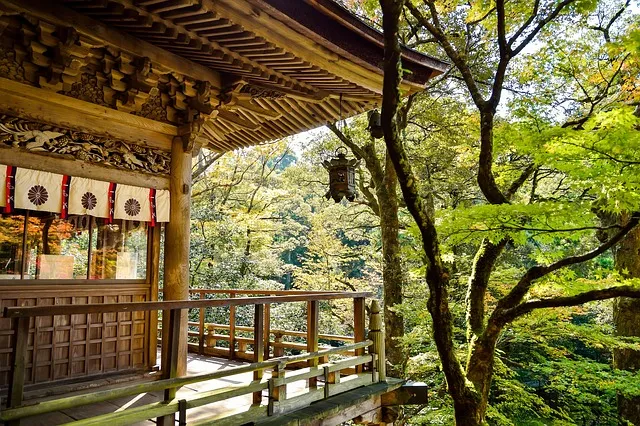
- Duration and frequency. The Japanese research has used sessions of 2-4 hours for the largest immune and stress effects, but research on minimum effective doses suggests even 20-30 minutes of forest engagement produces measurable cortisol reductions and HRV improvements. For practical purposes: a minimum of 120 minutes per week in forest or high-quality natural environments appears to produce meaningful health benefits, consistent with the Mathew White dose-response findings described in the nature exposure article. More frequent, shorter exposures appear roughly as beneficial as less frequent longer ones for the autonomic and psychological effects — though the deeper immune effects (NK cell enhancement) from the Li research require longer sessions of two-plus hours.
- Attitude and attention. Shinrin-yoku as a therapeutic practice — as opposed to simply standing near trees while mentally somewhere else — requires deliberate sensory attention. The research protocols behind the documented effects involved participants directed to notice and engage the sensory qualities of the forest environment. Walking through a forest while on the phone or mentally rehearsing work problems produces much smaller effects than the same walk with attention turned outward. Put the phone away. Orient attention to what can be seen, heard, smelled, felt.
- Environment quality. Research consistently finds larger effects in forests with greater biodiversity, richer acoustic environments (more bird species, water sounds), higher tree density (more phytoncide concentration), and less evidence of human disturbance. A well-preserved forest reserve outperforms an urban park with a few scattered trees. Seek the highest quality natural environment accessible. Conifer forests appear to produce the strongest immune effects through phytoncide concentration, though broadleaf and mixed forests also show documented benefit.
- Device-free practice. Research on smartphone use during nature exposure consistently finds device use blunts the attention restoration, stress reduction, and mood benefits of the natural environment. The soft fascination driving attention restoration requires looking at the environment, not a screen. Treat forest time as device-free time. Not a convenience suggestion — it’s the condition under which the documented effects actually occur.
Your Questions About Shinrin-Yoku and Forest Therapy
Is any forest equally effective, or do specific types of forest produce greater benefits? Research points to biodiversity and phytoncide concentration as the key quality dimensions. Conifer forests — pine, cedar, cypress, fir, spruce — produce the highest phytoncide concentrations and the most documented immune effects. Diverse forests with high tree species richness and understory complexity provide the richest visual and acoustic environments for attention restoration. Urban parks with dense tree cover offer meaningful but smaller benefits than mature natural forests. The best accessible forest beats no forest at all, but there are real gradations of benefit that favor seeking out high-quality natural environments when possible.
Can the benefits of shinrin-yoku be replicated with phytoncide products or essential oils? Li’s research showed phytoncide inhalation in a hotel room produces NK cell effects comparable to forest exposure. Essential oils derived from genuine conifer sources — cedar, pine, hinoki cypress, containing actual terpene compounds rather than synthetic fragrances that just smell similar — may produce some immune effects when diffused indoors. That said, the full effect of forest bathing involves the visual, acoustic, movement, and social dimensions on top of the chemical one. Essential oils may deliver a partial benefit. They’re not a full substitute for the complete forest experience.
How do I know if I’m doing shinrin-yoku correctly? The question carries a slightly misleading assumption — there’s no single correct technique. The core practice: move slowly, direct sensory attention outward, stay present in the forest without specific goal orientation. Guided shinrin-yoku sessions with certified forest therapy guides are available in Japan and increasingly elsewhere, and can be particularly helpful for people who find unstructured nature time difficult or want to deepen the practice. For self-direction, a reasonable framework: walk at half your normal pace, stop frequently to notice sensory detail, consciously engage each sense in turn, and resist the urge to narrate or evaluate the experience in your head. Just notice.
Can shinrin-yoku be used therapeutically for people with serious mental health conditions? The 2016 depression RCT provides the strongest evidence it can help with major depression as an adjunct to other treatment. The evidence for anxiety and stress is strong enough that forest therapy should be considered a legitimate complementary treatment. For serious conditions including PTSD, psychosis, and severe depression, forest therapy should complement evidence-based professional treatment rather than stand in for it. Unsupported withdrawal from conventional treatment in favor of any natural or alternative approach carries real, potentially serious risk.
What about winter and non-forest natural environments? Shinrin-yoku research has been conducted primarily in temperate forest environments during favorable weather, which leaves open questions about seasonal and environmental generalizability. Nordic research traditions (friluftsliv in Scandinavia) suggest year-round outdoor nature engagement in all weather is both physically feasible and psychologically beneficial. The phytoncide mechanism may be less active in winter when tree metabolic activity slows, but the attentional restoration, acoustic, and social dimensions of the practice operate year-round. Non-forest natural environments — coastal, grassland, wetland habitats — all produce documented stress reduction, though the specific immune mechanisms documented in forest environments may not translate equally to every natural setting.
The Sensory Ecology of Forest Bathing: What Makes a Forest Therapeutically Distinct
Understanding what specifically separates forest environments from other natural and built environments — in terms of sensory input — helps explain why forests seem to outperform parks, gardens, and other natural spaces. The therapeutic power of forests doesn’t reduce to a single variable. It emerges from a specific combination of sensory qualities uniquely concentrated in intact forest ecosystems.
The visual complexity of forest environments carries a specific fractal dimension — the self-similar geometric complexity that mathematician Richard Taylor has identified as maximally stress-reducing for the human visual system. The branching of trees, the spatial pattern of light through canopy, the arrangement of leaves and understory vegetation all fall within the fractal dimension range (roughly 1.3-1.8) that produces the greatest reduction in physiological stress markers as measured by EEG alpha activity and skin conductance. Urban environments, dominated by straight lines, right angles, smooth surfaces, are systematically low in fractal visual complexity — which may contribute to higher physiological stress in urban versus forest environments independent of any other variable.
The acoustic environment of forests is equally distinctive. The frequency spectrum of natural forest sound — bird calls, wind in leaves, water, insect calls at moderate intensity — contrasts sharply with urban acoustic environments dominated by mechanical sound, traffic, and human voices at higher intensity with sudden transient peaks. Natural forest soundscape runs relatively low in the high-frequency transient sounds that trigger the startle response, and rich in acoustic signals that evolutionary history ties to safety, resource availability, the absence of predatory threat. This acoustic signaling isn’t consciously processed, but appears to be automatically processed by the amygdala and autonomic nervous system in ways that produce differential threat versus safety responses.
The olfactory environment of forests — particularly conifer forests — is the dimension most directly linked to the documented immune effects, through phytoncide inhalation. The human olfactory system evolved over millions of years in environments rich in biological volatile compounds, and the terpene compounds abundant in forest air are among the most evolutionarily familiar olfactory inputs the human nervous system encounters. Research on olfaction and the limbic system confirms olfactory input has particularly rapid, direct access to emotional and autonomic regulation compared to visual or auditory input, because the olfactory pathway runs through fewer synaptic relays to the amygdala and hypothalamus. That immediate, disproportionately powerful sense of calm many people describe on entering a pine forest — a rightness that seems bigger than anything consciously noticed — may reflect exactly this direct olfactory-to-limbic pathway.
The tactile and proprioceptive qualities of forest environments rarely come up but may matter physiologically. Walking on irregular natural ground — roots, rocks, leaves, soil — requires constant adjustment of ankle and foot position, engaging proprioceptive feedback and foot and ankle musculature in ways smooth pavement never demands. That proprioceptive engagement keeps postural and motor systems active in ways supporting both physical health (reducing the atrophy and postural problems tied to smooth-surface walking) and attentional engagement — the moderate physical demand of natural ground navigation gives attention a physical anchor that may contribute to the mindful presence shinrin-yoku practitioners describe.
Shinrin-Yoku and the Urban Health Paradox
The urban health paradox: cities are centers of healthcare infrastructure, economic opportunity, and social services — all of which should support health — and yet urban populations show higher rates of anxiety, depression, schizophrenia, and certain chronic diseases than rural populations, even controlling for socioeconomic differences. Why cities make people mentally sicker despite their healthcare advantages has been one of the driving questions in environmental epidemiology and psychiatry for two decades running.
The shinrin-yoku and nature exposure research provides part of the answer: cities systematically deprive their inhabitants of the environmental inputs the human nervous system evolved to process, the inputs that maintain normal physiological function. The chronic stress of urban environments — noise, crowding, social threat vigilance, attentional overload, light pollution disrupting circadian rhythm, reduced sleep quality, limited nature contact — keeps HPA axis and sympathetic activation at levels that gradually produce the physiological changes associated with depression, anxiety, and metabolic dysfunction. Not hyperbole. Not anti-urban romanticism. Just what the cumulative evidence from stress physiology, environmental psychology, and urban epidemiology shows.
The shinrin-yoku research also offers part of the solution: regular, intentional forest and nature contact counteracts the physiological cost of urban living in ways that are measurable and meaningful. For urban residents who can’t leave the city, the evidence supports seeking the highest-quality natural environments available — forested parks, botanical gardens, riverside trails, community gardens — and using them regularly and intentionally. The dose required for meaningful benefit is achievable within urban contexts for most people: 120 minutes per week of genuine nature contact, spread across 20-30 minute sessions, delivers most of the documented stress reduction and psychological benefit without requiring wilderness access.
Urban planning that incorporates nature at scale — not as aesthetic amenity but as deliberate health infrastructure — is increasingly recognized as a public health priority by forward-thinking cities globally. Singapore’s “City in a Garden” planning philosophy, Seoul’s Cheonggyecheon stream restoration, London’s urban forest expansion, New York’s High Line — different approaches to the same problem, integrating nature into dense urban environments. The shinrin-yoku research supplies the scientific basis for why this kind of urban nature investment matters for population health, and its consistent, replicable findings support treating nature access in urban policy the way sewage treatment and clean water access are treated — as a fundamental determinant of population health, not a nice-to-have.
References
Editorial StandardsCorrectionsMedical DisclaimerAbout Our ContentAffiliate DisclosureSite Map