

Why would a yellow spice used in Indian cooking do anything to inflammation in a human knee? He went looking for the answer in primary literature instead of wellness blogs, which is already rarer than it should be, and what he found opened into one of the stranger corners of longevity biology: xenohormesis.
The xenohormesis hypothesis says plants under environmental stress — drought, UV radiation, pathogen attack, nutrient scarcity, temperature extremes — produce stress-response molecules that do two jobs at once. They protect the plant from whatever’s attacking it, and they signal to any animal that eats the plant that the environment has turned dangerous.
The animal’s own stress-response systems pick up that signal and read it as a warning. Activate conservation. Activate defense. DNA repair, antioxidant defenses, autophagy, the whole suite of longevity pathways an organism reaches for when resources are scarce and cellular efficiency stops being optional.
Which is why a stressed plant is chemically a different animal than a pampered one — and why that chemical difference matters for human health in ways the standard nutritional paradigm, fixated on vitamins, minerals, macronutrients, mostly misses entirely.
Here’s the full tour: the theoretical foundations, the major classes of plant stress compounds and what they do in a human body, the research on specific molecules, and what all of it means practically — why organic, diverse, even slightly ugly produce might be doing something your supplement stack simply can’t.
The Evolutionary Logic of Cross-Kingdom Chemical Communication
The xenohormesis hypothesis, developed most formally by David Sinclair at Harvard and Konrad Howitz in a 2003 Nature Chemical Biology paper, rests on an evolutionary argument about why animals would ever evolve to respond to a plant’s stress signals in the first place. Here’s the logic. For most of mammalian evolutionary history, the food supply was wild plants and the animals that ate them.
Wild plants experienced environmental stress — seasonal cold, drought, UV light, soil nutrient variation, pathogen pressure — in patterns that tracked pretty closely with the overall hardship the animal eating them was also facing.
A stressed plant usually means a stressed environment, full stop. A drought hard enough to stress a wild berry bush also means less water and less food for whatever’s eating the berries. UV stress that ramps up a plant’s polyphenol output also means the animal foraging nearby is getting hit with more UV. Pathogen pressure that triggers a plant’s alkaloid and flavonoid defenses means pathogens are active in the same terrain the animal has to walk through.
So it would be evolutionarily useful — obviously useful, really — for animals to evolve a way of reading these plant stress signals as early warnings and firing up preparatory stress responses before the actual adversity arrived.
Mechanically: plants make polyphenols, flavonoids, alkaloids, glucosinolates, and other secondary metabolites under stress. A lot of these compounds turn out to be mild stressors themselves, or mild activators of stress-response pathways in mammalian cells — they flip on NRF2, AMPK, SIRT1, and autophagy at doses a normal diet can actually deliver.
That activation pattern is identical to the hormetic response triggered by other mild stressors, cold exposure, fasting, hard exercise, which suggests these compounds work the same way: by activating the consuming organism’s own adaptive machinery rather than by handing over some raw biochemical resource directly.
The prediction that falls out of xenohormesis theory: the most bioactive plant foods should be the ones that got stressed the hardest while growing. Turns out that prediction holds up.
A 2013 study by Hallmann and colleagues found that organically grown strawberries, tomatoes, and kiwifruit had significantly higher polyphenol content than conventionally grown versions of the same fruit — not because organic farming somehow delivers better nutrition on its own, but because without pesticides and herbicides the plant has to manufacture its own defenses. Same story with water and soil nutrients: plants grown lean tend to run higher in phytochemicals than plants grown fat and comfortable.
Adversity, even for a plant, produces chemical richness.
Resveratrol and the Sirtuin Connection
The 2003 Howitz and Sinclair paper that kicked off the xenohormesis hypothesis was specifically about resveratrol — a stilbene polyphenol grapes and berries produce when attacked by fungus, hit with UV, or starved of water. The paper showed resveratrol activated yeast SIRT2 (a sirtuin deacetylase) and extended yeast lifespan by 70%.
That single finding launched the resveratrol supplement industry, a thousand red-wine-as-elixir news stories, and several billion dollars of pharmaceutical money chasing sirtuin-activating drugs.
Fifteen years of follow-up research complicated the picture considerably. The original sirtuin-activation result was partly replicated and partly torn apart; a 2013 Nature paper by Hubbard and colleagues found that resveratrol’s apparent activation of SIRT1 in vitro was an artifact of the fluorescent assay being used, and that resveratrol didn’t actually activate SIRT1 directly at doses the body could realistically achieve.
A real setback for the direct sirtuin-activation story. Didn’t mean resveratrol was biologically inert — just meant the mechanism was more tangled than the original pitch.
What’s actually established now: resveratrol activates AMPK (the energy-sensing kinase) directly, which then indirectly fires up SIRT1 through increased NAD+ availability. It activates NRF2, producing modest antioxidant and anti-inflammatory effects. It inhibits mTOR signaling, which produces autophagy and longevity-pathway effects. It modulates PGC-1α, the master regulator of mitochondrial biogenesis.
All real effects, at doses you can hit through supplementation — though not through drinking red wine (you’d need an implausible, liver-destroying volume of wine to reach the doses used in trials; those are therapeutic doses, not beverage doses).
The human clinical evidence is mixed but leans positive for modest effects: a 2014 meta-analysis by Hausenblas and colleagues found significant improvements in blood pressure and C-reactive protein (an inflammation marker) at resveratrol doses of 150–500 mg/day. A 2018 study by Bhatt and colleagues found improved insulin sensitivity in type 2 diabetes patients. A 2017 Cochrane review found insufficient evidence to recommend resveratrol for cardiovascular disease prevention.
The honest summary: resveratrol is real, a genuine xenohormetic compound with real but modest clinical effects. The original billing as a miracle longevity drug was overclaimed. Writing it off as useless would be just as wrong.
Sulforaphane: The Most Clinically Proven Xenohormetic Compound
If resveratrol is a story of hype followed by sober revision, sulforaphane is the opposite arc: steady accumulation of genuinely impressive evidence across a pile of different clinical contexts. It’s currently the dietary phytochemical with the strongest, most diverse clinical evidence base going, and seeing why it works so well is a good way to understand the xenohormesis mechanism at its most concrete.
Sulforaphane doesn’t sit around in broccoli or broccoli sprouts as a free compound waiting to be eaten. It gets made, enzymatically, the moment cruciferous vegetables are damaged — chewed, cut, blended. The precursor (glucoraphanin) and the activating enzyme (myrosinase) live in separate compartments inside the intact plant cell. Damage the cell, the two meet, sulforaphane appears.
Which is exactly what you’d expect from a plant defensive compound: triggered by damage, whether that damage comes from a chewing insect or a kitchen knife, and built specifically to be released right into the environment of whatever’s doing the damaging.
As a xenohormetic compound, sulforaphane is among the most potent NRF2 activators known to science. A 2009 study by Fahey and colleagues at Johns Hopkins found that a single dose of broccoli sprout extract (standardized to 200 μmol sulforaphane) activated NRF2 target genes in human subjects for 48–72 hours — a sustained upregulation of the whole antioxidant and detoxification program that dramatically outran the direct antioxidant activity of the compound itself.
A small dose of plant stress signal amplifies the cell’s own defensive capacity by a factor no direct antioxidant supplement gets anywhere close to.
The clinical evidence: a 2020 study by Houghton and colleagues found broccoli sprout extract cut air-pollution-related oxidative DNA damage by 25–30% in a randomized trial run in heavily polluted Qidong, China — a striking real-world demonstration of NRF2-mediated detoxification doing its job.
A 2014 study by Singh and colleagues found sulforaphane improved social interaction and verbal communication in young men with autism spectrum disorder, in a randomized, double-blind trial — an unexpected finding that’s since been replicated and is generally attributed to sulforaphane’s anti-inflammatory and heat shock protein effects in the brain.
A 2015 study by Alumkal and colleagues found sulforaphane significantly slowed PSA doubling time in men with recurrent prostate cancer — meaningful anti-cancer signal in an actual clinical population, not just a petri dish.
For practical consumption: broccoli sprouts are the most concentrated dietary source, running 20–100 times higher in glucoraphanin than mature broccoli. A handful (30–50g) of fresh sprouts delivers 30–80 μmol sulforaphane when properly prepared — chop it and wait 5–40 minutes before eating, or add myrosinase-containing mustard seed powder to trigger the conversion.
Supplements vary wildly in actual sulforaphane content. Most commercial products use stabilized sulforaphane (myrosinase-activated at manufacture) that loses potency sitting on a shelf; the more reliable ones use standardized glucoraphanin plus added myrosinase. Daily broccoli sprouts, or a quality supplement, appear to deliver consistent NRF2-activating benefit — one of the better-evidenced dietary interventions available, period.
Quercetin and Kaempferol: Flavonoids Under Stress

Quercetin’s mechanisms stack up. It’s a moderate SIRT1 activator and AMPK activator. It suppresses pro-inflammatory signaling through NF-κB inhibition, cutting production of inflammatory cytokines including TNF-alpha and IL-6. And it’s a mild senolytic — a compound that selectively clears senescent cells, the “zombie cells” that pile up with age and drive inflammatory aging.
That senolytic property, documented in a 2018 study by Xu and colleagues in Nature Medicine, has generated real excitement, because clearing senescent cells looks like one of the most direct interventions on the biology of aging currently available without a prescription.
One practical wrinkle: quercetin’s bioavailability swings wildly depending on food matrix and preparation. Quercetin from onions absorbs noticeably better than quercetin from apples — different sugar conjugates, different intestinal transport. Heat processing breaks quercetin’s glycosidic bonds and tanks bioavailability. Fresh, minimally processed quercetin-rich food seems to outperform quercetin supplements in a fair number of comparative studies, which flips the usual food-versus-supplement script on its head.
The co-occurring compounds in whole quercetin-rich foods — bromelain (from pineapple, sometimes added to quercetin supplements for this exact reason), vitamin C, other polyphenols — noticeably boost quercetin’s absorption and activity.
EGCG and Green Tea: A Thousand Years of Xenohormesis
Green tea has been drunk as medicine for over four thousand years across Asian traditions, with benefits modern science has been slowly, patiently explaining at the molecular level since the 1980s. The primary active compound, epigallocatechin gallate (EGCG), is the most abundant and most bioactive catechin in tea — and a textbook xenohormetic compound, produced by the tea plant specifically under stress.
Tea plants (Camellia sinensis) grown in shade — the conditions used for high-quality matcha and gyokuro — produce dramatically more EGCG than sun-grown plants, because UV-shade stress switches on the flavonoid synthesis pathway that makes catechins. The best Japanese teas (ceremonial-grade matcha, gyokuro) run 3–5 times higher in EGCG than standard commercial green tea precisely because the shade-growing stress cranks catechin production to its maximum.
Which is xenohormesis showing up in agricultural practice, plainly: the growing conditions best for human health benefit are the growing conditions worst for the plant.
EGCG’s xenohormetic mechanisms: NRF2 activation (through mild pro-oxidant activity that triggers a hormetic antioxidant response), AMPK activation, inhibition of DNA methylation (epigenetic effects that have drawn real attention for cancer prevention potential), and inhibition of the enzyme COMT (catechol-O-methyltransferase), which affects dopamine and norepinephrine metabolism — possibly explaining some of green tea’s cognitive effects.
A 2014 meta-analysis by Xu and colleagues found regular green tea consumption tied to 20–25% reduced cardiovascular disease mortality risk in prospective cohort studies. A 2011 meta-analysis by Boehm and colleagues found significant effects on total and LDL cholesterol. Among dietary interventions for cardiovascular and metabolic health, regular green tea’s clinical evidence is about as strong as it gets.
Berberine: The Plant Alkaloid That Rivals Metformin
Berberine is an isoquinoline alkaloid made by several medicinal plants — Berberis species (barberry), goldenseal, Oregon grape, tree turmeric — as a primary antimicrobial and pest-deterrent defense. Bitter, bright yellow, and intensely active once it’s inside a mammalian metabolic system.
Its main mechanism is AMPK activation, achieved by inhibiting complex I of the mitochondrial electron transport chain — a mild metabolic stress that mimics the energetic signal of cellular glucose scarcity and fires up the AMPK cascade driving glucose uptake, fatty acid oxidation, SIRT1 activation, and autophagy.
The comparison to metformin, the most prescribed diabetes medication on the planet, isn’t hyperbole. A 2008 randomized controlled trial by Zhang and colleagues in Metabolism: Clinical and Experimental directly compared berberine to metformin in 36 patients with type 2 diabetes and found equivalent reductions in HbA1c, fasting glucose, and postprandial glucose — with berberine additionally improving triglycerides and blood pressure, effects metformin didn’t produce.
A 2012 meta-analysis by Dong and colleagues, covering 14 RCTs, found berberine effective for type 2 diabetes, dyslipidemia, and hypertension, with effect sizes on par with standard pharmaceutical agents.
Berberine’s xenohormetic mechanism is interesting precisely because it’s essentially poisoning the mitochondria at low doses — inhibiting Complex I cuts ATP production, which activates the AMP-sensing AMPK as a cellular response to the apparent energy shortfall. This is hormesis at its purest: a mild toxin producing benefit by mimicking starvation at the cellular level, flipping on the same longevity and metabolic pathways actual caloric restriction flips on.
The clinical implications are hard to shrug off: a natural compound activating the same pathways as history’s most successful diabetes drug, with comparable efficacy and arguably broader metabolic benefits. That’s a xenohormetic success story worth taking seriously.
Curcumin: The Nuance Behind the Hype
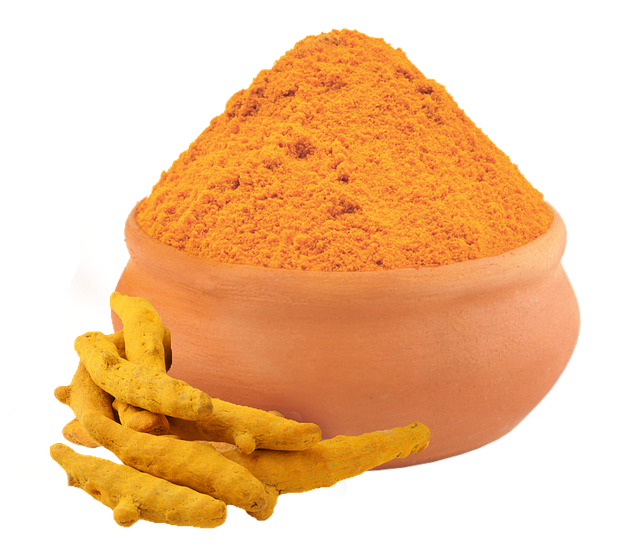 Curcumin is simultaneously one of the most studied dietary compounds on earth and one of the most misrepresented. PubMed carries over 15,000 published studies on it — cancer, Alzheimer’s, depression, athletic recovery, you name it — with results ranging from spectacular to flatly negative. Making sense of that spread requires grasping curcumin’s xenohormetic nature alongside its brutal bioavailability problem, which explains most of the gap between glowing in vitro results and disappointing human trials.
Curcumin is a potent NRF2 activator, an NF-κB inhibitor, and a modest AMPK activator — a genuinely multi-pathway xenohormetic compound. In cell culture and animal models it shows effects across an almost absurdly wide range of conditions, which is exactly why researchers went and tested it against practically every major disease. The catch: curcumin has roughly 1% oral bioavailability in its standard form.
It gets metabolized fast, in the intestinal wall and liver, mostly into inactive glucuronidated metabolites — meaning the curcumin molecules carrying all that NRF2-activating potential essentially never reach the bloodstream at pharmacologically meaningful concentrations after a normal dose.
That bioavailability problem is why the in vitro literature reads like a miracle and the human trial literature reads like a mess. Standard-form curcumin in a human trial is, for most subjects, a very expensive placebo. The trials that actually show benefit in humans generally use enhanced-bioavailability formulations: curcumin with piperine (from black pepper, which blocks curcumin’s glucuronidation), curcumin in lipid-based formulations (bypassing first-pass metabolism), nanoparticle formulations, or curcumin bound to phospholipids.
These formulations can boost bioavailability by 20 to 2,000 fold. Not a typo.
With adequate bioavailability, curcumin’s evidence for specific uses gets genuinely good. A 2010 study by Belcaro and colleagues in the Alternative Medicine Review found bioavailable curcumin (Meriva, a phospholipid complex) significantly improved knee osteoarthritis outcomes — pain, function, walking distance — against placebo. A 2014 study by Lopresti and colleagues found bioavailable curcumin supplementation reduced depressive symptoms in patients with major depression, with effect sizes comparable to antidepressant medications.
A 2016 study by Small and colleagues found improved memory and attention in older adults without dementia taking bioavailable curcumin over 18 months. The lesson here: curcumin’s xenohormetic activity is real. Getting at it requires solving the bioavailability problem that undermines nearly every turmeric supplement sold on a shelf.
Practical Xenohormesis: Building a Phytochemical-Rich Protocol
- Daily crucifer consumption: A serving of broccoli, broccoli sprouts, cauliflower, kale, Brussels sprouts, or arugula delivers sulforaphane, indole-3-carbinol, and related NRF2-activating glucosinolates. Chop and wait before cooking (or eat it raw) to maximize the conversion to active compounds.
- Daily allium consumption: Garlic, onions, leeks, and scallions deliver quercetin, allicin, and related sulfur compounds with a range of anti-inflammatory and cardiovascular effects. Raw or lightly cooked holds onto more active compound than prolonged heating.
- Daily polyphenol-rich beverage: Green tea, black tea, or coffee delivers EGCG, theaflavins, or chlorogenic acids — diverse polyphenolic compounds with documented cardiovascular and metabolic effects at habitual consumption levels.
- Daily berry or diverse fruit consumption: Berries carry the highest concentration of diverse anthocyanins, flavonols, and ellagitannins — compounds with the strongest epidemiological evidence for cognitive protection and cardiovascular health in frequent eaters.
- Weekly legume consumption: Lentils, chickpeas, and diverse beans deliver diverse flavonoids, saponins, and prebiotic fibers that support gut microbiome diversity and xenohormetic compound bioactivation.
Turning xenohormesis science into an actual eating pattern means thinking differently about plant food than the standard nutritional framework trains you to. Instead of asking “does this have enough vitamins and minerals,” the xenohormesis question is: was this plant stressed enough during growth to build up meaningful stress-response compounds? And: am I eating a wide enough range of plant species to trip multiple xenohormetic pathways at once?
Dietary diversity comes first. The thousands of phytochemicals in plant foods hit different stress-response pathways, produce different downstream effects, and interact synergistically in ways no single compound can replicate alone. A 2013 study by Tuohy and colleagues found dietary polyphenol diversity — not just total polyphenol quantity — was the stronger predictor of gut microbiome diversity and metabolic health markers. The human body evolved to receive stress signals from hundreds of plant species. Not from one supplement bottle.
Actively chasing dietary diversity — different species within each food category, rotating seasonal and regional produce, eating the whole plant (roots, stems, leaves, seeds, skins) instead of just the flesh — systematically ramps up xenohormetic exposure.
Growth stress matters too. Seeking out produce grown in tougher conditions — organic (defensive compounds made in the absence of chemical protection), locally grown in local soil (local stress profiles, locally relevant compounds), heirloom varieties (usually raised under less artificial conditions than commercial hybrids), wild-harvested where you can get it — systematically boosts phytochemical concentrations over conventionally grown produce optimized for yield, shelf life, and looking pretty on a shelf rather than for chemical richness.
Evolutionary Logic CrossKingdom: Your Questions Answered About Xenohormesis
Is organic produce really more nutritious from a xenohormesis perspective?
For xenohormetic phytochemicals specifically (as distinct from vitamins and minerals), the evidence is fairly consistent: organically grown produce runs higher in polyphenols, flavonoids, and glucosinolates than conventionally grown equivalents.
A 2014 meta-analysis by Baranski and colleagues in the British Journal of Nutrition found organic crops significantly higher in antioxidants and 48% lower in cadmium — and the mechanistic reason lines up exactly with xenohormesis theory: without pesticide and herbicide protection, organic plants have to build their own defensive compounds, so phytochemical concentrations go up.
Whether that translates into meaningfully better health outcomes for people eating mostly organic is a much harder thing to prove at the population level. But the xenohormetic mechanism itself is real and consistent.
Should I take phytochemical supplements or get them from food?
Depends on the compound, honestly. For sulforaphane, broccoli sprouts beat most supplements because of the fresh myrosinase activity that produces active sulforaphane on the spot — though a good sulforaphane supplement is a fair fallback for anyone who won’t reliably eat sprouts. For berberine, supplementation is basically the only practical route; even the most berberine-rich foods sit far below clinically effective doses.
For quercetin and resveratrol, food sources have the edge for their synergistic matrix effects, though supplementation makes sense for targeted therapeutic doses. For curcumin, a bioavailable supplement form is essentially required if systemic effects are the goal — dietary turmeric alone doesn’t deliver enough bioavailable curcumin. For EGCG, high-quality matcha or a concentrated green tea extract beats dietary green tea alone for hitting meaningful doses consistently.
General rule: whole food first, but know when the therapeutic dose actually requires supplementation.
Can plant compounds interact with medications?
Yes, and this matters clinically. Quercetin and EGCG inhibit CYP450 enzymes that metabolize a lot of medications, potentially raising blood levels of drugs processed through those enzymes. Berberine inhibits CYP3A4 and CYP2D6, with real interaction potential for medications processed by those pathways. Curcumin inhibits P-glycoprotein, affecting drug transport. St. John’s Wort, one of the most studied xenohormetic compounds for depression, is a potent CYP3A4 inducer that lowers blood levels of medications including oral contraceptives, anticoagulants, and antiretrovirals.
Anyone on prescription medications considering high-dose phytochemical supplementation should run it past a pharmacist or physician, particularly for compounds with known CYP450 activity.
Does cooking destroy xenohormetic plant compounds?
Depends heavily on the compound and the cooking method. For sulforaphane, the big issue is that heat denatures myrosinase before glucoraphanin gets converted — so cooking broccoli before cutting it kills sulforaphane formation before it starts. Fix: cut and wait 5–40 minutes before cooking, letting the enzymatic conversion happen first, or add myrosinase-containing mustard seed powder after cooking. For quercetin, moderate cooking (steaming, short boiling) trims concentrations modestly; prolonged boiling leaches flavonoids into the cooking water significantly.
For EGCG, water temperature matters — brewing green tea at 70–80°C, not boiling, preserves more catechin content than scalding water does. Resveratrol is relatively heat-stable and survives cooking fine. Berberine doesn’t degrade much at cooking temperatures either. General principle: gentle cooking, minimal water, delayed cutting where applicable (for glucosinolate sources) preserves more xenohormetic compound than aggressive cooking.
What is the relationship between the gut microbiome and xenohormetic compounds?
A lot of xenohormetic polyphenols aren’t absorbed intact in the small intestine — they make it to the colon, where gut bacteria metabolize them into secondary metabolites that are frequently more bioavailable and more biologically active than the original compound. Ellagitannins (from pomegranates, walnuts, berries) get converted by specific gut bacteria into urolithins, which are more bioactive in some tissues than the parent compound. Resveratrol gets metabolized by gut bacteria into dihydroresveratrol and other metabolites with distinct but related activity.
Glucosinolates in cruciferous vegetables get partially converted by gut bacteria into alternative active compounds when intact myrosinase has been knocked out by cooking. The gut microbiome, then, isn’t just a passive recipient of dietary phytochemicals — it’s an active participant in bioactivating them. One more reason gut microbiome diversity, driven by dietary diversity, is foundational to squeezing maximum xenohormetic benefit out of a phytochemical-rich diet.
Hormetic Polyphenols and the Brain

EGCG from green tea is the most studied dietary compound for cognitive protection, and the epidemiological, clinical, and mechanistic evidence converge in a way that’s actually remarkable. A landmark 2006 prospective study by Kuriyama and colleagues, following 1,003 Japanese adults over 70, found that drinking 2+ cups of green tea daily was tied to a 64% reduced odds of cognitive impairment — an effect size that dwarfs most pharmaceutical interventions aimed at cognitive protection.
The mechanisms stack: EGCG inhibits β-amyloid fibril formation (directly relevant to Alzheimer’s pathology), activates AMPK in neuronal cells (stimulating neuronal autophagy and mitochondrial biogenesis), crosses the blood-brain barrier in meaningful amounts, and reduces neuroinflammation through NF-κB inhibition.
Pterostilbene, a dimethylated ether derivative of resveratrol found in blueberries and grapes, is significantly more bioavailable than resveratrol itself (over 80% bioavailability compared to resveratrol’s roughly 20–40% before first-pass metabolism takes its cut) and seems to produce stronger brain-specific effects. A 2012 study by Bhatt and colleagues found pterostilbene supplementation in aged animals produced BDNF increases in the hippocampus and significant gains in spatial memory — effects resveratrol didn’t produce at equivalent doses.
The human clinical literature on pterostilbene is younger, but there’s a 2012 study by Krikorian and colleagues finding significant cognitive performance improvements in older adults at 50 mg/day.
Apigenin, a flavonoid found in chamomile, parsley, and celery, has gotten far less popular attention than resveratrol or curcumin despite a genuinely remarkable neurobiological profile. A 2010 study by Bhatt and colleagues found apigenin binds estrogen receptor β with high affinity (without the proliferative risks tied to estrogen receptor α activation), and that this binding promotes neurogenesis, strengthens neuronal connections, and improves memory in animal models.
A 2019 study by Patil and colleagues found apigenin supplementation improved learning and memory through hippocampal neurogenesis mechanisms. Apigenin happens to be the primary active compound in chamomile tea — making an ordinary cup of chamomile an unexpectedly potent xenohormetic neurotropic intervention. Who knew.
Spermidine, a polyamine found in wheat germ, soybeans, aged cheese, and mushrooms, has emerged as one of the more compelling dietary longevity compounds, particularly for brain health. It’s a potent autophagy inducer — it stimulates the cellular self-cleaning process that clears out damaged proteins and organelles, a process whose decline with age is increasingly understood as a primary driver of neurodegeneration.
A 2018 study by Madeo and colleagues found higher dietary spermidine intake tied to reduced cardiovascular and cancer mortality in a large prospective cohort, and a 2021 pilot randomized controlled trial by Wirth and colleagues found spermidine supplementation improved memory performance in older adults at risk for dementia.
Spermidine gets at xenohormesis through a slightly different door — autophagy induction rather than direct NRF2 or AMPK activation — but lands on the same result: activation of the cellular maintenance systems that guard against aging-related decline.
The Microbiome as a Xenohormetic Hub
The relationship between dietary plant compounds and the gut microbiome runs both ways, and it’s increasingly clear that this relationship sits at the center of xenohormesis’ systemic effects. The microbiome isn’t a passive receiving dock for dietary phytochemicals — it processes, transforms, and amplifies the xenohormetic signal, converting plant stress molecules into bioactive metabolites the original plant compounds couldn’t produce on their own.
A particularly striking example: ellagitannins from pomegranates and walnuts get metabolized by specific gut bacteria (Gordonibacter and Ellagibacter species, mainly) into urolithins — a class of compounds with potent mitophagy-inducing effects (mitophagy being the selective autophagy of damaged mitochondria).
Urolithin A, the most studied member of the class, has been shown in randomized trials to improve mitochondrial function and muscle endurance in older adults — an effect traceable, through the microbiome, back to dietary phytochemicals that certain gut bacteria convert into this one bioactive metabolite.
Critically, only about 40% of adults carry the gut bacterial profile capable of producing urolithins from ellagitannins at all — which explains why clinical studies on pomegranate consumption show such wildly variable results. They’re testing the full chain: diet → microbial conversion → urolithin production → mitochondrial effect. And the middle link, microbial conversion capacity, varies enormously between individuals.
This microbiome dependence has real implications for personalized nutrition. Two people eating identical diets can get dramatically different xenohormetic benefit depending on their microbiome composition — itself partly determined by long-term dietary history, antibiotic exposure, birth mode, and geographic exposures.
Building a microbiome capable of maximizing xenohormetic bioactivation requires the same dietary diversity xenohormesis itself recommends: diverse plant foods, fermented foods introducing diverse bacteria, prebiotic fiber feeding bacterial diversity, and avoiding the antibiotic exposure and low-fiber diets that degrade the microbial communities responsible for transforming phytochemicals in the first place.
Tannins, Bitters, and the Neglected Chemistry of Wild Plants
Modern food systems have quietly stripped a huge amount of xenohormetic diversity out of the human diet by systematically breeding out the bitter, astringent, pungent compounds that are the chemical fingerprint of a plant’s stress response. Wild dandelion greens run dramatically higher in polyphenol content than their cultivated descendants. Wild salmon carry different fatty acid and carotenoid profiles than farmed fish. Heirloom apple varieties hold more phenolic compounds than commercial varieties bred purely for sweetness and cosmetic uniformity.
By making food systematically less challenging — less bitter, less astringent, less variable — industrial agriculture has quietly gutted its own xenohormetic density.
Tannins — the astringent polyphenols that make your mouth pucker eating an underripe fruit or drinking a tannic red wine — are the largest class of plant secondary metabolites by mass, and among the most diverse in biological activity. Condensed tannins (proanthocyanidins) from dark berries, grape seeds, and cocoa carry documented cardiovascular, anti-inflammatory, and prebiotic effects. Hydrolyzable tannins from pomegranates, oak bark, and galls produce the ellagitannins that gut bacteria convert into urolithins.
Tannins in general have been undersold in nutritional thinking, mostly because they impair protein digestion at high doses and got filed under “anti-nutrient” decades ago. At moderate dietary doses, though, they’re textbook xenohormetic compounds — a mild digestive challenge that activates gut barrier function, with systemic metabolites that deliver a range of health benefits.
The practical takeaway is simple, honestly: eat things that are slightly annoying to your palate, on purpose, regularly. Bitter greens (arugula, endive, radicchio, dandelion). Astringent foods (pomegranate, unripe persimmon, tannic tea, dry red wine). Pungent foods (raw garlic, horseradish, mustard greens, wasabi). Sour foods (fermented vegetables, kombucha, green olives).
Each flavor profile maps to a specific class of phytochemical produced in response to a specific plant stressor, and each activates a somewhat different xenohormetic pathway.
The instinctive appeal of sweetness — which industrial food has optimized ruthlessly — is a proxy for caloric density. The instinctive mild aversion to bitter, astringent, pungent food is a proxy for phytochemical richness. Training your palate toward diversity and mild challenge is, among other things, a practical xenohormesis protocol you can run without a single supplement bottle.
FROM THE LIBRARY ›
References
Editorial StandardsCorrectionsMedical DisclaimerAbout Our ContentAffiliate DisclosureSite Map