

Protein restriction as a longevity strategy sits at the intersection of aging biology, metabolic science, and practical nutrition, in a way that generates fierce disagreement precisely because the relevant variables interact in complicated, non-intuitive ways.
High protein intake is simultaneously tied to greater muscle mass, strength, and physical function in aging populations (where sarcopenia is a primary driver of morbidity) and to elevated IGF-1, greater mTOR activation, and potentially accelerated biological aging — particularly in midlife, when the same anabolic signaling that builds muscle also seems to accelerate cellular aging.
Resolving that contradiction means understanding who actually benefits from protein restriction, when in the life course it matters most, which protein sources matter most, and what the evidence — not the fitness industry’s mythology, not the longevity world’s over-extensions — actually shows.
Here’s the full picture: the molecular mechanisms, the epidemiological evidence, age-dependent protein requirements, source-specific effects of different dietary proteins, and what a rationally designed protein strategy looks like across a human lifespan.
The Mechanistic Case: Why Protein Restriction Might Extend Lifespan
The mechanistic argument for protein restriction as a longevity intervention rests on one specific property of dietary amino acids: they’re the primary nutritional activators of mTOR (mechanistic target of rapamycin), the kinase regulating cellular growth, protein synthesis, and — chronically active — accelerated cellular aging.
Of the twenty amino acids, the branched-chain amino acids (leucine, isoleucine, valine) and methionine are the most potent mTOR activators, and leucine specifically is the essential trigger. Even with every other amino acid present, mTOR stays inactive without leucine.
When mTOR is active — as it is after a high-protein, leucine-rich meal — the cell enters what amounts to growth mode: protein synthesis up, autophagy down, cellular energy funneled into building new material. Exactly what you want at 25, building muscle and bone.
It gets progressively more problematic with age, because mTOR activation doesn’t just promote healthy growth — it suppresses the autophagy and stress-response programs that clear damaged cellular components, repair DNA, and run cellular quality control. Chronically elevated mTOR activity is increasingly understood as one of the primary drivers behind the buildup of cellular damage that produces age-related functional decline.
The evidence from model organisms is striking. Methionine restriction — cutting the single amino acid methionine, found at its highest concentrations in animal protein — extends rodent lifespan by 30–45% without any overall caloric restriction required. A 2019 study by Barcena and colleagues found even short-term methionine restriction produced measurable improvements in mitochondrial function, reduced oxidative damage, and extended lifespan in middle-aged mice. Leucine restriction similarly extends lifespan and improves metabolic function across multiple animal models.
These effects appear to run specifically through mTOR suppression and downstream AMPK activation and autophagy induction — the same pathways activated by caloric restriction and fasting.
The protein-specific nature of these effects, independent of caloric content, is one of the more important refinements to CR science this past decade. Not all calories are equal in their longevity effects, in other words — the mTOR-activating potential of dietary protein is a distinct longevity variable, separate from total caloric intake. This has been productively tested in population studies, with results both compelling and detailed.
The NHANES Data: Morgan Levine’s Landmark Epidemiology
The most influential human epidemiological study on protein restriction and longevity is a 2014 analysis by Valter Longo and colleagues, including Morgan Levine, published in Cell Metabolism under the title “Low Protein Intake Is Associated with a Major Reduction in IGF-1, Cancer, and Overall Mortality in the 65 and Under but Not Older Population.” The paper examined 6,381 adults from the NHANES III cohort over 18 years and produced findings that were compelling and immediately controversial in equal measure.
The headline: in adults aged 50–65, those consuming 20% or more of calories from protein had a 75% greater mortality risk than those under 10% — an effect size comparable to smoking. They also carried a 4-fold greater cancer mortality risk and a 5-fold greater risk of cancer-specific mortality. These associations ran substantially through IGF-1 levels, implicating the protein-IGF-1-mTOR pathway as the mechanistic vehicle.
Critically, the association held for animal protein specifically. Plant protein intake, even at high levels, wasn’t tied to increased mortality risk at all.
The controversy came fast, driven by the dramatic effect sizes and an apparently contradictory finding in the 65+ group: in older adults, high protein intake was associated with reduced mortality — the opposite direction entirely. That age reversal — harmful in midlife, protective in old age — got dismissed early on by some as a statistical artifact. Subsequent analyses have consistently replicated the pattern and supplied a coherent mechanistic explanation instead.
A 2021 UK Biobank analysis by Tong and colleagues, covering 399,803 participants, found similar but more modest age-dependent associations: higher protein intake tied to reduced all-cause mortality in older adults (65+), but a U-shaped relationship in middle-aged adults, with very high protein intake (>25% of calories) tied to increased mortality risk.
A 2022 systematic review and meta-analysis by Schwingshackl and colleagues found the relationship between protein intake and all-cause mortality was significantly modified by age and protein source, with plant protein consistently protective and animal protein showing the same age-dependent pattern Longo’s group first documented.
Why Old Age Reverses the Equation
That age reversal — harmful in midlife, protective in old age — isn’t a statistical fluke. It reflects a genuine shift in the primary threats to healthy aging at different life stages. In midlife (50–65), the primary biological threats are the same ones present at younger ages, just accumulating: cancer risk, cardiovascular disease, metabolic syndrome, and the accelerated biological aging driven by chronic mTOR activation. Protein restriction reduces these by limiting mTOR activation and IGF-1 levels.
In old age (70+), a new threat takes over as the dominant driver of morbidity and mortality: sarcopenia — age-related loss of muscle mass and strength that cuts physical function, raises fall risk, slows metabolic rate, impairs immune function, and is the single strongest predictor of physical frailty and loss of independence. Sarcopenia affects roughly 30% of adults over 70, rising to 50% over 80, and carries dramatically increased mortality risk independent of other health conditions.
Preventing and reversing it requires adequate dietary protein, particularly leucine — the primary mTOR-activating signal that drives muscle protein synthesis.
A 2018 meta-analysis by Morton and colleagues, examining 49 studies of protein supplementation and resistance training, found protein supplementation significantly enhanced muscle mass and strength gains from resistance training, with effects most pronounced in older adults where anabolic resistance — reduced muscle protein synthesis response per gram of protein consumed — demands both higher protein doses and adequate leucine content just to maintain muscle mass.
The practical resolution: optimal protein intake shifts with age in a specific, predictable direction. In midlife (roughly 40–65), moderate protein intake (0.8–1.2 g/kg body weight) from primarily plant sources minimizes mTOR over-activation and IGF-1 elevation while maintaining adequate, not excessive, muscle mass.
In old age (70+), higher protein intake (1.2–1.6 g/kg body weight) becomes necessary to overcome anabolic resistance and hold onto the muscle mass that’s the primary determinant of physical function and healthy longevity in this group. Timing matters more with age, too: 25–40g of protein at each meal — rather than 100g at dinner alone — with leucine-rich sources (dairy, eggs, or leucine supplementation), maximizes a muscle protein synthesis response that otherwise declines steadily with age.
Animal vs. Plant Protein: The Source Matters More Than the Amount
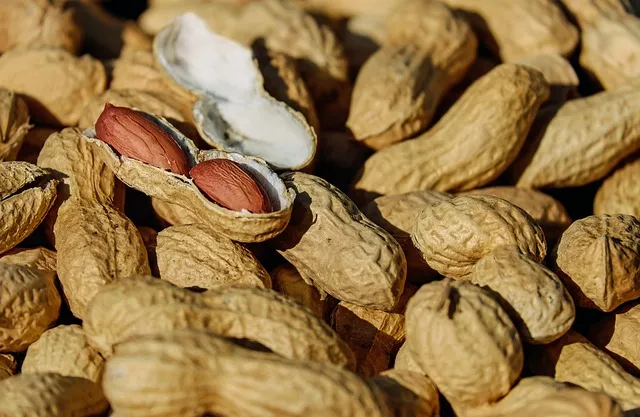
The Longo 2014 study found the harmful associations of high protein intake in the 50–65 group were specific to animal protein. High plant protein intake wasn’t tied to increased cancer mortality or all-cause mortality at any age.
A 2016 Harvard cohort study by Song and colleagues, covering 131,342 participants over up to 32 years, found replacing 3% of caloric intake from animal protein with plant protein tied to a 10% reduction in cardiovascular mortality and 8% reduction in overall mortality — an effect not fully explained by specific amino acid differences, but attributable to the broader dietary context that comes with plant-based eating.
The mechanistic differences relevant to aging: methionine content (animal proteins run higher, and methionine restriction is what most dramatically extends lifespan in rodent models), IGF-1 stimulation (dairy protein specifically, through the IGF-1 present in milk and its strong leucine content, produces substantially higher IGF-1 responses than plant protein at matched doses), acid-base effects (animal proteins are more acid-generating, requiring renal acid buffering that pulls calcium from muscle and bone), and the TMAO pathway (gut bacterial conversion of choline and carnitine from animal foods into trimethylamine N-oxide, a compound tied to accelerated cardiovascular aging).
Plant proteins have their own limitations in aging contexts. Most are incomplete — missing one or more essential amino acids — less digestible than animal proteins, and lower in leucine per gram, requiring bigger servings to hit the same muscle protein synthesis response.
None of which means eliminate animal protein. It means plant protein should be the foundation, with animal protein used strategically to fill specific gaps — leucine for muscle synthesis, mainly — rather than serving as the default protein source all day long.
IGF-1: The Longevity Hormone You Probably Don’t Want High
IGF-1 (insulin-like growth factor 1) is one of the most important, most misunderstood molecules in longevity biology. In the fitness and anti-aging supplement world, it’s associated with muscle growth, tissue repair, vitality — and it is those things. That’s exactly why the supplement industry loves growth hormone and its downstream IGF-1. But the longevity literature tells a more complicated, more sobering story about IGF-1’s role in biological aging.
The genetic evidence is unambiguous: lower IGF-1 signaling tracks with longer lifespan across organisms, worms through mammals. In humans, the IGF-1-longevity association shows up in multiple populations. A 2008 study by Suh and colleagues found Ashkenazi Jewish centenarians significantly overrepresented IGF-1 receptor loss-of-function mutations against age-matched controls, and that their offspring — who inherited those variants — showed higher rates of small body stature and lower IGF-1 levels.
A 2009 study by van Heemst and colleagues found that among nonagenarians, women (not men) with lower circulating IGF-1 had significantly greater survival. The Laron syndrome population in Ecuador, with complete IGF-1 receptor deficiency, has essentially zero cancer incidence and dramatically reduced diabetes despite obesity — suggesting the entire cancer-metabolic disease risk axis runs substantially through IGF-1 signaling.
Protein intake is the primary dietary lever on IGF-1 levels. High protein intake — particularly from animal sources, most particularly dairy — consistently elevates IGF-1 by 10–15% above low-protein diet levels in controlled feeding studies. The clinically relevant range isn’t trivial: someone on a high animal protein diet may run IGF-1 levels 20–30% above what a low-protein plant-based diet produces.
Across decades of exposure, that difference produces meaningfully different cancer risk, cardiovascular risk, and biological aging rate profiles — consistent with epidemiological data showing lower cancer risk in low-protein diet populations.
The mTOR-Autophagy Trade-Off: Growth vs. Maintenance
The fundamental tension in protein nutrition for aging is the trade-off between mTOR-driven growth — anabolism, building muscle, repairing tissue, producing proteins — and mTOR-suppressed maintenance — autophagy, clearing damaged proteins, removing senescent components, recycling dysfunctional organelles. These two programs inhibit each other. mTOR active, autophagy suppressed. And vice versa. In youth, the balance correctly favors growth and synthesis.
With aging, the balance should shift progressively toward maintenance and quality control — but only does so reliably if dietary signaling, particularly protein and leucine intake, actually allows mTOR to cycle down between bouts of anabolic stimulation.
The periodic nature of that cycling matters as much as the average level does. Three large protein-rich meals a day — the standard Western pattern — keep mTOR in a more persistently activated state than the same total calories spread across two meals with longer fasting gaps between them.
Time-restricted eating (squeezing caloric intake into an 8–10 hour window) creates a daily mTOR-suppressive fasting window that lets autophagy activate and cellular maintenance occur, even with identical meal content. For anyone unwilling to cut total protein, shifting to time-restricted eating may achieve partial mTOR cycling that delivers some longevity benefit without the muscle-mass cost of continuous protein restriction.
Protein cycling — alternating lower-protein periods (activating autophagy and CR-mimetic pathways) with higher-protein periods (providing the anabolic stimulus for muscle maintenance and repair) — is an emerging approach trying to capture both benefits at once. Longo’s group advocates 2–5 day fasting or FMD cycles that dramatically suppress protein intake, followed by refeeding with adequate protein — the cycle allowing longevity-relevant autophagy activation during restriction and anabolic muscle maintenance during refeeding.
The research here is preliminary but mechanistically coherent, and it represents the frontier of turning protein restriction science into a practical longevity practice.
Mechanistic Case Protein Q&A About Protein Restriction and Longevity
How much protein should I eat for longevity versus muscle maintenance?
Depends heavily on age. For adults 40–65 who aren’t athletic and already carry adequate muscle mass, the optimal longevity protein intake looks to be roughly 0.8–1.0 g/kg body weight per day (about 60–80g for a 75 kg person), with emphasis on plant-based sources and moderate dairy.
For adults over 65, particularly those doing resistance training, higher protein intake (1.2–1.6 g/kg) is necessary to counteract anabolic resistance and preserve muscle mass for healthy physical aging. For active midlife adults doing resistance training 3+ times weekly, the muscle-preservation benefits of 1.2–1.4 g/kg likely outweigh the modest mTOR-activation cost, particularly since training itself induces the mTOR-suppressive AMPK activation that partially offsets dietary mTOR activation.
Is whey protein particularly harmful for longevity?
Whey has the highest leucine content of any common protein source (roughly 11% leucine by weight) and the strongest documented IGF-1 response per gram of protein of any dietary protein — making it the most mTOR-activating protein available. From a longevity angle for midlife adults, that makes it the least optimal choice, despite being highly effective for muscle synthesis.
Plant-based protein sources (pea, rice, hemp) run lower in leucine per gram and produce lower IGF-1 stimulation, and using them for muscle maintenance typically requires higher total protein doses to compensate for the lower leucine density — but that trade-off may actually favor longevity. For older adults specifically fighting sarcopenia, whey’s high leucine content might actually be an advantage, consistent with the age-reversal finding in the epidemiological data.
Does protein restriction improve cognitive function?
Mixed evidence, somewhat indirect. mTOR inhibition — the primary mechanism behind protein restriction’s longevity effects — has documented protective effects against age-related cognitive decline in animal models; rapamycin (a direct mTOR inhibitor) improves cognitive function in aged mice and reduces Alzheimer-related pathology across multiple model systems. Human epidemiological data on dietary protein and cognitive aging shows a somewhat different pattern: adequate protein intake looks protective against the cognitive decline tied to sarcopenia and undernutrition in older adults.
Honest summary: protein restriction may protect cognitive function through mTOR-mediated pathways in midlife, while adequate protein becomes necessary for cognitive health in old age, mainly by preventing sarcopenia-related functional decline.
How do I know what my IGF-1 level is?
IGF-1 can be measured through standard bloodwork ordered by a physician, or through direct-to-consumer lab services. The test is called “IGF-1” or “Somatomedin C” and runs roughly $30–80 through standard labs. Reference ranges vary by age and sex; IGF-1 naturally declines with age. The longevity-relevant question isn’t whether you’re inside the population reference range — it’s where you fall within that range given your age and health goals.
For people in midlife worried about longevity, IGF-1 in the lower half of the age-appropriate range appears more favorable than the upper half, consistent with the epidemiological data. For older adults focused on muscle maintenance, avoiding the lowest quartile helps prevent the sarcopenia and frailty risk tied to very low anabolic signaling in that group.
What is the relationship between protein restriction and cancer risk?
The epidemiological evidence linking high animal protein intake in midlife to increased cancer mortality is among the strongest associations in the entire dietary cancer literature, with the Longo/Levine 2014 analysis showing a 4-fold increased cancer mortality risk for high versus low protein intake in the 50–65 group.
The mechanistic links stack up: IGF-1 is a direct mitogen for cancer cells, so elevated IGF-1 from high protein intake promotes cancer cell proliferation; methionine is required for cancer cell methylation reactions, and methionine restriction selectively impairs cancer cell growth; and reduced autophagy from chronic mTOR activation impairs clearance of pre-cancerous cells carrying DNA damage.
Reducing animal protein intake in midlife, alongside adequate plant protein, is one of the more evidence-supported dietary strategies for cancer risk reduction currently available — one of the clearest practical applications of protein restriction longevity science for general health, not just lifespan extension.
The Blue Zones Protein Pattern: Learning From Longevity Populations
Looking at the actual protein intake patterns of the world’s longest-lived populations gives valuable real-world calibration for the lab and epidemiological data. The Blue Zones populations aren’t following any specific protein restriction protocol. They’re just eating the traditional foods of their cultures. Yet their protein intake lines up remarkably well with the longevity science — as though these patterns were naturally selected for health rather than being incidental to something else.
Traditional Okinawan diet before Westernization was approximately 9% protein by caloric contribution — among the lowest protein intakes of any documented human population — with that protein coming primarily from fish, small amounts of pork, and plant foods including soy-based tofu and natto.
The Sardinian Blue Zone diet is similarly moderate in protein, with a cultural tradition of eating meat only on feast days (roughly twice a week) and otherwise relying on whole grains, legumes, vegetables, and moderate amounts of local aged cheese for protein.
The Seventh-day Adventists in Loma Linda, California, include a large vegetarian cohort whose protein comes primarily from legumes, nuts, and dairy, with substantially lower animal protein intake than non-vegetarian Adventists and a correspondingly lower risk profile for cancer and cardiovascular disease.
In all five Blue Zones, legumes sit at the center of the plate — beans, lentils, chickpeas providing the primary protein source alongside complex carbohydrates and diverse polyphenols.
Legumes carry a favorable amino acid profile for longevity: solid protein content but relatively lower in methionine and leucine than animal protein, moderate fiber that feeds beneficial gut bacteria and slows amino acid absorption (blunting the acute mTOR activation from a rapid amino acid surge), and diverse phytochemical content — isoflavones, saponins, tannins — with additional hormetic effects layered on top.
The epidemiological literature on legume consumption and mortality is extraordinarily consistent: higher legume intake ties to reduced all-cause, cardiovascular, and cancer mortality in essentially every population study that’s looked, with effect sizes typically around 6–8% mortality reduction per daily serving.
Muscle Protein Synthesis: Timing and Distribution Matter
For people trying to hold onto muscle mass while limiting longevity-relevant mTOR over-activation, the timing and distribution of protein across the day matters about as much as the total daily amount does. This is an area where geriatric nutrition and longevity biology have been productively synthesized recently, with findings both practically important and mechanistically elegant.
Muscle protein synthesis (MPS) is maximally stimulated by a meal containing roughly 25–40g of high-quality protein with at least 2.5–3g of leucine, and that stimulation doesn’t meaningfully increase with higher protein doses at the same meal. Eat 80g of protein in one sitting and you don’t get double the MPS response of 40g — MPS hits a ceiling around 25–40g, and everything past that gets oxidized.
That dose ceiling means the common bodybuilding practice of eating 200g of protein spread across 6–8 meals isn’t just unnecessary for muscle mass — it continuously activates mTOR with every protein-rich meal, blocking the between-meal mTOR suppression and autophagy activation that cycling allows.
From a longevity standpoint, an optimal distribution for muscle maintenance with maximal mTOR cycling looks something like this: a 14–16 hour fasting window where mTOR is suppressed and autophagy activated; two protein-containing meals inside an 8–10 hour eating window, each delivering 30–40g of high-quality protein with adequate leucine; a longer gap between them so the MPS response to the first meal finishes before the second cycle kicks in.
That pattern provides the anabolic stimulus muscle maintenance needs while maximizing the daily mTOR-suppressive window that drives longevity pathways.
The leucine threshold concept matters especially for older adults, where anabolic resistance — needing higher leucine doses for the same MPS response — means each protein meal should specifically hit leucine sufficiency: roughly 3g per meal for young adults, 3.5–4g for adults over 65.
Achievable with animal protein at moderate doses (30g of chicken, fish, or dairy provides sufficient leucine) or with higher doses of plant protein (40–50g of pea or rice protein blend gets comparable leucine, though digestibility-adjusted doses can differ).
Understanding leucine thresholds explains why plant-based dieters often underachieve their muscle maintenance potential at identical total protein intakes to omnivores — not because plant protein is inherently inferior, but because the lower leucine density demands more deliberate dose calculation to hit threshold-stimulating quantities.
Methionine Restriction: The Unsung Longevity Intervention

The mechanisms are multiple and separate from the mTOR pathway: methionine is the precursor to homocysteine (elevated homocysteine ties to cardiovascular disease and cognitive decline), methionine drives hepatic lipid metabolism in ways affecting mitochondrial function, and methionine restriction appears to significantly reduce mitochondrial reactive oxygen species production through mechanisms still being worked out.
The animal-versus-plant difference in methionine content is substantial and clinically relevant. Muscle meats (chicken, beef, pork), eggs, and fish run high in methionine. Legumes, grains, and most vegetables run low. A plant-based diet naturally achieves something resembling methionine restriction compared to an animal-protein-centered one — possibly one of the key mechanisms through which plant-based eating cuts cancer risk and all-cause mortality in epidemiological studies, separate from the overall caloric and fiber effects.
Practical methionine restriction, short of complete elimination, is achievable through strategic animal protein reduction — particularly cutting back muscle meat consumption (the highest methionine source per gram of protein) in favor of legumes, tofu, and fish, which carry lower methionine-to-protein ratios than muscle meat. There’s no need for the severe restriction used in rodent longevity studies — nutritionally impractical and potentially harmful in humans — to capture the directional benefit of moderating methionine through animal protein moderation.
The protein question in longevity is not “how much?” but “how much, from what source, at what age, and in what pattern?” A 35-year-old bodybuilder and a 70-year-old managing sarcopenia have almost opposite optimal protein strategies from a longevity perspective — and confusing their needs by extrapolating one population’s science to the other is how the field produces contradictory headlines that seem to flip-flop between “protein kills you” and “protein saves you” in alternating months.
The resolution isn’t to dismiss the science. It’s to understand its parameters. The protein and longevity literature, properly read, isn’t contradictory at all — it’s detailed, in exactly the way real biology is always detailed. Different mechanisms dominate at different life stages. Different sources produce different downstream effects through different pathways. The optimal strategy responds to those differences instead of imposing a single rule across the whole messy complexity of human aging.
That complexity isn’t an excuse for paralysis. It’s an invitation to precision — building a protein strategy as specific to your age, your goals, and your current physiology as the science informing it.
The Athlete’s Dilemma: Building Muscle While Limiting Longevity Risk
Athletes and serious recreational exercisers face a genuine tension in the protein-longevity literature that deserves honest examination, not dismissal. The muscle-building tradition converged on high-protein recommendations (1.6–2.2 g/kg) for good reason — the evidence that higher protein intake improves muscle mass gains during resistance training is strong, and comes from well-controlled studies. The concern that this level of protein might activate longevity-relevant mTOR pathways and push IGF-1 toward potentially problematic levels is just as evidence-based.
The two bodies of evidence don’t reconcile through wishful thinking.
Several factors do, however, meaningfully soften the longevity concern for active athletes. First, resistance exercise itself induces AMPK activation that partially offsets mTOR’s longevity-accelerating effects — exercise-induced mTOR activation (driven by mechanical load rather than amino acid availability) appears more anabolically focused and less associated with the pro-aging cellular senescence that chronic dietary mTOR activation produces. The distinction between exercise-induced and diet-induced mTOR activity is mechanistically supported, though clinically unquantified in magnitude.
Second, the epidemiological data on high protein intake and mortality comes predominantly from sedentary or lightly active populations. Two-thirds of the NHANES participants in the Longo/Levine study who showed the protein-mortality association weren’t, by and large, regularly training athletes. Whether the association holds in populations with high physical activity and correspondingly higher lean mass and metabolic capacity hasn’t been adequately studied.
Third, protein cycling — alternating higher protein intake around training blocks with lower protein intake during deload weeks or rest periods — lets athletes capture both the anabolic benefits of adequate protein during training and the longevity benefits of mTOR suppression when anabolic signaling matters less.
This strategic matching of protein intake to training load is standard practice among metabolically sophisticated athletes, and it aligns with the longevity biology far more coherently than either constant high protein or constant restriction.
The honest summary for athletes: consistently doing resistance and aerobic exercise, eating predominantly plant-based proteins with strategic animal protein around training, maintaining lean body composition, and including regular fasting windows and lower-protein periods — under those conditions, the longevity risk from higher training-phase protein intake is almost certainly lower than the epidemiological literature would suggest for sedentary populations.
That doesn’t mean the concern is zero, though. The honest athlete monitors IGF-1 periodically, favors plant protein sources where quality allows, and avoids the chronic, uninterrupted high protein intake that maximally suppresses autophagy across every phase of the training and recovery cycle.
Practical Protein Strategy Across the Lifespan
Turning the protein-longevity science into a practical, lifespan-appropriate strategy means synthesizing the mTOR biology, the epidemiological data, the muscle maintenance requirements, and the source-specific effects into guidance that actually responds to changing needs across different life stages.
- Ages 20–39: Adequate protein for muscle development and tissue repair (0.8–1.2 g/kg), primarily from diverse plant sources with moderate animal protein. Muscle-building goals support higher protein here; longevity concerns matter less than adequate nutrient density, caloric appropriateness, and dietary diversity. Include resistance training to build the muscle mass that will protect against sarcopenia decades later.
- Ages 40–65: Moderate protein intake (0.8–1.0 g/kg) from predominantly plant sources, with strategically higher-protein days around resistance training. Monitor IGF-1 annually if consuming high animal protein. Cut back muscle meat in favor of legumes, fish, and plant proteins. Adopt time-restricted eating for daily mTOR cycling. This is the window where reducing chronic mTOR activation through protein moderation delivers the most evidence-supported longevity benefit.
- Ages 65+: Increase protein to 1.2–1.6 g/kg to overcome anabolic resistance and maintain muscle mass. Ensure adequate leucine in each protein-containing meal (3.5–4g). Resistance training becomes more critical, not less — the only reliable way to maintain the muscle mass that prevents frailty and preserves metabolic function. Plant proteins remain preferable, but animal proteins shouldn’t be avoided if they’re needed to support muscle maintenance when plant proteins alone can’t provide adequate leucine stimulus.
Across every age, the most consistently evidence-based dietary pattern for healthy longevity combines moderate total protein with a plant-protein emphasis, dietary diversity and phytochemical richness, caloric appropriateness for weight maintenance, regular time-restricted eating windows, and avoiding the processed food and ultra-refined carbohydrate intake that dysregulates insulin and metabolic function independent of protein considerations entirely.
The protein question is important but never isolated — it sits inside a dietary matrix where multiple variables interact, and optimizing protein against an otherwise poor dietary pattern produces a fraction of the benefit that optimizing it within a comprehensively health-promoting diet delivers.
The science on protein restriction and longevity is one of the more practically actionable areas in the biology of aging precisely because it doesn’t require expensive supplements or clinical intervention. It requires rethinking dietary patterns most of us inherited from a culture that optimized for convenience and caloric adequacy rather than the specific physiological signals governing healthy aging.
That rethinking is available to everyone, at no cost beyond the effort of understanding the biology and applying it thoughtfully to food choices that are, ultimately, among the most consequential inputs to the length and quality of a human life.
FROM THE LIBRARY ›
References
Editorial StandardsCorrectionsMedical DisclaimerAbout Our ContentAffiliate DisclosureSite Map