
Kevin had been managing his lower back pain for eight years. Three orthopedic surgeons. Two physical therapists. A chiropractor, an acupuncturist, two epidural steroid injections along the way. Somewhere in there an MRI came back showing “disc degeneration at L4-L5,” and that finding became the explanation. Case closed, more or less — except the pain never actually closed with it.
He’d been told to avoid bending, avoid twisting, avoid lifting anything heavy, avoid impact, avoid pretty much every exercise he used to enjoy. A diagnosis (degeneration) and a management strategy (avoid everything) is what eight years and multiple specialists had gotten him. Not a solution. Just a longer and longer list of things not to do.
Then a friend sent him a video of Stuart McGill — a professor of spine biomechanics at the University of Waterloo and arguably the world’s foremost authority on lower back pain mechanics — explaining why most lower back pain advice isn’t just wrong, it’s actively making patients worse.

This article lays out what Stuart McGill discovered, why it contradicts most mainstream back pain advice, and how to implement the protocol that has helped thousands of people resolve pain they’d been told was permanent.
The Central Lie About Lower Back Pain
The medical establishment’s standard approach to lower back pain rests on an assumption that turns out to be mostly wrong: that structural findings on imaging — disc herniation, degeneration, stenosis — are the primary cause of pain.
The data says otherwise, and it says it loudly. Studies examining MRI findings in pain-free adults keep finding that structural “abnormalities” are extremely common in people with zero pain. Boden et al. (1990), a landmark study, found that 35% of adults aged 20-39 with no symptoms had disc degeneration on MRI. Mauricio and colleagues found disc bulges in 52% of asymptomatic subjects. By age 50, most adults show some degree of spinal degeneration on imaging — pain or no pain, it doesn’t seem to matter much.
Which means the structural findings on a given MRI are most likely a red herring. They describe normal wear-and-tear from aging, not the specific cause of any specific person’s pain. Two people can have identical MRI findings — same degeneration, same bulges — and have wildly different pain experiences. Movement mechanics and muscular function are among the biggest factors determining whether a structural finding actually produces pain.
McGill’s decades of laboratory research point to a different model of causation entirely. In roughly 80% of mechanical lower back pain cases — the category that excludes fractures, tumors, infections, and referred pain from organs — the pain comes from repeated loading of spinal structures in positions and patterns that generate cumulative tissue stress. The disc doesn’t degenerate and then hurt. The disc and surrounding tissues get loaded again and again in ways that generate ongoing microtrauma and sensitize pain receptors.
That model carries a critical implication. If pain is caused by movement mechanics rather than structural damage, changing movement mechanics reduces pain. An MRI finding can’t be un-degenerated — that doesn’t reverse. But how the spine gets loaded can change, and that change is often enough to resolve pain that’s been misattributed to structural findings for years.
“The most dangerous advice given to chronic back pain sufferers is often: rest, avoid loading, protect the spine. The spine needs specific loading to maintain health. Avoidance of loading produces deconditioning, increased sensitization, and progressively worse pain. The spine needs to be trained, not protected from use.”
The McGill Big 3: The Foundation of Back Rehabilitation
Stuart McGill’s “Big 3” exercises — the modified curl-up, the side plank, and the bird dog — form the foundation of his rehabilitation protocol. Not general “core exercises.” They’re specifically built to develop spine stiffness and muscular endurance for pain-free function while steering clear of the movements that load damaged structures.
Understanding why each one works requires understanding what it deliberately avoids as much as what it trains.
The Modified Curl-Up:
Standard crunches — flexing the lumbar spine repeatedly under load — are biomechanically rough on anyone with disc pathology. Spinal flexion under load compresses the anterior disc and stretches the posterior annulus, which sets up the conditions for disc herniation and worsens posterior pain in people with existing posterior disc damage. This is why most people with lower back pain feel worse after crunches. Not better.
The McGill curl-up keeps the lumbar spine neutral through the entire movement. Lie on your back, one knee bent, foot flat, other leg extended. Hands under the lower back to maintain the natural lumbar curve. From there, lift only the head and shoulders — not enough to flatten the lower back — hold ten seconds, lower, repeat. The key: the lumbar spine never flexes. The movement comes from the cervical and thoracic spine, activating the rectus abdominis without the compressive loading of the lumbar discs that traditional crunches produce.
The isometric hold at the end range matters more than it looks like it should — muscular endurance, not maximum strength, is what protects the spine in daily life. The spine needs muscles that sustain a low-level contraction for a long time, not muscles built for one big maximal effort.
The Side Plank:
The side plank targets the quadratus lumborum, the external obliques, and the hip abductors — the lateral chain that provides frontal-plane stability. Weakness there is associated with excessive lateral bending and rotational forces on the spine during gait and loaded activities.
Starting position: side-lying, elbow directly below the shoulder, feet stacked. Raise the hips into a straight line from head to feet. Hold. Progression: full side plank with both feet stacked, then top foot forward for a wider base. Advanced variation: lateral dips or leg raises added from the side plank position.
McGill’s research has shown the side plank generates high activation of the quadratus lumborum and obliques with minimal spinal compression compared to other core exercises — which makes it unusually effective for building lateral stability while going easy on sensitive spinal structures.
The Bird Dog:
The bird dog trains the spinal extensors (erectors) and the hip extensors (gluteus maximus) through coordinated alternating limb movement that forces the deep stabilizers (multifidus) to hold spinal neutrality under dynamic loading.
Starting position: quadruped — hands and knees, neutral spine. Simultaneously extend the opposite arm and leg (right arm, left leg) while keeping the lumbar spine perfectly neutral — no rotation, no sagging. Hold ten seconds, return to neutral, repeat the other side. The quality of that neutral spine is everything. Lose it, and it’s a different, far less useful exercise.
Common error: raising the arm and leg too high, which hyperextends the lower back. The leg should reach only to horizontal, parallel to the floor, and same for the arm. The spine never moves. All the movement happens at the hips and shoulders.
The bird dog is among the safest exercises for acute back pain, because it loads the spine in extension — the direction most people with disc pathology can tolerate — with no flexion stress at all. It’s also one of the most effective at activating the deep stabilizers that prevent re-injury.
Spine Hygiene: The Movement Rules That Prevent Re-Injury
The Big 3 is the rehabilitation tool. But McGill’s most important contribution to practical back pain management might actually be “spine hygiene” — a set of movement rules that, followed consistently, eliminate the repeated microtrauma keeping the pain sensitized and blocking recovery.
Avoid spinal flexion under load: The most critical rule of all. Picking up objects by bending forward at the lower back loads the lumbar discs with enormous compressive and shear stress. Do that while the back is sensitized, and every single rep re-injures the structure that’s trying to heal. The alternative — the hip hinge — keeps the spine neutral while the powerful hip extensors, glutes and hamstrings, generate the lifting force instead. Learn the hip hinge first. Apply it to every lifting movement. The cumulative disc stress from thousands of daily bending activities drops dramatically once it becomes automatic.
Hip hinge mechanics: Stand with feet hip-width apart. Sit back with the hips while the spine stays neutral — this is a backward motion of the pelvis, not a forward fold of the trunk. Knees bend slightly. The back stays straight, or more precisely, the natural lumbar curve is maintained — not a rigid military-straight back, just the spine’s own natural position. This is the pattern for picking objects up off the floor, getting in and out of a car, reaching for low surfaces, and dozens of other daily movements most people perform with spinal flexion instead.
Limit time in sustained flexed postures: Sitting slouched, in a flexed lumbar position, for extended periods creates continuous low-level disc stress. The disc is built to alternate between compression (standing, loading) and recovery (lying down, light activity). Sustained flexion during desk work, driving, and couch sitting is a major driver of disc degeneration and a frequent trigger of pain episodes. Lumbar support that maintains the natural lordosis while sitting cuts this load dramatically.
Morning protocol: Spinal structures are most hydrated, and most vulnerable, in the morning hours after sleeping. The disc absorbs fluid overnight and sits under greater pressure for the first hour or two after waking. McGill recommends avoiding heavy loading, intense exercise, and prolonged sitting in the first 30-60 minutes after getting up. A brief walk, some light movement, gentle mobilization before anything demanding — that reduces injury risk during the window when the spine is most vulnerable.
Brace before loading: Contracting the abdominal muscles to create intra-abdominal pressure — the Valsalva-like brace covered in the strength training articles — before any lifting provides the stabilization that takes load off the passive structures: disc, ligaments. This bracing should become automatic before picking up anything of consequence, from a grocery bag to a barbell. Let the muscles carry the stability. The passive structures shouldn’t be doing that job.
Finding Your Pain-Free Direction: Extension vs. Flexion Bias
Not all lower back pain is the same, so not all rehabilitation should look the same either. One of the most useful clinical tools for sorting types of mechanical back pain is identifying a patient’s “directional preference” — the direction of movement that actually reduces the pain.
Most people with disc-related back pain have an extension bias: moving the spine into extension, arching backward, reduces pain, while flexion, bending forward, makes it worse. That tracks with the disc herniation mechanism — extension “centralizes” the disc material, moving it away from nerve roots. Robin McKenzie’s extension protocol, built on this principle, has solid evidence behind it for disc-related radiculopathy.
Some people run the opposite pattern — pain reduced by flexion, increased by extension. More common in facet joint pathology and spinal stenosis. For those patients, exercise prescription should lean into flexion-based movements and steer clear of extension.
The clinical test is simple enough: try gentle repeated extensions (lying on your stomach, gently pressing up onto your hands) and gentle repeated flexions (lying on your back, pulling the knees to the chest). Note whether either one makes things better — pain reducing, pain “centralizing” toward the midline, or range of motion improving. Feel better with extension, extension bias, emphasize extension-based rehab. Feel better with flexion, flexion bias.
Here’s the irony: most people who’d actually benefit from an extension protocol are doing flexion-based exercises instead, because crunches and knee-to-chest stretches are the default prescription in fitness culture. For the extension-biased majority with disc issues, those exercises are working directly against them.
The Pain Psychology Component: Sensitization and the Nervous System
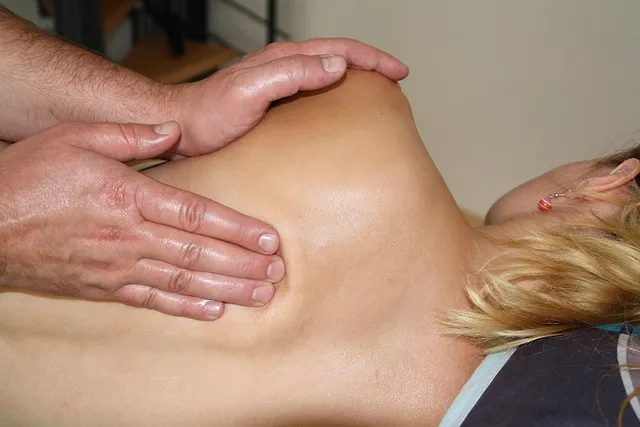
Chronic pain isn’t simply a signal of ongoing tissue damage. After weeks to months of pain, the nervous system itself becomes sensitized — pain receptors lower their activation threshold, the brain gets more attentive to pain signals from that region, and pain shows up in response to stimuli that wouldn’t have triggered anything before the initial injury.
That sensitization explains why some people with apparently resolved tissue injuries — herniated discs that reabsorbed, fractures that healed clean — keep experiencing real pain. And it’s why addressing only the mechanical side of back pain, better movement patterns, stronger stabilizers, sometimes isn’t enough for someone with longstanding chronic pain. The neural component needs its own attention, separately.
Pain education — specifically, helping someone understand that pain is a protective signal from the nervous system rather than necessarily a sign of ongoing damage — has solid evidence behind it for reducing chronic pain intensity and improving function. Just understanding that sensitization exists, that pain doesn’t equal damage, that gentle movement provoking mild discomfort won’t cause further injury, often breaks the fear-avoidance cycle that keeps chronic pain going.
Practically: if the mechanical aspects have been addressed — spine hygiene, Big 3, hip hinge — and the pain hasn’t fully resolved, what’s left may be significant nervous system sensitization driving it. That doesn’t mean the pain is imaginary. It’s real, driven by real nervous system changes. But the intervention required is different — graduated exposure to movement and activity, pain education, and sometimes specific support for pain catastrophizing.
Exercise Selection Beyond the Big 3: Building Back to Full Function
The McGill Big 3 is the starting point, not the finish line. Once pain drops to manageable levels and the basic stability is established, the progression toward full function needs to build on that foundation.
Hip hinge loading: The Romanian deadlift is the single most important exercise for building the posterior chain strength that protects the lower back. Light dumbbells or a light barbell to start, full focus on keeping the lumbar spine neutral through the movement, load progressing conservatively — that builds the strength and movement competence the back needs before it can handle heavy lifting safely.
Farmer’s carries: Walking while holding a heavy load — dumbbells, a trap bar, kettlebells — forces the spine stabilizers to hold alignment under axial loading over sustained time. McGill rates loaded carries among the most functional and effective spine stability exercises there are. Start moderate, short distances, and progress both together as stability and tolerance improve.
Glute development: The gluteus maximus is the primary hip extensor and the single most important muscle for protecting the lower back during bending and lifting. Glute bridges, hip thrusts, single-leg Romanian deadlifts, eventually barbell deadlifts — all of it targets the glutes in ways that transfer directly to spine protection. Weak glutes are one of the most common contributors to lower back pain, and one that basic rehab programs often miss entirely.
Anti-rotation work: Pallof press variations — pressing a cable or band straight out from the chest while resisting rotation — build the rotational stability that protects the spine during twisting activities. The lumbar spine is poorly designed for rotation under load; most of the body’s rotational movement should come from the thoracic spine and hips instead. Build anti-rotation strength at the lumbar level, improve mobility at the thoracic and hip levels, and the rotational stress on lumbar structures drops.
The Back Pain Elimination Protocol: Implementation Framework
The Back Pain Elimination Protocol pulls the McGill framework into a practical implementation sequence. It doesn’t require expensive equipment or professional supervision for most cases of mechanical lower back pain — though physician clearance to rule out non-mechanical causes is a sensible step before starting.
Phase 0 — Pain management and spine hygiene (Week 1-2): No specific exercise program yet. Focus entirely on finding and eliminating the provocative movements in daily life. Apply the hip hinge to all bending. Support the lumbar curve while seated. Avoid end-range spinal positions under load. Most patients see meaningful pain reduction within the first week, simply from removing the daily micro-trauma that was keeping things sensitized.
Phase 1 — Foundation (Weeks 2-6): Introduce the McGill Big 3. Low reps, short hold times to start — 3 sets of 6 reps, 3-5 second holds. Daily. The whole thing takes 15-20 minutes. Gradually extend the holds and add reps. Introduce light walking, 20-30 minutes daily, as general movement and spinal loading within pain tolerance.
Phase 2 — Capacity building (Weeks 6-16): Add hip hinge loading with light Romanian deadlifts and glute bridges. Add farmer’s carries with moderate loads. Keep the Big 3 going as maintenance. Introduce more complex movements — split squats, step-ups — that demand hip and knee function without loading the spine in flexion. Gradually bring back activities that used to be provocative, now with better mechanics underneath them.
Phase 3 — Return to full function (Weeks 16+): Progressive deadlift loading. Squatting with real attention to lumbar neutral. Reintroducing sport or recreational activity with coaching on spine hygiene specific to those activities. The Big 3 and spinal bracing habits stick around permanently at this point — not temporary rehab tools anymore, just how things are done.
When to See a Doctor: Red Flags That Require Medical Evaluation
The McGill protocol is for mechanical lower back pain — the 80% of LBP cases without sinister underlying cause. Certain presentations require prompt medical evaluation before attempting self-managed rehabilitation:
Cauda equina syndrome: Bilateral leg weakness, numbness in the saddle area (inner thighs and perineum), or loss of bladder or bowel control alongside acute back pain is a medical emergency requiring immediate evaluation. Cauda equina compression is treated surgically, and delay significantly worsens outcomes.
Fracture risk: Back pain following significant trauma, or back pain in someone with osteoporosis, steroid use, or a cancer history, requires imaging to rule out fracture before starting any loading protocol.
Infection or cancer: Fever plus back pain, night sweats with back pain, unexplained weight loss with back pain, or back pain that’s constant, worsening, and unrelated to position — all of that requires evaluation to rule out spinal infection or malignancy. Rare, but serious, and they tend to present differently from mechanical pain: constant rather than positional, worse at night, not responsive to the usual provocative/relieving patterns.
Significant radiculopathy: Pain, numbness, or weakness radiating below the knee that doesn’t start improving with conservative treatment within 4-6 weeks warrants evaluation for nerve root compromise that may need more aggressive intervention.
For everyone else — the majority, with positional, mechanical pain that gets worse with some movements and better with others — the McGill protocol offers the most evidence-based framework around for addressing the actual cause of pain instead of managing around it forever.
The Role of Thoracic Mobility in Lumbar Health

The thoracic spine — mid-back — is the opposite. Built for mobility, particularly rotation. Healthy thoracic rotation runs 45-60 degrees in each direction. When thoracic mobility is restricted, which happens constantly to people sitting at desks for hours, the rotational demands of daily life — reaching, turning, throwing, sport — fall disproportionately on the lumbar spine. It exceeds its design limits. Pain follows.
Improving thoracic mobility is therefore part of lumbar pain prevention and rehab, and McGill and other spine specialists emphasize it for exactly this reason. The thoracic spine needs to move so the lumbar spine doesn’t have to.
Key thoracic mobility exercises: thoracic extension over a foam roller (placed perpendicular to the spine at different thoracic segments, gently extending over it), thoracic rotation in quadruped (thread-the-needle), side-lying open book rotations. Low-risk. They feel good to do. And they go straight at the mobility deficit driving lumbar overuse in the first place.
Hip mobility works the same way. Restriction there forces rotational and flexion compensation through the lumbar spine during squatting, lunging, walking. Someone with restricted hip flexors will hyperextend the lumbar spine during gait to compensate — generating repetitive extension loading that sensitizes facet joints. Someone with restricted hip rotation generates that rotation through the lumbar spine during sport and daily activity instead. Hip mobility work isn’t just flexibility, then. It’s lumbar pain prevention, working through its effect on how much the lumbar spine has to compensate for the hips.
Sitting, Standing Desks, and the Daily Loading Problem
The modern workplace generates more cumulative spinal loading than any exercise program ever could — through sheer hours spent in sustained postures the spine was never built for.
Prolonged sitting increases intradiscal pressure compared to standing. Nachemson’s classic pressure studies showed sitting with a rounded lower back produces greater disc pressure than standing does. None of that compressive and shear force on the lumbar discs is dramatic in any single moment. But add it up over eight to ten hours a day, five days a week, for decades, and it becomes a significant chronic loading exposure — one that contributes directly to disc degeneration and lower back pain.
The standing desk revolution of the past decade was a partial correction. Only partial. Standing with poor posture — sway-back, weight shifted unevenly, neck jutting forward — creates its own postural stress. And eight hours of standing fatigues postural muscles and pools blood in the lower extremities, which is its own problem entirely.
McGill’s practical recommendation: move frequently. The problem was never sitting or standing specifically — it’s any static posture held too long. Change positions every 20-30 minutes. Sit, stand, walk briefly, sit somewhere different. The spine does well with varied loading and poorly with sustained identical loading, regardless of which position is providing it.
The specifics of sitting posture matter too: a lumbar roll or a lumbar-support chair that maintains the natural lordosis cuts disc pressure dramatically compared to sitting slumped and flexed. The lumbar roll is one of the most cost-effective pain management tools that exists — often $15-30 — and for people who spend most of the day seated, its effect on daily lumbar loading is significant.
Sleep matters too, for people whose positions compromise the lumbar spine — deep lateral flexion in the fetal position, or prone lying with the neck rotated. Pillow positioning reduces the cumulative nighttime loading on structures already sensitized. A pillow between the knees while sleeping on the side reduces hip drop and the lumbar lateral flexion that comes with it. A pillow under the pelvis while sleeping prone reduces lumbar extension stress. None of this is trivial. Seven or eight hours of reduced stress loading overnight is a meaningful chunk of the total daily spinal loading budget.
What People Ask About Lower Back Pain
- What are the McGill Big 3 exercises? The three exercises Stuart McGill developed for low back rehabilitation: the modified curl-up (abdominal activation without lumbar flexion), the side plank (lateral chain stability), and the bird dog (extensor endurance and deep stabilizer activation). Performed with isometric holds, built around muscular endurance rather than maximum strength, and designed to build the spinal stability needed for pain-free function while avoiding movements that stress damaged structures.
- Is lower back pain caused by structural damage? In most cases of mechanical lower back pain, structural findings on MRI (disc degeneration, disc bulges) aren’t the primary cause of pain — similar findings show up constantly in pain-free adults. McGill’s research suggests pain is more often caused by specific movement patterns loading spinal structures repeatedly in ways that generate microtrauma. Changing those movement patterns, not the structural findings, is what resolves the pain.
- Should you rest with lower back pain? Brief relative rest — a day or two right after an acute injury — may be appropriate. Extended rest, weeks of it, is counterproductive: it produces deconditioning, increases pain sensitization, and worsens long-term outcomes. The evidence strongly favors returning to gentle, controlled movement (walking, gentle mobility, early introduction of Big 3 work) as soon as tolerated, rather than prolonged bed rest or avoiding movement altogether.
- What is the hip hinge and why is it important for back pain? A movement pattern where the spine stays neutral while the hips flex backward, loading the glutes and hamstrings for powerful extension. It’s the biomechanically correct way to pick objects up off the floor — loading the muscles instead of the passive spinal structures. Swap lumbar flexion (bending forward at the lower back) for hip hinge mechanics in daily life, and one of the most common causes of cumulative disc stress goes away.
- Can you deadlift with lower back pain? With proper mechanics and appropriate progression, the hip-hinge deadlift is often part of effective lower back rehabilitation rather than something to avoid. The trap bar deadlift and Romanian deadlift are typically the first loaded hip-hinge variations reintroduced. Heavy conventional deadlifting with maximum loads is the final stage, brought back once pain has resolved and mechanics are locked in. The conventional wisdom that back pain patients should avoid deadlifts is close to the opposite of what the evidence and clinical experience actually support.
- How long does it take to resolve chronic lower back pain with the McGill protocol? Depends on duration and severity of pain, degree of nervous system sensitization, and how consistently the protocol gets applied. Patients who apply spine hygiene consistently often see meaningful pain reduction within 1-2 weeks. Building the Big 3 foundation takes 4-6 weeks. Real improvement in functional capacity — return to demanding physical activity — typically takes 3-6 months of progressive rehabilitation. Resolving longstanding chronic pain with significant sensitization can take longer, and may benefit from additional support for pain catastrophizing.
- Is surgery necessary for disc herniation and lower back pain? For most disc herniations without cauda equina involvement, conservative management (McGill protocol, spine hygiene, physical therapy) produces outcomes equivalent to surgery at 6-12 months — surgery gets faster initial pain relief, but the long-term outcomes end up similar. Natural reabsorption of herniated disc material happens in most cases within months. Surgery is most clearly indicated when there’s significant, progressive neurological deficit — actual muscle weakness, not just pain — or when conservative management has failed after an adequate trial, typically 6-12 weeks.
- Are there foods or supplements that help lower back pain? Anti-inflammatory dietary patterns (Mediterranean-style, high vegetable intake, omega-3 fatty acids) reduce systemic inflammation that may feed into pain sensitization. Vitamin D deficiency is associated with musculoskeletal pain, and adequate vitamin D status is worth ensuring. Collagen peptides provide glycine and proline for connective tissue maintenance. That said, no supplement substitutes for mechanical rehabilitation — food and supplement strategies are supportive adjuncts to the movement-based intervention that actually addresses the underlying cause.
Eight years of pain management generated eight years of avoidance behavior, deconditioning, and a nervous system increasingly fixated on back signals. Undoing that takes time. The protocol works through accumulated consistent input — daily spine hygiene habits, regular Big 3 work, progressively reintroducing load — rather than through any single intervention. Patience and consistency are the active ingredients here, right alongside correct mechanics.
Kevin ran the spine hygiene rules for two weeks before adding the Big 3. Within the first week, his pain had dropped by roughly half — just from eliminating the daily microtrauma he’d been inflicting on his own spine for years without realizing it. By eight weeks, he was doing Romanian deadlifts with a light barbell, pain-free for the first time in years. By six months, he was back doing the things he’d once been told to give up entirely.
His MRI findings hadn’t changed. The disc degeneration was exactly what it had been before. What changed was how he loaded his spine — and that turned out to be most of what was determining his pain experience the whole time.
The McGill protocol doesn’t promise miracles. It doesn’t always work, and some cases need medical intervention beyond its scope. But for most people with mechanical lower back pain who’ve been told their structural findings explain the suffering, it offers something medicine often doesn’t: a mechanistically coherent explanation for why the pain is still there, and a set of actionable tools to actually do something about it.
Most chronic lower back pain is not a life sentence. It’s the cumulative result of movement patterns loading spinal structures in ways they weren’t designed for, persisting long enough to sensitize the pain system. Change the loading patterns. Build the stabilizing musculature. Restore the movement competence that got lost along the way. Do that, and the pain that eight years of passive management couldn’t touch often clears within months. Not optimism. Just what the biomechanics research and the clinical outcomes keep showing.
For the broader strength and movement framework, the companion articles on Strength Training for Longevity provide the context for why building a strong posterior chain is the best long-term investment in a pain-free back.
The Practical Framework: Applying Lower Back Pain Root In Real Life
References
Editorial StandardsCorrectionsMedical DisclaimerAbout Our ContentAffiliate DisclosureSite Map