
The Woman Who Fixed Her Joints by Cutting Tomatoes
Maria had been eating clean for six months by the time she got desperate enough to try this. Grass-fed beef, wild salmon, vegetables by the pound, nothing processed — she’d done the work. Her joints still ached every morning anyway. Fingers, knees, the left shoulder that had been giving her trouble for two years and showed no sign of quitting on its own. Her rheumatologist looked at her inflammation markers and called them “acceptable.” Maria hated that word. Acceptable wasn’t what she was after — she wanted the pain gone, not filed under statistically fine. She’d come across something online, one of those threads nobody takes seriously until they’re the one still hurting: nightshade vegetables, inflammation, susceptible people. She was skeptical. Of course she was. But she’d already tried everything her doctor had suggested, and none of it had moved the needle, so what exactly was thirty days without tomatoes going to cost her? She cut tomatoes, bell peppers, hot peppers, eggplant, and potatoes. Nothing happened for almost three weeks — nothing she could point to, anyway. Then, by day 21, she could make a fist without wincing. By day 30 the morning stiffness that had defined her mornings for two years was simply gone. Her rheumatologist remained unconvinced. The internet, predictably, split down the middle on whether any of it was real. Maria didn’t much care what either side thought. She had her answer, and she’d gotten it for free, by running a thirty-day experiment on nobody but herself.
That one story is basically the whole nightshade controversy in miniature. Not because nightshades are definitively harmful — they’re probably not, for most people reading this. It’s the second half of that sentence that matters: the absence of randomized controlled trial evidence doesn’t mean the absence of individual harm. Most nutrition writers blur that distinction. So do most physicians, for what it’s worth, and not necessarily out of malice — just out of habit, and a training that rewards population averages over individual signal.
Nightshade vegetables belong to the Solanaceae family — tomatoes, peppers of every variety, eggplant, potatoes, goji berries, tobacco, and roughly 2,700 other species rounding out an enormous plant family most people have never thought about past the produce aisle. These are nutritionally dense foods. They form the backbone of cuisines across the Mediterranean, Latin America, South Asia, and pretty much everywhere else humans eat. They also contain a specific family of compounds — solanine, capsaicin, alpha-chaconine, tomatine, and a few others — that a subset of researchers believe may aggravate inflammation in genetically susceptible people whose gut barrier function is already compromised.
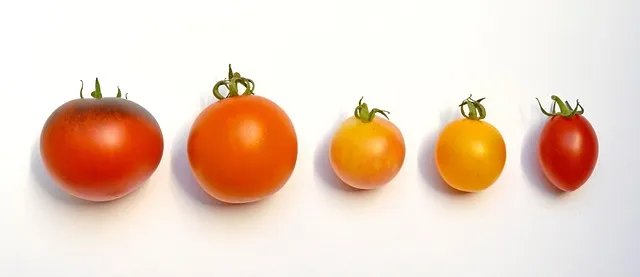
The actual position — the one supported by what evidence exists — is less satisfying to repeat online but considerably more useful: nightshades are likely fine for most people. For a meaningful subset with autoimmune conditions, compromised gut barrier integrity, or a particular genetic profile, they may be doing real, measurable harm. The only way to find out which camp applies to any one person is a systematic elimination trial. Not a doctor. Not a study. Not an algorithm. None of those tools were built to answer a question this specific.
What Actually Makes a Nightshade a Nightshade: The Chemistry
The Solanaceae family is vast and chemically diverse. Not every nightshade is edible, and not every edible nightshade carries the same compounds in the same quantities, let alone the same biological effects. Before wading into whether any of this actually matters for your health — bear with it — it helps to understand what’s happening at the molecular level, because most of the online debate skips this part entirely.
Solanine is a steroidal glycoalkaloid, produced by plants in the Solanum genus — mainly potatoes and eggplant — as a built-in defense against insects, fungi, and anything hungry enough to eat the plant. Mechanistically, it inhibits acetylcholinesterase, the enzyme responsible for breaking down acetylcholine at nerve synapses, which disrupts normal nerve signaling. In high enough doses it’s genuinely toxic: nausea, vomiting, diarrhea, neurological symptoms including confusion and hallucinations, and in extreme, documented historical cases, death. The estimated lethal dose in humans sits around 2-5mg per kilogram of body weight. A 180-pound man would need to eat roughly 160-400mg of pure solanine to reach that threshold — a number worth holding onto for what comes next.
A medium potato carries roughly 2-13mg of total glycoalkaloids, mostly solanine and its close chemical cousin alpha-chaconine. Green, sprouting, or sun-exposed potatoes carry a lot more — sometimes ten times the normal concentration. Food safety regulators generally treat glycoalkaloid levels below 200mg per kilogram of fresh weight as safe, and most commercially sold potatoes sit comfortably inside that range. Under ordinary circumstances, acute solanine poisoning from eating potatoes is basically impossible — unless someone’s working through a bag of green, sprouting, or visibly damaged ones.
Alpha-chaconine deserves its own paragraph. It shows up at roughly twice the concentration of solanine in most potato varieties, and there’s research suggesting it may be more biologically active in terms of membrane disruption. A 2012 study in the Journal of Agricultural and Food Chemistry found that alpha-chaconine, at concentrations achievable from ordinary potato consumption, significantly increased paracellular permeability in Caco-2 intestinal epithelial cell models. Translated: it loosened the mortar between intestinal wall cells, potentially letting larger molecules through that had no business getting through.
Capsaicin runs on an entirely different mechanism, and it tells a messier story. It binds to the TRPV1 receptor — transient receptor potential vanilloid 1, a pain and temperature sensor wired throughout the nervous system and the gut — which produces the familiar burn of a hot pepper. But that same mechanism has real pharmacological uses. Topical capsaicin is FDA-approved for arthritis pain. Oral capsaicin has been studied for metabolic syndrome, obesity, and gut health, frequently with positive results. By several measures, capsaicin is anti-inflammatory. It’s also potentially a problem for people with TRPV1 upregulation in gut nerve fibers, which shows up commonly in IBS. Both things are true at once, which is exactly the kind of nuance the internet doesn’t do well.
Tomatine is the primary glycoalkaloid in tomatoes. Like solanine, it inhibits certain enzymes and shows antimicrobial and antifungal activity in the lab. Ripe commercial tomatoes carry relatively low tomatine levels. Green tomatoes — the kind that end up in certain condiments and pickled preparations — carry substantially more. Cooking reduces tomatine content, which is why a long-simmered tomato sauce has lower alkaloid concentrations than a raw tomato eaten straight off the vine.
The gut permeability hypothesis — the central mechanism proposed for nightshade-driven inflammation — comes down to these alkaloids’ demonstrated ability to disrupt tight junction proteins. Tight junctions are the protein complexes sealing the gaps between intestinal epithelial cells, forming the barrier that keeps gut contents separate from the bloodstream. When they’re compromised, partially digested food antigens, bacterial lipopolysaccharides, and other inflammatory compounds can slip into general circulation and trigger immune activation. If glycoalkaloids from nightshades meaningfully disrupt tight junctions in a living body — not just in a petri dish — then eating them could amplify inflammation in anyone whose gut barrier is already compromised.
The Evidence Problem: Why No Definitive Studies Exist
Here’s the uncomfortable truth neither camp in this fight wants to fully sit with: there are essentially no well-designed human clinical trials examining nightshade consumption against inflammatory markers in people with autoimmune or inflammatory conditions. That’s not because researchers looked and came up empty. It’s that, by and large, nobody’s actually run the relevant studies with anything resembling appropriate methodology.
Why not? The economics do most of the explaining. Nightshades are among the most commercially important food crops on the planet — tomatoes alone represent tens of billions of dollars in annual global commerce — and the food industry has zero interest in funding research that might shrink tomato sales. The pharmaceutical industry has zero interest in dietary interventions generally; there’s no patent sitting on not eating peppers. Academic funding for nutrition research is chronically scarce and brutally competitive on top of that. And even setting money aside, these trials are genuinely hard to design well. Blinding someone to whether they’ve eaten tomatoes is essentially impossible. Nocebo effects — feeling worse because you expect to — run substantial in dietary intervention research. And the relevant outcomes, joint pain, skin inflammation, gut symptoms, are subjective and messy by nature.
What actually exists in the literature: in vitro and animal studies consistently showing glycoalkaloid-driven gut permeability disruption at physiologically relevant concentrations. Observational data and patient surveys suggesting a subset of people with rheumatoid arthritis, inflammatory bowel disease, ankylosing spondylitis, and psoriasis report clinically meaningful improvement on nightshade elimination. One frequently cited 1993 survey — Childers and Margoles, over 5,000 respondents — found self-reported arthritis symptom reduction with nightshade elimination. Methodologically weak. Directionally informative anyway. And the accumulated clinical experience of practitioners working within the Autoimmune Protocol and similar frameworks, who consistently flag nightshades as among the most frequently problematic reintroduction foods for autoimmune patients.
The absence of RCTs cuts both ways at once, and this is where people on both sides tend to get sloppy. It doesn’t prove nightshades are safe for everyone, particularly the susceptible subset. It also doesn’t prove they’re harmful for anyone, in any scientifically airtight sense. What it actually means is simpler and less satisfying than either camp wants: the science needed to answer this question properly just hasn’t been done. Anyone speaking with total confidence in either direction is operating past what the data can actually support.
The most intellectually defensible position, after actually reviewing what’s there: nightshades are probably fine for the vast majority of people. For a specific subset — people with existing autoimmune conditions, diagnosed or suspected intestinal permeability, inflammatory bowel disease, or conditions strongly tied to gut barrier dysfunction — there’s a plausible biological mechanism and a substantial pile of convergent anecdotal evidence pointing toward real harm from regular consumption of high-alkaloid nightshades. The systematic elimination trial remains the only practically available way to find out which group applies to any one person.
Solanine Toxicology: Taking the Science Seriously Without Panicking
Glycoalkaloid research has repeatedly shown these compounds are membrane-active — they bind to cholesterol in cell membranes and alter permeability. Cell culture studies using physiologically realistic concentrations, the kind actually present in blood after eating potatoes, show consistent effects on intestinal epithelial barrier function. A 2002 paper in Digestive Diseases and Sciences found that solanine and chaconine, at concentrations achievable from typical potato consumption, disrupted the electrical resistance of Caco-2 monolayers — a standard measure of gut barrier integrity. The mechanism is real. Not theoretical.
Animal research shows dose-dependent increases in intestinal permeability, villous atrophy, and mucosal inflammatory changes with solanine supplementation. The doses used in most of these studies run higher than typical human dietary exposure, sure, but the underlying mechanism translates. What’s actually unresolved — and this is the honest gap in human research — is whether normal dietary exposure, inside a mixed diet with functioning gut defenses, is enough to produce meaningful permeability increases in people whose barriers are already compromised.
Anyway. Back to the epidemiology, because there’s a fair counterargument here from food history. Humans have cultivated and eaten potatoes for roughly 8,000 years in South America, and Europeans have been eating them for about 500. Tomatoes entered European cuisines roughly 400 years ago. These are not new foods, by any reasonable measure. If glycoalkaloids at normal dietary concentrations were causing widespread population-level inflammatory harm, there’d be some epidemiological signal to point to. The fact that nightshade-heavy cuisines don’t correlate with higher autoimmune disease rates at the population level is meaningful evidence that ordinary nightshade consumption isn’t producing mass inflammatory damage.
So how do both things get to be true — the mechanism is real, and most people seem fine? Individual variation in gut barrier integrity, probably. Someone with healthy tight junctions, a strong and diverse microbiome, well-functioning mucosal immunity, and a low overall inflammatory burden may process and clear dietary glycoalkaloids without any meaningful consequence. Someone with pre-existing intestinal permeability — caused by chronic stress, antibiotic disruption, other food sensitivities, an infection history, or inflammatory disease — may be considerably more vulnerable to the permeability-amplifying effects of regular exposure.
This individual-variation model fits the observed pattern reasonably well: the overwhelming majority of people eat nightshades constantly with no apparent issue, while a specific subset — disproportionately people with autoimmune conditions and compromised gut barrier function — report dramatic, reproducible improvement when nightshades come off the plate.
Capsaicin: The Inflammation Paradox in Hot Peppers
Hot peppers sit in a genuinely paradoxical spot in this whole question, because the research on capsaicin skews largely positive for inflammatory conditions — which creates a real problem for anyone recommending blanket nightshade elimination across the board.
Capsaicin has demonstrated anti-inflammatory effects through several mechanisms at once. It activates AMPK — adenosine monophosphate-activated protein kinase, the cellular energy sensor sometimes called the “master metabolic switch” — which carries downstream anti-inflammatory effects. It inhibits NF-κB signaling, the pathway that functions as a master control switch for inflammatory gene expression. It modulates the gut microbiome in ways that look anti-inflammatory across several animal and early human studies. And topical capsaicin depletes substance P from peripheral sensory neurons, reducing pain transmission — the actual basis for its FDA approval as a topical arthritis analgesic.
A 2015 meta-analysis in Critical Reviews in Food Science and Nutrition reviewed 90 studies on capsaicin’s biological effects and found consistent evidence of anti-obesity, antioxidant, and anti-inflammatory activity running through the literature. This isn’t fringe stuff. It’s a substantial body of evidence showing capsaicin has complex biological effects, and frequently beneficial ones — a long way from the simple gut irritant it’s often treated as.
And yet plenty of people with inflammatory conditions report that hot peppers specifically make things worse. The apparent contradiction resolves once TRPV1 biology gets a closer look. TRPV1 is a polymodal receptor responding to heat, acid, and capsaicin alike, and it mediates pain, inflammation, and protective responses across the nervous system and the gut. Its effects are heavily context-dependent — repeated activation desensitizes the receptor, which is the actual mechanism behind capsaicin’s analgesic uses, but a strong acute activation can worsen pain and inflammation, particularly in tissue where the receptor is already sensitized or upregulated.
In IBS specifically, the research is fairly clear: TRPV1 is upregulated in gut nerve fibers in a significant share of IBS patients. For those people, dietary capsaicin — activating an already sensitized receptor system — may genuinely worsen symptoms. That’s a different patient population than RA or AS, technically, but there’s substantial overlap in practice. People with autoimmune conditions frequently have concurrent gut dysfunction, and dysregulated gut innervation can ride alongside the barrier disruption that makes glycoalkaloids from other nightshades more problematic in the first place.
The practical takeaway: hot peppers and the capsaicin question probably deserve evaluation separately from the solanine/permeability question. For most people without gut motility disorders or TRPV1 sensitization, moderate capsaicin is more likely beneficial than harmful. For people with IBS, IBD, or significant gut symptoms, it warrants individual testing rather than a blanket rule. Bell peppers, worth noting, lack the gene for capsaicin synthesis entirely and contain essentially none — putting them in a lower-risk category than hot peppers for this particular mechanism.
Who Actually Responds to Nightshade Elimination: Clinical Patterns
Population-level data on nightshade sensitivity doesn’t really exist in any usable form. What exists instead is clinical observation, practitioner experience, and patient-reported outcomes — second-tier evidence, by any honest evidence hierarchy. But when the pattern holds consistent across thousands of practitioners and millions of patients over decades, waving it away entirely because there’s no RCT is its own kind of epistemic failure. Skepticism cuts both directions, or it isn’t really skepticism.
The populations most consistently reporting benefit from nightshade elimination fall into several distinct groups.
Rheumatoid arthritis patients. The Childers/Margoles 1993 survey, limitations and all, documented self-reported symptom reduction across a large sample. More recent clinical observation from AIP practitioners, functional medicine physicians, and rheumatologists who work with dietary interventions consistently places nightshades among the most commonly reported individual triggers for RA flares. The mechanism is plausible enough: RA involves antibody-mediated synovial joint inflammation, and gut barrier compromise, with translocation of food antigens or bacterial endotoxins, could amplify that inflammatory cascade through molecular mimicry or direct immune stimulation.
Ankylosing spondylitis patients. AS is a seronegative spondyloarthropathy strongly tied to the HLA-B27 genetic variant. The gut-spine axis hypothesis has genuine research backing here — intestinal permeability runs elevated in HLA-B27 positive individuals even before AS symptoms show up, and bacterial translocation appears to play a role in triggering and sustaining spinal inflammation. The “low-starch diet” approach, popularized by Alan Ebringer’s research at King’s College London, overlaps substantially with nightshade elimination in its effects on gut bacterial populations and intestinal permeability. Nightshade reduction is a logical therapeutic target for AS, even without a specific RCT to point to.
Psoriasis and psoriatic arthritis. The gut-skin axis is increasingly well-documented in dermatology research. Psoriasis is a T-cell mediated inflammatory skin condition with known ties to increased intestinal permeability and gut dysbiosis. Several integrative dermatologists report meaningful skin clearance with nightshade elimination in a subset of patients — perhaps 20-30% of those who try it. The proposed mechanism is a reduction in gut barrier compromise, and consequently a reduction in systemic immune stimulation.
Inflammatory bowel disease. The 2017 Konijeti AIP pilot study in Inflammatory Bowel Diseases found that 73% of Crohn’s and UC patients achieved clinical remission after 6 weeks on the AIP diet, which eliminates nightshades along with a long list of other foods. It’s a small uncontrolled trial — n=15 — but the effect size is striking enough to take seriously. Subsequent research from the same group found significant improvements in endoscopic scores as well. No nightshade-specific attribution is possible from this data. But for IBD patients, the elimination trial itself is low-risk and potentially high-reward.
Fibromyalgia. The mechanism here is the least clearly defined of the bunch. Central sensitization — the defining feature of fibromyalgia — involves amplified pain processing at the spinal cord and brain level. Whether dietary compounds that increase gut permeability and systemic inflammatory signaling actually contribute to central sensitization is biologically plausible, but unproven. Multiple practitioners report a subset of fibromyalgia patients improving meaningfully with nightshade elimination. An individual trial is warranted for anyone in this category who hasn’t found adequate symptom control elsewhere.
Who doesn’t respond? The majority of people without an autoimmune diagnosis. Most people whose joint pain traces to mechanical causes rather than inflammatory ones. A lot of people with a diagnosed autoimmune condition who simply don’t happen to carry the specific vulnerability profile that makes them nightshade-reactive. The selection effect is real — the responders are the ones who have the particular combination of gut barrier compromise and inflammatory susceptibility that makes glycoalkaloid exposure biologically consequential in the first place.
The AIP Connection and What Elimination Research Teaches Us
The Autoimmune Protocol (AIP) diet, developed by Dr. Sarah Ballantyne and grounded in evolutionary biology and gut immunology research, stands as the most systematic dietary framework currently in circulation for managing autoimmune conditions. It eliminates nightshades as one of its primary targets, alongside grains, legumes, dairy, eggs, nuts, seeds, alcohol, and a list of other potentially immunostimulatory foods. The design logic: reduce gut permeability-promoting foods, reduce dietary antigens with molecular mimicry potential, and reduce direct immune stimulation from lectins and glycoalkaloids — then systematically reintroduce everything to identify individual triggers.
The 2017 Konijeti AIP pilot study — small, n=15, no control group — still produced results significant enough to warrant replication: 73% of IBD patients hit clinical remission, with improvements across validated symptom scores, biomarkers, and quality-of-life measures. A 2019 follow-up expanded the sample and found improvements in endoscopic assessment, which is an objective measure, not a self-reported one. None of this proves nightshades specifically are the culprit. It proves comprehensive dietary elimination, nightshades included, can produce meaningful clinical improvement in IBD.
The reintroduction phase of AIP is instructive on its own, regardless of whether anyone follows the full protocol. It proceeds food group by food group, waiting 3-5 days between reintroductions to watch for a response. Clinical practitioners working with AIP consistently report that the most commonly reactive reintroduction categories are eggs — particularly egg whites — nightshades, and grains, with legumes and dairy following behind, individual variation notwithstanding. That’s a consistent enough pattern across practitioners and patient populations to be taken seriously even without controlled research backing it up.
Here’s what the AIP framework teaches, whether or not nightshades turn out to be the actual issue: the systematic elimination-and-reintroduction approach is more diagnostically useful than any commercial food sensitivity test currently on the market. It’s free. It’s individualized. And done properly, it produces genuinely actionable information — which is more than most food sensitivity panels can honestly claim. The cost is 30 to 90 days of more restricted eating and more careful meal prep. The payoff is identifying specific dietary drivers of chronic inflammatory symptoms that no standard medical workup is going to catch.
Reducing Alkaloid Content: What Food Preparation Actually Does

For potatoes — the single most significant dietary source of solanine — several preparation strategies meaningfully cut glycoalkaloid content. Solanine concentrates in the skin, the eyes, the green patches, and any bruised or damaged spots. Thorough peeling removes 30-80% of total glycoalkaloids, depending on variety and growing conditions. Boiling in water and discarding that water cuts solanine content by roughly 40-50% through leaching. Frying above 170°C (338°F) has mixed results in the research — some studies show reduction, others don’t. Microwave cooking is similarly inconsistent across studies. The single most important preparation choice, honestly, is simpler than any of that: avoid green, sprouting, or damaged potatoes, which can run five to ten times higher in alkaloid concentration than a normal one.
For tomatoes, the relevant variables are ripeness, cooking, and seed removal. Ripe, red tomatoes carry significantly less tomatine than unripe green ones — tomatine breaks down as the fruit ripens, converting into tomatidine and other compounds with different biological activity. Cooking reduces tomatine further still. Removing the seeds and surrounding gel, the highest-tomatine portion of the fruit, cuts exposure substantially. A long-simmered sauce made from fully ripe, peeled, seeded tomatoes represents a much lower alkaloid exposure than a fresh tomato eaten raw off the vine.
For eggplant, solanine concentrates mainly in the skin and seeds. Peeling before cooking eliminates the highest-concentration layers outright. Salting and letting the eggplant rest — the traditional preparation step most people do without knowing why — draws out bitter, alkaloid-containing liquid through osmosis. High-heat roasting or sautéing reduces glycoalkaloids further through thermal degradation.
For peppers, capsaicin concentrates in the placental tissue — the ribs — and the seeds, not really the flesh itself. Removing the seeds and ribs before cooking dramatically cuts capsaicin content. For bell peppers this is largely moot, since they don’t carry significant capsaicin regardless of preparation. For hot peppers, rib-and-seed removal can cut heat and TRPV1 stimulation by 50-80%.
None of this will fully solve the problem for someone with significant nightshade sensitivity — for that person, complete elimination remains necessary to get an accurate read. But for anyone still exploring the territory, or trying to keep nightshades in the diet while minimizing risk, paying systematic attention to preparation represents real harm reduction without requiring a total dietary overhaul.
The Nightshade Elimination Assessment Framework
- Phase 1 — Baseline Documentation (14 days). Before changing anything, nail down a rigorous symptom baseline. A standardized daily log should cover: joint pain by location and severity (1-10 scale, rated separately morning and afternoon/evening), skin condition (redness, rash, scaling, itch — photograph any visible lesions), digestive function (bloating rated 1-10, transit time, pain, loose stools, constipation), energy level at waking and at 2pm, and whatever else is being tracked. Weigh in daily. Track the diet. This baseline is the comparison point — without it, there’s no way to know whether anything that happens during elimination is meaningful or just noise.
- Phase 2 — Complete Elimination (30 days minimum, 90 recommended for autoimmune conditions). Remove all nightshades, completely: tomatoes in every form (fresh, canned, paste, sauce, ketchup, salsa), peppers of every variety (bell, hot, paprika, cayenne, chili powder, chili flakes, ancho, chipotle — all nightshades), potatoes (sweet potatoes are fine — they’re not nightshades), eggplant, goji berries, tobacco products. Check ingredient labels on everything; tomato paste turns up in surprising places. Keep the daily symptom log running throughout.
- Phase 3 — Structured Reintroduction (one food every 3-4 days). Once elimination is complete, bring foods back one at a time, in order of alkaloid content from lowest to highest. A sensible sequence: bell peppers first (no capsaicin, lowest alkaloid profile), then cooked peeled tomatoes, then ripe cooked eggplant, then yellow or sweet peppers, then potatoes (peeled and boiled), then hot peppers last. Eat a real serving on day 1 of each reintroduction, skip it on days 2-3, and watch for symptoms. A response usually shows up within 24-72 hours. No response, no reaction — that food probably isn’t the trigger. Move to the next one after the observation window closes.
- Phase 4 — Individual Nightshade Map Construction. Once every reintroduction is done, there’s a personalized map to work from: which nightshade foods trigger a response, at what quantity, and possibly under what circumstances — high-stress periods, poor sleep, other dietary factors layered on top. This individualized information is the actual output of the whole process. It’s specific to one person, and it’s worth infinitely more than any population-level guideline or a doctor’s blanket reassurance.
After going through the evidence across toxicology, gastroenterology, rheumatology, and clinical nutrition, here’s a systematic framework for figuring out whether nightshades are contributing to inflammatory burden — and if so, which ones, and under what circumstances.
“The plural of anecdote is not data. But when the plural of anecdote is consistent, directional, mechanistically plausible, and reproducible across practitioners and cultures, dismissing it entirely because RCTs haven’t been conducted is not skepticism — it’s intellectual laziness wearing the clothes of scientific rigor.”
The Nightshade Elimination Assessment runs in four structured phases, each with its own protocol and decision criteria.
Priority tiers for who should actually run this assessment:
Tier 1 — highest priority: a diagnosed autoimmune condition (rheumatoid arthritis, ankylosing spondylitis, psoriasis and psoriatic arthritis, lupus, Sjögren’s, IBD), chronic joint pain with no clear mechanical cause, chronic skin inflammation that hasn’t responded to standard treatment, or a current or planned AIP protocol.
Tier 2 — moderate priority: diffuse inflammatory symptoms without a clear diagnosis, chronic fatigue with joint involvement, suspected or confirmed intestinal permeability, a history of chronic antibiotic use or gut dysbiosis, or a family history of autoimmune disease.
Tier 3 — low priority, but potentially informative anyway: no inflammatory symptoms, no autoimmune history, eating nightshades with no observable issue. The elimination trial for this group probably won’t produce dramatic results, and the nutritional trade-off might not be worth the hassle. Though even here, some people are surprised. They didn’t know they felt suboptimal, because they never knew what optimal actually felt like.
What You Lose Nutritionally: Honest Trade-Off Assessment
Nightshades aren’t nutritional afterthoughts. They provide genuinely valuable micronutrients and phytochemicals, and eliminating them without a plan creates real gaps. Anyone recommending nightshade elimination without addressing what replaces them is handing out incomplete advice.
Lycopene from tomatoes is arguably the biggest loss on the list. It’s a carotenoid antioxidant with one of the strongest epidemiological associations with reduced prostate cancer risk of any single dietary compound, plus documented cardiovascular benefits and an association with reduced risk of age-related macular degeneration. Critically, lycopene from cooked tomatoes is dramatically more bioavailable than from raw ones, and fat boosts absorption further — which is exactly why tomato sauce cooked in olive oil is such an efficient lycopene delivery system. On nightshade elimination, deliberate lycopene replacement through watermelon (the richest non-nightshade source), pink grapefruit, papaya, guava, and rosehip products becomes worth planning for, especially for men over 40, where prostate cancer risk is actually relevant.
Vitamin C from peppers is substantial — a single red bell pepper carries approximately 170mg, nearly twice the daily reference intake. Yellow peppers run even higher. On elimination, vitamin C replacement through kiwi, broccoli, Brussels sprouts, strawberries, citrus fruit, and guava is straightforward, though it does require some conscious attention rather than assuming it’ll happen on its own.
Potatoes contribute potassium — one of the more potassium-dense whole foods available — along with vitamin B6 and resistant starch, particularly when cooked and cooled before eating, which increases resistant starch content and provides prebiotic fiber for gut bacteria. Sweet potatoes, not being nightshades, actually beat regular potatoes on several fronts: higher beta-carotene (the provitamin A carotenoid), a lower glycemic response when prepared right (baked whole rather than mashed), and comparable micronutrient density otherwise. The potato-to-sweet-potato swap is nutritionally advantageous, not just an equivalent trade.
Eggplant’s nutritional profile is modest next to the other nightshades — some fiber, nasunin (an anthocyanin with antioxidant activity concentrated in the skin), reasonable but unremarkable micronutrient density otherwise. It’s the easiest nightshade to drop without meaningful nutritional cost, and the easiest to replace with zucchini, mushrooms, or other dense vegetables in most cooking applications.
The net nutritional assessment: nightshade elimination is entirely compatible with excellent nutritional status, as long as it’s done deliberately rather than carelessly. The foods being eliminated are nutritious, sure, but they’re not irreplaceable. Strategic use of sweet potatoes, watermelon, kiwi, and broccoli covers the major considerations. No supplementation beyond the normal baseline is required for most people running a properly planned nightshade elimination.
Common Objections: Addressed Without Defensiveness
The nightshade controversy generates strong opinions on both sides, the way most nutrition debates eventually do. Here are the most common objections to nightshade elimination, addressed with the rigor they actually deserve rather than the dismissal they usually get.
“Billions of people eat nightshades with no apparent problems.” True. Billions of people also drink alcohol, take NSAIDs, and eat gluten without developing obvious acute problems. Population tolerance says nothing about individual susceptibility in people with specific vulnerabilities — compromised gut barrier integrity, autoimmune genetic predisposition, an already-active inflammatory condition. The bar for “no apparent problems” is also lower than it sounds, because most people never establish the comparison point — a nightshade-free baseline — that would let them notice a difference in the first place.
“The Mediterranean diet includes abundant tomatoes and is anti-inflammatory.” Also true, and probably the single most legitimate counterargument on this list. But the Mediterranean diet also includes substantial olive oil, fatty fish, diverse vegetables, legumes, herbs, moderate wine, and social eating patterns — all of which carry documented anti-inflammatory effects of their own. Isolating the tomato variable inside a dietary pattern with that many competing mechanisms is methodologically impossible. On top of that, traditional Mediterranean tomato preparation — long-cooked sauces from fully ripe, peeled, seeded tomatoes in olive oil — represents a substantially lower alkaloid exposure than fresh raw tomato consumption. The Mediterranean diet evidence simply doesn’t answer whether tomatoes specifically help or harm susceptible individuals.
“There are no clinical trials showing nightshade harm.” Correct. And that statement carries less weight than it sounds like it does. There are also no adequately powered clinical trials examining virtually any specific dietary intervention in autoimmune disease populations. The absence of research is the relevant fact here, not the absence of findings — a distinction worth sitting with. The medical system is extraordinarily underfunded for dietary intervention research generally, and the commercial structure of research funding systematically precludes studies that might reduce sales of major food crops.
“My doctor says nightshades are fine.” A doctor saying that is applying population-level statistical reasoning to an individual biological question, which is entirely appropriate for most patients in most circumstances. It’s not appropriate, though, for determining whether one specific person has a nightshade sensitivity contributing to their specific inflammatory burden. Physicians aren’t trained in elimination protocols, rarely have time to run one properly, and typically don’t have the clinical nutrition background to evaluate this particular literature. “Eat nightshades freely” is default advice, not an individualized assessment — worth understanding the difference before accepting it as a final answer.
“It’s just a nocebo effect — you feel better because you expect to.” This one’s worth taking seriously rather than dismissing outright. Nocebo and placebo effects in dietary interventions are real, and substantial. However: the AIP studies showing improvement in endoscopic scores — objective measures, not self-reported ones — can’t be explained by nocebo. The consistent pattern in reintroduction challenges, where symptoms return specifically when nightshades go back in rather than other foods, is harder to chalk up to expectation. And the sheer magnitude some patients report — complete resolution of years-long joint pain within weeks — points toward a mechanism beyond psychological expectation alone. None of this definitively rules out placebo or nocebo playing some role. It argues against it being the whole story.
The Final Verdict: Individual Signal Over Population Noise
The nightshade controversy exists precisely because it sits at an uncomfortable intersection — weak population-level data, a plausible molecular mechanism, and strong individual responses, all three at once. The internet has made it worse by forcing binary positions onto a question that actually demands calibrated nuance. Which nobody wants to hear, because nuance doesn’t fit in a headline.
Here’s the honest summary after going through all of it: most people can eat nightshades without any measurable inflammatory consequence, and nightshades provide genuine nutritional value that makes eliminating them without cause a poor trade. A meaningful minority — particularly people with autoimmune conditions, diagnosed or suspected intestinal permeability, or chronic inflammatory symptoms that haven’t responded to standard interventions — may benefit significantly from reducing or eliminating them. The only way to know which category applies is a systematic elimination and reintroduction trial. No blood test substitutes for that. No genetic analysis. No physician consultation, however well-intentioned.
Maria eliminated nightshades and her joint pain resolved. Her rheumatologist didn’t have a clinical trial sitting around to validate that outcome, and probably never will. She ran the n=1 experiment on herself, watched a clear and reproducible response show up, and made an informed call about her own body based on her own biology. That’s not anti-science, whatever anyone wants to call it. That’s science applied at the only level that ultimately matters for an individual’s health — the individual level, on one specific body, with one specific biology, producing outcomes that can be directly observed and acted on.
Stop waiting for population-level permission to investigate individual biology. The elimination trial costs thirty days and some meal planning effort — that’s it. The potential upside, resolving chronic inflammatory symptoms that no pharmaceutical has touched, is substantial. The downside risk is minimal. Run the experiment. Get the answer. Act on it.
References
Nightshades Inflammation Fact: Your Questions Answered About Nightshades and Inflammation
- Are sweet potatoes nightshades? No. Sweet potatoes are Ipomoea batatas, part of the Convolvulaceae — morning glory — family, entirely separate from the Solanaceae. They share no alkaloid chemistry with nightshades and are generally considered anti-inflammatory, given their high beta-carotene, potassium, and polyphenol content. They make an excellent nutritional substitute for potatoes during a nightshade elimination trial.
- Is tobacco a nightshade? Yes. Tobacco is Nicotiana tabacum, a member of Solanaceae, and it contains solanine and other glycoalkaloids in addition to nicotine. Some nightshade elimination proponents point to tobacco’s alkaloid chemistry as supporting evidence for the solanine-inflammation connection. Interesting biochemistry, but it doesn’t meaningfully change the practical calculus for dietary nightshades — smoking and eating tomatoes involve wildly different routes and magnitudes of exposure.
- How long does nightshade elimination need to last to see results? For most inflammatory symptoms, 30 days of strict elimination should produce a noticeable signal if nightshades are actually a meaningful contributor. For autoimmune conditions with longer inflammatory cycles — psoriasis and AS in particular, where flare-remission cycles run weeks to months — 90 days is the more appropriate minimum. Starting with 30 days is reasonable. If there’s partial but incomplete improvement, extending to 90 before drawing any conclusions is warranted.
- Can cooking destroy solanine? Cooking meaningfully reduces but doesn’t eliminate glycoalkaloids. Boiling in water and discarding the cooking liquid reduces solanine by roughly 40-50%. High-heat frying and baking produce additional reduction through thermal degradation. For someone with significant nightshade sensitivity, confirmed through an elimination trial, cooked nightshades may still trigger a response — the elimination phase needs to be complete, all forms, cooked or raw, to accurately assess individual sensitivity before testing cooked reintroductions.
- Does organic vs. conventional matter for nightshade alkaloid content? Glycoalkaloid content comes down to plant genetics, maturity at harvest, mechanical damage, and environmental stress — not whether synthetic pesticides were applied. Organic nightshades contain essentially the same solanine concentrations as conventionally grown ones. The organic-versus-conventional question is relevant to pesticide residue concerns, which may matter independently, but it’s irrelevant to the alkaloid question specifically.
- Can I include paprika and other nightshade spices during the elimination? No. A valid elimination trial requires complete removal of every nightshade-derived compound, spices included. Paprika is dried, ground red pepper. Cayenne is dried, ground hot pepper. Chili powder blends contain both. All of it goes, along with the whole vegetables. Turmeric, cumin, coriander, ginger, cinnamon, and most other common spices aren’t nightshades and are freely permitted.
- What replaces tomato-based flavors in cooking? A few substitution strategies work reasonably well. For tomato sauce applications: roasted red beets provide color and sweetness; a carrot-onion purée with oregano and garlic replicates much of the flavor profile; butternut squash purée with herbs works for pasta sauces. For acidity: lemon juice, apple cider vinegar, or tamarind supply the tartness tomatoes normally contribute. For pizza and flatbreads: an olive oil, garlic, and herb base works well on its own. None of these taste identical to tomato — nothing really does — but nightshade-free cooking is workable with a bit of culinary creativity.
- If I feel better on nightshade elimination, do I need to avoid them forever? Not necessarily. The elimination trial is diagnostic — it tells you whether nightshades are a current problem, not a permanent life sentence. Some people find that after a period of gut healing, addressing underlying intestinal permeability through other means, they can reintroduce nightshades in modest quantities without a reaction. Others find the sensitivity persists and requires ongoing avoidance. The answer is individual either way. What the elimination trial actually gives is clarity about current status, not necessarily a verdict for life.
Editorial StandardsCorrectionsMedical DisclaimerAbout Our ContentAffiliate DisclosureSite Map