
Take a founder we’ll call Elena, early thirties, running a startup, who hadn’t slept a full eight hours in years. Her job required the cognitive precision of a surgeon and the stress tolerance of a bomb disposal technician. She’d tried everything the productivity community recommended: cold showers, meditation apps, exercise, limiting caffeine after noon. Some of it helped. None of it was enough for what she was dealing with.
Her naturopath suggested rhodiola rosea, pointing her toward a particular Siberian herb that had been used in Soviet high-performance programs for decades. Elena was skeptical — she’d spent enough time in Silicon Valley to have a finely tuned radar for wellness pseudoscience. But she went home, looked up the actual clinical research, and found something unexpected: legitimate randomized controlled trials, not observational studies or testimonials. Trials on medical residents, night-shift physicians, and military cadets showing measurable reductions in fatigue and improved cognitive performance under stress.
Six weeks into supplementing with a standardized extract, she noticed she wasn’t just less tired. She was handling the high-pressure moments better. The tunnel vision that hit during critical product launches was less severe. She wasn’t calmer in some medicated, blunted way. She was sharper, with more cognitive reserve available in the moments that demanded it most.
What Is Rhodiola Rosea?
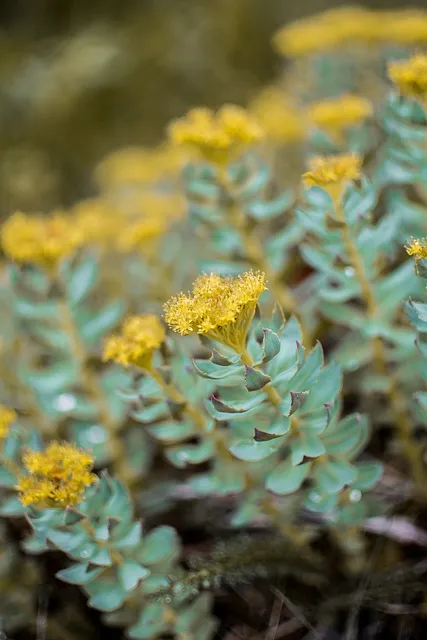
Rhodiola rosea is a perennial flowering plant native to the arctic regions of Europe, Asia, and North America. It grows at high altitudes in cold, harsh environments — precisely the conditions that, in traditional medicine systems across Siberia, Scandinavia, and the Himalayas, were believed to confer the plant’s stress-adaptive properties on those who consumed it.
In Russia and Scandinavia, rhodiola has a documented history of use going back centuries. Viking warriors reportedly used it to enhance physical endurance on expeditions. Siberian traditional healers prescribed it for fatigue, stress, and the harsh physiological demands of subarctic living. The Soviet military and Soviet Olympic sports programs conducted extensive research on rhodiola and related adaptogens from the 1940s through the 1980s — much of this research was classified at the time and only became accessible to Western researchers after the Cold War ended.
The plant belongs to the Crassulaceae family and is sometimes called Arctic root, golden root, or king’s crown. The root is the primary medicinal part, containing a complex mixture of bioactive compounds. Unlike many herbal supplements where the active constituents remain poorly characterized, rhodiola has been studied in enough detail to identify several key compounds likely responsible for its effects — a prerequisite for understanding what a standardized extract should actually contain.
Modern research interest in rhodiola accelerated in the 1990s and 2000s as Western researchers gained access to Soviet-era data and began conducting their own trials. The evidence base, while not as extensive as that for some pharmaceutical compounds, is among the more rigorous in the adaptogen category — a category that includes many poorly-studied herbs alongside genuinely interesting ones.
The Active Compounds: What Makes Rhodiola Work
Rhodiola rosea root contains dozens of bioactive compounds, but research has focused most heavily on two categories: rosavins and salidroside (also called tyrosol glucoside).
Rosavins are a family of phenylpropanoids unique to Rhodiola rosea — they’re not found in significant amounts in other Rhodiola species, which is why species identification in standardized extracts matters. The three main rosavins are rosavin, rosin, and rosarin. Their mechanisms of action are still being elucidated, but they appear to interact with serotonin and dopamine receptor systems and to modulate the stress hormone axis.
Salidroside is found in multiple Rhodiola species and is often considered the primary bioactive compound. It appears to reduce oxidative stress, protect neurons from stress-induced damage, and interact with the HPA axis (the hypothalamic-pituitary-adrenal axis that governs cortisol production in response to stress). Animal studies have shown salidroside’s ability to reduce stress-induced elevation of stress hormones and protect cellular energy production during stress.
Standardized rhodiola extracts are typically specified as containing 3% rosavins and 1% salidroside — a ratio that approximates the naturally occurring ratio in the root and is the formulation used in most clinical trials. This standardization is what separates quality rhodiola supplements from crude root powder: you need to know not just that you’re taking rhodiola, but that the rosavins and salidroside are present at meaningful concentrations.
The SHR-5 extract — developed by Swedish Herbal Institute — is the specific preparation used in several of the most rigorous clinical trials. It is standardized to 3% rosavins and 1% salidroside and is produced according to a documented manufacturing process that allows other manufacturers to produce equivalent preparations. When evaluating rhodiola supplements, “standardized to SHR-5 specifications” or “3% rosavins, 1% salidroside” is the quality signal to look for.
The Darbinyan 2000 Trial: Fatigue Under Conditions
The 2000 study by Darbinyan and colleagues, published in Phytomedicine, remains one of the most cited rhodiola trials and is worth examining in detail because of what it actually measured and who it measured it in.
The trial recruited 56 young physicians on night duty — a population experiencing genuine occupational stress and sleep deprivation, not participants sitting in comfortable laboratories performing artificial cognitive tests. Night duty physicians represent a model of real-world high-stress, high-stakes performance under fatigue — exactly the conditions where rhodiola’s claimed benefits are most relevant.
Participants were randomized to either SHR-5 (170mg daily, containing approximately 5mg rosavins and 1.7mg salidroside) or placebo for two weeks during a period of intensive night duty. The primary outcomes were three standardized tests of cognitive function: associative thinking, short-term memory, calculation, and audio-visual perception.
The results showed statistically significant improvement in all tested parameters in the rhodiola group compared to placebo. The effect was most pronounced on tests requiring sustained attention and calculation under fatigue conditions. There were no significant adverse effects reported.
What makes this trial particularly useful is the ecological validity: the participants were actually fatigued, actually stressed, and actually performing demanding cognitive work. The results aren’t telling you that rhodiola makes well-rested people do better on arbitrary tests. They’re telling you that rhodiola-supplemented night-shift doctors perform measurably better on cognitive tasks than unsupplemented night-shift doctors in the same conditions. That’s a finding with direct practical relevance.
The dose used in this trial — 170mg of SHR-5 — is lower than many supplements recommend. Later trials and dose-finding studies have used higher doses (up to 600mg) with generally comparable or improved efficacy. The current working understanding is that rhodiola’s effects are evident across a range from approximately 200-600mg standardized extract, with some evidence for an inverted U-shaped dose-response — very high doses may be less effective than moderate ones for certain outcomes.
The Olsson 2009 Trial: Chronic Stress Burnout
The 2009 Olsson study, published in Planta Medica, addressed a different but equally relevant question: does rhodiola help people who are experiencing chronic stress-related fatigue rather than acute situational fatigue?
The trial enrolled 60 participants who met criteria for “stress-related fatigue” — a condition characterized by persistent exhaustion, reduced cognitive function, and emotional exhaustion associated with chronic occupational stress. This population is clinically distinct from the situationally fatigued night-shift physicians in the Darbinyan trial: these were people experiencing what modern medicine recognizes as burnout, a longer-standing and more entrenched form of stress pathology.
Participants received either SHR-5 at 576mg daily or placebo for 28 days. The primary measures included the Pines Burnout Scale, cognitive tests, salivary cortisol (measuring the cortisol awakening response, a validated indicator of HPA axis function), and assessments of quality of life.
Results showed significant improvements in the Burnout Scale, fatigue, and quality of life measures in the rhodiola group. Most notably, the cortisol awakening response normalized in the rhodiola group — a finding suggesting that rhodiola was measurably affecting HPA axis function rather than simply producing a subjective sense of improvement. The cognitive test improvements were also significant.
The cortisol normalization finding is particularly interesting because it provides a plausible mechanistic link between rhodiola supplementation and the observed clinical improvements. Chronic stress dysregulates the HPA axis, leading to abnormal cortisol patterns that perpetuate fatigue, cognitive impairment, and immune dysfunction. An intervention that helps normalize HPA axis function may be addressing a root mechanism rather than just masking symptoms.
Rhodiola vs. Ashwagandha: Choosing the Right Adaptogen
Rhodiola and ashwagandha are both classified as adaptogens — substances that increase non-specific resistance to stress. Both have legitimate clinical evidence behind them. But they work differently, and they’re suited to different performance needs.
Ashwagandha (Withania somnifera) works primarily through modulation of the HPA axis over time, reducing baseline cortisol levels and improving resistance to chronic stress. Its effects are most pronounced after several weeks of consistent use, and it excels at reducing anxiety, improving sleep quality, and supporting recovery from chronic stress overload. It’s a chronic stress adaptogen — its benefits accumulate gradually and are most relevant for people under sustained psychological pressure.
Rhodiola’s profile is different. Its effects appear more rapidly — some trials show meaningful cognitive improvements within the first week of use — and it appears to be particularly effective for acute stress performance: the moment of the big presentation, the exam period, the product launch crunch. It seems to work more through direct neurotransmitter system modulation and stress-response modulation rather than the longer-term HPA axis recalibration that ashwagandha achieves.
The practical selection guide: if your primary problem is chronic anxiety, sleep disruption, and persistent low-grade exhaustion from long-term stress, ashwagandha is the better primary choice. If your primary problem is acute cognitive performance under stress — baseline life is fine but performance drops under acute pressure or when fatigued — rhodiola has more direct evidence for that specific situation.
The two can be combined. Several adaptogen formulations include both, and there’s no known interaction. But starting with one and assessing its effect before adding the other allows for understanding what each is contributing to performance and wellbeing, which is more informative than taking everything simultaneously and not knowing which compounds are doing the work.
Form, Timing, and Cycling
Every trial described above ran on standardized extract — 3% rosavins, 1% salidroside — which is the first thing to read off a label, since unstandardized root powder is effectively a different product. Most of those trials sit in the lower half of the range that has been studied at all, and the evidence at the top of it is limited — some practitioners suggest that exceeding 600mg daily may reduce efficacy, though this “inverted U” response has not been definitively established in controlled trials.
Rhodiola has mild stimulating properties, which makes morning or early afternoon timing preferable for most people. Taking it before bed or in the evening can interfere with sleep in sensitive individuals — less so than caffeine, but enough to be relevant. For people using it specifically for acute performance (the Darbinyan trial population), taking it 30-60 minutes before the demanding task or period makes theoretical sense, though the half-life is long enough that daily dosing provides more stable circulating levels than strategic one-off dosing.
Most practitioners recommend taking rhodiola on an empty stomach or with a light meal rather than a heavy, fat-rich meal. Unlike fat-soluble compounds, rhodiola’s primary bioactives are water-soluble and don’t require dietary fat for absorption. Some people experience mild nausea with rhodiola on an empty stomach — if this is you, a light snack is sufficient to eliminate the issue.
Cycling rhodiola is sometimes recommended — the typical suggestion is five or six days on, followed by one or two days off, or four weeks on followed by one to two weeks off. The rationale is preventing adaptation to the compound’s effects, similar to how stimulant tolerance develops with continuous use. The clinical evidence for this cycling benefit is not strong, but the practice is conservative and unlikely to be harmful. People who notice diminishing effects over time may benefit from cycling more than people who maintain consistent response to daily use.
The Adaptogen Selection Guide Framework
Bear with the detour for a second: the field of adaptogens is larger and less evidence-based than the rhodiola-ashwagandha pair would suggest. Beyond these two, claims outrun evidence substantially. The Adaptogen Selection Guide framework organizes the field by evidence quality and use case to prevent expensive experimentation with poorly-supported compounds.
Tier 1 (Strong clinical evidence, well-defined use cases): Rhodiola rosea and ashwagandha. Multiple randomized controlled trials in human populations, identified bioactive compounds, and specific clinical applications. These are the adaptogens worth actually spending money on.
Tier 2 (Promising but limited evidence): Eleuthero (Siberian ginseng), panax ginseng, and schisandra. Each has some clinical trial evidence but smaller, less rigorous, or less replicable studies than Tier 1 adaptogens. Panax ginseng has decent evidence for cognitive function and fatigue reduction; eleuthero has historical use and some trial evidence but fewer high-quality studies. These are reasonable experiments for people who have optimized Tier 1 and want to explore further.
Tier 3 (Traditional use, minimal clinical evidence): The majority of adaptogen supplements on the market — holy basil, maca, mucuna pruriens, cordyceps, lion’s mane (the latter two being medicinal fungi rather than herbs). Some of these may have real benefits; the evidence is insufficient to recommend them with confidence. Cordyceps and lion’s mane have growing research interest, and this tier may evolve as research matures.
Tier 4 (Insufficient evidence or concerning safety profiles): Supplements making vague adaptogen claims without identified bioactives, standardized extracts, or any clinical trial evidence. The supplement industry routinely labels any bitter herb or root an “adaptogen.” The label means nothing without data.
Apply this framework when evaluating any adaptogen product: what tier is the primary ingredient? Is the extract standardized to known bioactives? Is the dose in the clinically studied range? Three questions. They filter out most of what the adaptogen supplement market produces.
Side Effects, Safety, and Who Should Be Cautious
Rhodiola has a good safety profile in clinical trials at doses up to 600mg daily. The most commonly reported side effects are mild and include headache, dizziness, and dry mouth, typically at the beginning of supplementation. These tend to resolve within the first week for most people. A small number of people experience agitation or overstimulation, particularly at higher exposures — a group for whom the bottom of the studied range, or simply not rhodiola at all, tends to be the better fit, since some people are poor responders to its mild stimulating properties.
Rhodiola may have mild monoamine oxidase inhibitory activity at high doses, which creates a theoretical interaction with MAO inhibitor medications. People taking antidepressants, particularly MAOIs or drugs that affect serotonin levels, should consult their prescribing physician before adding rhodiola. The interaction risk is theoretical rather than clearly documented in clinical case reports, but the caution is warranted given the mechanism.
Pregnant and breastfeeding women are typically advised to avoid rhodiola due to insufficient safety data for these populations, not because of documented harm. This is the standard precautionary note for most herbal supplements lacking formal reproductive safety data.
People with bipolar disorder or a history of mania should use rhodiola cautiously. Its mildly stimulating properties could theoretically precipitate hypomanic or manic episodes in susceptible individuals, as has been reported with other stimulating compounds. This is not a categorical contraindication but is a reason for heightened monitoring and conservative dosing.
Rhodiola Rosea Siberian Q&A
- How quickly does rhodiola work? Most people notice effects within three to seven days of starting supplementation, which distinguishes rhodiola from ashwagandha’s more gradual timeline. The acute stress-performance effects (the Darbinyan night-duty physician type effects) may be apparent within the first few days. The broader benefits for chronic stress and burnout (the Olsson trial effects) are more likely to become clearly apparent after two to four weeks of consistent use. Don’t write it off after two days, but there’s no need to wait months to know whether it’s working.
- Can I take rhodiola every day? Yes, daily use is how most clinical trials have administered it. The cycling recommendations (weekends off, or periodic breaks) are based on theoretical concerns about adaptation rather than demonstrated efficacy reduction in continuous-use trials. If daily use is going well and continuing indefinitely is the plan, there’s no strong evidence-based reason to cycle unless diminishing effects show up over time.
- What’s the difference between rhodiola and caffeine for energy? Caffeine directly stimulates the central nervous system via adenosine receptor antagonism — it reduces the perception of fatigue by blocking fatigue signaling. Rhodiola appears to enhance stress resilience and reduce the physiological stress response rather than simply masking fatigue signals. The subjective experience can feel similar in some respects (improved alertness, reduced fatigue perception), but the mechanism is different and the risks diverge significantly — caffeine produces tolerance, dependency, and withdrawal; rhodiola does not demonstrate the same pattern. They can be combined, and some users report that rhodiola allows them to achieve performance goals with less caffeine.
- Is there a “best” rhodiola product? Products using or replicating the SHR-5 extract specifications (3% rosavins, 1% salidroside) from reputable manufacturers with third-party testing are the appropriate standard. Supplements that list only “Rhodiola rosea root” without specifying standardization are of unknown quality — the root powder could contain minimal rosavins and salidroside. Look for specific standardization numbers on the label.
- Does rhodiola affect testosterone? Some animal research suggests effects on reproductive hormones, and rhodiola has been studied in the context of exercise recovery — some evidence suggests it may reduce cortisol-to-testosterone ratio following intense training, which is relevant for athletic recovery. However, direct testosterone-raising effects in humans have not been convincingly demonstrated in clinical trials. The exercise recovery evidence is more credible: rhodiola may reduce exercise-induced oxidative stress and improve recovery quality, which has downstream benefits for hormonal balance in athletes who are chronically overtrained.
- Can women take rhodiola? Yes. Most clinical trials have enrolled mixed-sex or predominantly female populations. The Olsson burnout trial, for instance, enrolled more women than men. There are no sex-specific contraindications for rhodiola supplementation in non-pregnant, non-breastfeeding adults. The effects appear comparable between sexes, though individual variation in response exists regardless of sex.
- What happens if I stop taking rhodiola? Rhodiola does not appear to cause physical dependence or withdrawal. Stopping supplementation simply means the adaptogenic effects are no longer present — stress and fatigue responses return to baseline. There’s no documented rebound effect or withdrawal syndrome. This distinguishes it clearly from stimulants, benzodiazepines, and many pharmaceutical interventions for stress and anxiety.
- Should I take rhodiola before or after exercise? Some research on rhodiola for athletic performance has used pre-exercise timing, showing reductions in perceived exertion and exercise-induced muscle damage markers. For exercise recovery purposes, some practitioners recommend post-workout dosing to reduce oxidative stress during the recovery window. For general daily use where exercise is one component of overall stress load, consistent morning dosing regardless of exercise timing is a practical approach that maintains steady circulating levels.
Elena runs her company on a combination of fundamentals and targeted supplementation. She sleeps seven hours, exercises consistently, and uses rhodiola during the heavy execution periods — product launches, fundraising rounds, the crunch weeks that define startup survival. She doesn’t think of it as a crutch. She thinks of it the same way she thinks about wearing shoes when running: not a replacement for strong legs, but a tool that lets the legs already built perform better under conditions they’re designed for. The research says she’s not wrong. The Siberian herb that Soviet scientists studied in classified programs for decades turns out to be legitimate — not magic, but real.
Adaptogens as a category contain more marketing noise than actual medicine. But within that noisy category, rhodiola rosea stands out as one of a small number of compounds with genuine clinical trial evidence, identified bioactives, standardizable extracts, and specific, well-defined use cases.
The night-shift doctor who performs better on cognitive tests. The burned-out professional whose cortisol awakening response normalizes. The startup founder who handles crisis mode with slightly more cognitive reserve. These are the people the research actually describes.
Anyone who recognizes themselves in those descriptions has a reasonable case for evaluating standardized rhodiola rosea extract — morning rather than evening, given the mild stimulation — with the same empirical rigor brought to any other health decision. Try it for four weeks. Track stress response, cognitive performance under pressure, and fatigue levels. Let the data, not the marketing, decide whether it belongs in the protocol.
Athletic Performance: What the Research Shows
Beyond cognitive performance and stress resilience, a body of research has examined rhodiola’s effects on physical performance — endurance, strength, recovery, and exercise-induced fatigue. The evidence here is more mixed than the cognitive/stress research but contains several findings worth understanding.
A 2004 study by De Bock and colleagues found that acute rhodiola supplementation (200mg SHR-5 taken one hour before exercise) significantly improved endurance exercise performance compared to placebo in a sample of healthy, active men. Time to exhaustion on a cycling test increased by 24 seconds (3%) in the rhodiola group — a modest but statistically significant improvement that translates meaningfully in competitive athletic contexts.
More relevant for most people is rhodiola’s potential role in recovery. Oxidative stress and inflammation following intense exercise are normal physiological responses, but excessive or prolonged exercise-induced oxidative stress impairs recovery, blunts adaptation, and, in chronically overtrained athletes, elevates cortisol while suppressing testosterone. Several animal studies and some preliminary human research suggest rhodiola supplementation reduces exercise-induced oxidative stress markers and inflammatory cytokines, potentially accelerating recovery between sessions.
The practical significance depends on training volume and intensity. For recreational exercisers doing three to four moderate sessions per week, recovery demands aren’t typically acute enough for rhodiola to produce obvious benefits. For competitive athletes, serious amateur athletes training six or more sessions weekly, or anyone in a particularly intense training block, rhodiola’s potential recovery support is more relevant to the specific physiological demands they’re experiencing.
One finding that stands out in the athletic research: rhodiola appears to reduce perceived exertion during exercise without necessarily increasing objective performance markers in all studies. This is a double-edged finding — it may mean the herb helps you train harder (positive), or it may mean it masks effort signals in ways that could increase overtraining risk if other recovery indicators aren’t being monitored. Subjective exertion ratings are useful safety signals during high-intensity training; reducing their sensitivity requires compensating with other recovery monitoring.
Rhodiola and the Immune System

If rhodiola helps normalize HPA axis function under stress — as the cortisol awakening response findings in the Olsson trial suggest — there’s a plausible secondary benefit for immune function through the reduction of stress-induced immune suppression. The relationship is indirect: rhodiola doesn’t appear to be a direct immunostimulant, but by reducing the chronic cortisol burden that suppresses immunity, it may support immune resilience in stressed populations.
Several in vitro and animal studies have also shown direct immunomodulatory effects of rhodiola compounds — salidroside in particular has shown activity in modulating NK cell function and macrophage activity in laboratory settings. Whether these effects translate to clinically meaningful immune support in humans at supplemental doses remains to be established in clinical trials.
The practical takeaway is modest: don’t take rhodiola specifically for immune support when more direct interventions (adequate sleep, vitamin D, zinc, stress reduction) are available. But for anyone supplementing rhodiola primarily for cognitive performance and stress resilience who notices fewer colds and faster recovery from minor illnesses as a secondary benefit, the mechanism suggests this could be real rather than coincidental.
Buying Rhodiola: What to Look For and What to Avoid
Rhodiola supplement quality varies enormously, as with most herbal products. The key variables to assess before purchasing are standardization, species verification, and third-party testing.
Standardization is non-negotiable for a clinically relevant product. The label should specify “standardized to 3% rosavins and 1% salidroside” or equivalent language. Products listing only “Rhodiola rosea root powder” or “Rhodiola rosea extract” without specifying bioactive percentages may contain minimal active compounds. The standardization numbers are not marketing copy — they’re the quality specification that distinguishes a clinically active product from one that merely contains rhodiola plant material.
Species verification matters because “Rhodiola” on a label doesn’t guarantee Rhodiola rosea specifically. There are over 200 Rhodiola species, and rosavins — one of the key bioactives — are found in meaningful concentrations primarily in Rhodiola rosea. Some manufacturers substitute other Rhodiola species for cost reasons, producing products with lower rosavin content that haven’t been studied in clinical trials. Third-party testing using DNA authentication (now available from some labs) can verify species identity, and this is increasingly reflected in premium supplement products.
Third-party testing for identity, potency, and contaminants applies here as for all supplements. ConsumerLab has tested rhodiola products and found significant variability — some products meeting label claims, others substantially short. Given the wide quality variation, purchasing from manufacturers who can provide COAs showing rosavin and salidroside content for specific batches is the appropriate standard.
Price is a rough quality signal — genuine high-rosavin content from authenticated Rhodiola rosea has a minimum commodity cost. Products priced dramatically below market rates are likely using inferior extracts or mislabeled material. This doesn’t mean the most expensive product is the best — but the cheapest option in a category with significant quality variation is rarely the right choice when efficacy depends on bioactive content.
Rhodiola in Context: What It Can and Cannot Do
Framing expectations correctly is the most important service this guide can provide. Rhodiola will not fix a fundamentally broken lifestyle. It won’t compensate for chronic sleep deprivation for someone consistently sleeping five hours a night. It won’t restore HPA axis function for someone consuming 400mg of caffeine daily while eating a diet of processed food and never exercising. It won’t provide the cognitive benefits of eight hours of sleep, regular physical activity, and a mentally stimulating life with genuine recovery time.
What rhodiola does, at its best, is provide a meaningful edge in situations where the fundamentals are solid but acute stress and fatigue are creating a performance bottleneck that supplements can legitimately address. It’s a tool for the person who is already doing most things right but needs additional support during particularly demanding periods. Night-shift physicians who are otherwise healthy. Startup founders who are otherwise sleeping adequately and exercising regularly. Athletes in particularly intensive training blocks who have their nutrition and recovery dialed in.
This is the honest framing that most supplement marketing refuses to provide, because “works best when you don’t need it most” is not a compelling headline. But it’s the accurate description. The Darbinyan trial worked because the physicians were otherwise healthy people experiencing situational fatigue, not because rhodiola rescues the chronically dysfunctional. The Olsson burnout trial worked because the participants were experiencing occupational stress on top of an otherwise functional physiological system, not because rhodiola reverses the metabolic damage of years of poor health choices.
Use it as the research describes it. Expect what the research shows. And build the fundamentals — sleep, exercise, diet, stress management — that make any supplement worth taking in the first place. Without that foundation, rhodiola is just an expensive placebo for the very real problem of a body that has run out of reserves because it never got the chance to build any.
But for anyone who’s built that foundation and is still struggling with the stress and cognitive demands of a genuinely demanding life, this Siberian herb — studied in Soviet classified programs, validated in randomized controlled trials, used by physicians and athletes and executives across the world — may be the most honest and useful addition to the protocol considered in years. The evidence earned that respect. Trust it accordingly.
Rhodiola and Cognitive Longevity: The Emerging Evidence
Beyond acute performance and chronic stress adaptation, a small but growing body of research is examining whether rhodiola’s neuroprotective properties — demonstrated clearly in cellular and animal models — have implications for long-term cognitive health and resilience against age-related neurodegeneration.
Salidroside, one of rhodiola’s primary bioactives, has shown neuroprotective effects in multiple cell culture and animal studies. In models of oxidative stress-induced neuronal death, salidroside significantly reduced cell death and preserved mitochondrial function. In animal models of Alzheimer’s-like pathology, salidroside treatment reduced amyloid plaque accumulation and improved cognitive performance on memory tasks. These are preclinical findings — they tell us the mechanism exists and can work in controlled settings, not that supplementing rhodiola will prevent Alzheimer’s disease in humans.
The cautious interpretation is that rhodiola’s neuroprotective effects, operating through reduction of oxidative stress and support of mitochondrial function in neurons, are consistent with the broader principle that reducing chronic oxidative stress and chronic neuroinflammation supports long-term cognitive health. Whether this manifests as meaningful clinical protection against neurodegeneration requires long-term randomized trials that don’t yet exist for rhodiola specifically.
What does exist is a consistent finding across the clinical research: rhodiola users in stress and fatigue trials show improvements in cognitive biomarkers — reaction time, memory, calculation speed, attention — that suggest the herb supports neural efficiency under challenging conditions. Whether this translates to long-term cognitive preservation is unknowable from current data, but the directional signals are consistent enough to make rhodiola a reasonable inclusion in any cognitive longevity protocol aimed at reducing the oxidative and inflammatory burden on the aging brain.
The compound is safe. The neuroprotective mechanisms are established in model systems. The cognitive performance benefits in stressed humans are documented. For a compound being taken primarily for acute stress performance and fatigue, the potential secondary benefit of long-term neuroprotection is a genuine upside — not the primary reason to take it, but a meaningful addition to the risk-benefit calculation for anyone considering it as a long-term protocol element.
The Practical Framework: Applying Rhodiola Rosea Siberian Adaptogen In Real Life
References
Editorial StandardsCorrectionsMedical DisclaimerAbout Our ContentAffiliate DisclosureSite Map