
Priya had been grinding flaxseeds for three months. Every morning, the same ritual: two tablespoons in a small bowl, crushed with the back of a spoon, sprinkled into her smoothie alongside a handful of pumpkin seeds. Days one through fourteen of her cycle: flax and pumpkin. Days fifteen through twenty-eight: sesame and sunflower. The Instagram account where she’d found the protocol had 340,000 followers and referenced something called “estrogen metabolism” with the confidence of someone who had definitely not read a single clinical trial on the subject.
Priya hadn’t either, but she was desperate enough to try. The fatigue. The mood shifts before her period that felt disproportionate to whatever was actually happening in her life. The irregular cycles that her gynecologist had attributed to stress with a shrug that communicated, unmistakably, that she was not a medical priority. When a wellness influencer told her that rotating specific seeds could “support the natural rhythm of her hormones,” it sounded like someone was finally taking the issue seriously.
Three months of seed cycling later, Priya came to what she described as a “reckoning.” The cycles were no more regular. The mood shifts were no more predictable. The fatigue persisted. The seeds had done nothing she could measure — except cost her eight dollars a week and make her feel vaguely hopeful in a way that had delayed her from looking for interventions that might actually work.
What Is Seed Cycling, Actually?
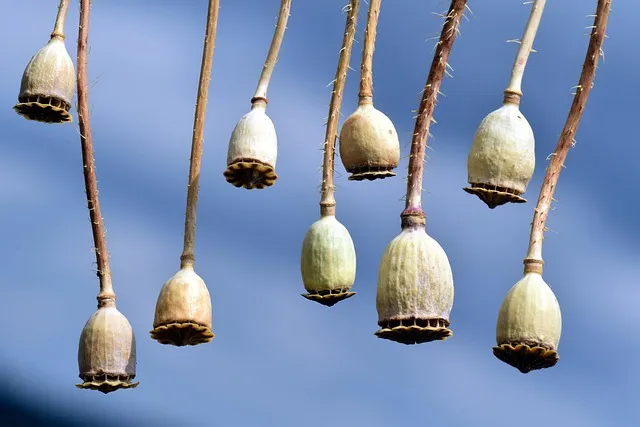
Seed cycling is the practice of eating specific seeds — flaxseed and pumpkin seeds during the first half of the menstrual cycle (follicular phase), sesame seeds and sunflower seeds during the second half (luteal phase) — with the theoretical goal of supporting hormonal balance through the cycle.
The proposed mechanism goes roughly like this: flaxseeds contain lignans (phytoestrogens) that can bind to estrogen receptors and, depending on the context, either mildly boost or mildly moderate estrogen activity. Pumpkin seeds contain zinc, which supposedly supports progesterone production. Sesame seeds contain different lignans, and sunflower seeds contain selenium and vitamin E, which are posited to support the luteal phase’s hormonal milieu. The timing aligns seed consumption with the natural hormonal shifts of the menstrual cycle.
It sounds coherent. The problem is that “sounds coherent” is the lowest possible bar for evidence. Lots of things sound coherent. The history of medicine is full of treatments that were internally logical and factually wrong.
The core question — does eating seeds in this pattern measurably improve hormonal markers, cycle regularity, or symptoms? — has not been answered by clinical research. As of the most recent comprehensive review of phytoestrogen research and menstrual cycle outcomes, there are zero published randomized controlled trials specifically on seed cycling as a protocol. Zero.
The Science That Seed Cycling Is Actually Based On (And Why It Doesn’t Say What Proponents Claim)
Seed cycling proponents aren’t entirely without evidence. They’re citing real research. The problem is that they’re extrapolating wildly from studies that don’t support the conclusions being drawn.
The flaxseed-estrogen research: Flaxseeds are among the richest dietary sources of phytoestrogens, specifically the class called lignans. Lignans are converted by gut bacteria into enterolactone and enterodiol, which have weak estrogen-like activity. There is legitimate research suggesting that flaxseed consumption can modestly influence estrogen metabolism, particularly in postmenopausal women. A study by Phipps et al. (1993) in the Journal of Clinical Endocrinology & Metabolism found that flaxseed supplementation did alter certain hormone metabolite ratios in premenopausal women over three menstrual cycles — this is real and often cited in seed cycling discussions.
What the research actually found: modest changes in hormone metabolite ratios. Not cycle normalization. Not symptom improvement. Metabolite ratio shifts that the researchers noted required further study to determine clinical significance. “Alters a laboratory measurement” is not the same as “improves hormonal health.”
The zinc-progesterone connection: Zinc does play a role in steroidogenesis — the biochemical pathway that produces progesterone among other hormones. Zinc deficiency has been associated with impaired progesterone production in some research. The leap from “zinc deficiency impairs progesterone” to “eating zinc-containing seeds during your luteal phase boosts progesterone” requires an assumption: that most women are zinc-deficient enough that food sources during the second half of the cycle would make a measurable difference. This assumption has not been tested in the context of seed cycling, and pumpkin seed zinc content is modest — a quarter-cup serving provides about 2.5 mg of zinc against a recommended daily intake of 8 mg for women.
The selenium and vitamin E research: Sunflower seeds do contain selenium and vitamin E. Both nutrients have roles in reproductive health. Selenium is a cofactor for thyroid hormone metabolism and has antioxidant roles. Vitamin E has anti-inflammatory properties. None of this is controversial. Also none of this is evidence that eating sunflower seeds during the luteal phase improves menstrual outcomes, because that specific question — in the form of a controlled trial — has not been studied.
“Seed cycling is built on a stack of legitimate biochemistry, plausible mechanisms, and zero clinical evidence. The legitimacy of the building materials doesn’t make the structure real.”
The Seed Cycling Reality Check: The Framework
The Seed Cycling Reality Check framework is a structured way of evaluating any nutritional intervention that sounds plausible but lacks clinical evidence. It asks four questions:
Question 1: Is the proposed mechanism biologically plausible? For seed cycling: partially yes. Phytoestrogens from flax lignans do interact with estrogen pathways. The mechanism isn’t invented. It’s just much weaker than claimed and not specifically studied in the protocol’s prescribed context.
Question 2: Has the intervention been tested in controlled trials? For seed cycling: no. There are no randomized controlled trials. There is one small pilot study from 1993 on flaxseed and hormone metabolites, and various studies on individual components of seeds (flaxseed lignans, zinc, selenium) in different populations and contexts. None of this constitutes evidence for the seed cycling protocol as practiced.
Question 3: Could the reported benefits be explained by factors other than the intervention? For seed cycling: strongly yes. The most commonly reported experience from seed cycling practitioners is that it “helped” their cycles or symptoms. This is meaningful self-report, but it’s confounded by at least three factors: the placebo effect (real and powerful for cyclical symptoms), the general improvement that often comes from paying closer attention to your body, and the fact that people who try seed cycling are often simultaneously making other lifestyle changes (diet, sleep, stress management) that could explain any improvements observed.
Question 4: Is there any harm in trying it? For seed cycling: mostly no, with caveats. Flaxseeds, sesame seeds, pumpkin seeds, and sunflower seeds are all whole foods with genuine nutritional value. Eating them in reasonable quantities (2 tablespoons per seed variety per day, the standard seed cycling dose) is harmless for most people. The caveats: flaxseed consumption can interact with certain medications and has mild laxative effects at higher doses; people with thyroid conditions should be aware that raw flaxseeds contain goitrogenic compounds (though cooking largely neutralizes these); and seeds are calorie-dense, so unintentional caloric surpluses are possible.
What Hormonal Symptoms Actually Indicate and Why Seed Cycling Is Usually the Wrong First Response
- Relative energy deficiency (RED-S): Chronically undereating — even if not intentionally restrictive — suppresses the hypothalamic-pituitary-ovarian axis and disrupts the hormonal signals that govern the menstrual cycle. This is one of the most common drivers of irregular cycles in active women and women under chronic stress, and it has nothing to do with seed consumption and everything to do with caloric intake and overall nutritional adequacy. Research by Loucks et al. (2003) in the European Journal of Clinical Nutrition demonstrated that energy availability below 30 kcal/kg of fat-free mass significantly suppresses LH pulsatility, which directly affects ovulation and cycle regularity.
- Thyroid dysfunction: Subclinical hypothyroidism is prevalent and underdiagnosed, particularly in women, and it disrupts virtually every aspect of hormonal regulation. If your cycles are irregular and you’re experiencing fatigue, cold sensitivity, and weight changes, thyroid panels (TSH, free T3, free T4) are a much more productive first step than a seed rotation protocol.
- PCOS (Polycystic Ovary Syndrome): PCOS affects an estimated 6–12% of women of reproductive age (CDC estimate) and is the most common cause of irregular cycles. It’s characterized by androgen excess, insulin resistance, and disrupted ovulation — none of which are meaningfully addressed by seed cycling. PCOS has evidence-based interventions: insulin sensitizers, dietary patterns that moderate glycemic load, exercise, and in some cases pharmacological management.
- High cortisol and HPA axis dysregulation: Chronic psychological and physiological stress suppresses reproductive hormone function through the hypothalamic-pituitary-adrenal axis. This is a real mechanism with real consequences for cycle regularity and symptoms. The intervention is stress reduction and sleep normalization — not seeds.
The women who are drawn to seed cycling are, in many cases, experiencing real hormonal dysregulation. Irregular cycles, premenstrual dysphoric disorder, severe PMS, fatigue that correlates with cycle phase, estrogen dominance symptoms — these are legitimate medical concerns that deserve legitimate evaluation.
The problem with seed cycling as a first-line response is that it can delay more productive investigation. Hormonal dysregulation has multiple potential causes with different evidence-based interventions:
None of this means that seeds are harmful or useless as part of an overall nutritional strategy. It means that if you have genuine hormonal symptoms, those symptoms deserve systematic investigation, not a superfood protocol that substitutes the feeling of doing something for the substance of doing something effective.
The Nutritional Value of Seeds: Separated from the Mythology
Here’s what’s worth salvaging from the seed cycling discussion: the seeds themselves have real nutritional value, entirely separate from any hormonal cycling protocol.
- Flaxseeds: Rich in alpha-linolenic acid (ALA, an omega-3 fatty acid), lignans, and soluble fiber. ALA has cardiovascular benefits — a meta-analysis in Atherosclerosis (Pan et al., 2012) found that ALA intake was associated with reduced cardiovascular disease risk. Lignans have antioxidant activity and may have modest anti-inflammatory effects. One to two tablespoons of ground flaxseed daily is a reasonable addition to any diet. Ground form is necessary — whole flaxseeds pass through the digestive tract largely unabsorbed.
- Pumpkin seeds: Excellent source of magnesium (one ounce provides about 37% of the daily value), zinc, iron, and plant-based protein. Magnesium deficiency is common — Rosanoff et al. (2012) estimated that over 45% of Americans consume less than the estimated average requirement — and pumpkin seeds are a genuinely useful dietary source. This benefit exists entirely independent of any seed cycling framework.
- Sesame seeds: High in calcium, copper, and lignans distinct from flax lignans. Sesame oil (and tahini made from sesame seeds) has anti-inflammatory properties in animal models, though human clinical evidence remains limited. Their culinary value is high and their nutritional density is real.
- Sunflower seeds: Excellent source of vitamin E, selenium, B vitamins, and linoleic acid. Vitamin E is a significant antioxidant; selenium supports thyroid function and immune response. Again — legitimate nutrition in a whole-food format.
The honest version of seed cycling advice is: eat these seeds regularly, in reasonable amounts, as part of a varied diet. They’re nutritionally dense. You will benefit from the nutrients they contain. You will not benefit from a phase-timed protocol built on clinical evidence that doesn’t exist.
Why Wellness Culture Sells Seed Cycling (And Why We Keep Buying It)

The appeal is partially epistemological. People who’ve been dismissed by conventional medicine — told their symptoms are “just stress” or “normal for your age” with no further investigation — are reasonably frustrated with a system that treats their concerns as hypochondria. When something claims to take their hormonal experience seriously and offers a specific protocol, it fills a void that medicine has left open.
But filling a void and filling it with something useful are different things. The fact that conventional medicine has done an inadequate job with women’s hormonal health (it genuinely has, by measurable metrics of time-to-diagnosis for conditions like PCOS and endometriosis) doesn’t make seed cycling valid. It makes seed cycling understandable as a response — and still invalid as a treatment.
Morgan Housel writes about how we’re drawn to simple explanations with clear mechanisms, and how this bias leads us to overfitting — seeing patterns and causation where they don’t exist (Housel, The Psychology of Money, 2020). Seed cycling fits this pattern perfectly: a clear mechanism (phase-appropriate seeds influence phase-appropriate hormones), a clear protocol (2 tablespoons, twice daily, on schedule), and zero causal evidence. The simplicity is the product.
Actual Evidence-Based Approaches to Hormonal Health
Since this article is effectively arguing that seed cycling doesn’t work as advertised, it’s only fair to offer what does have evidence. Not exhaustively, but enough to redirect productive attention.
- Dietary pattern, not individual foods: Research on diet and hormonal health consistently shows that dietary pattern matters more than individual components. A Mediterranean-style dietary pattern — high in vegetables, fruits, whole grains, legumes, olive oil, and fish — is associated with improved hormonal markers and reduced PMS severity in multiple studies (Nagata et al., 2005, American Journal of Clinical Nutrition). This is a whole-diet effect, not a specific-food effect.
- Omega-3 supplementation: Fish oil supplementation has been studied in several small trials for PMS and dysmenorrhea. A randomized trial by Harel et al. (1996) in the American Journal of Obstetrics and Gynecology found that fish oil supplementation significantly reduced dysmenorrhea severity compared to placebo. Effect sizes were modest but real and replicated in subsequent work.
- Vitamin D adequacy: Vitamin D deficiency is associated with a range of menstrual irregularities and has been studied in the context of PCOS management. Ensuring adequate vitamin D status (via testing and supplementation if deficient) has more clinical support than seed cycling for any hormonal indication.
- Magnesium: Several randomized trials have examined magnesium supplementation for PMS symptoms, particularly mood-related symptoms and dysmenorrhea. A Cochrane-adjacent review of the literature found consistent evidence of modest benefit. This is evidence for a specific supplement at studied doses — not evidence derived from seed cycling, though the magnesium content of pumpkin seeds is part of why pumpkin seeds are included in the seed cycling protocol.
- Exercise: Regular aerobic exercise at moderate intensity is associated with reduced PMS severity, improved cycle regularity, and better overall hormonal profiles. This has level-1 evidence in the form of multiple randomized controlled trials. It’s also free, produces benefits that extend far beyond hormonal health, and has zero influencers trying to sell it to you with a 340,000-follower platform.
Evaluating Hormonal Wellness Protocols: A Practical Framework
Seed cycling won’t be the last protocol you encounter in the hormonal wellness space. The Seed Cycling Reality Check framework introduced earlier offers a way to evaluate any new claim. But there’s a broader heuristic worth internalizing:
The Mechanism-Evidence Gap. In biology, especially endocrinology, the gap between a plausible mechanism and a demonstrated clinical effect is enormous. Almost everything in the body can be influenced by almost anything at high enough doses or under the right conditions in vitro. This does not mean that a food, supplement, or protocol produces a meaningful clinical effect in real humans under normal conditions. The mechanism is the hypothesis. The controlled trial is the test. You need both.
When evaluating any hormonal wellness claim, ask: has this been tested in randomized controlled trials with measurable outcomes (not just “I felt better”)? If yes, what were the effect sizes — meaningful or marginal? If no, what’s the quality of the mechanistic evidence, and how confident should you be that the mechanism translates to practice?
For seed cycling: plausible mechanism, no controlled trials, cannot be confident the mechanism translates to clinical benefit.
For fish oil and dysmenorrhea: plausible mechanism, multiple controlled trials with consistent findings, modest but real effect sizes, reasonable confidence.
This is how you navigate a wellness industry that sells mechanisms as if they were evidence.
Bottom Line: Harmless, Unproven, Probably Not Your Best Use of Time
Here’s where we land after looking at the evidence honestly: seed cycling is harmless for most people. The seeds have genuine nutritional value. Eating them in the quantities prescribed isn’t going to hurt you, and if the ritual of it helps you pay attention to your cycle and body, that attentiveness has value even if the specific protocol doesn’t.
But “harmless” and “useful” are different. And “probably won’t hurt you” is not an endorsement. The time, money, and mental energy spent on seed cycling could be redirected toward things with actual evidence: getting bloodwork to assess vitamin D, thyroid function, and nutritional status; addressing sleep adequacy, which has documented effects on HPA axis function and hormonal regulation; following up with a gynecologist who will actually investigate your symptoms rather than shrugging at them; improving your overall dietary pattern toward more whole foods and less processed food.
Priya, from the beginning of this article, eventually went to an endocrinologist who ran a full panel including thyroid, insulin resistance markers, and vitamin D. She had subclinical hypothyroidism that had been present for two years. She started thyroid medication. Her cycles normalized within four months. Three months of seed cycling had done nothing. A blood test took twenty minutes and identified an actual problem with an actual solution.
The most expensive thing seed cycling cost Priya wasn’t the seeds. It was three months of not looking in the right place.
Reader Questions About Seed Cycling Hormones
Q: So are you saying seed cycling is completely useless?
Functionally, yes, as a hormonal intervention protocol. The seeds themselves are nutritionally valuable whole foods, and eating them is fine. The specific protocol — phase-timed seed rotation for hormonal balance — has no clinical evidence supporting it. You’re getting the nutritional benefits of seeds regardless of whether you time them to your cycle. The cycling part adds nothing measurable.
Q: What about all the women who report that it helped them?
Self-report without controls is unreliable for exactly the reasons that make randomized controlled trials necessary. The women who try seed cycling and report improvement are likely experiencing some combination of: placebo effect (real and powerful for cyclical symptoms), natural cycle variability, the benefit of paying close attention to their bodies for the first time, and concurrent lifestyle changes. Without a control group that did everything except the seed cycling, you cannot attribute the improvement to the seeds. This is not dismissing women’s experiences — it’s taking the question of what actually helped them seriously.
Q: Are lignans actually dangerous for women with hormone-sensitive conditions?
The research on lignans and hormone-sensitive cancers is reassuringly detailed. Unlike synthetic estrogens, phytoestrogens like flax lignans appear to have selective estrogen receptor modulating effects — they can act as weak estrogen agonists in some tissues and antagonists in others. Several studies have found that flaxseed consumption is not associated with increased breast cancer risk and may have protective effects in some contexts (Velentzis et al., 2009, Breast Cancer Research and Treatment). Women with estrogen-receptor-positive cancers should discuss this with their oncologists, but for healthy women, reasonable flaxseed consumption is not a concern.
Q: Could seed cycling work but just not have been studied yet?
Yes. Absence of evidence is not evidence of absence. It’s entirely possible that a well-designed trial of seed cycling would find a meaningful effect. This possibility should make us hold the door open, not walk through it. The appropriate response to “this hasn’t been studied” is “we should study it,” not “let’s assume it works.” We invest limited time and money in health interventions based on their prior probability of working given available evidence. Seed cycling’s prior is not strong.
Q: What should I do instead if I have hormonal symptoms?
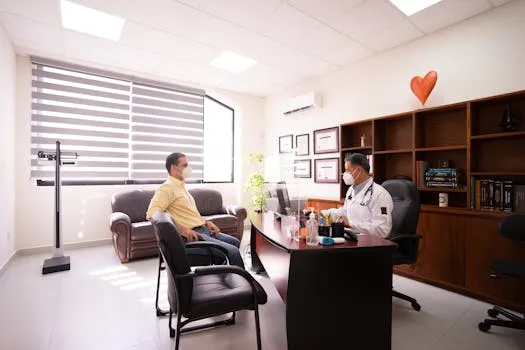
Get comprehensive bloodwork: TSH, free T3, free T4 (thyroid), sex hormone panel (estrogen, progesterone, LH, FSH) timed appropriately to your cycle, fasting insulin and glucose (insulin resistance), vitamin D, and a complete metabolic panel. Bring specific symptom data — cycle length variability, symptom timing and severity — to your appointment. If your provider shrugs these off without investigation, find a different provider. A gynecologist specializing in hormonal health, or a reproductive endocrinologist, is more likely to investigate systematically than a general practitioner for whom these concerns are not a specialty.
Q: If I want to eat seeds regularly for their nutritional benefits, what’s the best approach?
Eat them consistently, regardless of cycle phase. A tablespoon of ground flaxseed daily in a smoothie or on yogurt provides consistent lignan and ALA intake. A small handful of pumpkin seeds provides magnesium, zinc, and plant protein. Sesame seeds (as tahini) pair well with almost everything. Sunflower seeds are excellent as a snack or salad addition. All of this is better than cycling them, because the nutritional benefits of consistent intake exceed the hypothetical hormonal benefits of phase-timed intake — and consistent intake doesn’t require you to track where you are in your cycle before deciding what to grind.
Q: Is there any supplement specifically for hormonal balance that has good evidence?
A few. Chasteberry (Vitex agnus-castus) has the best evidence for PMS symptoms — a Cochrane review found it more effective than placebo for cyclical mastalgia and PMS, though effect sizes were modest. Magnesium, as noted, has multiple randomized trials supporting benefit for PMS mood symptoms. Vitamin B6 has older but consistent evidence for PMS. Fish oil has evidence for dysmenorrhea. None of these are magic bullets, but they have clinical trials behind them. That’s the relevant distinction: not whether they’re “natural” or “evidence-based,” but whether the evidence for the specific indication actually exists.
The Bigger Picture: Navigating Hormonal Wellness Claims
None of this means the concerns driving women toward these products are invalid. Hormonal health genuinely affects quality of life in substantial ways. The medical system has historically underinvested in women’s reproductive health research — the gender gap in clinical trial participation has been well-documented (Institute of Medicine, 2001), and conditions that primarily affect women remain less studied than conditions with equivalent prevalence in men. The frustration is justified.
But justified frustration doesn’t require credulity as its answer. The productive response to a medical system that hasn’t served you well is to demand better care and better research — not to accept wellness-industry alternatives that replicate the same epistemological failure (claim without evidence) while adding a price tag and a follower count.
The Seed Cycling Reality Check isn’t just about seeds. It’s about developing the habit of asking: “What does this actually claim to do? What evidence supports that specific claim? Who is making money from my belief in this? And what am I not doing because I’m doing this instead?”
Those four questions, applied consistently, will serve you better than any seed rotation protocol.
Eat the seeds. They’re good food. Just don’t expect them to balance your hormones. That’s a different conversation, with a different specialist, and a blood panel that will tell you more in one afternoon than three months of seed cycling ever could.
The Hormonal Health Testing Primer: What to Actually Ask For
Because seed cycling articles rarely include this, and because the people drawn to seed cycling are often the same people who have been underserved by routine medical appointments, here is a practical guide to what testing is worth pursuing if you have hormonal symptoms.
The challenge with hormonal testing is that most of the relevant hormones are highly variable across the menstrual cycle, meaning the timing of testing matters enormously. A progesterone test drawn on day 7 of the cycle tells you almost nothing. The same test drawn on day 21 (the luteal phase peak) is diagnostically meaningful.
Day 2-5 testing (early follicular phase): FSH (follicle-stimulating hormone), LH (luteinizing hormone), estradiol. These establish your baseline reproductive hormone levels at the phase when they should be lowest. Elevated FSH at this phase suggests diminished ovarian reserve. LH:FSH ratio above 2:1 raises suspicion for PCOS. Estradiol should be low.
Day 21 testing (mid-luteal phase): Progesterone. A level above 10 ng/mL suggests ovulation occurred. Below 10 suggests anovulatory cycle or luteal phase deficiency — either of which has more actionable clinical implications than seed cycling.
Any day: TSH, free T4, free T3 (thyroid); DHEA-S and free testosterone (if androgenic symptoms are present); fasting insulin and glucose or a HOMA-IR calculation (insulin resistance); vitamin D (25-OH); and complete blood count (anemia can masquerade as hormonal fatigue).
The cost of this full panel at a direct-to-consumer lab service is typically under $150. Some can be done without a physician’s order in most US states. The information content is orders of magnitude higher than anything seed cycling provides, and it directs you toward interventions that actually match whatever is actually happening in your body.
This is where the time spent reading about seed cycling is better spent: not on any specific alternative protocol, but on understanding what information you need and how to get it. The problem with Priya’s three months wasn’t that she was trying something. It was that she was trying something in place of knowing what was actually wrong.
Knowing what’s wrong is the intervention. Everything else is downstream of that.
Eating seeds is fine. Believing seeds will fix what bloodwork is for — that’s the expensive mistake. And the wellness industry, with its 340,000 followers and its careful citation of mechanisms without outcomes, is counting on you not knowing the difference.
Now you do.
The Placebo Effect Is Real — Here’s Why That Still Matters
Before we close, it’s worth addressing the placebo argument head-on, because the reflexive response to “seed cycling has no evidence” is sometimes: “But if it helps people, what’s the harm?”
The placebo effect is real. It’s not imaginary. It’s a measurable physiological phenomenon — expectation and belief produce measurable changes in neurochemistry, immune function, and symptom perception. Research on placebo for conditions involving cyclical pain (dysmenorrhea, migraine) consistently shows placebo response rates of 30–50%. If someone tries seed cycling, believes it will help, and their PMS severity decreases, some portion of that improvement is genuinely real, even if it was produced by belief rather than seeds.
So why does this matter if people feel better? Three reasons:
First, placebo effects are typically temporary and erode as novelty fades. The initial improvement from seed cycling, if placebo-mediated, often doesn’t persist beyond the first few months — exactly the timeline Priya experienced. When it fades, people try the next protocol, and the next, cycling through interventions that produce brief improvements that don’t last. This is financially and psychologically costly.
Second, placebo can mask underlying conditions that need treatment. If seed cycling produces enough symptomatic relief that someone stops pursuing a diagnosis, and the underlying condition is hypothyroidism, PCOS, or endometriosis — all of which worsen without appropriate management — the placebo benefit comes at the cost of progressive disease. This is not a theoretical concern. It’s what happened to Priya, and it happens to other people.
Third, the wellness industry’s use of placebo is extractive rather than therapeutic. A clinician using placebo in ethical informed consent contexts is doing something categorically different from an influencer selling a seed cycling protocol with false mechanistic claims. The difference is honesty and the direction of financial benefit. “Try this, it might help through mechanisms we don’t fully understand” is ethically defensible. “Try this because it supports estrogen metabolism during your follicular phase” — stated without evidence — is not.
Seed cycling is harmless as food. As medicine, it’s a story you’re paying to tell yourself. Some stories are worth telling. This one isn’t — not when better stories, grounded in actual evidence, are available to you at the cost of a blood panel and a more demanding conversation with your healthcare provider.
The path forward is simpler and more demanding than seed cycling: know your numbers, address what’s actually wrong, eat whole foods (including seeds, without the protocol), move consistently, sleep aggressively. The seeds can stay. The protocol can go.
One final thought on the self-experimentation instinct that seed cycling appeals to: the impulse to experiment with your own body is genuinely valuable. The people drawn to seed cycling are often the same people who track their cycles, pay attention to symptoms, notice correlations between diet and how they feel, and generally take an active role in their health. That instinct is correct.
The scientific rigor applied to the experiments is what needs upgrading.
The best self-experiment isn’t “try seed cycling and see if I feel better.” It’s “get baseline bloodwork, identify what’s actually off, try an evidence-informed intervention, retest in three months, and compare.” That’s a real experiment. It produces real information. It either confirms that the intervention worked or tells you to try something else — and crucially, it tells you which. “I felt better” is not a data point you can act on. “My progesterone at day 21 went from 7 ng/mL to 14 ng/mL after three months of targeted intervention” is. One of these helps you. The other sells Instagram accounts.
You deserve the version that helps you.
Seed Cycling Hormones: What The Evidence Reveals
Since the seed cycling protocol itself has no direct clinical trials, the best evidence available comes from studies on each seed component in isolation. Understanding the actual research strength for each seed clarifies where the protocol’s value lies and where it doesn’t.
Flaxseed (ground, daily consumption). This is the best-studied component in the context of hormonal health. A landmark 2000 study by Phipps et al. in the Journal of Clinical Endocrinology and Metabolism found that 10g of ground flaxseed daily over three menstrual cycles significantly increased the proportion of ovulatory cycles (from 60% to 100% in the study group) compared to a wheat bran control. Luteal phase length also increased. This is the closest thing to direct evidence for seed cycling’s core premise, and it uses a component that’s central to the follicular-phase seed cycling prescription. The limitation: small sample (n=18), single study, not replicated at scale.
A 2007 pilot study in the European Journal of Clinical Nutrition (Nowak et al.) found that 30g of ground flaxseed daily reduced androgen levels in women with PCOS — free testosterone and free androgen index both decreased versus control. The mechanism proposed was lignan-mediated inhibition of 5-alpha reductase, the enzyme that converts testosterone to dihydrotestosterone (DHT). Again, the dose used (30g) is approximately 10x the seed cycling prescription (3g), complicating direct extrapolation.
Pumpkin seeds and zinc. No clinical trials have specifically tested pumpkin seed supplementation for hormonal outcomes. The zinc connection is solid nutritionally — zinc deficiency impairs the LH surge, reduces progesterone production by the corpus luteum, and disrupts aromatase activity. A 2015 review in Nutrients confirmed these pathways. One tablespoon of pumpkin seeds provides approximately 1.3mg of zinc, while the Recommended Dietary Allowance for women is 8mg/day. Three months of tablespoon-dose pumpkin seeds won’t correct zinc deficiency if it exists, but it contributes to a diet that meets zinc needs.
Sesame seeds. Sesame lignans (sesamin and sesamolin) have documented antioxidant and anti-inflammatory properties in vitro and in animal studies. Human trials on sesame and female hormonal function are essentially absent. A 2006 study in the European Journal of Clinical Nutrition found that 50g of sesame powder daily (far exceeding seed cycling doses) affected estrogen metabolite ratios in postmenopausal women — a relevant population finding that still doesn’t map directly to the premenopausal seed cycling claims.
Sunflower seeds and selenium. Sunflower seeds are one of the best food sources of selenium (approximately 9-10 mcg per tablespoon, with the RDA being 55 mcg). Selenium is essential for thyroid hormone synthesis and activation. A 2003 review in Thyroid documented the consequences of selenium deficiency on thyroid function — reduced conversion of T4 to active T3, increased thyroid inflammation, and impaired immune function in the thyroid. For women in regions with selenium-depleted soil (parts of Europe, the Pacific Northwest), sunflower seeds provide a meaningful dietary selenium contribution.
The overall picture: individual seeds have genuine nutritional value and some specific research support for various mechanisms. The seed cycling protocol — specific seeds timed to cycle phases at tablespoon doses — remains untested as a complete intervention. The reasonable interpretation is “beneficial foods to incorporate” rather than “therapeutic protocol to follow.”
The Gut Microbiome Connection: An Underappreciated Angle
One mechanism for dietary effects on hormones that gets insufficient attention in the seed cycling conversation is the gut microbiome’s role in estrogen metabolism.
A subset of gut bacteria collectively called the “estrobolome” produces an enzyme called beta-glucuronidase that deconjugates estrogen metabolites in the intestine, making them available for reabsorption into circulation. When the estrobolome is dysbiotic — either overactive or underactive — it can alter circulating estrogen levels in clinically meaningful ways, affecting conditions from PMS to endometriosis to hormone-sensitive cancers.
This is where seed cycling might have an indirect effect that its proponents haven’t articulated clearly: the seeds themselves are fiber-rich foods that serve as prebiotics for gut bacteria. Flaxseed in particular, with its mucilaginous soluble fiber, supports beneficial Bifidobacteria and Lactobacillus populations. A healthier estrobolome produces more appropriate estrogen metabolism and reabsorption dynamics.
A 2019 review in Science of the Total Environment mapped the estrobolome’s influence on conditions including breast cancer, endometriosis, and PCOS. The review noted that dietary fiber is among the most important modulators of estrobolome composition. This is a genuinely interesting mechanistic pathway that connects seed consumption (as fiber sources) to hormonal outcomes through gut microbiome mediation rather than direct phytoestrogen effects.
The practical implication: if seed cycling has real hormonal effects for some women, the mechanism may be partly mediated through gut microbiome changes rather than — or in addition to — direct phytoestrogen activity. This also suggests that the broader fiber diversity of your diet matters more than any specific seed timing. Thirty different plant foods per week, including various seeds, would have more strong estrobolome effects than four seeds consumed in a cycling pattern.
FAQ: Seed Cycling Questions Answered
Can seed cycling regulate an irregular period? There’s no clinical evidence that the seed cycling protocol specifically regularizes menstrual cycles. Ground flaxseed supplementation has shown some modest effects on cycle regularity in small studies, but the specific four-seed cycling approach hasn’t been tested. Irregular cycles have many causes — thyroid dysfunction, PCOS, hypothalamic amenorrhea from undereating or overexercising, hyperprolactinemia — that require specific interventions. Start with bloodwork to identify the cause before assuming a dietary practice will resolve it.
Do seeds need to be raw and ground? For flaxseeds specifically, grinding is important — whole flaxseeds have a hard outer shell that largely passes undigested, so the beneficial compounds (lignans, omega-3s) are largely inaccessible without grinding. Grind fresh in a coffee grinder or buy pre-ground and store in the refrigerator to prevent rancidity. For pumpkin, sesame, and sunflower seeds, roasting alters some compounds but doesn’t negate nutritional value significantly. Raw is a reasonable preference, not a strict requirement.
What if I have an irregular cycle — what phase am I in? This is a genuine practical problem for the seed cycling protocol. The common approach: use day 1 of your period as the hard start of follicular phase regardless of cycle length, or use basal body temperature tracking to identify ovulation and switch protocols at that point. For women with very irregular cycles (cycles over 35 days, absent periods), the protocol doesn’t map cleanly to biology — which is also an argument for medical evaluation of what’s causing the irregularity.
Is seed cycling safe during pregnancy? The ground flaxseed question in pregnancy is detailed. Flaxseeds contain phytoestrogens and have been theorized to have uterotonic properties at high doses. Most practitioners suggest caution with large daily quantities during pregnancy. Standard dietary amounts (occasional use) are generally considered safe, but daily supplementation at seed cycling doses should be discussed with your OB or midwife before continuing.
How long should I try seed cycling before evaluating whether it’s working? Advocates typically recommend three full cycles before evaluating. This is reasonable — one cycle isn’t enough to distinguish from normal variation, and three cycles gives potential nutrient accumulation effects time to manifest. If you’re three cycles in and seeing no measurable change in your tracked symptoms, continue the seeds as nutritional additions but abandon the specific timing protocol and seek medical evaluation of your symptoms rather than continuing to hope the practice will eventually take effect.
Does seed cycling work for PCOS specifically? The flaxseed component has the best evidence for PCOS of any seed cycling component — primarily through androgen-lowering effects from lignans and potential insulin sensitization through fiber. The evidence is preliminary, involves higher doses than seed cycling typically uses, and PCOS requires comprehensive management. Seed cycling should not be the primary intervention for PCOS; it may be a reasonable dietary adjunct within a comprehensive approach that includes addressing insulin resistance and monitoring by an endocrinologist or gynecologist.
Should men avoid flaxseed because of phytoestrogens? The concern that dietary lignan intake from food suppresses testosterone in men is not well-supported by evidence. Several studies have found no significant effect of flaxseed consumption on testosterone levels in men. Therapeutic-dose flaxseed supplementation used in prostate cancer research — far exceeding dietary amounts — showed modest androgen changes in that specific context. For men eating tablespoon quantities as part of a varied diet, the evidence does not support avoiding flaxseed out of testosterone concerns.
References
Editorial StandardsCorrectionsMedical DisclaimerAbout Our ContentAffiliate DisclosureSite Map