
The Afternoon That Never Needed a Granola Bar
Lauren Hawkins kept a drawer full of “healthy” snacks at her office desk. Three different protein bars. Almonds in a zip-lock bag. A box of rice crackers. Two kinds of trail mix. She opened that drawer about five times a day — not because she was meaningfully hungry, but because it was 3 PM, the drawer was there, and 3 PM was drawer time. That’s it. That was the whole logic.
She’d absorbed the message that six small meals a day was optimal. That her metabolism needed constant fueling. That snacking was healthy and fasting was some kind of hazard. These beliefs came from fitness culture and wellness marketing so thoroughly and so early that she’d never once stopped to question them.
Then she traveled to a country where mid-afternoon snacking wasn’t culturally normal. Lunch was a substantial meal there, dinner was hours away, and nobody was pulling protein bars out of desk drawers at 3 PM. She noticed something: she wasn’t hungry. She survived the afternoon just fine without the drawer. The hunger she felt every single day at home, it turned out, wasn’t hunger. It was habit.
The Metabolic Case Against Constant Snacking
The physiological argument against frequent snacking centers on insulin. Every time food is eaten — particularly anything with carbohydrates, but also protein to a lesser degree — the pancreas secretes insulin. Insulin’s job is to shuttle glucose into cells and to signal fat storage. When insulin is elevated, fat burning is suppressed. Simple as that.
Someone eating every 2-3 hours — three meals plus two or three snacks — keeps insulin chronically elevated through the entire waking day. The body never enters the post-absorptive state where insulin drops low enough for meaningful fat mobilization. The fat-burning window that technically exists every day — the gap between meals when insulin falls and fatty acids start moving — gets erased by constant eating.
And this matters beyond weight. Chronically elevated insulin drives insulin resistance — cells needing progressively more insulin to respond to the same glucose load. Insulin resistance is the metabolic precursor to type 2 diabetes, the driver of visceral fat accumulation, and a contributor to cardiovascular disease, polycystic ovary syndrome, and certain hormonal cancers. Which means the six-small-meals approach, championed by the fitness industry for decades, may actively promote the very insulin resistance it claimed to prevent.
A 2014 study in Diabetologia by Kahleova et al. compared two groups of type 2 diabetics eating identical calories: one group ate two large meals (breakfast and lunch), the other ate six smaller meals spread through the day. Same calories. Different outcomes. The two-meal group had significantly greater reductions in body weight, liver fat, fasting glucose, C-peptide (a marker of insulin secretion), and plasma glucagon than the six-meal group. Timing and frequency, independent of total calories, produced meaningfully different metabolic results.
None of this means everyone should eat two meals a day. It means the metabolic cost of constant insulin stimulation from frequent snacking is real and measurable — and that the “keep your metabolism stoked with snacks” narrative lacks evidence support and may actively harm metabolic health in susceptible people.
The Migrating Motor Complex: Why Your Gut Needs Snack-Free Time
Beyond insulin, there’s a gut-specific reason constant snacking is a problem: it disrupts the migrating motor complex (MMC).
The MMC is the gut’s housekeeping system — a pattern of electrical activity and contractions sweeping the intestine roughly every 90-120 minutes during fasting. These strong, coordinated contractions move residual food, bacteria, and debris from the small intestine toward the colon, which prevents the small intestinal bacterial overgrowth (SIBO) that shows up when bacteria are left to colonize the upper intestine undisturbed.
Here’s the catch: the MMC only runs during fasting. Any meal — even a small one — interrupts the cycle and forces it to restart from zero. Someone snacking every 2-3 hours may never complete a full MMC cycle during waking hours. The clinical relevance is straightforward: SIBO, characterized by bloating, gas, diarrhea or constipation, and malabsorption, is increasingly common in Western populations, and part of that is tied to reduced MMC activity from constant eating. Gastroenterologist Dr. Mark Pimentel, a leading SIBO researcher, notes that eating patterns allowing adequate fasting time between meals (minimum 4-5 hours) support MMC function and reduce SIBO risk.
The overlap between people with chronic digestive symptoms and people who snack constantly is substantial. For a lot of them, the digestive symptoms are partly a consequence of the constant eating that never lets the gut run its self-cleaning cycle. Reducing snacking frequency is one of the most direct interventions available for digestive function. And it’s free.
Distinguishing Habit Hunger from True Hunger
- True hunger builds gradually over 3-5 hours after a substantial meal. It involves a genuine sense of hollow emptiness, mild stomach contractions, and reduced energy that responds to eating and disappears afterward. It doesn’t vanish with distraction; it sticks around until you eat.
- Habit hunger shows up at predictable times — 3 PM, every day, regardless of when lunch happened. It’s triggered by environmental cues: the snack drawer, the smell of coffee, a vending machine walked past. It often disappears when you’re absorbed in engaging work or conversation. And it comes with cravings for specific foods — the 3 PM pull toward something sweet or crunchy — rather than a general desire for food.
The key distinction in the entire snacking conversation is habit hunger (conditioned food-seeking triggered by time, environment, or emotional state) versus true hunger (genuine caloric need signaled by physiological depletion).
Most snacking among well-fed Western adults is habit hunger, not true hunger. The evidence: people in environments where snacking isn’t the norm — many non-Western countries, earlier historical periods — function perfectly well without mid-morning, afternoon, or evening snacks. Their bodies don’t require the input. The apparent “need” for snacks is mostly manufactured by the eating patterns that built the habit in the first place.
How to tell them apart:
Try a simple self-experiment: on a day with a protein-rich lunch at noon, delay the next eating occasion until 5 PM. Watch what happens in between. True hunger builds slowly and steadily from about 3:30-4 PM onward. Habit hunger appears sharply at the usual 3 PM mark, peaks for 20-30 minutes, and then mostly fades — because it was a conditioned response, not a physiological need.
The first time, this experiment is uncomfortable. By the third or fourth time, less so — the conditioned response weakens without reinforcement. The afternoon hunger was created by regularly eating at that time. It’s extinguished by regularly not eating at that time. Physiology follows behavior.
The Snack Assessment Framework
This five-question framework helps determine whether a given snack serves health or merely habit. Apply it before reaching for food between meals.
Question 1: When did you last eat, and what did you eat?
If the last meal was less than 3 hours ago, physiological hunger is unlikely unless that meal was small, low-protein, or high-glycemic. A large, protein-rich lunch eaten 90 minutes ago should still be providing solid satiety. Wanting to eat at 90-120 minutes post-meal is almost certainly habit or emotional eating, not physiological need.
If the last meal was more than 4-5 hours ago and included adequate protein, light to moderate hunger is appropriate and physiologically driven. Eating at that point is addressing a real need.
Question 2: What specifically do you want to eat?
True hunger is relatively non-specific — you want food, generally. Habit hunger is specific — the 3 PM office chocolate, the afternoon chips, the evening ice cream. Craving a specific food category (sweet, salty, crunchy) rather than wanting food broadly suggests conditioned reward pathways at work, not caloric need.
A useful test: offer something genuinely healthy but not particularly pleasurable — apple slices, plain rice cakes, raw vegetables. If true hunger is present, this will be acceptable. If habit hunger is present, only the specific craved food will satisfy, and the plain alternative will feel like a letdown. That differential response tells you what kind of hunger you’re actually dealing with.
Question 3: What else is happening right now?
The food-stress connection is one of the most consistent findings in eating behavior research. People eat more under stress, particularly carbohydrate-rich comfort foods, as a form of emotion regulation. The afternoon snacking pattern in office environments often lines up precisely with the post-lunch stretch when the day’s demands are peaking — stress-driven eating dressed up as hunger.
If the snack impulse correlates with difficult emails, tedious tasks, interpersonal friction, or general afternoon anxiety, the snack is serving a stress-management function, not a nutritional one. Addressing the stress directly — a 5-minute walk, a breathing exercise, a conversation with a colleague — works better than the snack, which temporarily mutes the emotional signal without touching its source and returns with the next stress cycle.
Question 4: Will eating now affect your dinner appetite?
One of the most direct costs of habitual snacking is what it does to the natural hunger signals that would otherwise drive a nutritionally complete dinner. People who snack heavily in the afternoon often arrive at dinner without appetite and either skip it, eat a poor-quality light meal, or overeat despite minimal hunger simply because food is in front of them.
Preserving genuine appetite for dinner — when meal quality and nutritional composition can actually be controlled — is a legitimate reason to let light hunger build through the afternoon. Arriving hungry at a well-prepared meal is a more functional pattern than constant snacking that scrambles every meal-time hunger signal.
Question 5: Is this snack nutrient-dense or empty?
If, after working through questions 1-4, eating is genuinely appropriate, the snack should be evaluated on nutritional quality. A handful of raw almonds with a few squares of dark chocolate provides protein, monounsaturated fat, polyphenols, and magnesium. A processed granola bar provides refined sugar, seed oils, and the illusion of health through strategic labeling. These are not the same thing. If you’re going to eat between meals, eat something that earns its metabolic cost.
When Snacking Is Genuinely Appropriate
None of this means snacking is always inappropriate. There are specific contexts where eating between meals serves a genuine nutritional or physiological purpose.
- Post-exercise recovery: After high-intensity or endurance training, muscle glycogen is partially or fully depleted and muscle protein synthesis is elevated. Consuming protein and carbohydrates within 30-60 minutes of training accelerates glycogen replenishment and kicks off recovery. This isn’t optional snacking — it’s targeted nutritional timing with real physiological relevance. The post-workout “snack” (which may be a full meal, or a protein-carbohydrate combination) is categorically different from habit snacking.
- Specific health conditions: People with hypoglycemia, certain diabetes management protocols, pregnancy, and some gastrointestinal conditions genuinely need more frequent, smaller eating occasions. These medical contexts override the general argument against habitual snacking. If a physician has recommended frequent small meals for a specific clinical reason, that recommendation reflects individual physiology and should be followed.
- Extremely active individuals with very high caloric needs: Athletes in heavy training blocks may struggle to fit sufficient calories into three meals. For a cyclist burning 4,000+ calories on a big training day, strategic snacking between meals is a practical necessity for hitting energy targets — not optional habit eating. Most people reading this are not in that category.
- Children and adolescents: Young people have smaller stomach capacity relative to their caloric needs and genuinely benefit from more frequent eating occasions than adults. The blanket anti-snacking message from adult metabolic research doesn’t transfer to children, who have different metabolic parameters, higher protein needs relative to body mass for growth, and real caloric requirements that three meals often don’t fully cover.
- The genuine mid-afternoon energy dip with exercise following: Exercising in the late afternoon (4-6 PM) without having eaten since a noon lunch is a real scenario — a small pre-workout snack (protein plus some carbohydrate) 60-90 minutes before training improves performance and prevents the muscle catabolism that can occur when training significantly energy-depleted. This is targeted eating with a performance purpose, not the habitual 3 PM desk snacking discussed above.
The Best Snacks If You Are Going to Snack
When a snack is genuinely appropriate — a long gap between meals, true hunger by assessment, post-exercise recovery, or another valid context — here are the options, ranked by nutritional density and metabolic impact.
- Hard-boiled egg + raw vegetables: Hard-boiled eggs provide complete protein (6-7g), fat for satiety, and choline. Raw vegetables — celery, carrot, cucumber — provide minimal calories, fiber, and hydration. This combination has the highest protein-to-calorie ratio available in snack format while providing genuine satiety without significant insulin stimulation.
- Greek yogurt with berries: 170g non-fat Greek yogurt provides 17g protein, probiotics, and calcium. A small handful of berries adds polyphenols with minimal sugar. The protein ensures real satiety and supports muscle protein synthesis rather than simply satisfying a craving.
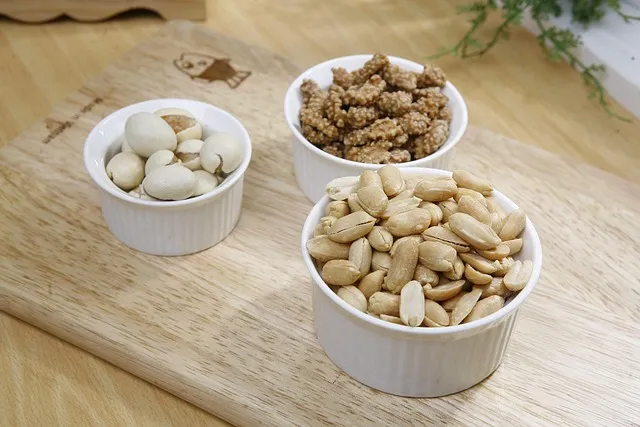
- Small handful of nuts: 30g of almonds, walnuts, or cashews provides 5-7g protein, 15-18g fat, fiber, and significant micronutrients. The fat and protein deliver satiety disproportionate to caloric content — research on nut consumption consistently shows regular nut eaters don’t gain body fat despite the caloric density, because the satiety value offsets the caloric input.
- Cottage cheese with cucumber: 1/2 cup cottage cheese provides 14g of leucine-rich protein. Paired with cucumber or other raw vegetables, it delivers satiety without much glycemic impact. Cottage cheese’s casein digests slowly, so amino acid release is sustained.
- Apple with almond butter: The classic. One medium apple provides 4g fiber and polyphenols (quercetin). One tablespoon almond butter provides 7g fat, 3g protein, and vitamin E. The fat and protein moderate the apple’s glycemic response, while fiber and volume create meaningful satiety.
- Sardines on whole grain crackers: An unusual choice by Western standards, but the nutrition is outstanding — 2+ grams EPA/DHA, 15g protein, calcium, and B12 per serving. On 4-5 whole grain crackers with mustard or hot sauce, this is a complete, nutritionally dense snack with minimal sugar and substantial protein and fat.
- Dark chocolate (70%+) with a small handful of nuts: For when the sweet craving is real and the assessment framework says it warrants addressing — 1-2 squares of quality dark chocolate with 10-15 almonds or walnuts satisfies the craving while providing actual nutrition: flavanols, polyphenols, monounsaturated fat, and protein. Genuinely better than a granola bar, a protein bar, or most commercial “healthy” snacks.
Snacking Usually Unnecessary Q&A About Healthy Snacking
Q: Won’t my blood sugar crash if I don’t snack?
A: For healthy adults without diabetes or hypoglycemia, blood glucose doesn’t “crash” to dangerous or symptomatic levels between meals when the previous meal was adequate. What people call a “blood sugar crash” in the afternoon is typically some combination of normal post-prandial glucose variation, caffeine withdrawal (if coffee was had with lunch), the circadian-driven afternoon alertness dip — a natural post-lunch effect — and the psychological experience of conditioned hunger. Healthy adults have strong mechanisms for maintaining blood glucose during fasting periods — the liver produces glucose through glycogenolysis and gluconeogenesis as needed. The “blood sugar crash” framing reflects misunderstood physiology, and it’s been thoroughly exploited by snack food marketing.
Q: I’m trying to lose weight — should I eat more small meals or fewer larger ones?
A: The meta-analysis evidence on meal frequency and weight loss is clear: meal frequency itself doesn’t determine weight loss — total caloric intake does. That said, larger, less frequent meals with higher protein content typically produce better satiety than frequent small meals at equal calories, as multiple studies (including the Kahleova 2014 Diabetologia study) demonstrate. For most people trying to lose weight, 2-3 meals a day with adequate protein beats 5-6 small meals and snacks — both for the satiety advantage and the insulin management benefits discussed earlier.
Q: What about the “eat breakfast like a king, lunch like a prince, dinner like a pauper” advice?
A: There’s genuine chronobiological evidence supporting front-loading calories. Insulin sensitivity is highest in the morning and declines through the day. The same meal, eaten at breakfast versus dinner, produces a different glycemic and insulin response — more favorable in the morning. A 2020 study in Current Biology found people eating their larger meals earlier in the day had lower 24-hour blood glucose and insulin compared to those eating larger meals late. For metabolic health, earlier and larger eating does appear meaningfully superior to the typical Western pattern of light breakfast, medium lunch, large dinner. And the snacking question intersects here: front-load calories to breakfast and lunch, and the afternoon snacking “need” shrinks, along with the evening overeating tendency common when people restrict early in the day.
Q: Are protein bars ever appropriate?
A: For the specific case of post-exercise protein delivery when whole food isn’t available, a quality protein bar (RX Bar, Larabar with protein, KIND protein bars — all with relatively clean ingredient lists) is a legitimate convenience tool. For habitual snacking, protein bars are largely unnecessary and often not nutritionally superior to the cheaper, whole-food alternatives listed above — hard-boiled eggs, Greek yogurt, nuts. The protein bar market has mostly captured the “healthy snack” psychological space by being better than candy bars and sitting adjacent to fitness culture, without necessarily being better than real food.
The Snack Industry’s Manufactured Need
Worth understanding how the snacking culture dominating Western nutrition got built, because it didn’t arise organically from human physiology. It was engineered — by food companies with a specific commercial interest in selling more food, more often.
The “six small meals” paradigm — the intellectual scaffolding behind the cultural norm of constant snacking — traces back to a specific set of research papers from the 1980s and 1990s observing inverse associations between meal frequency and body weight in observational data. The fitness and nutrition industry amplified these widely, for the obvious reason: they supported a model of frequent feeding that happened to align perfectly with commercial interest. More eating occasions, more product sales.
What the industry failed to mention: the significant methodological problem baked into these studies. People who report eating many small meals tend to be more health-conscious and also under-report total caloric intake, while people reporting fewer meals include more dieters and people in caloric restriction who are deliberately skipping meals. The apparent “benefit” of frequent eating was likely an artifact of these reporting patterns, not a real physiological effect.
Meal frequency in observational research is confounded by under-reporting.
When randomized controlled trials actually manipulated meal frequency while holding calories constant — the only way to establish causality — the six-meal advantage disappeared. A comprehensive 2011 review in the British Journal of Nutrition by Cameron et al. concluded: “Studies using more rigorous methodologies do not support the hypothesis that increasing meal frequency reduces appetite or improves body weight management.” The foundation of the snacking-is-healthy narrative rested on structurally flawed observational studies, amplified by an industry with every incentive to do exactly that.
The snack food industry is worth roughly $600 billion globally, and its growth has been sustained partly through medical-sounding “metabolic health” framing around snacking. Products get marketed as “smart fueling,” “keeping your metabolism fired up,” “blood sugar support.” These claims have no regulatory teeth — no FDA approval required to print them on packaging — they exploit general nutrition illiteracy, and they serve commercial objectives with nothing to do with consumer health.
The deeply ironic part: the same industry that manufactured the “need” to snack also sells the products meeting that need. The manufactured hunger and the manufactured solution sit in the same supply chain. Understanding this doesn’t require cynicism — just clarity about the economic incentives operating on the nutrition information environment. Those incentives are not aligned with anyone’s health goals.
Snacking and Sleep Quality: The Overlooked Connection
One cost of habitual snacking that gets insufficient attention: its effect on sleep quality — specifically, how late-day eating affects circadian alignment and sleep architecture.
Food intake is one of the primary zeitgebers (time-givers) for peripheral circadian clocks in metabolic tissues, including the liver, gut, pancreas, and adipose tissue. Ideally these peripheral clocks stay synchronized with the central circadian clock in the suprachiasmatic nucleus (SCN) of the hypothalamus, which is entrained by light-dark cycles. Eat late in the evening — as habitual snackers often do — and peripheral metabolic clocks get signaled “daytime” while the central clock is signaling “nighttime.” This circadian misalignment has downstream effects on insulin sensitivity, glucose clearance, and thermogenesis.
Beyond the circadian mechanism, eating within 2-3 hours of sleep directly hurts sleep quality. Digestion demands real metabolic activity that raises core body temperature. Sleep onset and sleep quality require that temperature to drop. Two physiologically antagonistic processes: trying to sleep while actively digesting a recent meal creates competing thermoregulatory demands that reduce deep sleep and REM, even when falling asleep isn’t a problem.
A 2020 study in The American Journal of Clinical Nutrition found eating within 3 hours of sleep was associated with more frequent nocturnal awakenings, reduced sleep efficiency, and higher nocturnal heart rate compared to eating that ended at least 4 hours before sleep. Practically: dinner at 7 PM, bed at 10 PM, and the evening snack habit stretching eating to 9:30 PM may be materially degrading sleep quality — which then hits energy, cortisol patterns, appetite hormones, and exercise recovery the next day.
The person who wonders why they wake unrefreshed, why they’re hungry immediately on waking despite eating late the night before, and why weight resists caloric restriction may be caught in a sleep-quality degradation loop: late eating disrupts sleep, poor sleep elevates ghrelin and cortisol, elevated ghrelin drives appetite and snack cravings, more snacking happens late in the day, cycle repeats. Address the late-day snacking and the loop loses its starting point.
The Autophagy Argument for Snack-Free Intervals
Beyond insulin management and the migrating motor complex, there’s a cellular housekeeping argument for extending snack-free intervals: autophagy.
Autophagy (literally “self-eating”) is the cellular process by which damaged organelles, misfolded proteins, and dysfunctional mitochondria get identified, enclosed in autophagosomes, and digested for component recycling. It’s cellular quality control — the mechanism clearing debris that would otherwise pile up and impair function. The 2016 Nobel Prize in Physiology or Medicine went to Yoshinori Ohsumi for his foundational work mapping the autophagy mechanism.
Feeding suppresses autophagy, particularly amino acid intake and insulin signaling. The primary trigger for autophagy activation is nutrient depletion — specifically low insulin and low mTOR (mammalian target of rapamycin) signaling, both of which occur during fasting. This creates a direct relationship between snacking frequency and cellular maintenance: every feeding occasion suppresses autophagy, and constant snacking keeps that suppression chronic.
The clinical relevance is getting more attention. Age-related buildup of damaged proteins — amyloid aggregates in Alzheimer’s, tau tangles, alpha-synuclein in Parkinson’s — happens partly because autophagy efficiency declines with age. Cancer surveillance partly depends on autophagy identifying and clearing cells with accumulated DNA damage before they progress toward malignancy. Cardiovascular health depends on autophagy clearing damaged cardiomyocytes before they pile up. None of these mechanisms require extreme fasting — meaningful autophagy activation begins at fasting intervals of 14-18 hours, which is simply the span from a 7 PM dinner to a 9-11 AM first meal the next day.
Someone who snacks at 9 PM, wakes and eats breakfast at 7 AM, snacks at 10 AM, eats lunch, snacks at 3 PM, eats dinner, and snacks again at 9 PM maintains a net fasting window of roughly 10 hours (9 PM to 7 AM). Barely adequate for meaningful autophagy. Someone who eats dinner at 7 PM, skips the evening snack, and delays breakfast to 9-10 AM maintains a 14-15 hour window with substantially more autophagy activity. No caloric restriction required — just temporal consolidation of the same intake into a shorter eating window.
Practical Implementation: Transitioning Away from Habitual Snacking
- Strategy 1: Protein-anchor your meals. The primary reason habitual snackers are genuinely hungry between meals (as opposed to experiencing conditioned hunger) is insufficient protein at meals. Protein is 2-3x more satiating per calorie than carbohydrate or fat. A lunch with 40g of protein leaves you genuinely less hungry at 3 PM than a lunch with 15g, regardless of total calories. Before trying to eliminate snacks, bump meal protein to 30-40g and see whether between-meal hunger drops. For a lot of people, this one change makes the snack-elimination phase significantly easier.
- Strategy 2: Use beverages strategically. Black coffee, green tea, sparkling water, plain water — none of these stimulate insulin or interrupt the migrating motor complex. They address the oral fixation and social eating aspects of habitual snacking without the metabolic cost of actual food. Plenty of people find the 3 PM craving responds fine to a cup of black coffee or sparkling water with lemon, because the craving was partly for stimulation or a break ritual, not for food itself.
- Strategy 3: Change environments. Behavioral research on habit formation is consistent on this: habits are environment-specific. The 3 PM desk snack habit is triggered by the desk environment at 3 PM. Removing snacks from the desk drawer (Lauren’s solution) works better than relying on willpower in the presence of the cue. At the same time, swapping the 3 PM ritual for something other than eating — a brief walk, a non-food beverage, a five-minute check-in with a colleague — replaces the behavioral slot with something food-free, which extinguishes the conditioned response faster than plain abstinence.
- Strategy 4: Delay, don’t deny. Instead of “I will never have a snack again” (which triggers the psychological reactance that makes forbidden things more desirable), try “I’ll wait 20 minutes and see if I still want it.” Most conditioned hunger responses fade substantially within 15-20 minutes if left alone. This reframe turns willpower into curiosity — studying your own hunger instead of battling your own desires — which is both more psychologically sustainable and more practically effective.
- Strategy 5: Track rather than restrict. For the first two weeks of moving away from habitual snacking, track the times and contexts of snack urges without necessarily acting on all of them. Was it stress? Boredom? A meeting ending? The sight of food? This tracking builds metacognitive awareness of snacking patterns, which makes the patterns feel less automatic — a prerequisite for actually changing them. Automatic behaviors change slowly. Behaviors you’re consciously aware of change faster.
Identifying habitual snacking as a problem is one thing. Actually changing the behavior means managing the conditioned hunger responses during the transition period, before old habits are extinguished and a new pattern is established.
The key insight: the conditioned hunger response is strongest exactly at the times snacking has historically occurred. A 10 AM snack every workday for years means the 10 AM hunger response will be strong for the first week or two of skipping it, then progressively weaker as conditioning fades. The challenge is getting through the first 1-2 weeks without giving in — knowing the response diminishes if it isn’t fed, rather than staying at its current intensity forever.
Lauren’s Drawer
Lauren Hawkins’s desk drawer is empty of snacks now. Not because she decided snacking was morally wrong, but because she ran the experiment. Two weeks of tracking: when was she actually hungry before reaching in? Almost never. The drawer got opened out of habit, boredom, stress relief, and the simple presence of food — not because her body needed fuel.
She eats three meals a day. Breakfast and lunch are protein-rich enough that she isn’t genuinely hungry until dinner. On days when real afternoon hunger showed up — lunch rushed or inadequate — she’d eat a hard-boiled egg from the office fridge, or a small handful of almonds from her bag. Planned for real need, not habitual reflex.
Her body composition improved modestly, no intentional caloric restriction involved. Her afternoon concentration improved too — turns out the blood glucose swings from mid-afternoon sugary snacks had been producing the concentration problems she’d blamed on the 3 PM dip itself. Without the snacks, afternoon cognitive performance held steadier.
She travels frequently for work now. In countries without the afternoon snack culture, she notices she’s fine. Functioning. She notices that the hunger she used to feel every day at 3 PM was entirely constructed by her own previous behavior. The body doesn’t demand constant feeding. Habits do. And habits, unlike hunger, respond to extinction.
Which is the central message of the snacking evidence: most snacking among well-fed Western adults is habit, not need. Habits serving genuine nutritional purposes should stay. Habits serving conditioned reinforcement, stress management, or environmental cues should be examined, and — if they don’t serve actual health goals — replaced with a more functional response to whatever’s underneath them. The Snack Assessment framework is the tool for making that call clearly. And once made, the distinction tends to hold itself — because real hunger and conditioned hunger feel different once you’ve learned to notice the difference.
References
Editorial StandardsCorrectionsMedical DisclaimerAbout Our ContentAffiliate DisclosureSite Map