
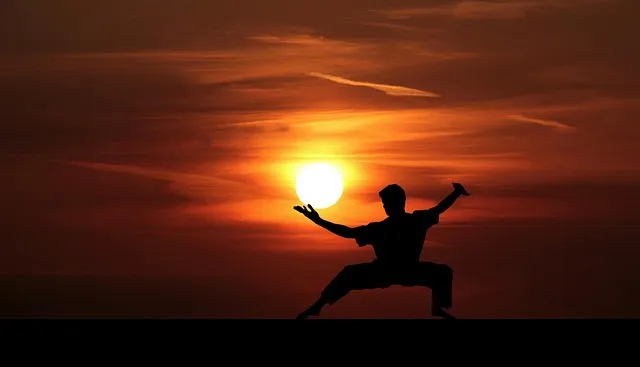
His daughter found a tai chi class at the community center. He went, skeptically, expecting choreographed arm-waving. What he found instead was a practice so physically demanding in its stillness — maintaining precise, coordinated weight shifts on a 70-year-old proprioceptive system that had been quietly degrading for a decade — that he was genuinely fatigued after 45 minutes. Three months later, his balance assessment had improved on every metric his physiatrist measured. Six months later, he’d stopped holding walls.
Tai chi chuan is a Chinese martial art rooted in Taoist philosophy, with a practice history spanning at least four centuries. In its therapeutic applications — which the research literature examines rigorously and separately from its martial and spiritual dimensions — it’s perhaps the most evidence-supported mind-body exercise modality for older adult populations that exists.
The evidence for its effects on fall prevention, balance, cardiovascular function, Parkinson’s disease, cognitive aging, and mental health is extensive, consistent, and often remarkable in its effect sizes.
THE BIOMECHANICS OF TAI CHI: WHY SLOW MOTION IS DIFFICULT
Most people’s intuition about tai chi — that it’s gentle and slow and therefore easy — is precisely wrong. Its slowness isn’t a concession to frailty. It’s the source of its therapeutic demand. Understanding why requires a brief detour into the neuromechanics of movement.
In normal fast movement, momentum does much of the work. Walk quickly and your momentum carries you forward between steps; the muscles mostly manage deceleration and direction changes at key moments. Slow movement can’t rely on momentum. Each phase of each movement must be actively controlled by the muscles, requiring sustained muscular co-activation and continuous proprioceptive feedback. The neural demand runs substantially higher than for the equivalent movement performed quickly.
Tai chi’s characteristic moves — the weight shifting, the coordinated arm and leg movements, the single-leg stances — require constant activity in the deep stabilizing muscles of the hip and trunk (particularly the gluteus medius, multifidus, and transversus abdominis), the intrinsic foot and ankle muscles, and the muscles governing the vestibular gaze stabilization reflex.
These are precisely the muscle systems that degrade with aging and disuse, and whose failure underlies the balance deficits that make falls a leading cause of injury and death in older adults.
The proprioceptive demands of tai chi are just as significant. Proprioception — the sensory system telling the brain where the body’s parts are in space — declines predictably with age, and this decline is the primary peripheral mechanism underlying age-related balance impairment. Tai chi’s sustained, slow, multi-joint movements provide constant, varied proprioceptive input that trains and maintains the neural circuitry governing balance control. Proprioception rehabilitation, in effect, performed as a daily practice.
FALL PREVENTION: THE FLAGSHIP EVIDENCE
Fall prevention is where tai chi’s evidence runs strongest and most consequential. Falls are the leading cause of injury-related death in adults over 65 in the United States, accounting for over 36,000 deaths annually. Non-fatal falls result in over 800,000 hospitalizations each year, at a total annual cost exceeding $50 billion.
The physical and psychological sequelae of falls — fractures, head injuries, loss of independence, fear of falling that leads to reduced activity and accelerated functional decline — represent one of the more significant public health challenges of an aging society.
The evidence for tai chi in fall prevention is sufficient to have generated formal clinical practice guideline recommendations from multiple national bodies. A 2004 meta-analysis by Li and colleagues published in the Journals of Gerontology examined seven RCTs of tai chi for fall prevention in older adults and found that tai chi reduced fall incidence by 47.5% compared to control conditions — a reduction that, realized at population scale, would prevent hundreds of thousands of falls annually.
Subsequent meta-analyses have confirmed this overall direction of effect, with pooled estimates from the most recent comprehensive reviews (2017 Cochrane review by Gillespie and colleagues) finding tai chi reduces falls by 19-38% depending on the specific population studied and the comparison condition used.
The mechanism behind tai chi’s fall-prevention effect involves multiple components: improved static and dynamic balance (reduced center-of-mass sway, improved ability to recover from perturbation), increased lower extremity strength (particularly quadriceps, hip abductors, and ankle plantarflexors), improved proprioception (both in healthy older adults and in those with proprioceptive deficits from stroke, peripheral neuropathy, or vestibular dysfunction), and, importantly, reduced fear of falling.
Fear of falling is independently associated with fall risk — fearful older adults adopt protective movement strategies that paradoxically increase instability — and tai chi’s consistent reduction of fall-related anxiety is a clinically meaningful component of its overall benefit.
The ACSM (American College of Sports Medicine) and the CDC both include tai chi in their evidence-based fall prevention program recommendations. The CDC’s STEADI (Stopping Elderly Accidents, Deaths & Injuries) initiative specifically endorses tai chi as one of three proven exercise programs for fall prevention in clinical care settings, alongside the Otago Exercise Programme and Matter of Balance.
PARKINSON’S DISEASE: THE MOST REMARKABLE APPLICATION
The tai chi research in Parkinson’s disease represents some of the most clinically significant evidence in the entire mind-body medicine literature. Parkinson’s is a progressive neurodegenerative condition marked by tremor, rigidity, bradykinesia (slow movement), and postural instability — all of which impair movement control and dramatically raise fall risk. It affects roughly 1 million Americans and 10 million people worldwide, with incidence rising as populations age.
A landmark 2012 New England Journal of Medicine RCT by Li and colleagues — one of the highest-profile mind-body medicine trials ever published in a major medical journal — randomized 195 patients with mild to moderate Parkinson’s disease to twice-weekly tai chi, resistance training, or stretching for six months.
The tai chi group showed significantly better outcomes than both control groups on every primary measure: maximum excursion on balance assessment, directional control, functional reach, stride length, and — most importantly — number of falls (58% fewer falls than the stretching group, and significantly fewer than the resistance training group). These improvements held at the three-month post-intervention follow-up assessment.
The mechanisms in Parkinson’s are multifaceted. Motor learning — the process by which the nervous system acquires and refines movement sequences — depends substantially on the basal ganglia, the primary brain structure Parkinson’s destroys. Tai chi appears to promote compensatory motor learning through cortical pathways that can partially substitute for the compromised basal ganglia circuits.
The emphasis on internal focus of attention and deliberate movement control in tai chi may specifically engage the cognitive compensation strategies Parkinson’s patients naturally develop to manage motor impairment — reinforcing and optimizing those strategies through systematic practice.
CARDIOVASCULAR AND METABOLIC EFFECTS

A 2017 meta-analysis by Zheng and colleagues published in the European Journal of Preventive Cardiology examined 35 RCTs of tai chi for cardiovascular risk factors and found significant reductions in systolic blood pressure (average 15.6 mmHg), diastolic blood pressure (average 10.7 mmHg), total cholesterol (average 19.0 mg/dL), LDL cholesterol (average 15.0 mg/dL), triglycerides, and fasting blood glucose.
Large effects, these — the blood pressure reductions in particular run substantially larger than those typically produced by single antihypertensive agents, and are comparable to intensive aerobic exercise training in populations capable of it.
The mechanism of tai chi’s blood pressure effects runs through multiple pathways. Vagal activation during the slow, rhythmic movement lowers resting heart rate and improves baroreflex sensitivity. Cortisol reduction — consistently documented in tai chi research — improves endothelial function and reduces the vasoconstrictive effects of HPA axis overactivation. The modest but real aerobic demand of sustained tai chi practice improves cardiovascular fitness at a level appropriate for sedentary older adults.
A 2015 study by Yeh and colleagues specifically examining heart failure patients found 12 weeks of tai chi significantly improved quality of life, exercise capacity (measured by six-minute walk distance), and depression scores compared to usual care — effects maintained at 12 months, and which the authors calculated were associated with roughly 30% reduced rehospitalization risk based on established prognostic models.
“In 35 years of studying exercise and aging, I’ve never seen a modality that produces the combination of balance, strength, flexibility, cardiovascular, and psychological benefits that tai chi does, across the age range and health spectrum where most of our patients actually live. It belongs in standard-of-care.” — Dr. Fuzhong Li, Oregon Research Institute, speaking at the Annual Meeting of the American Geriatrics Society, 2018.
COGNITIVE AGING AND DEMENTIA PREVENTION
The cognitive benefits of tai chi are among the more interesting and fastest-growing areas in the research literature.
A 2014 meta-analysis by Wayne and colleagues in the Journal of the American Geriatrics Society examined 11 RCTs of tai chi on cognitive function in older adults without dementia and found significant improvements in attention, processing speed, executive function, working memory, and global cognitive function, with effect sizes (d = 0.35-0.60) comparable to those produced by aerobic exercise — the cognitive intervention with the most established evidence base.
The mechanisms behind tai chi’s cognitive benefits are multimodal. The aerobic component of sustained tai chi practice increases BDNF (brain-derived neurotrophic factor), promotes hippocampal neurogenesis, and improves cerebrovascular function — the same mechanisms underlying aerobic exercise’s cognitive benefits. The motor learning component of acquiring and refining complex movement sequences engages the prefrontal cortex, basal ganglia, and cerebellum in exactly the pattern of cognitive activity that appears to build cognitive reserve.
The dual-task demands of tai chi — maintaining precise movement while attending to breath, mental focus, and environmental awareness — specifically train the divided attention and executive function capacities that decline earliest, and most consequentially, in age-related cognitive deterioration.
A 2016 study by Lam and colleagues published in the Journal of Alzheimer’s Disease found that 12 months of tai chi significantly slowed cognitive decline compared to usual care in older adults with mild cognitive impairment (MCI) — the prodromal stage that precedes Alzheimer’s dementia in many patients.
Participants in the tai chi group showed significantly better scores on the Clinical Dementia Rating Sum of Boxes (a measure of daily functioning) and on neuropsychological tests of memory and executive function, with effects the study’s power wasn’t sufficient to fully characterize but that trended in a clinically meaningful direction. Given that no pharmacological treatment has demonstrated efficacy in slowing conversion from MCI to dementia, a behavioral intervention showing even modest benefit here merits serious attention.
MENTAL HEALTH: ANXIETY, DEPRESSION, AND WELLBEING
The mental health benefits of tai chi parallel those of yoga and meditation in their breadth and consistency, though the mechanistic literature here is somewhat less developed. A 2018 meta-analysis by Wang and colleagues in the Journal of Affective Disorders examined 30 RCTs of tai chi for mental health outcomes and found significant effects on depression (pooled effect d = -0.63), anxiety (d = -0.58), general mood, and quality of life.
Effects ran larger in older adults than in younger populations — consistent with the general principle that interventions tend to produce larger effects in populations with greater baseline burden.
The biological mechanisms include all the standard mind-body exercise pathways: HRV improvement, cortisol reduction, BDNF increase, and the serotonin and dopamine modulation tied to rhythmic movement. Tai chi’s social dimension — typically practiced in groups, with a teacher-student transmission tradition that creates social bonds and a sense of cultural connection — may contribute an additional component absent from solitary practices.
Social connection is among the strongest known protective factors for both mental and physical health, and the group practice format of tai chi may be part of why its mental health effects run particularly strong in older adults, for whom social isolation is a major risk factor.
CHRONIC PAIN AND FIBROMYALGIA: SPECIFIC APPLICATIONS
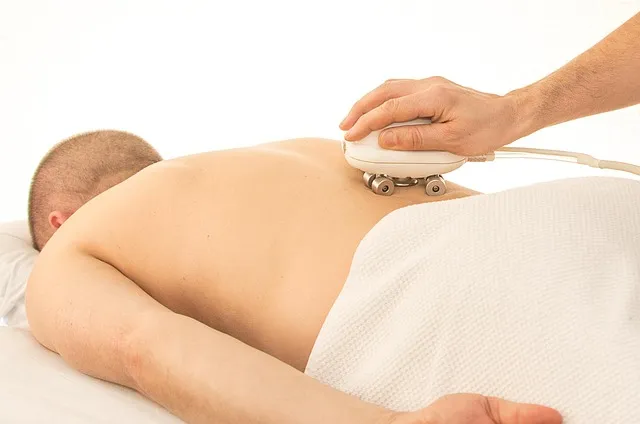
The effect sizes were large (d = 0.71 for the primary outcome) and the improvements held at 24 weeks post-intervention. The authors concluded that tai chi was “an effective treatment for fibromyalgia” — a statement notable for its directness in a field more accustomed to cautious hedging.
For osteoarthritis of the knee — another high-prevalence condition with limited satisfactory conventional treatment — a 2016 JAMA Internal Medicine study by Wang and colleagues compared tai chi to physical therapy for knee osteoarthritis pain and function in 204 patients over 12 weeks. Both groups showed significant improvements, but the tai chi group showed significantly larger improvements in KOOS (Knee injury and Osteoarthritis Outcome Score) scores at 12 weeks and held larger improvements at 52 weeks.
Notably, the tai chi group also showed significantly larger improvements in depression and physical quality of life — outcomes physical therapy didn’t significantly affect. The study concluded tai chi “provided benefits comparable to, or greater than, standard physical therapy for knee osteoarthritis,” with the added advantage of addressing psychological comorbidities at the same time.
Biomechanics Tai Chi Q&A ABOUT TAI CHI HEALTH BENEFITS
Is any style of tai chi better than others for health benefits?
The most studied styles in health research are Yang style (the most widely practiced globally, known for its large, flowing movements and accessibility for beginners), Sun style (the style specifically used in much of the Parkinson’s and arthritis research, with its distinctive high stance and “agile steps” that provide particular proprioceptive challenge), and the simplified 24-form tai chi developed by the Chinese government as a standardized wellness practice.
For general health purposes, the research doesn’t strongly differentiate between styles — what matters is regular practice, correct basic form, and progressive challenge as competence develops. For specific clinical applications (Parkinson’s, fall prevention), Sun style and forms designed specifically for those populations (like the intervention used in the Li et al. NEJM study) carry the most direct evidence.
How much tai chi practice is needed to see health benefits?
Most clinical trials use twice-weekly sessions of 45-60 minutes each over 12-24 weeks. That translates to roughly 36-48 hours of formal practice to produce the outcomes documented in most studies. However, improvements in balance and some cardiovascular outcomes appear earlier — the Li et al. NEJM study showed significant balance improvements at six weeks (halfway through the 12-week program), and multiple studies report subjective improvements in wellbeing and fall confidence within the first month.
For maintaining benefits, daily or near-daily practice of 20-30 minutes appears sufficient based on long-term follow-up studies, with intensive twice-weekly sessions appropriate for initial learning and improvement phases.
Is tai chi safe for people who have had falls or have very poor balance?
Yes, with appropriate modification. Tai chi can be practiced seated for individuals who can’t safely stand. Wall-supported or chair-assisted versions have been developed for populations with very high fall risk and have shown balance improvements in clinical trials. The key is starting with an instructor experienced in working with elderly or physically limited populations, who can identify and modify any movements that create excessive fall risk.
The evidence suggests the initial weeks of practice are the period of highest fall risk for vulnerable populations — the novel balance demands exceed current capability — and close supervision during this phase matters for safety. Most reported falls in tai chi clinical trials happen during the first four weeks and then decline sharply as skill develops.
Can tai chi be combined with conventional rehabilitation for neurological conditions?
Absolutely, and the evidence suggests additive benefits when it is. For stroke rehabilitation specifically, studies combining conventional physiotherapy with tai chi show larger improvements in balance, functional gait, and quality of life than either alone. For Parkinson’s disease, the Li et al. NEJM study was conducted in patients receiving standard dopaminergic medication management, and the tai chi benefits were additive — suggesting the exercise-based, motor learning, and proprioceptive mechanisms of tai chi complement rather than substitute for pharmacological management.
The clinical model most neurological tai chi research recommends is integration into comprehensive rehabilitation programs, with tai chi providing the long-term maintenance component that formal physical therapy can’t sustain because of cost and access limitations.
Does tai chi improve bone density and reduce osteoporosis risk?
The evidence on tai chi and bone density is mixed but generally positive, particularly for women. Bone remodeling requires mechanical loading — stress on bone stimulates osteoblast activity and bone formation. Tai chi’s weight-bearing, multi-directional movements provide bone loading that’s less intense than impact exercise but more diverse in direction than most conventional exercise, stimulating bone formation at specific sites prone to osteoporotic fracture (hip, spine, wrist).
A meta-analysis by Wayne and colleagues published in Osteoporosis International in 2012 examined 11 RCTs of tai chi for bone health and found significant but modest effects on bone density at the spine and hip in postmenopausal women, with the most consistent effects in studies of longer duration (12+ months).
The more strong finding is that tai chi’s fall prevention effects reduce fracture risk independently of any effect on bone density — preventing the fall prevents the fracture regardless of bone strength. Given how hard it is to substantially increase bone density in older adults through any exercise modality, the fall-prevention mechanism may be the more clinically important pathway for fracture risk reduction.
IMMUNE FUNCTION AND INFLAMMATION: TAI CHI’S BIOLOGICAL DEPTH
Beyond the musculoskeletal and cardiovascular research, tai chi has been studied for its effects on immune function and systemic inflammation — and the findings are both surprising and clinically important. A landmark 2007 study by Michael Irwin and colleagues at UCLA, published in Psychosomatic Medicine, examined tai chi’s effects on immunity to varicella-zoster virus (the herpes virus responsible for chickenpox and shingles) in older adults.
The rationale: shingles risk rises dramatically with age as cell-mediated immunity to varicella-zoster declines — a process tai chi’s potential immune-enhancing effects might slow.
The results exceeded expectations. Adults randomized to 25 weeks of tai chi showed a 50% improvement in varicella-zoster-specific cell-mediated immunity compared to health education controls — an enhancement comparable in magnitude to the varicella vaccine’s effect in the same age group. The tai chi group also showed significantly lower rates of self-reported shingles outbreaks at follow-up.
This is, to date, the most dramatic immune finding for any mind-body exercise intervention, and it’s been partly replicated in subsequent studies examining tai chi’s effects on influenza vaccine responses and natural killer cell function.
The inflammatory cytokine research tells a parallel story. Studies examining IL-6, TNF-alpha, and C-reactive protein in tai chi practitioners consistently find lower levels than in sedentary controls of comparable age and health status. A 2015 meta-analysis by Morgan and colleagues found tai chi practice significantly reduced CRP (a marker of systemic inflammation) by an average of 11.6% and IL-6 by 12.4%, with larger effects in studies of longer duration and in populations with elevated baseline inflammatory markers.
These reductions are clinically significant: CRP and IL-6 levels in the ranges observed in many older adults are independently associated with cardiovascular disease, cognitive decline, and all-cause mortality, and a 12% reduction meaningfully shifts the risk profile.
THE MIND IN TAI CHI: MEDITATION IN MOTION
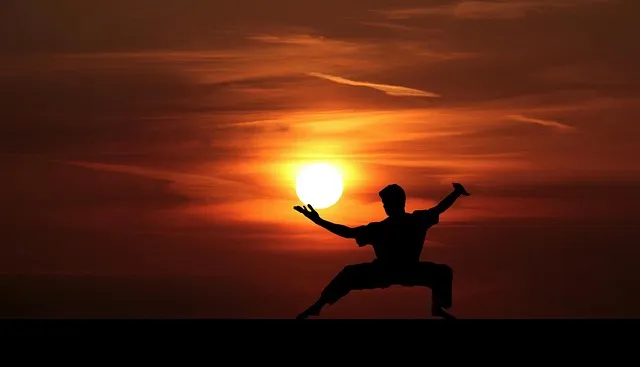
The dual nature of tai chi — physical practice and mental practice at once — may be the source of its distinctive advantage over either meditation alone or conventional exercise alone. Both components contribute independently to health outcomes, and they reinforce each other: the physical demands of coordinated slow movement provide the sensory material for mindfulness practice, while the mindful quality of attention enhances motor learning and proprioceptive development.
This synergy explains why tai chi consistently outperforms either matched-intensity aerobic exercise or relaxation training in studies examining outcomes that require both physical and psychological improvement — fall prevention (requiring both physical balance and reduced fall-related anxiety), Parkinson’s management (requiring both motor compensation and stress management), and fibromyalgia treatment (requiring both movement tolerance and central sensitization modulation).
The philosophical tradition embedded in tai chi practice — the Taoist concepts of wu wei (non-forceful action), balance of opposing forces, and responsiveness to change — may also contribute to the psychological outcomes, though this is difficult to quantify scientifically. Practitioners who engage with the philosophical dimensions of the art report qualitative changes in their relationship to effort, control, and adversity that parallel the insights produced by meditation practice.
Whether these philosophical transformations produce independent health benefits beyond the physiological mechanisms, or whether they’re simply the cognitive narrative practitioners attach to physiological changes already caused by the practice, remains an open research question.
ACCESSING TAI CHI: PRACTICAL GUIDANCE FOR BEGINNERS
The primary barrier to tai chi adoption is the perceived difficulty of learning an unfamiliar movement tradition. In reality, the basic forms suitable for health applications are accessible to most people within a few months of regular practice.
The challenge is finding quality instruction — the difference between a skilled tai chi teacher who understands biomechanics, therapeutic modification, and progressive challenge, and someone who’s learned a form and passes it on without clinical knowledge, is substantial in terms of safety and outcome.
Community-based tai chi programs certified through the American Tai Chi and Qigong Association, using validated health-oriented curricula like the Sun style program used in the NEJM Parkinson’s study or the evidence-based “Tai Chi: Moving for Better Balance” program developed at Oregon Research Institute, offer the best combination of accessibility and clinical relevance.
Hospital system integrative medicine programs and community senior centers increasingly offer evidence-based tai chi programs, and the CDC’s online STEADI resources provide a database of certified fall-prevention tai chi programs searchable by zip code.
For clinical integration, physical therapists and physiatrists are increasingly working tai chi principles and specific forms into their practice for appropriate patients. Major medical centers have led this integration — Harvard-affiliated Brigham and Women’s Hospital, UCLA, and Johns Hopkins all offer clinical tai chi programs within their integrative medicine or rehabilitation departments.
Insurance coverage remains inconsistent, but cardiac rehabilitation programs (for which insurance coverage is standard) have begun incorporating tai chi alongside traditional cardiac rehabilitation exercises, providing a reimbursement pathway that’s expanding access.
Your Biomechanics Tai Chi Questions ABOUT TAI CHI HEALTH BENEFITS
How does tai chi compare to conventional exercise for cardiovascular health?
For populations who can safely perform vigorous exercise, conventional aerobic exercise (running, cycling, swimming) produces larger cardiovascular adaptations than tai chi in most direct comparisons — greater VO2max improvements, larger reductions in cardiovascular event risk in high-risk populations. However, for the populations where tai chi has been most extensively studied — older adults, cardiac rehabilitation patients, those with multiple comorbidities — vigorous exercise is often not safe or achievable.
In this population, tai chi’s cardiovascular effects (blood pressure reduction, lipid improvement, resting heart rate reduction) are real and clinically meaningful, and its superior safety profile and adherence rates (most tai chi trials show 80%+ adherence vs. 50-60% for conventional exercise programs) may produce better real-world cardiovascular outcomes than theoretically superior exercise programs that participants can’t or don’t sustain.
What is the difference between tai chi and qigong?
Qigong is the broader practice category, encompassing thousands of different movement, breathing, and meditation sequences from Chinese health and martial traditions. Tai chi is one form of qigong — specifically a martial art form that’s been extensively adapted for health applications. In health research, the two are often studied similarly and produce similar physiological effects, and many tai chi programs incorporate dedicated qigong exercises alongside the formal tai chi forms.
The practical distinction for most beginners is that qigong sequences tend to run simpler and more accessible for those with very limited mobility or cognitive capacity, while tai chi’s continuous, flowing forms provide more complex movement learning that may produce larger proprioceptive and cognitive benefits. Both are valid starting points; the best choice depends on the individual’s functional capacity and preferences.
Can tai chi help with stress and burnout in younger adults?
Yes, though most of the research has focused on older adult populations. Studies in younger and middle-aged adults — including healthcare workers, students during examination periods, and corporate employees — consistently find that tai chi practice reduces perceived stress, cortisol, and anxiety while improving sleep quality and mood.
A 2020 systematic review by Zou and colleagues specifically examining workplace stress found significant benefits from 8-12 week tai chi programs in employed adults across multiple countries, with effect sizes for stress reduction (d ≈ 0.55) comparable to mindfulness-based stress reduction programs of similar duration.
The slower pace and lower-impact nature of tai chi make it particularly accessible for people whose work involves sustained sitting, and the brief-form versions (15-20 minute forms) fit within standard work break schedules — factors that contribute to the excellent adherence rates seen in workplace studies.
STROKE REHABILITATION: TAI CHI FOR RECOVERY
Stroke is the second leading cause of disability worldwide, producing deficits in motor function, balance, gait, cognition, and mood that conventional rehabilitation only partially addresses.
The evidence for tai chi in post-stroke rehabilitation is growing, with a 2018 systematic review by Zheng and colleagues in Topics in Stroke Rehabilitation examining 16 RCTs and finding significant improvements in balance (Berg Balance Scale), walking ability (Timed Up and Go test and 10-meter walk test), quality of life, and depression in stroke survivors who practiced tai chi compared to usual care or conventional exercise.
The mechanistic rationale is compelling: stroke survivors must rebuild motor control through neural reorganization and compensatory learning — precisely the processes that tai chi’s combination of deliberate motor learning, attention, and movement practice appears to facilitate. The slow, deliberate, multi-joint movements of tai chi require exactly the kind of conscious motor programming that drives cortical reorganization after brain injury.
The vestibular and proprioceptive challenges embedded in weight-shifting and single-leg stances line up precisely with the balance rehabilitation needs of stroke survivors.
A 2014 RCT by Au-Yeung and colleagues in Neurorehabilitation and Neural Repair specifically examined tai chi in subacute stroke patients (3-9 months post-stroke) and found significantly larger improvements in gait parameters — stride length, walking speed, dual-task walking performance — in the tai chi group compared to general stretching and upper limb exercise.
The dual-task walking improvement (walking while simultaneously performing a cognitive task) matters particularly clinically, since this capacity predicts community ambulation ability and fall risk in stroke survivors better than single-task walking measures do.
QUALITY OF LIFE AND PSYCHOLOGICAL WELLBEING: THE INTEGRATIVE PICTURE
Across all the condition-specific applications reviewed, a theme emerges worth stating outright: tai chi consistently improves quality of life — the subjective experience of how well one is living — at magnitudes that often exceed its improvements in objective physiological measures. Patients report not just lower blood pressure and better balance, but a changed relationship to their aging bodies, a recovered sense of physical confidence, and a quality of present-moment awareness that daily practice cultivates.
This psychological dimension isn’t incidental to tai chi’s health effects — it’s mechanistically central to them. The sense of physical confidence that comes from mastering difficult balance challenges directly reduces fall-related anxiety, which is itself a fall risk factor. The meditative quality of attention cultivated through practice directly reduces the rumination that maintains depression and amplifies pain.
The social connection of group practice buffers the isolation that is the strongest environmental risk factor for both mental and physical health decline in older adults. Tai chi works through the body and through the mind simultaneously, and these two pathways reinforce rather than simply add to each other.
George, the 74-year-old from this article’s opening, would recognize this integrated picture. He kept practicing tai chi for four years after his initial introduction. His balance never became a medical concern again. His fall risk, once “elevated,” was reclassified by his physiatrist as “average for age” at his two-year assessment. But what he described when asked what the practice meant to him wasn’t these clinical outcomes.
He described feeling, for the first time since his sixties, that his body was something he inhabited rather than something happening to him without his input. He described learning that slowness isn’t the same as weakness. He described learning, in the strange and unexpected school of 45 minutes of coordinated slow movement three mornings a week, that paying close attention to something ordinary is its own kind of mastery.
Not measurable on a balance assessment, that. But it may be the thing everything else depends on.
The Practical Framework: Applying Biomechanics Tai Chi Slow In Real Life
FROM THE LIBRARY ›
References
Editorial StandardsCorrectionsMedical DisclaimerAbout Our ContentAffiliate DisclosureSite Map