

His doctor called it stress. His wife, gently, suggested depression. Kevin figured neither was exactly wrong, but neither one was the actual explanation either. Something had happened to his brain — and what he had, what millions of long COVID patients have, is post-COVID brain fog: a specific neurological syndrome, distinct from ordinary fatigue or depression or garden-variety attention problems, with identifiable mechanisms and — increasingly — evidence-based approaches that produce genuine improvement.
Long COVID brain fog is one of the most prevalent and debilitating pieces of the post-COVID syndrome, affecting an estimated 10-30% of COVID-19 survivors. What follows covers the mechanisms driving it, the tests that can characterize it, and the interventions with the strongest evidence and rationale behind them.
The Mechanisms of Long COVID Brain Fog
Long COVID brain fog isn’t one mechanism. It’s a cognitive symptom emerging from a combination of post-viral processes researchers are still mapping out. Knowing the main mechanisms matters because different ones respond to different interventions — treatment guided by mechanism beats treatment guided by symptom-guessing, every time.
Neuroinflammation: multiple studies have found elevated inflammatory markers in the cerebrospinal fluid and blood of long COVID patients with cognitive symptoms — elevated cytokines (IL-6, TNF-alpha, IFN-gamma), elevated complement proteins, evidence of microglial activation on specialized PET scanning. SARS-CoV-2 can directly infect brain cells and cross the blood-brain barrier, and the post-viral immune response includes prolonged CNS inflammation that disrupts neurotransmitter function, impairs synaptic plasticity, and reduces cerebral blood flow in specific regions.
Vascular pathology and microclots: South African researcher Resia Pretorius and colleagues have published a series of papers documenting persistent, aberrantly formed fibrin microclots in the blood of long COVID patients — microclots that resist normal fibrinolysis. The hypothesis: these impair microvascular blood flow in the brain, cutting oxygen and glucose delivery to neurons in a way that produces functional impairment without large-vessel disease. This would explain the exercise intolerance and post-exertional worsening seen in long COVID — exercise raises cerebral blood flow demand right when microclot-related impairment is limiting supply.
EBV reactivation: as covered in Post 704, multiple studies have found EBV reactivation markers at higher rates in long COVID patients than in fully recovered COVID-19 patients — suggesting COVID-19 triggers EBV reactivation in latently infected people. EBV-driven neuroinflammation may contribute to brain fog through the mechanisms covered in that discussion, including kynurenine pathway activation and microglial stimulation.
Gut microbiome disruption: COVID-19 causes significant gut dysbiosis, and the gut microbiome directly affects brain function through the gut-brain axis. Studies have found persistent dysbiosis in long COVID patients, with specific microbial changes correlating with neurological symptom severity. SIBO and gut barrier disruption let inflammatory microbial products reach systemic circulation and the brain, sustaining neuroinflammation through that same axis.
Small fiber neuropathy: skin punch biopsies in some long COVID patients show reduced intraepidermal nerve fiber density, consistent with SFN — and small fiber neuropathy may contribute to the autonomic dysfunction (POTS is extremely common in long COVID) that drives cognitive symptoms through cerebral hypoperfusion during standing and activity.
Characterizing Your Brain Fog: Testing and Assessment
Recovering from long COVID brain fog starts with characterizing it — figuring out which mechanisms are driving the specific presentation, and how much objective cognitive impairment is actually present. That takes both subjective symptom assessment and objective testing.
Neuropsychological testing gives an objective read on cognitive impairment. A standardized battery assessing memory (verbal and visual), processing speed, attention and working memory, and executive function establishes a baseline and tracks recovery over time. Plenty of long COVID patients with significant subjective brain fog show measurable deficits on these tests — which provides real documentation and guides rehabilitation targeting. Some testing is available through online platforms (Cambridge Brain Sciences, CNS Critical Signs) for regular monitoring between formal assessments.
Blood markers: a comprehensive inflammatory panel (CRP, ESR, IL-6, TNF-alpha, complement C3 and C4). D-dimer as a marker of fibrin turnover (elevated in long COVID with microclot pathology). Ferritin. CBC with differential (some long COVID patients show specific lymphocyte pattern changes). EBV panel (VCA IgG, early antigen, EBNA, PCR) to assess reactivation status. Thyroid panel (post-COVID thyroiditis is documented and can cause cognitive symptoms). Cortisol awakening response (HPA axis dysregulation is common in long COVID). These panels guide mechanistic treatment targeting.
Cardiovascular autonomic testing matters given how often POTS shows up in long COVID. A simple ten-minute poor man’s tilt table test — lying resting heart rate versus standing heart rate after 1, 5, and 10 minutes — screens for POTS. A formal 24-hour cardiac monitor assesses arrhythmia risk. Heart rate variability establishes autonomic regulatory capacity. For patients with significant exercise intolerance, two-day cardiopulmonary exercise testing maps the PEM pattern and establishes safe exercise limits.
Neuroinflammation: The Primary Target
Addressing neuroinflammation is the central treatment target for most long COVID brain fog patients. The question is which interventions actually reduce CNS inflammation without suppressing the immune function still needed for ongoing viral surveillance.
Low-dose naltrexone (LDN) has emerged as one of the more promising interventions here, working through its effects on microglial activation. Taken at night at a fraction of the strength used in addiction medicine, LDN transiently blocks opioid receptors, which triggers a compensatory endorphin upregulation and — through the Toll-like receptor 4 (TLR4) pathway — reduces microglial activation. Several small clinical series and one randomized controlled trial have shown significant improvement in long COVID symptoms, brain fog included, with LDN. Generally well tolerated, widely available through functional medicine practitioners and some psychiatrists, and reasonably cheap.
Omega-3 fatty acids at clinical doses (3-4g EPA+DHA daily) reduce neuroinflammation through several mechanisms: EPA competes with arachidonic acid to cut pro-inflammatory eicosanoid production; both EPA and DHA convert to specialized pro-resolving mediators (SPMs — resolvins, protectins, maresins) that actively resolve inflammation rather than just blocking it; DHA is a structural component of neuronal membranes supporting synaptic plasticity. Studies in traumatic brain injury — which shares mechanisms with post-viral neuroinflammation — show measurable cognitive improvement with high-dose omega-3 supplementation. The anti-inflammatory dose runs higher than the cardiovascular one, and it should be taken with food.
Palmitoylethanolamide (PEA), an endogenous lipid mediator, reduces neuroinflammation through PPAR-alpha activation and mast cell modulation. Its evidence base in neuroinflammatory conditions, COVID-related cognitive symptoms included, is small but growing. Available without prescription, well tolerated, 600-1200mg daily — a low-risk neuroinflammatory intervention by any measure. Luteolin combined with PEA in commercial products may enhance the anti-neuroinflammatory effect beyond PEA alone.
Curcumin with piperine has NF-κB inhibiting effects relevant to neuroinflammation, with cognitive benefit shown in several research contexts including Alzheimer’s. Bioavailability is the sticking point — standard curcumin absorbs poorly; longvida-optimized or theracurmin formulations with documented bioavailability are what’s actually needed. Pterostilbene, a methylated resveratrol analog with better bioavailability, shows neuroprotective and anti-neuroinflammatory effects in animal models.
Addressing Microclots and Vascular Pathology

Pretorius’s South African group has published on triple anticoagulation therapy (aspirin, clopidogrel, and rivaroxaban) in long COVID patients with microclot evidence, reporting significant symptom improvement, brain fog included, in a portion of patients in observational data. Not yet a standard recommendation — the risks of triple anticoagulation are real, patient selection criteria aren’t established, and randomized trials still need running. But for patients with particularly severe brain fog, elevated D-dimer, and documented microclots, it’s a potential avenue worth raising with a cardiologist or hematologist familiar with the emerging literature.
Less aggressive fibrinolytic options carry lower risk and are easier to access. Nattokinase, a serine protease derived from fermented soybeans, has fibrinolytic activity — it directly breaks down fibrin — and has a decades-long track record in Japan for cardiovascular conditions. Serrapeptase and lumbrokinase are additional systemic enzymes with fibrinolytic properties. Both available without prescription, reasonable safety profiles. Several long COVID practitioners use these as part of multi-component protocols, with anecdotal reports of real improvement. The clinical evidence isn’t from randomized trials yet, but the mechanistic rationale and safety profile justify considering them.
Improving blood rheology — the flow properties of blood — through adequate hydration, omega-3s, magnesium, and less sitting also supports microvascular flow. For patients with concurrent POTS, aggressive hydration (3-4 liters daily) and higher dietary sodium reduce the orthostatic cerebral hypoperfusion contributing to positional brain fog. Compression garments improve venous return and may reduce the orthostatic blood flow impairment in POTS.
Cognitive Rehabilitation: Training the Brain Directly
Beyond the underlying biology, direct cognitive rehabilitation — training the specific circuits long COVID has affected — is an important piece of recovery. Not psychotherapy. Targeted neural rehabilitation, using neuroplasticity to rebuild processing capacity that neuroinflammation and hypoperfusion have worn down.
Computerized cognitive training programs — BrainHQ (Posit Science), Cambridge Brain Sciences, Lumosity — have evidence for improving specific functions (working memory, processing speed, attention) across various neurological populations. COVID-specific evidence is still developing, but the underlying neuroplasticity principles don’t change by cause. Consistent practice on progressively challenging cognitive tasks trains the circuits that need rebuilding. Twenty to thirty minutes daily, sustained over weeks to months, produces measurable improvement in the trained domains.
Physical exercise, paradoxically given the PEM concern in many long COVID patients, carries real neuroplasticity benefits for brain fog recovery — BDNF production, improved cerebral blood flow, hippocampal neurogenesis. The catch: for patients with PEM, pushing exercise tolerance triggers symptom crashes. The approach has to be extremely gradual, guided by heart rate monitoring to stay under the anaerobic threshold, prioritizing that over symptom-based gauging. For patients without PEM, gradually building aerobic capacity at a pace that doesn’t trigger crashes is one of the more powerful tools available.
Sleep optimization does double duty — it’s a cognitive rehabilitation tool (slow-wave sleep is when memory consolidation and synaptic pruning happen, both critical for recovering post-viral cognitive impairment) and a neuroinflammatory treatment (sleep is when the glymphatic system flushes neurotoxic waste from the brain, including the inflammatory proteins that build up with COVID-driven neuroinflammation). Addressing any sleep disorder, optimizing architecture through circadian practices, and committing to 8-9 hours of actual sleep — not just time in bed — isn’t optional in brain fog recovery.
The Post-COVID Brain Protocol
Pulling the mechanisms and interventions together, the Post-COVID Brain Protocol offers a systematic approach to assessment and treatment.
- Comprehensive Assessment: Neuropsychological baseline testing. Inflammatory markers panel. Autonomic assessment (POTS screening). EBV/HHV-6/CMV viral reactivation testing. Thyroid function. Cortisol pattern. Gut assessment if GI symptoms are present. This panel guides which mechanisms to target and sets the baseline improvement gets measured against.
- Anti-Neuroinflammatory Foundation: LDN (begun at the smallest strength a compounding pharmacy will make, then titrated upward week by week, taken at bedtime). Omega-3s 3-4g EPA+DHA daily. PEA 600mg twice daily. These three form the core anti-neuroinflammatory stack and can run simultaneously from day one.
- Cellular Energy Support: CoQ10 (ubiquinol) 200-400mg daily. B-complex with methylated B12 and folate. Magnesium glycinate 300-400mg (evening). D-ribose 5g twice daily for patients with significant fatigue and exertional intolerance. These address the mitochondrial dysfunction impairing cellular energy production in affected neural tissue.
- Vascular and Fibrinolytic Support: Nattokinase 2000FU twice daily (away from blood thinners, under medical supervision if any anticoagulant medications are involved). Omega-3s (double duty — fibrinolytic too, at dose). Aggressive hydration (3L+ daily). POTS management if indicated (compression, sodium, mestinon where appropriate). For patients with elevated D-dimer and severe symptoms, discuss anticoagulation options with a cardiologist.
- Viral Reactivation Management: If EBV or HHV-6 reactivation is documented, implement the EBV Protocol from Post 704: vitamin D optimization, zinc, selenium, EGCG, quercetin, sleep optimization, stress management. Consider a valacyclovir trial in consultation with an infectious disease physician if lab findings support active lytic reactivation.
- Cognitive Rehabilitation: 20-30 minutes daily of BrainHQ or comparable computerized training targeting working memory and processing speed. Sleep architecture optimization as described. Gradually progressive exercise, strictly guided by heart rate monitor, staying under the anaerobic threshold.
- Monitor and Iterate: Repeat neuropsychological testing at 3 months. Track inflammatory and viral markers monthly during active treatment. Adjust based on response. Expect the recovery timeline to run 6-24 months for most patients — this is not a quick fix, and inconsistency with the protocol is the most common reason for slow progress.
FAQ: Long COVID Brain Fog
Q: Is long COVID brain fog permanent?
A: Not for most patients. Research and clinical experience both suggest that with appropriate, mechanistically-guided treatment, significant improvement is achievable for the majority of long COVID brain fog patients. Full recovery to pre-COVID cognitive function is reported by many patients, though the timeline varies widely — weeks to years. Patients with longer exposure to the underlying biological mechanisms before treatment begins tend to have slower recovery trajectories. Early, proactive treatment produces better outcomes than waiting to see if it resolves spontaneously.
Q: Is long COVID brain fog the same as depression or anxiety?
A: No, though they frequently co-occur. Long COVID brain fog has specific neurobiological mechanisms (neuroinflammation, vascular pathology, viral effects on neural tissue) that are distinct from primary depression or anxiety. Depression and anxiety can cause cognitive symptoms through HPA axis effects and their impact on prefrontal-limbic circuits, but the pattern and phenomenology are different. Many long COVID patients report that their cognitive symptoms feel distinctly different from prior experiences of depression — more like a physical impairment than an emotional one. The co-occurrence matters: addressing both is needed for optimal recovery, but treating only depression/anxiety and expecting brain fog to resolve will produce disappointment.
Q: Should I push through brain fog and keep working at full capacity?
A: No. The evidence from ME/CFS research — which is directly applicable to long COVID — shows that pushing cognitive and physical capacity past the available threshold produces post-exertional symptom worsening and slows recovery. Cognitive pacing — working in shorter intervals with rest breaks, limiting total cognitive load, protecting recovery time — is as important as physical pacing. Pushing through is not the path to recovery. It’s the path to prolonged illness.
Q: How does POTS contribute to brain fog?
A: POTS (postural orthostatic tachycardia syndrome) causes cerebral hypoperfusion when standing — blood pools in the lower extremities, cardiac output drops, and the brain receives less blood flow. This produces cognitive symptoms when upright that improve when lying down. Many long COVID brain fog patients have an unrecognized POTS component to their cognitive symptoms. Recognizing and treating POTS — through hydration, sodium, compression, and in some cases medications — can produce significant improvement in brain fog without any direct neurological treatment.
Q: What’s the difference between long COVID brain fog and traumatic brain injury cognitive impairment?
A: They share some mechanisms (neuroinflammation, oxidative stress, impaired cerebral blood flow) and some symptom overlap (working memory, processing speed, fatigue, headaches). The key differences: TBI involves physical mechanical injury to neural tissue; long COVID involves post-viral inflammatory and vascular mechanisms without direct trauma. However, research into TBI rehabilitation — particularly hyperbaric oxygen therapy, which improves TBI-related cognitive impairment in multiple trials — has direct relevance to long COVID brain fog, and HBOT is being studied in long COVID. Some of the approaches developed for TBI cognitive recovery translate meaningfully to long COVID.
Q: Is hyperbaric oxygen therapy helpful for long COVID brain fog?
A: Emerging evidence suggests yes. A 2022 Israeli randomized controlled trial by Efrati and colleagues showed significant improvement in cognitive function, quality of life, and neuroimaging findings in long COVID patients treated with hyperbaric oxygen therapy compared to sham treatment. The mechanisms include increased cerebral blood flow, reduced neuroinflammation, promotion of neuroplasticity, and potential effects on the microclot burden through oxygen-driven fibrinolysis. HBOT is expensive and not widely covered by insurance, but the evidence is among the strongest for any specific long COVID brain fog intervention.
Eighteen months after the fog started, he passed a challenging technical certification. Not at his old speed — processing was still a bit slower than before. But functional. Meaningful. Moving in the right direction. The mechanisms are real. The treatments are real. The recovery is real. It just requires treating the brain as the biological organ it is, targeting the specific mechanisms actually impairing it, and having the patience to work on a timeline the brain sets — not one imposed on it from outside.
Diet and Gut Health for Brain Fog Recovery
The gut-brain axis isn’t a metaphor in long COVID brain fog — it’s a direct biological mechanism. COVID-19 causes significant gut dysbiosis and intestinal permeability changes that persist well into long COVID. The gut’s contribution to neuroinflammation — through LPS translocation, disrupted tryptophan metabolism (affecting serotonin and kynurenine pathway signaling to the brain), and altered short-chain fatty acid production — creates a gut-driven component to brain fog that responds to gut-targeted intervention.
The ketogenic diet deserves real consideration for long COVID brain fog. Several mechanisms are relevant: ketones (beta-hydroxybutyrate mainly) offer an alternative fuel to glucose that bypasses the mitochondrial dysfunction affecting glucose-dependent neural energy production. BHB has direct anti-inflammatory effects through NLRP3 inflammasome inhibition and epigenetic mechanisms that reduce inflammatory gene expression. The ketogenic diet reduces blood glucose variability, which reduces neuroinflammatory spikes. And ketones cross the blood-brain barrier more efficiently than glucose when cerebral glucose metabolism is impaired — which it often is in post-viral neuroinflammation. Several long COVID patients report dramatic improvement in brain fog on ketogenic or very low-carbohydrate diets, and the mechanistic case is strong enough to warrant a trial.
Intermittent fasting activates autophagy — the cellular cleanup process removing damaged proteins and organelles. The autophagy triggered by fasting may help clear misfolded proteins and cellular debris that accumulate with viral infection and neuroinflammation. Time-restricted eating (an 8-10 hour window) is a lower barrier than full intermittent fasting as a first step. More extended fasts (24-72 hours periodically) drive autophagy harder and may produce more pronounced effects, though they need medical supervision in anyone with compromised health.
Cutting inflammatory foods — refined sugars, industrial seed oils, ultra-processed food, excess alcohol — reduces the background inflammatory load sustaining neuroinflammation. Maximizing polyphenol-rich plants (berries, green tea, olive oil, dark chocolate, cruciferous vegetables), fermented foods for microbiome support (histamine tolerance allowing), and anti-inflammatory fats (fatty fish, avocado, olive oil, grass-fed butter) creates a dietary environment that supports rather than undermines the anti-neuroinflammatory interventions running alongside it.
Mitochondrial Support: The Energy Deficit
Long COVID produces documented mitochondrial dysfunction across multiple organ systems, and the brain’s enormous energy demand — roughly 20% of the body’s total despite being just 2% of its mass — makes it particularly vulnerable to impaired mitochondrial function. Addressing energy production directly is a piece of brain fog recovery that tends to get underemphasized next to the anti-inflammatory approach.
NAD+ precursors — nicotinamide riboside (NR) and nicotinamide mononucleotide (NMN) — support the cellular energy pathways COVID-19 has been shown to impair. COVID infection depletes intracellular NAD+, and supplementing NR or NMN at 250-500mg daily supports NAD+ repletion. NAD+ is required for mitochondrial electron transport, DNA repair, and the sirtuin pathways governing cellular stress response. Evidence for NR/NMN specifically in long COVID is still emerging, but the mechanism is well documented and the safety profile is favorable.
Acetyl-L-carnitine (ALCAR) transports long-chain fatty acids across the inner mitochondrial membrane for oxidation, with additional neuroprotective effects including support for acetylcholine synthesis, relevant for memory and cognitive function. At 500-1000mg twice daily, it’s been studied across various neurological conditions with evidence of cognitive benefit. PQQ (pyrroloquinoline quinone) stimulates mitochondrial biogenesis — new mitochondria — relevant given the mitochondrial damage documented in long COVID. CoQ10 in the ubiquinol form supports electron transport chain efficiency. Magnesium malate specifically supports the malate-aspartate shuttle in mitochondria.
The combined mitochondrial support stack hits multiple points in the energy production pathway at once — NAD+ availability, fatty acid transport and oxidation, electron transport efficiency, mitochondrial biogenesis. This multi-target approach reflects how complex COVID-19’s mitochondrial effects actually are, and it’s more likely to produce meaningful functional improvement than any single supplement alone. Reassessing cognitive function at 3-6 months gives objective data on whether the mitochondrial support is translating into functional gains.
Neuroplasticity: The Brain’s Recovery Mechanism
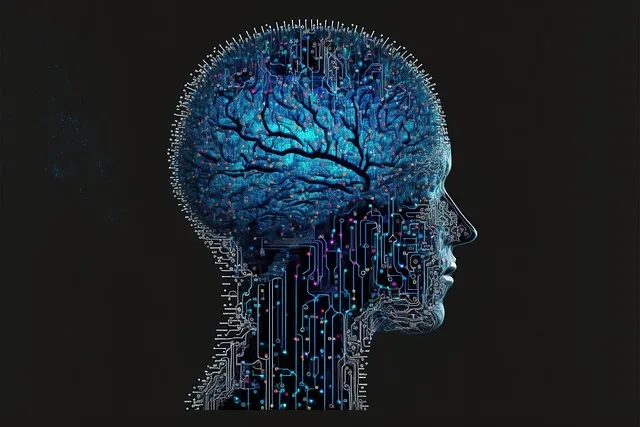
Activities and substances that raise BDNF (brain-derived neurotrophic factor) and NGF (nerve growth factor) support that process by supplying the molecular signals telling neurons to grow, connect, strengthen. Exercise is the most potent BDNF inducer available without a prescription. The challenge in long COVID is getting exercise’s BDNF benefit without triggering PEM — hence the heart-rate-guided, paced approach. Learning new skills — an instrument, a language, a craft — provides the intense, novel cognitive engagement that drives neuroplastic reorganization most strongly. Social interaction and emotional engagement, through the ventral vagal pathways discussed in Post 706, also support BDNF and neuroplasticity.
Lion’s mane mushroom (Hericium erinaceus) specifically promotes NGF and BDNF production, with documented neuroprotective and cognitive-supportive effects in research on mild cognitive impairment. At 500-1000mg of standardized extract twice daily, it’s a reasonable addition to the long COVID brain fog protocol with a favorable safety profile and a growing evidence base. Combined with the mitochondrial support, anti-neuroinflammatory stack, and cognitive rehabilitation, it adds to the multi-pronged approach the complexity of post-viral cognitive impairment demands.
Photobiomodulation — applying specific wavelengths of red and near-infrared light to the head — has emerging evidence for supporting neuroplasticity and reducing neuroinflammation. Several case series and small trials have shown cognitive improvement in mild cognitive impairment, TBI, and other neurological conditions with transcranial photobiomodulation. The mechanism involves cytochrome c oxidase activation in mitochondria, increased cerebral blood flow, and reduced inflammatory mediators. Home devices exist at various price points. Not established therapy, but a low-risk, non-pharmacological approach with growing evidence behind it.
Managing the Psychological Impact
Brain fog doesn’t just impair cognitive function — it impairs the exact cognitive functions needed to manage the distress of having impaired cognitive function. That’s a particularly cruel loop: distress over lost ability requires cognitive resources that are already depleted, making both the distress and the impairment worse. Naming the loop is the first step toward interrupting it.
Identity disruption is frequently the central psychological challenge in long COVID brain fog, particularly for people — like Kevin, like a lot of software engineers, academics, and high performers — whose identity is substantially built around cognitive capacity. When that capacity takes a significant hit, the loss isn’t just functional. It reads as a loss of self. Adapting to that, building an identity that can hold limitation without collapsing under it, is genuine work — the kind that benefits from real support.
Acceptance and Commitment Therapy (ACT) has particular relevance here — its focus on clarifying values, accepting what’s actually present in the moment (reduced cognitive function included), and committing to actions consistent with those values within real, not imagined, capacity offers a framework for living meaningfully within constraints, without either denying them or being defined by them. ACT doesn’t require believing the brain fog will resolve. It works regardless of outcome, by shifting the relationship to the experience from constant struggle toward acceptance and purposeful action inside reality as it actually is.
Connection with others navigating long COVID helps in a genuinely practical way. The Long COVID Alliance, Body Politic COVID Support Group, and Survivor Corps are among the patient organizations offering community, shared information, and advocacy. Being understood by people who’ve lived the same thing — not having to explain why pushing through isn’t an option, or why recovery is slower than everyone expects — cuts the isolation and shame that pile onto the cognitive and physical burden already there. Community isn’t a soft add-on here. For people whose illness has disconnected them from their professional identity and often from much of their social world, community functions as a form of survival.
Emerging Long COVID Treatments
The research on long COVID is moving faster than almost any comparable condition in recent medical history, driven by the sheer scale of the affected population and the political pressure that scale creates. Several promising treatments sit at various stages of investigation.
Paxlovid (nirmatrelvir/ritonavir), the antiviral approved for acute COVID, is being studied in long COVID — the hypothesis being that viral persistence in tissue reservoirs drives ongoing inflammation in some patients, and antivirals might clear that reservoir. Preliminary data is mixed, with some positive signals in specific long COVID phenotypes. RECOVER trials are ongoing. BC007, targeting autoantibodies against G-protein-coupled receptors found in some long COVID and ME/CFS patients, is in Phase 2. Monoclonal antibodies aimed at specific dysregulated inflammatory pathways sit at various stages of development. SSRIs and SNRIs are being studied for potential anti-inflammatory effects beyond their standard antidepressant mechanism — fluvoxamine specifically has shown anti-inflammatory properties through sigma-1 receptor agonism that may be relevant here.
The RECOVER initiative (Researching COVID to Enhance Recovery), funded by the NIH, is the largest coordinated long COVID research effort — thousands of patients studied longitudinally, multiple trials running simultaneously. Following RECOVER’s progress gives the most current and rigorous picture of long COVID treatment efficacy available. For patients suffering right now, the interventions in this protocol represent the best available evidence-based approach while the trials play out. The science is moving. Patients don’t have the luxury of waiting indefinitely for it to catch up.
Practical Daily Management: Living Through Recovery
While the underlying biology gets addressed, daily life still has to happen. Practical cognitive management strategies cut the real-world impact of brain fog and protect the energy recovery actually needs.
External cognitive scaffolding — tools that take over functions the impaired brain is struggling with — reduces the cognitive load of basic functioning. Detailed calendar systems with reminders for everything. Written checklists for tasks that used to run on autopilot. Voice memos instead of trying to hold ideas in impaired working memory. Note-taking through every conversation where something important needs retaining. None of this signals defeat — these are adaptive accommodations for a temporary biological impairment. Resisting them out of pride just burns cognitive energy that should go toward recovery instead.
Cognitive load management through the day: identify the window when cognitive function runs best (usually midmorning for most people) and protect it for the most demanding work. Reduce cognitive demand elsewhere: minimize decision fatigue by standardizing routine decisions, cut information input (news, social media, streaming) during recovery windows. Many long COVID patients notice a mismatch between how well they feel they’re doing and how they’re actually performing — feeling worse than the performance suggests, or, more dangerously, feeling better on a good day and over-committing to cognitive demand, which triggers a crash. Objective tracking through cognitive tests or performance metrics gives more reliable guidance than subjective assessment alone.
Work accommodations are legitimate, and often legally protected. Reduced hours, work-from-home arrangements, modified responsibilities that cut the most cognitively demanding tasks, temporary leave — all reasonable accommodations for a documented neurological condition. Plenty of employers, given appropriate medical documentation, turn out more willing to accommodate than patients expect going in. Documenting the impairment through neuropsychological testing makes any accommodation request significantly stronger, and protects patients if disputes come up later.
The long-game perspective matters: brain fog recovery runs in months to years, not days to weeks. Expecting rapid recovery just produces unnecessary suffering when progress is slower than hoped. Reframing the timeline — this is a neurological recovery project with a realistic horizon of 12-24 months for significant improvement — allows a more sustainable relationship with the process. Tracking objective measures monthly provides evidence of progress that day-to-day subjective assessment often misses entirely, and that evidence tends to be exactly what sustains motivation when the subjective experience feels discouraging.
The Practical Framework: Applying Mechanisms Long COVID Brain In Real Life
References
Editorial StandardsCorrectionsMedical DisclaimerAbout Our ContentAffiliate DisclosureSite Map