

He was sleeping more than usual, craving carbs he didn’t used to crave, mildly flat in a way that wasn’t quite depression but wasn’t him either. Testosterone came back fine. Cortisol, fine. Thyroid, fine. It was his doctor’s curiosity — not any standard protocol — that led to a prolactin test almost as an afterthought. The number came back at 58 ng/mL. Nearly triple the upper limit of normal.
Prolactin, in most fitness and health writing, shows up as a footnote — a hormone that causes trouble for a small unlucky few and otherwise doesn’t merit a second look. In the clinical literature it fares slightly better, but mostly in the context of pituitary tumors, breastfeeding physiology, and fertility clinics.
What’s missing from both conversations is prolactin’s role as a full hormonal regulator in men — one that, chronically elevated, produces a recognizable pattern of suppressed testosterone, sexual dysfunction, fatigue, and shifting body composition in far more men than pituitary tumor rates alone would explain. And in most of those men, it’s addressable without a prescription.
This is the case for taking prolactin seriously in men — what it actually does physiologically, why it climbs in modern men more often than anyone’s tracking, and what elevated prolactin specifically does to testosterone, dopamine, sexual function, and body composition. Because none of this is niche endocrinology. Not remotely.
For a meaningful slice of men dealing with fatigue nobody can explain, a libido that’s quietly checked out, body composition that’s drifting the wrong way, or training that stopped paying off — this is very often the piece nobody thought to test for.
What Prolactin Actually Does and Why Men Have It
Prolactin is a 199-amino acid polypeptide hormone, produced by lactotroph cells in the anterior pituitary. In women its headline function is lactation — it surges during breastfeeding, triggered by the suckling reflex, and drives milk production. And in breastfeeding women, prolactin’s suppression of ovulation — the mechanism behind lactational amenorrhea — is the effect with the biggest downstream reproductive consequences.
Those are the contexts where prolactin gets discussed at all, which is exactly why it’s picked up an implicit feminine association that buries its physiology in men.
Men have prolactin because it does more than lactation ever covered. Prolactin receptors sit in nearly every tissue in the male body — testes, prostate, liver, kidney, adrenal gland, immune cells, brain. At normal levels it appears to support immune regulation, Leydig cell testosterone production, sperm development (prolactin receptors on Sertoli cells support spermatogenesis directly), and possibly the maintenance of prostate tissue.
The evolutionary logic: prolactin is an old survival hormone, present in non-mammalian vertebrates long before lactation existed as a concept. Its roles in immune regulation, stress response, and metabolic adaptation predate the mammalian milk function by hundreds of millions of years.
Prolactin secretion runs on inhibition, not stimulation — which makes it the odd one out among pituitary hormones. Dopamine, released tonically from tuberoinfundibular dopamine (TIDA) neurons in the hypothalamic arcuate nucleus, travels through the portal blood to the anterior pituitary and binds D2 receptors on lactotrophs, where it suppresses prolactin synthesis and release. Most pituitary hormones get told to go. This one gets told to stop, continuously, and only rises when that stop signal weakens.
Dopamine is the default brake. Anything that reduces dopamine release — stress, dopamine-depleting drugs, dopamine receptor antagonists, hypothalamic inflammation — eases off that brake and lets prolactin climb.
Normal prolactin in men runs 2-18 ng/mL, pulsatile, peaking during sleep and dropping to its lowest point in the mid-afternoon. There’s also a post-orgasm surge: immediately after ejaculation, prolactin spikes and stays elevated for 60-90 minutes, which appears to be the actual neurochemical mechanism behind the post-ejaculation refractory period and the sense of sexual satiety that follows. Normal. Functional. It’s doing its job — shutting arousal down, making rest possible.
Chronically elevated prolactin is something else. It produces a hormonal state that resembles being stuck permanently in that post-orgasm window — reduced libido, sexual apathy, and the cascade of downstream effects below.
Prolactin and Testosterone: The Direct Suppression Pathway
The interaction that matters most clinically is prolactin’s effect on testosterone, which runs through multiple pathways at once and explains why hyperprolactinemia can look nearly identical to primary hypogonadism — testicular failure — despite starting at the hypothalamus.
The main mechanism runs through GnRH (gonadotropin-releasing hormone), the hypothalamic pulse generator that drives LH secretion, which in turn drives testicular testosterone production. Elevated prolactin suppresses GnRH pulse frequency and amplitude directly, acting on GnRH neurons in the hypothalamus. Weaker GnRH pulses mean less LH. Less LH means Leydig cells get less signal. Less signal, less testosterone.
That’s hypogonadotropic hypogonadism — low testosterone with low or inappropriately normal LH, which tells you the fault sits upstream, at the hypothalamic-pituitary level, not in the testes themselves.
The distinction matters clinically. A man with low testosterone from primary testicular failure shows elevated LH — the pituitary shouting louder at testes that won’t respond. A man with low testosterone from hyperprolactinemia shows low or low-normal LH — the pituitary getting a suppressed signal and simply not asking for more testosterone. A standard testosterone panel won’t tell these apart. You need LH and prolactin both to see which one you’re looking at.
Plenty of men on testosterone replacement therapy would have responded just as well to prolactin normalization, and never find out, because prolactin isn’t on most standard male hormone panels to begin with.
Beyond the GnRH-LH pathway, prolactin also suppresses testosterone directly at the testicular level, through effects on Leydig cell steroidogenesis. A 2017 study in the Journal of Andrology found that prolactin receptor activation on Leydig cells reduces expression of StAR protein — the rate-limiting step in moving cholesterol into mitochondria for steroid synthesis — and reduces activity of CYP11A1, the enzyme that converts cholesterol to pregnenolone.
Both pathways run in parallel. Both need to resolve before testosterone can fully recover once prolactin comes back down.
The suppression is dose-dependent, roughly speaking — higher prolactin, more suppression. A man sitting at 30-50 ng/mL might show testosterone 30-40% below his own baseline. Above 100 ng/mL, more typical of a microadenoma, the suppression gets dramatic, with overt hypogonadal symptoms attached.
The mild-to-moderate range — 25-60 ng/mL, which can come from purely functional, non-adenoma causes — is the one that usually gets waved off as “low normal testosterone.” It shouldn’t be. It should be labeled testosterone suppressed by hyperprolactinemia, because that’s a specific, treatable cause, not a shrug.
The Dopamine Connection: Why Prolactin Is a Window Into Dopamine Health
Because prolactin is regulated primarily by dopaminergic inhibition, chronically elevated prolactin often signals reduced dopamine tone in the tuberoinfundibular pathway — and, possibly, in dopaminergic circuits more broadly. Which makes it a useful biomarker for dopamine system health in men reporting the symptoms that go along with dopamine insufficiency: flattened motivation, anhedonia, trouble sustaining effort, reward-seeking gone sideways.
Dopamine in the tuberoinfundibular pathway answers to a lot of the same regulatory inputs as dopamine in the mesocortical and mesolimbic pathways — the ones running motivation, reward, executive function, emotional regulation.
These systems aren’t identical, and they don’t move in perfect lockstep. But they share inputs: nutritional status (dopamine synthesis needs tyrosine, B6, and iron as cofactors), stress (which depletes dopamine through several routes at once), sleep deprivation (which dulls receptor sensitivity), and the reward-system wear from compulsive behaviors — pornography, gaming, doomscrolling, substance use — that downregulate dopamine signaling over time through blunted receptors.
Worth addressing the pornography-prolactin link on its own, because it’s a live clinical phenomenon and mainstream health writing mostly ignores it. High-frequency pornography use hits the mesolimbic dopamine system as a supernormal stimulus — novel, visually intense, triggering more dopamine release than anything real-world sex or social contact provides. Repeated exposure downregulates the receptors, and the same stimulus stops producing the same response. More is required for the same hit.
That same downregulation hits TIDA neurons, which weakens the dopaminergic brake on prolactin and contributes to elevated levels in men with high consumption patterns.
A 2014 case series in the Journal of Sexual Medicine documented prolactin normalizing in men with hyperprolactinemia and heavy pornography use after they stopped entirely — with improvements in libido, erectile function, and mood that weren’t explained by any other treatment change. Case-level evidence, not proof. But the mechanism holds up, and it’s consistent with everything known about dopamine-prolactin regulation.
For men with unexplained mild-to-moderate hyperprolactinemia and heavy pornography use, addressing that first — before reaching for a prescription — is the obvious move.
Causes of Elevated Prolactin in Men Beyond Pituitary Adenoma

But microadenoma only accounts for a portion of elevated prolactin readings. The non-adenoma causes are both more common and, usefully, more responsive to lifestyle and diet.
Medications top that list. Dopamine receptor antagonists — antipsychotics, metoclopramide (used for gastroparesis), domperidone, several antiemetics — block D2 receptors on lactotrophs directly and can push prolactin into triple digits. SSRIs and SNRIs raise it more modestly through serotonin, which acts as a prolactin secretagogue that competes with dopamine’s braking effect.
Opioids lower dopamine tone and raise prolactin — part of why chronic opioid use suppresses testosterone in the first place. Any man on drugs in these categories who turns up with elevated prolactin should run it past a physician before assuming something pathological.
Stress and sleep deprivation are functional causes, driving chronically elevated prolactin through cortisol-mediated dopamine depletion. A 2003 study in Psychoneuroendocrinology found chronic psychological stress raised prolactin in men via CRH stimulation of prolactin secretion combined with cortisol suppressing dopamine synthesis.
Sleep deprivation specifically wrecks the normal nocturnal prolactin pulse. A properly timed nighttime surge is normal and useful; the fragmented, irregular pattern that comes with poor sleep raises the daytime average instead. For men running on chronic stress and bad sleep — which, let’s be honest, describes a large share of modern men — functional hyperprolactinemia from these causes deserves a look before anyone reaches for a pill.
Nutrition plays in through dopamine precursor availability and zinc status. Zinc is required for dopamine synthesis — as a cofactor for dopamine-beta-hydroxylase and for D2 receptor binding. A 2013 study in Neuropharmacology found zinc-deficient rats developed hyperprolactinemia that resolved with zinc supplementation, through restored dopaminergic inhibition.
Several human studies link lower zinc status to elevated prolactin, particularly in athletes and in people on high-phytate diets that block zinc absorption. Tyrosine — the amino acid precursor for dopamine, norepinephrine, and epinephrine — becomes rate-limiting for catecholamine synthesis under high demand, and inadequate intake can theoretically cap dopamine production. Protein-adequate diets with tyrosine-rich foods support the whole chain.
Hypothyroidism — particularly Hashimoto’s — raises prolactin through TRH (thyrotropin-releasing hormone). TRH is a strong prolactin secretagogue, and in hypothyroidism it climbs as the pituitary tries to force more TSH out. The elevated TRH pulls prolactin up along with it, producing a secondary hyperprolactinemia that resolves once thyroid hormone is properly replaced — not with a dopamine agonist.
Which is the practical point: any man with mild-to-moderate hyperprolactinemia should get a full thyroid workup, because hypothyroid-driven elevation won’t respond to dopamine agonists at all. It responds to fixing the thyroid.
Prolactin’s Effects Beyond Testosterone: Body Composition, Immunity, and Mood
The clinical picture reaches well past the testosterone-libido axis that gets all the attention — into body composition, immune regulation, metabolism, and mood, which is exactly why elevated prolactin produces such a scattered, confusing set of symptoms that gets blamed on depression, stress, or just getting older.
On body composition: prolactin promotes fat storage through its effect on lipoprotein lipase, the enzyme that pulls triglycerides into fat cells. Makes sense in the context of lactation — building fat reserves for an energy-expensive job. In men, without the offsetting demand of actually producing milk, that same mechanism just adds visceral and subcutaneous fat with nothing to show for it.
Elevated prolactin also blunts growth hormone signaling in peripheral tissue, reducing lipolytic activity — part of why David’s training stopped paying off the way it used to. Men with hyperprolactinemia routinely report gaining fat with nothing else about their diet or training having changed. This is the mechanism behind that complaint, not imagination.
The immune effects cut both ways, depending on level. At normal physiological concentrations, prolactin supports immune function — structurally similar to growth hormone, it activates the same JAK-STAT signaling in immune cells and promotes lymphocyte activity. Chronically elevated, it tips the balance toward autoimmune-promoting Th17 cells and away from the regulatory T cells that keep immune tolerance in check.
Consistent with the higher rates of autoimmune disease seen in hyperprolactinemia, and with dopamine agonist treatment’s known effect on autoimmune markers in conditions like lupus, where prolactin elevation tracks with disease flares.
The mood effects are real and mostly overlooked. The mechanism runs through prolactin’s suppression of limbic dopamine — the same pathways behind motivation, reward, emotional tone. Men describe a state that isn’t quite classical depression: less sadness, more flatness. Anhedonia. Emotional dimming. A reduced capacity to feel anything from things that used to reliably feel good.
That’s the signature of dopamine insufficiency, not serotonergic depression — which is exactly why plenty of men with undiagnosed hyperprolactinemia don’t respond to SSRIs. The medication is aimed at the wrong system.
Testing and Interpreting Prolactin in Men
Testing itself is simple. Interpreting it correctly takes a bit more care.
Blood prolactin comes from a single serum draw, ideally in the morning (prolactin peaks during sleep and drops through the morning), fasting, without preceding exercise (physical stress spikes it acutely), and after at least 20 minutes at rest, since the anxiety of the blood draw itself can transiently push it up. Ideally the draw happens at least a day after the last sexual activity, since post-orgasm elevation can linger for hours.
Those pre-analytical variables are exactly why one mildly elevated result shouldn’t trigger a workup on its own. Repeat the test with the variables controlled, and a meaningful share of “elevated” results turn out to be nothing.
Macroprolactinemia — where prolactin circulates mostly as large IgG-bound complexes (“big-big prolactin”) rather than the biologically active monomer — accounts for a real chunk of mild-to-moderate elevations. Standard immunoassays pick it up as elevated prolactin even though it’s biologically inert and produces none of the actual clinical effects.
Many labs offer macroprolactin screening or PEG precipitation testing to sort this out, which matters, because macroprolactinemia needs no treatment at all. Anyone with modestly elevated prolactin and minimal symptoms should get this screening before anything else.
When does pituitary MRI make sense? Endocrine Society guidelines recommend it for men with prolactin consistently above 20-25 ng/mL. Microadenomas (under 1 cm) turn up in 10-25% of autopsied pituitary glands generally — the most common pituitary tumor by far — and most are non-functional or barely nudge prolactin at all.
Macroadenomas (over 1 cm) are rarer but can press on surrounding structures — the optic chiasm (causing visual field problems), the cavernous sinus, normal pituitary tissue. Anyone with prolactin persistently above 40-50 ng/mL, visual symptoms, headaches, or signs of other pituitary hormone deficiency needs an MRI, and needs it promptly.
Non-Pharmacological Prolactin Reduction Strategies
Zinc, taken daily alongside copper to prevent depletion, has the strongest mechanistic case of anything on this list, via dopamine pathway support. Athletes — who lose a lot of zinc through sweat — and men on high-phytate diets stand to benefit most.
A 2011 study in Biological Trace Element Research found zinc supplementation reduced prolactin in zinc-deficient hyperprolactinemic men and improved their sexual function scores alongside it.
Vitamin B6 (pyridoxine) is a cofactor for the enzyme that converts L-DOPA into dopamine. A handful of studies from the 1970s and ’80s found high-dose B6 — 300-600 mg/day — meaningfully lowered prolactin in both normal and hyperprolactinemic subjects. More recent research is less consistent, and high doses above 200 mg/day carry a real risk of peripheral neuropathy with prolonged use.
The practical version: get adequate B6 from food — poultry, fish, potatoes, bananas — rather than chasing high-dose supplementation.
Vitex agnus-castus (chaste tree berry) is the most studied herbal option here. Several controlled trials found it lowers prolactin in women with hyperprolactinemia-linked menstrual irregularities and PMS, apparently through diterpene compounds that act as dopamine agonists and bind D2 receptors on lactotrophs directly, mimicking dopamine’s braking effect.
Evidence in men is thinner — most of the trials were run in women — but the mechanism doesn’t care about sex, and case reports and small series suggest similar effects. Trial doses ran 20-40 mg of standardized extract daily. It’s contraindicated alongside dopamine antagonist medications and in hormone-sensitive conditions.
Sleep is one of the highest-use fixes for men whose functional hyperprolactinemia traces back to chronic sleep debt. Getting to 7-9 hours, treating sleep apnea if it’s present, tightening up sleep timing, managing caffeine and alcohol — all of it restores the normal nocturnal prolactin pulse and brings the elevated daytime average back down.
Sleep apnea in particular is linked to hyperprolactinemia — the intermittent hypoxia and cortisol spikes from repeated apneic events stimulate prolactin through several pathways at once, and CPAP treatment in men with both conditions produces real prolactin normalization in observational data.
Exercise cuts both ways depending on timing and type. Acute intense exercise spikes prolactin transiently — normal, not a problem. Overtraining syndrome, where training outpaces recovery for a sustained stretch, produces chronically elevated prolactin as part of the broader hypothalamic-pituitary dysregulation that defines overtraining. Which is David’s story exactly — a cyclist training hard without enough recovery, his elevated prolactin one piece of a wider neuroendocrine mess.
Periodizing training, building in real recovery, and supporting nutrition around hard sessions — particularly carbs and protein — addresses the overtraining piece directly.
Pharmacological Management: When Cabergoline and Bromocriptine Are Indicated
For prolactin that doesn’t respond to lifestyle changes, or that’s sitting moderately-to-severely high (above 60-80 ng/mL), dopamine agonists are well-established and work well. The real question is when pharmacological treatment is appropriate versus when it should wait behind a proper trial of lifestyle fixes first.
Cabergoline (Dostinex) is the preferred first-line option in most guidelines — binds D2 receptors on lactotrophs with high affinity and long action, so twice-weekly dosing is usually enough. Across multiple comparative trials, cabergoline normalizes prolactin in 80-90% of microprolactinoma patients, versus 70-75% for bromocriptine, with meaningfully fewer side effects — less nausea, less dizziness.
Prescribers start low and titrate from there.
The cardiac valve concern gets raised constantly — it comes from studies on much higher doses used for Parkinson’s disease — and it doesn’t hold up as a meaningful risk at the doses used for prolactin (0.5-3 mg/week), which sit far below Parkinson’s dosing (10+ mg/week).
Multiple studies specifically looking at cardiac valves in hyperprolactinemia patients on standard cabergoline doses found no meaningful increase in valve abnormalities versus untreated controls. Not a reason to dismiss the concern outright — a baseline echocardiogram before starting, and with dose increases, is reasonable — but not a reason to withhold treatment that’s actually indicated, either.
For functional hyperprolactinemia in the 25-60 ng/mL range, the lifestyle-first-versus-medication call should be made case by case. Symptom severity, fertility timelines, obvious lifestyle drivers (overtraining, sleep apnea, heavy pornography use, medication side effects), and personal preference all factor in. A clinician who jumps straight to cabergoline for every elevated reading, without ever trying lifestyle correction first, is skipping a step that fixes plenty of these cases on its own.
Common Questions About Prolactin Actually Does
Q: How common is elevated prolactin in men without pituitary adenoma?
More common than testing patterns suggest. Microprolactinoma prevalence in men runs around 10-20 per 100,000 — but functional hyperprolactinemia, from the lifestyle, nutritional, medication, and stress causes covered above, is far more common and mostly untested for. Studies of men presenting with sexual dysfunction, hypogonadism symptoms, or fertility problems who actually get a complete hormone workup find elevated prolactin in 10-30% of cases — the majority with no adenoma at all.
The practical takeaway: prolactin belongs in any full male hormone evaluation, especially when testosterone is sitting low-normal or there’s unexplained sexual or mood change nobody can account for.
Q: Will normalizing prolactin automatically restore testosterone levels?
Usually, but the degree and timing vary. Recovery of the GnRH pulse generator after long-standing suppression can take 3-6 months once prolactin normalizes — the hypothalamic system essentially has to reboot. Direct Leydig cell effects tend to resolve faster. Some men have other testosterone-limiting factors stacked underneath — insulin resistance, sleep apnea, age — that only become visible once the prolactin-driven suppression clears.
Tracking prolactin and testosterone together, monthly, after normalization gives the clearest read on whether recovery is actually happening on schedule.
Q: Can elevated prolactin affect muscle building and athletic performance?
Yes, and through more than one route. Testosterone suppression from hyperprolactinemia directly cuts muscle protein synthesis and training adaptation. Prolactin’s antagonism of growth hormone signaling reduces IGF-1 and the muscle-building response to training on its own. The shift toward fat storage tilts the anabolic-to-catabolic ratio that governs net muscle gain from any given training stimulus.
And the mood effects — reduced hedonic capacity, flatness, low motivation — drag down training quality and consistency in ways that compound over months. David’s “hollow workouts,” going through the motions without the payoff that used to make it worth doing, is a recognizable presentation of exactly this.
Q: Is there a connection between prolactin and erectile dysfunction?
Yes — both directly and indirectly. Directly, prolactin affects penile smooth muscle nitric oxide signaling through PDE5 (the enzyme sildenafil/Viagra inhibits) — elevated prolactin increases PDE5 expression, cutting cyclic GMP availability and blunting the vasodilation an erection requires. Indirectly, testosterone suppression from hyperprolactinemia reduces central sexual drive on top of that.
Men with hyperprolactinemia frequently have ED that doesn’t respond to PDE5 inhibitors at all — because the root problem is hormonal and neurochemical, not vascular. Fixing the prolactin usually does more for erectile function than the little blue pill ever will in these cases.
Q: Can intermittent fasting or dietary changes affect prolactin levels?
Caloric restriction and fasting produce an acute prolactin rise, as part of the hormonal recalibration that conserves reproductive function during scarcity. Chronic aggressive undereating — common enough in some fitness circles — can create functional hyperprolactinemia through this same route. Adequate intake, particularly protein (for tyrosine) and carbs (for the glucose that supports dopamine synthesis), keeps this mechanism from becoming a problem.
Athletes and bodybuilders most likely to see diet-driven prolactin elevation are the ones running aggressive deficits stacked on top of heavy training loads. The fix is straightforward: enough total calories, with attention to protein, zinc, and B-vitamin sufficiency.
Prolactin and Bone Health: The Overlooked Connection
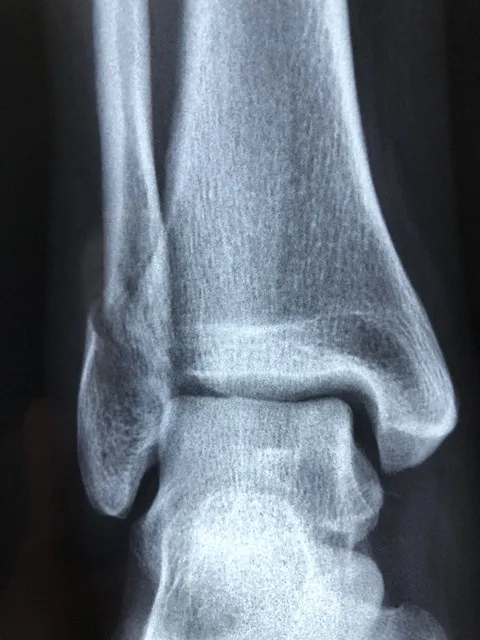
Osteoblasts and osteoclasts — the cells that build and break down bone, respectively — both carry prolactin receptors. Elevated prolactin pushes osteoclast activity up and osteoblast function down, tilting remodeling toward net loss. This appears independent of the testosterone drop, since hyperprolactinemic men show more bone loss than the testosterone deficit alone can explain.
A 2011 study in Osteoporosis International found men with hyperprolactinemia had significantly lower bone mineral density at the lumbar spine and hip versus age-matched controls — and that the bone loss tracked with how long and how severely prolactin had been elevated, not with testosterone level alone.
The clinical upshot: men with hyperprolactinemia, especially those who went years before diagnosis, should get a DEXA scan as part of the initial workup. Dopamine agonist treatment partially restores bone density over time, but full recovery depends on catching it before trabecular bone loss becomes irreversible.
One more reason undiagnosed hyperprolactinemia is a bigger cumulative cost than the libido and energy symptoms alone would suggest.
Prolactin in the Context of the Complete Male Hormonal System
Prolactin doesn’t optimize in isolation — no hormone does, not independent of the network it sits inside. Seeing how it interacts with testosterone, estradiol, DHEA, cortisol, thyroid hormones, and insulin gives the fuller, more useful picture for anyone actually trying to sort this out.
The prolactin-estradiol relationship deserves its own mention. Elevated estradiol — whether from aromatization in excess body fat, environmental estrogen exposure, or testosterone replacement run without an aromatase inhibitor — stimulates prolactin production directly, through estrogen receptor activation in the pituitary. Physiologically this makes sense (estradiol preps breast tissue for lactation during pregnancy by inducing prolactin-producing cells), but in men with any source of excess estrogen, it becomes a direct prolactin-raising pathway of its own.
A man with high aromatase activity from visceral fat, who also has elevated prolactin, may be caught in a loop that feeds itself: insulin resistance drives fat gain, fat drives aromatase, aromatase drives estradiol, estradiol drives prolactin, prolactin suppresses testosterone, low testosterone adds more fat and less muscle. Breaking that loop means hitting insulin resistance, body composition, and prolactin all at once — not chasing one marker at a time and wondering why nothing moves.
The prolactin-DHEA relationship is less studied but still relevant. DHEA (dehydroepiandrosterone) is the adrenal androgen precursor to both testosterone and estrogen, and hyperprolactinemia appears to suppress its production by affecting adrenal DHEA-sulfotransferase expression — adding to the overall androgen shortfall beyond what’s happening at the testes.
DHEA-S (the serum marker for adrenal androgen output) belongs in a full hormone workup for hyperprolactinemia, and its recovery after prolactin normalizes is a marker of complete restoration — not just testosterone bouncing back.
The standard male hormone panel — testosterone and PSA — is the metabolic equivalent of diagnosing engine health by checking whether the car starts. Prolactin is one of the most directly testosterone-relevant hormones in male physiology, responds to the most common lifestyle stressors, and is essentially never measured unless someone specifically orders it. That’s not cautious medicine. That’s incomplete medicine leaving men with treatable conditions untreated for years.
David’s story wrapped up more simply than he expected, eventually — though it didn’t go in a straight line to get there. His elevated prolactin traced back to a combination of overtraining (he’d roughly doubled his training volume that year prepping for a race), chronic sleep debt from irregular sleep timing, and dopamine system strain that only got identified once someone finally ran the full panel instead of stopping at testosterone and TSH.
He cut his training volume, locked in a consistent sleep schedule, added zinc, cleaned up his nutrition around hard sessions, and started a six-week course of Vitex under his doctor’s supervision. Then, six weeks in, his prolactin recheck had barely budged. He nearly wrote the whole thing off — bad genetics, bad luck, whatever — until his doctor bumped the zinc dose and pointed out, not for the first time, that he still hadn’t actually cut his training volume the way they’d discussed. He had, sort of. Not really.
He did, after that. His prolactin normalized over three months. Testosterone recovered to his prior baseline within six. The hollow quality in his training disappeared. He finished the race — not his best time, but he finished it, and it felt like his again.
And he became, not entirely by accident, the guy in his cycling group who brings up prolactin testing whenever someone complains about stalled training and a mood that won’t lift. He’d learned it the slow way: the full picture of male hormonal health means looking at the whole system, not just the one number that happens to be on the standard panel.
References
Editorial StandardsCorrectionsMedical DisclaimerAbout Our ContentAffiliate DisclosureSite Map