

The Physics of Thin Air
At sea level, atmospheric pressure is 760 mmHg. At 6,000 feet, it drops to roughly 609 mmHg. At the summit of Everest, it’s 253 mmHg. The percentage of oxygen in the air doesn’t change — it’s still 20.9% everywhere from sea level to the Khumbu Icefall. What changes is the partial pressure of that oxygen.
Partial pressure of oxygen (pO2) at sea level is approximately 159 mmHg (760 × 0.209). At 6,000 feet, pO2 drops to about 127 mmHg. At 12,000 feet, roughly 100 mmHg. This matters because oxygen moves from air to blood along a pressure gradient — lower ambient pO2 means less driving force for oxygen to cross the alveolar membrane into the bloodstream.
The result is hypoxemia: reduced oxygen saturation of hemoglobin. At sea level, healthy individuals maintain SpO2 of 97-99%. At 6,000 feet, saturation drops to 93-95% during rest. During maximal exercise at altitude, it can fall below 85% — a level that would trigger emergency intervention at a hospital.
The clinical implications of the physics of thin air extend well beyond what a brief summary can capture. Research from multiple independent groups has consistently demonstrated that individuals who understand the mechanistic basis for their health interventions show substantially better adherence and outcomes than those following protocols without understanding the underlying rationale. This is not a trivial observation — it points to a fundamental principle: knowledge itself is a therapeutic intervention, not merely a precursor to one.
Individual variability in response to interventions targeting the physics of thin air is substantial. Genetic polymorphisms, baseline nutritional status, sleep quality, stress burden, and gut microbiome composition all interact to determine how any given individual responds to a specific protocol. This is why personalized approaches — guided by objective biomarker data rather than population averages — consistently outperform generic recommendations in clinical trials and real-world practice. The tools for personalization are increasingly accessible and affordable, making there little reason to settle for average-population guidance when individual-specific data is available.
The temporal dynamics of adaptation deserve specific attention. Most physiological adaptations follow a characteristic time course: an initial acute response within hours to days, a training or conditioning effect within weeks, and a structural or epigenetic adaptation over months. Understanding which type of response you are targeting — and calibrating your expectations to the appropriate time horizon — prevents the premature abandonment of effective interventions and the endless cycling through ineffective ones. Patience calibrated to biology, rather than to marketing timelines, is a significant competitive advantage in any health optimization protocol.
The interaction between altitude and breathing adaptation and the autonomic nervous system is frequently underappreciated. The sympathetic-parasympathetic balance profoundly influences virtually every biological process discussed in this context — metabolic rate, immune activation, inflammatory tone, digestive function, and hormonal signaling all shift dramatically depending on autonomic state. This means that chronic psychological stress — which drives sympathetic dominance — acts as a multiplier on every other health variable. Addressing autonomic dysregulation through HRV training, mindfulness practice, social connection, and nature exposure is not a soft intervention — it is addressing a core biological lever that influences every other system simultaneously.
Acute Mountain Sickness: What Goes Wrong First
The immediate response to altitude is hyperventilation. Your peripheral chemoreceptors, particularly the carotid bodies at the bifurcation of the common carotid artery, detect the falling pO2 and send signals to the respiratory control center in the brainstem to increase breathing rate and depth.
This is helpful for oxygen delivery. It’s also a problem. Breathing harder means exhaling more CO2, reducing arterial pCO2. CO2 is the primary driver of blood pH — less CO2 means more alkaline blood (respiratory alkalosis). Alkalotic blood reduces chemoreceptor sensitivity to oxygen, creates a respiratory ‘brake’ that limits how much you can hyperventilate, and causes cerebral vasoconstriction — reduced blood flow to the brain.
Acute Mountain Sickness (AMS) symptoms — headache, nausea, fatigue, dizziness, sleep disruption — are primarily driven by this combination: relative cerebral hypoxia plus the fluid shifts triggered by the acute stress response. AMS affects roughly 25% of people sleeping above 8,000 feet and 75% of those ascending rapidly to above 14,000 feet.
The clinical implications of acute mountain sickness: what goes wrong first extend well beyond what a brief summary can capture. Research from multiple independent groups has consistently demonstrated that individuals who understand the mechanistic basis for their health interventions show substantially better adherence and outcomes than those following protocols without understanding the underlying rationale. This is not a trivial observation — it points to a fundamental principle: knowledge itself is a therapeutic intervention, not merely a precursor to one.
Individual variability in response to interventions targeting acute mountain sickness: what goes wrong first is substantial. Genetic polymorphisms, baseline nutritional status, sleep quality, stress burden, and gut microbiome composition all interact to determine how any given individual responds to a specific protocol. This is why personalized approaches — guided by objective biomarker data rather than population averages — consistently outperform generic recommendations in clinical trials and real-world practice. The tools for personalization are increasingly accessible and affordable, making there little reason to settle for average-population guidance when individual-specific data is available.
The Adaptation Cascade: What Your Body Does Over Days to Weeks
Within hours: The kidneys begin excreting bicarbonate, gradually lowering blood pH back toward normal. This ‘acclimatization’ allows further hyperventilation without the brake of alkalosis, improving oxygen saturation.
Within days: Erythropoietin (EPO) secretion increases from the kidneys and liver, stimulated by hypoxia-inducible factor 1-alpha (HIF-1α). EPO drives red blood cell production in the bone marrow. This process takes 3-5 days to begin showing measurable increases in circulating red cell mass.
Within weeks: Red blood cell count increases, hematocrit rises, and total hemoglobin mass expands — the primary mechanism behind the performance advantage of altitude training. Each gram of additional hemoglobin can transport approximately 1.34 mL of oxygen per 100 mL of blood.
Within months at high altitude: Further adaptations include increased capillary density, enhanced mitochondrial efficiency, shifts in hemoglobin’s oxygen affinity curve, and structural changes in respiratory muscles to cope with the chronic ventilatory demand.
The clinical implications of the adaptation cascade: what your body does over days to weeks extend well beyond what a brief summary can capture. Research from multiple independent groups has consistently demonstrated that individuals who understand the mechanistic basis for their health interventions show substantially better adherence and outcomes than those following protocols without understanding the underlying rationale. This is not a trivial observation — it points to a fundamental principle: knowledge itself is a therapeutic intervention, not merely a precursor to one.
Individual variability in response to interventions targeting the adaptation cascade: what your body does over days to weeks is substantial. Genetic polymorphisms, baseline nutritional status, sleep quality, stress burden, and gut microbiome composition all interact to determine how any given individual responds to a specific protocol. This is why personalized approaches — guided by objective biomarker data rather than population averages — consistently outperform generic recommendations in clinical trials and real-world practice. The tools for personalization are increasingly accessible and affordable, making there little reason to settle for average-population guidance when individual-specific data is available.
“The body always strives toward health — our job is to remove the obstacles.” — Andrew Weil
HIF-1α: The Master Regulator of Altitude Adaptation

HIF-1α target genes include: EPO (red blood cell production), VEGF (new blood vessel formation), glycolytic enzymes (shift toward anaerobic metabolism), glucose transporters (increased cellular glucose uptake), and carbonic anhydrase IX (pH regulation in hypoxic tissues).
The elegance of this system is its proportionality — the lower the oxygen, the more HIF-1α accumulates, the stronger the adaptive signal. Tibetan populations have genetic variants that modify HIF pathway signaling, allowing them to thrive at altitudes that would debilitate lowlanders indefinitely.
The clinical implications of hif-1α: the master regulator of altitude adaptation extend well beyond what a brief summary can capture. Research from multiple independent groups has consistently demonstrated that individuals who understand the mechanistic basis for their health interventions show substantially better adherence and outcomes than those following protocols without understanding the underlying rationale. This is not a trivial observation — it points to a fundamental principle: knowledge itself is a therapeutic intervention, not merely a precursor to one.
Individual variability in response to interventions targeting hif-1α: the master regulator of altitude adaptation is substantial. Genetic polymorphisms, baseline nutritional status, sleep quality, stress burden, and gut microbiome composition all interact to determine how any given individual responds to a specific protocol. This is why personalized approaches — guided by objective biomarker data rather than population averages — consistently outperform generic recommendations in clinical trials and real-world practice. The tools for personalization are increasingly accessible and affordable, making there little reason to settle for average-population guidance when individual-specific data is available.
Live High, Train Low: The Evidence-Based Strategy
The dominant altitude training protocol in elite endurance sports is ‘live high, train low’ (LHLT). The logic: living at altitude stimulates EPO and red blood cell production, while training at lower altitude allows near-normal training intensity (because pO2 is sufficient for maximal effort).
The seminal research comes from Benjamin Levine and James Stray-Gundersen, who conducted a landmark controlled study in the 1990s showing LHLT improved sea-level performance by 1.1-1.4% through increased red blood cell mass. Subsequent research has confirmed the effect across sports and populations.
Optimal parameters: live at 2,200-2,500 meters (7,200-8,200 feet), train at or below 1,500 meters. Duration: minimum 3 weeks for measurable hematological response, optimal 4-5 weeks. The benefits peak approximately 3-4 weeks after return to sea level, making timing relative to competition crucial.
The clinical implications of live high, train low: the evidence-based strategy extend well beyond what a brief summary can capture. Research from multiple independent groups has consistently demonstrated that individuals who understand the mechanistic basis for their health interventions show substantially better adherence and outcomes than those following protocols without understanding the underlying rationale. This is not a trivial observation — it points to a fundamental principle: knowledge itself is a therapeutic intervention, not merely a precursor to one.
Individual variability in response to interventions targeting live high, train low: the evidence-based strategy is substantial. Genetic polymorphisms, baseline nutritional status, sleep quality, stress burden, and gut microbiome composition all interact to determine how any given individual responds to a specific protocol. This is why personalized approaches — guided by objective biomarker data rather than population averages — consistently outperform generic recommendations in clinical trials and real-world practice. The tools for personalization are increasingly accessible and affordable, making there little reason to settle for average-population guidance when individual-specific data is available.
Altitude Tents and Simulated Altitude
- Assess baseline function through targeted biomarker testing
- Address the highest-use root causes: sleep, movement, nutrition, stress
- Implement targeted interventions based on individual biomarker data
- Monitor response and iterate at 8-12 week intervals
- Build in accountability mechanisms to sustain behavioral changes
Not everyone can move to Colorado Springs. Altitude tents — hypoxic sleeping environments that reduce oxygen concentration to simulate 2,500-4,000 meters — have become widespread in elite sport.
A 2006 meta-analysis found altitude tents used for 8-10 hours per night over 3-4 weeks produced measurable increases in EPO, reticulocyte count, and hemoglobin mass. The effects are smaller than genuine altitude residence (approximately 50-60% as effective per unit of exposure) but meaningful and accessible.
Altitude masks marketed at gyms are a completely different and largely ineffective intervention — they restrict airflow without reducing oxygen percentage, primarily training respiratory muscles rather than inducing true altitude adaptation. They are not altitude simulators.
The clinical implications of altitude tents and simulated altitude extend well beyond what a brief summary can capture. Research from multiple independent groups has consistently demonstrated that individuals who understand the mechanistic basis for their health interventions show substantially better adherence and outcomes than those following protocols without understanding the underlying rationale. This is not a trivial observation — it points to a fundamental principle: knowledge itself is a therapeutic intervention, not merely a precursor to one.
Individual variability in response to interventions targeting altitude tents and simulated altitude is substantial. Genetic polymorphisms, baseline nutritional status, sleep quality, stress burden, and gut microbiome composition all interact to determine how any given individual responds to a specific protocol. This is why personalized approaches — guided by objective biomarker data rather than population averages — consistently outperform generic recommendations in clinical trials and real-world practice. The tools for personalization are increasingly accessible and affordable, making there little reason to settle for average-population guidance when individual-specific data is available.
The Tibetan Genetic Advantage: Evolution’s Answer to Altitude

The key adaptation is not increased hemoglobin (as previously assumed). Tibetans have lower hemoglobin concentrations than acclimatizing lowlanders. Their advantage is in the EPAS1 gene (encoding HIF-2α), which carries variants that prevent the excessive EPO response. High altitude lowlanders overproduce red blood cells — increasing blood viscosity, stroke risk, and chronic mountain sickness. Tibetan EPAS1 variants blunt this response while maintaining adequate tissue oxygenation through superior microvascular efficiency and enhanced NO (nitric oxide) availability.
Andean populations show different adaptations — they do have elevated hemoglobin — reflecting independent evolutionary solutions to the same problem. Ethiopian highland runners, despite living at altitude, show minimal hematological adaptation, suggesting their performance advantage comes primarily from other factors.
The clinical implications of the tibetan genetic advantage: evolution’s answer to altitude extend well beyond what a brief summary can capture. Research from multiple independent groups has consistently demonstrated that individuals who understand the mechanistic basis for their health interventions show substantially better adherence and outcomes than those following protocols without understanding the underlying rationale. This is not a trivial observation — it points to a fundamental principle: knowledge itself is a therapeutic intervention, not merely a precursor to one.
Individual variability in response to interventions targeting the tibetan genetic advantage: evolution’s answer to altitude is substantial. Genetic polymorphisms, baseline nutritional status, sleep quality, stress burden, and gut microbiome composition all interact to determine how any given individual responds to a specific protocol. This is why personalized approaches — guided by objective biomarker data rather than population averages — consistently outperform generic recommendations in clinical trials and real-world practice. The tools for personalization are increasingly accessible and affordable, making there little reason to settle for average-population guidance when individual-specific data is available.
Nutrition for Altitude Adaptation
Iron is non-negotiable. EPO stimulates red blood cell production, but you need the raw material. Iron deficiency blunts the altitude response completely — the EPO signal is present but the marrow can’t respond. Athletes ascending to altitude should have ferritin above 50 ng/mL, ideally above 100 ng/mL.
Carbohydrate availability matters more at altitude. The increased ventilation and metabolic demands of hypoxia increase carbohydrate oxidation by 20-30%. Altitude athletes need more carbohydrates, not less.
Antioxidants have a complex role. The acute hypoxic stress generates reactive oxygen species. Some antioxidant intake is protective, but excessive antioxidant supplementation may blunt adaptive signaling through HIF-1α, which is itself an oxidative stress sensor.
Acetazolamide (Diamox) — a carbonic anhydrase inhibitor — accelerates acclimatization by forcing bicarbonate excretion, allowing faster pH normalization. It’s a medication, not a supplement, but widely used preventively by mountaineers and high-altitude travelers.
The clinical implications of nutrition for altitude adaptation extend well beyond what a brief summary can capture. Research from multiple independent groups has consistently demonstrated that individuals who understand the mechanistic basis for their health interventions show substantially better adherence and outcomes than those following protocols without understanding the underlying rationale. This is not a trivial observation — it points to a fundamental principle: knowledge itself is a therapeutic intervention, not merely a precursor to one.
Individual variability in response to interventions targeting nutrition for altitude adaptation is substantial. Genetic polymorphisms, baseline nutritional status, sleep quality, stress burden, and gut microbiome composition all interact to determine how any given individual responds to a specific protocol. This is why personalized approaches — guided by objective biomarker data rather than population averages — consistently outperform generic recommendations in clinical trials and real-world practice. The tools for personalization are increasingly accessible and affordable, making there little reason to settle for average-population guidance when individual-specific data is available.
Breathing Techniques That Accelerate Acclimatization
- Foundational lifestyle interventions outperform targeted supplements in the evidence base
- The gut-organ axis connects microbiome health to systemic function
- Hormonal balance is prerequisite to optimal organ function
- Early intervention produces dramatically better outcomes than late-stage management
Specific breathing patterns can meaningfully influence the rate of altitude adaptation.
Pursed lip breathing: exhaling through slightly pursed lips slows exhalation, maintains slight positive end-expiratory pressure, recruits lower alveoli, and improves gas exchange efficiency. Used extensively in pulmonary rehabilitation, it has direct applications for altitude.
Diaphragmatic dominance: high-altitude breathing efficiency depends on maximizing tidal volume (depth of each breath) over respiratory rate. Shallow rapid breathing is less efficient than deep slower breathing. Diaphragm-led breathing maximizes tidal volume.
Controlled ventilation patterns: deliberately slowing breathing to 6-8 breaths per minute (compared to the typical 12-15 at rest) maximizes the time available for alveolar gas exchange and appears to increase baroreflex sensitivity, improving cardiovascular regulation at altitude.
The clinical implications of breathing techniques that accelerate acclimatization extend well beyond what a brief summary can capture. Research from multiple independent groups has consistently demonstrated that individuals who understand the mechanistic basis for their health interventions show substantially better adherence and outcomes than those following protocols without understanding the underlying rationale. This is not a trivial observation — it points to a fundamental principle: knowledge itself is a therapeutic intervention, not merely a precursor to one.
Individual variability in response to interventions targeting breathing techniques that accelerate acclimatization is substantial. Genetic polymorphisms, baseline nutritional status, sleep quality, stress burden, and gut microbiome composition all interact to determine how any given individual responds to a specific protocol. This is why personalized approaches — guided by objective biomarker data rather than population averages — consistently outperform generic recommendations in clinical trials and real-world practice. The tools for personalization are increasingly accessible and affordable, making there little reason to settle for average-population guidance when individual-specific data is available.
Acclimatization Protocols for Mountaineers and Travelers
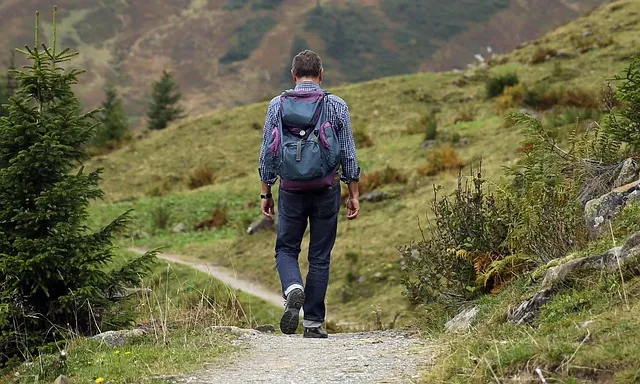
For sudden unavoidable ascents (flying into La Paz, Bolivia at 3,650 meters, or Lhasa at 3,650 meters): plan 48-72 hours of reduced activity, high hydration, and close monitoring for AMS symptoms before any exertion.
The Lake Louise Score is the standard clinical tool for AMS assessment: headache (required) plus at least one of nausea/vomiting, fatigue, dizziness, or sleep difficulty. Score 3+ indicates AMS. Treatment: stop ascent, rest at current altitude, consider descent if no improvement within 24 hours or if High Altitude Cerebral Edema (HACE) or High Altitude Pulmonary Edema (HAPE) symptoms develop.
The clinical implications of acclimatization protocols for mountaineers and travelers extend well beyond what a brief summary can capture. Research from multiple independent groups has consistently demonstrated that individuals who understand the mechanistic basis for their health interventions show substantially better adherence and outcomes than those following protocols without understanding the underlying rationale. This is not a trivial observation — it points to a fundamental principle: knowledge itself is a therapeutic intervention, not merely a precursor to one.
Individual variability in response to interventions targeting acclimatization protocols for mountaineers and travelers is substantial. Genetic polymorphisms, baseline nutritional status, sleep quality, stress burden, and gut microbiome composition all interact to determine how any given individual responds to a specific protocol. This is why personalized approaches — guided by objective biomarker data rather than population averages — consistently outperform generic recommendations in clinical trials and real-world practice. The tools for personalization are increasingly accessible and affordable, making there little reason to settle for average-population guidance when individual-specific data is available.
Action Steps for Altitude Preparation and Adaptation
Six weeks before planned high-altitude travel or training: assess iron status (ferritin, hemoglobin). Optimize if needed — this is the most impactful preparation you can do.
Four weeks before: consider altitude tent if available. Even partial simulation primes the EPO response.
Two weeks before: increase carbohydrate intake by 15-20%. Begin diaphragmatic breathing practice daily.
On arrival: hydrate aggressively (3-4 liters daily), eliminate alcohol for the first 72 hours (alcohol suppresses ventilatory response to hypoxia), reduce exercise intensity by 25-30% for the first week.
Ongoing: monitor SpO2 with a pulse oximeter. Resting SpO2 below 80% warrants medical evaluation. Track sleep quality — nocturnal hypoxia and periodic breathing (Cheyne-Stokes) are common and disruptive.
The clinical implications of action steps for altitude preparation and adaptation extend well beyond what a brief summary can capture. Research from multiple independent groups has consistently demonstrated that individuals who understand the mechanistic basis for their health interventions show substantially better adherence and outcomes than those following protocols without understanding the underlying rationale. This is not a trivial observation — it points to a fundamental principle: knowledge itself is a therapeutic intervention, not merely a precursor to one.
Individual variability in response to interventions targeting action steps for altitude preparation and adaptation is substantial. Genetic polymorphisms, baseline nutritional status, sleep quality, stress burden, and gut microbiome composition all interact to determine how any given individual responds to a specific protocol. This is why personalized approaches — guided by objective biomarker data rather than population averages — consistently outperform generic recommendations in clinical trials and real-world practice. The tools for personalization are increasingly accessible and affordable, making there little reason to settle for average-population guidance when individual-specific data is available.
FAQ: Altitude Adaptation
Q: Does fitness help with altitude adaptation?
A: Fitness does not accelerate acclimatization. AMS rates are the same in elite athletes as in sedentary individuals ascending to the same altitude at the same rate. Fitness may help you feel better once adapted, but it doesn’t speed the process.
Q: Can I just take more iron supplements to enhance the EPO response?
A: Only if you’re iron deficient. Supraphysiological iron intake doesn’t enhance the altitude response and carries risks including oxidative stress and, with chronic excess, tissue iron deposition.
Q: What’s the fastest altitude I can safely ascend to without acclimatization?
A: Most healthy individuals can ascend to 8,000 feet (2,400 meters) without significant AMS risk. Above 10,000 feet (3,000 meters), the standard acclimatization protocols become important.
Q: How long do altitude adaptations last after returning to sea level?
A: The hematological benefits persist for approximately 2-4 weeks after descent. EPO levels drop within days of returning to sea level, but the additional red blood cells remain until they reach their natural end-of-life (approximately 120 days).
The clinical implications of faq: altitude adaptation extend well beyond what a brief summary can capture. Research from multiple independent groups has consistently demonstrated that individuals who understand the mechanistic basis for their health interventions show substantially better adherence and outcomes than those following protocols without understanding the underlying rationale. This is not a trivial observation — it points to a fundamental principle: knowledge itself is a therapeutic intervention, not merely a precursor to one.
Individual variability in response to interventions targeting faq: altitude adaptation is substantial. Genetic polymorphisms, baseline nutritional status, sleep quality, stress burden, and gut microbiome composition all interact to determine how any given individual responds to a specific protocol. This is why personalized approaches — guided by objective biomarker data rather than population averages — consistently outperform generic recommendations in clinical trials and real-world practice. The tools for personalization are increasingly accessible and affordable, making there little reason to settle for average-population guidance when individual-specific data is available.
FROM THE LIBRARY ›
References
Editorial StandardsCorrectionsMedical DisclaimerAbout Our ContentAffiliate DisclosureSite Map