

The uncomfortable truth is that a carefully curated, freshly painted, beautifully furnished home may be chemically complex in ways that contribute to low-grade inflammation, brain fog, sleep disruption, and respiratory symptoms that get blamed on everything except where most time is actually spent. Indoor air quality is not a fringe concern — it’s one of the most consequential environmental health variables anyone has practical control over.
Here’s the practical implication: the most effective interventions are inexpensive, don’t require renovation, and can produce measurable improvements in hours to days. The barrier isn’t money or access — it’s awareness of the problem in the first place. What follows is the complete map: what the major pollutants are, where they come from, how they affect health, and what combination of strategies actually works.
The Major Indoor Air Pollutants: What’s Actually Being Breathed
Understanding indoor air quality requires knowing the specific categories of pollutants, their sources, and their health effects. These aren’t interchangeable — each has distinct origins and requires specific interventions.
Volatile Organic Compounds — VOCs — are carbon-based chemicals that evaporate at room temperature. Sources include paints, varnishes, cleaning products, air fresheners, adhesives, pressed wood furniture containing formaldehyde, dry-cleaned clothing, and personal care products. VOCs include formaldehyde, benzene, toluene, xylene, and hundreds of other compounds. Health effects range from eye, nose, and throat irritation to headaches, nausea, and central nervous system damage at higher exposures. Some VOCs are established carcinogens. The EPA classifies formaldehyde — extremely common in new furniture and building materials — as a Group 1 carcinogen.
Particulate Matter, specifically PM2.5 and PM10, refers to microscopic particles suspended in air. PM2.5 particles less than 2.5 micrometers penetrate deeply into lung tissue and enter the bloodstream. Sources include cooking (especially frying and gas stove combustion), candles, incense, wood burning, tobacco smoke, and outdoor particles brought inside. PM2.5 exposure is associated with respiratory disease, cardiovascular disease, and cognitive decline. Research consistently shows cooking — particularly gas stove cooking — generates indoor PM2.5 concentrations that exceed WHO outdoor air quality guidelines within minutes of operation.
Carbon dioxide is not toxic at typical indoor levels, but elevated CO2 impairs cognitive function significantly at concentrations commonly found in poorly ventilated homes and offices. Research published in Environmental Health Perspectives found that doubling CO2 from 550 to 1,000 ppm reduced cognitive performance scores by 21%. Tripling it to 2,500 ppm reduced scores by 50%. Modern energy-efficient homes with minimal ventilation can reach 1,500-2,500 ppm CO2 in bedrooms overnight with multiple occupants — within the cognitive impairment range. Chronic brain fog, poor sleep quality, sluggish mornings — these may have a simple environmental explanation nobody bothered to test for.
Carbon monoxide is a colorless, odorless gas produced by incomplete combustion. Sources include gas stoves, gas water heaters, gas furnaces, wood stoves, and attached garages. CO displaces oxygen from hemoglobin, causing headaches, dizziness, and at high concentrations, death. Thousands of non-fire CO poisonings occur annually in the US. CO detectors are non-negotiable in any home with gas appliances or attached garages.
Radon is a radioactive gas produced by uranium decay in soil, which seeps through foundation cracks into basements and lower floors. Radon is the second leading cause of lung cancer in the United States after cigarette smoking, responsible for approximately 21,000 deaths annually. Geographic distribution is uneven but radon risk is present in all 50 states. Homes in high-risk areas that haven’t been tested may have radon levels significantly above the EPA action level of 4 pCi/L.
Biological pollutants include mold spores, dust mites, pet dander, cockroach allergens, and bacteria. Mold requires moisture to grow and produces mycotoxins that cause respiratory symptoms, inflammation, and in sensitive individuals, serious systemic health effects. Dust mites are ubiquitous in bedding and soft furnishings and are among the most common allergy and asthma triggers worldwide. These biological pollutants are controlled primarily through humidity management and physical cleaning rather than air filtration alone.
Air Filtration: HEPA, Activated Carbon, and What Actually Works
Air purifiers have become mainstream consumer products, generating enormous marketing claims and significant consumer confusion. Understanding the filtration technologies separates effective products from expensive decorations.
HEPA filtration captures 99.97% of particles 0.3 micrometers or larger. This includes PM2.5, pollen, mold spores, pet dander, dust, and most bacteria. HEPA is the gold standard for particle filtration — it’s what hospitals use in surgical suites, what cleanrooms use for semiconductor manufacturing, and what belongs in a home air purifier for particulate matter concerns.
HEPA does not remove gases or VOCs. A true HEPA filter captures particles but lets benzene, formaldehyde, and other VOCs pass through entirely unchanged. For VOC removal, activated carbon filtration is required. Activated carbon has enormous surface area that adsorbs VOC molecules through a physical bonding process. Quality air purifiers for comprehensive indoor air quality improvement combine HEPA for particles and activated carbon for VOCs.
Sizing matters enormously and is the most common air purifier mistake. Air purifiers are rated by CADR — Clean Air Delivery Rate — the volume of clean air delivered per minute. A purifier with a CADR of 200 cubic feet per minute can clean a 200 square foot room with 8-foot ceilings 5 times per hour — the minimum recommended for air quality management. Undersizing is the most common reason people report that purifiers don’t work.
Ozone-generating air purifiers and electrostatic precipitators that produce ozone should be avoided entirely. Ozone is itself a pollutant and a respiratory irritant that damages lung tissue and reacts with other indoor compounds to produce formaldehyde and ultrafine particles. Products marketed as ionic air purifiers that don’t explicitly state ozone production is negligible may generate problematic ozone concentrations. This is one of the few cases where a product marketed as health-improving can actively worsen indoor air quality.
The Corsi-Rosenthal box — a DIY air purifier made from a box fan and 4-5 MERV-13 furnace filters — became famous during the COVID-19 pandemic and has been validated in multiple laboratory and field studies. A Corsi-Rosenthal box can achieve air cleaning performance comparable to commercial HEPA purifiers costing ten times more. For large spaces or multiple rooms where commercial purifier costs are prohibitive, this is a legitimate high-value option supported by solid research.
Ventilation: The Most Underused Indoor Air Quality Tool
The cheapest and most effective indoor air quality intervention available to most people is also the most ignored: ventilation. Opening windows and bringing in fresh outdoor air dilutes indoor pollutants and removes CO2, VOCs, and particulates simultaneously in ways no air purifier can match.
Modern energy-efficient homes are built tight — minimal air exchange with the outdoors. The tradeoff for reduced heating and cooling costs is reduced ventilation, which allows indoor pollutant concentrations to build. Homes built to modern energy codes can have air exchange rates of 0.1-0.3 air changes per hour without mechanical ventilation — far below the 0.35 air changes per hour minimum recommended by ASHRAE, the American Society of Heating, Refrigerating and Air-Conditioning Engineers.
Strategic ventilation timing matters. In most urban and suburban environments, outdoor air quality is better during midday and worse at peak traffic hours during morning and evening commutes. Opening windows when outdoor air quality is best — check a local air quality index via apps like AirNow or Purple Air — and closing them during high-traffic periods captures ventilation benefits while minimizing outdoor pollution entry.
Cross-ventilation, creating airflow by opening windows on opposite sides of a space, moves air through the building far more efficiently than single-point ventilation. Even in cold climates, 10-15 minutes of cross-ventilation can replace a significant fraction of indoor air and meaningfully reduce accumulated pollutant concentrations. The brief temperature cost is minor compared to the air quality benefit.
Energy Recovery Ventilators and Heat Recovery Ventilators are the mechanical ventilation solution for climates where window ventilation is seasonal. These systems exhaust stale indoor air and bring in fresh outdoor air while transferring heat between the airstreams, maintaining most of the energy efficiency of a tight home while providing adequate ventilation. In new construction or major renovations, ERV/HRV installation represents one of the highest-value indoor air quality investments available.
The Kitchen: The Home’s Indoor Pollution Source
The kitchen generates more indoor air pollution than any other room in most homes, and most homeowners are unaware of the scale of the problem. Cooking on gas stoves, frying at high temperatures, and using gas ovens creates a combination of particulate matter, nitrogen dioxide, and VOC emissions that would violate outdoor air quality standards if they occurred outside.
Gas stoves produce nitrogen dioxide as a combustion byproduct. Research by Stanford University researchers published in Environmental Science and Technology found that gas stoves emit NO2 at concentrations that regularly exceed EPA and WHO outdoor air quality standards within homes. NO2 is a respiratory irritant associated with asthma development in children, increased respiratory infection risk, and impaired lung development. A 2022 meta-analysis estimated that approximately 12.7% of childhood asthma in the US is attributable to gas stove use.
Cooking generates PM2.5 at alarming concentrations regardless of fuel type, but with significant differences between cooking methods. Frying generates substantially more particulate matter than boiling, steaming, or baking. A single frying session can elevate indoor PM2.5 to levels exceeding Beijing’s famous air quality emergencies. Running the range hood on high during frying — with the hood venting to the outside rather than recirculating — reduces cooking-generated PM2.5 by 60-90%.
Range hood performance varies enormously. Recirculating range hoods that filter and return air to the kitchen remove some grease and odor but don’t remove PM2.5, NO2, or CO2 — they’re cosmetic in terms of air quality improvement. Only externally venting range hoods that exhaust air to the outdoors provide meaningful pollution reduction. A range hood that isn’t venting outside is providing minimal air quality benefit regardless of price or appearance.
Induction cooktops are the most significant kitchen air quality upgrade available. Induction cooking produces zero combustion byproducts — no NO2, no CO, no CO2 from burning gas. The cooking surface heats by magnetic induction and remains cool, reducing grease vaporization and associated PM2.5 from hot surface contact. Research comparing gas and induction cooking in the same homes consistently shows dramatically lower indoor pollution from induction. The upfront cost is real, but for families with young children or anyone with respiratory sensitivities, the health case is compelling.
Volatile Organic Compounds: Sources and Systematic Reduction
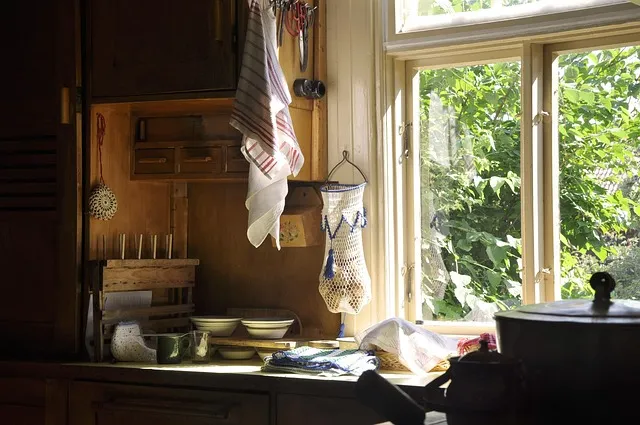
New furniture is among the most significant VOC sources in most homes. Pressed wood products — particleboard, medium-density fiberboard, oriented strand board — are manufactured using urea-formaldehyde adhesives that release formaldehyde for months to years after production. New sofas, mattresses, and upholstered furniture release flame retardant chemicals, fabric treatments, and foam off-gases that include VOCs and semi-volatile organic compounds.
The “new car smell” and its furniture equivalent are the smell of VOC off-gassing. The intensity diminishes over time as the reservoir of off-gassable compounds depletes. Aggressive ventilation during and after purchasing new furniture, flooring, or other VOC-containing materials dramatically accelerates the off-gassing process and reduces cumulative exposure. Airing furniture outdoors or in a well-ventilated garage for several days before bringing it into occupied spaces is the most effective approach.
Cleaning products, air fresheners, and personal care products contribute significantly to indoor VOC concentrations, and this source category is entirely controllable. Research by the California Air Resources Board found that consumer products including personal care products and cleaning supplies now exceed mobile sources as the largest category of VOC emissions in California urban air. The equivalent is certainly true indoors.
Safer cleaning product alternatives include simple solutions of water and white vinegar for general surface cleaning, hydrogen peroxide for disinfection, baking soda for abrasive cleaning, and castile soap for general purpose cleaning. These simple alternatives produce dramatically lower VOC concentrations than commercial aerosol cleaners, scented surface sprays, and multi-purpose chemical products, while performing adequately for most household cleaning tasks.
Low-VOC and zero-VOC paints are now widely available from all major manufacturers. For anyone painting a room, choosing a low-VOC formulation costs roughly the same as conventional paint and eliminates one of the highest-intensity acute VOC sources in residential use. Ventilate aggressively during and after painting, even with low-VOC products.
Radon: The Invisible Risk in the Foundation
Radon kills more Americans each year than drunk driving — approximately 21,000 deaths from radon-induced lung cancer annually. It does so invisibly, odorlessly, and without any symptom during exposure, which makes it easy to dismiss until the diagnosis arrives years later. Testing for radon is inexpensive (under $30 for a mail-in kit) and the only rational response to this level of preventable mortality risk.
Radon is produced continuously by the radioactive decay of uranium-238 in soil and rock. It diffuses through soil and enters buildings through foundation cracks, construction joints, gaps around service pipes, and through porous concrete blocks. Once inside, radon decays into radioactive progeny (polonium-218, lead-214, bismuth-214, polonium-214) that attach to airborne particles and are inhaled, depositing alpha particles directly on bronchial epithelium and causing DNA damage that can initiate lung cancer.
Geographic variation in radon risk is significant — certain geological formations (uranium-rich granites, certain glacial deposits) produce much higher radon levels than others. The EPA’s radon zone map provides a starting point, but individual home testing is the only reliable assessment because radon levels vary dramatically between neighboring homes based on foundation type, soil permeability, and home pressurization. EPA action level is 4 pCi/L; mitigation is recommended above this level and should be considered at 2-4 pCi/L.
Radon mitigation for homes above the action level is a mature industry with standardized techniques. Sub-slab depressurization — installing a pipe through the foundation slab and a fan that draws radon from beneath the slab and exhausts it outside — reduces radon levels by 50-99% in most homes. The installation typically costs $800-2,500 and reduces radon to below action levels in the vast majority of cases. For a home with elevated radon, this is one of the highest-value health investments available at any price point.
Humidity, Mold, and Biological Pollutants
Biological pollutants — mold, dust mites, pet allergens, and bacteria — represent a category of indoor air pollutants controlled primarily through humidity management and cleaning practices rather than air filtration. Understanding the humidity requirements of these biological hazards allows targeted prevention.
Dust mites are the most universal indoor allergen. They inhabit bedding, pillows, upholstered furniture, and carpets in virtually every home, feeding on shed skin cells. Dust mite populations thrive at relative humidity above 50% and are largely suppressed below 35%. The optimal indoor humidity range of 40-50% simultaneously suppresses dust mite proliferation, prevents mold growth (which requires above 60% relative humidity), and avoids the respiratory irritation associated with very dry air below 30%.
Allergen-impermeable mattress and pillow covers reduce dust mite exposure during sleep — the single highest-duration allergen exposure period for most people — by creating a physical barrier between sleeping surfaces and the millions of dust mites they contain. Research on these covers in allergy patients consistently shows reduced symptoms and reduced medication use. For anyone with known dust mite sensitivity or undiagnosed morning nasal symptoms, these covers are among the highest-value allergen interventions available.
Pet allergens present a particular challenge because they’re extraordinarily sticky — attaching to surfaces, clothing, and particles in ways that make complete removal difficult. Pet dander from cats and dogs has been detected in homes that haven’t housed pets for years. HEPA filtration is effective for capturing airborne pet allergens. Keeping pets out of sleeping areas, frequent washing of pet bedding, and HEPA vacuuming reduce but rarely eliminate pet allergen exposure in homes with pets.
Mold prevention through moisture control is covered extensively in the mold-specific section of this series, but the foundational principles apply here as well. Indoor relative humidity should remain below 55% in all areas. Exhaust fans in bathrooms and kitchens must vent to the outside. Any water intrusion — regardless of source — requires aggressive drying within 24-48 hours to prevent mold establishment.
Bedroom Air Quality: Where It Matters Most
Roughly a third of life happens in the bedroom, and the quality of the air breathed during sleep directly affects sleep quality, next-day cognitive function, and long-term respiratory health. The bedroom deserves specific and separate attention from the rest of the home.
Bedroom CO2 accumulates rapidly during sleep. In a typical bedroom with the door closed and two occupants, CO2 can rise from ambient outdoor levels near 420 ppm to 1,500-3,000 ppm overnight. Research has shown that sleeping in elevated CO2 environments is associated with more frequent nighttime awakenings, reduced slow-wave sleep, and lower subjective sleep quality. The simplest intervention is sleeping with a window cracked — even a few centimeters of opening dramatically reduces overnight CO2 accumulation.
New mattresses off-gas VOCs at concentrations that can be significant in a small enclosed bedroom. The foam components of polyurethane mattresses — particularly memory foam — release VOCs including volatile flame retardants. Natural latex, organic cotton, and wool mattresses have substantially lower VOC emissions profiles. For anyone purchasing a conventional mattress, airing it outdoors before use and ensuring bedroom ventilation for the first several months reduces exposure.
Electronic devices in the bedroom — phones, tablets, smart speakers, televisions — have minimal direct air quality impact but contribute to sleep disruption through blue light and notification-driven arousal that keeps the nervous system active during the pre-sleep period. This is a sleep hygiene issue rather than a pure air quality issue, but both dimensions of bedroom environment matter for recovery quality.
Plants in bedrooms are frequently recommended for air quality improvement. The evidence for houseplants as meaningful air purifiers is very weak. A 1989 NASA study showing that houseplants removed certain VOCs became legendary — but the study was conducted in sealed test chambers, and the research was never replicated under real indoor conditions. The number of plants required to produce meaningful air quality improvement in a room with normal ventilation is implausibly large (estimates range from 10-1000 plants per room depending on methodology). Plants are pleasant and psychologically beneficial, but shouldn’t be counted on for air quality improvement.
Testing Indoor Air Quality

Basic consumer monitors provide continuous or periodic readings for CO2, humidity, temperature, PM2.5, and total VOCs. The Aranet4 is widely considered the gold standard consumer CO2 monitor. The Airthings and similar multi-pollutant monitors track multiple parameters simultaneously. These devices don’t identify specific VOC compounds but provide real-time feedback that allows observation of the impact of specific activities on air quality — PM2.5 spiking during cooking, CO2 building during sleep, VOCs rising after opening a new product.
Radon testing is the highest-priority specific test for most homeowners. Short-term tests (48-72 hours using a charcoal canister) provide a rapid initial assessment. Long-term tests (90+ days using an alpha track detector) provide more accurate year-round average readings. The EPA recommends long-term testing as the most reliable basis for mitigation decisions. Both are available online for under $30.
Professional IAQ testing by a certified industrial hygienist provides the most comprehensive and interpretable data — identifying specific VOC compounds, biological allergen levels, and particulate matter characteristics rather than just aggregate readings. Professional testing costs $300-1,500 depending on scope and is most valuable when occupants have persistent symptoms that haven’t responded to obvious interventions, or when a specific source or contamination type is suspected.
Building an Indoor Air Quality Action Plan
Effective indoor air quality improvement follows a hierarchy that prioritizes the highest-impact, lowest-cost interventions before more expensive or complex approaches. The hierarchy isn’t about doing everything at once — it’s about doing the right things in the right order.
The first priority is source control: eliminating or reducing the sources of indoor pollutants rather than trying to clean up after them. Stop using scented aerosol cleaners. Eliminate air fresheners. Ventilate aggressively after purchasing new furniture or carpeting. Address any water damage immediately. Keep the range hood on high while cooking and ensure it vents outside. These source control measures are free or low-cost and produce immediate effects.
The second priority is ventilation: bringing in fresh outdoor air to dilute and remove accumulated indoor pollutants. Open windows when outdoor air quality permits. Use bathroom and kitchen exhaust fans consistently. Consider CO2 monitoring to understand the baseline ventilation in the main living spaces. For homes where mechanical ventilation is needed, evaluate ERV or HRV installation.
The third priority is filtration: using air purifiers and HVAC filtration upgrades to capture pollutants that ventilation and source control don’t fully address. Right-size a HEPA plus activated carbon purifier for the bedroom first — the room where the most concentrated time is spent. Upgrade HVAC filters to MERV-11 or MERV-13 if the system can handle the resistance. Add kitchen filtration if cooking is a primary PM2.5 source.
The fourth priority is testing and monitoring: using data to understand what’s actually happening and to verify that interventions are working. A CO2 monitor in the bedroom provides immediate feedback. A radon test is a one-time investment with potentially life-saving implications. Periodic professional IAQ assessments make sense for anyone with persistent symptoms or concerns.
The air people breathe shapes their health more profoundly than most realize, and it’s shaped by choices made inside their own home every single day. Understanding those choices is the first step toward making them deliberately.
Indoor air quality isn’t an exotic concern for hypochondriacs. It’s a basic environmental health variable that determines part of day-to-day cognitive function, sleep quality, respiratory health, and long-term chronic disease risk. The interventions are accessible, the evidence is solid, and the changes made in a weekend of deliberate action will keep working every hour spent at home for years to come.
The Hidden Costs of Poor Indoor Air Quality
Beyond the direct health effects, poor indoor air quality carries economic and productivity costs that are rarely quantified but are very real. A Harvard study published in 2015 found that doubling ventilation rates in offices — a proxy for indoor air quality improvement — increased worker cognitive performance by 61% on key decision-making tasks. If that effect size translates even partially to home environments, the implications for remote workers and anyone who thinks at home are substantial.
Sleep quality is perhaps the most consequential daily casualty of poor indoor air quality that goes unrecognized. Research on PM2.5 exposure and sleep architecture shows that elevated particulate matter exposure is associated with increased sleep-disordered breathing, more frequent arousals, and reduced slow-wave sleep. Given that slow-wave sleep is the primary restorative phase responsible for physical recovery, immune function, and memory consolidation, chronic sleep quality degradation from bedroom air quality compounds into significant functional impairment over weeks and months.
Children are particularly vulnerable to indoor air pollutant effects because they breathe more air relative to body weight than adults, spend more time at floor level where settled dust and contaminants concentrate, and have developing respiratory and neurological systems that are more susceptible to disruptive exposures. Research on childhood exposure to indoor air pollutants — including secondhand smoke, NO2 from gas stoves, and VOCs from building materials — documents effects on lung development, asthma incidence, cognitive development, and behavioral outcomes. Improving indoor air quality in homes with children is not optional health optimization; it’s a developmental imperative.
Elderly adults face their own vulnerability profile. Reduced respiratory reserve means that the same particulate matter exposure that produces subclinical effects in a healthy 30-year-old can cause meaningful respiratory distress in a 75-year-old with reduced lung capacity. Older adults also spend more time indoors than younger adults, increasing cumulative exposure duration. Cardiovascular vulnerability in the elderly population means that the PM2.5-cardiovascular disease relationship translates into more acute risk than in younger populations.
Workplace Indoor Air Quality
Most indoor air quality discussion focuses on the home, but Americans spend approximately a third of their waking hours in workplaces that range from well-ventilated modern offices to decades-old buildings with leaking HVAC systems, VOC-laden building materials, and CO2 levels chronically elevated by inadequate fresh air delivery. Workplace IAQ is governed by OSHA standards and ASHRAE guidelines, but compliance and enforcement are uneven.
Sick building syndrome — the cluster of non-specific symptoms including headaches, fatigue, difficulty concentrating, and mucous membrane irritation that improve upon leaving the building — has been recognized for decades as a real occupational health phenomenon. The causes are typically a combination of inadequate ventilation, VOC off-gassing from building materials and furnishings, biological contamination in HVAC systems, and psychosocial factors that amplify symptom perception.
For workers who cannot control their workplace’s ventilation system, portable air purifiers at the workstation provide a meaningful personal intervention. A small HEPA purifier at a desk can clean the air within a 2-3 meter radius substantially, reducing exposure to particulates and some VOCs within the breathing zone even when the building’s central system is inadequate. Advocating to building management for CO2 monitoring and adequate fresh air delivery is also within employees’ rights in most jurisdictions.
Remote workers who have transitioned to home offices should apply the same indoor air quality principles to their work environment as to the rest of their home — with particular attention to CO2 monitoring and ventilation during the 8-10 hour work day. A home office with a closed door, no ventilation, and two or more occupants can accumulate CO2 to cognitive-impairment levels within 1-2 hours of the work day, with measurable effects on productivity and decision quality for the remainder of the session.
Common Questions About Indoor Air Pollutants
- How do I know if my indoor air quality is a problem if I don’t have obvious symptoms? Many indoor air quality effects are subclinical — they don’t produce symptoms recognizable as air-quality related. Persistent mild cognitive impairment, morning respiratory congestion, subtle sleep disruption, and afternoon energy crashes can all have environmental contributions. The most practical approach is getting a CO2 monitor and a radon test as baseline assessments, then using the information to guide specific improvements rather than waiting for symptoms serious enough to diagnose.
- Are scented candles really a significant air quality concern? Yes, for frequent indoor use. Burning paraffin candles generates PM2.5 and VOCs including toluene and benzene at concentrations that noticeably elevate indoor pollution, particularly in small poorly ventilated rooms. Soy or beeswax candles with cotton wicks produce somewhat less pollution. For occasional use with adequate ventilation, the impact is minimal. For daily candle use in a bedroom or study, it’s a meaningful source worth addressing.
- Does running an HVAC system improve or worsen indoor air quality? Both, depending on filter quality, maintenance, and duct condition. HVAC systems with MERV-11 or higher filters and clean ducts can meaningfully reduce particulate matter by circulating air through the filter. HVAC systems with MERV-1 to MERV-4 filters (the cheapest blue fiberglass filters) provide minimal particle removal and can re-circulate captured contaminants if filters become overloaded. Change HVAC filters on schedule and upgrade to at least MERV-8 for meaningful air quality benefit.
- What’s the single most important thing to do to improve indoor air quality starting today? Test for radon. Regardless of what other improvements get made, a home with elevated radon that goes unaddressed means accepting the second leading cause of lung cancer by omission. A short-term radon test kit costs under $15. It’s the highest-consequence unknown in most homes and the simplest to diagnose.
- How often should filters in an air purifier be changed? Follow manufacturer recommendations as a minimum — most HEPA filter replacement intervals are 6-12 months for the HEPA component and 3-6 months for activated carbon pre-filters. In homes with higher pollution levels (smokers, cooking-heavy households, pet dander, construction nearby), replace more frequently. A visual inspection can guide decisions: a visibly gray or brown HEPA filter should be replaced regardless of elapsed time.
- Can indoor plants really improve air quality? The popular claim that houseplants significantly clean indoor air is based on the 1989 NASA study conducted in sealed test chambers — conditions that bear no resemblance to a typical ventilated home. In realistic conditions, the number of plants required to produce meaningful VOC reduction would be impractically large. Plants are valuable for psychological well-being, they add moisture to dry winter air, and they are worth having for many reasons — but meaningful air quality improvement should come from ventilation, source control, and filtration rather than from a collection of potted ferns.
- What should be prioritized if only one change is possible? Test for radon first if that hasn’t happened yet — it’s the single highest-mortality-risk unknown in most homes and costs under $30 to assess. If the radon level is already known to be acceptable, invest in a quality CO2 monitor for the bedroom and use that data to establish a ventilation habit. These two steps address the two most consequential invisible threats that most households are currently ignoring.
The Practical Framework: Applying Major Indoor Air Pollutants In Real Life
References
Editorial StandardsCorrectionsMedical DisclaimerAbout Our ContentAffiliate DisclosureSite Map