

Nothing right for his body.
Travel health is one of those domains where people are simultaneously overconfident and underprepared. Research the best restaurants. Download offline maps. Buy travel insurance after reading the horror stories. But the actual biological threat landscape of international travel? Most people treat it like a lottery they probably won’t lose. The evidence suggests otherwise.
Roughly 8% of travelers to developing regions require medical attention during or after travel, according to data from the GeoSentinel Surveillance Network, which tracks illness in returned travelers across 60 clinic sites worldwide. Traveler’s diarrhea affects between 20% and 60% of international travelers depending on destination. Respiratory infections are the second most common travel-related illness. Vector-borne diseases — malaria, dengue, chikungunya, Zika — kill thousands of tourists annually who thought the odds favored them.
This isn’t about fear. It’s about the unsexy, non-negotiable mechanics of protecting biology when it gets taken somewhere it didn’t evolve to live. The good news: most travel illness is preventable. The bad news: prevention requires actually doing something before boarding the plane.
THE PRE-TRAVEL WINDOW: WHY SIX WEEKS ISN’T OPTIONAL
Most people think about travel health roughly 48 hours before departure. Roughly equivalent to studying for a marathon the night before running it. The biological reality is that the immune system needs time — sometimes a lot of it — to mount an adequate protective response to vaccines.
The hepatitis A vaccine, for instance, provides protection within two weeks of the first dose, but full immunity — genuinely protective immunity — requires a second dose given six to twelve months later. Yellow fever vaccination needs ten days before it becomes effective. The typhoid oral vaccine (Vivotif) requires the full four-dose regimen taken over seven days, plus an additional week before reaching effectiveness.
Which means leaving for rural India in four days without having started anything already puts a traveler behind.
A 2019 study published in the Journal of Travel Medicine found fewer than 40% of travelers to high-risk destinations sought pre-travel health advice at all. Of those who did, more than a third came within two weeks of departure — too late for some vaccines to be effective and too late for anti-malarial medications requiring a loading period.
The six-week pre-travel window isn’t arbitrary. It’s the minimum time required to complete most vaccine series, allow the immune system to generate adequate antibody titers, start chloroquine-based antimalarials (which require a one-week loading dose), and assess individual health risk factors against a specific itinerary. Multiple countries with different risk profiles, and the complexity compounds rapidly.
The mechanics of vaccine immunity matter here. Receiving a vaccine triggers a primary immune response — B cells differentiate into plasma cells that secrete antibodies, while memory B and T cells get established. That first response is relatively slow and weak. The second exposure (booster) generates a rapid, strong secondary response via those memory cells.
The interval between doses isn’t arbitrary either — it’s calibrated to let the primary response complete and memory cells establish before the booster drives the high-affinity antibody production that actually protects. Compressing the timeline doesn’t produce equivalent protection.
The practical protocol: book the travel medicine appointment the same day the flights get booked. Most travel medicine clinics can be found through the International Society of Travel Medicine’s clinic directory (istm.org) or the Centers for Disease Control’s “Find a Clinic” tool. Bring the complete vaccination history. Know the itinerary in granular detail — not just countries, but regions, activities, and accommodation types.
A rural farmhouse homestay carries a very different risk profile than an urban five-star hotel.
THE VACCINE ARCHITECTURE OF INTERNATIONAL TRAVEL
There are vaccines needed because a traveler is human (routine immunizations), vaccines needed because of the destination (destination-specific), and vaccines legally required for entry into certain countries (mandatory). Conflating these categories leads to both over- and under-preparation.
Routine immunizations should be current regardless of travel — measles-mumps-rubella (MMR), tetanus-diphtheria-pertussis (Tdap), varicella, influenza. Measles is particularly relevant for international travel — despite being “eliminated” in the United States, it remains endemic across much of the world, and the virus is extraordinarily contagious. Measles outbreaks among travelers are well-documented, including a 2019 outbreak linked to travelers returning from the Philippines. Anyone born before 1957 is presumed immune from natural exposure.
Born between 1957 and 1989, only one MMR dose may have been received — worth checking with a physician, since one dose provides 93% protection against measles, while two doses provide 97%.
The destination-specific vaccine conversation is where real complexity lives. For sub-Saharan Africa, Southeast Asia, and parts of South America, hepatitis A vaccination is strongly recommended — the virus transmits through contaminated food and water and can cause liver failure. Hepatitis B vaccine is recommended for anyone who might have medical procedures, receive blood transfusions, or have sexual contact abroad — a broader population than most people admit to.
Typhoid vaccine (injectable Typhim Vi or oral Vivotif) is recommended for travel to South Asia, Southeast Asia, and parts of Africa and Latin America.
Yellow fever is the classic mandatory vaccine. Many African and South American countries require proof of yellow fever vaccination for entry, and some require it for arrivals from another country where yellow fever is endemic. The vaccine is administered only at designated yellow fever vaccination centers, and the certificate (the “yellow card” — officially the International Certificate of Vaccination or Prophylaxis) must be carried with the passport. Yellow fever can kill, and it’s vaccine-preventable.
Not optional if the destination requires it.
Japanese encephalitis (JE) vaccine deserves attention for anyone spending time in rural Asia, particularly during monsoon season. The virus is transmitted by Culex mosquitoes and can cause fatal encephalitis. The Ixiaro vaccine, approved for adults and children over two months, is administered as a two-dose primary series. Most urban tourists staying in screened accommodations carry minimal risk, but rice-paddy rural areas during transmission season represent genuine exposure.
Rabies pre-exposure prophylaxis is chronically underappreciated. The traditional argument held that post-exposure treatment was available globally, so pre-exposure vaccination wasn’t necessary. Increasingly dangerous reasoning. Post-exposure prophylaxis requires rabies immunoglobulin plus the vaccine series — and rabies immunoglobulin is essentially unavailable across much of rural Africa, South Asia, and Southeast Asia.
Bitten by a potentially rabid animal in rural Vietnam without prior pre-exposure vaccination means evacuating to a city large enough to have immunoglobulin — or boarding a plane. With pre-exposure vaccination, two booster doses are still needed post-exposure, but immunoglobulin isn’t required, and there’s significantly more time to work with.
For travelers going off the beaten path, doing outdoor activities, or traveling with children (who interact with animals more), pre-exposure rabies vaccination is worth the cost and hassle.
MALARIA: THE RISK CALCULUS MOST TRAVELERS GET WRONG
Malaria kills roughly 600,000 people a year, the majority children under five in sub-Saharan Africa. For travelers, it’s the most important cause of febrile illness on return from the tropics. And yet the decision-making around malaria prophylaxis among travelers displays exactly the kind of probability miscalibration behavioral economists love writing about.
The typical failure mode: a traveler researches malaria risk, concludes the specific itinerary (urban hotel, brief safari, limited rural exposure) probably means low odds, decides the antimalarial side effects aren’t worth it, and skips the medication. Sometimes that’s the right call.
Sometimes they come home with Plasmodium falciparum — the species responsible for severe malaria — and a doctor back home who’s seen exactly two malaria cases in twenty years of practice diagnoses influenza for three critical days.
The four antimalarial options — atovaquone-proguanil (Malarone), doxycycline, mefloquine, and chloroquine — carry very different profiles and aren’t interchangeable. Chloroquine is only appropriate for the handful of destinations where Plasmodium falciparum remains chloroquine-sensitive, primarily certain parts of Central America and the Caribbean. For most of sub-Saharan Africa, Southeast Asia, and South Asia, chloroquine-resistant falciparum malaria dominates, and chloroquine offers no protection there.
Malarone (atovaquone-proguanil) is the most commonly prescribed option for short-term travel, given its favorable side effect profile and the short post-exposure window required (one week after leaving the malaria zone, versus four weeks for doxycycline and mefloquine). It works by disrupting the parasite’s mitochondrial electron transport chain, blocking synthesis of the pyrimidines the parasite needs to replicate. Nausea is the most common side effect, reduced by taking with food. The cost adds up for longer trips — roughly $5-7 a day.
Doxycycline is the budget option and works well, but needs antibiotic-typical precautions: take with food and plenty of water, avoid lying down for thirty minutes after, use sunscreen aggressively (it substantially increases photosensitivity), and expect some gut microbiome disruption. Women taking doxycycline should be aware of increased yeast infection risk.
The four-week post-travel duration genuinely matters — falciparum malaria can have incubation periods up to two weeks, so cutting post-travel prophylaxis short creates a window of vulnerability.
Mefloquine (Lariam) carries a controversial history because of neuropsychiatric side effects including vivid dreams, anxiety, depression, and in rare cases, psychosis. The FDA added a black-box warning in 2013. The evidence suggests the rate of serious neuropsychiatric side effects runs around 1 in 10,000 — low, but real — and the drug should be avoided by anyone with a history of psychiatric conditions, seizures, or cardiac arrhythmias. For those who tolerate it, the weekly dosing schedule is convenient for long-term travel.
Vector control matters as much as prophylaxis. Permethrin-treated clothing substantially reduces mosquito bites — a 2016 meta-analysis in PLOS One found permethrin-treated military uniforms reduced malaria risk by about 70%. DEET at 30-50% concentration is the gold standard repellent; picaridin is a comparable alternative with better cosmetic tolerability. The Anopheles mosquitoes that transmit malaria are predominantly crepuscular and nocturnal biters — peak risk runs dusk to dawn.
Air-conditioned screened rooms, bed nets (ideally permethrin-impregnated), and covering exposed skin during evening hours aren’t optional extras.
TRAVELER’S DIARRHEA: THE PATHOGEN LANDSCAPE AND ACTUAL PREVENTION
The dominant pathogens are bacterial in roughly 80-85% of cases. Enterotoxigenic Escherichia coli (ETEC) is the single most common cause — perhaps 30-40% of cases. These bacteria produce heat-labile and heat-stable enterotoxins that disrupt intestinal fluid transport, producing the watery diarrhea characteristic of “Delhi belly.” Other bacterial culprits include Campylobacter jejuni (particularly common in Southeast Asia and associated with more severe illness), Salmonella species, Shigella, and enteroaggregative E. coli.
The “boil it, cook it, peel it, or forget it” mantra has been around for decades and remains fundamentally sound — with the important caveat that most travelers follow it roughly 70% of the time and then eat a beautiful-looking salad at a reputable restaurant and get sick anyway. Contamination routes are numerous and often invisible. Ice is frequently made from non-potable water. Salad greens get washed with tap water. Food handlers may have poor hand hygiene.
Buffets sitting at imperfect temperatures for hours are excellent bacterial incubators.
The evidence on bismuth subsalicylate (Pepto-Bismol) as prophylaxis is actually reasonably strong — two tablets four times daily reduces traveler’s diarrhea incidence by about 65% in controlled trials. The mechanism involves direct antimicrobial activity from the bismuth component plus anti-secretory effects of salicylate. The limitations: the dose is cumbersome, bismuth causes black stools and tongue (benign but alarming), it contains salicylate (contraindicated for aspirin-sensitive individuals and anyone already on aspirin), and four-times-daily dosing over a two-week trip is genuinely annoying.
Antibiotic prophylaxis is generally not recommended for routine travel, given concerns about antimicrobial resistance and gut microbiome disruption. For travelers with high-risk itineraries (remote locations far from medical care), compromised immune systems, inflammatory bowel disease, or other conditions where traveler’s diarrhea could be particularly dangerous, a physician may prescribe prophylactic antibiotics — typically rifaximin, minimally absorbed and therefore carrying low systemic side effects and minimal resistance selection pressure.
Self-treatment of traveler’s diarrhea is the more important practical knowledge. The current evidence-based approach stratifies by severity. Mild diarrhea (uncomfortable but not disabling): oral rehydration, bismuth subsalicylate or loperamide for symptomatic relief. Moderate diarrhea (distressing, somewhat disabling): antibiotic therapy is appropriate. Severe diarrhea (incapacitating, fever, bloody stools): antibiotics are essential and medical care should be sought.
The antibiotic of choice has shifted substantially over time. Fluoroquinolones (ciprofloxacin, levofloxacin) were standard for decades, but Campylobacter resistance to fluoroquinolones in Southeast Asia now exceeds 90% in some studies. Azithromycin is now preferred for Southeast Asia and increasingly for other regions. Rifaximin works for non-invasive ETEC-type illness but shouldn’t be used when invasive pathogens (bloody stool, fever) are suspected. Carrying a standby antibiotic prescription — with clear instructions on when to use it — is reasonable for most international travelers.
WATER SAFETY: BEYOND “DON’T DRINK THE TAP WATER”
The advice to avoid tap water in developing countries is ubiquitous and largely correct, but it obscures a more complex picture. What exactly makes water unsafe? What methods actually make it safe? And what does “safe” mean standing in a Peruvian cloud forest four hours from the nearest town?
Waterborne pathogens fall into three categories: bacteria (E. coli, Salmonella, Vibrio cholerae), viruses (hepatitis A, norovirus, rotavirus, poliovirus), and protozoa (Giardia lamblia, Cryptosporidium parvum). Treatment method matters enormously, since different methods work against different categories.
Boiling water is universally effective against all three categories and requires no equipment beyond a heat source. The common myth is that water needs to boil for ten or more minutes — in fact, a full rolling boil is sufficient even at altitude, because while the boiling point decreases with altitude (about 94°C at 3,000 meters), pathogens die well before boiling temperature. Boiling is free, universally available, and entirely reliable.
It’s also impractical for most travelers most of the time.
Chemical treatment with iodine or chlorine tablets is lightweight, cheap, and effective against bacteria and viruses — but weak against Cryptosporidium. Iodine performs particularly poorly against Cryptosporidium oocysts, notorious for their resistance to chemical disinfection. In wilderness settings where Cryptosporidium is a concern (found in virtually all surface water in North America and globally), chemical treatment alone isn’t sufficient. Pregnant women and people with thyroid conditions should avoid iodine treatment.
Filtration mechanically removes bacteria and protozoa but does NOT remove viruses. Standard backpacking filters with 0.2-micron pores (like the Sawyer Squeeze or MSR Trail Shot) work excellently for wilderness settings with low viral contamination, but they’re inadequate for travel in regions with fecal-oral viral transmission. A hollow-fiber filter combined with chemical treatment or UV purification addresses all three categories.
UV purification (SteriPen and similar devices) is highly effective against bacteria, viruses, and protozoa — it disrupts their DNA replication, preventing reproduction. The limitation: turbid (cloudy) water reduces UV effectiveness because particles shield pathogens from exposure. Pre-filtering turbid water before UV treatment is essential. UV devices also need batteries and can fail mechanically — not ideal as a solo backup in remote environments.
Commercially bottled water is the practical solution for most urban international travelers. The caveats: verify the seal is intact (bottle refilling with tap water is a documented problem in some regions), and note that bottled water hasn’t been shown to be microbiologically superior to treated tap water in many developed countries. In genuinely high-risk settings, know the purification method and its limitations.
ALTITUDE ILLNESS: THE ELEVATION-DISEASE RELATIONSHIP
Acute mountain sickness (AMS) isn’t a niche concern for extreme mountaineers. It affects roughly 25% of visitors to destinations above 2,500 meters (about 8,200 feet) — a category including Cusco, Peru (3,400m); Lhasa, Tibet (3,650m); La Paz, Bolivia (3,650m); and even Machu Picchu (2,430m, though the train approach from Cusco is far more abrupt than the elevation suggests). More severe altitude illness — high-altitude pulmonary edema (HAPE) and high-altitude cerebral edema (HACE) — is less common but potentially fatal within hours of onset.
The mechanism of altitude illness centers on hypoxia-induced physiological disruption. At 3,600 meters, atmospheric oxygen partial pressure runs about 64% of sea-level values, meaning hemoglobin loads to roughly 87-90% saturation rather than the 98-99% normal at sea level. The physiological response — hyperventilation, increased heart rate, altered fluid handling — is appropriate but imperfect, and the maladaptive versions of these responses produce AMS.
Acetazolamide (Diamox) is the pharmacological prophylaxis of choice for AMS. It works by inhibiting carbonic anhydrase, which increases renal bicarbonate excretion and causes a compensatory metabolic acidosis that drives respiratory compensation — essentially forcing deeper, faster breathing, exactly what’s needed at altitude. Standard dose: 125-250mg twice daily, started 24 hours before ascent.
Side effects include increased urination (a consequence of the mechanism), paresthesias (tingling in hands and feet — very common and benign), and altered taste of carbonated beverages. Acetazolamide is a sulfonamide and contraindicated in sulfa allergies, though true cross-reactivity runs lower than often stated.
The most reliable prevention remains gradual ascent — no faster than 300-500 meters per day above 3,000 meters, with scheduled rest days. The “climb high, sleep low” principle (ascending to higher elevations during the day, sleeping lower) exploits the nighttime rest period for acclimatization without the hypoxic sleep disruption that occurs at the highest elevation. Commercial itineraries for destinations like Kilimanjaro often add an “acclimatization day” at middle elevation specifically for this reason.
Recognizing severe altitude illness is critical, because treatment is descent, and there’s no acceptable alternative. HAPE presents with increasing breathlessness, dry cough, and eventually pink frothy sputum — fluid accumulating in the lungs from non-cardiogenic pulmonary edema driven by hypoxia-induced increased pulmonary arterial pressure. HACE presents with severe headache, confusion, ataxia, and eventually coma — cerebral edema driven by similar pressure dynamics. Both conditions are immediately life-threatening.
Supplemental oxygen and a portable hyperbaric bag (Gamow bag) buy time, but descent — even 300-500 meters — produces rapid improvement and is the only definitive treatment.
INSECT-BORNE DISEASE BEYOND MALARIA

Dengue fever is transmitted by Aedes aegypti and Aedes albopictus mosquitoes — day-biters, unlike the night-biting Anopheles that transmit malaria. A critical practical distinction: a bed net offers no protection from dengue. Dengue incidence has risen eightfold over the past two decades, with the World Health Organization estimating 390 million infections annually. Most are mild, self-limiting febrile illness.
But dengue has four serotypes (DENV-1 through DENV-4), and secondary infection with a different serotype dramatically increases the risk of severe dengue hemorrhagic fever or dengue shock syndrome — conditions with mortality rates of 1-5% even with treatment. There’s currently one dengue vaccine (Dengvaxia), but it’s only recommended for individuals with previous confirmed dengue infection, given the risk of severe disease in seronegative individuals — essentially useless for most travelers.
Repellent use throughout the day, on top of the usual evening precautions, is the only mitigation.
Chikungunya, also transmitted by Aedes mosquitoes, causes fever and severe joint pain — “chikungunya” means “that which bends up” in the Kimakonde language, referring to the stooped posture of sufferers. Most acute illness resolves in seven to ten days, but roughly 30-40% of patients develop chronic arthralgia lasting months to years. No vaccine and no specific treatment exist. The same day-biting precautions that apply to dengue apply here.
Zika virus gained notoriety during the 2015-2016 epidemic, primarily for its teratogenic effects when infection occurs during pregnancy — microcephaly and other fetal brain malformations. In non-pregnant adults, Zika typically causes mild or asymptomatic infection. But Zika can be sexually transmitted from an infected person to a partner, and pregnant women or women trying to conceive should take aggressive precautions in Zika-endemic areas, including consistent condom use during and after travel.
Tick-borne diseases add further complexity. Lyme disease is primarily North American and European, but travelers to forested regions in endemic areas face exposure risk. Tick-borne encephalitis (TBE) is endemic across a broad swath of Europe and Asia — from Scandinavia through Russia into East Asia — and a vaccine exists that provides excellent protection. Rickettsial diseases (spotted fever, typhus) occur in Africa, Asia, the Americas, and Australia, transmitted by ticks, mites, lice, and fleas.
African tick bite fever (Rickettsia africae) is the most common rickettsial disease in travelers to sub-Saharan Africa. Treatment with doxycycline is highly effective, but the disease has to be recognized first.
The practical vector control hierarchy: DEET 30-50% or picaridin for exposed skin; permethrin-treated clothing (shirts, pants, socks, hats — permethrin bonds to fabric and persists through multiple washes); full leg and arm coverage during high-risk periods; tick checks after time in brush or tall grass; physical inspection of accommodation (bed bugs are a separate, genuinely unpleasant problem in cheap accommodation globally).
RESPIRATORY ILLNESS AND THE AIRCRAFT MICROBIOME
The common narrative that airplane cabins are disease vectors — packed tubes of recycled pathogen-laden air — is partly myth and partly correct. Modern aircraft circulate cabin air through HEPA filters capable of removing particles as small as 0.1 microns with 99.97% efficiency, including most bacterial and viral particles. Air gets exchanged roughly 20-30 times per hour, far more frequently than a typical office building. The filtered air mixing with outside air results in a genuinely effective pathogen reduction system.
Where the airplane-as-disease-vector narrative holds up: proximity to infectious passengers, contaminated surfaces, and the immunosuppressive effects of the travel environment itself. A 2018 study in the Proceedings of the National Academy of Sciences found the dominant transmission mode for respiratory viruses on aircraft is not airborne but direct contact — touching contaminated surfaces, then touching the face. Tray tables, armrests, seatbelt buckles, and lavatory surfaces carry substantial bacterial loads.
Hand hygiene — actual hand washing or alcohol-based sanitizer — before eating isn’t paranoia. It’s evidence-based prevention.
Low cabin humidity (typically 10-20%, well below the 40-60% range comfortable for humans) desiccates nasal mucosa, impairing the mucociliary clearance that’s one of the primary respiratory defenses. Staying well hydrated on long flights and using nasal saline spray for anyone prone to sinus issues can partially offset this. The dehydration effect is real — cabin air holds very little moisture, and passengers lose water through respiration and skin at a higher rate than at ground level.
COVID-19 and its variants remain relevant to the travel health conversation, with international requirements having stabilized but not disappeared everywhere. Beyond COVID specifically, the same dynamics apply to influenza, norovirus (cruise ships remain a particular concern), and other respiratory pathogens. Masking in crowded transit spaces remains a reasonable precaution for immunocompromised travelers or those in high-risk periods even absent formal requirements.
SUN, HEAT, AND ENVIRONMENTAL HAZARDS
Heat illness progresses from heat cramps through heat exhaustion to heat stroke — and heat stroke, with its central nervous system failure, organ damage, and mortality rates of 10-50% without rapid treatment, is a genuine medical emergency. Travelers from temperate climates visiting tropical destinations underestimate how aggressively their thermoregulation gets challenged during the first days before acclimatization.
Thermoregulatory acclimatization to heat takes roughly seven to fourteen days of daily heat exposure. Over that period, plasma volume expands, sweat rate and sweat onset temperature decrease (sweating starts sooner and more efficiently), cardiovascular function improves, and electrolyte conservation in sweat improves — less sodium lost per liter of sweat. Vigorous outdoor activity at high ambient temperatures before acclimatization substantially increases heat illness risk.
UV radiation intensity varies enormously by latitude, altitude, and season. At altitude, UV intensity increases roughly 10-12% per 1,000 meters. Reflection from snow, sand, and water amplifies exposure further. Broad-spectrum sunscreen (SPF 30 minimum, SPF 50 for extended exposure) applied thirty minutes before sun exposure and reapplied every two hours is the standard recommendation.
The practical failure modes: insufficient quantity (most people apply about 25% of the amount needed for the labeled SPF), inadequate reapplication frequency (sweating and swimming dramatically reduce protection duration), and false security from high SPF numbers (SPF 50 blocks 98% of UVB; SPF 100 blocks 99% — the incremental protection is minimal, and both need frequent reapplication).
Ocean and freshwater hazards extend beyond the obvious. Schistosomiasis — caused by Schistosoma flatworm larvae (cercariae) released by freshwater snails — penetrates intact skin during swimming or wading in endemic freshwater. Sub-Saharan Africa, parts of Southeast Asia, and the Caribbean carry transmission risk. Preventive advice: avoid swimming in still or slow-moving fresh water in endemic regions. Toweling off vigorously and showering immediately after exposure may reduce, but doesn’t eliminate, transmission risk.
Post-exposure prophylaxis with praziquantel may be offered by travel medicine physicians after high-risk freshwater exposure in endemic areas.
MEDICAL EVACUATION AND EMERGENCY PLANNING
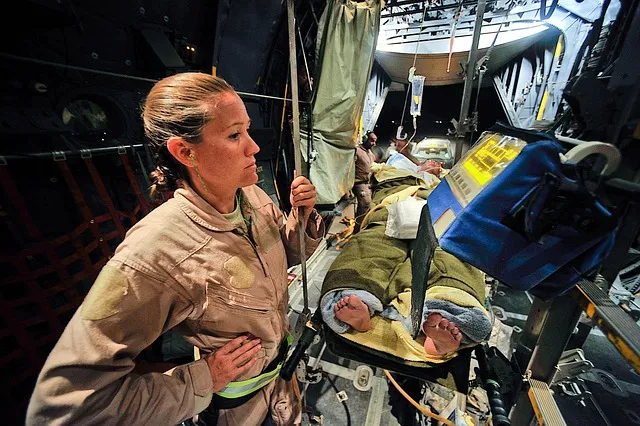
The dominant providers in the medical evacuation space — International SOS, Global Rescue, MedJet — operate differently, and the distinctions are worth understanding. Global Rescue provides rescue and transport to the hospital of choice in the home country regardless of whether local treatment is adequate; genuinely different from insurance that only pays for evacuation if local care is deemed insufficient.
International SOS provides a twenty-four-hour coordination center that manages logistics, locates appropriate medical facilities, and handles insurer communication — extremely valuable when sick, in a foreign country, and unable to speak the language.
The pre-departure medical kit for international travel should include: regular prescription medications in sufficient quantity plus a cushion for delays (stored in carry-on, never checked luggage); a copy of all prescriptions in the generic drug name (brand names differ internationally); a brief medical summary including blood type, allergies, and significant conditions; a standby antibiotic prescription with clear usage instructions; oral rehydration salts; loperamide; bismuth subsalicylate; acetaminophen or ibuprofen; antihistamine; broad-spectrum sunscreen; DEET repellent; adhesive bandages and wound closure strips; thermometer; and, for appropriate destinations, antimalarial medication.
A practical and underappreciated piece of pre-travel planning: know the location of the nearest hospital, clinic, or medical facility at every destination, and save the address offline. In a medical emergency, having to search for this information while ill, in an unfamiliar country, possibly without reliable internet, adds critical delay.
A hotel concierge or Airbnb host is a reasonable starting resource, but pre-arrival research via the country’s embassy website or resources like the International Association for Medical Assistance to Travelers (iamat.org) provides a more reliable baseline.
POST-TRAVEL HEALTH MONITORING
The traveler’s return isn’t the end of the health story. Several significant travel-related illnesses have incubation periods extending well beyond the duration of travel. Malaria caused by Plasmodium vivax or P. ovale can relapse months to years after the initial infection due to dormant liver stage parasites (hypnozoites) — a traveler who last visited a malaria zone eight months ago can present with acute malaria today. Typhoid fever has an incubation period of one to three weeks.
Schistosomiasis may not cause symptoms until six to eight weeks after exposure. Leishmaniasis can have an incubation period of months to years.
The practical instruction for returned travelers: fever within three months of returning from a malaria-endemic region should be reported to every healthcare provider seen, because most temperate-country physicians have limited experience with tropical diseases and may not include malaria in their differential diagnosis. “I recently returned from Ghana” or “I was in the Amazon six weeks ago” should accompany any febrile illness presentation to any physician for the full three-month post-travel window.
Post-travel screening for asymptomatic infections is appropriate in some situations. Long-term travelers (more than three months), those with significant freshwater exposure in schistosomiasis-endemic regions, healthcare workers, and those with high-risk sexual exposures during travel may benefit from a post-travel consultation at a travel medicine clinic or infectious disease practice. Stool ova-and-parasite examinations can identify intestinal parasites; serological testing can detect schistosomiasis, strongyloidiasis, and other infections before symptoms appear.
TRAVEL HEALTH FOR SPECIAL POPULATIONS
The standard travel health framework assumes a healthy adult. Significant modifications apply to specific populations.
Pregnant travelers face particular considerations. Live-attenuated vaccines (yellow fever, oral typhoid, MMR, varicella) are generally contraindicated during pregnancy due to theoretical risk of infecting the fetus. Malaria during pregnancy carries elevated risk of severe disease and adverse fetal outcomes; travel to high-malaria-risk regions during pregnancy should be avoided when possible. If travel to a malaria zone is necessary, chloroquine is safe in pregnancy; mefloquine is also considered acceptable in the second and third trimesters; doxycycline and primaquine are contraindicated.
Zika infection in pregnancy can cause severe fetal malformations; pregnant women should postpone travel to active Zika zones.
Immunocompromised travelers — those on immunosuppressive medications, HIV-positive individuals with low CD4 counts, organ transplant recipients, individuals undergoing chemotherapy — require individualized assessment, since the safety profile of vaccines changes with immunosuppression (live vaccines are generally contraindicated), vaccine effectiveness may be reduced, and risk from travel-related pathogens may be substantially elevated. Consultation with both a travel medicine specialist and the managing physician is essential.
Pediatric travelers require age-appropriate consideration of vaccine suitability (many vaccines have minimum age limits), higher relative risk of altitude illness, greater risk of rabies exposure through contact with animals, and more severe outcomes from dehydration due to diarrheal illness given smaller body water reserves. Japanese encephalitis and yellow fever vaccines have age minimums; parents should confirm pediatric appropriateness for all travel vaccines.
Older travelers may have reduced immune response to vaccines (lower antibody titers post-vaccination), comorbidities that complicate risk stratification, and medications that interact with antimalarials or other travel medications. The polypharmacy concern is real — mefloquine has cardiac contraindications, doxycycline interacts with antacids and reduces the effectiveness of certain medications, and bismuth subsalicylate interacts with anticoagulants.
THE MENTAL HEALTH DIMENSION OF TRAVEL
Travel health discussions almost universally omit mental health, which is both understandable and wrong. Travel disrupts almost every variable known to affect psychological wellbeing: sleep, routine, social support, diet, physical activity patterns, sense of control and predictability. For individuals with pre-existing anxiety, depression, or other mental health conditions, international travel — particularly long-term or solo travel — requires explicit preparation.
Pharmacological considerations for travelers with mental health conditions include time-zone-dependent dosing issues (antidepressants generally need to stay on home-country timing for the first few days, then shift gradually), medication supply logistics (carrying sufficient supply with documentation), and awareness that travel stressors can trigger or worsen mental health symptoms.
The isolation of solo travel in unfamiliar environments can be psychologically challenging for some in ways that aren’t apparent until they’re sitting in a hotel room in a city where they don’t speak the language and can’t read the menu.
Post-travel adjustment — sometimes called “reverse culture shock” — is a documented phenomenon where returning travelers experience disorientation, difficulty reintegrating, and a sense of disconnection from home environment and social network. Extended travelers who’ve spent months or years abroad often describe a more acute version. The relevance for health: the physiological and psychological stress of reintegration is real, and expectations should be calibrated accordingly.
Reader Questions About PreTravel Window Six
How far in advance should I see a travel medicine doctor before international travel?
Minimum four to six weeks before departure, to allow time for vaccine series completion and medications to take effect. Eight weeks is better, particularly for complex itineraries across multiple countries or high-risk destinations. Some vaccines — typhoid oral, hepatitis B series — have fixed dosing intervals that simply can’t be compressed.
Departing in under two weeks, a travel medicine clinic can still add value — some vaccines are effective within days, standby medications can be prescribed, and destination-specific counseling is always beneficial regardless of timing. Partial protection beats none.
Is it safe to get multiple vaccines on the same day?
Yes, for the vast majority of vaccines. The immune system is simultaneously managing responses to thousands of antigens at any given moment; a few additional vaccines don’t meaningfully tax that capacity. The exceptions are live-attenuated vaccines — yellow fever, oral typhoid, MMR, varicella — which should ideally be given the same day or separated by at least four weeks. Given two live vaccines at different times within four weeks, the first can interfere with the immune response to the second.
Injectable inactivated vaccines can be combined in any order without timing concerns.
What do I do if I get bitten by an animal in a country with limited rabies resources?
Immediate wound management is the first and critical step: wash the wound with soap and water for fifteen minutes, then apply iodine or 70% alcohol. This mechanical and chemical decontamination is genuinely effective at reducing rabies virus transmission and should happen regardless of subsequent access to care. Then seek medical care as quickly as possible.
With prior pre-exposure prophylaxis, two booster doses (days 0 and 3) are needed and rabies immunoglobulin is NOT required — which dramatically simplifies the situation in resource-limited settings. Without pre-exposure prophylaxis, both immunoglobulin and the full vaccine series are needed — and if immunoglobulin is unavailable locally, this becomes a medical evacuation situation. Don’t delay; rabies is 100% fatal once symptoms develop.
How do I manage my prescription medications during long travel, especially crossing time zones?
Always carry sufficient supply for the trip plus a thirty-day buffer for delays, in original pharmacy containers with labels intact. Carry in hand luggage, never checked baggage. For controlled substances, obtain a letter from the prescribing physician on letterhead describing the condition and medication. Time-sensitive medications (insulin, certain cardiac drugs) require planning for refrigeration during transit.
For time-zone-dependent medications — thyroid hormones, anticoagulants, antidepressants — consult the prescribing physician before travel for a specific adjustment protocol; the approach varies substantially by medication class and the magnitude of the time zone change.
What’s actually worth including in a travel health kit for a two-week trip to Southeast Asia?
Essentials: all personal prescription medications plus buffer supply, standby antibiotic (azithromycin for Southeast Asia, with prescription and written instructions), loperamide, oral rehydration salts (multiple packets), acetaminophen or ibuprofen, diphenhydramine (antihistamine, also useful for sleep), alcohol-based hand sanitizer, DEET 30%+ repellent, broad-spectrum SPF 50 sunscreen, thermometer, adhesive bandages, wound closure strips (Steri-Strips), antiseptic wipes, and a copy of all prescriptions plus a brief medical summary. If malaria prophylaxis is prescribed, add that.
Optional but valuable for specific scenarios: antihistamine eye drops for allergic conjunctivitis, prescription topical steroid for contact dermatitis, motion sickness medication if prone. Skip the elaborate first aid kits full of items nobody knows how to use — focus on what will actually get deployed.
Travel health isn’t about fear or paranoia. It’s about the basic respect for biology that most people extend to their car’s maintenance schedule but not to their own immune system. Nobody drives across a continent without checking the oil. Nobody should fly to one without understanding what’s waiting for their white blood cells.
Marcus eventually rescheduled his safari for the following year. This time, he saw a travel medicine physician three months before departure. He got his hepatitis A booster, the typhoid vaccine, started Malarone two days before arriving in Nairobi, wore DEET every evening, and ate only hot cooked food from restaurants he watched cook it. He had minor jet lag and a moderately overpriced meal. The impala were magnificent. He was there to see them.
References
Editorial StandardsCorrectionsMedical DisclaimerAbout Our ContentAffiliate DisclosureSite Map