

His non-stick pans were scratched from years of metal utensil use. The dry cleaning that came back in plastic bags hung in his closet. The air freshener plugged into the outlet in his bathroom had been running continuously for months. The synthetic carpet in his living room was the original from when the building was constructed in the 1990s. Derek wasn’t living in a toxic waste dump.
He was living in a thoroughly average American home, which is, in terms of indoor air quality and chemical exposure, a surprisingly challenging environment.
The Environmental Protection Agency has documented for decades that indoor air quality in American homes is typically two to five times worse than outdoor air quality, and can be up to 100 times worse in some situations. Counterintuitive, this — most people think of outdoor pollution from traffic and industry as the environmental air quality problem.
But we spend roughly 90% of our time indoors, and the modern home is packed with materials that off-gas volatile organic compounds, harbor mold, accumulate endocrine-disrupting dust particles, and circulate allergens and pathogens through HVAC systems in ways outdoor pollution rarely does.
A systematic room-by-room detox of your home isn’t about achieving chemical purity — neither possible nor necessary. It’s about identifying the highest-impact sources of indoor chemical exposure, addressing those specifically, and improving overall indoor air quality through ventilation and filtration in ways that meaningfully reduce the daily burden on your body’s detoxification systems. Walk through the home the way Derek did — with new eyes and a clear framework for deciding what matters and what doesn’t.
Understanding Indoor Air Pollution: The Invisible Load
Before going room by room, it’s worth understanding what’s actually being reduced here. The major categories of indoor air pollutants with documented health effects are: volatile organic compounds (VOCs), particulate matter, biological contaminants including mold and dust mite allergens, and persistent organic pollutants that accumulate in house dust.
VOCs are carbon-containing compounds that evaporate at room temperature — “off-gassing” from paints, furniture, flooring, adhesives, cleaning products, personal care products, and dozens of other common household materials. The roster includes formaldehyde, benzene, toluene, xylene, ethylbenzene, and hundreds of others. Many VOCs are respiratory irritants; several are carcinogens. Formaldehyde, one of the most ubiquitous indoor VOCs due to its use in pressed wood products and textiles, is classified as a human carcinogen by the International Agency for Research on Cancer.
Released continuously from furniture, cabinetry, flooring, and some permanent-press fabric treatments, with off-gassing rates highest when products are new and declining over months to years.
Particulate matter from indoor sources includes combustion particles from cooking and burning candles, biological particles from mold spores and dust mite fecal matter, chemical-laden particles from cleaning product aerosols, and fibers from carpets and fabrics. Fine particles (PM2.5) and ultrafine particles (PM0.1) are particularly concerning because they penetrate deep into the lung and can cross into the bloodstream, carrying with them whatever chemical load they carry from their source.
House dust is essentially a chemical archive of a home’s entire history. It contains flame retardants from furniture, phthalates from plastics and personal care products, pesticide residues, polycyclic aromatic hydrocarbons from cooking, and dozens of other persistent compounds that shed from materials throughout the home and accumulate in the settled dust. A 2016 study by Silent Spring Institute analyzed 45 commonly used consumer products and found 90% of settled house dust contained at least one potential endocrine disruptor.
Children, who play on floors and have high hand-to-mouth behavior, have correspondingly high dust ingestion rates — estimated at 60-100 milligrams per day — making dust contamination an especially important pediatric exposure pathway.
Mold and biological contamination deserve their own category because their effects aren’t mediated by chemical exposure alone — they involve immune responses to biological materials that can cause chronic inflammatory conditions, allergic sensitization, and in the case of certain mycotoxin-producing molds, neurological and systemic effects beyond simple allergic responses.
The relationship between “sick building syndrome,” chronic fatigue, and mold exposure is an area of active and somewhat contentious research, but the basic evidence that mold exposure in indoor environments causes respiratory and allergic disease is solid and well-established.
The Kitchen: Highest-Impact Room in the House
The kitchen deserves top priority in any home detox protocol for two reasons: it’s where food is prepared — meaning it directly interfaces with what enters the body — and it’s typically the room with the highest combustion activity, the most chemical products, and the most varied material contacts in the entire home.
Cookware is the most important kitchen purchase decision from a chemical exposure standpoint. Polytetrafluoroethylene (PTFE) non-stick coatings — the original Teflon and its descendants — are physically stable at normal cooking temperatures but degrade and release particles and gases at high temperatures above roughly 260°C (500°F). The legacy concerns about PFOA (perfluorooctanoic acid), used as a processing aid in PTFE manufacturing, have been largely addressed — PFOA was phased out of US manufacturing by 2015.
However, scratched PTFE coatings can release particles even at normal cooking temperatures, and the alternative PFAS compounds used in newer non-stick formulations are still being characterized toxicologically. Non-stick cookware that’s scratched, pitted, or heavily worn — replacement is warranted regardless of other considerations.
Cast iron and carbon steel are the most toxicologically inert cookware options and have excellent cooking performance for high-heat applications. Stainless steel performs well for most cooking tasks without reactivity concerns. Ceramic-coated cookware avoids PTFE but should be verified as PFAS-free — some ceramic coatings incorporate PFAS for improved non-stick properties. Enameled cast iron combines the inertness of cast iron with a glass-like surface for applications where metal contact is a concern.
Kitchen ventilation is profoundly important and profoundly underutilized. Cooking generates significant particulate matter — especially from high-heat cooking methods like frying and searing — plus VOCs from cooking oils oxidizing, combustion gases from gas stoves, and steam. A gas stove without adequate ventilation is one of the most significant indoor air pollution sources in the typical home.
A 2022 study by Stanford researchers found gas stoves leak methane even when not in operation, and nitrogen dioxide concentrations from gas cooking regularly exceed EPA outdoor air quality standards in poorly ventilated kitchens. Using the range hood consistently while cooking — not just for smoke management, but for all cooking — and ensuring it vents to the exterior rather than recirculating filtered air is one of the most impactful ventilation changes available.
Cleaning products represent a significant VOC source in the kitchen and throughout the home. Spray disinfectants, oven cleaners, drain cleaners, and many multipurpose cleaners contain compounds including chlorine-releasing agents, quaternary ammonium compounds (“quats”), and synthetic fragrances that release VOCs during and after use.
A 2019 study published in the American Journal of Respiratory and Critical Care Medicine found women who cleaned at home regularly for 20 years showed lung function decline comparable to smoking 20 cigarettes per day, driven primarily by spray cleaning product exposure. Replacing spray cleaners with concentrates mixed in water-filled glass spray bottles, choosing fragrance-free formulations, improving ventilation during cleaning, and using microfiber cloths that reduce the need for chemical cleaners substantially reduces kitchen cleaning chemical exposure.
Food storage containers in the kitchen represent the BPA and phthalate interface discussed in detail elsewhere — glass and stainless steel replacing plastic, with priority on containers used for hot foods or in the microwave. Plastic wrap replacement with beeswax wraps, silicone covers, or plate-on-top-of-plate eliminates the most intensive food-plastic contact scenario for many households.
The Bedroom: Where You Spend a Third of Your Life
The bedroom is the room where exposure time is highest — most people spend 7-9 hours per night there in close contact with bedding, mattresses, and nearby furniture. Any chemical exposure in the bedroom compounds across thousands of hours of exposure annually, making it the highest time-weighted exposure environment in the home despite being one of the lower-activity rooms.
Mattresses and pillows are significant sources of chemical exposure that almost nobody thinks about. Conventional mattresses typically contain polyurethane foam, which off-gases VOCs including isocyanates and TDA (toluene diamine, a suspected carcinogen) as it ages. Many conventional mattresses also contain flame retardant chemicals — historically polybrominated diphenyl ethers (PBDEs), now largely replaced by organophosphate flame retardants after PBDEs were phased out — that off-gas and accumulate in household dust.
PBDEs are persistent organic pollutants associated with thyroid disruption, neurodevelopmental effects, and cancer; their replacements have shorter environmental persistence but some share endocrine-disrupting properties.
A mattress encasement — a zippered cover that fully encloses the mattress — serves dual purposes: it prevents off-gassing from reaching the breathing zone, and it creates a barrier against dust mites. Dust mites, which thrive in mattresses and bedding, produce allergenic proteins that are among the most potent indoor allergens and are associated with asthma and allergic rhinitis.
Washing bedding in hot water (above 55°C/130°F) weekly, using dust mite-proof encasements on mattresses and pillows, and maintaining bedroom humidity below 50% substantially reduces dust mite allergen exposure.
New bedroom furniture off-gases at the highest rate during the first six months to two years after manufacture. The composite wood products used in most budget and mid-range furniture — particleboard, MDF, plywood — use formaldehyde-containing urea-formaldehyde resin as the adhesive binder. Off-gassing rates correlate with the amount of exposed surface area, the ventilation of the room, and the temperature and humidity.
Before placing new furniture in a bedroom, off-gassing it first by leaving it in a garage, sunroom, or well-ventilated space for several weeks to months — with all drawers and doors open — substantially reduces the formaldehyde burden brought into the breathing zone. Sealing exposed particle board edges with water-based polyurethane also reduces off-gassing.
Window treatments and carpeting in the bedroom contribute VOC and flame retardant loads. Conventional synthetic carpeting contains nylon or polyester fibers plus adhesives and may contain stain treatments using PFAS compounds — the “Scotchgard” category of per- and polyfluoroalkyl substances associated with immune disruption, thyroid disease, and cancer. Hardwood, tile, or natural fiber floor coverings in the bedroom substantially reduce both VOC off-gassing and dust accumulation relative to synthetic carpet.
If replacing bedroom flooring isn’t currently feasible, a high-quality HEPA vacuum used frequently on bedroom carpeting, followed by damp mopping where possible, reduces the chemical-laden dust accumulation that represents the most ongoing exposure.
The Bathroom: Small Room, High Chemical Density

Air fresheners and synthetic fragrances in the bathroom represent one of the clearest cases where the product creates more problems than it solves from an air quality standpoint. Plug-in air fresheners, aerosol sprays, and scented candles all release VOCs into the air — specifically terpenes (from “natural” fragrance ingredients like pine and citrus) that react with indoor ozone to form secondary pollutants including formaldehyde and ultrafine particles.
A 2019 study in Environmental Science and Technology found a single scented candle burned in a room generated ultrafine particle concentrations in the PM0.1 range comparable to cigarette smoke while burning. Ventilation and addressing actual odor sources — primarily mold and biological contamination — rather than fragrance masking is the appropriate approach to bathroom odors.
Shower curtains and liners made from PVC are a significant phthalate off-gassing source, particularly in the hot, humid environment of a shower. A 2008 study by the Center for Health, Environment and Justice found new PVC shower curtain liners released up to 108 VOCs, including plasticizers and solvents, that persisted in detectable concentrations for 28 days after installation.
Replacing a PVC shower curtain liner with one made from PEVA (polyethylene vinyl acetate, which doesn’t require plasticizers), cotton, or fabric eliminates this exposure source. PEVA shower curtains are available at similar price points to PVC and perform equivalently for shower containment.
Bathroom cleaning products are typically among the most chemically concentrated household cleaners — bleach and bleach-based products, toilet bowl cleaners with hydrochloric acid, mold and mildew sprays containing quaternary ammonium compounds. Using these products with the bathroom window open or exhaust fan running, waiting 15-30 minutes after cleaning before using the room, and choosing concentrated formulations diluted in water rather than ready-to-use sprays all reduce inhalation exposure during and after cleaning.
Personal care products accumulated in the bathroom represent the phthalate and fragrance exposure source discussed elsewhere — the relevant point here is that the bathroom is where this audit happens. Taking inventory of what’s currently on the shelves, running the products used daily through the EWG Skin Deep database, and prioritizing replacement of daily-use, leave-on products with lower-rated ingredients is a bathroom-based project with whole-body health relevance.
Bathroom mold is both a visual problem and a health problem. The respiratory and allergic effects of mold exposure are well-documented, and bathrooms — with intermittent high humidity, poor ventilation, and organic material in grout and sealant — are prime mold growth environments. Running the exhaust fan during and for 20-30 minutes after showering, keeping a squeegee handy to reduce standing water on shower walls, and sealing grout regularly prevents mold from establishing.
Existing mold on non-porous surfaces can be addressed with hydrogen peroxide (3%) or dilute bleach; mold that’s penetrated porous materials like drywall requires professional remediation.
Living Areas: Furniture, Flooring, and the Dust Problem
Living areas — living rooms, family rooms, dens — present a different exposure profile than bedrooms and kitchens. The primary concerns are furniture off-gassing, flooring, flame retardant accumulation in upholstered furniture and carpeting, and the general dust management problem most significant in high-traffic, high-furniture-density spaces.
Upholstered furniture — sofas, chairs, upholstered beds — has historically been treated with flame retardant chemicals required by California Technical Bulletin 117, a standard that specified open-flame tests that could only be passed with significant chemical treatment. The standard was revised in 2013 to allow smolder-only testing, which most furniture foam passes without chemical treatment.
However, foam furniture manufactured before 2015 may contain significant quantities of PBDE flame retardants, chlorinated Tris, or other compounds associated with cancer, endocrine disruption, and neurodevelopmental effects. These compounds accumulate in house dust as the foam degrades and the fabric wears. Testing furniture for flame retardants is possible through companies like Paradigm Environmental Services, or alternatively, looking for products with the Greenguard Gold or OEKO-TEX certifications that specify flame retardant-free construction.
Dust management in living areas is the single highest-use ongoing maintenance practice for reducing chemical exposure from the accumulated chemical load in house dust. The key is not just frequency of cleaning but method: vacuuming with a HEPA-filtered vacuum captures fine particles rather than redistributing them. Damp mopping hard floors after vacuuming removes the fine particles that vacuum passes over. Wet wiping of horizontal surfaces — where dust accumulates — rather than dry dusting that sends particles airborne.
Doormats at all entry points, combined with a no-shoes-inside policy, dramatically reduces the pesticide, lead, and biological contaminant load brought in from outside on shoes — a 2017 EPA study found tracked-in shoe soil was a significant source of indoor pesticide levels in homes.
VOC sources in living areas include pressed wood furniture (formaldehyde), synthetic rugs (VOCs from fibers, adhesives, and treatments), wall paints and coatings (VOC-containing finishes, though low-VOC and zero-VOC paints are now widely available and comparable in performance to traditional formulations), and electronic equipment that off-gases flame retardants and plasticizers from plastic casings.
Prioritizing natural material alternatives — solid wood furniture, natural fiber rugs in wool or cotton, low-VOC paints when repainting — steadily reduces the off-gassing burden in living areas over time.
The Basement and Garage: Mold, Radon, and Chemical Storage
Basements and garages represent concentrated chemical storage areas that can significantly impact whole-home air quality through transfer of pollutants via HVAC systems, building envelope air movement, and direct transport to living areas. They deserve a distinct strategy focused on containment and remediation rather than just product replacement.
Radon is the single most important basement hazard that gets dramatically insufficient attention relative to its public health significance. Radon is a naturally occurring radioactive gas produced by the decay of uranium in soil and rock, and it seeps into buildings through foundation cracks, gaps around pipes, and construction joints. Colorless, odorless, tasteless — completely undetectable without testing.
The EPA estimates radon is responsible for approximately 21,000 lung cancer deaths in the United States annually — the second leading cause of lung cancer after cigarette smoking, and the leading cause among non-smokers. Radon testing is inexpensive (test kits are available for about $15-25 at hardware stores or through state radon programs) and takes 2-7 days for a short-term test.
Radon levels exceeding the EPA action level of 4 picocuries per liter — sub-slab depressurization, a pipe installed through the foundation floor that vents radon to the exterior, is highly effective and typically costs $800-2,500 for installation. This is not optional health optimization. It’s basic cancer prevention.
Basement mold is a structural and health problem that requires addressing the underlying moisture source rather than just treating visible mold. Basements are chronically high-humidity environments because of groundwater seepage, condensation from cold surfaces in humid climates, and limited ventilation. Visible mold on basement walls, ceiling tiles, or stored organic materials like cardboard represents active mold growth that contributes to whole-home air quality.
Sealing foundation cracks, improving drainage away from the foundation, running a dehumidifier to maintain basement humidity below 50%, and using rigid foam insulation rather than fiberglass batts on basement walls (where fiberglass can accumulate moisture without drying) addresses the moisture conditions that enable mold growth.
Chemical storage in garages and basements — pesticides, paint, solvents, fuels, cleaning chemicals — represents a concentrated VOC source that infiltrates living spaces through building air movement. Proper storage means sealed containers, organization that prevents leaks from going unnoticed, and annual disposal of expired or partially used containers through local hazardous waste collection programs. Many municipalities offer free hazardous waste collection days.
Partially used paint cans, old pesticides, and automotive chemicals are among the items that accumulate through inertia and represent ongoing VOC sources that regular disposal eliminates.
HVAC Systems: The Whole-Home Air Quality Multiplier
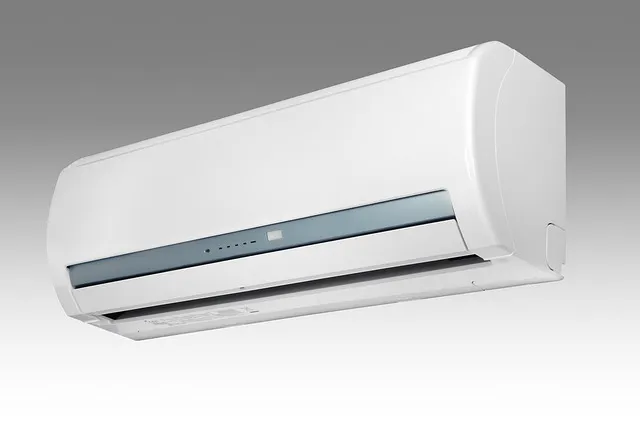
Air filter selection is the most accessible HVAC air quality intervention. The standard fiberglass filters sold in home improvement stores are designed to protect the HVAC equipment from large particle accumulation — they’re nearly irrelevant to indoor air quality because they don’t capture fine particles or VOCs. MERV 11 or higher rated filters capture significantly more particulate matter, including fine particles that carry chemical loads and biological allergens.
HEPA filters (MERV 17-20) provide the highest level of particulate capture but require higher-static-pressure HVAC blowers that most residential systems aren’t configured for — attempting to use HEPA filters in systems designed for standard filters can reduce airflow and damage the equipment. For most homes, MERV 13 filters represent the practical sweet spot of filtration efficiency and system compatibility.
Activated carbon filtration in combination with particulate filters addresses VOCs, which particulate filters alone don’t capture. Portable air purifiers with HEPA plus activated carbon can be placed in bedrooms and other high-occupancy rooms to supplement central HVAC filtration. A 2017 systematic review in the Journal of Allergy and Clinical Immunology found HEPA air purifiers significantly reduced indoor particulate matter concentrations and produced measurable improvements in cardiovascular health markers in occupants.
The bedroom is the highest-priority room for a portable air purifier given the hours spent sleeping there.
Duct cleaning has a more modest evidence base than popular belief suggests — a clean duct isn’t meaningfully better than a dirty one in terms of ongoing air quality unless the ducts contain visible mold growth, pest infestation, or significant debris accumulation.
The primary duct-related air quality intervention is ensuring the duct system itself doesn’t have leaks or gaps that allow unconditioned air from crawl spaces, attics, or garages to enter the air stream — these areas often contain concentrated pollutant loads that bypass the air filter entirely.
Fresh air ventilation is perhaps the most underutilized and most effective air quality tool in home use. Opening windows and doors to allow air exchange — when outdoor air quality is acceptable — dilutes indoor pollutants with outdoor air, which, despite the reputation of outdoor pollution, is typically considerably cleaner than indoor air in residential settings. In moderate climates, regular window opening during mild weather provides free, effective air quality improvement.
Energy Recovery Ventilators (ERVs) and Heat Recovery Ventilators (HRVs) provide mechanical fresh air exchange without the energy loss of simple window ventilation — they transfer heat and moisture between incoming and outgoing air streams, maintaining temperature control while providing continuous fresh air. For tightly sealed modern homes where natural infiltration is minimal, an ERV or HRV is the appropriate fresh air strategy.
Water Quality Throughout the Home
Water quality is relevant not just to drinking but to bathing, cooking, humidification, and the humidity levels that affect mold growth and dust mite survival. A whole-home approach to water quality addresses these multiple pathways.
The heavy metal concerns — particularly lead from older plumbing — apply to kitchen water as described elsewhere, but also to bathroom faucets used for brushing teeth and to drinking glasses filled at bathroom sinks. The same NSF 53-certified point-of-use filters that address kitchen tap water can be installed on bathroom sinks if that water is used for consumption or oral contact.
Showers expose the body to hot water that volatilizes trihalomethanes (THMs) and other chlorination byproducts — a 2015 study found urinary THM metabolites increased significantly after hot showers even in people with filtered drinking water, because inhalation and skin absorption during showering are significant exposure routes. Shower filters that reduce chlorine and THMs are widely available and straightforward to install.
Humidifiers that add moisture to home air deserve attention from a mold perspective — improperly maintained humidifiers can become mold reservoirs that disperse mold spores throughout the home’s airspace. Using distilled water in humidifiers, cleaning them weekly with hydrogen peroxide or citric acid solution, and using humidistats to prevent over-humidification (target 40-50% relative humidity) prevents the humidifier from becoming a biological contamination source.
Ultrasonic humidifiers are particularly prone to dispersing minerals and biological material if not properly maintained — they aerosolize whatever is in the water tank.
Green Plants: Reality Check on the “Air-Purifying Plants” Myth
A widely circulated claim, originating from a 1989 NASA study and endlessly amplified by houseplant retailers and wellness media, is that common houseplants significantly improve indoor air quality by removing VOCs. Worth an honest account of what the science actually says here, because it’s both more detailed and more modest than the marketing suggests.
The NASA study did demonstrate that common plants including pothos, peace lily, spider plants, and others could remove certain VOCs from the air in sealed test chambers at measurable rates. What the study didn’t demonstrate — and what subsequent analyses have shown — is that the rate of VOC removal by plants in typical home conditions is negligible compared to the rate of VOC generation from indoor sources and the VOC removal that occurs simply through ventilation and air exchange.
A 2019 quantitative analysis published in the Journal of Exposure Science and Environmental Epidemiology calculated the air change rates required for plants to meaningfully reduce indoor VOC levels and found you’d need between 10 and 1,000 plants per square meter to produce the same VOC reduction that a single air change per hour of ventilation achieves. In other words: opening a window for five minutes accomplishes more VOC reduction than a dozen potted plants operating for a week.
This doesn’t mean houseplants are without value — they support psychological wellbeing, reduce stress, improve connection to the natural world, and contribute to humidity levels in dry climates. The soil microbiome associated with plants also has some evidence for producing beneficial airborne microorganisms. But they’re not an air purification strategy in any sense that meaningfully competes with ventilation, filtration, or source reduction.
Anyone who’s invested heavily in houseplants as an air quality strategy should redirect that investment toward the interventions — filtration, ventilation, source reduction — that actually move the needle on indoor air quality.
Prioritizing Your Detox Roadmap

- Test for radon if you have a basement or live-in ground floor in a geological region with uranium-bearing soils. This is the highest-impact test you can perform for $15-25. Act immediately if levels exceed 4 pCi/L.
- Test your tap water for lead if your home was built before 1986. Install NSF 53-certified filtration if lead is detected.
- Replace your HVAC filter with MERV 13 and set a calendar reminder for replacement every 90 days. Add a portable HEPA/activated carbon purifier to your bedroom.
- Eliminate PVC shower curtain liner. Replace with PEVA, cotton, or fabric.
- Remove plug-in air fresheners and fragrance diffusers from all rooms. Address underlying odor sources rather than masking them.
- Stop microwaving food in plastic. Use glass or ceramic exclusively.
- Upgrade ventilation habits: range hood on during all cooking, bathroom exhaust fan during and 20 minutes after every shower, windows open when weather permits.
- Replace the most heavily used plastic food storage containers with glass equivalents over the next month.
- Implement a shoes-off-at-the-door policy and place high-quality doormats at all entries.
- Audit bedroom mattress and furniture for age and off-gassing risk. Add mattress and pillow encasements for dust mite protection and formaldehyde barrier.
Reader Questions About Understanding Indoor Air
Q: What is the most cost-effective single change for improving indoor air quality?
Opening windows regularly for air exchange is free and one of the most effective interventions for diluting indoor VOCs and other pollutants. If outdoor air quality is acceptable — which it is in most residential areas most of the time — regular window ventilation reduces indoor pollutant concentrations more effectively than most equipment-based interventions short of whole-home mechanical ventilation systems.
The habit of cross-ventilating the home for 15-30 minutes in the morning and evening when outdoor temperatures permit costs nothing and produces meaningful results.
Q: How much does mold actually matter for health in typical home environments?
More than most people realize, but less than the “toxic mold” narrative that circulates in functional medicine communities sometimes implies. Visible mold growth in living spaces is associated with respiratory disease, asthma exacerbation, and allergic disease through well-established immunological mechanisms.
The more contentious claim — that specific mycotoxin-producing molds cause widespread systemic symptoms including neurological impairment, “brain fog,” and chronic fatigue in the absence of clear immunological or toxicological evidence — is an area where the research is genuinely uncertain and where clinical practice has run ahead of the evidence base.
The practical recommendation is clear regardless: visible mold in living spaces should be remediated, moisture sources that enable mold should be addressed, and chronic respiratory or allergic symptoms should prompt investigation of indoor mold levels. Going beyond this to elaborate mycotoxin testing and aggressive antifungal treatment protocols without clear evidence of clinical mycotoxicosis is a different matter.
Q: Are essential oil diffusers a safe alternative to synthetic air fresheners?
Better than synthetic fragrance products in terms of avoiding phthalate and synthetic VOC exposure, but not without their own considerations. Essential oils are complex mixtures of terpenes, terpenoids, and other volatile compounds that react with indoor ozone to form secondary pollutants including formaldehyde, acetaldehyde, and ultrafine particles — the same reactions that occur with synthetic fragrance terpenes. Individuals with asthma or reactive airway disease frequently report symptoms triggered by essential oil diffusers.
The biological activity of essential oil compounds can be significant — some have estrogenic or other hormonal effects at biologically relevant concentrations. For general air quality purposes, ventilation is superior to any form of fragrance, natural or synthetic. Essential oil diffusers in moderate, well-ventilated use are unlikely to represent a significant health concern for most people, but they’re not neutral from an air quality standpoint.
Q: Should I be concerned about VOCs from new furniture and how long does off-gassing last?
Yes, the concern is legitimate and the duration is variable. Formaldehyde off-gassing from pressed wood products follows a roughly exponential decay — very high initially, declining over months, reaching a low steady-state that persists for years. The first six months represent the highest exposure period for new furniture.
Off-gassing before placing in living spaces, maximizing ventilation, maintaining moderate temperature and humidity in the room (higher temperatures and humidity accelerate off-gassing, speeding the decline to steady state but increasing short-term exposure), and sealing exposed particle board edges all help. Choosing solid wood furniture, metal furniture, or furniture certified for low formaldehyde emissions (CARB Phase 2 compliant, Greenguard Gold certified) eliminates the off-gassing problem at the source.
Q: How important is going no-shoes-inside for indoor chemical exposure?
More important than it sounds. Studies have consistently found shoe-tracked contamination is a significant source of indoor pesticide residues, lead, and biological contaminants, particularly in homes with young children who play on floors. A 2017 EPA study found removing shoes at the door reduced tracked-in pesticide concentrations in carpet by roughly 60%.
The habit is particularly important regularly walking on treated lawns, in areas with high traffic pollution, or in older urban neighborhoods with historical soil contamination. Providing a dedicated shoe storage area near the entry and offering indoor slippers to household members and guests makes the practice sustainable.
Your home is supposed to be a refuge. The irony of modern residential construction is that it’s often a more concentrated exposure environment than the outdoor world it’s meant to protect you from. This isn’t a reason for panic — it’s a reason for intentional design of the environment where you spend 90% of your time.
Derek’s Saturday project didn’t transform his health overnight. But it started something. The air freshener came out of the bathroom immediately. He ordered a MERV 13 filter and a radon test kit. He replaced the dry cleaning bags with a cloth hanging bag for storage. He started leaving his bedroom window cracked at night.
Six months later, the new furniture smell was gone, the radon test came back fine, and his fatigue — which remained attributable to multiple factors — had noticeably improved. He couldn’t prove the correlation was causation. But he’d measurably reduced the chemical burden his body was navigating every night, and whatever the mechanism, his body seemed to be responding to the lighter load.
References
Editorial StandardsCorrectionsMedical DisclaimerAbout Our ContentAffiliate DisclosureSite Map