

She found people who swore by the Autoimmune Protocol diet and others who said it was unnecessary restriction built on thin evidence. What she couldn’t find anywhere was a clear, evidence-graded framework that separated dietary interventions with genuine scientific support from those built mostly on plausible-sounding mechanistic hypotheses and compelling patient testimonials. She needed someone to think clearly about this. So does everyone who follows her down this particular rabbit hole.
Dietary support for thyroid conditions sits right at the intersection of legitimate science and wellness-industry overreach. Some nutritional principles are well-supported by biochemistry and clinical evidence. Others get extrapolated from theoretical mechanisms or narrow clinical populations into general recommendations that are either unnecessary or actively problematic for most people. An honest assessment means separating the two — validating what’s real, challenging what isn’t, even when the latter is popular in thyroid health communities.
The Nutritional Biochemistry of Thyroid Function
Knowing which nutrients the thyroid actually requires for normal function is the rational foundation for any evidence-based dietary recommendation. The thyroid is a nutrient-hungry organ with specific micronutrient dependencies that translate into real dietary considerations.
Iodine is the element most fundamentally tied to thyroid function — it’s the substrate thyroid hormones are literally built from. Thyroid hormones are named for their iodine content: T4 carries four iodine atoms, T3 carries three. Without adequate iodine, the thyroid simply cannot produce enough hormone, no matter what else is right. The recommended dietary allowance for iodine in non-pregnant adults is 150 mcg/day.
Primary dietary sources: iodized salt (roughly 100 mcg per ¼ teaspoon), dairy products (particularly milk, which carries iodine from cattle feed and sanitizing agents — roughly 50-100 mcg per cup), seafood (cod, tuna, shrimp especially), and seaweed (highly variable — anywhere from 11 mcg to over 4,500 mcg per gram depending on species).
Selenium is the second most critical thyroid nutrient, and the one with the strongest evidence base for supplementation in autoimmune thyroid disease specifically. The thyroid holds more selenium per gram than any other organ in the body.
Three separate classes of selenoproteins are essential to thyroid function: iodothyronine deiodinases (DIO1, DIO2, DIO3), which activate and inactivate thyroid hormones; glutathione peroxidases (GPX1, GPX3), which protect thyroid cells from the oxidative damage generated during hormone synthesis; and thioredoxin reductases, which maintain the cellular redox balance thyroid function needs. Selenium deficiency impairs all three at once, with both metabolic and inflammatory consequences.
Dietary selenium comes mainly from Brazil nuts (1-2 nuts provides roughly 100-200 mcg, highly variable by growing region), organ meats, seafood, poultry, and whole grains grown in selenium-rich soils.
Iron is required as a cofactor for thyroid peroxidase, the enzyme catalyzing iodine oxidation and thyroid hormone synthesis. Iron deficiency — common, particularly in premenopausal women — impairs TPO activity and reduces thyroid hormone production. Even without frank anemia, low ferritin (below 30-40 ng/mL) can meaningfully affect thyroid function.
The relationship runs both ways: hypothyroidism impairs iron absorption and reduces the gastric acid production needed to convert non-heme iron, creating a cycle where thyroid dysfunction worsens iron status, which worsens thyroid function further. Dietary iron from heme sources (red meat, poultry, seafood) absorbs substantially better than non-heme iron from plants.
Zinc is a cofactor for thyroid hormone synthesis enzymes and for the thyroid hormone receptors themselves — required both for producing the hormones and for cells to actually respond to them. Zinc deficiency reduces T3 production and creates cellular resistance to thyroid hormone. Dietary zinc comes mainly from oysters (extraordinary concentration), red meat, poultry, legumes, and fortified cereals.
Zinc bioavailability from plant sources drops with phytates, which partly explains why zinc deficiency shows up more in vegetarians and vegans despite adequate zinc intake on paper.
Selenium: The Nutrient With the Strongest Evidence in Autoimmune Thyroid Disease
The evidence for selenium’s role in autoimmune thyroid disease — both Hashimoto’s and Graves disease — is strong enough to have actually influenced clinical guidelines, which makes it the single most clearly actionable nutritional recommendation in this space.
Multiple randomized placebo-controlled trials have shown that selenium supplementation (200 mcg/day as sodium selenite or selenomethionine) significantly reduces thyroid peroxidase antibody levels in Hashimoto’s patients — the primary marker of autoimmune thyroid inflammation. A 2003 meta-analysis first established this effect, and a 2016 systematic review of 7 randomized trials confirmed the antibody-reducing effect, with TPO-Ab reductions of 25-30% reported in selenium-supplemented groups versus placebo.
The 2012 Kahaly et al. trial specifically showed clinically meaningful improvement in Graves orbitopathy with 200 mcg of daily selenium.
The European Thyroid Association worked selenium supplementation (200 mcg/day for 6 months) into its guidelines for mild Graves orbitopathy — a formal clinical practice recommendation built on this evidence. Notable, because it’s one of the few times a nutritional intervention has actually crossed the line from “plausible” to “guideline-recommended” in mainstream endocrinology.
Mechanistically, selenium likely cuts TPO-Ab levels through several routes at once: reducing oxidative stress in thyroid tissue (hydrogen peroxide from hormone synthesis damages thyroid cells and releases autoantigens that keep the immune response going), supporting regulatory T cell function (selenoproteins in T cells affect their differentiation and survival), and modulating inflammatory cytokine signaling. The reduction in thyroid-damaging oxidative stress through enhanced glutathione peroxidase activity is probably the biggest piece of it.
Practical selenium status assessment: serum selenium (optimal range roughly 70-150 mcg/L) or plasma selenoprotein P, a more sensitive functional marker, can gauge selenium status before supplementing. Geographic variation in soil selenium is significant — status tends to run lower in Europe (Eastern Europe particularly), parts of China, and certain US regions than in selenium-rich areas. People eating minimal seafood, meat, and organ meats in selenium-poor regions carry the most risk for suboptimal status.
Selenium toxicity (selenosis) occurs at chronic intakes above roughly 400 mcg/day and causes hair loss, brittle nails, garlic breath (from selenide exhalation), and neurological effects. At 200 mcg/day supplementation, the safety margin is wide. The caution applies mainly to people also eating multiple Brazil nuts daily on top of that — a single Brazil nut can provide 68-90 mcg of selenium in selenium-rich growing regions, which can push combined supplement-plus-food intake toward the toxicity range without anyone noticing.
Iodine: The Paradox of the Most Essential Thyroid Mineral
Iodine’s relationship with autoimmune thyroid disease is more complicated than its essential role in hormone synthesis suggests, and that complexity is exactly where a lot of the confusion in thyroid dietary guidance comes from.
Iodine deficiency causes hypothyroidism through simple substrate limitation — not enough iodine, the thyroid can’t make hormones. Straightforward, and it’s the global picture: iodine deficiency remains the most common cause of preventable hypothyroidism worldwide, and universal salt iodization programs have dramatically cut this burden wherever they’ve been implemented.
In iodine-sufficient populations with Hashimoto’s thyroiditis, the picture flips. Excess iodine makes autoimmune thyroid disease worse through several mechanisms. High iodine raises the immunogenicity of thyroglobulin — highly iodinated thyroglobulin molecules trigger stronger autoimmune responses than less iodinated ones. Iodine excess also generates more hydrogen peroxide during hormone synthesis, raising oxidative stress and thyroid cell damage.
Epidemiological studies in countries transitioning from iodine deficiency to sufficiency through salt iodization consistently show a transient rise in autoimmune thyroid disease rates, particularly Hashimoto’s, during the transition — at excess, not adequate, iodine intake levels.
The practical takeaway: people with Hashimoto’s living in iodine-sufficient countries — which covers most people reading this, in North America, Western Europe, Australia — should maintain normal dietary iodine intake, enough to prevent deficiency, while avoiding excess. Normal dietary iodine from iodized salt, dairy, and moderate seafood is fine.
High-dose iodine supplements, concentrated kelp preparations (which can deliver thousands of micrograms in a single serving) and potassium iodide drops aren’t recommended for Hashimoto’s patients in iodine-sufficient regions, and may actively worsen autoimmune activity.
The iodine advice circulating in some integrative health communities overshoots the evidence in both directions at once — some practitioners recommend wholesale iodine avoidance, including normal iodized salt, in Hashimoto’s, while others push high-dose “iodine loading” protocols, sometimes citing the work of Dr. Guy Abraham and colleagues. Neither extreme holds up against the evidence base, and the latter carries clear potential for harm in autoimmune thyroid disease.
Gluten and Thyroid: An Honest Evidence Assessment
The scientifically established relationship between gluten and thyroid disease runs through celiac disease. Celiac disease and autoimmune thyroid conditions (Hashimoto’s and Graves) co-occur at higher-than-random frequency. Multiple studies find celiac disease in roughly 3-5% of Hashimoto’s patients versus roughly 1% in the general population — a 3-5 fold enrichment. The mechanism involves shared HLA genetic susceptibility, particularly HLA-DQ2 and HLA-DQ8 alleles, predisposing to both conditions at once.
In patients with both celiac disease and autoimmune thyroid disease, strict gluten-free diet consistently reduces TPO-Ab levels over 12-24 months and may improve thyroid function. This finding is clinically meaningful and actionable: anyone with autoimmune thyroid disease should be screened for celiac disease (anti-TTG IgA antibodies plus IgA level), and confirmed celiac patients should follow strict gluten-free diet for both conditions at once.
The evidence is substantially weaker for the claim that gluten-free diet benefits non-celiac Hashimoto’s patients. Non-celiac gluten sensitivity is real but poorly characterized, and its relationship to autoimmune thyroid disease is speculative at best. Several small, uncontrolled studies in Hashimoto’s patients found TPO-Ab reduction with gluten-free diet, but these lack control groups, and the reduction could just as easily reflect general dietary improvement rather than any gluten-specific effect.
Randomized controlled trials testing gluten-free diet specifically in non-celiac Hashimoto’s patients are essentially absent from the literature. Nobody’s run the real study.
The honest summary: screen for and rule out celiac disease in every autoimmune thyroid disease patient — it’s a straightforward blood test. If celiac is confirmed, strict gluten-free diet is medically indicated. If it’s excluded, the evidence doesn’t support gluten-free diet as a universally beneficial recommendation for Hashimoto’s.
An individual trial — 4-6 months of strict adherence with objective TPO-Ab measurement before and after — can be informative for patients who want to test whether they personally respond. But it’s not a standard recommendation for everyone with thyroid autoimmunity.
Goitrogens: The Cruciferous Vegetable Question
Few topics have driven more unnecessary dietary restriction in thyroid patients than goitrogens — compounds in certain foods that can inhibit thyroid function in laboratory and animal studies. The evidence needs careful context here, or some of the most nutritionally valuable foods available get restricted for nothing.
Goitrogenic foods include cruciferous vegetables (broccoli, kale, Brussels sprouts, cauliflower, cabbage, bok choy), soy products (phytoestrogens affect thyroid hormone synthesis at high doses), millet, cassava, and a handful of other plants. These foods contain compounds — mainly glucosinolates in cruciferous vegetables and isoflavones in soy — that can inhibit thyroid peroxidase activity, interfere with iodine uptake, or affect thyroid hormone synthesis.
The in vitro and animal model evidence for goitrogenic effects is real. The human clinical evidence for goitrogenic effects from normal dietary consumption of these foods in iodine-sufficient people is very weak. The key context: goitrogenic effects in humans mostly show up at very high, unrealistic intake levels — the studies that produced measurable thyroid effects used isolated goitrogenic compounds at doses far beyond what anyone eats through normal diet.
Someone would need to eat pounds of raw kale daily before clinically meaningful thyroid suppression from cruciferous vegetables alone showed up.
Cooking destroys roughly 90% of goitrogenic activity in cruciferous vegetables. Steaming, roasting, or sautéing renders their goitrogenic content essentially clinically irrelevant for most people. Raw consumption in normal portions — one or two servings daily — is also unlikely to touch thyroid function in iodine-sufficient people with adequate thyroid reserve.
The practical recommendation: people with hypothyroidism don’t need to avoid cruciferous vegetables or soy in normal dietary quantities. These foods are among the most nutrient-dense, cancer-protective, anti-inflammatory foods available, and restricting them over theoretical goitrogenic concerns creates real nutritional cost for essentially zero thyroid benefit.
Extremely high consumption of raw goitrogenic foods — liters of raw kale juice daily, say — is reasonably avoided in people with minimal thyroid reserve. But that’s a narrow edge case, not an ordinary dietary pattern. Levothyroxine should be taken away from soy-heavy meals (soy can reduce levothyroxine absorption), but that’s a medication timing issue. Not a reason to avoid soy foods.
Anti-Inflammatory Dietary Patterns: The Evidence-Based Foundation
If the specific thyroid dietary interventions above are either well-supported but narrow in scope (selenium, iodine balance) or more speculative than popularly claimed (gluten-free, goitrogen avoidance), what’s the actual dietary foundation that benefits people with autoimmune thyroid disease? The answer is less exotic but more consequential: an anti-inflammatory dietary pattern.
Autoimmune thyroid disease — Hashimoto’s and Graves both — involves chronic immune dysregulation driving ongoing thyroid damage, or stimulation. Systemic inflammation, measured by markers like hsCRP and IL-6, runs consistently elevated in autoimmune thyroid disease relative to healthy controls. Dietary patterns that reduce systemic inflammation reduce the inflammatory environment that keeps that autoimmune activity going.
The Mediterranean dietary pattern — high vegetable and fruit intake, legumes, whole grains, nuts, olive oil as the main fat source, moderate fish, limited red meat, moderate wine — has the strongest evidence base for reducing systemic inflammation of any dietary pattern studied. A meta-analysis of 17 prospective studies found Mediterranean diet adherence associated with significantly lower hsCRP, IL-6, and other inflammatory markers.
The 2023 SMILES trial also showed that dietary improvement toward Mediterranean-style eating significantly reduced inflammatory biomarkers in adults with chronic inflammatory conditions.
The specific anti-inflammatory foods with the strongest mechanistic and clinical support: fatty fish (salmon, mackerel, sardines, herring), providing EPA/DHA omega-3s that directly modulate prostaglandin and leukotriene inflammatory pathways; colorful vegetables and berries rich in anthocyanins and polyphenols that inhibit NF-κB, the master inflammatory transcription factor; extra-virgin olive oil, containing oleocanthal, which inhibits COX enzymes with aspirin-like anti-inflammatory activity; walnuts and flaxseed for ALA omega-3s; and fermented foods (yogurt, kefir, kimchi, sauerkraut, miso) that support microbiome diversity and short-chain fatty acid production — with SCFAs directly supporting regulatory T cell development and reducing inflammatory Th17 activity.
Dietary patterns high in ultra-processed foods, refined carbohydrates, industrial seed oils high in omega-6 linoleic acid, and added sugars, on the other hand, consistently drive higher inflammatory markers. These foods don’t specifically “cause” autoimmune thyroid disease. But they feed the inflammatory environment that sustains it.
The inflammatory dietary pattern that defines the modern Western diet is likely a significant environmental contributor to the rising prevalence of autoimmune thyroid conditions over the past 50 years — alongside iodine status changes, increased chemical exposures, microbiome disruption from antibiotic use, and changing birth and feeding practices.
The Autoimmune Protocol (AIP) Diet: Evidence Review
AIP is an elimination-based approach removing grains, dairy, legumes, eggs, nuts and seeds, nightshades (tomatoes, peppers, eggplant), alcohol, coffee, oils (except olive and coconut), food additives, and NSAIDs for an initial 30-90 day phase, followed by gradual reintroduction. Essentially a more restrictive extension of the paleo diet, with additional exclusions based on hypothetical gut permeability effects.
The evidence base for AIP in autoimmune thyroid disease specifically comes down to a single small, uncontrolled study published in 2019 in Cureus. It followed 17 women with Hashimoto’s through a 10-week AIP program and found improvements in quality of life scores, fatigue, and inflammatory markers — but no significant change in TPO antibodies or thyroid function tests.
The study had no control group, which makes it impossible to separate AIP-specific effects from the general benefit of any dietary improvement, the benefit of a structured program’s social support and attention, or plain natural fluctuation in disease activity over time.
The honest read: AIP’s elimination phase removes a lot of ultra-processed foods and inflammatory dietary components, which is a genuine benefit — but that benefit likely traces to the excluded foods (ultra-processed foods, refined grains, industrial seed oils), not necessarily to the specific foods AIP targets (eggs, nightshades, nuts, legumes), which carry substantial nutritional value and aren’t supported as drivers of autoimmune thyroid disease by mechanistic or clinical evidence in non-celiac populations.
AIP may well help some people feel better. The reason is probably the general dietary improvement, not the specific theoretical rationale behind it.
For patients motivated to try an elimination approach, a more evidence-graded recommendation is eliminating ultra-processed foods, added sugars, and industrial seed oils, combined with a Mediterranean-style framework for everything else — getting the anti-inflammatory benefit without unnecessarily restricting nutritionally valuable foods like legumes, eggs, and nightshades, none of which have any established role in autoimmune thyroid pathogenesis.
Gut Health and the Thyroid-Microbiome Connection
The gut microbiome’s influence on immune regulation is one of the fastest-moving areas in autoimmune disease research, and its relevance to thyroid conditions is getting more substantiated by the week, both mechanistically and through clinical association studies.
A 2019 study in Frontiers in Cellular and Infection Microbiology compared gut microbiome composition between Hashimoto’s patients and healthy controls, finding real differences in microbial diversity and composition — reduced Bifidobacterium and Lactobacillus, increased Prevotella and Haemophilus. Separate studies in Graves disease found similar dysbiosis patterns.
Whether these microbiome differences are causal drivers of autoimmunity, consequences of the metabolic changes thyroid dysfunction causes, or effects of levothyroxine on gut motility and microenvironment remains unresolved. But the association is consistent enough to be mechanistically relevant regardless.
Short-chain fatty acids — produced by gut bacteria fermenting dietary fiber, particularly butyrate, propionate, and acetate — are increasingly recognized as critical regulators of gut immune function. Butyrate especially supports the differentiation and function of regulatory T cells, which suppress autoimmune activity. A diet rich in diverse fermentable fibers (prebiotic foods) supports the bacteria that produce SCFAs, potentially supporting the immune regulatory environment that keeps autoimmunity in check.
Prebiotic foods that support SCFA-producing bacteria: Jerusalem artichokes, onions, garlic (fructooligosaccharides and inulin), asparagus, bananas (slightly underripe especially), oats (beta-glucan), and diverse legumes.
A 2022 landmark Stanford study in Cell compared high-fiber and high-fermented food diets in healthy adults and found fermented foods (yogurt, kefir, kimchi, kombucha, fermented vegetables) increased microbiome diversity and reduced 19 inflammatory markers more effectively than high-fiber diet alone. An important finding — actively supporting microbiome diversity through fermented food has measurable immunological effects, not just theoretical ones.
Leaky gut — increased intestinal permeability — gets invoked constantly in thyroid health communities as a driver of autoimmune thyroid disease, though direct causal evidence specifically in thyroid conditions is limited. More established is the general relationship between tight junction integrity and immune activation — and dietary factors supporting tight junction integrity include zinc (directly required for tight junction protein synthesis), vitamin D, glutamine (epithelial cell fuel), and the prebiotic/probiotic approach above.
Dietary factors that impair tight junction integrity include alcohol, NSAIDs, and possibly certain food emulsifiers found in ultra-processed foods.
Vitamin D: The Immunomodulatory Connection
Vitamin D deficiency runs dramatically more common in people with autoimmune thyroid disease than in matched healthy controls, and that association has replicated consistently across populations. Whether deficiency is a cause or a consequence of the autoimmune condition is still being worked out, but the immunological rationale for optimization is mechanistically solid regardless.
Vitamin D isn’t merely a calcium-regulating hormone. It’s a potent immunomodulator. The vitamin D receptor is expressed on essentially every immune cell type — T cells, B cells, dendritic cells, macrophages, natural killer cells. Vitamin D signaling promotes regulatory T cell differentiation, reduces Th17 cell activity (a pro-inflammatory T cell subset implicated in multiple autoimmune conditions), suppresses dendritic cell antigen presentation, and reduces pro-inflammatory cytokine production. All of it directly relevant to autoimmune suppression.
A meta-analysis in Autoimmunity Reviews in 2020 found vitamin D levels significantly lower in Hashimoto’s patients compared to healthy controls, and vitamin D levels inversely correlated with TPO antibody levels — lower vitamin D, higher antibodies. Several randomized trials testing vitamin D supplementation in Hashimoto’s have shown TPO-Ab reductions at 4-6 months, with the biggest effects in patients who were most deficient at baseline.
Optimal vitamin D levels for immune function are still debated, but most functional medicine practitioners, and a growing number of endocrinologists, target 25-OH vitamin D levels of 40-60 ng/mL — well above the bone health threshold of 20 ng/mL conventional medicine uses as its deficiency cutoff. Below 30 ng/mL, the immunological effects of vitamin D are clearly compromised.
What it takes to hold 25-OH vitamin D in that band varies enormously between people — sun exposure, skin pigmentation, adiposity, and metabolism all move the figure, which is why repleting to a serum target and retesting works and copying someone else’s regimen does not. Two details hold regardless: D3 (cholecalciferol) absorbs far better taken with a fat-containing meal, and vitamin K2 in the MK-7 form alongside it directs calcium toward bone rather than arteries.
Practical Dietary Blueprint for Thyroid Conditions
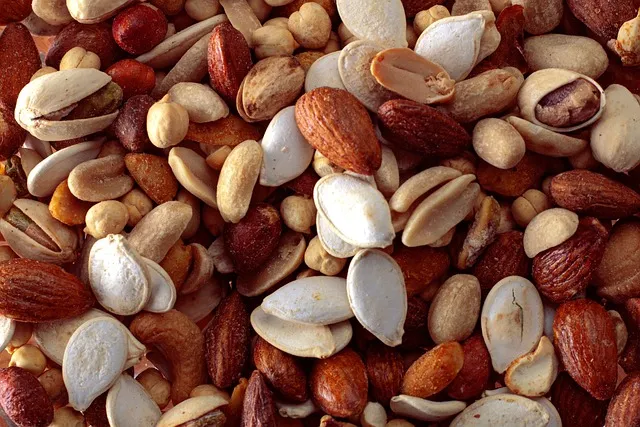
Tier 1 — well-supported, implement without qualification: adequate selenium, whether through Brazil nuts (one or two a day from selenium-rich regions) or a selenomethionine supplement at the trial-studied level; normal dietary iodine (iodized salt in cooking, moderate dairy and seafood) while avoiding high-dose iodine supplements; screening for and ruling out celiac disease; iron sufficiency (ferritin above 40 ng/mL); vitamin D optimized to 40-60 ng/mL through supplementation; fatty fish 2-3 times weekly for omega-3s; and a Mediterranean-style whole-food dietary pattern with abundant vegetables, legumes, olive oil, and minimal ultra-processed food.
Tier 2 — plausible benefit, reasonable to try with realistic expectations: fermented foods daily (yogurt, kefir, kimchi, sauerkraut) for microbiome support; prebiotic-rich vegetables (garlic, onions, asparagus, leeks) for SCFA production; a gluten reduction trial (3-6 months) if celiac-negative but clinically symptomatic, with objective antibody measurement before and after; magnesium supplementation if dietary intake runs low (common in Western diets); adequate zinc through food or supplement.
Tier 3 — not supported by evidence, unnecessary restriction: avoiding cruciferous vegetables in normal cooked portions; avoiding soy in moderate amounts (take levothyroxine at least 4 hours from soy-heavy meals, but avoiding the food outright is unnecessary); strict AIP elimination of eggs, nightshades, nuts, and legumes without evidence of specific reactivity; kelp or high-dose iodine supplements; avoiding all salt in the name of sodium restriction (standard iodized salt in normal cooking amounts is appropriate).
What People Ask About Nutritional Biochemistry Thyroid
Should everyone with Hashimoto’s go gluten-free?
No — not without testing for celiac disease first. Screen with anti-TTG IgA antibodies and total IgA (to rule out a false negative from IgA deficiency). If celiac is confirmed, strict gluten-free diet is medically necessary and will benefit thyroid autoimmunity too. If celiac is excluded and there’s no symptom pattern suggesting non-celiac gluten sensitivity — GI distress, neurological symptoms specifically triggered by gluten — the evidence doesn’t support gluten-free diet as universally beneficial in Hashimoto’s.
An individual trial with objective measurement (TPO-Ab before and after, with genuine strict adherence) can give useful personal data, but blanket gluten-free recommendations for every Hashimoto’s patient go beyond the evidence.
How much selenium should I take for Hashimoto’s?
The dose studied in most clinical trials is 200 mcg/day as sodium selenite or selenomethionine. Selenomethionine generally absorbs better and may suit long-term use more. The one thing worth watching is double-counting: a selenium supplement stacked on top of several Brazil nuts a day can quietly add up toward the selenosis range described above, because the nuts are far more concentrated than most people assume.
Assess baseline selenium status if possible (serum selenium or selenoprotein P) to gauge whether supplementation is likely to help — people already selenium-replete see less antibody reduction than those starting lower. A 6-month trial, measuring TPO-Ab before and after, is enough to assess response.
Can diet replace thyroid medication?
For most people with hypothyroid Hashimoto’s requiring levothyroxine: no. Thyroid hormone replacement addresses a hormonal deficiency that dietary change cannot reverse. Dietary optimization can reduce TPO antibodies, slow autoimmune destruction of remaining thyroid tissue, improve T4-to-T3 conversion efficiency, and improve overall metabolic health — but none of that substitutes for replacing a hormone the damaged thyroid can no longer make in adequate amounts.
Some newly diagnosed patients with early Hashimoto’s and mild subclinical hypothyroidism may achieve enough thyroid function optimization through diet and lifestyle to delay or reduce medication need, but this should be monitored by a physician with regular lab testing, not assumed on faith.
Does caffeine or coffee affect thyroid function?
Coffee doesn’t directly affect thyroid hormone production or autoimmune activity, but it significantly impairs levothyroxine absorption when consumed near the time of the medication. The evidence confirms coffee — even black coffee — reduces levothyroxine absorption by roughly 25-40% when taken at the same time. Morning levothyroxine users should wait at least 30-60 minutes before drinking coffee. If that timing is consistently hard to manage, bedtime levothyroxine dosing (at least 3-4 hours after the last meal) sidesteps the morning coffee problem entirely.
Contrary to some wellness-community claims, moderate coffee consumption (3-4 cups/day) has no established negative effects on autoimmune thyroid disease and actually carries anti-inflammatory properties through chlorogenic acids and other polyphenols.
Are there foods that specifically help lower TPO antibodies?
Selenium-rich foods (Brazil nuts, seafood, organ meats) or selenium supplementation has the most direct evidence for TPO-Ab reduction. Foods supporting broader anti-inflammatory immune regulation — fatty fish, colorful vegetables, fermented foods, olive oil, nuts — likely contribute to a lower autoimmune activity environment overall, though their specific effect on TPO-Ab isn’t studied as directly as selenium’s.
No food has been shown to “cure” Hashimoto’s or eliminate TPO antibodies entirely. The achievable goal is reducing antibody levels and inflammatory activity to minimize ongoing thyroid damage and support better thyroid function over time.
Managing Thyroid Disease Through Life Transitions: Diet as a Constant
Thyroid disease is a chronic condition that follows patients through decades — through pregnancy, menopause, aging, shifting dietary patterns driven by family, culture, and changing health goals. Understanding how to hold onto thyroid-supportive dietary principles through these transitions is more practically useful than any single dietary protocol on its own.
Pregnancy creates unique nutritional demands for thyroid patients beyond the increased iodine requirements already covered. Nausea and vomiting in the first trimester can severely limit food variety, potentially creating transient nutritional gaps at exactly the most critical period for fetal thyroid hormone support. Prenatal vitamins containing 150 mcg iodide (not all do — check the label), selenium, zinc, iron, and folate provide a nutritional safety net when dietary intake is limited.
Past the first trimester, expanding the diet to include selenium-rich foods, diverse fish and seafood, and colorful anti-inflammatory produce supports both the heightened thyroid demands of pregnancy and the immune environment affecting autoimmune thyroid conditions.
Menopause introduces another set of thyroid-nutrition considerations. Declining estrogen affects TBG levels — binding protein changes — creating shifts in total versus free thyroid hormone fractions that may need levothyroxine dose adjustment. The hormonal and metabolic changes of menopause also affect inflammatory markers and insulin sensitivity in ways that interact with thyroid function.
Adequate calcium intake — through food rather than supplements taken near levothyroxine dosing — matters more as bone loss accelerates post-menopause.
Fermented dairy (yogurt, kefir) provides both calcium and probiotic benefit at once, making it particularly valuable at this life stage.
Aging thyroid patients often narrow their dietary variety because of reduced appetite, limited food access, social isolation, or dental issues that make chewing difficult. That narrowing diet can create gaps in exactly the micronutrients thyroid function needs most. Regular selenium and vitamin D assessment in older thyroid patients — with supplementation to address deficiencies — tends to help more consistently than complex dietary interventions that may just be impractical for this population.
Simple, nutrient-dense foods that are easy to prepare and eat — canned wild salmon for selenium and omega-3s, cooked eggs for zinc and vitamin D, yogurt for calcium and probiotics, leafy greens cooked soft — provide thyroid-supportive nutrition without requiring elaborate dietary changes that aging patients may struggle to sustain.
Food Quality, Processing, and the Thyroid: The Emerging Evidence
While the specific dietary interventions covered above are the most clinically actionable, emerging evidence about food processing and its relationship to thyroid health adds context for why a whole-food dietary pattern supports thyroid conditions while a highly processed diet may undermine them.
Ultra-processed foods — defined by the NOVA classification as industrial formulations with five or more ingredients including substances not used in home cooking — now make up roughly 57% of caloric intake in the United States and similarly high shares in other developed countries. These foods are engineered to be hyperpalatable, shelf-stable, and cheap, typically at the expense of micronutrient density and fiber content, while adding specific additives that may affect gut barrier function.
Emulsifiers — synthetic compounds like polysorbate-80, carboxymethylcellulose, and carrageenan added to processed foods for texture and shelf stability — have been shown in animal studies to disrupt the intestinal mucus layer, alter microbiome composition, and increase intestinal permeability. A 2015 landmark study in Nature found that mice fed low concentrations of polysorbate-80 and CMC (comparable to human exposure from food additives) developed metabolic syndrome and low-grade intestinal inflammation through microbiome disruption alone.
Human observational studies associate ultra-processed food consumption with higher rates of inflammatory bowel disease, autoimmune conditions, and metabolic disorders. Direct evidence specifically linking emulsifier consumption to autoimmune thyroid disease exacerbation is lacking, but the mechanistic pathway through gut barrier disruption and microbiome alteration is coherent with the gut-thyroid immune axis discussed earlier.
Pesticide residues in conventional produce have been associated with autoimmune thyroid disease in some epidemiological studies. Organochlorine pesticides and organophosphates have endocrine-disrupting properties — they can interfere with thyroid hormone signaling, thyroid hormone binding proteins, and deiodinase activity. A 2010 analysis of NHANES data found urinary organochlorine metabolite levels correlated with thyroid peroxidase antibody levels across the US population.
The public health implication here is complicated — produce consumption is health-promoting regardless of pesticide exposure — but choosing lower-pesticide produce where feasible (the EWG “Clean Fifteen”), washing produce thoroughly, and supporting policy that reduces agricultural pesticide load are reasonable risk-reduction steps for people with autoimmune thyroid disease.
Bisphenol A and related bisphenols in plastics and food packaging are documented thyroid disruptors. BPA competes with thyroid hormone for binding to transport proteins, reducing available free thyroid hormone. It also affects thyroid hormone receptor binding in cells directly. NHANES data shows inverse associations between urinary BPA levels and total T4 in the US adult population.
Practical reduction strategies: don’t microwave food in plastic containers, choose glass, stainless steel, or BPA-free containers for food storage, and cut back on canned food (can liners are a major BPA source). These steps won’t cure thyroid disease. But reducing endocrine disruptor exposure is a reasonable supportive measure in the broader context of thyroid health optimization.
References
Editorial StandardsCorrectionsMedical DisclaimerAbout Our ContentAffiliate DisclosureSite Map