
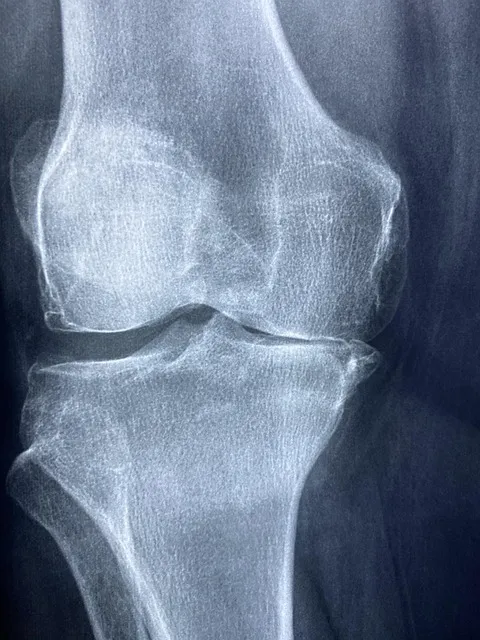
The blood work came back on a Tuesday. Marcus Reinhold, a 28-year-old semi-professional soccer player in Munich, had received a routine mRNA booster three weeks earlier. By day three post-injection, both knees had developed effusions — not soreness, actual fluid buildup. By week two, his C-reactive protein sat at 14.2 mg/L. Normal upper threshold is 1.0. His rheumatologist diagnosed reactive arthritis driven by a vaccine-induced inflammatory cascade. Six weeks after the injection, Marcus could not climb stairs without gripping the railing. His competitive career ended — not from a tackle, not from a torn ACL, but because vaccine-induced inflammation broke through its intended boundaries and attacked the host instead of protecting it.
The Case: When the Immune System Won’t Stand Down
Consider a clinical trajectory that repeats itself in rheumatology and neurology offices every week. A 34-year-old woman receives a standard influenza vaccination at a pharmacy on a Tuesday afternoon. No known allergies. No autoimmune history. The pharmacist spends more time scanning the barcode than assessing her health status.
By Wednesday morning, her injection arm is hot and swollen. Standard, she tells herself. By Thursday the inflammation has spread beyond the injection site. Wrists ache. Fingers stiffen. She blames an awkward sleeping position. By Saturday, a low-grade fever that paracetamol barely touches. Joints throb — knees, ankles now, not just wrists. She visits urgent care. Blood work reveals elevated CRP, elevated ESR, and interleukin-6 levels that belong in an active-infection panel, not a post-vaccination follow-up.
Two weeks later: undifferentiated inflammatory arthritis. ANA screen borderline positive. Her rheumatologist uses phrases like “likely triggered by an immune stimulus” without naming the vaccine directly — because doing so requires filing a report, documenting a causal claim, and inviting scrutiny nobody in the referral chain wants. Three months after the injection, she cannot open a jar without wincing. Six months later, she starts methotrexate — an immunosuppressive drug with its own extensive side-effect profile — to manage the condition that a single flu shot ignited in a body that worked perfectly the day before.
This presentation appears in peer-reviewed case series published in journals including Vaccine, Autoimmunity Reviews, and the Journal of Autoimmunity. Reactive arthritis following influenza vaccination. Henoch-Schönlein purpura following hepatitis B vaccination. Guillain-Barré syndrome following both influenza and COVID-19 vaccination. Myocarditis in young males following mRNA vaccination — acknowledged even by the CDC’s own advisory committee, framed as “rare and usually mild” in language carefully engineered to minimize alarm while technically admitting the problem exists.
The common thread across every one of these cases: an inflammatory response the body initiated on schedule but could not terminate as designed. The ignition worked perfectly. The fire suppression system failed.
The Mechanism: Inside the Adjuvant-Driven Inflammatory Machine
Understanding why vaccine-induced inflammation escapes its boundaries starts with understanding what vaccines are actually engineered to do. They are not passive pathogen introductions. Modern vaccines are purpose-built inflammatory events, designed from the ground up to provoke the strongest possible immune reaction using the smallest possible amount of antigen. The compounds that accomplish this are called adjuvants, and they are the architects of every inflammatory complication that follows.
Aluminum-based adjuvants — aluminum hydroxide, aluminum phosphate, alum — have been used since the 1920s. A century of use, and the precise mechanism by which they amplify immune responses remains incompletely understood. What researchers have established is the depot effect: aluminum salts form insoluble precipitates at the injection site, creating a slow-release reservoir that continually irritates local immune cells. Your body does not mount one inflammatory response to the vaccine. It mounts a sustained, rolling response that can persist for weeks as the aluminum depot gradually dissolves and releases its contents into surrounding tissue.
The aluminum does not stay at the injection site. Macrophages — the immune system’s cleanup crew — engulf the aluminum particles through phagocytosis, then migrate through the lymphatic system, carrying their aluminum cargo to regional lymph nodes, the spleen, and the liver. A subset of these loaded macrophages cross the blood-brain barrier. Research by Gherardi and colleagues at the Université Paris-Est demonstrated that fluorescent-tagged aluminum nanoparticles injected intramuscularly in mice were detected in brain tissue up to one year after injection, as published in Brain. Trojan horse delivery — through the very cells your body dispatched to clean up the problem.
Once inside the brain, aluminum activates microglia — the brain’s resident immune cells. Activated microglia produce interleukin-1 beta, tumor necrosis factor alpha, and reactive oxygen species. This is neuroinflammation — inflammation of neural tissue, the substrate of thought, memory, and consciousness. Neuroinflammation is implicated in Alzheimer’s disease, Parkinson’s disease, multiple sclerosis, and major depressive disorder. The brain has no pain receptors. This process advances silently, accumulating damage that manifests as cognitive decline, mood disturbance, or neurological dysfunction years or decades after the initial trigger.
Aluminum adjuvants are only one piece of the machinery. Polysorbate 80, used as a surfactant in numerous vaccines, increases blood-brain barrier permeability in animal models — meaning co-administered substances gain easier access to neural tissue when it is present. MF59, a squalene-based adjuvant in certain influenza vaccines, triggers a more aggressive inflammatory response than aluminum salts by explicit design. AS04, used in Fendrix and Cervarix, combines aluminum hydroxide with monophosphoryl lipid A — a modified bacterial endotoxin that directly activates toll-like receptor 4, one of the most powerful inflammatory alarm switches in the human immune system.
The margin between “strong immune response” and “systemic inflammatory emergency” is thinner than any package insert will acknowledge.
Lipid nanoparticles (LNPs), the delivery vehicle for mRNA vaccines, represent the newest addition to this arsenal. LNPs were originally developed for cancer drug delivery, where their ability to trigger strong immune activation was considered a therapeutic advantage. In vaccines, LNPs serve dual purpose: they protect fragile mRNA from degradation, and they act as their own adjuvant, independently triggering potent inflammatory responses. Research published in iScience in 2021 by Ndeupen and colleagues demonstrated that LNPs alone — without any mRNA cargo — produced strong inflammatory responses in mice, including neutrophil infiltration, activation of diverse inflammatory pathways, and broad cytokine production. The inflammation was not caused by the spike protein. It was caused by the delivery vehicle itself. You are being hit twice: once by the antigen, once by the packaging.
Pfizer’s own pharmacokinetic study, obtained through Freedom of Information requests in Japan, showed that LNPs did not remain at the injection site as initially claimed. They distributed throughout the body within hours, concentrating in the liver, spleen, adrenal glands, and ovaries. Wherever LNPs accumulate, they trigger local inflammatory responses. The inflammation is not confined to your deltoid. It is occurring in organs throughout your body — organs you cannot see, cannot feel, and cannot consciously monitor for damage.
Molecular Mimicry: How Immunity Turns Into Self-Attack
The adjuvant-driven cascade is dangerous enough on its own. But the most insidious mechanism of vaccine-induced damage operates through molecular mimicry — and it converts a temporary inflammatory event into a permanent autoimmune condition.
Molecular mimicry works on a simple principle. Viral and bacterial proteins — the antigens that vaccines train your immune system to attack — sometimes share amino acid sequences with human tissue proteins. When your immune system generates antibodies against a vaccine antigen, those antibodies may cross-react with your own tissue if the structural similarity is sufficient. The immune system does not distinguish between the vaccine target and the self-tissue that resembles it. The antibody locks onto whatever fits its binding site. If that binding site matches a protein on your heart muscle, thyroid gland, myelin sheath, or synovial joint lining, your own immune system becomes the attacker.
This is not speculative biology. Molecular mimicry is the established mechanism behind rheumatic heart disease — antibodies against streptococcal bacteria cross-react with cardiac myosin, causing inflammatory damage to heart valves. Research by Vojdani and Kharrazian, published in the Journal of Autoimmunity (2020), demonstrated that antibodies against SARS-CoV-2 spike protein cross-reacted with 28 different human tissue proteins, including transglutaminase (celiac disease target), myelin basic protein (multiple sclerosis target), mitochondrial proteins, and nuclear antigens (lupus target). Since mRNA vaccines instruct your cells to produce this same spike protein, the antibodies your body generates carry the same cross-reactivity profile.
The implications: you receive a vaccine. Your immune system produces antibodies against the target antigen. Some percentage of those antibodies — variable by individual, determined by HLA type and immune genetics nobody screened for — cross-react with your own tissue. The initial inflammatory event resolves. But the cross-reactive antibodies persist. Memory B cells carrying the template for those antibodies persist. Every subsequent exposure — whether booster vaccination, natural infection, or molecular triggers in food — reactivates the production line. Your body manufactures fresh batches of antibodies that attack your own tissue, driven by an immune memory that was never meant to target self.
Guillain-Barré syndrome follows this pattern precisely. Antibodies generated against viral surface proteins cross-react with gangliosides on peripheral nerve myelin. The immune system strips insulation from your nerves. Numbness begins in the feet, ascends through the legs, reaches the trunk. In severe cases, respiratory muscles fail. The association between Guillain-Barré and influenza vaccination is so well-documented that the CDC includes it on its own adverse event watch list.
Myocarditis following mRNA COVID-19 vaccination demonstrates the same principle in cardiac tissue. Antibodies against spike protein cross-react with cardiac myosin. Inflammatory T-cells infiltrate heart muscle. The myocardium swells and weakens and, in some cases, scars permanently. The Israeli Ministry of Health, Nordic epidemiological data, and U.S. military surveillance all confirmed elevated myocarditis rates in young males following mRNA vaccination — rates exceeding background incidence by factors of three to thirty, depending on age group and dose number. “Rare” is the word deployed to manage perception. Rare multiplied by billions of doses produces a very large absolute number of damaged hearts.
The Evidence: Five Studies That Reveal the Inflammatory Cost

Study One: Ndeupen et al. (2021), iScience. Researchers injected mice with empty LNPs — delivery vehicles containing no mRNA cargo whatsoever. The result: massive inflammatory responses at the injection site and draining lymph nodes, including neutrophil infiltration, activation of multiple inflammatory pathways, and a broad spectrum of cytokine production. LNPs are themselves highly inflammatory, independent of any encoded antigen. The inflammatory burden of mRNA vaccination therefore includes not just the immune response to the spike protein but an additional inflammatory load generated by the delivery system itself.
Study Two: Gherardi et al. (2001, 2004), Brain and Journal of Inorganic Biochemistry. Romain Gherardi’s research group at Henri Mondor Hospital identified macrophagic myofasciitis (MMF) — a persistent inflammatory lesion at the site of aluminum-adjuvanted vaccine injection. Muscle biopsies revealed dense collections of macrophages containing aluminum crystals, persisting months to years after vaccination. Follow-up studies confirmed these aluminum-loaded macrophages migrated to draining lymph nodes and the brain. Patients presented with chronic fatigue, cognitive dysfunction, myalgia, and arthralgia — consistent with chronic systemic inflammation driven by a persistent aluminum depot. Aluminum adjuvants are not eliminated within days. They persist, they migrate, and they sustain inflammation indefinitely.
Study Three: Vojdani and Kharrazian (2020), Journal of Autoimmunity. Using ELISA-based assays, researchers demonstrated significant cross-reactivity between spike protein antibodies and 28 human tissue proteins spanning the nervous system, cardiovascular system, gastrointestinal tract, and endocrine system. Direct immunological evidence that antibodies generated against a viral protein — the same protein mRNA vaccines instruct cells to produce — can target the body’s own tissues. The mechanistic bridge between vaccination and autoimmune disease, documented in a top-tier immunology journal.
Study Four: Patone et al. (2022), Nature Medicine. This population-level study, published in Nature Medicine, used data from England’s national health system covering 42 million adults to assess cardiovascular complications following COVID-19 vaccination. The study confirmed increased myocarditis risk following both ChAdOx1 and BNT162b2 vaccination, with highest risk in males under 40 following a second mRNA dose. Vaccine-induced myocarditis was not merely anecdotal or theoretical — it was a measurable, population-level signal. The study also found increased pericarditis and cardiac arrhythmia risk following vaccination.
Study Five: Watad et al. (2019), Autoimmunity Reviews. This comprehensive review examined ASIA syndrome — Autoimmune/Inflammatory Syndrome Induced by Adjuvants, a clinical entity first proposed by Professor Yehuda Shoenfeld, one of the world’s foremost autoimmunity researchers. The review catalogued cases of post-vaccination autoimmune thyroiditis, lupus, sarcoidosis, vasculitis, and inflammatory bowel disease, all linked through adjuvant exposure. ASIA syndrome recognizes what the vaccination schedule ignores: adjuvants are not biologically inert, and susceptible individuals pay a disproportionate inflammatory price for interventions marketed as universally safe.
These five studies were not conducted by researchers pursuing an anti-vaccine agenda. They were conducted by immunologists, neurologists, and epidemiologists at major research institutions, published in journals with rigorous peer-review standards. The evidence exists. The mechanism is understood. The population-level signal is confirmed. What is absent is institutional willingness to integrate these findings into vaccination policy — because doing so would require acknowledging that the inflammatory cost of vaccination is real, variable, cumulative, and for some individuals, catastrophic.
The Protocol: The Inflammatory Budget System for Managing Vaccination Risk
-
Establish your inflammatory baseline before any vaccination. Request a panel measuring high-sensitivity C-reactive protein (hs-CRP), erythrocyte sedimentation rate (ESR), homocysteine, fibrinogen, and fasting insulin. If your hs-CRP is above 1.0 mg/L, you already have subclinical systemic inflammation. Above 3.0 mg/L means you are in a high-inflammatory state. Adding a deliberate inflammatory provocation to an already elevated baseline is medically reckless regardless of what any schedule recommends. Address the existing inflammation first — dietary changes, sleep optimization, stress reduction — then reassess.
-
Optimize your SPM production pathway eight weeks out. Specialized pro-resolving mediators (SPMs) — resolvins, protectins, maresins, lipoxins — are the molecules that actively switch inflammation off. They are synthesized exclusively from omega-3 fatty acids, specifically EPA and DHA. The average American’s omega-3 index sits at four to five percent of red blood cell membrane composition. Functional resolution requires eight percent or above. The amounts discussed in this context run 2–4 grams of combined EPA/DHA daily from high-quality fish oil or algal oil, sustained for a minimum of eight weeks before a planned vaccination. This is not wellness advice. This is biochemical preparation for an inflammatory event — your omega-3 foundation directly determines whether the inflammatory cascade resolves on schedule or smolders indefinitely.
-
Build your antioxidant reserve starting two weeks before vaccination. Vaccine-induced inflammation produces a surge of reactive oxygen species that draws down glutathione — the master intracellular antioxidant. N-acetyl cysteine (NAC) at 600–1200 mg daily provides the rate-limiting precursor (cysteine) for glutathione synthesis. Alpha-lipoic acid at 300–600 mg daily regenerates oxidized glutathione back to its active form. Selenium at 200 mcg daily supports glutathione peroxidase. Start these two weeks before planned vaccination and continue for four weeks after. No need for a prescription. No need for a referral. Just the raw materials your immune system requires to clean up after itself.
-
Prioritize sleep as the primary anti-inflammatory intervention. During deep NREM sleep, growth hormone release peaks, tissue repair accelerates, and anti-inflammatory cytokines — particularly IL-10 — increase production. Sleep deprivation does the opposite: it elevates IL-6, TNF-α, and CRP while suppressing regulatory T-cell function. Seven to nine hours per night for one week before and two weeks after any vaccination. No exceptions. Sleep is the single most powerful anti-inflammatory intervention available to you, and it costs nothing. The person who gets vaccinated on four hours of sleep and then celebrates with drinks is making a deposit into a bank account that is already in the red.
-
Reduce concurrent inflammatory inputs in the peri-vaccination window. In the two weeks surrounding any vaccination, eliminate the major dietary drivers of inflammation: refined seed oils (soybean, corn, canola, sunflower — concentrated omega-6 sources that feed the arachidonic acid cascade), refined sugar (which spikes insulin and activates NF-κB inflammatory signaling), and alcohol (directly hepatotoxic and gut-barrier disruptive). Reduce processed food to near zero. Your goal is to lower every controllable inflammatory input so the vaccine-induced event does not exceed your body’s resolution capacity.
-
Support gut barrier integrity throughout. Seventy percent of your immune tissue resides in gut-associated lymphoid tissue (GALT). Gut barrier dysfunction — colloquially called leaky gut — allows bacterial endotoxins to enter systemic circulation, adding an independent inflammatory load on top of the vaccine. Bone broth (for glycine and proline), L-glutamine (5 grams daily), and fermented foods for probiotic support all help maintain tight junction integrity. A compromised gut barrier during a vaccine-induced inflammatory event amplifies the systemic response beyond what the vaccine alone would produce.
-
Track your recovery with objective data. Keep a health journal for six weeks following any vaccination. Record daily: energy level (1–10), joint pain or stiffness (location and severity), cognitive clarity, sleep quality, and mood. Request repeat inflammatory markers (hs-CRP, ESR) at two weeks and six weeks post-vaccination. If hs-CRP has not returned to pre-vaccination baseline by week six, you have documented evidence of incomplete inflammatory resolution — a signal that your body’s anti-inflammatory capacity was exceeded. That data belongs to you. It is the only clinical evidence that exists, because no passive reporting system will ever capture it.
The medical system is not going to protect you from vaccine-induced inflammatory damage. It is not designed to. It is designed to administer vaccines on schedule, document compliance, and refer complications to specialists who will manage symptoms without acknowledging causes. So here is the framework I call the Inflammatory Budget System — a structured approach to ensuring your body has the resources to handle deliberate inflammatory events without the cascade jumping its rails.
The core concept: your body runs an inflammation account. Every immune provocation — vaccination, processed food, sleep deprivation, chronic stress, environmental toxin exposure — makes a withdrawal. Your anti-inflammatory reserves — omega-3 fatty acids, glutathione, cortisol feedback sensitivity, regulatory T-cell populations, sleep-driven repair — are the deposits. When withdrawals chronically exceed deposits, the account goes overdrawn. That overdraft shows up as chronic disease, autoimmune conditions, accelerated aging, and the stubborn low-grade misery that nobody can quite diagnose. The Inflammatory Budget System means running a positive balance before you make any deliberate withdrawal.
The Inflammatory Budget System is not anti-vaccine. It is pro-biology. It treats your immune system as what it actually is: a finite, resource-dependent system that performs best when adequately prepared and adequately supported. Deploying it before and after any vaccination means you are not leaving inflammatory resolution to chance — you are actively building the biochemical conditions that make resolution possible.
The Trap: What Mainstream Vaccine Guidance Gets Catastrophically Wrong
The wellness industry’s response to vaccine-induced inflammation falls into three predictable failure modes. Recognizing them will save you from expensive, ineffective, and occasionally counterproductive interventions.
- Trap 1: The ibuprofen reflex. Take ibuprofen or aspirin before or after vaccination to reduce side effects. This is the advice given by pharmacists, printed on health department handouts, and generally assumed to be harmless common sense. The problem: NSAIDs block the cyclooxygenase pathway that produces both pro-inflammatory prostaglandins AND the anti-inflammatory resolvins and lipoxins your body needs to terminate the inflammatory response. You are not reducing harmful inflammation. You are suppressing both the inflammatory cascade and its off-switch simultaneously. Research suggests prophylactic NSAIDs may actually impair the antibody response to vaccination and extend the duration of the inflammatory process rather than shortening it. The body’s inflammatory response is a conversation. Ibuprofen does not change the message. It cuts the phone line.
- Trap 2: The supplement pile. Someone on a wellness forum recommends vitamin C, zinc, quercetin, vitamin D, NAC, glutathione, turmeric, and a partridge in a pear tree. So the motivated person orders all of it at once, starts everything the day after vaccination, and then has no idea which intervention did anything or whether they are experiencing an interaction. Supplement stacking without protocol creates noise, not signal. The effective approach is the one outlined above: a sequenced protocol with specific compounds at specific doses started at specific times relative to the vaccination event. Randomized supplementation is the wellness equivalent of throwing a box of tools at a broken engine and hoping something works.
- Trap 3: The false binary. The broader cultural trap: you are either pro-vaccine (in which case you believe all vaccines are perfectly safe for all people, side effects are rare and always mild, and questioning any component of the schedule makes you dangerous) or anti-vaccine (in which case you reject all vaccines, believe they cause autism, and consume nothing but raw milk and sunlight). There is no acknowledged space for the person who accepts the immunological principle of vaccination but questions the inflammatory safety of specific adjuvants, specific schedules, specific delivery platforms, or the one-size-fits-all approach to a genetically heterogeneous population. That detailed position — which is also the scientifically accurate position — gets you labeled as dangerous by one tribe and celebrated as a hero by the other, neither of which is useful. The diagnostic trap here is letting tribal allegiance substitute for biological reality. Your immune system does not care about your politics. It cares about its inflammatory load.
I have run Trap 2 myself. After a booster in late 2022, I took a random assortment of supplements with no protocol, no baseline data, no post-vaccination tracking. My joints ached for three weeks. I had no idea whether the supplements helped, hurt, or did nothing — because I had no data to compare against. The Inflammatory Budget System came out of that experience. If you are going to intervene, do it systematically or not at all. Unstructured interventions produce uninterpretable results.
The Cumulative Burden: The Inflammatory Ledger Nobody Tracks

The U.S. childhood vaccination schedule administers over seventy doses of sixteen different vaccines by age eighteen. Each dose triggers the full inflammatory cascade. Each activates the hypothalamic-pituitary-adrenal axis, spikes cortisol, elevates acute-phase proteins, recruits inflammatory cells, and demands resources from the finite pool of anti-inflammatory resolution mediators. Each leaves epigenetic marks on innate immune cells through a process called trained innate immunity.
The concept of trained innate immunity, published by Mihai Netea and colleagues in Science (2016), fundamentally rewrote the immunology textbooks. The innate immune system — previously thought to lack memory — does remember previous encounters. Certain vaccines reprogram monocytes and macrophages through histone modifications and DNA methylation changes that persist for months or years. These reprogrammed cells produce stronger inflammatory responses to subsequent stimuli. The celebration of this phenomenon as “non-specific protection” ignores the obvious corollary: cells that produce stronger inflammatory responses to everything also produce stronger inflammatory responses to everyday triggers — allergens, dietary antigens, environmental toxins, stress hormones. You have permanently elevated your inflammatory baseline.
Multiply this across seventy-plus doses during the most critical period of immune maturation. Each dose adds another layer of epigenetic programming. Each shifts the balance between pro-inflammatory Th1/Th17 responses and anti-inflammatory Treg responses. Each draws down omega-3 reserves and depletes glutathione stores. The cumulative effect is not additive — it is multiplicative, because each inflammatory event occurs against a background of slightly elevated baseline inflammation from all previous events. The compound interest of immune stress accumulates silently until symptoms finally break the surface.
The adult schedule compounds this further. Annual influenza shots. COVID boosters. Tdap every decade. Shingles at fifty. Pneumococcal at sixty-five. Over a forty-year adult span, add another fifty or more inflammatory events to the childhood total. The body at sixty-five has experienced well over a hundred deliberate inflammatory provocations — each metabolically expensive, each leaving residual effects, none of them tracked cumulatively by any medical system in any country on earth.
The concept of inflammaging — the chronic low-grade inflammation that accelerates biological aging and drives degenerative disease — is well-established in gerontology research. Elevated baseline CRP, IL-6, and TNF-α in the elderly predict cardiovascular disease, dementia, frailty, and all-cause mortality. What remains systematically unexamined is the contribution of lifetime vaccination burden to this inflammaging process. The question is not difficult to formulate. It is difficult to fund — because the answer might require restructuring the most profitable product line in pharmaceutical history. Chronic inflammation and its systemic consequences do not emerge from a vacuum. Every fire has a fuel source. The question worth asking is how many of the fires we spend our later decades extinguishing were lit decades earlier with institutional matches.
Genetic Susceptibility: The Roulette Wheel Nobody Spins Before Injecting
Vaccination policy treats the human population as immunologically uniform. Every child gets the same vaccines on the same schedule at the same doses. Every adult receives the same recommendations regardless of genetic background, inflammatory history, or immune phenotype. This approach would be malpractice in any other branch of medicine. Oncologists genotype tumors before selecting chemotherapy. Psychiatrists consider pharmacogenomics before prescribing antidepressants. Cardiologists assess genetic risk factors before recommending statins. Only in vaccinology is personalized risk assessment treated as an attack on public health rather than an advance in patient safety.
The HLA gene complex — the most polymorphic region in the human genome — determines which antigens your immune system recognizes and how aggressively it responds. HLA-DR4 carriers face elevated risk of rheumatoid arthritis. HLA-B27 carriers are predisposed to ankylosing spondylitis and reactive arthritis. HLA-DQ2 and HLA-DQ8 carriers are susceptible to celiac disease. HLA-B27 is carried by roughly eight percent of the general population and up to twenty-five percent of certain ethnic groups. Not one of these HLA types is screened before vaccination. The patient rolls up their sleeve and the provider has zero information about whether their immune system is likely to respond proportionally or catastrophically.
Beyond HLA, cytokine gene polymorphisms modulate individual inflammatory capacity. Variants in the IL-6 gene promoter region (the -174 G/C polymorphism) influence how much IL-6 an individual produces in response to inflammatory stimuli. High-producing genotypes mount more intense inflammatory responses to the same trigger — including vaccination. TNF-α polymorphisms similarly affect stimulated TNF-α production. MTHFR variants compromise methylation pathways that regulate gene expression in immune cells, potentially amplifying inflammatory signaling. These polymorphisms are common, clinically relevant, and universally ignored in vaccination protocols.
Then there is existing inflammatory burden. A person navigating undiagnosed food sensitivities, gut dysbiosis, chronic sleep deprivation, or occupational stress already carries an elevated inflammatory baseline. Their anti-inflammatory buffers are partially depleted. Adding a vaccine-induced inflammatory event to this load does not “boost immunity.” It exceeds the body’s remaining anti-inflammatory capacity. The system cannot handle the additional demand gracefully. The inflammation that should resolve in seventy-two hours smolders for weeks. The autoimmune trigger that a healthy immune system would suppress slips through weakened regulatory checkpoints. And the treating physician, who never asked about the patient’s inflammatory baseline before vaccinating, shrugs and says, “Probably unrelated.”
The Vaccine Adverse Event Reporting System captures, by its own published estimates, fewer than one percent of actual adverse events. The system is voluntary, cumbersome, and time-consuming. Clinicians are trained to attribute post-vaccination symptoms to coincidence. The bar for establishing a causal link has been set so high that virtually nothing clears it — and the resulting absence of documented causation is then cited as evidence of safety. The logic is circular, the methodology produces the desired conclusion, and the people harmed by the gap between reality and reporting have no recourse except a labyrinthine compensation system funded by a surcharge on the very products that injured them.
Inflammation Fallout Unmasking: Your Questions Answered About Vaccine-Induced Inflammation
What exactly is vaccine-induced inflammation? Vaccine-induced inflammation is the deliberate activation of the innate and adaptive immune systems caused by injected antigens, adjuvants, and delivery vehicles such as lipid nanoparticles. This triggers release of pro-inflammatory cytokines (IL-1β, IL-6, TNF-α), acute-phase protein production in the liver, HPA axis activation, cortisol release, and systemic metabolic disruption. The inflammatory response itself carries biological costs that vary by individual and accumulate with repeated exposure — costs the Inflammatory Budget System is designed to manage.
How long does inflammation from a vaccine typically last? In a healthy individual with adequate anti-inflammatory resolution pathways — sufficient omega-3 fatty acids, adequate sleep, low baseline cortisol, functional regulatory T-cells — acute inflammation typically resolves within 48 to 72 hours, with inflammatory markers returning to baseline by days seven to fourteen. In individuals with compromised resolution capacity — poor omega-3 status, chronic sleep deprivation, elevated baseline inflammation, or genetic polymorphisms affecting cytokine production — the inflammatory response can persist for weeks or longer, contributing to cumulative inflammatory burden and elevating the risk of incomplete resolution becoming chronic low-grade inflammation.
Can vaccines trigger autoimmune disease? The mechanism connecting vaccination to autoimmune disease — molecular mimicry — is documented in peer-reviewed immunology literature. Antibodies generated against vaccine antigens can cross-react with structurally similar human tissue proteins, triggering immune-mediated attack on the body’s own cells. Vojdani and Kharrazian (2020) demonstrated cross-reactivity between SARS-CoV-2 spike antibodies and 28 human tissue proteins. Guillain-Barré syndrome, myocarditis, and autoimmune thyroiditis are among the autoimmune conditions documented in peer-reviewed case series following vaccination. The risk is not uniform — genetic susceptibility (particularly HLA type) is a significant modifier.
What are adjuvants and why do they increase inflammatory risk? Adjuvants are compounds added to vaccines specifically to amplify the immune (and therefore inflammatory) response. Aluminum salts create a depot effect that sustains inflammation for days to weeks and can persist in tissue for months to years. MF59 triggers more aggressive inflammatory responses than aluminum by explicit design. AS04 directly activates toll-like receptor 4 using a modified bacterial endotoxin. Polysorbate 80 increases blood-brain barrier permeability. Lipid nanoparticles are independently inflammatory even without mRNA cargo. Each adjuvant adds inflammatory burden beyond what the antigen alone would produce — and that burden interacts with the individual’s baseline inflammatory state.
Are some people more susceptible to vaccine-induced inflammatory harm? Significantly so. HLA gene polymorphisms determine immune recognition patterns and autoimmune susceptibility — HLA-B27, for example, is carried by roughly eight percent of the general population and predisposes to reactive arthritis. Cytokine gene variants (IL-6 -174 G/C, TNF-α polymorphisms) affect inflammatory response magnitude. MTHFR variants compromise methylation pathways regulating immune gene expression. People with existing chronic inflammation, poor omega-3 status, or elevated baseline CRP face disproportionate risk. None of these factors are screened before vaccination under current standard protocols.
What supplements most effectively reduce post-vaccination inflammation? The Inflammatory Budget System prioritizes EPA/DHA omega-3s at 2–4 grams daily starting eight weeks before vaccination — these are the raw materials for specialized pro-resolving mediators (SPMs), the molecules that actually terminate inflammation. NAC at 600–1200 mg daily, alpha-lipoic acid at 300–600 mg daily, and selenium at 200 mcg daily support glutathione production for antioxidant protection during the oxidative stress peak. Avoid prophylactic NSAIDs — ibuprofen and aspirin block the same pathway that produces the pro-resolving mediators your body needs to complete the inflammatory resolution cycle. Sleep is the non-supplement intervention with the strongest evidence base.
What is ASIA syndrome and how does it relate to vaccination? Autoimmune/Inflammatory Syndrome Induced by Adjuvants (ASIA) is a clinical entity proposed by Professor Yehuda Shoenfeld to describe autoimmune and autoinflammatory conditions triggered by adjuvant exposure — including aluminum in vaccines. Documented manifestations include autoimmune thyroiditis, lupus, sarcoidosis, vasculitis, and inflammatory bowel disease. ASIA provides a clinical framework for recognizing that adjuvants are not biologically inert and can trigger sustained inflammatory pathology in genetically susceptible individuals. Most treating physicians are unfamiliar with the ASIA diagnostic framework, which means many cases go unrecognized as adjuvant-related even when the clinical picture fits.
How does cumulative vaccine-induced inflammation relate to aging and chronic disease? The inflammaging hypothesis in gerontology identifies chronic low-grade systemic inflammation as a primary driver of cardiovascular disease, dementia, frailty, and all-cause mortality in aging populations. Elevated baseline CRP, IL-6, and TNF-α in the elderly are among the strongest predictors of disease and early death. Trained innate immunity research (Netea et al., 2016) established that repeated immune provocations leave epigenetic marks on innate immune cells that persistently lower the activation threshold — meaning the immune system becomes progressively more reactive to all stimuli, not just the targeted pathogens. The cumulative contribution of lifetime vaccination burden to inflammaging has not been studied. That absence of data is itself informative about institutional priorities.
Editorial StandardsCorrectionsMedical DisclaimerAbout Our ContentAffiliate DisclosureSite Map