
Marcus had tried everything. Three different dermatologists, two rounds of antibiotics, a prescription retinoid that made his face peel like a sunburned tourist, and a bathroom cabinet that looked like a Sephora stockroom. At 28, he’d assumed acne was a teenage problem he’d outgrown. Instead it kept returning — jaw, cheeks, the occasional volcanic eruption on his forehead. One doctor told him it was stress. Another said hormones. A third shrugged and handed him a pamphlet about benzoyl peroxide.
Nobody asked what he was eating. Nobody mentioned his gut.
The skin-gut axis isn’t a fringe concept from a wellness blogger. It’s a legitimate, peer-reviewed area of dermatology that’s been gaining serious traction since the early 2000s. And the evidence is becoming impossible to ignore: what lives in the intestines directly influences what shows up on the face. The inflammatory signals, the bacterial metabolites, the immune dysregulation — it all travels. Marcus’s acne wasn’t a skin problem. It was a gut problem wearing a skin costume.
The Gut-Skin Axis: How Your Intestines Talk to Your Face
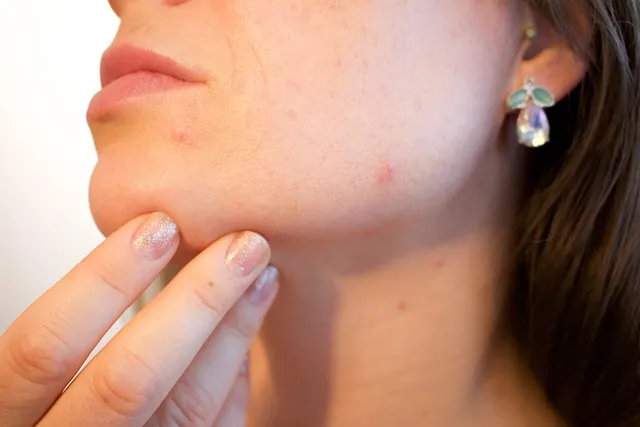
Research from the Journal of Dermatology estimated that roughly 54% of acne patients show significant gut microbiome alterations compared to clear-skinned controls. A landmark 2011 paper by Whitney Bowe and Alan Logan in Gut Pathogens proposed a formal model for how intestinal permeability, microbiome dysbiosis, and neuropsychological stress interact to promote inflammatory skin conditions including acne vulgaris.
The mechanism goes like this: dysbiosis — an imbalance in the gut bacterial community — triggers localized intestinal inflammation. That inflammation compromises the tight junction proteins holding the intestinal lining together. Increased intestinal permeability follows, colloquially “leaky gut.” Bacterial fragments, lipopolysaccharides (LPS), and partially digested food antigens cross the compromised barrier and enter systemic circulation. The immune system sees them, mounts a response, and that systemic inflammatory signal finds expression wherever the body is already vulnerable — including sebaceous follicles.
In acne-prone individuals, that sebaceous vulnerability is already primed. Combine systemic inflammation with androgen-driven sebum overproduction, and the conditions are perfect for Cutibacterium acnes (formerly Propionibacterium acnes) to proliferate and trigger the inflammatory cascade that produces a pimple.
Not speculation. A 2018 review in Frontiers in Microbiology documented specific gut bacteria associated with acne severity, including reductions in Lactobacillus and Bifidobacterium species and elevations in gram-negative bacteria that produce acne-promoting lipopolysaccharides.
Dysbiosis: What Breaks the Gut First
The gut microbiome doesn’t fall apart randomly. There are predictable insults that shift the bacterial community away from a diversity-rich, anti-inflammatory state toward the dysbiotic pattern associated with inflammatory skin conditions. Understanding these isn’t academic — it’s the diagnostic step that determines the intervention.
Antibiotic use is the most common and most severe trigger. Standard acne treatment protocols include tetracycline-class antibiotics, which dermatologists prescribe for their anti-inflammatory effect on Cutibacterium acnes. The cruel irony: these antibiotics devastate gut microbiome diversity. A 2015 study in Cell found a single course of antibiotics causes measurable microbiome disruption that can persist up to four years. The face clears temporarily, the gut bacteria take a hammering, and when the antibiotic course ends, the acne returns — often worse, because the underlying gut imbalance has deepened.
Diet is the second driver. Ultra-processed foods, high-glycemic carbohydrates, and dairy are the three dietary categories most consistently associated with both dysbiosis and acne severity. The glycemic-acne connection was demonstrated in a randomized controlled trial by Smith and colleagues (2007) published in the American Journal of Clinical Nutrition. Participants on a low-glycemic diet showed significant reductions in acne lesion count against high-glycemic controls — not from any direct skin effect, but because high-glycemic foods drive insulin and IGF-1 spikes that stimulate sebum production and androgen activity.
Dairy presents a separate mechanism. Cow’s milk, including skim milk, contains IGF-1 precursors and androgenic hormones. Multiple epidemiological studies, including a large 2005 analysis by Adebamowo and colleagues in the Journal of the American Academy of Dermatology, found milk consumption — particularly skim milk — associated with elevated acne risk. Skim milk shows a higher association than whole milk, likely because fat removal concentrates the hormonal components.
Stress rounds out the triad. Chronic psychological stress alters gut motility, reduces secretory IgA (the gut’s frontline antibody), and shifts the microbiome toward stress-adapted species with pro-inflammatory profiles. The gut-brain axis — the vagal and enteric nervous system connections between brain and intestines — runs both directions. Gut dysbiosis also signals back to the brain, amplifying anxiety, which increases cortisol, which further disrupts the gut. The circle feeds itself.
The Microbiome-Sebum Connection: Why Your Oil Glands Listen to Your Gut
Sebaceous glands — the oil-producing structures attached to hair follicles — don’t operate in isolation. They receive hormonal signals from insulin, IGF-1, and androgens. They’re also regulated by neuropeptides released during stress. And emerging evidence suggests they respond to the inflammatory milieu created by systemic microbiome imbalances.
Insulin-like growth factor 1 (IGF-1) deserves particular attention. Elevated IGF-1 — driven by high-glycemic foods, dairy, and excess caloric intake — activates the PI3K/Akt/mTORC1 signaling pathway. mTORC1 is a master metabolic regulator that, chronically elevated, promotes sebocyte proliferation and lipogenesis. More sebocytes, more sebum, more food for Cutibacterium acnes, more acne. This pathway explains why acne is largely absent in traditional hunter-gatherer populations but epidemic in Westernized societies.
Dermatologist Bodo Melnik has published extensively on this mechanism. His 2012 paper in Dermatoendocrinology detailed how the Western diet creates a “perfect storm” of mTORC1 activation through three simultaneous inputs: glucose from high-glycemic carbohydrates, branched-chain amino acids from dairy protein, and elevated IGF-1 from both dairy and the hyperinsulinemia created by processed food. Remove these inputs and mTORC1 activity normalizes — sebum production follows.
Gut-derived short-chain fatty acids (SCFAs) add another layer. When fiber-fermenting gut bacteria produce butyrate, propionate, and acetate, these molecules carry systemic anti-inflammatory effects. They reduce NFkB activation, lower circulating inflammatory cytokines, and appear to influence sebocyte gene expression. A microbiome depleted of fiber-fermenting species produces fewer SCFAs, removing this protective mechanism. The skin loses its systemic anti-inflammatory buffer.
Testing: What to Actually Measure
Effective intervention starts with understanding where the dysfunction lies. Most people skip this step and jump straight to probiotic supplements bought at the pharmacy. That’s like randomly taking antibiotics without a culture — you might get lucky, but mostly you’re wasting money and hoping.
Comprehensive stool testing via GI-MAP (Genova Diagnostics) or Vibrant Wellness gut zoomer is the gold standard for assessing dysbiosis patterns relevant to acne. These tests identify pathogenic bacterial overgrowth, parasitic infection, fungal overgrowth (Candida species), and deficiencies in keystone commensal bacteria like Akkermansia muciniphila, Faecalibacterium prausnitzii, and Lactobacillus species. Crucially, they measure intestinal inflammation markers — calprotectin and secretory IgA — that indicate barrier compromise.
SIBO (small intestinal bacterial overgrowth) testing deserves separate attention. SIBO creates systemic LPS elevation from gram-negative bacterial die-off and fermentation in the wrong location. A hydrogen/methane breath test after lactulose or glucose challenge identifies the presence and type of SIBO. Methane-dominant SIBO is particularly associated with inflammatory skin conditions and is treated differently from hydrogen-dominant SIBO.
Blood work should include fasting insulin and IGF-1 to assess the hormonal-metabolic driver. Fasting insulin exceeding 8 mIU/L means meaningful insulin resistance contributing to the acne cycle. IGF-1 in the upper quartile for age suggests the dairy and high-glycemic dietary load is driving mTORC1 activation. Add a thyroid panel — subclinical hypothyroidism reduces gut motility and creates dysbiosis through altered bile acid composition and intestinal transit time.
Zinc and vitamin A status matter. Zinc deficiency impairs 5-alpha reductase regulation, worsens androgen sensitivity, and turns up in a disproportionate number of acne patients. A 2010 study by Ozuguz and colleagues in Cutaneous and Ocular Toxicology found significantly lower serum zinc in moderate-to-severe acne patients versus controls. Vitamin A is essential for normal keratinization — deficiency leads to follicular hyperkeratinization, the first step in comedone formation.
Diet Protocol: What to Remove and What to Add
Dietary intervention isn’t complementary to treating acne gut health — it’s foundational. This is where the evidence is clearest and where the most dramatic improvements tend to occur.
The removal list comes first, because addition without removal is like filling a leaky bucket. Eliminate all dairy, including whey protein (which has the highest IGF-1 stimulating capacity of all dairy-derived proteins). Replace with pea protein or collagen if a supplement source is needed. Remove high-glycemic foods: refined grains, sugar, sweetened beverages, most breakfast cereals, white rice in significant quantities. Remove highly processed seed oils — sunflower, corn, soybean — which elevate arachidonic acid and promote the pro-inflammatory eicosanoid cascade that inflames sebaceous follicles.
What replaces these foods matters as much as their removal. A low-glycemic, anti-inflammatory dietary pattern centered on vegetables (especially fiber-rich, prebiotic-heavy choices like Jerusalem artichoke, garlic, onion, leeks, and asparagus), quality protein from meat, fish, and eggs, and fat from olive oil, avocado, and fatty fish creates microbiome conditions favorable to skin health. Not a Mediterranean diet brochure — a deliberate restructuring of the bacterial food supply to favor anti-inflammatory species.
Fermented foods deserve emphasis. Traditional fermented foods — kimchi, sauerkraut, kefir (from non-cow sources if dairy-sensitive), genuine yogurt (again, source-dependent), miso, kombucha — provide both live bacterial populations and the organic acids that shift intestinal pH in favorable directions. A 2021 Stanford study by Wastyk and colleagues in Cell found a high-fermented food diet significantly increased microbiome diversity over ten weeks — more effectively than a high-fiber diet alone. Diversity is the target metric for a healthy microbiome.
Omega-3 fatty acids from fatty fish (salmon, sardines, mackerel) or high-quality fish oil provide EPA and DHA, precursors to anti-inflammatory resolvins and protectins that directly counter the pro-inflammatory arachidonic acid pathway active in acne lesions. A 2012 randomized trial by Jung and colleagues in Lipids in Health and Disease found significant acne reduction in participants supplementing with fish oil versus controls.
Targeted Supplementation for the Skin-Gut Axis
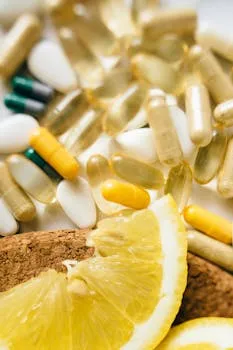
Probiotics: Lactobacillus rhamnosus GG and Lactobacillus acidophilus NCFM have both shown positive effects in acne trials. A 2013 study by Jung and colleagues in Acta Dermato-Venereologica found L. acidophilus and B. bifidum supplementation significantly reduced acne lesion counts after 12 weeks compared to placebo. More relevant for the gut-skin axis is the strain Lactobacillus reuteri, which has shown specific effects reducing systemic LPS levels and improving gut barrier integrity. Probiotic dosing matters — products providing fewer than 10 billion CFU typically produce minimal clinical effect.
Zinc: The evidence for zinc in acne treatment is strong. Multiple randomized controlled trials have demonstrated zinc’s efficacy comparable to some antibiotic regimens, without the microbiome destruction. Zinc inhibits 5-alpha reductase (reducing androgen activity at the follicle), reduces Cutibacterium acnes proliferation, and has direct anti-inflammatory effects through cytokine modulation. The acne trials worked with roughly 30mg of elemental zinc a day, most often as zinc gluconate; zinc picolinate may offer superior absorption. Two practical notes come out of that literature: food reduces the nausea zinc can cause, and sustained zinc intake crowds out copper, the reason the two are paired in protocols meant to run past a few weeks.
Berberine addresses the insulin resistance driver. At doses of 500mg three times daily with meals, berberine improves insulin sensitivity, reduces IGF-1 signaling, and has documented anti-dysbiosis effects — it selectively inhibits pathogenic bacteria while supporting beneficial species. A 2015 Chinese study found berberine significantly reduced acne lesion counts, likely through its combined metabolic and microbiome effects.
Vitamin A (retinol, not beta-carotene) directly regulates keratinization and sebum production at doses of 5,000-10,000 IU daily. Synthetic retinoids work through this mechanism at doses thousands of times higher — with proportionally more side effects. Food-derived and supplemental retinol at physiologic doses supports normal follicular turnover without the risks. Note: vitamin A is fat-soluble and accumulates, so don’t megadose without monitoring serum retinol. Pregnant women should avoid high-dose vitamin A supplementation.
N-acetylcysteine (NAC) supports glutathione production and reduces oxidative stress — both relevant to acne pathogenesis. More relevantly for the skin-gut axis, NAC disrupts bacterial biofilms, important if SIBO is part of the picture. At 600mg twice daily, it has a reasonable evidence base for both intestinal and dermatological applications.
The Skin Microbiome: Your Face’s Own Ecosystem
While the gut microbiome drives systemic inflammation, the skin has its own microbiome playing a direct role in acne pathogenesis. And the relationship between these two microbial communities is increasingly understood as bidirectional — gut bacteria influence skin bacteria through immune signaling and circulating metabolites.
Healthy skin harbors a diverse community of bacteria dominated by Staphylococcus epidermidis and other coagulase-negative staphylococci, which produce antimicrobial peptides that limit Cutibacterium acnes overgrowth and actually protect against more virulent Staphylococcus aureus strains. Acne-prone skin shows disrupted diversity, with relative dominance of specific inflammatory strains of C. acnes over more neutral strains.
Topical interventions that support rather than destroy the skin microbiome are becoming the new standard. Aggressive antiseptic use — benzoyl peroxide at high concentrations, isopropyl alcohol, harsh cleansers — act as the antibiotics of the skin surface, creating dysbiosis of the cutaneous microbiome the same way oral antibiotics do for the gut. Gentler approaches using microbiome-supportive actives prove more effective long-term.
Niacinamide (vitamin B3) at 4-5% concentration in topical application has proven anti-inflammatory and sebum-regulating effects without microbiome disruption. A double-blind trial found 4% topical niacinamide equally effective as 1% clindamycin gel. Azelaic acid (15-20%) offers another microbiome-gentle option — antimicrobial selectivity against acne-associated strains while leaving beneficial bacteria intact, plus it addresses post-inflammatory hyperpigmentation.
Probiotic topicals are an emerging category. Products containing killed bacteria (postbiotics) or bacterial extracts can calm skin inflammation and appear to support microbiome balance, though the evidence is less mature than for ingestible probiotics. Worth watching.
Stress, Cortisol, and the Gut-Skin Feedback Loop

Cortisol, the primary stress hormone, has multiple acne-promoting effects. It increases sebum production directly through sebocyte androgen receptor upregulation. It promotes insulin resistance, which drives IGF-1 and the mTORC1 pathway. It disrupts gut barrier integrity through its effects on intestinal tight junction proteins. And it shifts the gut microbiome toward stress-adapted species — a change documented in both animal models and human studies during periods of psychological stress.
The gut-brain axis sends signals in both directions. Dysbiosis produces neurotransmitter precursor imbalances (roughly 90% of serotonin is produced in the gut), increases vagal afferent signaling of inflammation to the brain, and alters HPA axis reactivity. People with dysbiosis are physiologically primed for higher cortisol responses to equivalent stressors. This creates a genuine feedback loop: stress disrupts the gut, disrupted gut amplifies stress responses, amplified stress worsens the gut.
Breaking this loop requires addressing both sides. Sleep is the most effective cortisol regulator — a consistent 7-9 hours of quality sleep reduces cortisol area under the curve more than any supplement or breathing technique. Exercise at moderate intensity (not extreme overtraining, which elevates cortisol) improves gut microbiome diversity directly and reduces HPA axis hyperreactivity. Mindfulness practices, particularly those with a breathing focus, reduce both cortisol and inflammatory cytokine levels when practiced consistently for 8+ weeks.
Hormonal Drivers: When to Look Beyond the Gut
The gut is central to the acne story, but it’s not the only chapter. Hormonal imbalances can drive acne independently of gut health — and a comprehensive approach addresses both. Understanding which hormonal patterns apply determines whether gut-first intervention is sufficient or whether additional hormonal support is needed.
For men, testosterone and its conversion to dihydrotestosterone (DHT) via 5-alpha reductase is the primary hormonal driver. Elevated DHT increases sebum production and follicular hyperkeratinization. DHT levels aren’t typically tested in standard labs, but total and free testosterone, along with DHEA-S (an adrenal androgen), provide useful information. Elevated DHEA-S suggests adrenal-driven acne, which responds differently than gonadal androgen-driven acne.
Saw palmetto at 320mg daily inhibits 5-alpha reductase with a mechanism similar to finasteride but without the sexual side effects documented with pharmaceutical 5-AR inhibitors. The evidence for saw palmetto specifically in acne is limited, but its 5-AR inhibitory activity is well-established in the prostate literature, and the mechanism is relevant. Zinc also inhibits 5-alpha reductase — one of several mechanisms behind zinc’s anti-acne effects.
Insulin resistance is the most underappreciated hormonal driver of male acne. Insulin directly stimulates androgen production in the testes and adrenal glands. Fixing insulin resistance — through diet, exercise, sleep, and if needed berberine — reliably reduces androgenic drive without targeting androgens directly. For men with persistent acne, fasting insulin and a two-hour post-prandial insulin response are among the most diagnostically useful tests available.
The Acne-Gut Protocol: A Systematic Framework
The Acne-Gut Protocol is a four-phase intervention framework built to address the skin-gut axis systematically rather than symptomatically. Each phase builds on the previous, and the protocol is designed to run over 16 weeks with reassessment at each phase transition.
- Phase 1 — Assessment (Weeks 1-2): Complete testing before intervention. GI-MAP or comparable comprehensive stool test. Fasting insulin and IGF-1. Zinc serum level. Full thyroid panel (TSH, free T3, free T4, reverse T3, thyroid antibodies). SIBO breath test if bloating, cramping, or other digestive symptoms are present. Testosterone, free testosterone, DHEA-S. Baseline acne severity scoring using the Global Acne Grading System (GAGS). Photograph and document current skincare routine.
- Phase 2 — Elimination (Weeks 3-8): Remove all dairy, high-glycemic foods, seed oils, and alcohol. Eliminate any foods that personal testing or elimination experience suggests as triggers (gluten is worth a 4-week trial for persistent cases). The foundational supplements in these protocols are the four covered above — zinc, fish oil, vitamin D3 set against serum levels rather than a fixed number, and magnesium before bed — at the amounts the studies behind each used. Begin a daily fermented food practice — minimum one serving daily. Implement sleep hygiene changes to target 7.5-8 hours consistently.
- Phase 3 — Restoration (Weeks 9-12): Based on test results, add targeted interventions. If dysbiosis confirmed: multi-strain probiotic (at least 50 billion CFU) containing L. acidophilus, L. rhamnosus, L. reuteri, B. longum, B. bifidum. If SIBO confirmed: work with a practitioner on appropriate SIBO treatment protocol (herbal antimicrobials as first-line: oregano oil, berberine, allicin). If insulin resistance confirmed: berberine, at the divided intakes described earlier, alongside the dietary work. If zinc deficient: continue zinc supplementation and retest at week 12. Prebiotic fiber — partially hydrolyzed guar gum or inulin — also belongs here, introduced slowly, because gas and bloating are the price of moving too fast.
- Phase 4 — Maintenance and Reassessment (Weeks 13-16): Repeat GAGS acne scoring and compare to baseline. Repeat relevant blood tests. Assess which dietary eliminations remain necessary versus which can be cautiously reintroduced. Begin systematic food reintroduction if desired — add one eliminated food for 3 days, document skin response, remove if reaction occurs, wait one week before next reintroduction. Establish long-term maintenance supplement stack and dietary pattern. If improvement is insufficient: deepen investigation with organic acids testing, additional hormone testing, or consider referral to a functional medicine physician.
“The gut and the skin are separated by the largest geographic distance in the body and connected by more biological pathways than most physicians learn in medical school. Treating acne without addressing gut health is like trying to fix a leaking pipe by painting over the water stain on the ceiling.” — Paraphrased from Bowe & Logan, Gut Pathogens, 2011
Marcus’s Results: What Actually Happened
Marcus found a functional medicine practitioner who ran the panel. His GI-MAP revealed a significant Firmicutes/Bacteroidetes ratio imbalance, low Faecalibacterium prausnitzii, elevated inflammatory markers, and borderline Candida overgrowth. His fasting insulin was 14 mIU/L — well above the optimal below-8 threshold. Zinc sat in the bottom quartile of the reference range.
He removed dairy completely. Cut refined carbohydrates to near zero for the first eight weeks. Added a high-quality probiotic, zinc, fish oil, and berberine. Started eating fermented vegetables daily. Fixed his sleep, which had been running on six hours for years.
At six weeks: moderate improvement. Still some breakouts, but smaller, fewer, resolving faster.
At twelve weeks: his skin was the clearest it had been since his early twenties. Not perfect — he still gets the occasional breakout during particularly high-stress periods. But the baseline shift was dramatic. His dermatologist, at a follow-up appointment, asked what he’d changed.
He told her about the gut work. She wrote it in his chart. A start.
Reader Questions About Acne Gut Health
How long does the acne gut health protocol take to show results?
Most people notice measurable improvement within 8-12 weeks of consistent dietary changes and targeted supplementation. The skin cell turnover cycle runs roughly 28 days, meaning visible improvement lags somewhat even after the gut environment improves. Some see earlier improvements in skin texture and inflammation before full lesion clearance. Patience matters here — rebuilding an ecosystem, not applying a topical fix.
Is dairy really that problematic for acne?
For most acne-prone individuals, yes. Multiple independent epidemiological studies find milk consumption — particularly skim milk — associated with acne. The mechanism (IGF-1, androgenic hormones in milk) is biologically plausible and supported by mechanistic research. A strict 6-week dairy elimination trial is one of the highest-yield diagnostic and therapeutic interventions available. Skin clears substantially, there’s the answer. No change at all, dairy isn’t the primary driver.
Do probiotics alone clear acne?
Rarely sufficient alone for moderate-to-severe acne. One component of a comprehensive approach. Taking a probiotic while maintaining a high-sugar, high-dairy diet is unlikely to produce meaningful improvement. Probiotics show the best results combined with dietary changes that feed beneficial bacteria and remove the food sources driving dysbiosis.
What’s the difference between gut-driven acne and hormonal acne?
The distinction is somewhat artificial because these systems interact — gut dysbiosis drives systemic inflammation that alters hormone sensitivity, while hormonal imbalances affect gut motility and microbiome composition. That said, pattern recognition helps: jaw and chin acne in women that tracks with menstrual cycles suggests hormonal dominance. Acne that’s diffuse, worse after meals, accompanied by digestive symptoms, and distributed across cheeks and forehead suggests gut-first investigation. In many cases both are contributing, which is why the Acne-Gut Protocol includes hormonal testing.
Should I stop using topical acne treatments while doing the gut protocol?
Not necessarily — particularly with active inflammatory lesions causing distress or scarring risk. A reasonable approach is continuing whatever topical regimen is providing partial benefit while implementing the gut protocol, then reassessing at 12 weeks whether topicals are still needed. The goal is reducing systemic inflammatory drive so that topical interventions — if still used — can work with a less inflamed underlying system. Avoid aggressive antibiotic-based topicals if possible during gut restoration, since these further disrupt the skin microbiome.
Can acne gut health interventions help cystic acne?
Cystic acne, involving deep, nodular lesions, typically carries a stronger hormonal component alongside gut-driven inflammation. The protocol applies but may need combining with more aggressive hormonal investigation — particularly androgen excess and insulin resistance assessment. Cystic acne also carries a higher scarring risk, which may justify more aggressive medical intervention while gut work proceeds in parallel.
Are there any skincare products that specifically support the skin-gut axis?
The gut-skin axis is addressed primarily through diet, supplementation, and gut-targeted interventions — not topical products. Topically, the relevant interventions support the skin microbiome: microbiome-friendly cleansers (pH-balanced, fragrance-free), niacinamide for anti-inflammatory effect, azelaic acid for microbiome-selective antimicrobial action, and avoiding over-cleansing. Some probiotic topicals show promise but need more clinical validation before strong recommendations can be made.
Advanced Testing: Organic Acids and Food Sensitivity
When standard stool testing and dietary elimination don’t produce the expected results, organic acids testing (OAT) provides a more granular metabolic picture. The Organic Acids Test from Great Plains Laboratory or similar panels measure urinary metabolites that reflect fungal overgrowth, mitochondrial function, neurotransmitter metabolism, and specific nutrient deficiencies. For acne patients, the most relevant markers are arabinose and citramalic acid (indicators of Candida and other yeast/fungal overgrowth), 8-hydroxy-2-deoxyguanosine (oxidative DNA damage), and markers of dysbiotic bacterial fermentation patterns.
Candida overgrowth, often initially dismissed as a fringe diagnosis, has legitimate mechanistic connections to acne. Candida albicans produces acetaldehyde and other metabolites that increase intestinal permeability, trigger immune activation, and can stimulate mast cell degranulation — mast cells being direct drivers of sebaceous gland inflammation. A high-sugar diet feeds Candida selectively while starving beneficial bacteria that would normally keep it in check. When OAT testing confirms elevated Candida markers, antifungal intervention combined with strict sugar restriction can produce dramatic skin improvements in cases that haven’t responded to bacterial dysbiosis treatment alone.
Food sensitivity testing via IgG antibody panels is controversial in conventional medicine but practically useful for identifying gut barrier dysfunction. When the intestinal barrier is compromised, partially digested food proteins cross into circulation and generate IgG antibody responses. These aren’t the immediate allergic (IgE) reactions that cause hives and anaphylaxis — they’re delayed immune responses creating chronic low-grade inflammation over 48-72 hours after exposure. The most common food IgG reactants in acne patients are dairy, gluten, eggs, corn, and soy. Eliminating high-IgG-reactant foods while gut healing progresses can dramatically reduce the systemic inflammatory load driving skin inflammation.
Histamine intolerance is another underrecognized driver. The gut enzyme diamine oxidase (DAO) breaks down dietary histamine. When DAO activity is reduced — from gut inflammation, certain medications, or genetic variants — histamine accumulates systemically. Histamine triggers mast cell activation, promotes sebaceous inflammation, and is directly vasoactive in the skin. High-histamine foods include aged cheeses, fermented foods, wine, spinach, tomatoes, and certain fish. For acne patients who react poorly to fermented foods (otherwise beneficial for gut health), histamine intolerance may be the explanation, and DAO enzyme supplementation or a low-histamine diet trial is worthwhile.
Sleep, Circadian Rhythm, and Skin Repair
Most people understand that poor sleep worsens skin. Few understand the mechanisms well enough to use that knowledge strategically. Sleep isn’t just recovery time — it’s when the skin performs the bulk of its active repair, and disrupting it has specific, measurable consequences for acne pathogenesis.
Skin cell division peaks during the early sleep period, roughly 11 PM to 1 AM. Collagen synthesis, DNA repair, and clearance of oxidative damage from daily UV and environmental exposure all occur primarily during sleep. Cortisol follows a circadian rhythm — high in the morning (driving alertness and energy), very low by 10 PM. When sleep is consistently delayed or disrupted, cortisol suppression is incomplete. The skin gets exposed to chronically elevated cortisol throughout the night, when it should be in low-cortisol repair mode. The result: impaired barrier repair, increased sebum production, and a systemic inflammatory environment that never fully resolves.
Melatonin, the primary sleep-onset signal, also has direct antioxidant effects on skin. It scavenges free radicals, reduces lipid peroxidation in sebum (oxidized sebum is more comedogenic and inflammatory than unoxidized sebum), and modulates melanogenesis. Light exposure after sunset — particularly the blue-wavelength light from screens — suppresses melatonin production by up to 50%. Not just a sleep quality issue; it directly removes a skin-protective antioxidant from the skin environment during the period when it’s most needed.
The practical implication: treating sleep as a skin intervention rather than just a health recommendation changes the calculus. Blue light blocking glasses after 8 PM, consistent sleep/wake times (circadian consistency reduces cortisol dysregulation more than total sleep hours alone), blackout curtains, and a cool bedroom (core body temperature drop is a sleep trigger) are all skin interventions as much as sleep interventions.
Exercise and the Gut-Skin Connection
Exercise has a complex relationship with acne. It improves it through multiple mechanisms, and it can temporarily worsen it through others. Understanding both sides allows structuring exercise to be a net positive for the gut-skin axis rather than a trigger for breakouts.
The benefits are substantial. Moderate aerobic exercise (150-300 minutes per week at 65-75% max heart rate) increases gut microbiome diversity. A landmark 2014 study by Clarke and colleagues in Gut compared professional rugby players to sedentary controls and found dramatically higher microbiome diversity and butyrate-producing species in the athletes. Exercise-induced increases in gut motility reduce constipation-related dysbiosis patterns. Exercise improves insulin sensitivity directly, reducing the IGF-1/mTORC1 drive to sebum overproduction. And regular moderate exercise reduces cortisol basal levels and HPA axis reactivity over time.
The acne-aggravating side: sweating, friction, and helmet/equipment contact can directly trigger acne mechanica (mechanical acne from friction and occlusion). Post-exercise protein supplements, particularly whey protein, are a significant acne trigger many gym-going men miss entirely. Overtraining syndrome — training so hard and so frequently that cortisol chronically elevates — shifts the balance from net anti-inflammatory to net pro-inflammatory. And shared gym equipment is a vector for skin-relevant pathogen transmission.
The protocol adjustment: shower promptly after workouts (within 30 minutes), change out of sweaty clothing, replace whey protein with pea protein or collagen, and structure training with adequate recovery to avoid overtraining. If acne worsens significantly with exercise increases, evaluate whether overtraining or whey protein is the culprit before abandoning the exercise itself.
The Practical Framework: Applying Acne Gut Health SkinGut In Real Life
References
Editorial StandardsCorrectionsMedical DisclaimerAbout Our ContentAffiliate DisclosureSite Map