
Jennifer’s gastroenterologist told her she had irritable bowel syndrome. He said it was “idiopathic” — a medical word for “we don’t know why.” He gave her a pamphlet about stress reduction and suggested she consider a low-FODMAP diet. She went home, put the pamphlet in a drawer, and kept eating what she’d always eaten: cereal for breakfast, a sandwich for lunch, whatever was fastest for dinner. The bloating, the irregular bowels, the fatigue, the skin that seemed perpetually inflamed — they continued.
Three years later, a different practitioner sat across from Jennifer and asked a simple question nobody had thought to ask: “Walk me through everything you eat in a typical week.” When Jennifer did, the practitioner said quietly, “I can tell you exactly what’s causing your gut problems. It’s what you’re eating.”
Not stress. Not genetics. Not some mysterious functional disorder with no identifiable cause. The food. Specific foods — eaten daily, in substantial quantities — that were systematically damaging her gut lining, disrupting her microbiome, and generating the chronic low-grade inflammation that presented as “IBS.”
Why This Ranking Matters
Try to overhaul your entire diet simultaneously and you’ll fail within two weeks. Behavioral change research is unambiguous on this: attempting too many simultaneous dietary changes overwhelms cognitive load, destroys the sense of progress that sustains motivation, and typically results in complete abandonment rather than partial improvement.
The Gut Damage Hierarchy — the framework this article is built around — solves this problem by ranking gut-damaging foods from most to least damaging, so the changes that generate the most gut health benefit per unit of dietary disruption come first. Eliminate the top three before worrying about the bottom four. The ROI on the first changes should be high enough to motivate the subsequent ones.
This ranking is based on the quality of evidence, the magnitude of gut damage, the prevalence in the average diet, and the degree to which elimination produces measurable improvement. Let’s work through it.
1. Refined Sugar: The Gut’s Primary Enemy
Refined sugar belongs at the top of every gut damage list because its mechanisms of harm are multiple, well-documented, and dose-dependent. The more you eat, the more damage accumulates. There’s no hormetic benefit, no safe level of excessive intake, and no mechanism by which the gut adapts to large doses of refined sugar over time.
The primary mechanism is microbial disruption. The human gut contains approximately 100 trillion microorganisms from thousands of species. This ecosystem is maintained by the relative availability of different fuel substrates. Beneficial bacterial species — Lactobacillus, Bifidobacterium, Akkermansia muciniphila — thrive on fermentable dietary fibers. Refined sugar, by contrast, feeds the pathogenic and opportunistic species: Clostridioides difficile, Klebsiella, Candida albicans, and various Proteobacteria associated with inflammatory gut conditions.
A landmark 2022 study in Cell Host & Microbe demonstrated that high sucrose intake over just two weeks measurably altered gut microbiome composition in human subjects — specifically reducing Bifidobacterium populations (associated with gut health and immune function) and increasing the Firmicutes-to-Bacteroidetes ratio, a shift consistently associated with obesity, metabolic dysfunction, and inflammatory bowel conditions.
Beyond microbial composition, refined sugar directly impairs the mucosal layer — the protective mucus coating lining the gut wall that serves as the first line of defense against pathogens and toxic compounds. High-sugar diets reduce mucin production (the protein that forms mucus) and thin the mucosal layer, compromising barrier function. This creates a gut wall structurally more vulnerable to permeability increases and more susceptible to pathogen adhesion.
Refined sugar also drives systemic inflammation through advanced glycation end-products (AGEs) formed when sugar molecules bind to proteins and fats in the gut. AGEs activate inflammatory receptors (RAGE receptors) throughout the GI tract, generating a persistent low-grade inflammatory state that degrades gut lining integrity over time.
The practical elimination target is added sugar in all forms: sucrose, high-fructose corn syrup, dextrose, maltose, and “natural” sweeteners including agave (extremely high in fructose) and honey. Whole fruit, containing fructose packaged with fiber, behaves differently in the gut and doesn’t belong in this category.
2. Seed Oils: The Inflammation Engine
The phrase “seed oils” covers a specific category: industrially extracted vegetable oils high in linoleic acid — an omega-6 polyunsaturated fatty acid. This includes soybean oil, sunflower oil, safflower oil, corn oil, canola oil (rapeseed), cottonseed oil, and grapeseed oil. These oils constitute a massive percentage of caloric intake in the Western diet because they’re used in virtually every processed food, most restaurant cooking, and most commercially prepared sauces and condiments.
The problem is linoleic acid. Human beings evolved consuming omega-6 and omega-3 fatty acids in a rough ratio of 1:1 to 4:1. The modern Western diet delivers these fatty acids in a ratio closer to 15:1 to 20:1, overwhelmingly in favor of omega-6, driven almost entirely by seed oil consumption.
Omega-6 polyunsaturated fatty acids, particularly linoleic acid, are the precursors to pro-inflammatory eicosanoids — prostaglandins, thromboxanes, and leukotrienes that drive inflammatory signaling throughout the body including the gut. When the omega-6:omega-3 ratio is severely distorted toward omega-6, the result is a chronic pro-inflammatory state affecting every tissue in the body, including the intestinal epithelium.
But there’s a more gut-specific problem with seed oils. Polyunsaturated fatty acids are chemically unstable — particularly when heated. The high-temperature industrial extraction process and subsequent cooking generates lipid peroxidation products including 4-hydroxynonenal (4-HNE) and malondialdehyde (MDA). These reactive aldehydes directly damage the gut epithelium, impair the tight junctions between intestinal cells, and trigger inflammatory cascades in the gut mucosa.
A 2020 study in the journal Gut Microbes demonstrated that high linoleic acid diets altered mouse gut microbiome composition significantly — specifically reducing diversity and Akkermansia muciniphila populations while increasing Proteobacteria associated with gut inflammation. Mouse-to-human extrapolation requires caution, but the mechanisms involved (lipid peroxidation, pro-inflammatory eicosanoid production) apply directly to human gut physiology.
Elimination means replacing seed oils with stable, saturated or monounsaturated fats that don’t produce lipid peroxidation products when heated: butter, ghee, coconut oil, and cold-pressed olive oil (for low-heat applications and dressings). Reading labels carefully reveals just how pervasive seed oils are in processed foods — they appear in crackers, chips, salad dressings, mayonnaise, hummus, frozen meals, and almost everything that comes in a package.
3. Gluten: The Zonulin Problem
The debate about gluten has become so politically charged — caught between celiac disease advocacy on one side and the backlash against “gluten-free” as a lifestyle trend on the other — that the actual gut physiology has gotten lost in the noise. Step back from the culture war for a second and look at the biology.
Gliadin, the primary protein component of gluten found in wheat, rye, and barley, triggers the release of zonulin — a protein that regulates intestinal tight junction permeability — in the gut cells of virtually all humans. Not controversial. It’s the finding of a 2015 paper in the journal Nutrients by Hollon et al., which demonstrated that gliadin causes zonulin release and measurable increases in intestinal permeability in both celiac and non-celiac intestinal tissue samples.
Celiac disease is an autoimmune condition in which this zonulin-mediated permeability increase triggers an immune response that damages the intestinal villi. But the zonulin release itself — the tight junction opening, the increased permeability — occurs in everyone. In people without celiac disease, the immune system generally tolerates the increased permeability without mounting a damaging autoimmune response. But “tolerates” is not the same as “unaffected.”
The clinical concept of non-celiac gluten sensitivity (NCGS) has been validated in double-blind, placebo-controlled trials, most notably by the Australian research group led by Gibson and Muir. Their research confirmed that a subset of non-celiac individuals experience genuine gut and systemic symptoms from gluten — symptoms that resolve on gluten elimination and recur on rechallenge, independently of FODMAP content.
The practical position: people with confirmed celiac disease must eliminate gluten completely. People with NCGS benefit from elimination. People with no known sensitivity who nevertheless have gut symptoms and consume large amounts of wheat-based foods are producing regular zonulin pulses that chronically stress their intestinal barrier function — and would likely benefit from a four-week elimination trial to find out whether gluten is contributing to their symptoms.
This doesn’t mean everyone needs to be gluten-free forever. It means that for people with gut problems eating gluten-containing foods three or more times a day, the question “is this contributing to my symptoms?” deserves an honest experimental answer rather than dismissal.
4. Artificial Sweeteners: The Microbiome Killer
The artificial sweetener story is one of the most striking examples of a health intervention whose intended effect (reducing sugar intake and caloric load) gets undermined by its mechanism of harm (microbiome disruption). The research in this area is not subtle.
In 2008, Abou-Donia and colleagues published research demonstrating that sucralose (Splenda) at doses within the range of regular human consumption reduced total gut bacteria counts by approximately 50% in rat models and significantly altered the Lactobacillus-to-total-bacteria ratio. The study also found that sucralose inhibited gut microbiome-produced enzymes and interfered with cytochrome P450 enzymes involved in drug and toxin metabolism.
Subsequent research has supported and extended these findings. A 2018 study in Nature by Suez and colleagues showed that saccharin, sucralose, aspartame, and stevia all altered gut microbiome composition in ways that, in some individuals, produced glucose intolerance — the opposite of what these sweeteners are supposed to prevent. The microbiome changes drove increased blood sugar responses to subsequent food intake, demonstrating that gut bacteria play a direct role in metabolic regulation and that disrupting them has metabolic consequences.
The most gut-damaging artificial sweeteners appear to be saccharin and sucralose. Aspartame’s primary concern is its breakdown product aspartic acid and methanol. Stevia, the “natural” sweetener derived from the stevia plant, disrupts gut bacteria less than synthetic sweeteners but isn’t neutral — the 2018 study included it in its microbiome-altering category.
The uncomfortable reality is that diet sodas, “sugar-free” products, and protein powders sweetened with sucralose or saccharin may be managing caloric intake while simultaneously degrading the gut environment in ways that undermine the metabolic benefits they’re meant to provide. Consuming large amounts of artificially sweetened foods and drinks while experiencing gut dysbiosis? This is a likely contributor worth addressing.
5. Alcohol: The Permeability Promoter

Chronic alcohol consumption, even at levels that don’t meet clinical criteria for alcohol use disorder, produces measurable increases in intestinal permeability (confirmed by lactulose/mannitol ratio testing), reduces gut microbiome diversity, and decreases populations of beneficial Lactobacillus and Bifidobacterium species while increasing Bacteroidetes and Proteobacteria associated with inflammatory conditions.
Alcohol also impairs gastric acid production over time, reduces pancreatic enzyme secretion, and impairs bile salt function — all of which compromise the upstream digestive processes that normally prevent bacterial and fungal overgrowth in the small intestine.
The data on “moderate” drinking (1-2 drinks per day) is genuinely nuanced — some cardiovascular benefits exist and some published data shows minimal gut microbiome disruption at truly moderate levels. But “moderate” as practiced in reality is often not moderate, and the gut microbiome is more sensitive to regular alcohol exposure than most people assume. For anyone with existing gut problems, alcohol is a meaningful variable that deserves experimental elimination before being ruled out as a contributor.
6. NSAIDs: The Gut Wall’s Chemical Attacker
Non-steroidal anti-inflammatory drugs — ibuprofen, naproxen, aspirin, diclofenac — are among the most commonly used medications worldwide. They’re also, in the context of gut health, consistently underestimated as a source of gut damage.
NSAIDs work by inhibiting cyclooxygenase (COX) enzymes — specifically COX-1 and COX-2. COX-1 is constitutively expressed throughout the GI tract, where it produces prostaglandins that maintain mucosal integrity, stimulate mucus secretion, and regulate blood flow to the gut wall. When NSAIDs inhibit COX-1, they remove this protective prostaglandin support from the GI mucosa.
The result: reduced mucus production, impaired gut blood flow, and a gut wall structurally more vulnerable to damage from stomach acid, bile acids, and ingested materials. Regular NSAID use causes measurable increases in small intestinal permeability, visible gut wall damage (NSAID enteropathy), and microbiome disruption at levels that are clinically significant even when no ulcers are present.
A 2017 systematic review in Alimentary Pharmacology & Therapeutics confirmed that regular NSAID use produces small intestinal damage — visible on capsule endoscopy as erosions and mucosal breaks — in approximately 70% of users. Not an edge case. The norm. Most people who use NSAIDs regularly have measurable gut wall damage, whether they have symptoms or not.
For people with gut problems who use NSAIDs regularly — for back pain, arthritis, headaches, or post-workout soreness — this is a significant variable. Alternatives worth exploring include acetaminophen (which doesn’t carry the same gut-damage mechanism, though it has its own hepatic concerns), topical NSAID preparations (which provide local anti-inflammatory effects with reduced systemic GI impact), and natural anti-inflammatory compounds including curcumin, Boswellia serrata, and fish oil.
7. Emulsifiers: The Hidden Gut Disruptors
Emulsifiers are additives used in processed foods to improve texture, prevent separation, and extend shelf life. They appear under names like polysorbate 80 (Tween 80), carboxymethylcellulose (CMC), carrageenan, sodium stearoyl lactylate, and soy lecithin. They’re found in ice cream, salad dressings, bread, plant-based milks, chocolate, cookies, and thousands of other processed food products.
The research on emulsifiers and gut health is relatively recent but increasingly concerning. A landmark 2015 study in Nature by Chassaing et al. demonstrated that dietary emulsifiers — specifically polysorbate 80 and carboxymethylcellulose — at concentrations commonly found in processed foods caused profound gut microbiome alterations in mice, thinning of the intestinal mucosal layer, increased bacterial adhesion to gut epithelial cells, and the development of low-grade chronic inflammation.
The mechanistic explanation is that emulsifiers, by their chemical nature (they’re detergent-like molecules), disrupt the organization of the mucosal layer. The mucus layer is organized in layers — an inner, dense layer bacteria cannot normally penetrate, and an outer, looser layer bacteria inhabit. Emulsifiers disrupt this organization, bringing bacteria into direct contact with the epithelium in ways that trigger inflammatory responses.
Follow-up research has moved from animal models toward human data. A 2021 epidemiological study in The BMJ, part of the NutriNet-Santé cohort, found significant positive associations between consumption of specific emulsifiers (particularly carboxymethylcellulose and mono- and diglycerides) and risk of inflammatory bowel disease after controlling for confounders.
Eliminating emulsifiers means eliminating most processed foods. Less onerous than it sounds once the default approach shifts to whole, single-ingredient foods. Read ingredient labels on everything that comes in a package. If the ingredient list contains any of the emulsifiers listed above, it’s worth finding an alternative without them.
8. Processed Meat: The Nitrosamine Issue
Processed meat — bacon, hot dogs, deli meats, sausages, cured meats — belongs on this list not primarily because of its fat content (saturated fat’s relationship with gut health is actually more complex and less clear-cut than commonly assumed) but because of the nitrites used in curing and the resulting formation of nitrosamines during digestion.
Nitrites added to cured meats react with proteins in the acidic environment of the stomach to form N-nitroso compounds — a category of compounds with well-established colorectal carcinogenicity. The relationship between processed meat consumption and colorectal cancer has been classified as Grade 1 (sufficient evidence) by the International Agency for Research on Cancer — putting it in the same evidence category as tobacco smoking, though the absolute risk magnitude is much lower.
Beyond the cancer risk, nitrosamines and the heterocyclic amines formed during high-temperature cooking of processed meats promote gut inflammation, alter gut microbiome composition, and contribute to mucosal barrier dysfunction. The gut damage from processed meat is real and dose-dependent — occasional consumption is a very different proposition from daily consumption.
Unprocessed red meat — without nitrite preservation, without high-temperature charring — has a considerably less clear relationship with gut damage. The conflation of “processed meat” with “red meat” in much dietary research and public health messaging has created confusion that lets people dismiss valid concerns about processed meat while ignoring the meaningful distinction between that category and fresh, unprocessed animal protein.
9. Ultra-Processed Food as a Category
The NOVA food classification system, developed by Brazilian epidemiologist Carlos Monteiro, defines ultra-processed foods (UPF) as formulations made from industrial substances with minimal whole-food content, typically containing five or more ingredients including additives not found in domestic kitchens — emulsifiers, artificial colors, flavor enhancers, modified starches, synthetic vitamins.
UPFs now constitute approximately 57% of caloric intake in the United States and 56% in the United Kingdom. They represent a novel category of food — novel in evolutionary terms — to which the human gut microbiome has had no time to adapt.
A landmark study published in Cell in 2022 by Hall and colleagues at the NIH — a rigorously controlled inpatient randomized trial — directly compared ultra-processed versus unprocessed diets and found that participants on the UPF diet consumed approximately 500 more calories per day, gained weight, and showed measurable gut microbiome disruption compared to those on the unprocessed diet.
UPFs concentrate multiple gut-damaging ingredients: refined sugar, seed oils, emulsifiers, artificial sweeteners, sodium, and artificial additives — often in the same product. A single ultra-processed meal can simultaneously deliver a gut microbiome-disrupting sugar load, pro-inflammatory seed oils, mucosal-disrupting emulsifiers, and microbiome-altering artificial sweeteners. This combination effect is greater than any individual ingredient, and it’s what makes the cumulative UPF burden on gut health so significant.
“The Western gut is not diseased because of one bad food. It is diseased because of an entire food environment constructed around ingredients that happen to be maximally damaging to gut health while being maximally rewarding to eat. The food industry optimized for palatability and profit. Your gut paid the price.”
The Gut Damage Hierarchy: Practical Application

- Week 1-2: Eliminate refined sugar and artificial sweeteners. These are the highest-ROI changes. Cut all added sugar and all artificially sweetened beverages and foods. Replace with water, unsweetened tea, and coffee. Expect some withdrawal symptoms in the first 3-5 days — real, and temporary. The microbiome begins shifting within two weeks.
- Week 3-4: Eliminate seed oils. Replace with butter, ghee, coconut oil, and extra-virgin olive oil. Read labels on everything. Eliminate any processed food containing soybean oil, sunflower oil, corn oil, or canola oil.
- Week 5-8: Assess and possibly eliminate gluten. Conduct a four-week elimination trial if persistent gut symptoms remain after addressing sugar and seed oils. Eliminate all wheat, rye, and barley. Note symptom changes carefully. Reintroduce and observe.
- Ongoing: Minimize alcohol, NSAIDs, processed meat, and emulsifier-containing foods. Not zero-tolerance items for most people without active gut conditions, but they should move from “multiple times per week” to occasional consumption.
- Default to whole foods. Cooking from single-ingredient foods naturally eliminates most of this list simultaneously. Not about perfection — about changing the default from processed to whole.
For more context on gut restoration and what to eat to support gut healing alongside eliminating damaging foods, see the complete gut health guide and the detailed breakdown of leaky gut symptoms and treatment.
Reader Questions About Foods Destroy Gut
Do I really need to eliminate all of these foods, or is moderation enough?
Depends on the baseline state of the gut and the severity of symptoms. For someone with a healthy gut, moderate consumption of most items on this list won’t cause serious damage. For someone with existing gut dysbiosis, IBS, IBD, or measurable intestinal permeability, “moderation” of the top three — refined sugar, seed oils, and the relevant gut irritants for their specific condition — likely isn’t sufficient to produce meaningful improvement. Determine baseline through symptom tracking and, ideally, testing. Then calibrate elimination to the severity of the problem.
I’ve been eating this way for 40 years. Is the damage reversible?
The gut has remarkable regenerative capacity. Intestinal epithelial cells turn over approximately every 3-5 days. The gut microbiome can shift measurably in composition within two weeks of dietary change. Mucosal thickness and barrier function improve within weeks to months of removing the primary insults and adding gut-supportive nutrients. Even long-standing gut damage is largely reversible if the damage is from dietary factors rather than autoimmune destruction. The timeline for significant improvement is typically three to six months of consistent dietary change.
What about fermented foods? Are they helpful for gut health?
Fermented foods — sauerkraut, kimchi, kefir, unsweetened yogurt, miso, tempeh — are among the most gut-supportive foods you can eat. They introduce live bacteria, produce short-chain fatty acids and other beneficial metabolites, and support microbiome diversity. A 2021 Cell paper by Wastyk et al. demonstrated that a high-fermented-food diet increased microbiome diversity and decreased inflammatory markers more than a high-fiber diet over 10 weeks. The presence of fermented foods in the diet is a strong positive. Their absence in a diet heavy on gut-damaging items doesn’t compensate for the damage — but their addition alongside elimination of gut-damaging foods accelerates recovery.
Is canola oil really that bad? I thought it was one of the “healthier” oils.
Canola oil’s reputation as a healthy oil rests primarily on its fatty acid profile — lower in saturated fat and a better omega-6:omega-3 ratio than most other seed oils. However, the industrial extraction process (typically involving high heat, chemical solvents, and deodorization) generates lipid peroxidation products that are concerning for gut health regardless of the original fatty acid profile. Additionally, most canola used in North America comes from genetically modified rapeseed bred for low erucic acid content, which is appropriate but doesn’t address the processing concerns. Cold-pressed canola oil would be a different calculation — but virtually all commercially available canola oil is industrially refined.
If I’m going to eat one “bad” food from this list, which has the least impact?
Based on evidence quality and magnitude of damage, the food with the most modest gut impact from occasional consumption is a small amount of alcohol — a glass of wine or a beer, genuinely occasional rather than daily. Its acute gut effects at low doses are meaningful but not catastrophic in a gut that’s otherwise healthy and well-supported. Refined sugar, artificial sweeteners, and seed oils, by contrast, are present in such large quantities in the standard diet and have such pervasive mechanisms of harm that there’s no “safe occasional” level most people actually consume them at — because most people consume them multiple times a day in multiple products simultaneously.
How long until I notice a difference after eliminating these foods?
Bloating and gas from microbiome composition changes can improve within one to two weeks of eliminating refined sugar and artificial sweeteners. Overall gut discomfort and bowel regularity changes often improve within three to four weeks. More structural changes — improved barrier function, meaningful microbiome diversity increases, reduction in systemic inflammatory markers — take three to six months of consistent dietary change. Most people report that within two weeks they feel meaningfully different, and within two months they feel dramatically different. The first two weeks are the hardest, because withdrawal from sugar and refined carbohydrates is real. After that, the changes become self-reinforcing.
The Gut Microbiome: What You’re Actually Protecting
It’s worth pausing to understand exactly what gets damaged when you eat these foods consistently — because abstract warnings about “gut health” don’t create the visceral urgency that accurate understanding does.
Your gut microbiome is, in a meaningful biological sense, an organ. It weighs approximately 2 kilograms. It produces neurotransmitters including 95% of your body’s serotonin. It synthesizes vitamins including vitamin K2, several B vitamins, and short-chain fatty acids that are the primary fuel source for the cells lining your colon. It trains and regulates your immune system — approximately 70% of all immune tissue in the body is associated with the gut. It influences your mood, your metabolic rate, your inflammatory status, your hormonal environment, and your cognitive function through the gut-brain axis via the vagus nerve.
This is not a simple digestive tube. It’s the most metabolically active organ in the body outside the liver, and it’s under daily assault from the food environment most people in developed countries work through.
Eating refined sugar daily selectively feeds the organisms that cause gut disease while starving the organisms responsible for gut health. Cooking with seed oils generates lipid peroxidation products that directly damage the gut wall. Taking ibuprofen regularly removes the prostaglandin protection from the intestinal mucosa. Drinking diet soda sweetened with sucralose reduces gut bacteria count by up to half over the course of months.
None of this is news to the gut researchers studying it. It’s news to most of the people doing it every day, because the medical system and the food industry have done an extraordinary job of keeping the downstream consequences invisible until they manifest as a diagnosable disease — at which point the conversation turns to medication rather than cause.
Jennifer — the woman from the opening of this article — eliminated refined sugar, switched her cooking oils, and reduced her gluten intake. She did not go on medication. She did not get a FODMAP pamphlet. She removed the primary causes of her gut damage and gave her gut the nutritional support to repair itself. Six months later, she called her gastroenterologist to update him. He was surprised. She wasn’t — she had done the reading.
The information exists. The biology is clear. What changes is whether you decide to act on it.
What to Add While Eliminating What Damages
This article has focused on removal because that’s where the highest-use work lies. But gut healing isn’t purely subtractive. Adding the right foods alongside eliminating the damaging ones accelerates recovery and provides the raw materials the gut needs to repair itself.
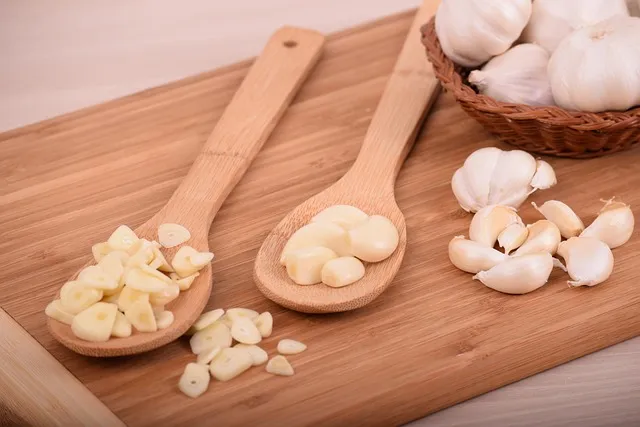
Fermentable fibers — found in garlic, onions, leeks, Jerusalem artichokes, slightly green bananas, and oats — feed the beneficial bacteria that produce butyrate, the primary fuel for colonocytes (the cells lining the colon). Without adequate fermentable fiber, even a perfectly additive-free diet fails to support strong beneficial bacterial populations.
Polyphenol-rich foods — berries, dark chocolate (without seed oils and emulsifiers), green tea, coffee, olive oil, and colorful vegetables — provide plant compounds that beneficial gut bacteria metabolize into highly anti-inflammatory compounds including urolithins and equol. The diversity of polyphenol sources in the diet is one of the strongest dietary predictors of gut microbiome diversity.
Fermented foods as noted above — including naturally fermented sauerkraut (not the vinegar-pickled variety, which contains no live cultures), kimchi, kefir, and live-culture yogurt without added sugars. These provide genuine live bacterial diversity along with organic acids that create a more favorable gut pH environment.
Omega-3 fatty acids from fatty fish (salmon, sardines, mackerel, herring) or algae-based supplements provide EPA and DHA that counterbalance the pro-inflammatory omega-6 load and support the anti-inflammatory prostaglandin pathways that protect gut mucosa.
Collagen-rich foods — bone broth, slow-cooked connective tissue, skin-on meat — provide glycine and proline, the amino acids that are the primary building blocks of the gut lining collagen matrix. The gut lining is structurally dependent on these amino acids for repair and regeneration.
The combined strategy — removing the primary gut-damaging foods while adding the primary gut-supportive foods — creates the conditions for genuine microbiome recovery rather than just slowing the rate of ongoing damage. Most people who follow this approach consistently for three to six months report improvements they describe as transformative, not incremental. Not because the approach is radical or novel, but because the gut’s regenerative capacity is genuinely remarkable once the primary obstacles to regeneration are removed.
The Cumulative Load Problem
One reason gut damage from diet is so hard for people to accept is that no single meal does the damage. The bowl of cereal with skim milk doesn’t destroy your gut. The seed-oil-fried restaurant food once a week doesn’t destroy your gut. The diet soda with lunch three times a week doesn’t destroy your gut. The occasional ibuprofen doesn’t destroy your gut.
What destroys your gut is the cumulative load: years of daily refined sugar, combined with daily seed oil consumption in every packaged food and restaurant meal, combined with regular artificial sweeteners, combined with periodic antibiotic courses without microbiome repletion, combined with chronic stress that suppresses the immune response that maintains gut homeostasis. The sum of these inputs, sustained over years, produces the IBS diagnoses, the “idiopathic” gut complaints, the autoimmune conditions, the mood disorders, and the metabolic dysfunction that are now the defining health characteristics of developed-world adults.
The solution is also cumulative — in the other direction. Each eliminated gut-damaging food reduces the total insult load. Each added gut-supportive food increases the regenerative capacity. Each week of the Gut Damage Hierarchy protocol implemented consistently is a week of cumulative gut recovery. The biology doesn’t require perfection. It requires a consistent shift in the right direction, maintained long enough for the gut’s extraordinary regenerative capacity to do what it evolved to do.
For a comprehensive framework covering all aspects of gut restoration, see the complete gut health guide. For the connection between these dietary factors and the specific condition of intestinal permeability, see the detailed leaky gut symptoms and treatment guide.
The Practical Framework: Applying Foods Destroy Gut Health In Real Life
FROM THE LIBRARY ›
References
Editorial StandardsCorrectionsMedical DisclaimerAbout Our ContentAffiliate DisclosureSite Map