
Marcus had been sick for three years before anyone told him the truth. Not sick in a dramatic, hospital-bed way. Sick in the grinding, invisible way that makes you question your sanity before you question your biology. He was 34, worked in finance, ate what he thought was a reasonable diet, and felt like absolute garbage every single day. Bloated after every meal. Exhausted by noon. Anxious for no reason he could name. His doctor ran labs, found nothing alarming, and suggested stress management. His gastroenterologist scoped both ends of him, found nothing structural, and suggested more fiber. His therapist helped him process his childhood. None of it moved the needle.
What Marcus didn’t know — what almost nobody tells you in a doctor’s office — is that the three pounds of bacteria living in his gut were running a shadow government inside his body. They were influencing his mood, his immune system, his metabolism, his cognitive function, his energy levels. And they were in serious disarray.
This is the gut health guide that should have existed years ago. Not a listicle of “eat more yogurt.” Not a sales pitch for a $200 probiotic. A real, research-grounded framework for understanding what your microbiome actually is, what damages it, what restores it, and how to systematically rebuild it over 90 days.
What Your Microbiome Actually Is (And Why It Matters More Than You Think)

The Sonnenburg Lab at Stanford, led by Justin and Erica Sonnenburg, has spent two decades studying how this community of organisms shapes human health. Their research, compiled in their book The Good Gut and published across dozens of peer-reviewed papers, makes a compelling case that the microbiome isn’t a passenger in your health story. It’s a co-author. The Sonnenburgs’ 2016 Nature paper demonstrated that a diet high in fermented foods dramatically increased microbiome diversity and decreased inflammatory markers — a finding significant enough that it shifted clinical thinking about dietary interventions.
What does “diversity” mean and why does it matter? Think of your microbiome as an ecosystem. A healthy rainforest has thousands of species operating in complex interdependence — some break down plant matter, some fix nitrogen, some control pest populations, some produce chemicals other species need. Remove enough species and the whole system turns fragile, vulnerable to collapse when conditions change. Your gut works the same way.
Low microbiome diversity is now associated with obesity, type 2 diabetes, inflammatory bowel disease, colorectal cancer, cardiovascular disease, anxiety, depression, Parkinson’s disease, and autoimmune conditions. That doesn’t mean the microbiome “causes” all of these — correlation and causation remain important distinctions — but the associations are strong enough, across enough independent studies, that ignoring the microbiome when addressing chronic health problems is like trying to understand a forest fire while ignoring the drought.
The two bacterial phyla you’ll hear about most are Firmicutes and Bacteroidetes. Together, they account for roughly 90% of gut bacteria in most humans. The ratio between them — specifically, higher Firmicutes relative to Bacteroidetes — has been associated with obesity in multiple studies. The mechanism isn’t fully understood, but one hypothesis involves Firmicutes being more efficient at extracting calories from food. Your microbiome composition doesn’t just affect inflammation and immunity. It affects how many calories you absorb from every bite you eat.
Intestinal Permeability: The Leaky Gut Problem
Your intestinal lining is one cell thick. One cell. It’s the most important barrier in your body, separating the contents of your digestive tract — bacteria, food particles, toxins — from your bloodstream and the rest of your body. When it works correctly, it’s selectively permeable: nutrients pass through, dangerous invaders don’t. When it breaks down, things that shouldn’t get into your bloodstream start getting in. This is intestinal permeability, colloquially known as leaky gut.
Dr. Alessio Fasano at Massachusetts General Hospital/Harvard has spent his career studying the mechanisms of intestinal permeability. His 2000 discovery of zonulin — a protein that regulates the tight junctions between intestinal cells — was a watershed moment. Tight junctions are the molecular “zippers” that keep your gut lining sealed. Zonulin loosens those zippers. Fasano found elevated zonulin levels present not just in celiac disease (which he was originally studying) but in type 1 diabetes, multiple sclerosis, rheumatoid arthritis, and inflammatory bowel disease.
His 2012 paper in Clinical Reviews in Allergy and Immunology laid out the mechanism with unusual clarity: intestinal permeability lets bacterial lipopolysaccharides (LPS) — fragments of bacterial cell walls — enter the bloodstream and trigger systemic inflammatory responses. This low-grade endotoxemia — toxins in the blood at levels too low to cause acute illness but too high for long-term health — may be a root driver of the chronic inflammatory diseases now dominating Western health statistics.
What damages tight junctions and elevates zonulin? Gluten appears to trigger zonulin release in everyone, not just celiacs — though the effect is far more pronounced in people with celiac disease or gluten sensitivity. Dysbiosis (imbalanced microbiome) triggers it. Chronic stress triggers it via cortisol’s effects on gut motility and barrier function. Alcohol damages the gut lining directly. NSAIDs (ibuprofen, naproxen) increase gut permeability measurably. So does a low-fiber diet that starves the bacteria producing the short-chain fatty acids that feed and repair the intestinal cells.
The fix isn’t mystical. It requires removing the insults, replacing the missing inputs, rebuilding the bacterial community, and actively repairing the lining. That’s the structure of the 90-Day Gut Reset Protocol, coming up shortly.
The Gut-Brain Axis: Your Second Brain Isn’t a Metaphor
There’s a reason the gut is called the second brain, and it has nothing to do with New Age romanticism. Your enteric nervous system — the neural network embedded in the walls of your gastrointestinal tract — contains 100 to 500 million neurons, more than your spinal cord. It operates independently of your central nervous system and maintains gut function even when communication with the brain is severed.
But it’s not independent in the way that matters for your health. The enteric nervous system communicates bidirectionally with your brain via the vagus nerve, a wandering bundle of 100,000 nerve fibers that is the primary communication highway between gut and brain. And here’s the number that changes everything: approximately 90% of the information traveling on the vagus nerve goes upward, from gut to brain, not downward from brain to gut. Your gut is sending more information to your brain than your brain sends back down.
What is the gut sending? Signals about its microbial inhabitants, its nutritional status, its inflammatory state, its chemical environment. The gut produces roughly 95% of the body’s serotonin — the neurotransmitter most associated with mood, wellbeing, and social behavior. It produces significant amounts of GABA, the primary inhibitory neurotransmitter involved in anxiety regulation. It produces dopamine precursors. The gut doesn’t just respond to your mental state; it actively shapes it through chemistry.
John Cryan and Ted Dinan at University College Cork coined the term “psychobiotics” in their landmark 2012 paper in Biological Psychiatry to describe live organisms that produce a mental health benefit when ingested. Their subsequent decade of work has established that specific bacterial strains can alter stress responses, anxiety behaviors, and depression-like states — not through placebo or indirect nutritional effects, but through direct neurochemical mechanisms involving the vagus nerve and the production of neuroactive compounds.
The clinical implications are significant and still being worked out. But the directional finding is clear: gut health and mental health can’t be separated. Anyone dealing with chronic anxiety, depression, or brain fog who hasn’t seriously investigated their gut is trying to fix a software problem while ignoring a hardware malfunction.
The Gut-Immune Connection: 70% of Your Immune System Lives in Your Gut
Roughly 70-80% of your immune tissue sits in and around your gastrointestinal tract, concentrated in structures called Peyer’s patches and the broader gut-associated lymphoid tissue (GALT). Not a coincidence. Your gut is where you’re most exposed to the outside world — every bite of food is an immune challenge, a parade of foreign proteins, bacteria, chemicals, and antigens your immune system has to evaluate and respond to or tolerate.
The microbiome trains your immune system from birth. Babies born vaginally are colonized with their mother’s vaginal and fecal microbiota during delivery — a process that seeds their gut with foundational bacterial communities. Breastfed babies receive prebiotics (human milk oligosaccharides) that specifically feed beneficial bacteria. The first three years of life are a critical period for microbiome development, and disruptions during this window — antibiotics, formula, C-section delivery, reduced environmental microbial exposure — are associated with elevated lifetime risk of allergies, asthma, autoimmune disease, and metabolic disorders.
In adults, the microbiome continues to regulate immune function through several mechanisms. It competitively excludes pathogens by occupying ecological niches and consuming available nutrients. It produces antimicrobial peptides and other compounds that directly kill harmful organisms. It interacts with immune cells lining the gut to calibrate their response thresholds — too low, and you get autoimmunity; too high, and you fail to clear infections. The regulatory T cells that prevent immune overreaction are substantially induced by gut bacteria, particularly species in the Clostridia class that produce short-chain fatty acids.
Every round of antibiotics drops a bomb on this ecosystem. Broad-spectrum antibiotics kill indiscriminately — they can wipe out 30-50% of gut microbial diversity in a single course, with some species taking months or years to recover, and others never returning to baseline levels. Not an argument against antibiotics when they’re genuinely needed. An argument for treating your microbiome as something worth protecting and actively restoring once it’s been damaged.
What’s Destroying Your Microbiome Right Now
Before you can rebuild, you need to understand what’s doing the damage. The list is longer and more mundane than most people expect. The problem isn’t one catastrophic event. It’s the slow, cumulative erosion of microbial diversity through a hundred daily choices that nobody told you mattered.
The Western diet is the primary culprit. It’s catastrophically low in dietary fiber — Americans average 10-15 grams per day; the recommendation is 25-38 grams; traditional hunter-gatherer populations consumed 100-150 grams. Dietary fiber is the primary food source for your gut bacteria. Starve them and they literally eat you — studies have shown that fiber-deficient diets cause bacteria to degrade the protective mucus layer of the intestinal wall, increasing permeability.
Ultra-processed foods contain a catalog of compounds hostile to the microbiome: emulsifiers like polysorbate 80 and carboxymethylcellulose that disrupt the mucus layer, artificial sweeteners that alter microbial composition and impair glucose metabolism, refined carbohydrates that preferentially feed harmful bacteria, and minimal fiber that starves beneficial ones. A 2015 study by Chassaing et al. in Nature showed that common food emulsifiers induced intestinal inflammation and metabolic syndrome-like changes in mice through microbiome disruption. The human data is more limited but directionally consistent.
Chronic stress is a microbiome disruptor most people underestimate. The stress hormone cortisol alters gut motility, changes the chemical environment of the gut, and directly affects microbial composition. Stressed animals in controlled research show measurable shifts in their gut microbiome within days. The reverse holds too: the gut microbiome affects stress reactivity through the axis discussed above. Which creates feedback loops that can trap people in cycles of stress-driven gut dysfunction that worsens stress reactivity.
Medications beyond antibiotics also matter: proton pump inhibitors (PPIs) used for acid reflux change the gastric pH environment, letting bacteria colonize areas where they normally don’t survive and altering the microbial composition downstream. Metformin (common diabetes medication) alters the microbiome substantially, though interestingly in ways that may contribute to its therapeutic effects. Birth control pills affect estrogen metabolism in the gut and may alter bacterial populations. NSAIDs damage the gut lining and increase permeability with regular use.
Inadequate sleep is emerging as a microbiome disruptor. The microbiome has its own circadian rhythm, and sleep disruption — whether from shift work, chronic late nights, or sleep disorders — alters microbial composition in ways that parallel metabolic dysfunction. A 2019 study by Thaiss et al. in Cell showed that jet lag and irregular sleep schedules induced dysbiosis and glucose intolerance even in otherwise healthy subjects.
The Diagnostic Landscape: What Testing Actually Tells You
Anyone wanting to know the state of their microbiome can now get direct measurement. Comprehensive stool testing through companies like Genova Diagnostics (GI Effects), Doctor’s Data, or Viome analyzes the microbial composition of the gut, identifies markers of inflammation and intestinal permeability (zonulin, calprotectin, secretory IgA), and screens for pathogens. These tests range from $200-500 and require a doctor’s order in most states.
What should the results show? Microbial diversity (more is generally better), the presence of keystone species like Akkermansia muciniphila (a mucus-layer specialist whose abundance is inversely associated with obesity and metabolic disease), Faecalibacterium prausnitzii (the most abundant bacterial species in a healthy human gut, a major short-chain fatty acid producer, and an anti-inflammatory powerhouse whose reduction is consistently seen in inflammatory bowel disease), and Bifidobacterium species that tend to decline with age and poor diet.
Elevated zonulin or calprotectin suggests active gut inflammation and permeability issues. Low secretory IgA — the primary antibody in the gut — suggests immune suppression and reduced pathogen defense. An overgrowth of Candida or specific pathogenic bacteria like Clostridium difficile or H. pylori requires targeted interventions beyond general gut support.
For SIBO (small intestinal bacterial overgrowth), a lactulose breath test is the primary non-invasive diagnostic. For general gut dysfunction without clear pathology, the clinical presentation plus a comprehensive stool test gives enough information to design an intervention. Don’t spend $2,000 on testing before spending 90 days on the basics. The 90-Day Gut Reset Protocol will move the needle for most people regardless of their specific microbial composition.
The 90-Day Gut Reset Protocol: Phase 1 — Remove
The 90-Day Gut Reset Protocol is a systematic four-phase approach to microbiome restoration. Not a diet. Not a supplement stack you buy and forget. An active process of removing insults, replacing missing inputs, reinoculating beneficial bacteria, and repairing structural damage. Each phase builds on the last. Skipping phases or running them simultaneously usually fails because you’re trying to rebuild while still actively demolishing.
Phase 1 is Remove. Duration: 2-4 weeks. The objective is to identify and eliminate the primary inputs actively damaging the gut and keeping the microbiome in dysbiosis. This is the hardest phase — it requires honest self-assessment and some willpower. It’s also the most important, because everything done in the subsequent phases gets undermined if the problem keeps getting fed.
What to remove: Ultra-processed foods first — if the ingredient list requires a chemistry degree, eliminate it for 30 days. Alcohol next, or at minimum reduce to no more than 2 drinks per week (alcohol is directly toxic to intestinal cells and measurably increases permeability). Refined sugar and high-fructose corn syrup, which preferentially feed pathogenic bacteria and drive inflammation. Gluten if there’s any reason to suspect sensitivity — the clinical threshold for this is lower than most gastroenterologists will admit, and a 4-week elimination trial costs nothing.
Unnecessary medications: daily NSAIDs for pain management mean the underlying issue needs addressing. A PPI for reflux means a conversation with a doctor about alternatives, because the gut ecology trade-off of long-term PPI use is severe. None of this means stopping medications without medical consultation. It means having a conversation about whether the medications being taken chronically are worth their gut costs.
Lifestyle removals matter here too. Chronic sleep deprivation (under 7 hours per night, consistently) needs to be addressed as a gut health intervention, not just a productivity one. The research on this is cleaner than most people realize: sleep loss disrupts microbial circadian rhythms and measurably alters composition within days.
The 90-Day Gut Reset Protocol: Phase 2 — Replace
Digestive enzymes. A damaged gut often shows reduced production of digestive enzymes — the proteins that break food into absorbable components. Undigested food particles are a primary trigger for intestinal permeability (they trigger immune responses) and for bacterial overgrowth (they feed the wrong organisms). A broad-spectrum digestive enzyme supplement taken with meals for 60-90 days can substantially reduce the digestive stress on a healing gut. Look for formulas containing amylase, protease, lipase, and cellulase.
Fiber diversity, not just fiber quantity. The research from the American Gut Project, the largest citizen science study of the human microbiome, led by Rob Knight at UC San Diego, found that the single strongest predictor of microbiome diversity wasn’t any specific food category — it was the number of distinct plant species consumed per week. Subjects eating 30 or more different plant species per week had significantly more diverse microbiomes than those eating 10 or fewer. Which reframes the fiber conversation: it’s not about hitting a gram target, it’s about variety. Eat from different plant families, not just more of the same fiber sources.
Specific fiber types matter for specific purposes. Inulin and fructooligosaccharides (FOS) from chicory root, garlic, onions, and asparagus preferentially feed Bifidobacterium. Resistant starch from cooked-and-cooled potatoes, green bananas, and legumes feeds short-chain fatty acid-producing bacteria. Beta-glucan from oats and mushrooms has specific immunomodulatory effects beyond general fermentation. Eating a variety of whole plant foods naturally covers all of these.
Stomach acid support. Chronically low stomach acid (hypochlorhydria) — which can result from chronic stress, age, or PPI use — allows bacteria to colonize higher in the GI tract than they should. Apple cider vinegar (1 tablespoon in water before protein-heavy meals) or betaine HCl supplements can support gastric acid production during the repair phase. Bitter foods (arugula, dandelion greens, gentian root tea) stimulate digestive secretions via the cephalic phase digestive response.
The 90-Day Gut Reset Protocol: Phase 3 — Reinoculate
Phase 3 is Reinoculate. Duration: weeks 5-10 (overlapping with Phase 2 and 4). The insults are removed and the food supply is built up. Now comes the active introduction of beneficial organisms to repopulate the ecosystem. This involves both fermented foods and targeted probiotic supplementation.
Fermented foods first, because the evidence for them is stronger than for any specific probiotic supplement. The Sonnenburg Lab’s 2021 clinical trial published in Cell (Wastyk et al.) randomly assigned participants to either a high-fiber diet or a high-fermented-food diet for 10 weeks. The fermented food group showed significant increases in microbiome diversity and reductions in 19 inflammatory markers. The fiber group showed more modest effects on diversity and, in some cases, increased inflammatory markers — likely because rapid fiber increases can overfeed certain organisms before the ecosystem is ready.
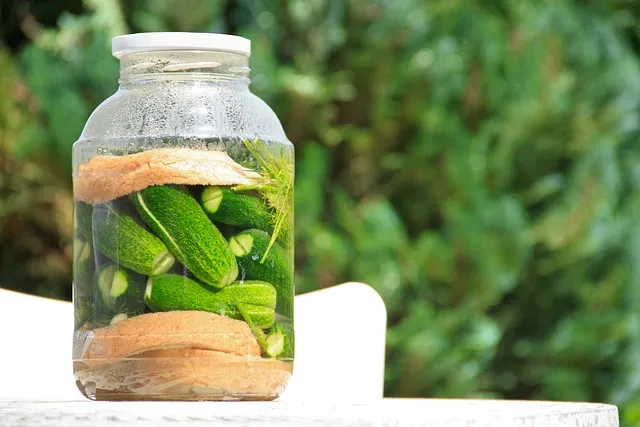
The practical takeaway: start with fermented foods before aggressively increasing fiber. Build the ecosystem first, then give it more substrate to work with. Effective fermented foods include yogurt (live cultures, not heat-treated), kefir (more diverse bacterial cultures than yogurt), sauerkraut and kimchi (must be raw/refrigerated, not shelf-stable pasteurized), kombucha (modest bacterial content but prebiotic organic acids), and miso (rich in beneficial fungi and bacteria).
For probiotic supplements, strain specificity matters more than CFU count (see the companion post on best probiotics for men for detailed strain analysis). For general gut restoration, multi-strain products containing Lactobacillus acidophilus NCFM, L. rhamnosus GG, Bifidobacterium longum BB536, and B. lactis HN019 have the most clinical support. For intestinal permeability specifically, Lactobacillus plantarum 299v has demonstrated ability to improve tight junction integrity in multiple human trials.
Saccharomyces boulardii, a beneficial yeast rather than a bacterium, deserves special mention. It survives antibiotic courses that would kill bacteria-based probiotics, competitively excludes pathogenic Candida, produces enzymes that degrade pathogen toxins, and has strong evidence for reducing traveler’s diarrhea and antibiotic-associated diarrhea. Anyone taking antibiotics should consider S. boulardii during and for 2 weeks after — one of the best-supported gut protective interventions available.
The 90-Day Gut Reset Protocol: Phase 4 — Repair
Phase 4 is Repair. Duration: weeks 7-12 (overlapping with Reinoculate). The final phase specifically addresses structural healing of the gut lining — tightening the tight junctions, reducing intestinal inflammation, and restoring the mucus layer that serves as the first line of defense between gut bacteria and the intestinal wall.
L-glutamine is the primary fuel source for enterocytes — the cells lining the intestinal wall. These cells divide rapidly (turning over completely every 3-5 days) and carry enormous energy demands. L-glutamine supplementation at 5-10 grams per day has demonstrated ability to improve tight junction integrity and reduce intestinal permeability in multiple human trials, including a 2019 study by Rapin and Wiernsperger in Gastroenterology Research and Practice. One of the most evidence-supported gut-lining interventions available.
Zinc carnosine is a compound combining zinc (essential for tight junction protein expression) with L-carnosine (an anti-inflammatory dipeptide). It’s been studied specifically for intestinal permeability and gastric mucosal protection. A 2014 study found it reduced NSAID-induced gut permeability increases. Standard dose is 75mg twice daily.
Butyrate supplementation or butyrate-boosting strategies address a key gap. Butyrate is the primary short-chain fatty acid used by colonocytes (colon cells) for fuel. It also activates anti-inflammatory pathways, inhibits histone deacetylases (with broad epigenetic effects), and is one of the primary inducers of regulatory T cells. In a damaged gut with depleted short-chain fatty acid-producing bacteria, supplementing directly with sodium butyrate or tributyrin while the bacterial populations rebuild can meaningfully accelerate healing.
Collagen peptides and bone broth contain glycine, proline, and hydroxyproline — amino acids essential for intestinal cell structure and gut lining integrity. The evidence isn’t as strong as for L-glutamine, but these are nutrient-dense foods that align with every other aspect of the protocol and cost nothing if made at home.
Aloe vera inner leaf gel (not latex, which is a harsh laxative) has demonstrated anti-inflammatory effects on gut mucosa and mild evidence for improving permeability. Deglycyrrhizinated licorice (DGL) protects and soothes gastric and intestinal mucosa. Slippery elm and marshmallow root are traditional demulcent herbs with reasonable mechanistic support for mucosal protection.
Food as Medicine: Gut Health Guide: What The Evidence Reveals

The highest-fiber, most microbiome-diverse diet studied in modern humans comes from the Hadza of Tanzania — one of the last remaining hunter-gatherer populations. The Hadza gut microbiome has substantially higher diversity than Western microbiomes, harbors bacterial species essentially absent from Western guts, and shows seasonal variation (reflecting seasonal food availability) that no Western microbiome displays. The Sonnenburgs have published on Hadza microbiome research, and the consistent finding is that diversity and fiber quantity are the master variables.
Practically: aim for 30+ plant species per week (count spices — they count). Include fermented foods daily. Eat the widest variety of vegetables and fruits manageable. Prioritize prebiotic-rich foods: garlic, onions, leeks, asparagus, Jerusalem artichoke, dandelion greens, oats, unripe bananas, cooked-and-cooled potatoes, and legumes. Include polyphenol-rich foods daily — berries, dark chocolate, green tea, olive oil, red wine in moderation — because polyphenols are selectively fermented by beneficial bacteria and have direct antimicrobial effects on pathogenic species.
Don’t fall into the trap of thinking gut health requires expensive specialty foods. The most microbiome-supportive diet is beans, lentils, vegetables, fruits, whole grains, a few servings of fermented foods, and some high-quality protein. It’s also the cheapest healthy diet available. The supplement industry has done an excellent job of obscuring this fact.
Lifestyle Factors That Move the Needle
Diet and supplements get all the attention, but several lifestyle factors have demonstrable microbiome effects that are often larger than specific dietary interventions.
Exercise is one of the most underrated microbiome interventions. A 2014 study by Clarke et al. comparing professional rugby players to sedentary controls found dramatically higher microbiome diversity in athletes, with significant increases in Akkermansia muciniphila — a keystone species associated with metabolic health and gut barrier integrity. Subsequent randomized controlled trials have confirmed that aerobic exercise increases gut microbial diversity independent of diet, and that stopping exercise decreases it. Being an athlete isn’t required; 150 minutes of moderate exercise per week shows measurable effects.
Spending time in natural environments — gardens, forests, farms — exposes people to environmental microbiota that seed gut and skin microbiomes. The hygiene hypothesis, now refined into the “old friends” hypothesis by Graham Rook at University College London, proposes that chronic inflammatory diseases have increased in industrialized populations partly because environmental microbial exposures that human immune systems co-evolved with have been eliminated. Dirt is not the enemy. Some specific pathogens in dirt are. A meaningful distinction.
Stress management isn’t therapy-speak — it’s gut medicine. Consistent high-cortisol states measurably alter gut permeability, change motility patterns, and shift microbial composition. The specific interventions with demonstrated gut microbiome effects include meditation (via vagal tone improvement), cold exposure (via systemic anti-inflammatory effects), and regular physical activity. The right stress regulation tool is whichever one actually gets used consistently.
Intermittent fasting — specifically time-restricted eating where the feeding window compresses to 8-10 hours per day — gives the gut a rest from digestive work during fasting periods and appears to support the migrating motor complex, a wave of muscular contractions that sweeps the small intestine clean during fasting. Disruption of the migrating motor complex is one mechanism thought to contribute to SIBO. Eating constantly (grazing, multiple small meals, late-night snacking) impairs this housekeeping function.
Tracking Progress and Knowing What’s Working
How do you know if the 90-Day Gut Reset Protocol is working? Look for subjective and objective markers across multiple domains, because the microbiome affects so many systems that improvement rarely announces itself in one obvious way.
Digestive symptoms: Bloating, gas, and abdominal discomfort should improve within the first 2-4 weeks once the primary triggers are removed. They may temporarily worsen in the first week as fiber and food sources shift — normal, reflecting fermentation changes, not protocol failure. Bowel regularity and stool form (Bristol Stool Scale types 3-4 are optimal) should normalize within 4-6 weeks.
Energy and cognitive function: These often improve in weeks 4-8 as inflammation decreases and neurotransmitter precursor production normalizes. Brain fog — that frustrating inability to think clearly that so many people accept as normal — frequently traces back to gut inflammation and LPS-mediated neuroinflammation. Its resolution is one of the most commonly reported benefits of gut restoration work.
Immune function: Fewer respiratory infections, reduced allergy symptoms, and resolution of chronic low-grade skin issues (acne, eczema, rosacea) often appear in weeks 6-12. Longer-term immune recalibration effects that take time.
For objective tracking: a baseline comprehensive stool test before starting and a repeat at 90 days gives quantitative data. Look for increased diversity (Shannon diversity index), increased abundance of Bifidobacterium and Lactobacillus species, decreased inflammatory markers (calprotectin, zonulin), and improved secretory IgA. Without formal testing, consistent journaling of symptoms, energy, mood, sleep quality, and food intake gives enough signal to know if the protocol is moving the needle.
Long-Term Gut Health Guide Strategy: Maintenance After the 90-Day Reset
The 90-day protocol is the reset. What comes after determines whether the reset sticks or drifts back to the previous state within six months. This is where most people fail — they complete the active intervention and then gradually reintroduce every habit that caused the problem.
Maintenance is simpler than the reset but requires permanent behavior change in a few non-negotiable areas. Fiber diversity has to become a permanent feature of the diet — the 30 plant species per week target isn’t a challenge to complete once, it’s a baseline to maintain indefinitely. Fermented foods should appear in the diet multiple times per week for life. Alcohol should stay at levels that don’t impair gut barrier function — for most people that means no more than 3-5 drinks per week with alcohol-free days in between.
Probiotics don’t need to be taken forever if fermented foods are a regular habit and no microbiome-disrupting events occur. When they do — a round of antibiotics, a period of high stress, travel through regions with different food exposures, a significant illness — cycle back to active probiotic supplementation for 4-8 weeks afterward.
The Sonnenburgs use a useful frame: think of your microbiome as a garden you tend. It requires regular maintenance, feeding, and care. It doesn’t require obsessive intervention, but it does require abandoning the idea that it’s a self-maintaining system that will be fine regardless of what gets thrown at it. That model — passive tolerance of whatever modern life throws at it — is what produced the chronic gut dysfunction that started this conversation in the first place.
Marcus, three months into the 90-Day Gut Reset Protocol, reported something that sounded almost too simple. He felt like himself again. The bloating was gone. The noon energy crash had disappeared. The anxiety had gone from a constant background hum to an occasional, manageable response to actual stressors. He hadn’t changed his job, hadn’t done therapy, hadn’t resolved whatever was stressful in his life. He’d fixed the hardware that was sabotaging everything else.
That’s what gut health actually is. Not a trendy wellness concept. The foundational operating system of a body that works. Fix it first. Then see what problems remain.
References
FAQ: Gut Health Guide
- How long does it really take to restore a damaged microbiome? For mild dysbiosis from a few years of poor diet, meaningful improvement happens in 4-8 weeks with consistent intervention. For more significant damage — years of antibiotic use, serious gut inflammation, or established conditions like IBD — 6-12 months of consistent work is more realistic. The 90-day protocol produces measurable changes in 90 days; full restoration of a deeply damaged microbiome takes longer.
- Do I need to buy expensive probiotic supplements, or can fermented foods do the job? Fermented foods outperform most probiotic supplements in the research, primarily because they deliver a broader range of organisms, survive the journey through the stomach better in a food matrix, and come packaged with prebiotics and other beneficial compounds. Start with fermented foods. Add targeted probiotic strains for specific issues — SIBO, antibiotic recovery, documented deficiency of a specific organism.
- Is the Firmicutes/Bacteroidetes ratio a reliable health marker? It was more emphasized in early microbiome research than current science supports. The relationship between this ratio and obesity, while real in some studies, isn’t consistent enough across populations to be a reliable individual marker. Microbial diversity overall and the abundance of specific keystone species like Akkermansia muciniphila and Faecalibacterium prausnitzii are more meaningful individual markers.
- Can I do this protocol while still eating meat? Absolutely. The protocol is about fiber diversity, fermented foods, and removing specific gut-damaging inputs. It is not a vegetarian or vegan protocol. High-quality animal proteins are compatible with excellent gut health. What matters is also eating substantial amounts of diverse plant foods. The problem with high-meat diets in Western populations is usually not the meat itself but the displacement of plant diversity.
- What about leaky gut and autoimmune disease — should I see a doctor? For a confirmed autoimmune condition, gut health work should happen in coordination with a doctor, not instead of medical treatment. The protocol here is complementary to medical care, not a replacement for it. For suspected leaky gut without a confirmed autoimmune diagnosis, a functional medicine physician or a conventional gastroenterologist interested in microbiome science can run the relevant tests and help interpret results.
- My bloating gets worse when I increase fiber. Is that normal? Yes, particularly in the early weeks. Gas and bloating when increasing fiber, especially prebiotic fibers, reflects rapid fermentation by bacteria adapting to increased substrate. This usually resolves in 1-3 weeks as the bacterial population shifts. If it doesn’t resolve or gets severe, consider SIBO as a possible complicating factor, because fermentable fibers will worsen SIBO symptoms significantly.
- How important is sleep for gut health? More important than most people realize. The microbiome has circadian rhythmicity — microbial populations shift in composition throughout the 24-hour cycle in a predictable pattern. Consistent sleep disruption collapses this rhythmicity and produces dysbiosis with metabolic consequences. Getting 7-9 hours of consistent, high-quality sleep is a legitimate gut health intervention, not just a general wellness recommendation.
- Are there specific foods I should eat every single day for gut health? Pick a handful: garlic (potent prebiotic, antimicrobial against pathogenic species), a fermented food (yogurt, kefir, sauerkraut, kimchi, miso), a diverse range of colorful vegetables, and some form of legume or whole grain. The specific foods matter less than the principle: maximize plant diversity, include fermented foods regularly, and minimize the ultra-processed inputs that disrupt the system being built.
“The microbiome is not a single variable. It is an ecosystem — and ecosystems require the same conditions that all complex systems require to thrive: diversity, stability, regular inputs of quality material, and protection from acute and chronic stress. Treat it like the complex system it is and it will take care of you in return.”
Editorial StandardsCorrectionsMedical DisclaimerAbout Our ContentAffiliate DisclosureSite Map