
Elena’s neurologist had run out of options. Her daughter, eight years old, had been having seizures since she was five — sometimes three or four a day — and had already failed four different anticonvulsant medications. The medications that weren’t failing were causing cognitive dulling severe enough that her teachers noticed. Then Elena read about a diet that had been used to treat epilepsy since the 1920s, went to a pediatric ketogenic diet program, and within three months her daughter’s seizure frequency dropped by eighty percent. Within six months, she was seizure-free. Elena’s neurologist was not surprised. He’d seen it happen before. He was surprised that it took him so long to mention it.
The ketogenic diet began as medicine, not as a weight-loss trend. It was developed in the 1920s as a dietary treatment for epilepsy before anticonvulsant drugs existed, and it worked. It was largely abandoned when Dilantin and other medications arrived — not because the diet stopped working, but because pills were easier. It came back in the 1990s when researchers at Johns Hopkins revived it for drug-resistant pediatric epilepsy, and it’s been in medical use ever since. The weight-loss and biohacking versions came later, piggybacking on the therapeutic foundation.
Understanding keto means starting at its medical origins and working forward to the metabolic state it creates, because the mechanism is genuinely interesting — and genuinely different from what most people assume is happening when they cut carbohydrates.
Where Keto Comes From: The Epilepsy Origin Story
It worked remarkably well. Through the 1920s-1930s, before anticonvulsant medications became available, the ketogenic diet was the primary treatment for epilepsy in children. When medications arrived in the 1940s and 1950s, the diet was largely shelved — drugs were more convenient and didn’t require careful food preparation. For forty years, the ketogenic diet was a medical footnote.
Then in 1993, a two-year-old named Charlie Abrahams had his seizures controlled by the ketogenic diet at Johns Hopkins after failing seven medications. His father, Hollywood producer Jim Abrahams, was so struck by the fact that no one had told him about this treatment that he made a movie about it (First Do No Harm, 1997, starring Meryl Streep) and founded the Charlie Foundation to promote ketogenic dietary therapy. The resulting renewed research interest produced the evidence base available today.
The 2008 review by Wheless published in Epilepsia synthesized decades of research: roughly 50% of children with drug-resistant epilepsy achieve a 50% or greater reduction in seizure frequency on the ketogenic diet, and 10-15% become seizure-free entirely. These are results that match or exceed additional anticonvulsant medications in drug-resistant cases. The mechanism remains incompletely understood — ketones may stabilize neuronal membranes, reduce neuronal excitability, or alter neurotransmitter balance in ways that reduce seizure threshold.
“The ketogenic diet’s medical pedigree is important context. This isn’t a wellness trend someone invented in 2015. It’s a therapeutic intervention with a century of clinical use. The weight-loss application came later, borrowing the metabolic mechanism for a different purpose.”
Nutritional Ketosis vs. Therapeutic Ketosis
There are meaningfully different versions of ketosis, and conflating them causes unnecessary confusion. Understanding the distinction helps clarify which one is actually the target.
Therapeutic ketosis is the medically supervised version used for epilepsy, certain cancers, and other neurological conditions. Blood ketone levels are maintained at 2-5+ mmol/L — a range that requires extreme dietary restriction (often a 4:1 fat-to-protein-plus-carbohydrate ratio by weight), careful calorie counting, and medical supervision. The classical ketogenic diet for epilepsy is so restrictive that it requires dietitian oversight to prevent nutritional deficiencies. This is not what most people doing “keto” are actually doing.
Nutritional ketosis is the more moderate metabolic state achieved by most people following a standard ketogenic diet. Blood ketone levels of 0.5-2.0 mmol/L indicate nutritional ketosis. This requires restricting carbohydrates to roughly 20-50g per day (compared to the typical American intake of 250-350g), maintaining moderate protein intake, and eating primarily fat. It’s achievable without medical supervision and without counting every macronutrient gram obsessively once the rules are understood.
Physiological ketosis occurs overnight during normal fasting, during prolonged exercise, or after a day of low carbohydrate eating. Blood ketones may reach 0.3-0.5 mmol/L. Not the same metabolic state as nutritional ketosis, and it doesn’t produce the same effects.
The distinction matters because therapeutic claims about the ketogenic diet — tumor suppression, severe epilepsy control, Alzheimer’s management — generally derive from studies using therapeutic ketosis at high blood ketone levels. The benefits most people are pursuing from dietary keto — weight loss, metabolic improvement, mental clarity, reduced inflammation — are achievable at nutritional ketosis levels without extreme restriction.
The Macros: What Ketogenic Actually Means
The ketogenic diet’s macronutrient ratio is distinctive enough that it bears careful examination. The commonly cited ratio is approximately 70-75% calories from fat, 20-25% from protein, and 5-10% from carbohydrates. On a 2,000-calorie diet, that works out to:
- Fat: 155-165g per day (1,400-1,500 calories). Three to four times the fat intake of an average Western diet.
- Protein: 100-115g per day (400-460 calories). Moderate — not particularly high.
- Carbohydrates: 25-50g per day (100-200 calories). This is the operative constraint. For reference, a single cup of rice contains about 45g of carbohydrates.
The carbohydrate limit is the essential constraint. Fat intake can vary; protein intake can vary within a reasonable range. But carbohydrates need to stay low enough to prevent the liver from defaulting back to glucose metabolism. For most people, the threshold is 20-50g of net carbohydrates (total carbs minus fiber) per day. Individual variation exists — some maintain ketosis at 50-60g; others need to stay below 20g.
Why protein needs to be moderate, not high, is a subtlety many beginners miss. Excess protein triggers gluconeogenesis — the conversion of amino acids to glucose — which can kick the body out of ketosis. Protein should be sufficient for muscle maintenance and synthesis (roughly 0.8-1.2g per pound of lean body mass) but not so high that it generates enough glucose to suppress ketone production.
Fat is the primary fuel. This is psychologically counterintuitive for anyone who grew up in the low-fat dietary era of the 1980s-2000s. But on keto, fat is not the enemy — it’s the substrate. The body runs on fat in ketosis just as it runs on glucose in a carbohydrate-fueled state. High dietary fat intake does not by itself cause cardiovascular disease; the relationship between dietary fat, blood lipids, and heart disease is far more complex than the simple fat-phobia narrative suggested. (The LDL response to keto does vary by individual — more on that below.)
The Science of Ketosis: What Actually Happens Metabolically
Restrict carbohydrates sufficiently, and a predictable sequence of metabolic events unfolds. Understanding this sequence helps interpret what’s being experienced during keto adaptation.
Within 24-48 hours of carbohydrate restriction, the liver depletes its glycogen stores (stored glucose). Muscle glycogen takes longer — 1-3 days depending on activity level. As blood glucose and insulin levels fall, the hormonal environment shifts: insulin drops, glucagon rises, and hormones that facilitate fat mobilization (epinephrine, norepinephrine, cortisol, growth hormone) increase.
With insulin low, adipose tissue releases free fatty acids into the bloodstream. These fatty acids travel to the liver, where they undergo beta-oxidation (breaking down to acetyl-CoA) and ketogenesis (conversion to ketone bodies: acetoacetate, beta-hydroxybutyrate, and acetone). Ketone bodies are released into the bloodstream and used as fuel by the brain, heart, skeletal muscle, and kidneys.
The brain’s ability to run on ketones is critical to keto’s viability. The brain normally uses glucose almost exclusively — which is why severe hypoglycemia causes immediate cognitive impairment. During ketosis, the brain adapts to using beta-hydroxybutyrate for 60-70% of its energy needs. This adaptation takes time (2-4 weeks) and is why many people experience cognitive dulling in early keto before reporting enhanced mental clarity once fully adapted.
The metabolic flexibility developed during keto adaptation — the ability to readily switch between glucose and fat/ketones as fuel — is itself a marker of metabolic health. Metabolically inflexible individuals (most people on high-carbohydrate diets) can’t efficiently mobilize fat stores when glucose isn’t available, which contributes to both fat gain and energy instability.
The Keto Flu: What It Is and How to Survive It
 Almost everyone who has attempted the ketogenic diet is familiar with the keto flu — and many have given up because of it. It’s real, it’s unpleasant, and it’s almost entirely preventable with the right approach.
The keto flu is a cluster of symptoms occurring in the first 3-14 days of ketogenic dieting: headache, fatigue, brain fog, irritability, muscle cramps, nausea, constipation, poor sleep. These symptoms are not caused by ketosis itself — they’re caused by the electrolyte shifts that accompany carbohydrate restriction and the resulting shift in kidney function.
Here’s the mechanism: insulin has a direct effect on the kidneys, stimulating sodium retention. When insulin drops on keto, the kidneys excrete substantially more sodium. Sodium excretion drags water with it (which is where the rapid initial “water weight” loss comes from), and also drags other electrolytes — particularly potassium and magnesium. The resulting electrolyte depletion, if not corrected, produces the flu-like symptoms. Most people experience the keto flu specifically because no one told them to aggressively replace electrolytes.
The fix is straightforward, and it is mostly a matter of replacing what the kidneys are dumping. Through the first few weeks that means salting food far more liberally than feels normal, drinking bouillon or bone broth, and leaning on avocados, leafy greens, and salmon for potassium; magnesium is the one most people cannot cover from food alone, which is why it comes up so often in keto contexts. Fluid intake rises alongside it. People who handle the mineral side deliberately tend to report minimal keto flu at all.
“The keto flu is almost entirely a failure of electrolyte management. It’s not evidence that ketosis is hard on the body — it’s evidence that no one handed you the mineral supplement memo.”
Keto Adaptation: The 2-6 Week Timeline
Full keto adaptation — the state where fat-burning enzymes have upregulated, tissues have shifted to preferential ketone utilization, and energy has restored to baseline or better — takes 2-6 weeks. This timeline is non-negotiable and is the single most important thing to communicate to anyone starting keto. The first two weeks are the worst. Week three starts to get better. By week six, most people are functioning at full capacity.
Week 1: Glycogen depletion, electrolyte shifts, keto flu (if electrolytes aren’t managed). Rapid weight loss of 3-7 pounds from water (glycogen stores water; when it depletes, so does the water). Energy is poor. Brain function is poor. Resistance to continuing is high.
Weeks 2-3: Acute symptoms resolve. Energy begins to stabilize. Ketone production is established (blood ketones measurable at 0.5+ mmol/L). Fat oxidation pathways are upregulating. Performance in endurance activities may still be suboptimal — high-intensity performance will likely remain impaired for another few weeks.
Weeks 4-6: Fat oxidation efficiency improves substantially. Athletes report performance returning to near-baseline for lower-intensity activities. Mental clarity typically peaks during this period — many keto adherents report this as a qualitative difference from their carbohydrate-fueled experience. Appetite regulation improves — the absence of blood sugar fluctuations removes the energy-crash-driven hunger that characterizes carbohydrate-dependent metabolism.
Beyond 6 weeks: Metabolic adaptation is largely complete. Muscle glycogen doesn’t fully replenish (it doesn’t need to for most activities when fat is the primary fuel), but glycogen sparing means what’s there lasts longer. Very high-intensity activities (sprinting, heavy lifting, CrossFit) may require strategic carbohydrate inclusion (targeted keto diet: 25-50g carbs immediately pre-workout).
The Metabolic Benefits Beyond Weight Loss
The conversation about ketogenic diets in popular culture has been disproportionately focused on weight loss — which is real and often substantial, but represents only a fraction of the metabolic effects that make keto a clinically interesting dietary intervention. Understanding the broader metabolic picture is essential for evaluating whether keto makes sense as a long-term dietary approach.
Triglyceride reduction: Among the most dramatic and consistent findings in keto research. Dietary carbohydrates are the primary driver of hepatic (liver-based) triglyceride synthesis — the process by which the liver converts excess glucose and fructose into fat for storage. When dietary carbohydrate drops dramatically, hepatic de novo lipogenesis drops proportionally. The result: triglycerides typically fall 30-50% within 4-12 weeks of ketogenic dieting, even in people with substantially elevated baseline values. In clinical lipidology, this kind of triglyceride response from a dietary intervention is remarkable. Many people eliminate hypertriglyceridemia (a significant cardiovascular risk factor) through keto without medication.
HDL cholesterol increase: Dietary fat is a primary driver of HDL synthesis, and the high-fat ketogenic diet consistently raises HDL — the lipoprotein associated with reverse cholesterol transport and reduced cardiovascular disease risk. HDL increases of 10-20% are common in the first 3-6 months of keto. Combined with the triglyceride reduction, the triglyceride-to-HDL ratio (a sensitive marker of insulin resistance and cardiovascular risk) often improves dramatically.
Blood sugar regulation: The mechanism is direct and immediate. Dietary carbohydrates that don’t enter the bloodstream can’t raise blood glucose from dietary sources. People with type 2 diabetes on a ketogenic diet often achieve the most dramatic improvements in fasting blood glucose and HbA1c of any dietary intervention studied — to the degree that medication reductions and sometimes complete discontinuation are possible under medical supervision. This is not a minor finding. The type 2 diabetes epidemic is driven largely by a dietary pattern that keto directly inverts.
Insulin resistance reversal: Chronically elevated insulin — the hormonal consequence of a high-carbohydrate, high-glucose diet — drives insulin resistance at the cellular level through receptor downregulation and post-receptor signaling impairment. Reducing insulin levels through carbohydrate restriction allows insulin receptor sensitivity to recover. This is particularly relevant for conditions that are downstream of insulin resistance: PCOS (polycystic ovary syndrome), non-alcoholic fatty liver disease (NAFLD), and several forms of hypertension all show meaningful improvement on ketogenic diets in clinical studies.
Inflammation reduction: Beta-hydroxybutyrate (BHB), the primary ketone body produced during nutritional ketosis, has been found to directly inhibit the NLRP3 inflammasome — a key molecular complex that drives the production of pro-inflammatory interleukins IL-1β and IL-18. This is a mechanism independent of weight loss or insulin effects: BHB is itself anti-inflammatory at the molecular level. Elevated BHB from ketosis may partially explain the anti-inflammatory benefits observed in ketogenic diet studies that exceed what would be predicted from weight loss and glycemic control alone.
Neuroprotective effects: Emerging research suggests that ketone bodies provide neurological benefits beyond epilepsy control. Ketones are a more efficient fuel for the brain per unit of oxygen consumed than glucose — they generate more ATP per two-carbon unit. Neurodegenerative diseases including Alzheimer’s disease, Parkinson’s disease, and ALS have been associated with impaired glucose utilization in the brain (sometimes called “type 3 diabetes” for Alzheimer’s). Providing an alternative fuel source through ketosis bypasses this impaired glucose uptake and provides energy to neurons that are functionally glucose-deficient. The therapeutic ketosis research on neurodegenerative diseases is in early phases, but the mechanistic rationale is compelling.
Foods to Eat and Avoid: Practical Keto Eating
Understanding the keto macros is one thing. Knowing which specific foods fit within them is the practical foundation of day-to-day implementation.
Keto staples (build the diet around these):
- Meat and poultry: All cuts of beef, lamb, pork, chicken, turkey, duck. Fattier cuts are preferable on keto since fat is the primary fuel — ribeye over chicken breast, pork belly over pork loin. Organ meats (liver, heart, kidney) are exceptional micronutrient sources.
- Fish and seafood: All fish and shellfish. Fatty fish (salmon, sardines, mackerel, herring) provide protein and omega-3s; shellfish (oysters, shrimp, crab) provide mineral density. Canned sardines are one of the most cost-effective keto foods available.
- Eggs: The most versatile keto food. Two to four eggs per day is common and nutritionally excellent — the yolk contains choline, fat-soluble vitamins, and roughly half the protein of the whole egg.
- Non-starchy vegetables: Leafy greens (spinach, kale, arugula, romaine), cruciferous vegetables (broccoli, cauliflower, Brussels sprouts, cabbage), zucchini, cucumber, celery, asparagus, mushrooms. Low in net carbs and provide fiber, micronutrients, and diversity.
- High-fat dairy: Full-fat cheese (aged cheddar, brie, parmesan, goat cheese), heavy cream, butter, ghee. Low in lactose (the carbohydrate component of dairy) and high in fat — well-tolerated by most people on keto.
- Nuts and seeds: Macadamia nuts (lowest in carbs), pecans, walnuts, almonds, brazil nuts, chia seeds, flaxseed. In moderate quantities — they’re calorie-dense and some varieties are higher in carbs than others.
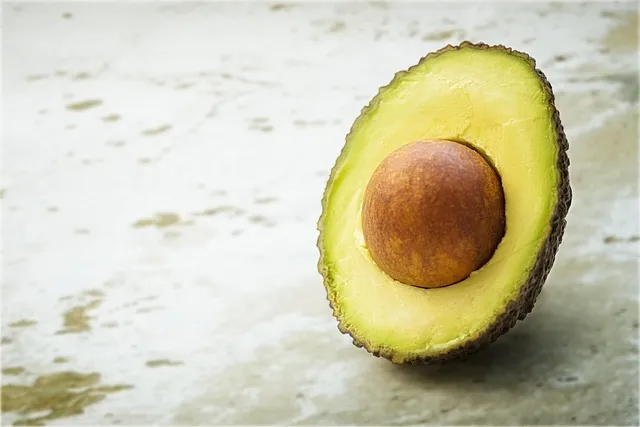
- Avocados and olives: Fruit in the botanical sense, but fat-dominant and very low in net carbs. Avocado provides potassium (important for electrolyte management), monounsaturated fat, and fiber.
- Fats and oils: Olive oil, coconut oil, avocado oil, MCT oil, butter, ghee, tallow, lard. Avoid industrial seed oils (canola, soybean, sunflower) — their high PUFA content and oxidative instability make them suboptimal regardless of keto context.
Foods to strictly avoid:
- All grains and grain products: Bread, pasta, rice, oats, corn, crackers, cereals. A single slice of bread contains 12-15g of net carbs — more than half a typical daily keto carb allowance.
- Starchy vegetables: Potatoes, sweet potatoes, corn, peas, beets. Portion-controlled amounts of some of these (a small serving of sweet potato around training) can be included in a targeted keto approach, but they displace a significant fraction of the daily carb budget.
- Legumes: Beans, lentils, chickpeas, peanuts. High in carbohydrates and will reliably interrupt ketosis at typical serving sizes.
- Most fruits: The majority of fruits are too high in fructose and glucose for regular consumption on strict keto. Exceptions: small amounts of berries (raspberries, blackberries, strawberries) and avocado. Tropical fruits, bananas, apples, oranges, and grapes are strictly avoided on standard keto.
- Sugar in all forms: Table sugar, honey, maple syrup, agave, high-fructose corn syrup, fruit juice. Also most commercial condiments (ketchup, BBQ sauce, sweet dressings) which are high in added sugar.
Who Does Well on Keto (and Who Doesn’t)

Strongest candidates for keto:
People with type 2 diabetes or prediabetes. Keto is essentially a carbohydrate elimination diet, and carbohydrate is what elevates blood glucose. The mechanism is direct: less dietary carbohydrate means less blood glucose response, less insulin secretion, improved insulin sensitivity, and often dramatic reductions in medication requirements. Multiple clinical trials have shown ketogenic diets to be more effective than standard low-fat diabetic diets for glycemic control.
People with metabolic syndrome (the cluster of abdominal obesity, high triglycerides, low HDL, elevated blood pressure, and elevated fasting glucose). Keto consistently improves all five markers. Triglycerides drop dramatically (often 30-50% in the first few months). HDL rises. Blood pressure improves. Abdominal fat (the metabolically active, dangerous kind) decreases. The metabolic syndrome response to keto is among the most consistent findings in the literature.
People with epilepsy (particularly drug-resistant). The medical evidence is strongest here. Under medical supervision, ketogenic diet therapy has a strong clinical track record for reducing seizure frequency in cases that haven’t responded to medication.
People with significant insulin resistance who struggle to lose weight on standard calorie-restricted diets. The hormonal environment created by ketosis — low insulin, high glucagon, elevated growth hormone — is particularly favorable for fat mobilization in insulin-resistant individuals.
Weaker candidates:
Elite athletes performing high-intensity sports. The glycolytic pathway (which requires carbohydrates) is essential for maximal sprint performance. Keto-adapted athletes perform well in endurance contexts but typically show impaired performance in repeated high-intensity efforts. Strategic carbohydrate inclusion is often necessary.
People with a history of eating disorders. The restrictive and rule-bound nature of strict ketogenic eating can be triggering for people who have struggled with orthorexia, restriction, or binge-restrict cycling. Flexible dietary approaches may serve this population better.
Individuals with certain lipid disorders (familial hypercholesterolemia). A subset of people — sometimes called “hyper-responders” — show dramatic LDL increases on keto. Whether this represents increased cardiovascular risk requires individual assessment. Anyone with known lipid disorders should have lipid panels monitored before and during keto.
Common Keto Mistakes and Why Diets Fail
The ketogenic diet has an unusually high early failure rate compared to most dietary interventions, and the failure modes are predictable enough that addressing them head-on prevents most dropouts before they happen.
Not eating enough fat. Sounds paradoxical, but it’s the most common beginner mistake. People conditioned by decades of fat-phobia dietary advice restrict fat even while trying to go keto, ending up with low carbs and low fat — a state that’s both metabolically liminal (not producing meaningful ketones, not running well on glucose either) and calorically unsatisfying. On keto, fat is the fuel. Substantial quantities of it belong at every meal. Satiety on keto depends on adequate fat intake. Constant hunger in week two almost always means not enough fat is being eaten.
Underestimating carbohydrates from hidden sources. The food supply is extensively infiltrated with hidden carbohydrates. A tablespoon of ketchup has 4g of sugar. Commercial salad dressings often contain 5-10g of carbs per serving. Milk — even in small amounts in coffee — adds up. Sauces, marinades, spice blends, and packaged foods frequently contain dextrose, maltodextrin, or sugar as fillers or flavor enhancers. People who feel like they’re eating keto but aren’t achieving or maintaining ketosis are almost always consuming more carbohydrates than they think. Meticulous label reading and food tracking for the first 4-6 weeks eliminates these errors.
Inadequate protein. While excess protein can impair ketosis through gluconeogenesis, insufficient protein causes muscle loss — a particular risk during the initial weeks when the body is still preferentially catabolizing protein before full fat-adaptation. Protein adequacy is scaled to lean body mass rather than total weight in the keto literature, and it is not the variable to sacrifice in pursuit of ketone optimization.
Ignoring electrolytes. The keto flu is almost entirely preventable with adequate sodium, potassium, and magnesium supplementation from Day 1. People who attempt keto without this information experience unnecessary suffering and often quit in week one concluding that ketosis is intolerable. The solution is deliberate replacement of all three — sodium first and most aggressively, potassium from food (avocados, leafy greens, salmon), and magnesium in the glycinate or malate form in the evening.
Abandoning the diet at the 2-week mark. Week two is the nadir of the keto experience for most people — glycogen is depleted, ketone production is established but adaptation is incomplete, and the sensation is simultaneously low-energy and not yet receiving the mental clarity and fat-loss benefits that come later. This is the moment most people conclude that keto doesn’t work. The protocol response: maintain strict compliance through this period while managing electrolytes. The adaptation window is 2-6 weeks, and the experience improves substantially in weeks three and four for the vast majority of people who commit to it.
The Keto Transition Protocol
Most keto failures happen in the first two weeks and are entirely avoidable with proper planning. The Keto Transition Protocol is a structured approach that addresses the most common failure points.
Pre-transition preparation (3-5 days before starting): Stepping carbohydrate down gradually rather than dropping straight into the ketogenic range softens the glycogen depletion shock and reduces keto flu severity. Stock the kitchen: eggs, meat, fish, hard cheese, butter, olive oil, avocados, leafy greens, nuts, full-fat dairy. Remove temptation items (bread, pasta, rice, cookies).
Electrolyte protocol from Day 1: Non-negotiable. Start supplementing before symptoms appear, not after. Morning: 1/4 tsp salt in water or a cup of bone broth. Throughout the day: salt all food generously, magnesium glycinate in the evening, potassium from food (avocado, spinach, salmon) or a light supplementation approach. Drink water proactively — 2-3 liters minimum.
Days 1-7 — the glycogen crash: Expect fatigue. Don’t judge the diet during this week. Reduce training intensity to walking and light movement. Track ketones for feedback if desired (blood ketone meter is most accurate; urine strips are adequate initially). Carbohydrate sits at the strict end of the ketogenic range this week; fat and protein are secondary to it.
Days 8-21 — adaptation: Energy begins returning, and protein becomes the thing to pay attention to — scaled to lean body mass, as above. Fat: eat to satiety — don’t add artificial fat just to hit a percentage. Not hungry? Don’t eat. Hunger signals regulate well in ketosis once adaptation progresses. Add back low-intensity exercise. Consider ketone testing 2-3 times this week to confirm ketosis.
Days 22-42 — optimization: Full energy is returning. Assess the goal context. If performance is important, add targeted carbohydrates (25-50g) immediately before high-intensity sessions. If fat loss is the goal, remain strict. Evaluate the lipid response if cardiovascular health is a concern — get a lipid panel at week 4-6 to see LDL, HDL, and triglyceride changes.
Day 42+ — long-term maintenance: Decide on an approach: strict keto (20-50g carbs always), cyclical keto (strict 5 days, higher carb 2 days for glycogen replenishment), or targeted keto (strategic carbs around training). Most people find one of these three approaches works for their goals and lifestyle. The cyclical approach is popular among athletes and people who find strict keto socially constraining.
The Research Landscape: What the Clinical Trials Show
The evidence base for ketogenic diets has expanded considerably since the early 2010s, when almost all keto research was either on pediatric epilepsy or animal models. The current clinical trial landscape provides reasonably strong evidence for several specific applications, modest evidence for others, and honest uncertainty about long-term outcomes.
The strongest clinical evidence: a 2019 randomized controlled trial by Hallberg et al. in Diabetes Therapy followed 349 adults with type 2 diabetes over two years on a very low carbohydrate ketogenic diet supported by continuous remote care. At one year, 60% of participants had HbA1c below diabetic threshold; at two years, 53% remained in this category and average HbA1c had dropped from 7.6% to 6.3%. Total diabetes medication prescriptions were reduced by 40% across the group. These are clinical outcomes that most pharmaceutical interventions for type 2 diabetes fail to match.
A 2020 meta-analysis by Chawla et al. covering 13 RCTs found that very low carbohydrate diets produced greater improvements in HbA1c, fasting blood glucose, triglycerides, and HDL cholesterol compared to low-fat diets in people with type 2 diabetes. The effect sizes were clinically meaningful — not just statistically significant.
For weight loss specifically: systematic reviews and meta-analyses consistently find that ketogenic diets produce greater short-term (up to one year) weight loss than low-fat diets, with the difference typically 1-2kg of additional fat loss. Long-term comparisons (beyond one year) show convergence — adherence becomes the limiting factor, and people who can sustain either diet long-term achieve similar outcomes. This suggests the keto advantage is partly about the diet’s natural appetite regulation in the short term and partly about the self-selecting quality of people who stick with any dietary approach long enough to see results.
The honest gaps in the evidence: there are very few long-term (5+ year) RCTs on ketogenic dieting in healthy adults, meaning much of the safety and efficacy data beyond 2 years comes from observational studies and therapeutic populations. The cardiovascular outcome data — actual heart attack and stroke events rather than surrogate biomarker improvements — doesn’t yet exist from long-term keto RCTs. The mechanistic and biomarker evidence is encouraging, but the definitive outcome data takes decades to generate and hasn’t been generated yet for dietary keto in healthy populations.
Ketogenic Diet Complete: Your Questions Answered
Is keto safe long-term?
The evidence on long-term (multi-year) ketogenic dieting is limited simply because it’s difficult to maintain dietary studies that long. The available evidence from 2+ year studies and observational data from therapeutic keto populations doesn’t show safety concerns in metabolically healthy individuals. Ketoacidosis — often confused with nutritional ketosis — is a dangerous pathological state that requires either type 1 diabetes or severe insulin dysfunction to occur. Nutritional ketosis, even at sustained blood ketone levels of 1-3 mmol/L, does not progress to ketoacidosis in people with normal insulin function.
Will keto raise my cholesterol?
The typical lipid response to keto: HDL (the “good” cholesterol) rises significantly, often 10-20%. Triglycerides drop dramatically — often 30-50%. Total cholesterol may rise due to LDL increases. The LDL response is the complicated part. In most people, LDL particle size shifts toward large, fluffy particles (considered less atherogenic than small, dense LDL). In roughly 5-10% of people, LDL rises substantially without the favorable particle size shift. Anyone with cardiovascular concerns should monitor their lipid panel while on keto and discuss the results with a clinician familiar with dietary interventions.
Can I do keto as a vegetarian or vegan?
Vegetarian keto is entirely feasible: eggs, full-fat dairy, nuts, seeds, low-carb vegetables, and plant oils provide adequate fat and protein. Vegan keto is challenging but possible — it requires careful protein sourcing from tofu, tempeh, seitan, and high-fat plants (avocado, coconut, nuts) while keeping carbohydrates extremely low. The practical difficulty is that most high-protein plant foods (beans, lentils, quinoa) are also high in carbohydrates, making macronutrient targets difficult to hit without supplementation.
How do I know if I’m in ketosis?
Three testing methods exist in order of accuracy: blood ketone meters (measure beta-hydroxybutyrate directly, most accurate, ~$1-2 per strip), breath acetone meters (measure acetone, reasonably accurate, no ongoing supply cost), and urine ketone strips (measure acetoacetate, useful for initial confirmation but unreliable once adapted because kidneys excrete less ketone as efficiency improves). Signs without testing: metallic or fruity breath (acetone), reduced appetite, increased urination (first 1-2 weeks), mental clarity (once adapted).
What breaks ketosis?
Primarily carbohydrates above the individual threshold. Even 50-70g of carbohydrates in a single meal will elevate insulin sufficiently to suppress ketone production for 12-24 hours. Hidden carbohydrates in sauces, dressings, and processed foods catch many people off-guard. Significant excess protein (above 1.5-2g per pound of lean body mass) can also generate enough glucose through gluconeogenesis to suppress ketosis, though this effect is smaller and more individual than commonly feared. Alcohol (ethanol is preferentially metabolized, pausing ketone production) will temporarily interrupt ketosis but doesn’t destroy adaptation if the rest of the diet remains keto.
Links: Intermittent Fasting: The Complete Guide
References
Editorial StandardsCorrectionsMedical DisclaimerAbout Our ContentAffiliate DisclosureSite Map