
Take a guy we’ll call Derek. He sat down at his kitchen table surrounded by seventeen supplement bottles. He’d spent $340 that month — protein powder, a testosterone booster, some “nootropic blend,” pre-workout with ingredients he couldn’t pronounce, and a handful of single-nutrient capsules he vaguely remembered reading about. He felt roughly the same as before. Maybe worse, actually — his sleep had gotten erratic and his wallet was considerably lighter.
Sound familiar? The supplement industry is a $150 billion annual dumpster fire of marketing claims, proprietary blends, and scientific half-truths designed to separate men from their money. Most of it is noise. But here’s the uncomfortable reality the industry doesn’t want anyone to hear: a handful of compounds are genuinely, robustly evidence-based. They work. They’ve been studied thousands of times. They cost almost nothing per day.
This isn’t another listicle of sixty things you should be taking. This is an honest accounting of Best Supplements Men: What The Evidence Reveals
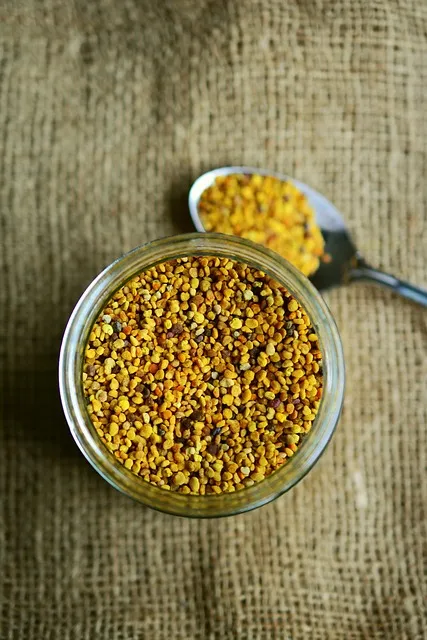
Why Most Men Get Supplements Wrong
Before the list, a word about how the industry has trained men to think about supplementation — because that mental model is the source of most wasted money and missed results.
Most men approach supplements the way they approach their Netflix queue: more is better, and novelty is exciting. They chase the newest thing — some berry extract from the Amazon, a peptide their gym buddy mentioned, a mushroom blend that promises cognitive superpowers. The influencer economy has made this worse. Every fitness account is pushing their discount code for something, and the products with the biggest affiliate margins tend to be the ones with the flimsiest evidence.
Here’s the thing about Examine.com, the most rigorous independent supplement research aggregator in existence: when they rate evidence, they use a system that accounts for study quality, replication, and effect size. Most “hot” supplements have one or two small studies with modest effect sizes. The foundational compounds — the ones in Tier 1 below — have hundreds of studies, consistent replication across populations, and effects that are clinically meaningful, not just statistically detectable.
The other mistake men make is treating supplements as a substitute for the basics. No pill fixes chronic sleep deprivation, a diet of processed food, and a sedentary lifestyle. Supplements supplement a functional baseline. The word “supplement” is right there in the name. A cracked foundation means every dollar poured on top just leaks out.
With that framing in place, here’s how the hierarchy works. Tier 1 is for almost every man — compounds addressing deficiencies that are epidemic in modern life, with effects that are foundational to everything else. Tier 2 is conditional — these may or may not be needed depending on diet, health status, and bloodwork. Tier 3 is optimization — meaningful but not essential, reserved for when Tier 1 and 2 are locked in and the goal is marginal gains.
The Three-Tier Supplement Hierarchy: Framework Overview
The framework emerged from a simple observation: not all supplements are created equal, and conflating them creates paralysis. When everything from collagen peptides to lion’s mane to basic magnesium gets lumped into the same “supplements to consider” category, rational prioritization becomes impossible.
The Three-Tier Supplement Hierarchy organizes compounds by two axes: (1) population-level deficiency prevalence and (2) evidence quality and effect size. A Tier 1 supplement satisfies both conditions — widespread deficiency plus strong, replicated evidence for meaningful outcomes. A Tier 3 supplement might have decent evidence but only matters once someone is already optimizing from a solid nutritional baseline.
Tier 1 — Foundation Essentials: Vitamin D, Magnesium, Omega-3, Creatine. These address deficiencies affecting 40–80% of the adult male population and have strong bodies of research behind them. Budget: roughly $30–50/month for all four.
Tier 2 — Conditional Support: Zinc, Vitamin K2, B-Complex. Not everyone needs these if diet is solid and bloodwork is clean. But a meaningful percentage of men are low in all three, and the consequences are significant enough to warrant consideration. Budget: $15–25/month if indicated.
Tier 3 — Optimization Layer: Ashwagandha, CoQ10, NAC. These are where to go once the foundation is rock solid. They offer real benefits — stress adaptation, mitochondrial support, antioxidant protection — but stacking them on top of deficiency is like tuning a race car with a cracked engine block.
Now, tier by tier.
Tier 1 — The Foundation: Vitamin D
The numbers are almost embarrassing. Depending on the study and population, somewhere between 40% and 80% of adults in Western countries are either deficient or insufficient in vitamin D. Dr. Michael Holick, the leading researcher in the field whose 2007 landmark paper in the New England Journal of Medicine helped reframe how medicine thinks about this hormone (because vitamin D is technically a hormone, not a vitamin), has spent decades documenting this epidemic of deficiency.
Why so widespread? Because skin synthesizes vitamin D from UVB radiation — and most men in northern latitudes don’t get enough direct sun exposure for adequate synthesis. Add in the modern indoor lifestyle, sunscreen use during the limited outdoor time people do get, and the fact that almost no foods contain meaningful amounts of vitamin D, and there’s a perfect storm.
What does deficiency actually cost? The receptor for vitamin D — the VDR — is found in almost every tissue in the body. Deficiency is associated with impaired immune function, lower testosterone, poor sleep quality, increased risk of depression, reduced bone density, and worse cardiovascular outcomes. The breadth of vitamin D’s functions is staggering precisely because it evolved as a proxy for sun exposure — a signal the body uses to calibrate dozens of systems simultaneously.
Optimal blood levels sit around 40–60 ng/mL (100–150 nmol/L). Most people without supplementation are sitting in the 15–25 ng/mL range. Getting bloodwork done (ask for 25-hydroxyvitamin D) before supplementing is ideal, because the target here is the blood level rather than a number on a label — and how much it takes to move that level varies with body weight, baseline, latitude, and skin tone more than most people expect. Always pair with vitamin K2 (see Tier 2) and take with a fat-containing meal, as vitamin D is fat-soluble.
Cost per day: roughly $0.05–0.15 for a quality D3 supplement. Few investments in health offer this return.
Tier 1 — The Foundation: Magnesium
If vitamin D is the most studied deficiency in medicine, magnesium might be the most consequential one that’s chronically underappreciated. A 2012 analysis in the Journal of Intensive Care Medicine found that approximately 68% of Americans don’t consume adequate magnesium from their diets. Boyle et al. (2017) demonstrated in their systematic review that magnesium deficiency is associated with anxiety, sleep disruption, muscle cramping, and metabolic dysfunction.
Magnesium is a cofactor in over 300 enzymatic reactions. It’s involved in ATP synthesis, protein synthesis, muscle and nerve function, blood glucose control, and blood pressure regulation. It also regulates NMDA receptors in the brain, plays a role in sleep architecture by supporting GABA pathways, and helps manage the HPA axis stress response.
The modern diet has gutted magnesium intake through food processing (milling removes the magnesium-rich germ and bran from grains), poor soil quality from industrial agriculture, and a shift away from magnesium-dense foods like leafy greens, nuts, and legumes. Stress further depletes magnesium because the adrenal response to stress increases urinary magnesium excretion. Modern men are stressed, under-eating vegetables, and eating processed grains — a perfect recipe for deficiency.
The form matters enormously, which is why magnesium gets its own deep-dive article at /magnesium-types-benefits/. For most men, magnesium glycinate before bed is the best starting point — high absorption, minimal laxative effect, and excellent sleep-supporting properties. The number worth reading on the label is elemental magnesium, not the weight of the compound; glycinate is a heavy molecule, and the two figures are nowhere near each other.
Tier 1 — The Foundation: Omega-3 Fatty Acids
The omega-3 conversation has been muddied by a wave of studies — some positive, some null — but the picture becomes clearer once you look at dose and form. Calder (2015) in his comprehensive review in Annals of Nutrition and Metabolism demonstrated that the anti-inflammatory effects of EPA and DHA are dose-dependent and require meaningful intake (2–4g combined EPA/DHA daily) to produce measurable effects. Most studies that showed null results were using inadequate doses, often below 1g/day.
The Western diet has a profoundly skewed omega-6 to omega-3 ratio — estimates put the modern ratio at approximately 15:1 to 20:1, compared to the evolutionary norm of around 4:1. This imbalance promotes systemic inflammation through the arachidonic acid cascade, and chronic low-grade inflammation is implicated in cardiovascular disease, depression, metabolic dysfunction, and accelerated aging.
EPA and DHA serve different primary functions. EPA is predominantly anti-inflammatory and mood-supportive — it competes with arachidonic acid for the enzymes that produce pro-inflammatory eicosanoids. DHA is a structural component of cell membranes, particularly concentrated in the brain and retina, and supports cognitive function and neurological health.
Quality matters here. Fish oil oxidizes, and oxidized omega-3s may actually be harmful. When buying, look for products with published TOTOX values (below 26) and use triglyceride form rather than ethyl ester (better absorption, less oxidation). Store in the fridge after opening, use within 90 days, and if it smells intensely fishy, throw it out — that smell is oxidation. More detail at /omega-3-fish-oil-guide/. Take it with a fat-containing meal, and read the EPA and DHA figures on the back rather than the fish oil total on the front.
Tier 1 — The Foundation: Creatine
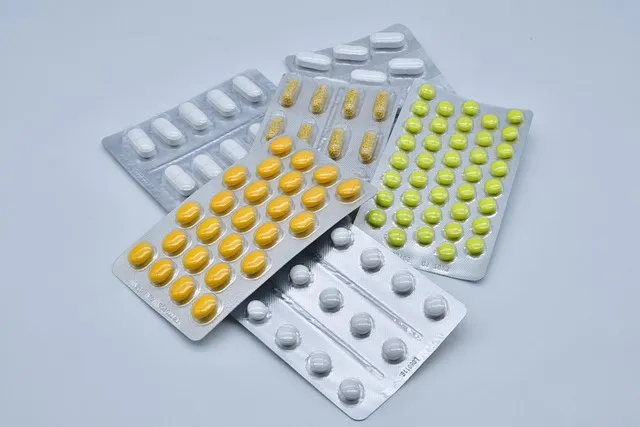
But most men only think of creatine as a muscle supplement. That undersells it significantly. Rae et al. (2003) demonstrated in a randomized, double-blind trial that creatine supplementation improved working memory and intelligence test performance in vegetarians — the population most deficient in it because creatine is found almost exclusively in meat. The mechanism: creatine phosphate buffers ATP in the brain, and cognitive tasks are energetically expensive. More available ATP means better neurological performance under load.
There’s emerging evidence for bone density support, neuroprotective effects, and even mood benefits. Lyoo et al. (2012) showed creatine augmentation improved outcomes in treatment-resistant depression — not because creatine is an antidepressant, but because it improves cellular energy metabolism in a brain that’s metabolically struggling. More detail at /creatine-benefits-beyond-muscle/.
No loading phase needed. Muscle stores saturate over two to four weeks on a steady daily intake of monohydrate, and the literature is unusually consistent that turning up every day matters more than the size of the scoop. Buy the cheapest unflavored monohydrate available — Creapure certified for pharmaceutical-grade purity. Skip the fancy forms (HCL, buffered, ethyl ester) — the research advantage of monohydrate is too significant to trade for marketing claims. Cost: roughly $0.10/day.
Tier 2 — Conditional Support: Zinc, K2, and B-Complex
These three move from Tier 1 to Tier 2 not because they’re less important, but because deficiency is less universal — and in the case of K2, because it works synergistically with a Tier 1 supplement rather than independently.
Zinc is critical for testosterone production, immune function, wound healing, and taste/smell. Zinc deficiency directly suppresses LH and FSH signaling to the testes, reducing testosterone output. Men lose zinc in sweat — athletes and men who train hard are at elevated risk of subclinical deficiency. It’s also abundant in oysters, red meat, and pumpkin seeds, meaning men who eat these foods regularly may not need to supplement. Bloodwork is the gold standard. If supplementing, zinc picolinate or zinc bisglycinate with food (zinc on an empty stomach causes nausea). Sustained high intakes crowd out copper at the same absorption sites, so long-term zinc with no copper anywhere in the picture is a bad trade.
Vitamin K2 (MK-7 form) is the critical co-factor for vitamin D that almost nobody talks about. Both D3 and K2 control calcium metabolism, but they do it in tandem: D3 increases calcium absorption from the gut, and K2 activates the proteins (osteocalcin, matrix Gla protein) that direct calcium into bones rather than arterial walls. Supplementing D3 without K2 may theoretically increase arterial calcification risk over time. K2-MK7 taken alongside the vitamin D is the practical solution. Fermented foods like natto are extremely rich in K2 — anyone eating a lot of those may not need supplementation.
B-Complex becomes relevant for men under chronic stress (B vitamins are depleted by cortisol signaling), men eating calorie-restricted diets, vegetarians (B12 deficiency is near-universal without supplementation), and men drinking significant amounts of alcohol (alcohol depletes folate, B1, and B6). B vitamins are water-soluble and largely safe at moderate doses, but choose methylated forms (methylcobalamin for B12, methyltetrahydrofolate for folate) — a significant percentage of the population has MTHFR variants that impair conversion of synthetic forms.
Tier 3 — Optimization: Ashwagandha, CoQ10, and NAC
This is where it gets interesting — and where more nuance is required. These compounds have real, meaningful evidence behind them. But they’re optimization plays, not foundational repairs. A man still deficient in vitamin D and magnesium adding ashwagandha is bolting a spoiler onto a car with flat tires.
Ashwagandha (KSM-66 or Sensoril extract) is an adaptogen with some of the strongest human evidence in its category. Chandrasekhar et al. (2012) demonstrated a 30.5% reduction in cortisol in subjects taking 300mg twice daily of a standardized ashwagandha extract compared to placebo — in a double-blind, randomized trial. Langade et al. (2019) showed significant improvements in sleep quality, sleep onset latency, and morning alertness. There’s also evidence for modest testosterone support, anxiety reduction, and endurance performance. Full guide at /ashwagandha-complete-guide/. Form is what separates the products that behave like the trials from the ones that don’t: the research ran on standardized extracts, KSM-66 and Sensoril, taken consistently for four to eight weeks before anyone judged the effect.
CoQ10 (Ubiquinol form if over 40) is a mitochondrial electron carrier that sits at the heart of ATP production. The most compelling evidence is in cardiovascular health — Mortensen et al. (2014) in the Q-SYMBIO trial showed CoQ10 supplementation significantly reduced major cardiovascular events in heart failure patients over a two-year period. Beyond cardiac patients, CoQ10 is particularly relevant for men on statins, which deplete endogenous CoQ10 synthesis by blocking the same mevalonate pathway used to produce it. Full guide at /coq10-cellular-energy-guide/. Ubiquinol is the form worth paying for past forty, and it needs a fat-containing meal to absorb at all.
NAC (N-Acetyl Cysteine) is a precursor to glutathione, the master antioxidant the body makes internally. It’s used clinically as an antidote for acetaminophen overdose, as a mucolytic in respiratory conditions, and increasingly in research for mental health applications. Deepmala et al. (2015) conducted a meta-analysis showing significant NAC benefits for OCD and addiction-related disorders. Beyond clinical applications, NAC supports liver health, reduces oxidative stress, and helps maintain immune function. Full guide at /nac-supplement-guide/. Timing splits by purpose: away from food if the goal is the antioxidant effect, with food if it’s liver support.
Building Your Actual Stack: Practical Protocol
Here’s what this looks like in practice. Not a fantasy protocol for someone with unlimited budget and time, but a realistic daily routine a busy man can actually execute.
Morning (with breakfast):
— Vitamin D3, guided by bloodwork
— Vitamin K2-MK7, alongside it
— Omega-3, from a fish oil that states its EPA and DHA content
— Zinc picolinate (if supplementing)
Any time (with or without food):
— Creatine monohydrate (timing is irrelevant — consistency matters)
Evening (before bed):
— Magnesium glycinate, read as elemental magnesium
— Ashwagandha (if using — the sleep research uses evening dosing)
Morning or with any fat-containing meal:
— CoQ10 ubiquinol (if using)
— NAC (if using)
Total cost for a full Tier 1 + Tier 2 stack at quality brands: approximately $50–80/month. That’s two restaurant meals or one round of drinks — for compounds with legitimate, replicated evidence behind them.
One critical note: get bloodwork before supplementing. A basic panel including 25-OH Vitamin D, zinc, ferritin, CBC, and a comprehensive metabolic panel costs $100–150 at most direct-to-consumer lab services. It shows where things actually stand, not where someone assumes they stand. The men who see the biggest transformations from supplementation are often those who were most severely deficient — and had no idea until they saw the numbers.
What to Skip: The Supplement Graveyard
Equal time must be spent on what not to buy, because the supplement aisle is mostly populated by products that have weak evidence, good marketing, and high margins.
Testosterone boosters: The herbs in these products — tribulus terrestris, fenugreek, maca — have either minimal human evidence or effect sizes so small they’re clinically meaningless. The FDA doesn’t regulate supplement claims the way it regulates drug claims, which is why a product can say “supports healthy testosterone levels” after a proprietary blend of plants that may do nothing. Supporting testosterone naturally, the research points to lifting heavy, sleeping 7–9 hours, reducing body fat, managing stress, and ensuring adequate vitamin D, zinc, and magnesium — all of which are already covered above. More detail at /increase-testosterone-naturally/.
BCAAs (while eating adequate protein): Consuming enough total protein (1.6–2.2g/kg/day) means BCAAs add nothing. The amino acids are already there. BCAAs only make sense in a fasted state or when total protein is severely insufficient — both scenarios that should be fixed at the diet level, not with an expensive powder.
Most “fat burners”: The active ingredient in most of these is caffeine, which is available for cents per dose. The other ingredients either don’t work or have concerning safety profiles. Caffeine does legitimately support fat oxidation — buy caffeine tablets if that’s the goal. Save the $60/month.
Collagen supplements for muscle building: Collagen protein has a terrible amino acid profile for muscle protein synthesis — it’s extremely low in leucine, the key trigger for the mTOR pathway. Taking collagen in place of whey or casein is actively counterproductive for hypertrophy. Collagen may have joint-specific benefits (some evidence for cartilage support) but is not a substitute for quality protein.
Bloodwork, Timing, and the Long Game
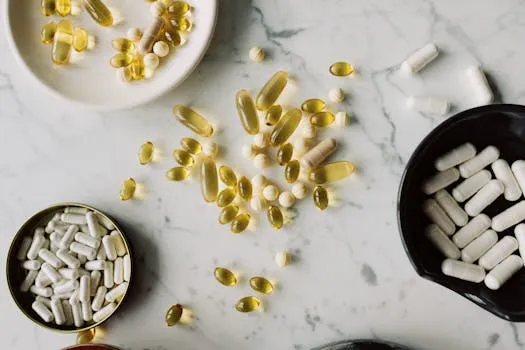
This creates a timing problem: people expect supplement benefits to feel like caffeine — immediate and obvious. When they don’t feel different after a week of magnesium, they quit. But magnesium depletion at the tissue level takes time to replenish, and the benefits (better sleep depth, reduced night waking, lower resting anxiety) often become noticeable only after 3–4 weeks of consistent use.
The practical recommendation: commit to a Tier 1 stack for 90 days before evaluating. Keep the other variables in life relatively stable. At the 90-day mark, get bloodwork again. Compare the numbers. Assess sleep, training, and how things generally feel. This is how evidence-based confidence gets built in what actually works for a given biochemistry, rather than relying on anecdote and marketing.
Also consider what can be gotten from food first. Vitamin D is almost impossible to get from food in meaningful amounts, which is why supplementation is near-universal for deficient individuals. But zinc, B vitamins, and omega-3s can all be meaningfully addressed through dietary choices. Eating oysters, red meat, liver, fatty fish, leafy greens, and nuts regularly significantly changes the supplementation calculus. Supplements are not a substitute for eating real food.
Finally: talk to a doctor. This is genuine advice, not liability hedging. Some supplements interact with medications — fish oil can affect bleeding time, NAC interacts with certain drugs, high-dose vitamin D requires monitoring to avoid toxicity. Anyone on prescription medication should spend 10 minutes running their supplement stack past a physician.
Best Supplements Men Q&A
- Do I need to cycle any of these supplements? For Tier 1 (vitamin D, magnesium, omega-3, creatine), no — these are addressing ongoing physiological needs and work best with consistent daily use. Some men prefer to cycle ashwagandha (8 weeks on, 2 weeks off) to prevent tolerance, though the evidence on this is limited. Creatine does not require cycling — it’s not a hormonal compound.
- Can I take all of these at once? Most of them, yes. The main consideration is practical: fat-soluble vitamins (D, K2) and omega-3s should be taken with food containing fat for optimal absorption. Magnesium glycinate is best taken in the evening. Zinc can cause nausea on an empty stomach. Creatine can be taken any time. No need to separate them into multiple daily doses beyond these practical considerations.
- What form of creatine is best? Creatine monohydrate, full stop. The research base for monohydrate is orders of magnitude larger than for any other form. Creatine HCL, creatine ethyl ester, and other variants cost significantly more and have no demonstrated superiority in direct comparisons. Buy unflavored creatine monohydrate (Creapure certified for quality assurance) and stop there.
- How do I know if I’m vitamin D deficient without a blood test? Symptoms of deficiency include fatigue that doesn’t resolve with adequate sleep, low mood particularly in winter months, frequent illness, bone and muscle aches, and poor wound healing. However, symptoms are nonspecific and overlap with many other conditions. The only reliable way to know vitamin D status is bloodwork — 25-hydroxyvitamin D is the test to ask for. Many direct-to-consumer labs offer it for under $40.
- Is there any interaction between magnesium and zinc? At high doses, yes. Zinc and magnesium compete for the same absorption transporters in the gut. Supplementing very high doses of both simultaneously may reduce absorption of each. Practical solution: separate them by a few hours (zinc in the morning with food, magnesium in the evening) or keep doses within typical ranges. This is generally only a concern at doses above the standard supplementation range.
- Should I take omega-3s if I eat a lot of fish? Depends on how much and what kind. Fatty fish like salmon, sardines, mackerel, and herring are rich in EPA and DHA. Eating 2–3 servings per week of these fish provides roughly 1.5–2g EPA+DHA. Regular intake at that level may mean no supplementation is needed, or a lower supplemental dose. Farmed salmon has lower omega-3 content than wild-caught. Tuna is often cited but has lower EPA+DHA than people assume and higher mercury concerns.
- Are there supplements I should take that aren’t on this list? Potentially, depending on the specific situation. Iodine (from kelp or potassium iodide) is relevant for anyone not eating much seafood or iodized salt. Iron supplementation is sometimes needed but should only be taken based on bloodwork (ferritin levels) — excess iron is harmful. Probiotics may be beneficial particularly after antibiotic use or for gut-specific concerns. Lion’s mane mushroom has emerging evidence for cognitive support. But these are situational additions, not universal recommendations like the Tier 1 compounds.
- What’s the biggest mistake men make with supplements? Skipping the foundation. Spending $80/month on exotic adaptogens and nootropics while deficient in vitamin D and magnesium is the supplement equivalent of buying premium gasoline for a car with a dirty air filter. Get the basics right first. The foundation — D3, K2, magnesium, omega-3, creatine — costs less per month than most single-ingredient “optimization” supplements and has far more strong evidence behind it.
The best supplement stack is not the most expensive one. It is the most targeted one — built on what your body actually needs, supported by Best Supplements Men: What The Evidence Reveals
The Supplement Industry’s Dirty Secrets
Understanding the structural problems with the supplement industry pays off before another dollar gets spent in it. Not to become a cynical non-supplementer, but to work through it intelligently.
The first problem is regulatory arbitrage. In the United States, the Dietary Supplement Health and Education Act of 1994 (DSHEA) put the burden of proof on the FDA to demonstrate that a supplement is unsafe before it can be removed from market — rather than requiring manufacturers to prove safety and efficacy before selling. This is the opposite of how pharmaceutical drugs are regulated. The consequence: companies can sell virtually anything with a loose structure-function claim (“supports immune health,” “promotes mental clarity”) without clinical trial evidence.
The second problem is third-party testing gaps. Unlike prescription drugs manufactured under strict FDA oversight, supplement manufacturing quality varies enormously. Independent testing organizations like USP, NSF International, Informed Sport, and ConsumerLab regularly audit supplements and find products containing more, less, or different ingredients than stated on the label. A study published in JAMA found that of 37 herbal supplements tested, only 2 passed quality control. This doesn’t mean all supplements are fraudulent — it means buying from brands that submit to third-party testing and display certification seals is the safer path.
The third problem is the influencer economy. The rise of Instagram, YouTube, and podcast health content has created a massive financial incentive for fitness personalities to promote supplements. Affiliate commission rates of 20–40% are standard. This means someone with a million followers promoting a $60 product earns $12–24 per sale — and the product recommendation reflects their financial relationship with the brand as much as (or more than) the evidence. This isn’t conspiracy; it’s math. When evaluating supplement recommendations, always ask: is this person earning money from this recommendation?
The fourth problem is proprietary blends. A “proprietary blend” on a label means the manufacturer doesn’t have to disclose how much of each ingredient is in the formula — just the total weight. This allows companies to include a tiny, clinically insignificant dose of an evidence-based ingredient alongside cheap filler, then market the product using the science behind the effective ingredient. The technical term for this is “fairy dusting.” It shows up constantly in pre-workouts, nootropic blends, and testosterone support products. Always look for products where each ingredient lists its own dose.
The fifth problem is the research-to-product gap. A study shows that compound X has benefit Y in population Z at dose W under specific conditions — and within weeks, it’s being sold in a supplement that contains a different form of compound X at a fraction of dose W with no consideration for population Z. The extract that worked in a study may be patented and expensive, so products use a cheaper generic form that may not behave identically. The dose used in the study may be impossible to practically achieve. The population studied may have been specifically deficient in compound X, making the benefit irrelevant for someone who isn’t deficient.
None of this means supplements don’t work. It means quality products at evidence-based doses of evidence-based compounds are what’s worth buying. For the Tier 1 stack, this is straightforward: vitamin D3, magnesium glycinate, fish oil with published TOTOX values, and creatine monohydrate are all commodity compounds available from quality manufacturers at reasonable prices. No need to work through the murky waters of herbal extracts and proprietary blends.
How to Evaluate New Supplements Before You Buy
Once the foundation is locked in, claims about new supplements will inevitably show up. Here’s a systematic approach to evaluating them without becoming a research scientist.
Step 1: Check Examine.com. Examine.com is the gold standard for independent supplement research summaries. It aggregates available human studies, rates evidence quality by outcome, flags conflicts of interest, and provides practical recommendations. It’s free to use for basic summaries. Looking up a supplement on Examine means checking: (a) number of human studies (not animal studies — those often don’t translate), (b) evidence grade for the specific outcomes that matter, and (c) the effective dose range used in the positive studies.
Step 2: Look at effect sizes, not just statistical significance. A supplement can produce a statistically significant effect that is clinically meaningless. If a compound raises testosterone by 3 ng/dL in a study, that’s detectable by the statistical machinery of the trial but irrelevant to lived experience. Look for effect sizes expressed in ways that connect to real outcomes: percentage improvements, changes in standardized scales, or comparisons to known reference points.
Step 3: Check for replication. A single study proving something, however rigorous, is not the same as ten studies across different populations showing the same thing. The history of nutrition research is littered with single-study claims that failed to replicate — sometimes because of publication bias (positive results get published, null results don’t), sometimes because of genuine complexity in how supplements interact with individual biochemistry.
Step 4: Assess conflict of interest. Industry-funded published data shows positive results significantly more often than independently funded studies for the same compounds. When a supplement study is funded by the manufacturer of that supplement, extra scrutiny of the methodology and effect size is warranted. This doesn’t mean the study is wrong — just that it deserves more critical reading.
Step 5: Find the dose and form used in research. Identify what exact form and dose was used in positive studies, then verify that the product being considered uses the same form at an equivalent dose. If the study used KSM-66 ashwagandha at 300mg twice daily and the product in question uses generic ashwagandha root powder at 100mg once daily, the research simply doesn’t apply to that product.
This five-step process takes about 20 minutes for any new supplement. It saves hundreds of dollars per year and prevents cluttering life with ineffective products while potentially missing meaningful deficiencies.
The Relationship Between Supplements and Lifestyle
This conversation would be incomplete without addressing the relationship between supplements and lifestyle with uncomfortable directness. Supplements are not a shortcut. They are not a hack. They are not a substitute for the fundamentals that the research consistently shows matter most: sleep, resistance training, protein intake, stress management, and caloric balance.
Consider what vitamin D supplementation actually does in context. It corrects a deficiency caused by not getting enough sunlight, which itself is a consequence of modern indoor living, disconnected from nature and physically sedentary. The supplement addresses the downstream symptom of a structural mismatch between evolutionary design and the modern environment. More time outdoors with skin exposed to UVB in peak hours would make the supplement unnecessary. The supplement is a patch, not a cure.
Omega-3 supplementation corrects an imbalanced fatty acid ratio that is itself a consequence of eating a processed food diet dominated by seed oils high in omega-6. Fatty fish twice a week, minimal seed oils, plenty of grass-fed beef and pastured eggs — omega-3 status would be dramatically better without supplementation. Again, the supplement patches a lifestyle gap.
This doesn’t mean supplements are pointless — the deficiencies are real, the modern environment is what it is, and practical patches beat noble idealism about diet and lifestyle for a busy man trying to perform at a high level. But it does mean supplementation should coexist with progressive lifestyle improvement, not replace it. Every supplement taken should prompt the question: what would need to change in diet or lifestyle to not need this?
The one partial exception is creatine. Short of eating significant quantities of red meat daily, saturating creatine stores from diet alone is unlikely. Even athletes eating substantial amounts of meat typically benefit from supplementation because the threshold for muscular and cognitive creatine saturation is higher than diet alone achieves for most men. Creatine is the rare supplement that adds something diet struggles to fully provide.
There is also an argument for magnesium supplementation that goes beyond lifestyle gaps — modern soil depletion means that even people eating magnesium-rich foods may be getting less than historical humans got from those same foods. The mineral content of produce has declined measurably over the past 70 years due to industrial agriculture. This makes magnesium a case where supplementation may be warranted even with an excellent diet. Not definitive, but worth noting.
For more on the diet-supplement intersection and the full picture of functional health, visit /health/.
Derek eventually simplified his cabinet down to five things. Vitamin D3 and K2 with breakfast. Omega-3s with dinner. Magnesium glycinate before bed. Creatine mixed into his morning coffee. Total cost: $52/month. Three months later, his bloodwork showed vitamin D up from 22 ng/mL to 54 ng/mL. His sleep tracker showed 18% more deep sleep. His squat numbers went up. He stopped getting sick every other month.
He still occasionally buys something new when the research looks interesting. But now he reads the actual studies, checks the effect sizes, and asks whether the foundation is solid before adding anything. That’s the shift — from consumer to scientist of your own biology. It changes everything.
For a deeper dive into functional health fundamentals, visit /health/. To understand the testosterone-supplement connection specifically, see /increase-testosterone-naturally/.
References
Editorial StandardsCorrectionsMedical DisclaimerAbout Our ContentAffiliate DisclosureSite Map