
Tom bought coconut oil by the five-gallon bucket. He cooked with it, put it in his coffee, rubbed it on his skin, and briefly floated the idea of using it as a hair treatment before his wife shut that down. He’d read it was a superfood — packed with medium-chain triglycerides, resistant to oxidation, superior to every other cooking fat in existence. Then his doctor looked at his LDL-C at the next annual physical and found it had jumped 18 points in twelve months. Tom had a problem he hadn’t seen coming and couldn’t immediately explain.
The coconut oil debate is one of the most confusing conversations in nutrition — not because the science is genuinely uncertain, but because coconut oil sits at the intersection of three competing narratives: traditional food culture, low-carb enthusiasm, and mainstream cardiology. Each one selects different evidence, uses different outcome measures, and talks past the other two. Meanwhile ordinary people are just trying to figure out whether to cook their eggs in the stuff.
What follows is the practical takeaway the evidence actually supports — without the tribal allegiance that usually rides along with this topic.
The Composition Problem: 82% Saturated Fat
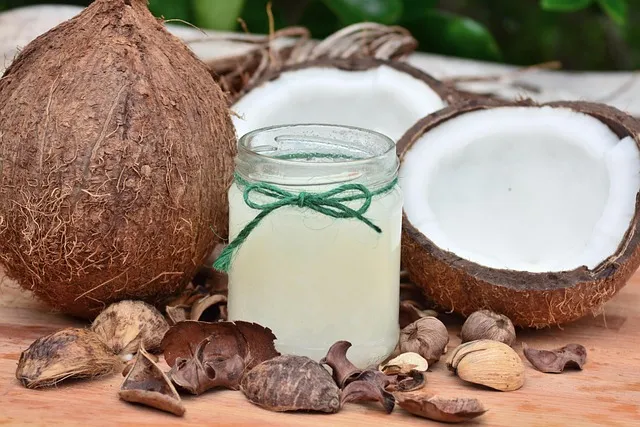
The fatty acid breakdown in virgin coconut oil runs roughly: lauric acid (C12) at about 47-49% of total fat. Caprylic acid (C8) and capric acid (C10) together making up 13-15%. Myristic acid (C14) and palmitic acid (C16) contributing another 15-20%. Short-chain fatty acids (C6 and below) are minimal.
The MCT argument — that coconut oil is primarily medium-chain triglycerides — is partly misleading. Lauric acid is technically medium-chain by carbon count, but its metabolic behavior resembles long-chain saturated fats far more closely. It’s absorbed and processed via chylomicrons through the lymphatic system, like long-chain fats, rather than going directly through the portal vein to the liver like true MCTs (C8 and C10). The MCT supplements used in research and ketogenic protocols are fractionated coconut oil — concentrated C8 and C10 — not whole coconut oil. Meaningfully different products, despite sharing a name.
When people say “coconut oil is good for you because MCTs,” they’re conflating lauric acid’s classification as medium-chain with the metabolic properties that actually belong to C8/C10 MCT oil. Lauric acid does raise LDL-C. Multiple controlled studies confirm it. It also raises HDL-C, which partially offsets the LDL increase — but the net effect on cardiovascular risk isn’t neutral.
The Lipid Research: What Coconut Oil Does to Your Blood Panel
A 2020 systematic review published in Circulation — one of the most comprehensive analyses of coconut oil’s cardiovascular effects — examined 16 controlled trials. The conclusion was consistent and unambiguous: coconut oil significantly raises LDL cholesterol compared to non-tropical vegetable oils and unsaturated fats. Mean LDL increase, roughly 10 mg/dL against oils lower in saturated fat.
The HDL finding is real — coconut oil does raise HDL more than most vegetable oils. But that doesn’t cancel out the LDL rise in most risk models. Contemporary cardiovascular risk assessment increasingly relies on apolipoprotein B (ApoB) particle count rather than simple LDL-C, and coconut oil’s effect on ApoB looks less favorable than its HDL elevation would suggest on its own.
The comparison you choose changes the story. Against butter: coconut oil raises LDL less, though both raise it from baseline. Against olive or canola oil: coconut oil raises LDL significantly. Against lard: roughly a wash. The “coconut oil is healthy” camp tends to compare against butter or margarine; the “coconut oil is harmful” camp tends to compare against olive oil. Both comparisons are technically accurate. Both are practically misleading.
Tom’s 18-point LDL jump lined up with the research. He’d swapped out olive oil and canola oil across nearly all his cooking, added two tablespoons to his morning coffee, and made coconut oil his primary fat source. The dose mattered — he was pulling in 4-6 tablespoons daily, several times a typical culinary amount.
The Traditional Population Argument
Coconut oil defenders point to traditional consuming populations. Pacific Islanders, Sri Lankans, parts of South Asia — coconut fat as a dietary staple for generations, historically low rates of cardiovascular disease. If coconut oil causes heart disease, how do these populations survive — and, historically, thrive?
That’s a legitimate observation and it deserves a real answer, not dismissal. The Tokelau Island Migrants Study, published in the 1980s, tracked Pacific Islanders consuming 50-60% of calories from coconut-derived fat. Cardiovascular disease rates stayed low despite the extreme saturated fat intake. When these populations migrated to New Zealand and adopted Western dietary patterns, cardiovascular disease rates climbed.
The confounders are significant, though. Traditional coconut-consuming populations also ate minimal processed food, minimal refined carbohydrates, significant amounts of fish (omega-3s), all within a dietary pattern nothing like the Western context most coconut oil users are adding it to. Lauric acid’s metabolic effect isn’t context-independent — it operates inside a full dietary matrix. Adding coconut oil to an otherwise Western diet is not the same act as eating traditional coconut-heavy foods within a traditional dietary pattern.
Genetic background, activity levels, and stress environments differ too, between traditional Pacific Island populations and sedentary Western populations carrying preexisting metabolic dysfunction. Extrapolating from Tokelau Islander data to American suburbanites is a category error with real consequences.
The traditional population argument is evidence that coconut fat can coexist with cardiovascular health inside the right systemic context. It is not evidence that bolting coconut oil onto an otherwise unchanged Western diet is cardiovascularly neutral.
Where Coconut Oil Actually Has Evidence: Ketones and Cognitive Function

Alzheimer’s disease has been described by some researchers as “type 3 diabetes,” given the insulin resistance pattern observed in affected brain tissue. Neurons lose the ability to efficiently use glucose and start metabolically starving. Ketones — produced from medium-chain fats — can serve as alternative fuel for neurons that can no longer efficiently burn glucose. That’s the theoretical basis behind coconut oil and MCT oil protocols in neurodegenerative disease management.
The research is preliminary and limited. A 2004 study by Henderson et al. found MCT oil consumption produced measurable cognitive improvement in Alzheimer’s patients who were ApoE4-negative. ApoE4-positive patients saw no benefit. That study used fractionated MCT oil, not whole coconut oil, in a small sample. Larger trials have had mixed results.
The mechanism holds up: true MCTs (C8 and C10) convert efficiently to ketones in the liver, fueling neurons without requiring insulin. Whole coconut oil, mostly lauric acid, produces fewer ketones per gram than fractionated MCT oil. Using coconut oil specifically for ketone production? Fractionated MCT oil does the job more efficiently.
Outside neurodegeneration research, evidence for coconut oil as a cognitive enhancer in healthy adults is thin. The subjective mental-clarity reports from adding it to coffee — the “bulletproof” movement’s whole premise — are plausible from a short-term ketone-boosting angle, but the long-term cardiovascular implications of daily high-dose saturated fat in non-ketogenic Western dieters are exactly what’s concerning cardiologists reading the lipid panels.
Antimicrobial Properties: The Lauric Acid Research
Lauric acid’s antimicrobial properties aren’t disputed. In vitro studies consistently show activity against various bacteria, viruses, and fungi — including Staphylococcus aureus, Streptococcus mutans (cavity-causing oral bacteria), Candida albicans, and several viruses including HSV and influenza.
The most popularized application is oil pulling — swishing coconut oil in the mouth for 10-20 minutes to reduce oral bacteria. A 2016 study in the Journal of the International Society of Preventive and Community Dentistry found oil pulling with coconut oil reduced Streptococcus mutans counts and plaque scores, comparable on some metrics to chlorhexidine mouthwash.
The limitations of translating in vitro antimicrobial data to systemic benefit are significant, though. The concentration of lauric acid achieved in test-tube studies far exceeds what circulates in human blood after eating coconut oil. The antimicrobial effect in the oral cavity may genuinely occur simply because the oil is in direct contact with the bacteria — not because it’s reaching concentrations in blood or tissue high enough to replicate the lab results.
Topically, the evidence base gets more compelling. A 2004 randomized controlled trial in Dermatology found virgin coconut oil as effective as mineral oil for treating xerosis (dry skin), with better tolerability. Multiple subsequent studies confirm coconut oil’s effectiveness as a skin moisturizer and its potential in atopic dermatitis. For skin applications, coconut oil is genuinely useful — and there’s no cardiovascular downside to worry about.
The Coconut Oil Reality Assessment
Rather than declaring coconut oil “good” or “bad” — a binary that doesn’t survive contact with context — the Coconut Oil Reality Assessment asks the actual question: good or bad for what, in what context, at what dose, compared to what alternative?
- Context 1 — As a cooking fat in an otherwise clean diet, moderate dose (1-2 tbsp/day): The cardiovascular risk signal is present but modest. The LDL increase is real but smaller at moderate doses. If the overall pattern is low in processed food and refined carbohydrates, the absolute risk increase is small. Defensible, though not optimal next to olive oil.
- Context 2 — As a high-dose daily supplement (4+ tbsp/day): The LDL increase becomes significant. Outside a ketogenic context where the overall lipid pattern shifts differently, adding large amounts to a mixed Western diet creates a measurable cardiovascular risk increase. This is what happened to Tom.
- Context 3 — For ketogenic diet support: Whole coconut oil produces modest ketone elevation. Fractionated MCT oil (C8/C10) is more efficient if ketone production is the specific goal. Using coconut oil in a ketogenic context where the overall diet is low in refined carbohydrates may produce different lipid effects than in a mixed diet.
- Context 4 — For neurodegenerative disease protocols: Preliminary evidence suggests potential benefit specifically for ApoE4-negative Alzheimer’s patients using MCT oil. Explore this under medical supervision — not self-experimented at scale.
- Context 5 — For skin and topical use: Strong evidence. Effective moisturizer, anti-inflammatory for atopic dermatitis, a practical antimicrobial for oral health via oil pulling. No cardiovascular concerns with topical use.
- Context 6 — For cooking stability at high heat: High saturated fat content makes it stable at high temperatures — less prone to oxidation than polyunsaturated oils. Reasonable choice for high-heat cooking, though ghee and avocado oil share this property without coconut oil’s specific lipid profile.
Comparing Coconut Oil to the Actual Competition
Most coconut oil debates aren’t really about coconut oil — they’re about what it’s replacing. The meaningful question is always: compared to what?
Olive oil remains the most evidence-backed cooking and dietary fat for cardiovascular outcomes. The PREDIMED trial — 7,447 participants followed for nearly five years — found a Mediterranean diet supplemented with extra-virgin olive oil reduced cardiovascular events by roughly 30% compared to a low-fat control diet. No equivalent large RCT exists for coconut oil. For cold applications, dressings, low-heat cooking, and daily fat intake generally, olive oil wins on the evidence without much of a contest.
Avocado oil is the strong competitor for high-heat cooking. Monounsaturated-fat dominant like olive oil, high smoke point (roughly 520°F / 270°C for refined versions), mild flavor that stays out of the food’s way. The evidence base is smaller than olive oil’s, but the fatty acid profile is similar and cooking stability is superior for high-temperature use.
Butter is the useful comparison for flavor range. It raises LDL more than coconut oil per gram, and it contains short-chain fatty acids and dairy compounds coconut oil doesn’t have. Direct comparison, coconut oil is likely marginally better than butter on pure LDL grounds — though both trail olive oil. Replacing butter in baking, coconut oil is reasonable. Adding it to coffee as a daily supplement is a different choice entirely, with different implications.
Seed oils — the reflexive villain in low-carb and ancestral health circles — are more complicated than the narrative suggests. Industrial seed oils (soybean, corn, canola, sunflower) run high in omega-6 polyunsaturated fats, are often refined with high heat and solvents, and can be prone to oxidation at cooking temperatures. The omega-6 to omega-3 ratio in Western diets is genuinely a problem (an estimated 15:1-20:1 against an ancestral 4:1). Still, the evidence for wholesale replacement with saturated fats is weaker than the evidence for simply improving omega-3 intake and cutting refined carbohydrates as the primary interventions.
FAQ: Coconut Oil Benefits

Honest answer: depends on context and comparison. Real benefits — cooking stability, antimicrobial properties, topical skin applications, modest ketone production. Also a real LDL-raising effect confirmed in controlled trials. Whether it’s “healthy” hinges on dose, what it’s replacing, and baseline cardiovascular risk. At 1-2 tablespoons in an otherwise clean diet, the risk signal is modest. At 4+ tablespoons daily as a supplement, the LDL effect becomes clinically significant for most people.
Does coconut oil raise or lower cholesterol?
Both. It raises LDL and HDL compared to oils lower in saturated fat. The HDL increase doesn’t fully offset the LDL increase in most cardiovascular risk models. A 2020 systematic review in Circulation found a mean LDL increase of roughly 10 mg/dL when replacing unsaturated oils with coconut oil. Real effect — worth accounting for in individual risk assessment, particularly with a family history of cardiovascular disease or existing metabolic dysfunction.
What is the difference between coconut oil and MCT oil?
MCT oil is fractionated coconut oil — specifically concentrated C8 (caprylic acid) and C10 (capric acid). These true medium-chain triglycerides absorb directly via the portal vein and convert rapidly to ketones. Whole coconut oil is mostly lauric acid (C12), technically medium-chain but metabolically closer to long-chain fats. If ketone production is the specific goal, MCT oil is more efficient. Preferring whole coconut oil for cooking is fine — just understand the ketone-producing benefit is substantially lower than concentrated MCT oil delivers.
Can I use coconut oil for oil pulling?
Decent evidence for oral health — specifically reducing Streptococcus mutans counts and improving plaque scores. A 2016 study found effects comparable to chlorhexidine mouthwash. The mechanism is direct contact between lauric acid and oral bacteria, not a systemic effect. As an antimicrobial oral hygiene adjunct, 10-20 minutes daily is supported by reasonable evidence with no known downside beyond the time it takes.
Is coconut oil better than olive oil?
For cardiovascular outcomes, the evidence strongly favors olive oil. The PREDIMED trial showed significant cardiovascular event reduction with extra-virgin olive oil; no equivalent large RCT exists for coconut oil showing cardiovascular benefit. For high-heat cooking stability the two are similar (though avocado oil edges out both on smoke point). For flavor, both work in different culinary contexts. The honest read: olive oil wins on health outcomes; coconut oil wins for specific applications like baking, high-heat stir-fry, and topical use.
Should I put coconut oil in my coffee?
Depends on the dietary context. In a structured ketogenic protocol, adding fat to coffee has internal logic. Adding coconut oil to coffee on top of an otherwise unrestricted Western diet means adding significant saturated fat without the carbohydrate restriction that changes how it gets processed. The “bulletproof coffee” premise assumes a specific dietary context most users aren’t actually maintaining.
What’s the safest dose of coconut oil?
No single dose works for everyone, but 1-2 tablespoons daily as part of a generally healthy diet produces a modest, manageable LDL effect for most people. At 4+ tablespoons daily, the LDL increase turns clinically significant for many. Regular users should get lipid panels — ApoB if possible — every 6-12 months to track individual response. Genetics play a big role here: some people’s LDL barely moves on coconut oil; others jump dramatically. Direct measurement beats population averages every time.
Tom cut his coconut oil down from five tablespoons daily to one in cooking, swapped his morning coffee addition for MCT oil (better ketone efficiency at a lower saturated fat dose), and shifted his primary dietary fat back to olive oil. His next lipid panel showed a 14-point LDL drop. He still uses coconut oil. He no longer buys it by the bucket.
The coconut oil debate has been louder than the evidence warrants. It’s not the superfood its advocates claimed, and it’s not the cardiovascular poison its detractors feared. It’s a cooking fat with specific properties — high heat stability, antimicrobial lauric acid, modest MCT content — that work well in some contexts and poorly in others. Use it where it works. Don’t use it because someone said it was miraculous. The miraculous food has never existed. Consistent, evidence-based choices made over years — that’s the actual mechanism of functional health.
The Lipid Hypothesis Revisited: Why Coconut Oil Sits at the Center of a Bigger Debate
The coconut oil debate is a microcosm of a much larger, still actively contested question in cardiovascular medicine: what is the actual relationship between dietary saturated fat, LDL cholesterol, and cardiovascular disease? The “diet-heart hypothesis” — dietary saturated fat raises LDL, which causes atherosclerosis — dominated nutrition science for 50 years and drove the guidelines that replaced fat with refined carbohydrates in millions of American diets, arguably feeding the current obesity epidemic. The evidence behind that hypothesis is more complicated than most public health messaging lets on.
The original Diet-Heart hypothesis traces to Ancel Keys’ Seven Countries Study, published in the 1970s. Keys showed correlations between saturated fat intake and cardiovascular mortality across seven countries. The study’s been extensively criticized for selective country inclusion — Keys had data from 22 countries but included only the seven that supported his hypothesis — along with a failure to control for sugar consumption and the usual correlation-versus-causation limitations baked into ecological study design. Include the excluded countries, and the association between saturated fat and cardiovascular disease gets much weaker.
More recent evidence complicates the picture further. The 2010 meta-analysis by Siri-Tarino et al. in the American Journal of Clinical Nutrition pooled 21 prospective cohort studies with 347,747 participants and found saturated fat intake was NOT significantly associated with cardiovascular disease or stroke after adjusting for other dietary variables. A 2015 systematic review by Chowdhury et al. in Annals of Internal Medicine found similarly no significant association between total saturated fat and cardiovascular events across 72 unique studies.
None of which means saturated fat is harmless. It means the relationship runs deeper than “saturated fat is bad.” The real questions: which specific saturated fatty acids? Replacing saturated fat with what? Inside what dietary context? RCT data consistently shows replacing saturated fat with refined carbohydrates — which is what actually happened in real-world practice once people cut dietary fat in response to the guidelines — did not improve cardiovascular outcomes, and likely worsened metabolic health. Replacing saturated fat with polyunsaturated fats from whole food sources (nuts, seeds, fatty fish) does improve cardiovascular outcomes.
For coconut oil specifically: it raises LDL via lauric and myristic acids — established. The LDL it raises skews large buoyant rather than small dense — established. It raises HDL — established. Whether the net effect on atherosclerosis and cardiovascular events is harmful, neutral, or beneficial compared to alternatives isn’t fully settled by existing RCT data. Observational data from traditional coconut-eating populations suggests neutrality at worst, when the broader diet is healthy. Against extra-virgin olive oil, the comparison consistently favors olive oil. Absent an RCT showing cardiovascular harm from moderate coconut oil use in an otherwise healthy diet, the evidence supports moderation and context — not the outright prohibition Sarah’s cardiologist recommended, and not the superfood status the wellness industry sells either.
Phenolic Compounds in Virgin Coconut Oil: The Underexplored Angle
Virgin (unrefined) coconut oil carries phenolic compounds — primarily ferulic acid and p-coumaric acid — that may partially offset its LDL-elevating effect through antioxidant and anti-inflammatory mechanisms. These phenolics are largely absent from refined coconut oil, which goes through processes that destroy heat-labile compounds.
A 2019 study in Evidence-Based Complementary and Alternative Medicine compared virgin to refined coconut oil and found virgin coconut oil produced significantly lower LDL oxidation (oxidized LDL) and lower CRP in a small group of healthy adults over 8 weeks — despite equivalent LDL cholesterol elevation. Researchers attributed it to the phenolic fraction’s antioxidant protection of LDL particles, preventing the oxidation that turns LDL from relatively benign into atherogenic.
Small and preliminary, and the evidence for this specific mechanism in coconut oil is far less established than for olive oil’s phenolics (extensively studied by comparison). But it raises the point that “coconut oil raises LDL” isn’t the whole story when talking specifically about virgin coconut oil consumed in amounts that also deliver meaningful phenolic antioxidants. Refined coconut oil — the dominant commercial form in most processed foods and cheap cooking applications — has none of that protection. Just the LDL effect.
For Sarah, this added a wrinkle to her approach: the small amounts of coconut oil she kept using for occasional high-heat cooking should be virgin, not refined — both for the better flavor and for the modest phenolic content refined versions lack. Whether this phenolic difference meaningfully changes cardiovascular risk at the amounts she was using — perhaps 1-2 tablespoons weekly — is genuinely unknown from current evidence. But since the choice costs nothing extra beyond buying virgin instead of refined, it’s a sensible application of the precautionary principle: potential benefit, no downside.
Skin, Hair, and Topical Uses: The Evidence That Actually Holds Up
Sarah had been using coconut oil topically as well as consuming it. That use carries a meaningfully different evidence base from the dietary claims — and it holds up considerably better.
The antifungal properties of coconut oil’s lauric and capric acids are well-established in laboratory studies and backed by clinical evidence. A 2007 study by Ogbolu et al. in the Journal of Medicinal Food found virgin coconut oil effective against Candida species in vitro, including some strains resistant to fluconazole. Clinical studies on scalp and skin fungal conditions have shown positive results from topical application. This is arguably coconut oil’s most evidence-supported use, period.
For skin moisturization, a 2004 study in Dermatitis found virgin coconut oil as effective as mineral oil for treating atopic dermatitis in children — significantly reducing SCORAD (Severity Scoring of Atopic Dermatitis) scores. The mechanism is the occlusive, emollient property of the fatty acid profile forming a protective barrier that reduces transepidermal water loss. The anti-inflammatory phenolics in virgin coconut oil may also contribute to the reduction in symptoms.
For hair, coconut oil has an unusual property among oils — a low molecular weight and straight structure that lets it penetrate the hair shaft instead of just coating the outside. That penetration reduces protein loss, reduces hygral fatigue (damage from repeated wetting and drying), and improves tensile strength — documented in a 2003 study by Rele and Mohile. Genuine cosmetic benefits, and one of coconut oil’s clearest practical applications.
Coconut oil’s strongest evidence, then, isn’t dietary. It’s topical. The antifungal, moisturizing, and hair care applications rest on reasonable clinical evidence with no cardiovascular concerns, because the fat isn’t being absorbed in amounts that touch systemic lipids. Sarah could keep her topical use with full scientific justification, even while reducing dietary use and correcting the LDL elevation it had contributed to. Sometimes the best evidence for a natural compound points toward a completely different application than the one being popularly hyped.
The Oil Smoke Point Reality Check
One of coconut oil’s most defensible claims is its suitability for high-heat cooking, based on smoke point and oxidative stability — and this claim holds up under scrutiny, though not quite the way it’s usually presented.
Smoke point is the temperature at which an oil starts visibly smoking and degrading. Unrefined virgin coconut oil has a smoke point around 350°F (177°C) — lower than most people assume, and lower than refined coconut oil (about 450°F/232°C). Past the smoke point, triglycerides break down into free fatty acids and glycerol, and glycerol further breaks down into acrolein — a potentially toxic aldehyde. The formation of oxidation products — lipid peroxides, reactive aldehydes — is the primary health concern with cooking oils at high heat.
The variable that actually matters for high-heat cooking safety isn’t just smoke point, though. It’s oxidative stability — how resistant an oil is to forming harmful oxidation products under heat. Saturated and monounsaturated fats are dramatically more stable than polyunsaturated fats when heated, because the lack of double bonds gives free radicals fewer reactive sites to attack. Polyunsaturated oils — corn, soybean, sunflower, most vegetable oils used in commercial frying — produce substantially more aldehydes and lipid peroxides at typical frying temperatures than saturated or monounsaturated alternatives.
A 2015 study by Martin Grootveld at De Montfort University measured aldehyde production across various cooking oils heated to frying temperatures. Corn oil and sunflower oil produced 20 times more aldehydes than butter and coconut oil at equivalent temperatures. Extra-virgin olive oil, despite being monounsaturated rather than saturated, performed comparably to coconut oil and butter on oxidative stability — thanks to its high polyphenol content acting as an antioxidant, protecting the oil from oxidative degradation.
Practical hierarchy for cooking fat by heat stability: very high heat (deep frying, high-temp stir-fry above 400°F) — refined coconut oil, lard, or tallow are the most stable options. Medium-high heat (sautéing, pan-frying at 350-400°F) — extra-virgin olive oil, butter, ghee, or unrefined coconut oil are all reasonable and stable. Low heat and cold applications — extra-virgin olive oil is the gold standard for cardiovascular benefit. Baking — coconut oil, butter, or avocado oil all work well.
None of this makes coconut oil a cardiovascular superfood. It makes it a reasonable high-heat cooking fat with real advantages over commercial polyunsaturated vegetable oils on thermal stability. A far more modest claim than the wellness industry makes, but a defensible one backed by chemistry. Sarah’s decision to keep using coconut oil specifically for the occasional very high-heat application — wok stir-fries, high-temperature roasting — while replacing it with olive oil everywhere else, was evidence-based, pragmatic, and exactly right. Not because coconut oil is special. Because for that specific job, it’s genuinely the correct tool.
The coconut oil story ultimately teaches a broader lesson about nutrition debates: when something becomes both a wellness-cult obsession and an institutional medical bogeyman simultaneously, the research usually lands somewhere between the two poles, and getting there requires engaging with the actual mechanisms rather than accepting either camp’s talking points. Coconut oil raises LDL (true). The LDL it raises is less atherogenic than small dense LDL (also true). Traditional populations eating coconuts have low cardiovascular disease (true). Those populations aren’t eating refined coconut oil inside a Western processed food diet (also true). It’s more heat-stable than most vegetable oils (true). But extra-virgin olive oil is better for the cardiovascular system than coconut oil (also true). All of these can be simultaneously true. The rational response is exactly what Sarah eventually landed on: use coconut oil moderately, in the specific applications where its properties are an advantage, and let olive oil anchor the primary dietary fat. Not a headline. But it’s what the evidence actually shows.
The Virgin vs. Refined Distinction: Does Processing Matter?
Not all coconut oil is the same, and processing method creates meaningful differences in composition and potential benefit. Virgin coconut oil — made from fresh coconut meat via cold-pressing or wet-milling, no refining — retains polyphenols, tocopherols (vitamin E), and other minor bioactive compounds. Refined coconut oil — made from dried copra through high-temperature processing with chemical solvents and bleaching agents — loses most of that while keeping the fatty acid profile intact.
For the cardiovascular discussion, refined versus virgin may not differ much in LDL effect. The major fatty acids — lauric, caprylic, capric — show up in similar proportions in both. Virgin coconut oil does carry polyphenols, though — ferulic acid, caffeic acid, p-coumaric acid — with independent anti-inflammatory effects. A 2011 study in Food Chemistry found significantly higher antioxidant activity in virgin versus refined coconut oil. These polyphenols don’t appear to offset lauric acid’s LDL-raising effect, but they add bioactive value absent in refined versions.
For antimicrobial applications — oil pulling, topical use particularly — virgin is preferable, thanks to the retained bioactives. For high-heat cooking, where polyphenols would get destroyed by temperature anyway, the distinction matters less practically (though refined does have a slightly higher smoke point due to lower impurity content).
The rule of thumb: use cold-pressed virgin coconut oil for any application where the bioactives might matter — topical, oil pulling, lower-temperature cooking. The price premium is modest; the polyphenol retention is meaningful.
Quick quality indicators: genuine virgin coconut oil smells like fresh coconut, is white or slightly off-white when solid, and liquefies fully at room temperature above roughly 24°C (76°F). Coconut oil that smells neutral or synthetic has been refined. “Expeller-pressed” without the “virgin” label sits in between — minimally refined without chemical solvents, but still heat-processed.
Coconut Oil and Weight Loss: Separating Signal from Marketing
The weight loss claims deserve specific examination, since they were central to the superfood narrative that drove coconut oil’s commercial explosion in the 2010s. The argument: MCTs in coconut oil increase thermogenesis and fat oxidation, promoting weight loss over conventional dietary fats.
The evidence for true MCT oil (C8/C10) and thermogenesis is reasonably solid. Multiple studies find MCT oil increases energy expenditure compared to long-chain triglycerides. A 1996 study by Dulloo et al. found 12% greater caloric expenditure with MCT oil versus olive oil over 24 hours. A 2003 study in Obesity Research found overweight subjects on MCT oil lost more weight than those on olive oil over 16 weeks with equivalent caloric intake.
The critical limitation: these studies used fractionated MCT oil (C8/C10), not whole coconut oil. Whole coconut oil is mostly lauric acid (C12), which doesn’t produce the same thermogenic response as C8 and C10. Studies specifically examining whole coconut oil and thermogenesis show minimal effect against other dietary fats of equal caloric density.
A widely-circulated 2009 Brazilian study by Assunção et al. found overweight women consuming coconut oil versus soybean oil daily had reduced waist circumference, despite nearly identical caloric intake and body weight change. This study got used extensively to market coconut oil for weight loss. It has significant methodological limitations: a small sample (40 subjects), a short duration (12 weeks), and a comparison against soybean oil (high in omega-6 fatty acids) rather than olive oil or a neutral control. The waist circumference finding may reflect soybean oil’s negative effects more than coconut oil’s positive ones.
Coconut oil is not a weight loss food by meaningful evidence. It’s a calorie-dense fat — roughly 120 calories per tablespoon — worth using for its cooking properties and modest bioactive content, not for metabolic advantages that belong to a different, more concentrated product: MCT oil.
The Inflammation Question: What Happens Inside Your Arteries
Beyond LDL cholesterol — an imperfect cardiovascular risk marker on its own — the more important question for arterial health is inflammation. Oxidized LDL and inflammatory markers like hsCRP predict cardiovascular events more accurately than total LDL in many risk models. Where does coconut oil sit in that picture?
The polyphenols in virgin coconut oil (ferulic acid, caffeic acid) show anti-inflammatory properties in cell and animal studies. But the dose in a typical serving of coconut oil is modest — substantially lower than what an equivalent caloric serving of extra-virgin olive oil delivers (which contains oleocanthal, a compound with ibuprofen-like COX inhibition).
Lauric acid’s inflammatory effects in humans are poorly characterized. In animal models, it activates Toll-like receptor 4 (TLR4), a key inflammatory pathway. How that translates to human dietary coconut oil consumption is unclear — the doses in animal studies exceed typical human intake, and the inflammatory signal may be context-dependent.
The strongest anti-inflammatory dietary fats are the omega-3s (EPA and DHA) from fatty fish, and oleic acid from olive and avocado oil in high quantities. Neither coconut oil nor saturated fats as a category have strong anti-inflammatory credentials in the human evidence base. If reducing systemic inflammation is the goal, the investment in olive oil, fatty fish, and omega-3 supplementation is better supported than coconut oil.
The nuanced view: coconut oil isn’t pro-inflammatory in the acute, obvious sense — it’s nothing like trans fats or ultra-processed food. But it also doesn’t carry the anti-inflammatory properties of the fats it typically gets positioned to replace. Using it as the primary dietary fat while believing it’s optimizing inflammation is a category error.
Practical Guidance for Using Coconut Oil Intelligently
Here’s a framework for using coconut oil that integrates the evidence without dogma in either direction.
For cooking at high heat (above 350°F/177°C): Coconut oil is stable and suitable. For dishes where the coconut flavor works — Thai curries, tropical preparations, baked goods — virgin coconut oil adds flavor complexity. For neutral-flavor high-heat cooking, avocado oil or refined coconut oil does the job without imparting taste. Keep it to culinary amounts — 1-2 tablespoons per cooking session — rather than treating it as a health supplement.
For skin and hair: Virgin coconut oil is genuinely useful. For dry skin, eczema management, or a natural moisturizer, the evidence supports it. Free of the synthetic compounds in many commercial moisturizers, with practical antimicrobial properties that may benefit skin microbiome health. No lipid panel concerns with topical use.
For oil pulling: 10-20 minutes with 1 tablespoon of virgin coconut oil before brushing is supported by reasonable evidence for reducing oral bacteria. Genuinely useful if natural oral health optimization is a priority.
For ketogenic diet support: Running a ketogenic diet, coconut oil (particularly virgin) can contribute fat intake without the dairy concerns of butter or the processing concerns of seed oils. MCT oil is more efficient for ketone production; coconut oil is more practical for cooking. Use both strategically instead of picking one.
For daily supplementation above culinary amounts: The evidence doesn’t support this. The LDL increase is real and dose-dependent. For the benefits of medium-chain fats and ketone production, a quality MCT oil (C8-dominant) at 1-2 tablespoons daily beats whole coconut oil at 4-6 tablespoons.
Monitor personal response: Genetics substantially shape how lipids respond to saturated fat intake. Some people are hyperresponders whose LDL jumps dramatically; others show minimal response. The only way to know which category applies is checking a lipid panel — ApoB included — before and after significant dietary change. Personal data beats population averages every time.
“The coconut oil superfood narrative was a marketing triumph built on real but narrow evidence. The antimicrobial properties are genuine. The ketone-production claims belong to a different product. The LDL effect is real and dose-dependent. None of this is a reason to fear it — it’s a reason to use it with eyes open.”
The Honest Bottom Line on Coconut Oil
Coconut oil is a useful cooking fat with specific legitimate applications that got tangled up in a superfood narrative far bigger than its evidence base could support. The antimicrobial properties of lauric acid are real. The cooking stability is genuine. The topical skin applications are evidence-backed. The MCT oil benefits attributed to it largely belong to a more concentrated, fractionated product.
The cardiovascular picture needs individual context. For most people swapping in significant quantities of coconut oil for unsaturated fats, the LDL increase is a real and quantifiable risk. For people using coconut oil as one cooking fat among several — 1-2 tablespoons daily in an otherwise nutrient-dense diet — the cardiovascular signal is modest and manageable. The American Heart Association’s blanket recommendation to avoid coconut oil is overly simplistic in exactly the same way the superfood advocates’ blanket endorsement was. Both positions collapsed context into a binary the evidence doesn’t support.
The most evidence-based conclusion: olive oil remains the best-supported dietary fat for cardiovascular outcomes. Coconut oil is a legitimate cooking fat for high-heat applications and specific culinary contexts, with real antimicrobial benefits for topical and oral use. It shouldn’t be used as a daily health supplement above typical culinary use. Want the MCT benefits specifically? Buy MCT oil. Cooking Thai food or need a dairy-free baking fat? Virgin coconut oil is reasonable. Doctor just showed an 18-point LDL increase? Consider whether four tablespoons made it into the coffee every morning for six months.
Tom now cooks with coconut oil occasionally — specifically for the dishes where the flavor works, and for the cast-iron high-heat jobs when his avocado oil runs out. Olive oil handles everything else. His LDL has stabilized. He no longer reads nutrition books by the truckload. He got bloodwork done. He adjusted. He moved on.
That’s the actual health optimization framework: not finding the perfect fat, but building an informed relationship with food that uses evidence rather than tribal allegiance as its guide. Coconut oil earned neither the worship nor the damnation it received. It’s just a cooking fat. Use it accordingly.
For anyone caught in a similar dietary dilemma — stuck between conflicting medical advice and wellness industry claims about any food — Sarah’s experience offers a methodological template. Find the primary mechanism (here: coconut oil raises LDL via specific fatty acid interactions with lipid receptors). Check the quality of evidence for each claimed benefit (strong for LDL elevation, modest for thermogenesis, weak for most everything else). Understand the comparative context (olive oil has vastly stronger cardiovascular evidence). Identify the specific use cases where the food’s properties are genuinely an advantage (high-heat cooking stability). Apply moderation and monitoring. The food isn’t the problem or the solution. The overall dietary pattern is what determines the outcome, and any single food deserves evaluation in that context rather than elevation to superfood status or condemnation as dangerous in isolation.
References
Editorial StandardsCorrectionsMedical DisclaimerAbout Our ContentAffiliate DisclosureSite Map