
James had been drinking green tea every morning for eight years. He’d read somewhere that it was good for him. He didn’t know why, didn’t know what “good” meant specifically, and couldn’t have named a single study. He’d been consuming one of the most extensively researched polyphenol compounds in human nutrition for nearly a decade based entirely on vague cultural cachet. A conversation about whether to switch to matcha ended up convincing him to keep drinking green tea instead — and to actually think about what he was consuming and why it mattered.
Green tea contains a family of polyphenols called catechins, with epigallocatechin-3-gallate (EGCG) being the most studied and most bioactive. EGCG is the compound behind most of the research showing green tea’s effects on fat metabolism, cardiovascular health, cognitive function, cancer prevention, and metabolic rate. The question isn’t whether green tea is beneficial — the evidence is voluminous and converging. The question is what the mechanisms are, what dose and form delivers the relevant effects, and how to use this knowledge practically.
The Catechin Family: EGCG and Its Siblings
Green tea catechins are a subclass of flavanols — monomeric polyphenols with a distinctive three-ring chemical structure. The four major green tea catechins are epigallocatechin-3-gallate (EGCG, typically 50-60% of total catechins), epigallocatechin (EGC, 20-30%), epicatechin-3-gallate (ECG, 5-10%), and epicatechin (EC, 5-10%). EGCG receives the most research attention because of its potency and bioavailability, but the other catechins contribute meaningfully to the overall effects of green tea and appear to have synergistic interactions with EGCG.
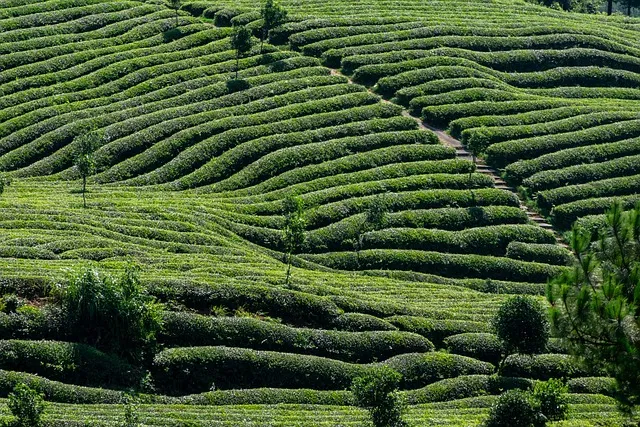
A standard cup of high-quality green tea (8oz, properly brewed) contains approximately 100-200mg of EGCG. A serving of matcha (1 teaspoon of powder in 8oz water) contains approximately 200-400mg of EGCG — higher because the entire ground leaf is being consumed rather than an extraction. This is the primary nutritional distinction between green tea and matcha: matcha delivers the complete leaf’s catechin content rather than what diffuses into water during steeping.
The Hursel 2009 Meta-Analysis: Fat Metabolism and Body Composition
The most comprehensive systematic analysis of green tea’s effects on body weight and composition is Hursel et al.’s 2009 meta-analysis published in Obesity Reviews. This paper synthesized data from 11 randomized controlled trials examining green tea catechins (typically combined with caffeine) on body weight and fat oxidation outcomes.
The findings were meaningful: green tea catechin-caffeine combinations produced a statistically significant reduction in body weight (-1.38 kg on average) and a significant improvement in fat oxidation, with the effects most pronounced in populations that were not habitual caffeine consumers (because tolerance to caffeine’s thermogenic effects reduces the combined catechin-caffeine effect over time). The effect on weight was modest in absolute terms — this is not a dramatic weight loss supplement — but it’s consistent, mechanistically sound, and appears across independent research groups.
The mechanism involves EGCG’s inhibition of catechol-O-methyltransferase (COMT), an enzyme that normally degrades norepinephrine. By inhibiting COMT, EGCG extends the thermogenic signal of norepinephrine in adipose tissue, increasing fat oxidation. Green tea’s caffeine independently stimulates norepinephrine release. The combination — EGCG extending the signal, caffeine amplifying the signal — produces a synergistic thermogenic effect that neither compound achieves to the same degree alone. This is why green tea extract (catechins + natural caffeine) consistently outperforms isolated catechin supplements in fat oxidation studies.
An important caveat: the effect is substantially reduced in habitual coffee drinkers because their COMT activity has adapted to higher baseline caffeine. James, who already drank two cups of coffee daily, fell into this category — his green tea’s body composition benefits were real but somewhat attenuated by his established caffeine tolerance. For non-coffee-drinkers, green tea’s metabolic effects are more pronounced. For habitual caffeine consumers, the cardiovascular and cognitive benefits (discussed below) are less affected by caffeine tolerance than the fat oxidation effects.
EGCG and Cardiovascular Health
The cardiovascular evidence for green tea is arguably stronger than the body composition evidence and draws from both mechanistic research and large-scale epidemiological data. The Japanese cohort studies are particularly compelling given the scale and duration of follow-up.
A 2006 study by Kuriyama et al. published in JAMA followed 40,530 Japanese adults for 11 years and found that consumption of 5+ cups of green tea daily was associated with 16% lower cardiovascular mortality and 26% lower stroke mortality compared to consuming fewer than 1 cup daily. These associations remained significant after controlling for multiple confounders including smoking, BMI, diet quality, physical activity, and alcohol consumption. The dose-response relationship was clear — more green tea was associated with progressively lower cardiovascular risk up to the 5+ cups per day level, beyond which there was no further significant benefit.
The mechanistic pathways contributing to this cardiovascular protection include: endothelial function improvement (EGCG increases nitric oxide bioavailability, reducing vascular resistance), LDL oxidation inhibition (catechins are potent antioxidants in lipid environments — they prevent LDL cholesterol from being oxidized into the atherogenic form that initiates plaque formation), platelet aggregation reduction (EGCG inhibits platelet-activating factor and reduces thromboxane A2 production), and angiotensin-converting enzyme (ACE) inhibition (a modest blood pressure-lowering mechanism also targeted by pharmaceutical ACE inhibitor drugs).
A 2011 meta-analysis by Pham et al. found that green tea consumption was associated with significantly lower blood pressure — approximately -2.1 mmHg systolic and -1.7 mmHg diastolic compared to control conditions across multiple studies. While modest, these blood pressure effects are consistent and add to the cardiovascular benefit profile.
Green Tea and Cognitive Function
EGCG crosses the blood-brain barrier and has documented direct effects on neural function. The mechanisms are multiple and increasingly well-understood. EGCG inhibits beta-amyloid aggregation — the protein aggregation process central to Alzheimer’s disease pathology. Multiple in vitro and animal studies have shown EGCG prevents the formation of amyloid fibrils and can disaggregate existing aggregates. Human observational clinical evidence indicates consistent associations between habitual green tea consumption and lower risk of cognitive decline and Alzheimer’s disease.
A 2006 cross-sectional study by Kuriyama et al. in the American Journal of Clinical Nutrition found that habitual green tea consumption was associated with significantly lower prevalence of cognitive impairment in adults aged 70+, with a dose-response relationship: drinking 2 or more cups daily was associated with 54% reduced prevalence of cognitive impairment compared to drinking less than 3 cups weekly. This held after controlling for multiple confounders.
Green tea also contains L-theanine — an amino acid unique to tea that modulates gamma-aminobutyric acid (GABA) receptors, reducing anxiety and producing a state of relaxed alertness without sedation. L-theanine and caffeine have a well-documented synergistic interaction on cognitive performance: L-theanine blunts the anxiety and jitteriness that caffeine can produce while preserving and in some measures enhancing caffeine’s attention and cognitive benefits. A 2008 study by Owen et al. found that combined L-theanine (97mg) and caffeine (40mg) — approximately the amounts in 2 cups of green tea — produced greater improvement in mental alertness, reaction time, and word recognition accuracy compared to either compound alone. This synergistic effect is specific to green tea; coffee provides caffeine without L-theanine.
This is one meaningful reason to include green tea in addition to coffee rather than replacing it: the L-theanine-caffeine combination produces a cognitively distinct effect from caffeine alone. James’s single morning cup was providing caffeine equivalent to roughly one-half cup of coffee, but it was also providing the L-theanine modulation that his espresso shots weren’t. He noticed he felt “calmer but more focused” after green tea versus coffee. Not placebo. L-theanine working through GABA receptors to modify the caffeine experience.
Cancer Prevention: The Nrf2 and Direct Mechanisms
Green tea’s association with reduced cancer risk is one of the most extensively studied areas in nutritional epidemiology. The largest epidemiological signals are for colorectal cancer, breast cancer, and prostate cancer in populations with high habitual green tea consumption. A 2006 meta-analysis by Sun et al. found that high green tea consumption was associated with a 22% reduction in colorectal cancer risk in case-control studies. For breast cancer, a 2014 meta-analysis found significant risk reduction in premenopausal women with high green tea intake.
EGCG acts through multiple anti-cancer mechanisms at the cellular level. It activates Nrf2 (nuclear factor erythroid 2-related factor 2) — the same transcription factor activated by sulforaphane, quercetin, and other chemoprotective dietary compounds. Nrf2 activation induces phase 2 detoxification enzymes (glutathione S-transferases, NAD(P)H quinone oxidoreductase) that neutralize carcinogenic compounds before they can damage DNA. EGCG also inhibits multiple cancer cell-specific signaling pathways: it inhibits vascular endothelial growth factor (VEGF, required for tumor angiogenesis), reduces matrix metalloproteinase activity (necessary for tumor invasion and metastasis), and directly induces apoptosis in cancer cell lines while leaving normal cells unaffected — a selectivity that makes it interesting from a therapeutic perspective.
The DNA methylation effects of EGCG are particularly interesting from an epigenetic perspective. Cancer cells frequently show hypermethylation of tumor suppressor gene promoters — essentially silencing the genes that would normally inhibit uncontrolled proliferation. EGCG has been shown to demethylate these silenced gene promoters, potentially reactivating tumor suppressor function in early-stage or precancerous cells. This epigenetic mechanism operates at EGCG concentrations achievable through habitual green tea consumption, not just at pharmacological doses.
Matcha vs. Green Tea: The Real Differences
James’s original question was whether to switch from green tea to matcha, and the answer deserves specific consideration. Matcha is green tea in a specific form: the entire leaf is ground to a fine powder, which is whisked into hot water rather than steeped and discarded. Because the whole leaf is consumed, not just its water-soluble extract, matcha delivers the complete catechin content of the leaf — approximately 3x higher EGCG per cup than conventionally brewed green tea.
Matcha also delivers higher L-theanine content (shade growing increases L-theanine production in addition to catechins), higher chlorophyll (the dark green color), and the full fiber content of the leaf (though this is a small amount). For anyone whose goal is maximizing EGCG dose from a single beverage, matcha is clearly superior. For casual health consumption aimed at consistent daily polyphenol intake at lower cost and with simpler preparation, quality loose-leaf or bagged green tea is adequate.
The quality gradient in matcha is important and dramatically affects EGCG content. Ceremonial-grade matcha (from the first flush of leaves from shade-grown cultivars) has EGCG concentrations 2-3 times higher than culinary-grade matcha sold cheaply. Much commercially available “matcha” powder in the US is culinary grade or mixed-grade at best. Drinking matcha for the EGCG content means purchasing ceremonial grade from verified Japanese sources (Uji or Nishio regions are considered the highest quality) and paying the premium — cheap matcha may have minimal catechin content.
The Green Tea Catechin Protocol
This framework maximizes the evidence-based benefits of green tea catechins through practical dietary implementation.
- Daily target: 3-5 cups of green tea daily provides approximately 300-750mg EGCG — the range associated with cardiovascular, cognitive, and cancer-preventive benefits in epidemiological data. This is the target for anyone chasing the full benefits. One cup daily still provides benefits; the dose-response is meaningful but not all-or-nothing.
- Brewing optimization: Use water at 70-80°C (not boiling). Steep for 2-3 minutes. Boiling water destroys EGCG through thermal degradation. Using a kettle without temperature control? Let boiled water cool for 2-3 minutes before pouring. Japanese green teas (sencha, gyokuro, shincha) generally have higher catechin content than Chinese green teas (Longjing, Gunpowder) brewed at equivalent conditions.
- Matcha for higher doses: Maximizing EGCG intake means 1-2 servings of ceremonial-grade matcha daily (1 teaspoon per serving), providing 200-400mg EGCG per serving. Preparation: sift the powder to prevent clumping, add 2-3 tablespoons of 80°C water, whisk vigorously to a froth, then add the remaining water or milk. Avoid adding matcha to boiling water or heating it, which degrades the catechins.
- Timing consideration: Catechins inhibit non-heme iron absorption when consumed with iron-rich meals — a concern primarily for vegetarians and vegans. Consume green tea between meals (30-60 minutes away from iron-rich foods) rather than with meals if iron status is a concern. For most omnivores eating varied diets, this is not a practical issue.
- Supplementation as alternative: EGCG supplements are available (standardized green tea extract capsules), but oxidation during manufacturing and storage reduces their EGCG activity substantially compared to fresh-brewed tea. Using supplements means looking for products with standardized 50%+ EGCG content, stored in dark containers away from heat. Doses studied: 300-600mg EGCG daily. Note: very high-dose EGCG supplements (above 800mg daily) have been associated with rare cases of liver toxicity in susceptible individuals — a risk not seen with beverage consumption because of the lower bioavailability per cup.
What Happened to James
James didn’t switch entirely to matcha — the cost was prohibitive for daily use. Instead, he added one serving of ceremonial matcha in the afternoon (replacing an afternoon coffee) and kept his morning green tea ritual. His L-theanine intake from the tea provided a calmer, more sustained focus through the afternoon compared to his previous coffee-only approach.
More importantly, he now understood what he’d been consuming for eight years. He knew why EGCG mattered, what mechanisms it was working through, and what dose range would produce meaningful effects. His casual tea ritual became an informed nutritional practice. He started seeking out higher-quality green tea — loose-leaf sencha at 80°C instead of generic bagged tea bags in boiling water — and the difference in EGCG content was probably 3-4 fold based on the research on these preparation differences.
Knowledge changes the behavior. Not because it adds discipline — James wasn’t undisciplined — but because understanding the mechanism makes the behavior feel purposeful rather than arbitrary. He’d been doing something genuinely good for himself for eight years without knowing why. Understanding why made him do it more deliberately, more correctly, and with greater awareness of the specific benefits he was accumulating. The research didn’t tell him to start drinking green tea. He was already doing that. The research told him to do it better, and that it mattered more than he’d thought.
What People Ask About Green Tea Benefits
Q: Does green tea break a fast?
Plain green tea (no additions) has essentially no caloric content and does not break a fast in any meaningful metabolic sense. EGCG and caffeine actually enhance fat oxidation during fasting. Consuming green tea during an intermittent fasting window supports — rather than disrupts — the metabolic benefits of the fasted state, provided the tea is consumed without milk, sugar, or other caloric additions.
Q: Can green tea interfere with thyroid function?
Green tea contains fluoride (from the tea plant, which accumulates fluoride from soil) and modest amounts of goitrogens. At normal consumption levels (3-5 cups daily of properly brewed tea), neither of these is a concern for people with adequate iodine intake and normal thyroid function. Very high consumption (10+ cups daily) or exclusive reliance on cheap bulk tea leaves (which have higher fluoride content) for extended periods warrants attention, but is well outside normal dietary patterns. EGCG at very high doses (supplemental, not beverage) has been shown to inhibit thyroid peroxidase in vitro; this has not been demonstrated as a clinical concern at beverage doses.
Q: What’s the difference between sencha, gyokuro, and regular green tea?
Gyokuro is shade-grown for 3+ weeks before harvest — the highest shade period produces the highest catechin and L-theanine content of any Japanese green tea, and the highest price. Sencha is the standard Japanese green tea: sun-grown, steamed, rolled, dried — high quality and widely available. Cheap mass-market green tea bags often contain lower-grade fannings (dust and fragments from tea processing) that produce adequate but lower catechin content per gram compared to whole-leaf teas. For health purposes, loose-leaf sencha brewed properly is the best value-to-benefit ratio.
Q: How does green tea compare to black tea for EGCG content?
Black tea is fully oxidized, which converts catechins into theaflavins and thearubigins — different compounds with some antioxidant activity but no EGCG. Black tea is essentially absent in EGCG. Theaflavins have their own documented health effects (LDL reduction, some cardiovascular benefit), but they’re pharmacologically distinct from EGCG. White tea is the least processed and retains catechin content comparable to green tea. Oolong is partially oxidized with intermediate catechin levels. For EGCG specifically, green tea and white tea are the relevant options.
Q: Is there an issue with EGCG and cancer medications?
This is an important interaction to know about. EGCG inhibits certain OATP (organic anion-transporting polypeptide) transporters that affect the pharmacokinetics of some medications, including certain chemotherapy drugs, statins, and other medications. Anyone on chemotherapy or taking medications with known OATP interactions should discuss green tea consumption with their oncologist or pharmacologist. For people not on these medications, this is not a practical concern.
Timing, Dosage, and the Caffeine Calculus
Here is where green tea gets complicated, and where most advice falls apart. The standard recommendation — “drink green tea for health” — is like saying “eat food for nutrition.” Technically true. Practically useless.
The research on green tea’s metabolic effects uses specific doses. Hursel’s 2009 meta-analysis examined studies using 270-1,200mg of catechins daily. The cardiovascular studies that show LDL reduction typically use 5-10 cups per day. The cognitive studies cluster around 2-4 cups. These ranges matter because a single cup of average green tea contains roughly 50-100mg of EGCG. Ceremonial matcha, prepared at standard concentration, delivers 70-140mg per serving.
Mathematics: reaching the therapeutic threshold of most trials (300-400mg EGCG daily) takes 3-6 cups of quality green tea, or 2-4 servings of matcha. Achievable. It requires intention, though. The casual “had some green tea today” approach is not the same as the systematic intake the research was built on.
Caffeine deserves its own discussion. Green tea contains 25-50mg of caffeine per cup — significantly less than coffee (80-120mg), but not nothing. Combined with L-theanine (the calming amino acid that modulates caffeine’s effects), most people tolerate green tea better than coffee. The 2008 Beever analysis found that the calming effect of L-theanine blunts caffeine’s anxiety-inducing properties while preserving alertness. This is why green tea produces a different quality of focus — alert but not wired, attentive but not anxious.
However, caffeine-sensitive individuals, pregnant women, and those with certain cardiac arrhythmias need to account for caffeine load. Five cups of green tea daily means consuming 125-250mg of caffeine. Below the generally recognized safe limit (400mg for healthy adults, per FDA guidance), but not zero.
Timing optimization: the best windows for green tea consumption are mid-morning (after the cortisol awakening response subsides, roughly 9:30-11:30am) and early afternoon (1-3pm, when the natural post-lunch dip occurs). Drinking green tea within an hour of meals reduces iron absorption by up to 26%, per research in the European Journal of Nutrition. Iron-deficient, or eating primarily plant-based iron sources? Separate tea from meals by at least one hour.
Avoid green tea within four hours of sleep. The half-life of caffeine is 5-7 hours. A 3pm cup clears to half-strength by 8-10pm. A 5pm cup is still active at midnight. Green tea’s cognitive benefits don’t help if they’re costing sleep quality.
The Bioavailability Problem and How to Solve It
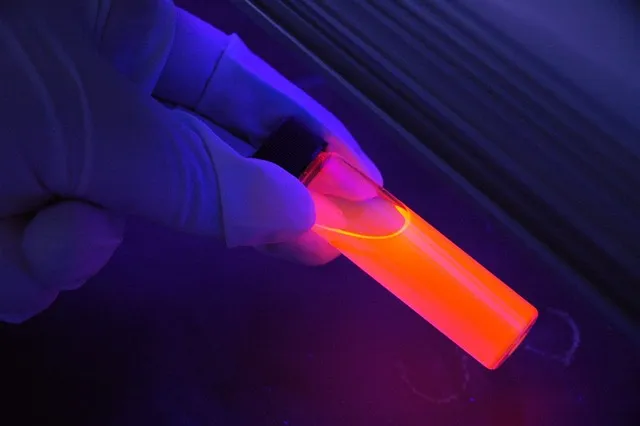
Several strategies legitimately improve absorption. The most evidence-backed is vitamin C co-consumption. A 2007 study published in Food Chemistry found that ascorbic acid (vitamin C) stabilizes catechins during digestion, increasing absorption by up to 13-fold in simulated intestinal conditions. The practical application: squeeze lemon juice into green tea. Not for taste (though it helps), but for the ascorbic acid content. A squeeze of fresh lemon — roughly 8-10mg of vitamin C — meaningfully shifts EGCG bioavailability.
Fasting state also matters. A 2014 study in the European Journal of Nutrition found that EGCG absorption was approximately three times higher when consumed on an empty stomach versus with a high-fat meal. The lipid content of food physically interferes with catechin absorption in the small intestine. This creates a trade-off: drink green tea with food to avoid iron absorption interference, or drink on an empty stomach for better catechin uptake. For most people, mid-morning green tea (2-3 hours after breakfast) or between meals represents a reasonable middle ground.
Milk is a notable inhibitor. Dairy proteins (particularly casein) bind to catechins in the gut and reduce their absorption. British-style tea — strong black tea with full-fat milk — delivers almost no catechin benefit because the milk proteins neutralize most of the polyphenols before absorption. This has no bearing on enjoyment of the beverage. It does bear on whether it’s being drunk for health benefits. Green tea is drunk without dairy for functional reasons, not cultural snobbery.
Water temperature affects both taste and chemistry. Brewing above 80°C (176°F) degrades catechins and releases excess tannins, creating the bitter, astringent flavor that many people associate with bad green tea. Optimal brewing temperature is 70-80°C with a 2-3 minute steep for standard green tea, or simply adding hot water to matcha powder under 80°C. The catechin content is preserved, the flavor is smoother, and the overall experience is better. Optimization that costs nothing except a thermometer.
Green Tea Versus Green Tea Extract: What the Research Says
The supplement industry has taken green tea — a beverage with millennia of safety data — and created concentrated extracts that bear little resemblance to the original. Green tea extract supplements typically deliver 400-1,000mg of EGCG per capsule, compared to 50-140mg per cup of brewed tea. Sounds like an efficiency improvement. It has produced a concerning safety signal instead.
The European Food Safety Authority (EFSA) issued a review in 2018 examining green tea extract-associated liver toxicity. They found that while brewed green tea consumption showed no hepatotoxicity signal even at high intake levels, concentrated supplements had documented cases of serious liver damage — including cases requiring liver transplantation. The mechanism is not fully understood, but the dose-response relationship appears different for extracts versus brewed tea, possibly due to different chemical compositions, the absence of dilution effects, or interaction with fasting states (many people take supplements without food).
The practical guidance from EFSA: brewed green tea is safe at high consumption levels. Supplements containing 800mg or more of EGCG per day represent a risk for a small but non-trivial percentage of users. Taking an extract with food rather than on an empty stomach appears to reduce that risk without eliminating it. The gap between the beverage and the capsule is the whole story: the same molecule, at a concentration the leaf never delivers.
Not a reason to fear green tea — a reason to prefer the beverage over the pill. Brewed tea has a safety record spanning 4,000 years across billions of users. The concentrated extract has about thirty years of data and a hepatotoxicity signal. The choice here is obvious if the goal is long-term health optimization rather than supplement convenience.
Matcha occupies a middle ground — higher catechin content than standard brewed tea, lower than typical supplements. At normal consumption levels (1-4 servings daily), matcha’s safety profile mirrors traditional green tea. At extreme intake (10+ servings daily) or combined with supplements, that’s less-studied territory.
Synergistic Stacking: What Enhances Green Tea’s Effects
Green tea does not exist in isolation. The entire dietary and lifestyle context determines how effectively the catechins translate into measurable outcomes. Several specific combinations are worth knowing.
Exercise and green tea have a documented synergy. Multiple studies have found that green tea catechins plus exercise produces greater fat oxidation than either intervention alone. A 2009 study in the Journal of Nutrition found that exercising subjects supplemented with catechins showed 17% greater fat burning during moderate-intensity exercise compared to placebo. The proposed mechanism: catechins inhibit catechol-O-methyltransferase (COMT), the enzyme that breaks down norepinephrine, extending the sympathetic nervous system signal that drives fat mobilization during exercise. Green tea before training may extend the body’s natural fat-burning signal.
Quercetin and green tea share complementary mechanisms. Quercetin (found in onions, apples, capers) also inhibits COMT and has independent anti-inflammatory effects. The combination appears in several sports nutrition studies examining fat oxidation and endurance performance. Not a mandatory stack — both compounds work independently — but quercetin-rich foods plus green tea may produce synergistic benefit without any additional effort.
Berberine and green tea appear synergistic for blood sugar management. Both compounds independently improve insulin sensitivity through different mechanisms (AMPK activation via berberine, GLUT4 translocation improvement via EGCG). Clinical data on the combination is limited, but the mechanistic logic is sound. For anyone managing blood glucose naturally, the combination is worth considering under appropriate medical supervision.
Omega-3 fatty acids may enhance EGCG bioavailability. Some research suggests that the lipid content of fish oils actually improves EGCG absorption versus the blank gut environment — the opposite of what happens with dairy fat. The specific fatty acid composition appears to matter. This research is preliminary, but taking green tea with a fish oil supplement (rather than with a dairy-heavy meal) may represent an absorption optimization.
“Green tea is not a weight loss drug, a cancer cure, or a cognitive enhancer in a cup. It is a consistent, evidence-backed signal to your body’s metabolic, cardiovascular, and neurological systems. Consistency beats intensity. Five cups daily for five years outperforms ten cups daily for five weeks.”
Long-Term Green Tea Benefits Strategy: What Daily Green Tea Consumption Builds Over Years
Most health research examines short-term interventions: eight weeks of supplementation, twelve weeks of dietary change. Green tea’s most compelling data comes from longitudinal observational studies that track populations over years and decades. These studies have methodological limitations — confounding variables, recall bias, selection effects — but their consistency across different populations and time periods is striking.
The Ohsaki National Health Insurance Cohort Study followed 40,530 Japanese adults for up to eleven years. Participants drinking five or more cups of green tea daily had significantly lower all-cause mortality, lower cardiovascular mortality, and lower cerebrovascular disease rates compared to those drinking less than one cup daily. The association held after adjusting for age, sex, smoking, alcohol consumption, BMI, and dietary factors.
A 2014 meta-analysis in the European Journal of Epidemiology synthesized 11 prospective studies on green tea and cardiovascular mortality, finding a relative risk reduction of approximately 0.95 per additional cup consumed daily. This suggests a dose-response relationship across the population range — more cups, lower risk — up to approximately five cups per day, where the data becomes sparser.
Cognitive trajectory data is less strong but consistent in direction. A 2014 study in PLOS ONE found that older Japanese adults who consumed green tea regularly had lower rates of cognitive impairment, with daily consumption associated with a 64% lower risk of cognitive impairment compared to occasional consumption. Cross-sectional data has obvious limitations, but the pattern aligns with the BDNF-upregulation and neuroprotection mechanisms documented in controlled trials.
What does this mean practically? Green tea is not a treatment for any specific disease. It is a consistent metabolic and systemic signal that compounds over years. The population that drinks five cups daily for thirty years is meaningfully different, in terms of inflammatory burden, vascular health, and cognitive trajectory, from the population that occasionally orders green tea at a sushi restaurant. The difference is not dramatic in any given week. It is significant across a lifetime.
Grace — the character from the beginning of this story — eventually stopped chasing the next supplement and built a system around fundamentals. She drinks three cups of sencha daily, adds lemon, brews under 80°C, and times her first cup mid-morning. She combines it with a resistance training protocol three days per week. She doesn’t track EGCG milligrams. She has made the behavior automatic enough that it requires no ongoing decision-making. That is the actual optimization — not finding the perfect catechin concentration, but building the habit that survives contact with real life.
The Hursel meta-analysis she never read would have told her what she eventually figured out through experimentation: the effect sizes are modest, the consistency requirement is high, and the long game is the only game worth playing.
The Inflammation Connection: EGCG’s Molecular Targets
EGCG’s anti-inflammatory effects operate through multiple well-characterized molecular mechanisms that illuminate why green tea’s benefits span such a remarkably diverse range of disease conditions. Understanding these mechanisms explains why green tea research keeps showing positive signals for cardiovascular disease, neurodegeneration, metabolic syndrome, and cancer — seemingly unrelated conditions connected by the common thread of chronic inflammatory pathology.
The primary molecular target of EGCG’s anti-inflammatory action is NF-kB (nuclear factor kappa-light-chain-enhancer of activated B cells) — the master transcription factor that, when activated, coordinates the expression of dozens of inflammatory genes including COX-2, TNF-alpha, IL-6, and IL-1beta. EGCG inhibits NF-kB activation through multiple mechanisms: it inhibits IKK (IkappaB kinase), the kinase that phosphorylates IkappaB (the protein that normally keeps NF-kB inactive); it prevents NF-kB from binding to DNA after activation; and it promotes IkappaB resynthesis to re-suppress NF-kB signaling after acute inflammatory events.
The result of NF-kB inhibition by EGCG is a broad suppression of the inflammatory gene expression program. This explains why green tea consumption is consistently associated with lower circulating levels of CRP (C-reactive protein), IL-6, and TNF-alpha in both observational studies and clinical trials. A 2015 meta-analysis by Pham et al. analyzing 31 randomized controlled trials found that green tea supplementation significantly reduced CRP by an average of -0.99 mg/L — a meaningful effect given that CRP above 3 mg/L is associated with substantially elevated cardiovascular risk.
EGCG also inhibits COX-2 (cyclooxygenase-2) — the enzyme that produces prostaglandins mediating inflammatory pain, fever, and vascular inflammation. This is the same enzyme inhibited by NSAIDs like ibuprofen and aspirin, though EGCG does so through a different mechanism (transcriptional suppression via NF-kB rather than direct enzymatic inhibition). The clinical magnitude of EGCG’s COX-2 inhibition is smaller than pharmaceutical NSAIDs, but unlike NSAIDs, EGCG doesn’t damage the gastrointestinal mucosal lining — the primary side effect that limits long-term NSAID use.
For James, who had elevated CRP at 2.4 mg/L on his last cardiovascular panel (above the “low risk” threshold of 1.0 mg/L but below the “high risk” threshold of 3.0 mg/L), consistently consuming 3-5 cups of green tea daily represented a practical, zero-side-effect approach to reducing his inflammatory burden. His baseline regular green tea consumption was probably already contributing to keeping his CRP in the moderate rather than high range. Optimizing his preparation and frequency represented a meaningful step toward the low-risk range without adding any pharmaceutical intervention.
EGCG and the Microbiome: An Emerging Story
More recent research has expanded understanding of EGCG’s effects by examining what happens to it after oral consumption. Only 1-5% of orally consumed EGCG reaches systemic circulation intact — the majority is metabolized by gut bacteria into secondary metabolites including hydroxyphenylvalerolactones and their further ring-fission products. These bacterial metabolites of EGCG are themselves biologically active and may account for some of the systemic effects attributed to EGCG.
This means the health effects of green tea consumption are partly determined by gut microbiome composition — the microbiome determines which metabolites are produced from EGCG and in what quantities. This is consistent with the individual variability researchers have noted in green tea’s effects: the same dose of EGCG produces different metabolite profiles in different people, and the metabolite profile likely correlates with the specific biological effects achieved.
EGCG itself also modulates the gut microbiome. Multiple studies have found that regular green tea catechin intake shifts microbiome composition toward greater populations of beneficial bacteria (Bifidobacterium, Lactobacillus) and lower populations of potentially pathogenic bacteria. This prebiotic-like effect contributes to gut barrier integrity, reduced intestinal inflammation, and improved metabolic function — effects that extend beyond what EGCG’s direct bioavailability to systemic circulation would predict.
A 2018 study by Renouf et al. found that green tea consumption over 4 weeks significantly altered urinary metabolite profiles in ways consistent with microbiome-mediated metabolism of catechins, with individual variation that corresponded to differences in gut microbiome baseline composition. The “best responders” to green tea’s metabolic effects — greater fat oxidation, greater anti-inflammatory response — tended to have microbiome compositions that more effectively converted EGCG into its most bioactive bacterial metabolites. This research is young and largely mechanistic rather than clinically applicable yet, but it adds a compelling layer to the green tea story: this is not simply a compound entering the bloodstream and acting on receptors. It’s a compound entering an ecosystem — the gut — that processes it into a range of active compounds, and the health effects received depend partly on the quality of that ecosystem.
The Japanese Longevity Connection
No discussion of green tea’s health evidence would be complete without placing it in the context of Japanese dietary culture and longevity data. Japan consistently ranks among the top nations globally for life expectancy and “health-adjusted life expectancy” (years lived in good health, not just years lived). Japanese adults have markedly lower rates of cardiovascular disease, many cancers, and cognitive decline compared to Western populations — differences that persist even after adjusting for smoking, body weight, and exercise.
The Japanese diet has multiple features that likely contribute to this longevity advantage: high fish consumption (omega-3s, selenium, B12), traditional fermented foods (gut microbiome diversity), low ultra-processed food consumption, green tea consumption, and lower caloric density overall. Green tea is not the only factor. But its ubiquity in Japanese dietary culture — consumed multiple times daily across the lifespan, from adolescence through old age — and the epidemiological associations described in the Kuriyama et al. JAMA study make it a likely contributing variable.
What’s notable in the Japanese data is that the benefit is dose-dependent up to 5 cups daily and then plateaus. This threshold effect suggests a saturation point for the relevant mechanisms — either receptors becoming occupied, enzyme pathways becoming fully induced, or some other limiting factor. The implication: consuming 5 cups daily is clearly better than 1 cup daily for cardiovascular and cognitive outcomes, but consuming 10 cups daily doesn’t provide twice the benefit of 5. The optimal range for health effects — based on the epidemiological signal — appears to be approximately 3-5 cups daily of properly brewed high-quality green tea. James was at 1 cup. He had meaningful room to increase his dose and his benefit without any diminishing returns concern at the doses his daily life practically accommodated.
The L-theanine contribution to the Japanese longevity pattern is speculative but interesting. Japan has notably lower rates of anxiety disorders and depression compared to Western countries — a difference attributed to multiple cultural factors but potentially involving the regular L-theanine exposure from habitual tea consumption. L-theanine promotes alpha wave activity in the brain (associated with relaxed alertness), modulates glutamate neurotransmission (reducing excitotoxicity), and has documented anxiolytic effects at doses achievable through regular tea consumption. Whether daily L-theanine intake over a lifetime contributes to the lower anxiety and depression rates observed in high-green-tea-consuming populations is an intriguing hypothesis that the observational data doesn’t definitively establish but doesn’t contradict either. Some things are known to work. Some things the data suggests work but hasn’t fully confirmed. Tea consumption seems to sit confidently in the first category, with fascinating extensions into the second.
Common Mistakes That Undermine Green Tea’s Benefits
Understanding what to do is half the equation. Understanding what undermines the investment is equally important. The most common green tea mistakes are not exotic — they’re the kind of errors that erode the benefit without providing obvious negative feedback.
Buying cheap tea is the primary error. The commodity green tea sold in large-box stores is often older, lower in catechins, and higher in tannins (which create bitterness and add astringency without adding catechin benefit). A bag of Lipton green tea and a measured serving of fresh-harvest Gyokuro are both “green tea” in the same way a gas station hamburger and a grass-fed ribeye are both “beef.” The label describes the category, not the quality. Sourcing matters — Japanese green teas from Uji or Shizuoka, high-grade Chinese dragonwell — and the catechin content is meaningfully higher.
Overbrewing creates a bitter cup and degrades catechins. Two to three minutes at 70-80°C is the optimal window for most green teas. Steeping for five minutes at boiling water temperature produces a harsh, tannic tea that’s less pleasant to drink and less bioavailable. The bitterness is not a sign of strength — it’s a sign of degraded catechins and excessive tannin release.
Expecting dramatic short-term effects leads to abandonment. Green tea is not a stimulant in the traditional sense. It doesn’t produce the immediate, unmistakable effect of caffeine at high dose. The benefits are subtle and accumulative — slightly better focus, marginally improved fat oxidation during exercise, gradual improvements in lipid markers over months. People who start green tea expecting dramatic fat loss or immediate cognitive enhancement within two weeks quit because nothing dramatic happens. The people who keep going for two years and get bloodwork done are the ones who see the numbers shift.
Combining green tea with iron-rich meals unnecessarily reduces mineral absorption. This matters primarily for vegetarians, vegans, and people with marginal iron status. Eating spinach, lentils, or fortified cereals? Separate green tea by at least an hour. Eating heme iron from meat, the impact is smaller, but the separation habit is still worth building.
Using green tea as a substitute for sleep, exercise, or fundamental dietary quality is the mistake that underlies all other mistakes. Green tea is an amplifier of a system that already works. It doesn’t compensate for five hours of sleep, a sedentary lifestyle, and a processed food diet. The people who get the most benefit from green tea are the ones who needed it least — they already had the system dialed in, and green tea adds marginal signal to a clean baseline.
References
Editorial StandardsCorrectionsMedical DisclaimerAbout Our ContentAffiliate DisclosureSite Map